When considering plumbing solutions, the choice of fittings can significantly impact performance and safety. Compression fittings have gained popularity in recent years due to their versatility and reliability. According to a 2022 report by the Plumbing Manufacturers International Association, approximately 45% of plumbing professionals now prefer compression fittings for both residential and commercial applications. This statistic highlights a growing trend in the industry.
Expert in plumbing technologies, John Anderson, emphasizes the advantages of compression fittings by stating, "Their ease of installation and ability to create a strong seal make them ideal for diverse plumbing needs." These fittings require no soldering or special tools, which can save time and labor costs. However, it’s essential to consider the limitations, such as potential leaks if not installed properly. The balance between benefits and careful installation practices is crucial for ensuring long-lasting performance.
As the industry evolves, the emphasis on quality materials and reliable fittings only intensifies. Compression fittings offer a practical solution for many. However, plumbing professionals should never underestimate the importance of proper installation and maintenance to avoid common pitfalls.
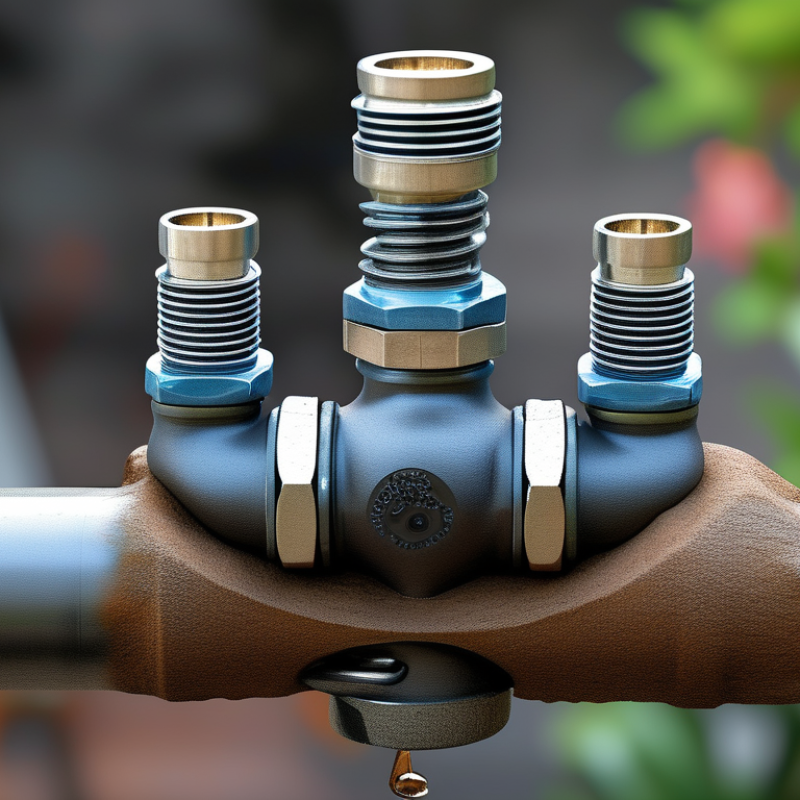
Overview of Compression Fittings in Plumbing Applications
Compression fittings are essential in plumbing applications. They provide a secure and efficient way to connect pipes without welding or soldering. This type of fitting uses a compression ring, or ferrule, to create a tight seal. They are popular for their ease of installation and reliability.
In many plumbing tasks, space is limited. Compression fittings excel in tight spots where traditional fittings might not fit. They can be easily tightened by hand or with a basic tool. This feature makes them a go-to choice for amateur DIYers and seasoned professionals alike. However, over-tightening can lead to damage, highlighting the importance of careful handling.
Furthermore, these fittings work with various materials. They can connect copper, plastic, and rubber pipes. Each material has its own unique properties. Understanding these differences is crucial when selecting the right fitting. While compression fittings are strong, they may not be the best option for high-pressure applications. Knowing your project's requirements is key.
Why Choose Compression Fittings for Your Plumbing Needs?
| Feature |
Details |
| Ease of Installation |
No special tools required for most applications, saving time and effort. |
| Leak Prevention |
Creates a tight seal, reducing the risk of leaks in plumbing systems. |
| Versatility |
Can be used with various types of pipes including copper, PVC, and polyethylene. |
| Durability |
Made from high-quality materials that resist corrosion and wear. |
| Cost-Effectiveness |
Typically more affordable compared to other fitting types, making it budget-friendly. |
| Reusability |
Can be disassembled and reused in different configurations if needed. |
Advantages of Using Compression Fittings over Other Fitting Types
Compression fittings have become a preferred choice for many plumbing projects. They offer flexibility and ease of installation that other fitting types may lack. With their simple design, compression fittings can be used on a variety of pipe materials, enhancing their versatility. This can be particularly beneficial for homeowners looking to simplify their plumbing tasks.
One of the primary advantages lies in their sealing capability. When properly tightened, compression fittings create a reliable seal that prevents leaks. This is vital in plumbing systems, where leaks can lead to significant damage. In contrast, some other fitting types require additional sealing materials, which adds complexity to the installation process. Even though compression fittings are user-friendly, some may find the initial setup challenging, particularly if they lack experience.
Durability is another reason homeowners and professionals opt for compression fittings. They are manufactured to withstand high pressures and temperature fluctuations, ensuring long-lasting performance. However, achieving the perfect fit can be tricky; improper installation may lead to failure in the long run. Regular checks are necessary to maintain efficiency, which invites scrutiny and reflection on best practices. Ultimately, the choice to use compression fittings can lead to reliable plumbing solutions when executed correctly.
Materials Commonly Used in Compression Fittings
Compression fittings are widely used in plumbing due to their reliability and ease of installation. When considering materials, several options stand out.
Brass is a popular choice. It is durable and resistant to corrosion, making it ideal for various plumbing applications. In addition to its strength, brass fittings offer a polished finish that is visually appealing.
Another common material is plastic. PVC and CPVC fittings are lightweight and cost-effective. They are not as strong as brass but can handle specific applications effectively.
Plastic fittings are also resistant to rust and corrosion. However, they may become brittle over time, especially in high-temperature environments.
Lastly, stainless steel is known for its exceptional durability. It is suitable for outdoor projects and environments where corrosion is a significant concern.
These fittings have a high tensile strength but can be more expensive. Each material has its benefits and drawbacks, so understanding the specific needs of your plumbing project is crucial.
Installation Process for Compression Fittings: A Step-by-Step Guide
Compression fittings are widely favored in plumbing projects due to their ease of use and reliable performance. To install these fittings effectively, it's essential to follow a methodical approach to ensure a leak-free connection. This process begins by gathering the necessary tools: adjustable wrench, pipe cutter, and cotton rag. Accurate measurements are crucial, so take your time to mark the pipe length precisely.
Start by cutting the pipe cleanly. Ensure there are no rough edges that might compromise the seal. Next, slide the compression ring and nut onto the pipe, positioning them away from the end you will connect. Insert the pipe into the fitting until it stops. Then, gently push the compression ring up to meet the fitting. Tighten the nut with the adjustable wrench, securing the connection. Avoid over-tightening, as it may damage the fitting or pipe.
Many professionals recommend a torque of 15-24 ft-lbs for optimal tightness. Research shows that improper installation can lead to leaks, which affect up to 35% of plumbing systems. This percentage highlights the importance of following guidelines closely. Regularly check connections after installation to catch any potential issues early. This proactive approach can save time and resources in the long run.
Common Applications of Compression Fittings in Residential Plumbing
Compression fittings are increasingly popular in residential plumbing. They play a vital role in a variety of applications. For example, they are often used in connecting copper, PVC, and PEX pipes. Their versatility makes them a go-to choice for many homeowners and professionals alike. According to industry reports, compression fittings can reduce leak occurrences by up to 75%, which significantly enhances plumbing reliability.
In residential settings, they are ideal for tight spaces where soldering is impractical. Installation is typically quick and requires minimal tools, which can save both time and labor costs. A report from the Plumbing Manufacturers International highlights that more than 30% of plumbing repairs are related to joint leaks. Using compression fittings can drastically decrease the likelihood of these repairs.
However, it’s important to ensure proper installation. A common mistake is overtightening, which can damage the pipe or fitting. Regular inspections can help maintain integrity and prevent issues. While compression fittings have many advantages, they require attention to detail during installation and maintenance. This diligence ensures they perform as expected over time.
Common Applications of Compression Fittings in Residential Plumbing
FAQS
: They connect pipes efficiently without welding or soldering. They create a secure seal using a compression ring.
They are easy to install and require basic tools. This makes them accessible for both amateurs and professionals.
Brass, plastic, and stainless steel are widely used. Each material offers unique properties and benefits.
Gather tools, cut the pipe cleanly, and follow steps to ensure a tight seal. Avoid rough edges that might leak.
Over-tightening can damage the fitting or pipe. Careful handling is vital for preventing leaks.
They are typically not the best choice for high pressure. Understanding your plumbing project's needs is essential.
Check connections regularly after installation. Catching issues early can save time and resources in the future.
Consider durability, cost, and environmental factors. Each material has benefits and drawbacks which affect performance.
Plastic may become brittle over time, especially in high temperatures. Choose materials carefully based on your location.
A torque of 15-24 ft-lbs is recommended. This helps ensure optimal tightness and minimizes the risk of leaks.
Conclusion
Compression fittings are essential components in plumbing applications, offering a reliable solution for connecting pipes without the need for welding or soldering. Their design allows for a tight seal, making them a preferred choice for various plumbing needs. The advantages of using compression fittings include ease of installation, the ability to disassemble and reassemble without damaging the pipes, and their compatibility with a range of materials. Commonly used materials for these fittings include brass, plastic, and stainless steel, which contribute to their durability and corrosion resistance.
The installation process for compression fittings is straightforward, typically involving steps such as cutting the pipe to the desired length, inserting the pipe into the fitting, and tightening the compression nut to secure the connection. This simplicity makes them a popular option for many residential plumbing applications, from water supply lines to drain systems. Overall, compression fittings are an efficient and versatile solution that meets a wide array of plumbing requirements.

 Nuoheng