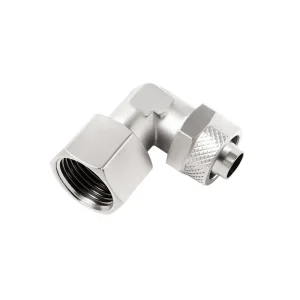
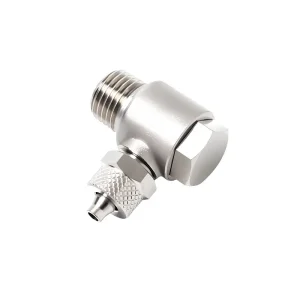
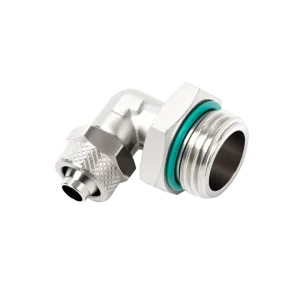
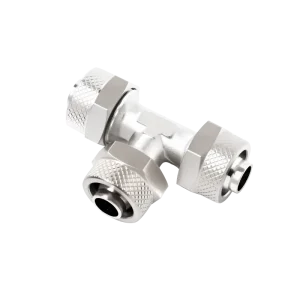
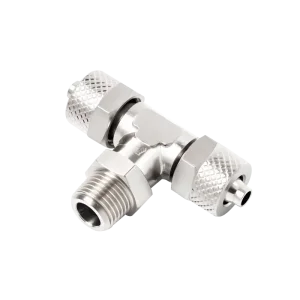
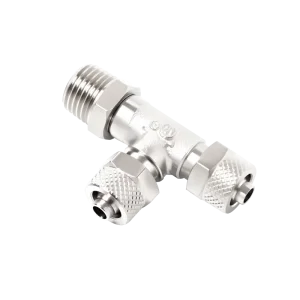
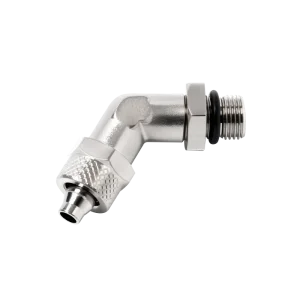
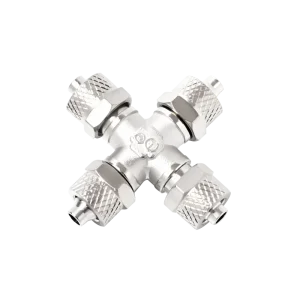
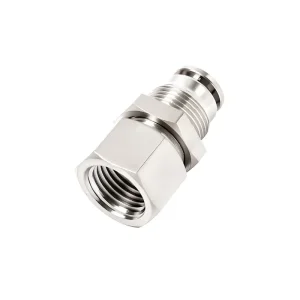
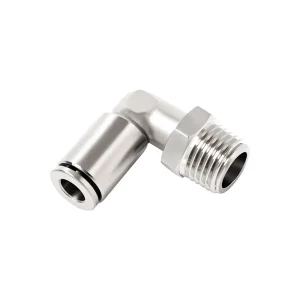
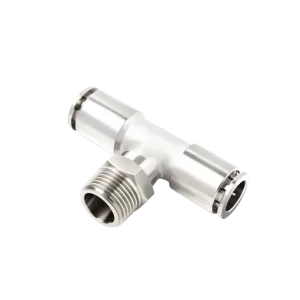
Precision-machined high-performance connectors, valves, and thread configurations engineered to ensure optimal flow dynamics and zero-leakage safety.
Founded with a strategic commitment to transforming pneumatic fluid transmission, Nuoheng Pneumatic Machinery Co., Ltd. (NHPC) has spent over 15 years engineering custom pipeline technologies. We handle everything from baseline engineering layout design to final global compliance testing. Our focus stretches beyond simple component distribution: we build cohesive micro-fluidic, pneumatic, and specialized liquid cooling systems optimized for high pressure, thermal fluctuation, and severe ambient conditions.
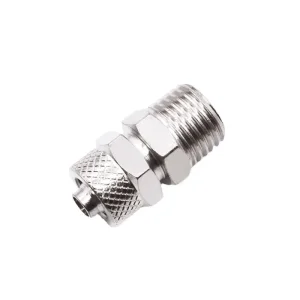
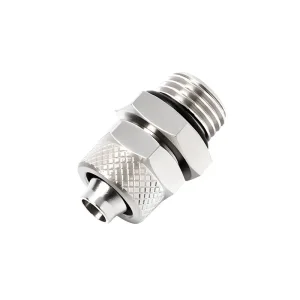
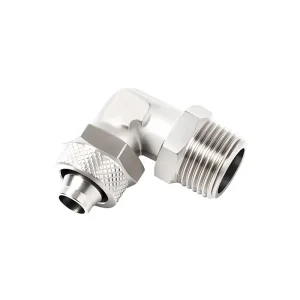
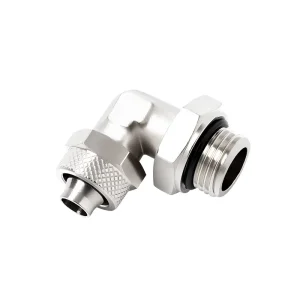
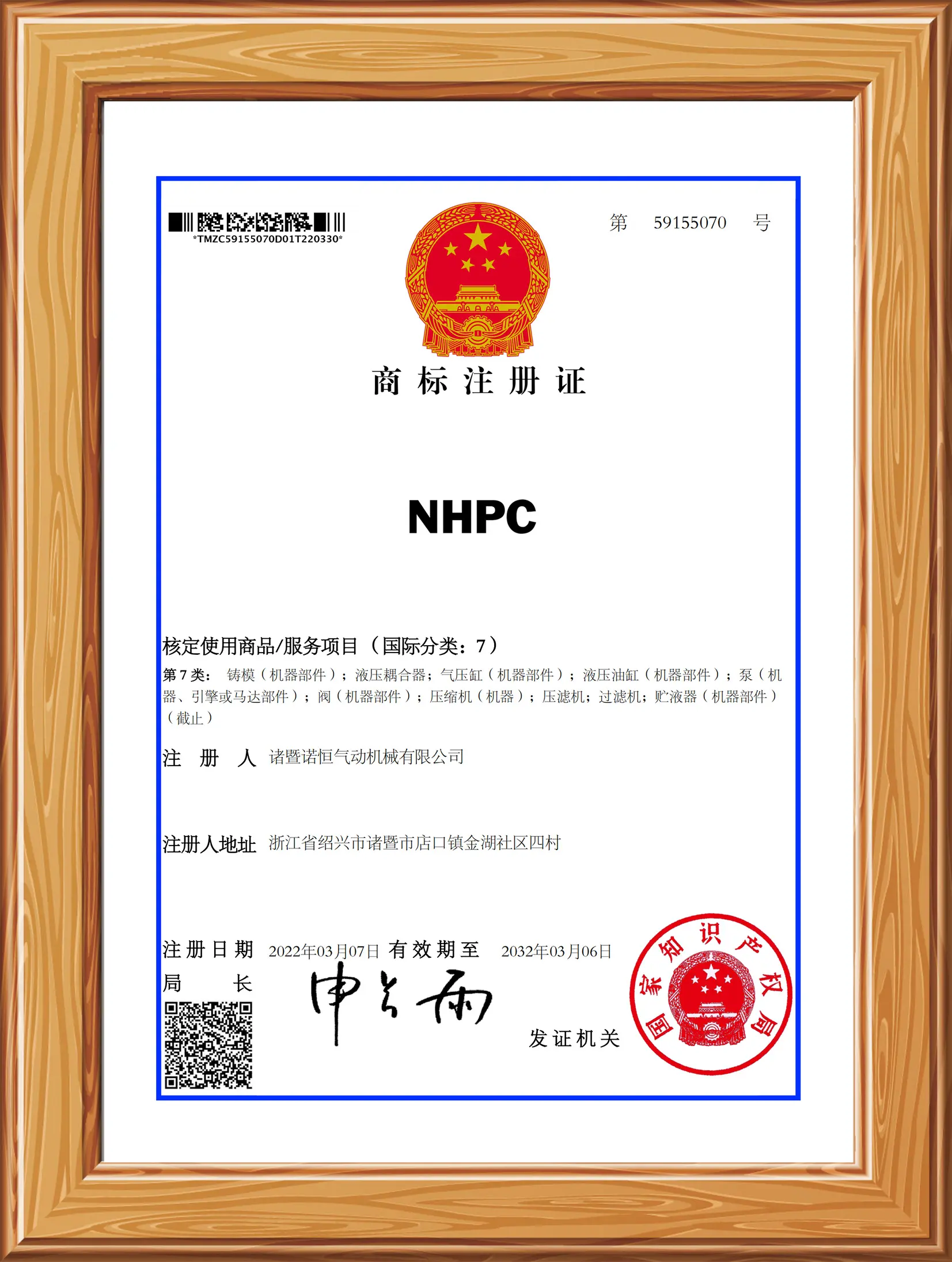
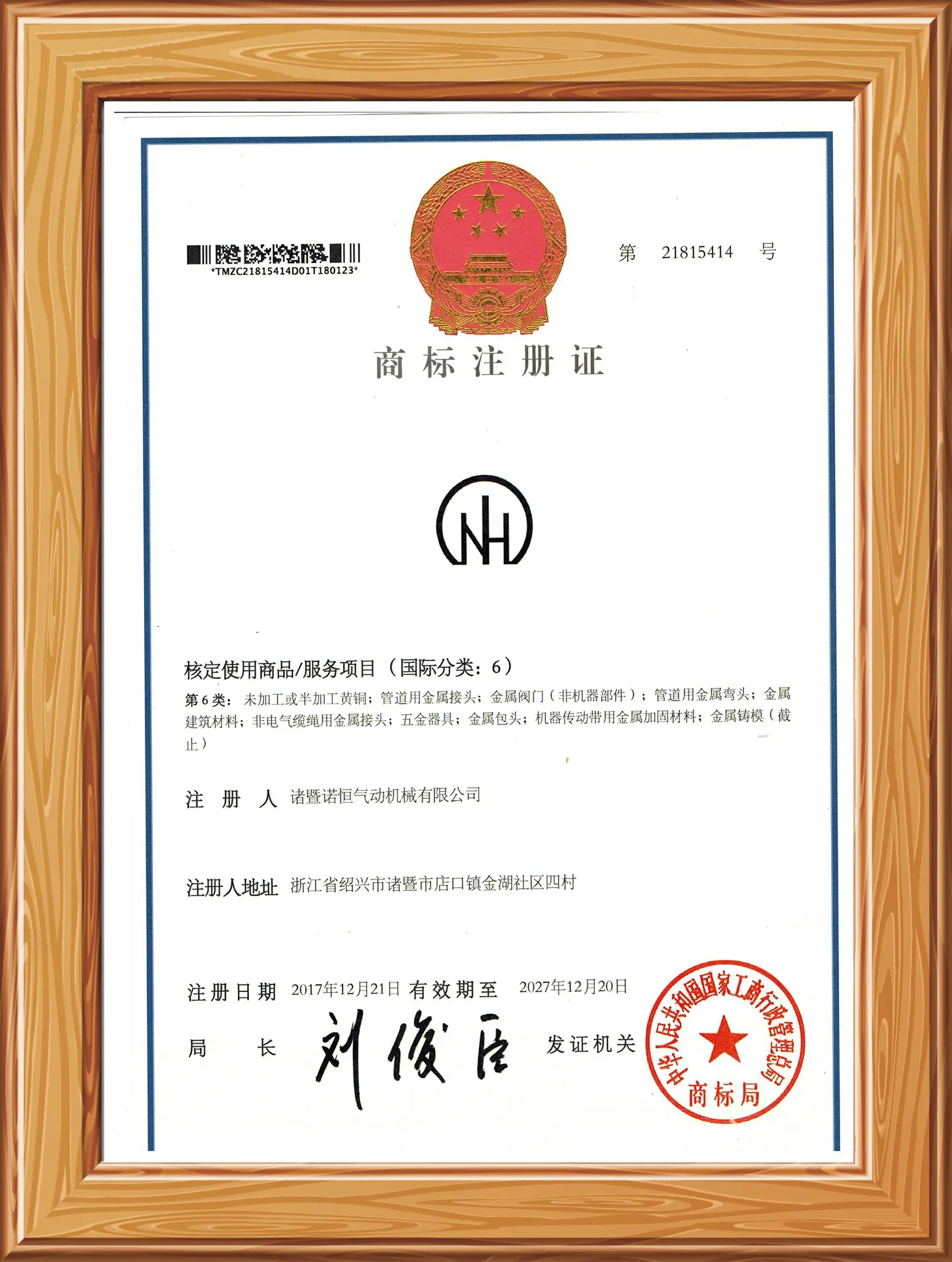
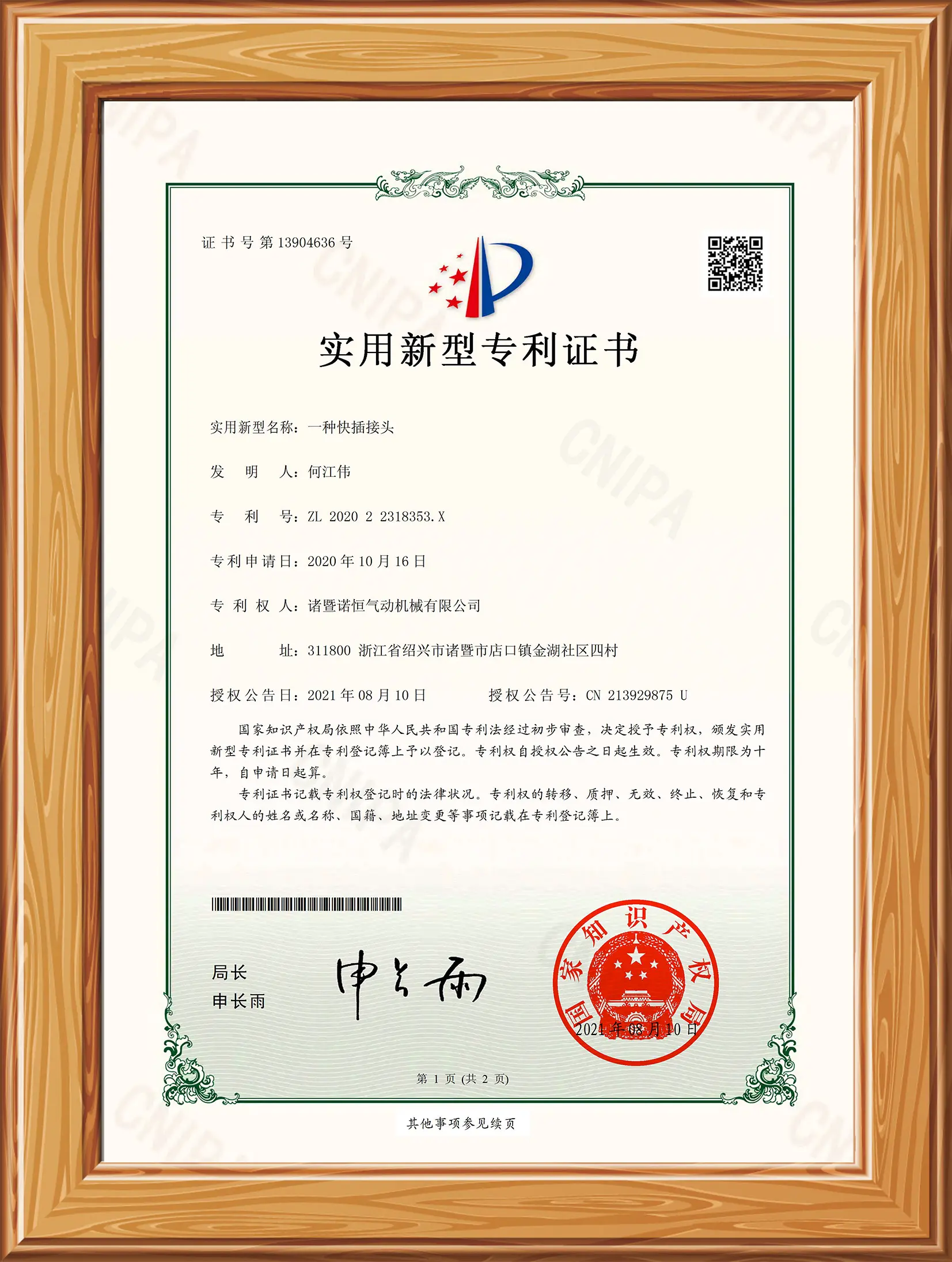
Our complete range of pneumatic fittings—including push-in connectors, push-on fittings, dynamic quick couplings, directional control valves, specialized polyurethane (PU) tubing, and custom hydraulic adaptors—is built using top-tier metallurgical processes. Leveraging precision CNC lathes and automated injection molding lines, NHPC products maintain high dimensional repeatability. This ensures strict conformity to demanding standards such as DOT FMVSS 106, ISO 9001:2015, CE, RoHS, and REACH.
From raw materials and conceptual engineering to logistics and compliance certificates, we support your operations globally.
Leveraging systematic research in pneumatics, mechanical dynamics, and material compatibility, our engineers provide complete system diagnostics. We recommend exact tubing diameters, fitting alignments, and custom connection profiles to reduce system turbulences and lower energy consumption.
Our facility houses high-precision automated surface finishing systems, multi-axis CNC machines, stamping presses, and die-casting lines. This heavy vertical integration lets us monitor quality at every step, ensuring each batch meets tight industrial tolerances.
We provide rapid feedback within 12 hours, alongside native engineering support in English, German, and Spanish. From initial project review to after-sales performance audits, we ensure technical questions are answered quickly by certified design engineers.
Modern procurement and system integration professionals do not simply buy brass and polymer components: they mitigate operational risks, seek supply chain stability, and work to prevent leaks. In automotive manufacturing, chemical processing, and new energy containment, connection points are often the weakest links. Choosing between push-on, push-in, and compression fittings requires a deep understanding of fluid dynamics, pressure gradients, and environmental stresses.
| Evaluation Parameter | Push-In (Instant Connect) | Push-On (Locking Collar/Nut) | Compression (Double Ferrule) |
|---|---|---|---|
| Installation Complexity | Ultra-Low (Insert tube directly) | Low-Medium (Push tube over barb, tighten nut) | High (Requires precise torque to deform ferrule) |
| Vibration Resistance | Moderate (Subject to seal wear) | Excellent (Nut locks hose onto internal barb) | High (Permanent metal deformation) |
| Working Pressure Range | Up to 15 Bar (1.5 MPa) | Up to 25 Bar (2.5 MPa) | Up to 100+ Bar (10.0+ MPa) |
| Tube Compatibility | PU, PA, PE (Hard exterior required) | Soft PU, PVC, Reinforced Braided Tubing | Rigid Copper, Aluminum, Stainless Steel |
| Reusable Index | High (Slight tube wear over time) | Excellent (Reusable without parts replacement) | Low (Fittings/Ferrules must be replaced) |
System designers prioritize the following key specifications when sourcing from industrial suppliers:
NHPC designs customized pneumatic and fluid routing components tailored to the operational demands of three major industries:
Battery Energy Storage Systems (BESS) require reliable flame-retardant parts. Our special flame-resistant PLF, PE, and PC series fittings use UL94-V0 rated PBT polymer materials. These connectors handle thermal fluids safely without releasing toxic halogens or degrading under elevated heat loads.
Automobile braking systems require highly durable connections. NHPC's heavy-duty brass DOT push-to-connect line series is built to comply with Federal Motor Vehicle Safety Standard (FMVSS 106) and SAE J1131 regulations. They handle severe road debris impact and extreme sub-zero weather down to -40°C.
For high-speed pick-and-place packaging systems, lightweight components are essential. Using advanced resin compounds, NHPC's micro push-in series balances structural strength and weight, helping decrease inertia in fast-moving robotic arms and reduce actuator motor load.
As modern factory environments shift toward higher operating pressures, broader temperature ranges, and smart sensing, traditional fitting designs must adapt. NHPC's technical roadmap outlines how we address these challenges through material science and design updates:
Standard polyurethane (PU) and nylon hoses can experience plastic deformation when exposed to UV radiation and ozone. To address this, we are upgrading our push-on fitting collars with specialized PVDF polymers. This extends service life when exposed to acidic washdown fluids in chemical processing plants.
Traditional static O-rings can wear down during high-cycle rotations. NHPC is moving toward a dual-lobe elastomer seal profile (Viton/FKM and HNBR). This design maintains structural elasticity during temperature fluctuations from -35°C to 150°C, helping prevent sudden leaks in variable climates.
To support corporate environmental goals, we have updated our manufacturing processes to use low-lead brass and cleaner surface plating. This reduces chemical runoff and ensures our materials are safe for water treatment systems.
See our pneumatic systems and connection solutions at work in real-world environments.
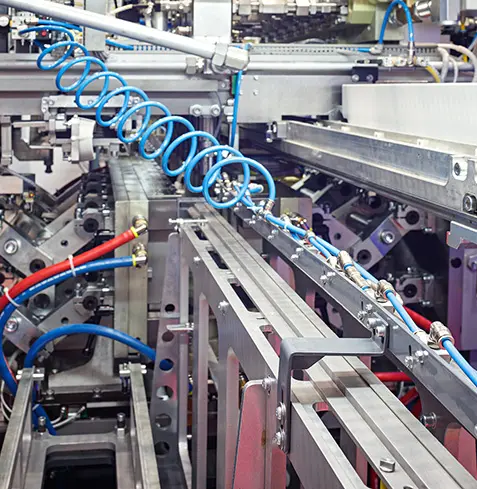
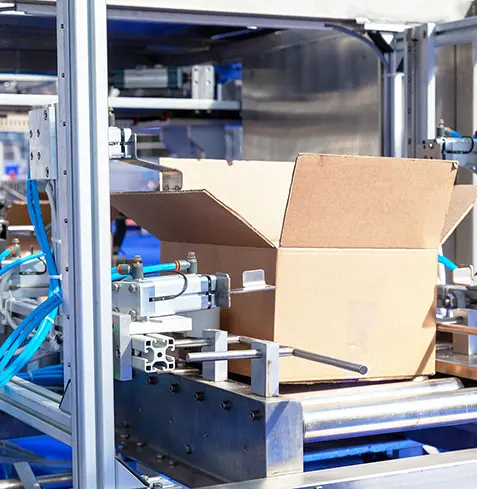
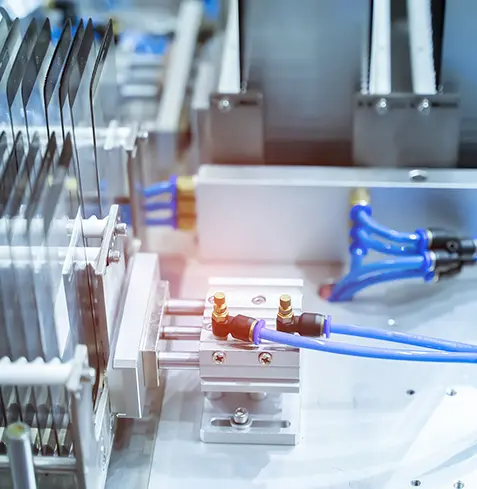
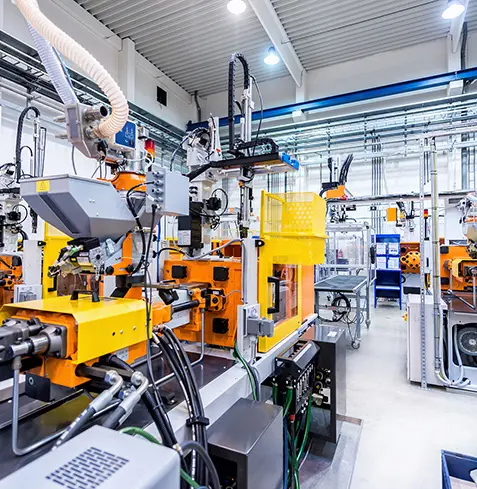
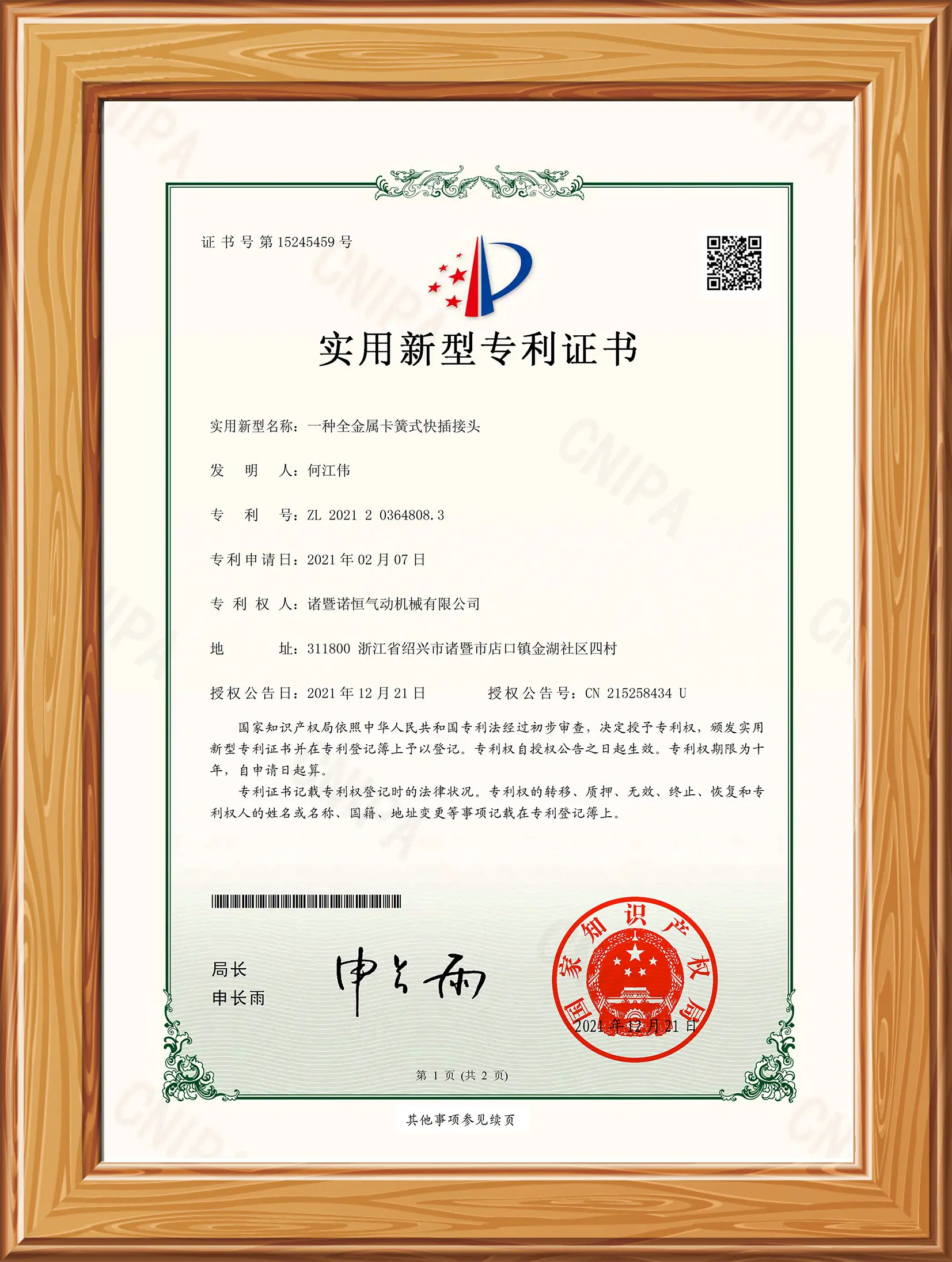
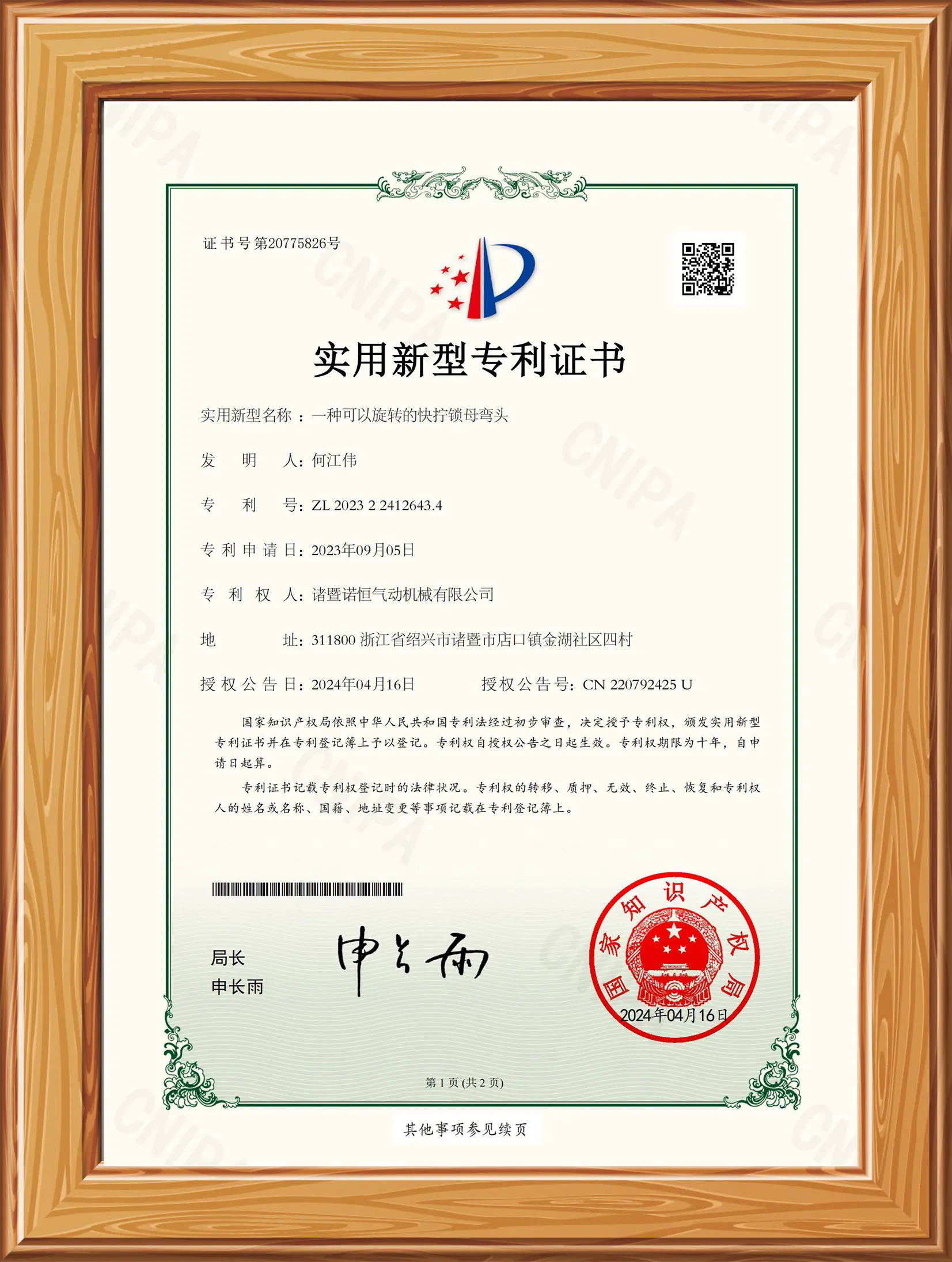
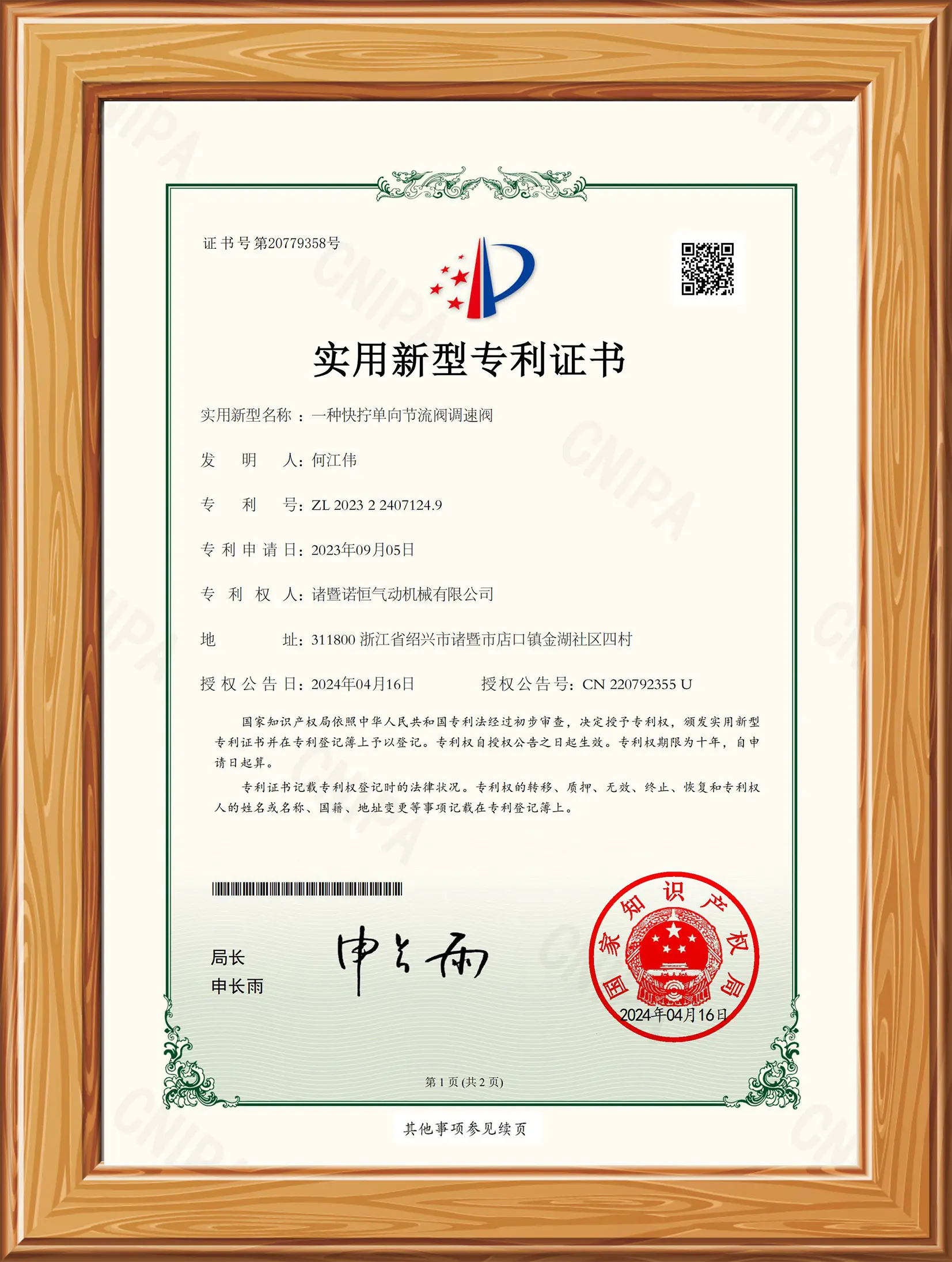
Every production batch undergoes strict pressure, temperature, and dimensional testing to ensure compliance with global standards.
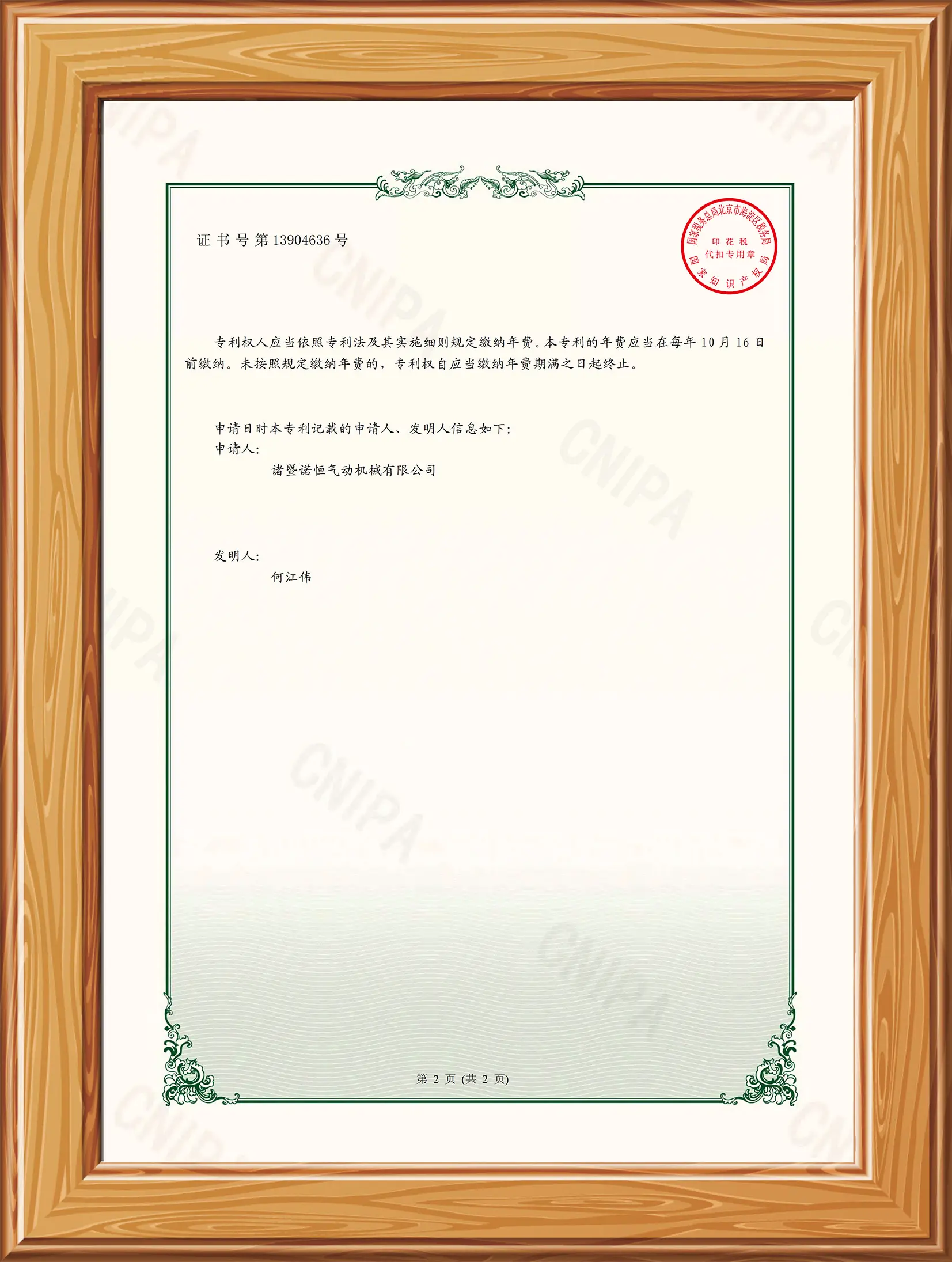
Clear answers to common questions about push-on fittings, material safety, and custom product development.
Browse our selection of specialized fittings, standard connectors, and custom adaptors for your fluid routing needs.
 Nuoheng