Choosing the right air connectors is crucial for any project. These components play a significant role in ensuring efficiency and safety. With numerous options available, it can be overwhelming to make a decision.
Air connectors come in various shapes, sizes, and materials. The choices range from plastic to metal, affecting durability and performance. Understanding your specific needs is essential. Will you use them for lightweight applications or heavy-duty tasks?
Performance is only part of the equation. Compatibility with existing systems also matters. Many users overlook this aspect, leading to frustration later on. Consider factors such as pressure ratings and flow capacity. Knowledge in these areas builds confidence. Selecting the right air connectors can seem simple, but it requires thoughtful consideration.
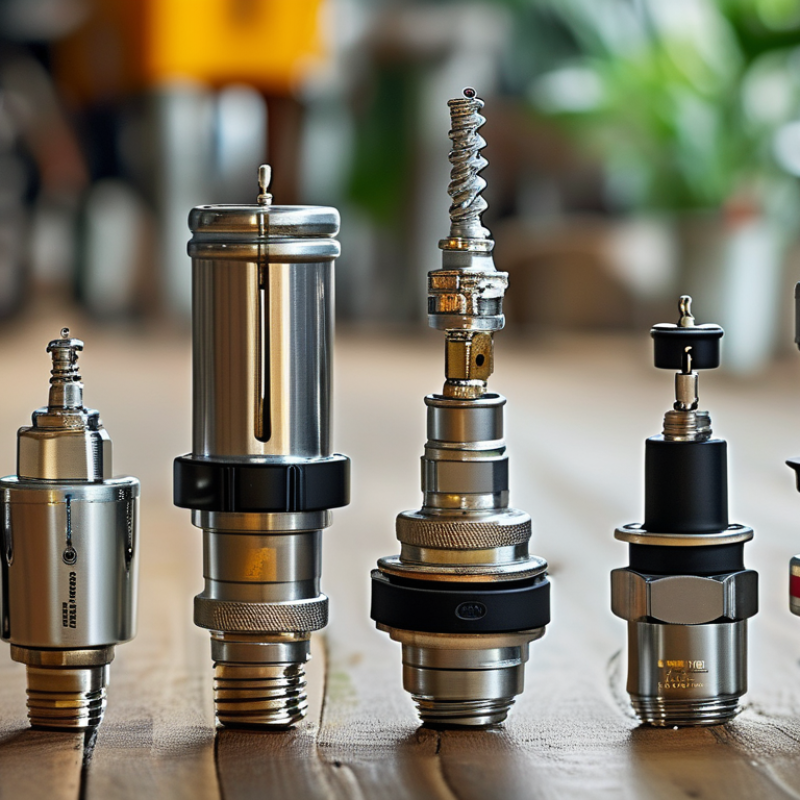
When selecting air connectors, it's crucial to understand the various types available. The most common types include quick connects, barbed fittings, and threaded connectors. Quick connects allow for easy attachment and detachment, making them user-friendly. Barbed fittings, on the other hand, require a hose to grip tightly, offering secure connections. Threaded connectors provide a permanent solution, ideal for long-term use.
Different applications demand specific types of air connectors. For example, high-pressure systems often require robust threaded fittings. In contrast, portable equipment might benefit more from quick connects for easy setup and mobility. Not all connectors are created equal, and their performance may vary greatly based on design and material quality. It’s essential to evaluate the working conditions and the materials involved.
Choosing the right connector involves a degree of trial and error. What works well in one scenario may not suit another. It's worthwhile to observe and learn from past experiences. Be open to adjusting your choices based on how well each connector performs in different situations. This process will enhance your understanding and lead you to more reliable selections in the future.
Choosing the right air connectors involves several key factors. Compatibility is crucial. Ensure the connectors match your equipment and compressed air systems. Check the size and thread type to avoid leaks. Material is another important aspect. Look for durable options that can withstand pressure and temperature changes.
Tips: Always verify the pressure ratings. This avoids potential failures. Regularly inspect connectors for wear and tear. It may save you from costly downtime.
Application-specific needs also play a role. For pneumatic tools, opt for quick-disconnect options. They enhance efficiency and reduce the risk of accidents. For industrial use, robust and heavy-duty connectors are vital. They should handle high volumes and pressure.
Tips: Evaluate the environment where the connectors will be used. Harsh conditions can affect performance. Understanding these factors helps in making informed choices. Picking the right air connectors can make a significant difference in overall efficiency and safety.
When selecting air connectors, evaluating performance metrics is crucial. Three key factors to consider are flow rate, pressure, and temperature ratings.
Flow rate often determines how efficiently air is delivered. High flow rates can enhance productivity in tasks requiring rapid air movement. According to industry data, connectors with flow rates above 20 CFM (cubic feet per minute) are typically favored in heavy-duty applications.
Pressure ratings are another vital metric. Connectors must withstand the pressure necessary for specific applications. A recent report indicates that durable connectors can handle pressures up to 300 psi. However, an overlooked aspect is the risk of pressure drops in inefficient systems. Ensuring compatible pressure ratings can significantly reduce operational issues.
Temperature ratings also play a crucial role. Different applications demand various temperature tolerances. Connectors should perform well at extreme temperatures to avoid failures. Research shows that many connectors operate reliably between -40°F and 250°F. Nonetheless, evaluating your specific environment is essential. Choosing the correct temperature rating helps ensure safety and performance. Ignoring these factors can lead to costly mistakes and unexpected downtime.
When choosing air connectors, the materials used are crucial. The right materials ensure optimal performance and longevity. Consider natural elements like moisture or temperature when assessing durability. Some connectors resist corrosion better than others. This can affect their lifespan and reliability.
Tips: Look for connectors made from high-grade metals or durable plastics. These materials often withstand harsh conditions. Always assess the environmental factors that connectors will face in your application.
Another aspect is compatibility. Different materials react differently under various conditions. Some plastics may become brittle in cold temperatures. On the other hand, certain metals might corrode in humid environments. It's essential to understand these interactions to prevent failures.
Tips: Testing connectors in your specific conditions is advisable. Conduct small-scale trials first. This helps to identify any weaknesses before making large investments. Keep an eye on how these connectors perform over time.
When installing air connectors in systems, adherence to best practices is crucial for optimal performance and longevity. Proper installation begins with selecting the right type of connectors. A study from the Institute of Compressed Air Dynamics emphasizes that 60% of air system failures stem from improper connector choices. Ensure connectors are compatible with pipe materials to avoid leaks and performance issues.
Maintenance is just as important. Regular inspections should be scheduled to identify wear and tear. Many professionals recommend a maintenance interval of every six months, especially in high-use environments. Clean connectors frequently to prevent contamination, as dirt can significantly reduce efficiency by 20%. Moreover, pay attention to torque specifications. Over-tightening can lead to damage, while under-tightening can create leaks.
Documentation is vital. Recording installation techniques and maintenance actions can help track performance over time. Unfortunately, many fail to document their processes, leading to recurring issues. Learning from these experiences helps improve future installations. Remember, air connectors are small components, but they play a significant role in the efficiency of overall systems. Prioritizing proper installation and diligent maintenance leads to better performance and reliability.
: Compatibility is crucial. Ensure connectors match your equipment and systems to avoid leaks.
Choose durable materials. They should withstand pressure and temperature changes for better performance.
Always verify pressure ratings. Regular inspections can help identify wear and prevent costly downtime.
Quick-disconnect options enhance efficiency and reduce accident risks in pneumatic applications.
Schedule inspections every six months in high-use environments to catch wear and tear early.
Dirt can reduce efficiency by 20%. Clean connectors regularly to maintain optimal performance.
Failing to document can lead to recurring issues. Keeping records helps improve future installations.
Over-tightening can damage connectors, while under-tightening can lead to dangerous leaks.
Harsh conditions can impact performance. Evaluate the environment for better decision-making on connectors.
They are small components with a significant impact on overall system efficiency and reliability.
When choosing the best air connectors, it is essential to understand the different types available and their specific applications. A comprehensive overview of air connectors reveals various designs tailored for distinct needs. Key factors to consider include the intended use, as well as performance metrics such as flow rate, pressure, and temperature ratings, which are critical in ensuring optimal functionality.
Moreover, material compatibility and durability play a significant role in selecting the right connectors; different materials offer varying levels of resistance and lifespan. To maximize effectiveness, it is important to follow best practices for installation and maintenance of air connectors within systems. By considering these elements, users can ensure reliable performance and longevity of their pneumatic systems.

Nuoheng