Selecting the right brass pneumatic fittings can significantly impact your project’s efficiency and durability. Renowned expert in pneumatic systems, Dr. Alan Meyers, states, “The choice of fittings dictates the performance of your entire pneumatic system.” This highlights the importance of making informed decisions in this area.
Brass pneumatic fittings are essential components in pneumatic systems. They ensure the secure connection of hoses and tubes. Choosing the right fittings requires understanding sizes, types, and applications. Sometimes, even slight miscalculations can lead to leaks or failures. This can affect the whole operation.
When selecting brass pneumatic fittings, consider factors like pressure ratings and compatibility with your materials. Experience teaches that not all fittings meet the same standards. Therefore, thorough research is crucial. Consulting with experts like Dr. Meyers can provide insights that enhance reliability. Reflecting on past mistakes can also guide better choices in the future.
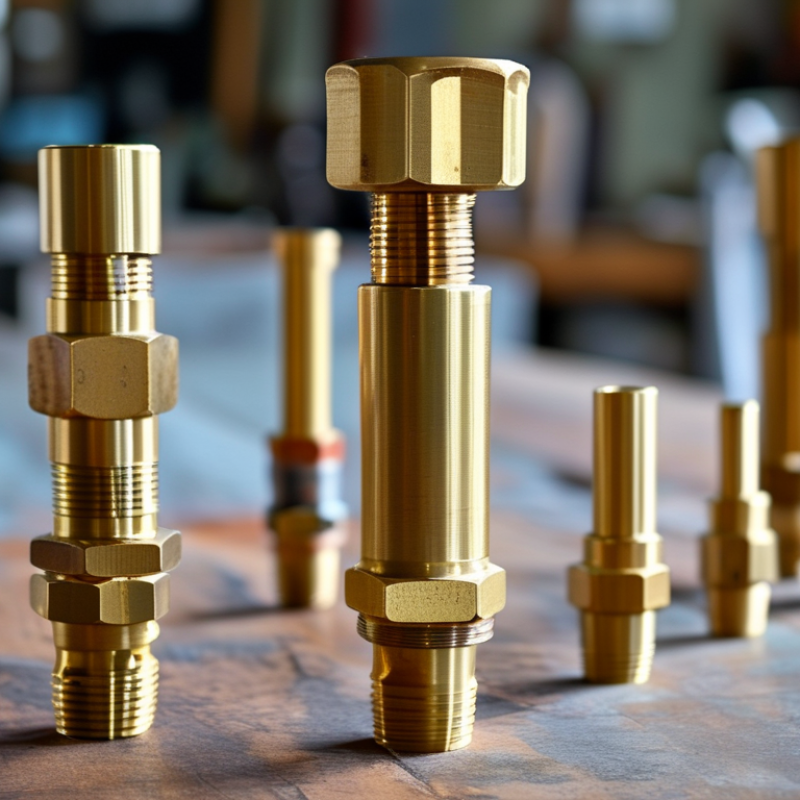
Brass pneumatic fittings play a crucial role in various applications, from manufacturing to automotive industries. These fittings are essential for connecting air systems securely. Understanding their types and functions can significantly enhance the efficiency of your pneumatic systems.
When choosing brass fittings, consider the application requirements. The environment, pressure levels, and temperature range are vital factors. For instance, certain environments may require corrosion-resistant fittings. It's essential to assess the specific needs of your project carefully. Additionally, the compatibility with hoses and pipes matters. Improper fitting can lead to leaks and pressure drops.
**Tips:**
Select fittings that match the size and type of your tubing. This will prevent air leaks. Ensure you check the pressure rating of the fittings. Overloading can compromise their integrity.
Proper installation is key. Make sure you are using the right tools to secure fittings. Loose connections can cause serious inefficiencies. Inspect your setup regularly for any signs of wear or damage. This proactive approach saves time and costly repairs.
Understanding the nuances of brass pneumatic fittings allows for smarter choices in your projects. As needs evolve, revisiting your fitting choices is essential.
| Fitting Type | Size (Inches) | Pressure Rating (psi) | Temperature Range (°F) | Application |
|---|---|---|---|---|
| Straight Fitting | 1/4 | 150 | 40 to 200 | Air Transfer |
| Elbow Fitting | 3/8 | 200 | 32 to 180 | Directional Changes |
| T-Fitting | 1/2 | 250 | 0 to 150 | Branching Applications |
| Union Fitting | 1/4 | 150 | 40 to 200 | Connecting Two Pipes |
| Cap Fitting | 3/8 | 200 | 32 to 150 | Sealing Ends of Pipes |
When selecting brass pneumatic fittings, several key factors come into play. The intended application is a primary consideration. Different tasks require specific fitting types and sizes. For example, a high-pressure application needs robust fittings that can withstand stress. Conversely, low-pressure tasks allow for lighter, more economical options.
Material quality is also crucial. Brass is durable and resistant to corrosion, but not all brass is created equal. Checking for certifications can add confidence in the product's reliability. Another aspect is the fitting’s compatibility with existing systems. Mismatched threads or sizes can lead to leaks or failures. Take the time to measure and verify that all components align.
Installation ease should not be overlooked. Some fittings demand specific tools or skills. If a fitting is difficult to install, it may cause more issues than it solves. Remember that the best parts are those that fit well and perform effectively. Consider testing various options to find the right balance between quality, ease of installation, and performance.
When selecting brass pneumatic fittings, it’s essential to compare different types available in the market. Brass fittings are known for their durability and corrosion resistance. They are commonly used in various industrial and manufacturing applications. According to a recent report by Market Research Future, the market for pneumatic fittings is expected to grow significantly, driven by increasing automation and manufacturing demands.
Different types of brass fittings include compression fittings, threaded fittings, and push-to-connect fittings. Compression fittings are ideal for applications requiring a tight seal. In contrast, threaded fittings are often used in situations where disassembly is needed. Push-to-connect fittings offer ease of installation and are suitable for scenarios that require frequent disconnections. Choosing the right type depends on your specific application needs.
Tip: Always assess the operating pressure and temperature of your application before selecting a fitting.
Understanding fitting sizes is also crucial. The right size ensures proper flow and minimizes leaks. A mismatch can lead to inefficiencies and safety hazards. While many fittings are versatile, not all will function optimally in every situation.
Tip: Consult a technical expert when in doubt about fitting specifications.
Investing in the appropriate fittings contributes to system longevity and performance. Keeping an eye on industry trends can also provide insights into evolving needs.
Choosing brass pneumatic fittings requires careful consideration, particularly regarding quality and compatibility. High-quality fittings are essential for optimal performance. Look for fittings that meet industry standards. Quality materials resist corrosion and wear, leading to a longer lifespan and reduced risk of failure. Checking specifications is crucial.
Compatibility is equally important. Ensure that the fittings match the specific requirements of your system. Mismatched components can lead to leaks or inefficiencies. Consider factors like pressure ratings, connection types, and application environments. Using fittings designed for specific pressures ensures safety and functionality.
Sometimes, users overlook minor details, leading to issues. For example, thread types or fitting sizes may seem minor but can cause major problems if ignored. A thorough review of all components prevents mistakes. Reflecting on past experiences can lead to better decisions in the future. Balancing quality with compatibility is key to successful pneumatic systems.
Brass pneumatic fittings are essential in various industrial applications. Proper installation and maintenance are crucial to ensure safety and efficiency. According to a 2022 industry report, improper fitting installation can lead to a 15% increase in pneumatic system failures. Understanding best practices can help mitigate these risks.
One critical point in installation is the use of proper torque specifications. Over-tightening can damage the fitting, leading to leaks. A 2021 survey found that nearly 30% of technicians reported issues due to insufficient torque control. Therefore, referring to manufacturer guidelines is vital.
Regular maintenance also plays a significant role. Dust and debris can accumulate over time, affecting performance. Ensure fittings are inspected biannually. This habit can extend the lifespan of the fittings by 20%, as noted in a recent analysis.
Tips: Always keep replacement fittings on hand. This minimizes downtime. Additionally, ensure that the operating environment is clean to reduce the risk of contamination. Investing in quality tools for installation is also important. A good tool can prevent common mistakes during fitting installation.
: Brass pneumatic fittings connect air systems securely, serving various industries like manufacturing and automotive.
Consider application requirements, such as pressure levels, environment, and compatibility with hoses.
Loose connections can cause inefficiencies and lead to air leaks. Regular inspection can prevent costly repairs.
Common types include compression, threaded, and push-to-connect fittings, each serving different application needs.
Accurate measurements are vital. Mismatched sizes can lead to leaks and safety hazards.
No, material quality varies. Checking for certifications can help ensure reliability.
Consulting a technical expert can provide clarity and prevent installation challenges.
Overloading compromises the integrity of the fitting, possibly leading to system failures.
Regular inspections help identify wear or damage early, saving time and reducing risks.
Not always. Some fittings may not function optimally across diverse pressures and temperatures.
Brass Pneumatic Fittings are essential components used in various pneumatic systems, known for their durability and reliability. Understanding their applications can help users select the most suitable fittings for their specific needs. Key factors to consider when choosing Brass Pneumatic Fittings include pressure ratings, compatibility with existing systems, and the type of environment in which they will be used.
Comparing different types of Brass Pneumatic Fittings reveals variations in design and functionality, which can significantly impact system performance. It is crucial to evaluate the quality and compatibility of the fittings to ensure optimal operation. Finally, following best practices for installation and maintenance can enhance longevity and efficiency, making Brass Pneumatic Fittings a wise investment for any pneumatic application.

Nuoheng