10 Tips for Buying PL Metal Fittings Online?

Time:2026-10-01 Author:Sophia
0%

Buying PL Metal Fittings online can save time, widen supplier choices, and simplify project planning. However, a polished product page does not guarantee the correct fitting. Small details matter, including thread size, metal grade, connection type, pressure rating, and surface treatment. One wrong measurement may cause leakage, delays, or expensive replacement work.

Daniel Mercer, an industry purchasing consultant specializing in metal components, says, “A fitting is only reliable when its specifications are verified before payment.” His advice reflects a practical truth. Buyers should compare technical drawings, request material certificates, inspect product images, and confirm tolerance requirements with the seller. Reviews can help, but they should not replace engineering information. Look closely at packaging, thread protection, labeling, and the supplier’s response speed. These details often reveal how carefully an order will be handled.

There is no perfect checklist.

Even experienced buyers can miss a hidden limitation. A fitting may appear suitable for water service but lack the needed corrosion resistance. Another may match the diameter but use an incompatible thread standard. This guide presents ten practical tips for evaluating PL Metal Fittings online. It focuses on product verification, supplier credibility, pricing, samples, delivery terms, and after-sales support. The goal is not simply to find the lowest price. It is to purchase components that fit correctly, perform consistently, and arrive with dependable documentation. A careful pause before checkout can prevent a much larger problem later.
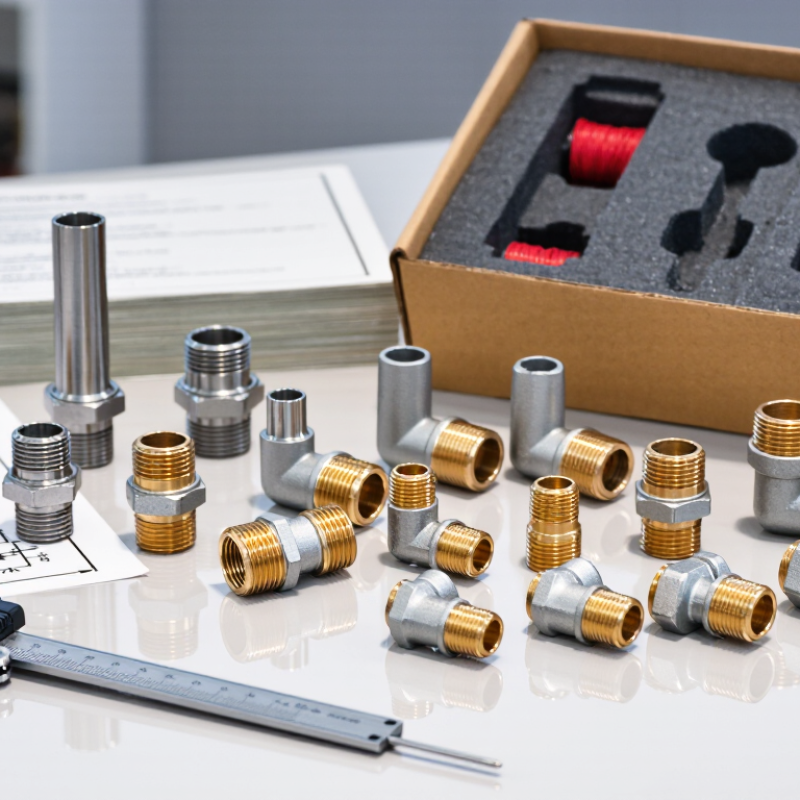
10 Tips for Buying PL Metal Fittings Online?

Understand PL Metal Fitting Types and Their Applications

10 Tips for Buying PL Metal Fittings Online

PL metal fittings can refer to several product lines. Confirm the seller’s definition before comparing prices. Common types include threaded, compression, flare, and butt-weld fittings. Threaded fittings suit removable connections. Compression fittings work well where welding is impractical. Butt-weld fittings offer cleaner flow and stronger permanent joints. They are common in process piping, equipment skids, and water systems.

Tip: Match the fitting to the application. Check pipe size, thread standard, pressure, temperature, and media compatibility. A 316 stainless fitting may resist chlorides better than 304 stainless steel. However, material alone does not prove suitability. ASTM A403 covers many wrought stainless steel fittings, while ASME B16.5 addresses dimensions and pressure classes for flanges. Ask for certificates, not only polished product photos.

Tip: Review measurable evidence. The International Stainless Steel Forum reported 58.4 million tonnes of stainless crude steel production in 2023. Supply is broad, but quality still varies between batches. Request wall thickness, hardness, surface finish, and inspection records. Confirm whether dimensions follow metric, NPT, BSP, or another system. A mismatch can look minor on a screen and fail during installation.

Tip: Inspect the listing carefully. Look for sectional drawings, tolerances, sealing details, and real package photos. Check the return policy before ordering samples. I once underestimated thread engagement because a listing showed only the outside diameter. That mistake was avoidable. For critical service, have a qualified engineer verify the selection before purchase.

Verify Material Quality, Dimensions, Standards, and Compatibility

10 Tips for Buying PL Metal Fittings Online

Online listings can make every metal fitting look dependable. Do not trust polished photos alone. Check the stated material grade, surface condition, and manufacturing process. Stainless steel, carbon steel, and brass behave differently under pressure, moisture, and temperature. Ask for a material certificate or test report when the application is critical. A clear heat number also improves traceability.

Measure everything twice. Confirm outer diameter, inner diameter, wall thickness, thread type, length, and connection angle. A small mismatch can cause leaks or force unsafe modifications. Review technical drawings instead of relying on product titles. Threads may follow different systems, such as NPT, BSP, or metric standards. That difference is easy to miss online. I have seen buyers focus on diameter while overlooking thread direction. It is a costly mistake.

Check the required standard for your installation. Depending on the use, specifications may reference ISO, ASTM, EN, or ASME requirements. The seller should identify the exact standard and testing method, not just write “industrial quality.” Compare pressure ratings at the actual operating temperature. Confirm compatibility with seals, pipes, chemicals, and nearby metals. Galvanic corrosion can appear after installation. Request samples when dimensions are uncertain. It adds time, but returns usually cost more. Product pages can contain errors, so keep screenshots and written confirmations. Not every supplier will provide perfect information. Your questions may reveal that early.

10 Tips for Buying PL Metal Fittings Online? - Verify Material Quality, Dimensions, Standards, and Compatibility

No. Verification Area What to Check Online Practical Verification Method Acceptance Guidance
1 Base Material Confirm the exact material grade, such as stainless steel, carbon steel, brass, or aluminum, rather than relying on terms such as “metal” or “steel.” Request a material certificate or test report identifying the grade and applicable material specification. Compare the stated grade with the product description and drawings. The material grade should be clearly stated and suitable for the fluid, temperature, pressure, and corrosion environment. Avoid listings with inconsistent or incomplete material information.
2 Corrosion Resistance Check whether the fitting will contact water, chemicals, salt spray, compressed air, fuel, or other corrosive media. Match the published material and surface finish with the service environment. For stainless steel, verify the specific grade instead of assuming that all stainless steels have the same resistance. The selected material and finish should be appropriate for the actual medium and exposure conditions. A coating or plating should not be treated as a substitute for correct base-material selection.
3 Connection Type Identify whether each end uses male or female threads, a tube connection, a compression connection, a flare, a weld end, or a flange. Compare the fitting drawing with the mating pipe, tube, valve, or equipment connection. Confirm end types separately when the fitting has two different ends. Every connection type must match the mating component. Similar-looking thread sizes do not guarantee a safe or leak-free connection.
4 Thread Standard Verify the thread standard, nominal size, pitch or threads per inch, gender, and whether the thread is parallel or tapered. Check the technical drawing and use a suitable thread gauge or pitch gauge during incoming inspection. Do not identify a thread by outside diameter alone. Common systems include ISO metric threads, ISO 7-1 pipe threads, and ASME B1.20.1 NPT threads. NPT and BSP thread forms should not be assumed interchangeable.
5 Dimensions and Tolerances Review outside diameter, inside diameter, center-to-end length, overall length, wall thickness, hex size, and dimensional tolerances. Measure the delivered part with calibrated calipers, micrometers, thread gauges, or a suitable inspection fixture. Compare results with the approved drawing. All critical dimensions should fall within the published or agreed tolerances. Confirm whether dimensions are in millimeters or inches before ordering.
6 Pressure and Temperature Rating Check the maximum allowable working pressure, test pressure, operating-temperature range, and the conditions used to establish the rating. Compare the rating with the system design pressure and temperature, including pressure spikes and temperature changes. Request a pressure-test record when required. Never use a pressure rating without considering temperature and material. The fitting rating should meet or exceed the applicable system design requirements.
7 Applicable Standards Look for the exact standard and edition covering the fitting type, dimensions, pressure class, materials, or testing requirements. Request the standard designation, dimensional drawing, inspection plan, and conformity documentation. Check that the standard applies to the specific product, not just to the manufacturing facility. Examples may include ASME B16.5 for many pipe flanges, ASME B16.9 for many factory-made butt-welding fittings, and ISO 7-1 for pressure-tight pipe threads. Confirm the relevant standard for the application.
8 Sealing and Compatibility Determine whether sealing depends on a gasket, O-ring, thread sealant, metal-to-metal contact, or a flare surface. Verify seal material compatibility with the fluid, temperature, and pressure. Inspect sealing surfaces for scratches, burrs, dents, or contamination. The fitting, seal, pipe, and installation method must form a compatible system. Do not force mismatched threads or use sealant where the design requires a gasket or O-ring.
9 Manufacturing and Surface Quality Review photos and specifications for cracks, porosity, deep tool marks, sharp burrs, uneven plating, discoloration, or damaged threads. Perform visual inspection and, when appropriate, dimensional, surface, or non-destructive testing according to the purchase specification. The fitting should be free from defects that could reduce pressure integrity, obstruct flow, damage seals, or interfere with installation.
10 Traceability and Order Controls Confirm part number, revision, quantity, packaging, inspection documents, delivery condition, and return or replacement terms. Keep the approved drawing and purchase specification with the order. Record batch or heat information when material traceability is required. The delivered product should be identifiable and match the approved specifications. Define inspection and nonconformance procedures before placing the order.

Compare Suppliers, Prices, Certifications, and Product Specifications

Buying PL metal fittings online requires more than comparing a bold headline price. The U.S. Census Bureau reported that e-commerce represented 15.6% of total retail sales in 2023. That growth improves access, but product pages can still hide critical details.

Tip 1: Confirm the exact material grade. Tip 2: Check thread standards, such as NPT, BSP, or metric. Tip 3: Compare outside diameter, wall thickness, and tolerances. A fitting that looks identical may fail during installation.

Price is only one line in the quotation.

Tip 4: Request unit price, tooling fees, minimum order quantity, freight, and delivery time separately. Tip 5: Compare at least three suppliers using the same specification sheet. Tip 6: Ask for pressure, temperature, and corrosion-resistance ratings. Tip 7: Examine product photos closely, especially threads, welds, and surface finish. My practical mistake was trusting a polished image before checking the technical drawing. It looked convincing. It was not enough.

Certifications deserve careful verification.

Tip 8: Request a material test report and batch traceability. EN 10204 documentation can identify chemical composition and mechanical results. Tip 9: Check whether certificates match the supplied grade and production batch. The ISO Survey 2022 recorded more than 1.2 million ISO 9001 certificates worldwide, yet certification alone does not prove every fitting is suitable. Tip 10: Confirm the supplier’s inspection process, sampling method, warranty terms, and replacement procedure. Ask for a sample before placing a large order. This costs time, but specifications are cheaper to correct before shipment.

Review Online Listings, Customer Feedback, Shipping, and Return Policies

When I buy PL metal fittings online, I treat each listing as a technical document, not a sales promise. Check the alloy, thread standard, dimensions, pressure rating, surface finish, and included seals. Photos help, but measurements matter more. Ask for a drawing or material certificate when the application demands traceability. Some listings use vague terms like “heavy duty.” That wording is not evidence. Compare several listings, and watch for mismatched units or incomplete tolerances.

Customer feedback can reveal problems hidden behind polished product photos. Read recent comments about thread accuracy, burrs, corrosion, packaging, and actual dimensions. Reviews with photographs usually provide stronger evidence than short ratings. However, feedback may describe a different size or batch. I once trusted a positive review and missed that the buyer ordered another fitting. That mistake was avoidable. Questions under the listing can also show how clearly the seller answers technical concerns.

Shipping details deserve careful attention. Confirm processing time, delivery estimates, packaging methods, and tracking availability before paying. Metal fittings can arrive scratched when packed loosely with heavier parts. Check whether shipping charges change for multiple pieces. Read the return policy line by line, especially restocking fees, inspection periods, and responsibility for return postage. Keep screenshots of the listing and your messages. Policies sometimes look clear until a defect appears. I still prefer sellers who state measurable inspection standards, although even those standards need independent verification.

Confirm Your Order Details and Inspect Fittings Upon Delivery

Buying PL metal fittings online requires more than checking a product photo. Confirm every order detail before payment, including fitting type, thread standard, diameter, material, finish, quantity, and pressure rating. Small errors matter. A mismatched thread can stop installation completely.

Review the invoice and shipping address carefully. Ask the supplier for a dimensional drawing when specifications seem unclear. Reliable sellers should provide measurable information, not vague descriptions. Save the product page, order confirmation, and written messages. These records support a fair inspection process if details change later.

Inspect the package immediately after delivery. Photograph the unopened box, labels, and any visible damage. Then check for dents, cracks, rust, sharp burrs, or damaged threads. Compare the fittings with your order and measure critical dimensions using calipers. A thread gauge can reveal problems that visual checks miss. Do not force a fitting into place. It may damage connected equipment. I once underestimated the importance of thread protection during storage, and a small burr caused unnecessary rework. That mistake was avoidable. If the shipment is incorrect, separate the fittings, keep the packaging, and contact the supplier promptly with clear photos and measurements. A qualified technician should verify critical connections before use.

FAQS

What should I compare when buying metal fittings online?

Compare material grade, fitting type, thread standard, diameter, wall thickness, finish, and tolerances. A fitting can look identical and still fail installation.

How can I compare supplier prices fairly?

Request unit price, tooling fees, minimum quantity, freight, and delivery time separately. Use one specification sheet for every supplier. A low headline price may hide expensive shipping.

Which thread details need confirmation?

Confirm whether the thread is NPT, BSP, metric, or another required standard. Check thread size, direction, and measured dimensions. Do not force mismatched threads.

What technical ratings should I request?

Ask for pressure rating, temperature range, and corrosion-resistance information. Confirm these ratings suit the actual connection environment. The rating may be unclear.

Which documents help verify product quality?

Request a material test report and batch traceability records. Check the documented grade, chemical composition, and mechanical results. The paperwork should match the supplied batch.

Do certifications prove that fittings are suitable?

No. Certification alone does not confirm suitability for every application. Review the material grade, inspection process, sampling method, and product ratings. Certificates are useful, not magical.

What should I inspect after delivery?

Photograph the unopened box, labels, and visible damage immediately. Check for dents, cracks, rust, burrs, and damaged threads. Measure critical dimensions with calipers. Photos can mislead.

What should I do if the shipment is incorrect?

Separate the fittings and keep the original packaging. Save the invoice, order page, and written messages. Send clear photos and measurements to the supplier promptly. A qualified technician should verify critical connections before use. I once ignored thread protection. A small burr caused avoidable rework.

Conclusion

Buying Pl Metal Fittings online requires careful research and attention to practical details. Start by identifying the fitting types you need and understanding their intended applications, connection methods, pressure requirements, and operating environment. Before purchasing, verify the material quality, dimensions, thread or connection specifications, applicable standards, and compatibility with your existing equipment. Comparing multiple suppliers can help you evaluate prices, product descriptions, certifications, minimum order quantities, and customization options more effectively.

It is also important to examine online listings closely and read customer feedback for information about product accuracy, packaging, and service reliability. Review shipping timelines, delivery costs, warranty terms, and return policies before placing an order. Finally, confirm every order detail, including quantity, size, material, finish, and delivery address. When the fittings arrive, inspect them for damage, defects, incorrect specifications, or missing items, and address any issue promptly with the supplier before installation.


Sophia

Sophia

Sophia is a dedicated marketing professional with an exceptional depth of knowledge about her company's products and services. With a keen understanding of market trends and customer needs, she crafts insightful blog posts that not only inform but also engage readers, enriching the company’s online......