Top 10 Stainless Steel Hose Fittings for Global Buyers Today?

Time:2026-06-22 Author:Aria
0%

When it comes to reliable performance, Stainless Steel Hose Fittings stand out. They serve a crucial role in various industries, ensuring secure connections for fluid transport. Buyers today seek durable, high-quality fittings that can withstand pressure and corrosion.

The demand for Stainless Steel Hose Fittings is growing worldwide. However, not every fitting meets the highest standards. Buyers must evaluate their options carefully to avoid subpar products. Experienced professionals know the importance of quality materials and construction.

Choosing the right fitting requires attention to detail. Inspecting certifications and material specifications is essential. Some products may appear suitable but lack longevity. It's vital to make informed decisions when selecting fittings to ensure system integrity.
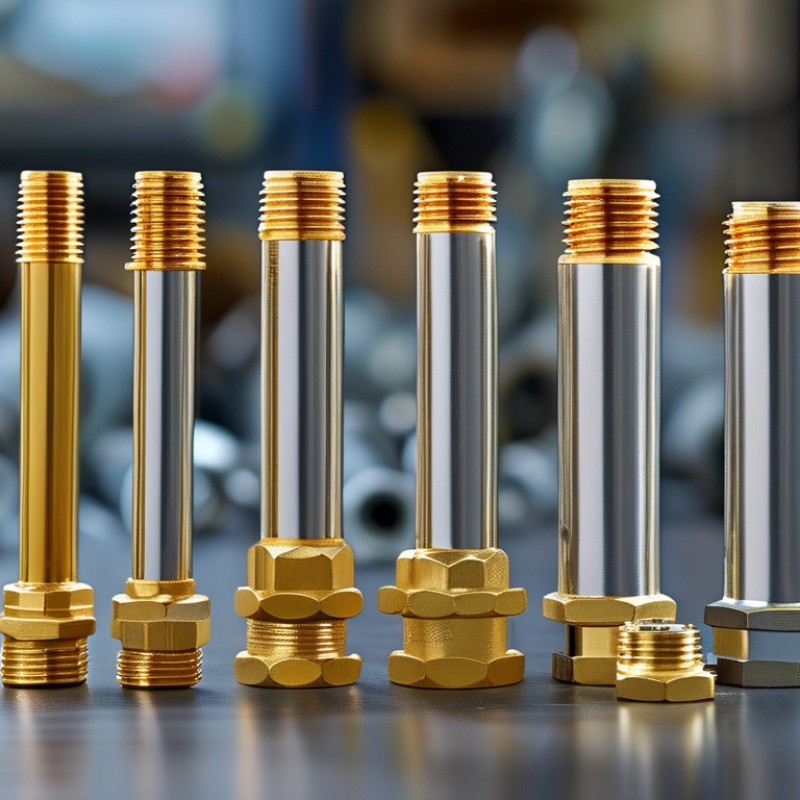
Top 10 Stainless Steel Hose Fittings for Global Buyers Today?

Overview of Stainless Steel Hose Fittings and Their Importance

Stainless steel hose fittings play a crucial role in various industries. They are particularly valued for their durability and resistance to corrosion. According to a recent industry report, stainless steel fittings account for over 45% of the global hose fitting market. This highlights their importance in ensuring the longevity of fluid transfer systems.

The versatility of stainless steel options makes them ideal for harsh environments, such as chemical processing and marine applications. Their ability to withstand extreme temperatures and pressures enhances operational safety. Data shows that equipment failures due to inferior material usage result in significant costs. The total downtime expenses can reach millions for large-scale operations. Sound material choices minimize these risks.

However, not all stainless steel hose fittings are created equal. Variability in manufacturing processes can lead to inconsistencies. It's essential to source from reputable suppliers to avoid potential failures. Quality assurance practices should be a priority during procurement. Ultimately, investing in reliable fittings not only maximizes efficiency but also enhances safety measures across operations. The right choices in fittings can provide long-term benefits.

Top 10 Stainless Steel Hose Fittings

Key Features to Consider When Selecting Hose Fittings

When selecting stainless steel hose fittings, it's essential to consider several key features. Material quality is crucial. Look for fittings made from high-grade stainless steel for durability and corrosion resistance. According to industry reports, stainless steel fittings can last up to 15 years longer than their aluminum counterparts, particularly in harsh environments.


Thread types also play a critical role. Ensure compatibility with existing equipment by verifying thread specifications. Mismatched threads can lead to leaks and failures. The American National Standards Institute (ANSI) indicates that proper fitting configurations can reduce maintenance costs by nearly 30%.


Additionally, pressure ratings should not be overlooked. Always check the maximum pressure capacity of fittings. Using fittings rated for pressures much lower than your application could lead to dangerous failures. Sometimes it’s easy to overlook this in the selection process. A thorough examination of specifications will minimize risks and ensure long-lasting performance.

Top 10 Recommended Stainless Steel Hose Fittings for Buyers

When selecting stainless steel hose fittings, quality and performance are paramount. Professional reports indicate that the global market for stainless steel fittings is projected to grow at a CAGR of 5.1% from 2021 to 2026. This growth emphasizes the need for reliable products that can withstand demanding environments.


Several key factors should guide buyers in their choices. The compatibility of materials is vital. For example, fittings made from 316 stainless steel are favored for their corrosion resistance, especially in marine applications. Moreover, the right fitting size and dimension are crucial for ensuring a leak-proof connection. Regular testing of these fittings under varying pressures provides insights into their durability and performance.


Despite advancements in manufacturing, not all fittings are created equal. Some may fail under stress despite promising data. User feedback often highlights inconsistent performance in harsh conditions. Buyers need to consider these nuances, focusing on both specifications and real-world testing. Investing time in research will lead to better long-term solutions in hose fitting applications.

Comparative Analysis of Popular Brands in the Market

In the market for stainless steel hose fittings, buyers face unique challenges. Various brands offer a wide range of products, complicating the decision-making process. Each brand has its strengths and weaknesses. Understanding these nuances is crucial for global buyers looking for reliable options.

Many popular brands emphasize durability and corrosion resistance. However, not all fittings are created equal. Some may offer excellent performance but lack in price competitiveness. Others might provide an attractive price but compromise on quality. This duality can lead to confusion and potential dissatisfaction. Users often overlook the importance of proper application, which can affect overall performance.

Attention to detail is essential. Buyers should consider technical specifications carefully. Metrics like pressure ratings and compatibility with different hose types matter immensely. Additionally, seeking user reviews can provide real-world insights, but they vary widely. Therefore, it’s vital to analyze multiple sources. A reflective approach will help identify the best fit for specific needs.

Tips for Maintaining and Ensuring Durability of Hose Fittings

When it comes to maintaining stainless steel hose fittings, proper care is essential. Regular inspections can help identify wear or damage early. Look for signs of corrosion or debris buildup. This helps to avoid larger issues down the road. Take time to ensure that threads remain clean and well-lubricated. A little attention to detail goes a long way.


Cleaning hose fittings regularly is vital. Use a mild cleaner and a soft cloth. Harsh chemicals can cause more harm than good. It’s important to rinse fittings thoroughly after cleaning. This removes any remaining soap residue. Also, storing fittings in a dry environment prevents rust. Make sure to avoid damp or humid areas.


Routine maintenance plays a crucial role in durability. Tightening connections prevents leaks and ensures functionality. Yet, be cautious not to overtighten. This can damage seals and create new problems. Remember, it’s not just about usage but also about how you care for your fittings. Small actions can greatly extend their lifespan and performance. Always reflect on your maintenance habits; there’s always room for improvement.

FAQS

: Why are stainless steel hose fittings important?

: They ensure durability and resist corrosion, making them crucial for fluid transfer systems.

What industries benefit from stainless steel hose fittings?

Industries like chemical processing and marine applications utilize these fittings due to their versatile and robust nature.

How can I prevent equipment failures?

Choose high-quality materials to minimize risks and avoid costly equipment downtime from inferior fittings.

What should I inspect in hose fittings?

Regularly check for wear, corrosion, and debris buildup to catch issues early and avoid bigger problems.

How should I clean my hose fittings?

Use a mild cleaner and a soft cloth. Rinse thoroughly to remove soap residue.

What storage conditions are best for fittings?

Store them in a dry environment to prevent rust formation and avoid damp areas.

How can I ensure the longevity of my fittings?

Regular maintenance, such as tightening connections and inspecting for damage, is key to their durability.

Is there a risk in overtightening fittings?

Yes, overtightening can damage seals and lead to new issues that compromise functionality.

What maintenance habits should I reflect on?

Consider your cleaning and inspection routines; improvements can significantly extend the lifespan of your fittings.

What are the consequences of poor fitting choices?

Poor choices can lead to costly downtime and operational safety risks, impacting overall efficiency.

Conclusion

Stainless Steel Hose Fittings play a crucial role in various industrial applications due to their durable and corrosion-resistant properties. When selecting these fittings, it's essential to consider key features such as compatibility, pressure ratings, and fittings types to ensure optimal performance. This article presents a curated list of the top 10 recommended stainless steel hose fittings available for global buyers, accompanied by a comparative analysis of popular brands in the market.

Additionally, it emphasizes the importance of proper maintenance practices to prolong the lifespan of stainless steel hose fittings. Regular checks for wear, proper cleaning, and securely fitted connections can significantly enhance durability and reliability, making them a wise investment for both commercial and personal use.

Aria

Aria

Aria is a dedicated marketing professional with a deep passion for innovative strategies and a keen understanding of our company's product offerings. With a wealth of experience in the industry, Aria excels at crafting engaging content that highlights the unique features and benefits of our......