When it comes to plumbing and piping systems, choosing the right materials is essential. Brass pipe fittings play a crucial role in ensuring durability and reliability. Many buyers overlook the quality of fittings, which can lead to costly repairs and inefficiencies. Understanding the types of brass pipe fittings available is vital for any project.
Brass pipe fittings are known for their corrosion resistance and strength. However, not all fittings are created equal. As a buyer, it is important to recognize the nuances in design and application. Some fittings might suit your needs perfectly, while others may fall short. This selection process can be overwhelming, especially when the market is flooded with options.
Considering the top 5 brass pipe fittings can guide your purchasing decisions significantly. By narrowing down choices based on experience and application, you can make informed selections. Familiarizing yourself with these fittings can prevent mishaps or misapplications later. Relying on authoritative sources can enhance your understanding, leading to better outcomes for your plumbing projects.
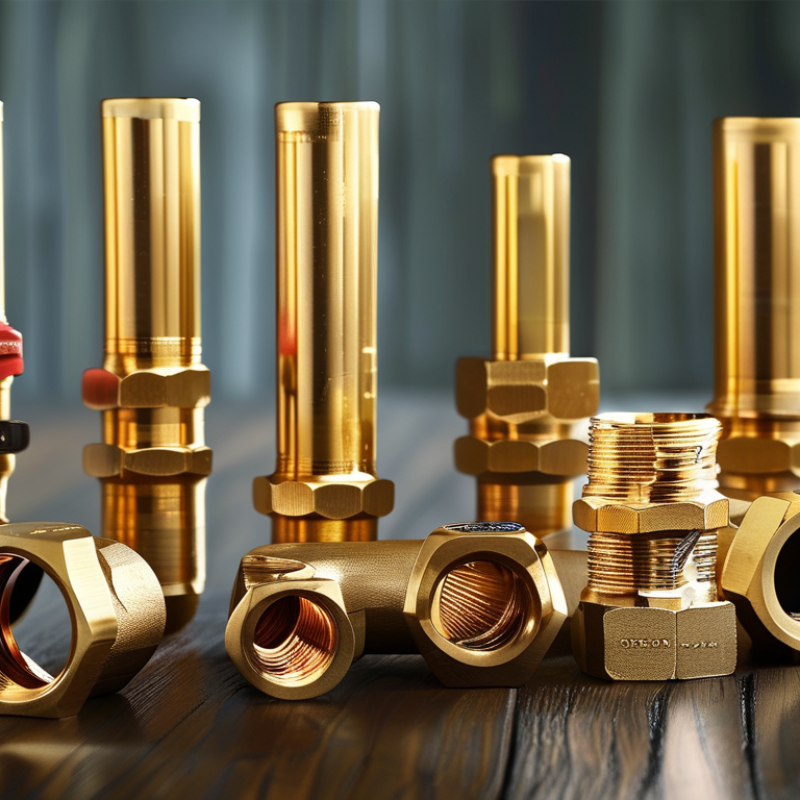
Essential Types of Brass Pipe Fittings for Plumbing Applications
Brass pipe fittings are essential for reliable plumbing applications. Their durability and corrosion resistance make them a preferred choice.
According to industry reports, over 70% of plumbers use brass fittings for residential and commercial projects. This high percentage reflects their effectiveness in preventing leaks and ensuring long-lasting connections.
Common types include couplings, elbows, tees, and reducers. Each type serves a unique function.
For instance, elbows allow for directional changes in piping. Couplings connect two pipes, maintaining fluid flow. Tees branch off into multiple lines, while reducers help transition between different pipe sizes. Understanding these variations can streamline your project.
Tips: Always assess the specific needs of your plumbing system. Evaluate water pressure and compatibility with existing materials. Investing in quality fittings might seem costly initially. However, this can save you significant costs on repairs later. Remember, improper installation can lead to leaks, which may cause extensive damage.
Understanding the Benefits of Using Brass in Pipe Fittings
Brass pipe fittings are essential in various plumbing and construction projects. They offer numerous benefits that enhance the overall functionality of systems. The durability of brass makes it resistant to corrosion, ensuring a longer lifespan. This can save you money over time, reducing the need for frequent replacements. Additionally, brass fittings provide excellent thermal conductivity, which helps in heating and cooling applications.
When considering brass for your pipe fittings, think about the environment they will be used in. Brass is suitable for both hot and cold water systems, showcasing versatility. However, be cautious of potential allergic reactions to brass under certain conditions. Not every application may suit brass, so assessing your specific needs is crucial.
Tips for selecting brass fittings include checking for a smooth finish. A rough surface may indicate inferior quality. Always ensure proper compatibility with existing pipes to avoid leaks. Regular maintenance can help prevent issues, but remember that wear and tear are inevitable. Monitor your fittings periodically, as identifying small problems early can prevent costly repairs later on.
Key Factors to Consider When Choosing Brass Pipe Fittings
When selecting brass pipe fittings, quality and durability are paramount. Look for fittings that are resistant to corrosion. Brass is known for its strength, making it ideal for various applications. However, ensuring that the brass is of high-grade is essential. Poor quality can lead to leaks and failures, which can be costly over time.
The size and compatibility of fittings should match your plumbing system. Incorrect sizing can cause disruptions. Measure twice before purchasing. Consider the thread type as well. There are different standards, and mismatched threads can lead to major issues. It's crucial to get this right to avoid future headaches.
Always think about the intended use of the fittings. Some environments require specific materials or coatings to resist chemicals. Not all brass fittings are created equal. Knowledge about the specifics can empower your choice. It is valuable to consult with experts when uncertain. This can save time and money in the long run.
Top 5 Brass Pipe Fittings Every Buyer Should Consider
| Fitting Type |
Size |
Connection Type |
Pressure Rating (PSI) |
Common Usage |
| Elbow |
1/2 inch |
Slip |
150 |
Pipe Direction Changes |
| Tee |
3/4 inch |
Socket Weld |
200 |
Branch Connections |
| Coupling |
1 inch |
Threaded |
250 |
Pipe Connection |
| Cap |
1/2 inch |
Screw |
150 |
End of Pipe |
| Union |
3/4 inch |
Threaded |
300 |
Disconnection of Pipes |
Comparative Analysis of Brass Fittings vs. Other Materials
Brass pipe fittings are popular due to their resilience. They offer numerous benefits compared to other materials like PVC and copper. A recent industry report indicates that brass corrosion resistance is twice that of aluminum fittings. This makes brass a reliable choice for long-term applications.
Brass fittings can withstand high temperatures and pressures. This means fewer replacements over time. In contrast, PVC fittings may become brittle in extreme conditions. A study shows that brass can last decades, while PVC’s lifespan averages around ten years. This durability often makes brass fittings more cost-effective despite higher initial costs.
Tip: Consider using brass fittings in environments with fluctuating temperatures. They will hold up better and reduce maintenance costs.
However, the manufacturing process of brass can create some environmental concerns. Not all brass is created equal, and the quality can vary significantly. Always look for reputable suppliers who prioritize sustainability. A detailed materials specification can help ensure you choose the right type.
Tip: Research the source of your fittings. Reliable manufacturers will provide clear information on their materials and processes. This transparency is crucial for making an informed decision.
Maintenance Tips for Prolonging the Life of Brass Pipe Fittings
Maintaining brass pipe fittings is crucial for longevity. Regular inspections can prevent corrosion, which is a common issue. According to the National Association of Plumbing and Drainage, around 25% of plumbing failures are due to fitting degradation. It is essential to check for leaks and ensure that connections are secure. Over-tightening can cause cracks, leading to costly repairs.
Cleaning is another critical aspect of maintenance. A simple wipe down with a soft cloth can remove debris and moisture that foster corrosion. Using a mild detergent can help, but harsh chemicals should be avoided. They might degrade the material over time. A study by the American Society of Mechanical Engineers indicates that proper care can extend the lifespan of brass fittings by up to 30%.
Temperature fluctuations can also affect brass fittings. Exposure to extreme temperatures may lead to expansion and contraction. This cycle stresses the joints, possibly leading to failure. One should always monitor the environment where these fittings are installed. Awareness of these factors is essential for any user aiming to maximize the performance of their brass fittings.
Conclusion
Brass pipe fittings are essential components in plumbing applications, providing durability and reliability. Understanding the various types, such as elbows, tees, and reducers, allows buyers to make informed choices. The benefits of brass include its resistance to corrosion and high pressure, making it a preferred material over alternatives like plastic or stainless steel.
When selecting brass pipe fittings, key factors include the fitting size, thread type, and application suitability. A comparative analysis highlights the advantages of brass in maintaining integrity over time, while proper maintenance can further enhance the lifespan of these fittings. Overall, investing in quality brass pipe fittings ensures efficient and long-lasting plumbing systems.

 Nuoheng