In the evolving plumbing and HVAC sectors, Copper Fittings are essential. The durability and reliability of copper have kept it a top choice for many years. According to the latest market analysis by Research and Markets, the global copper fitting market is expected to grow significantly, driven by increasing construction activities.
The versatility of Copper Fittings caters to various applications, such as residential plumbing and commercial HVAC systems. However, not all products on the market meet quality standards. Some cheap alternatives may lead to leaks and failures. In fact, the National Association of Home Builders emphasizes that quality fittings can prevent costly repairs down the line.
As we approach 2026, buyers must stay informed about the latest innovations in Copper Fittings. The growing emphasis on sustainability is also influencing material choices. Choosing high-quality, eco-friendly options will not only enhance performance but also align with industry best practices. As the market grows, so does the responsibility of buyers to choose wisely.
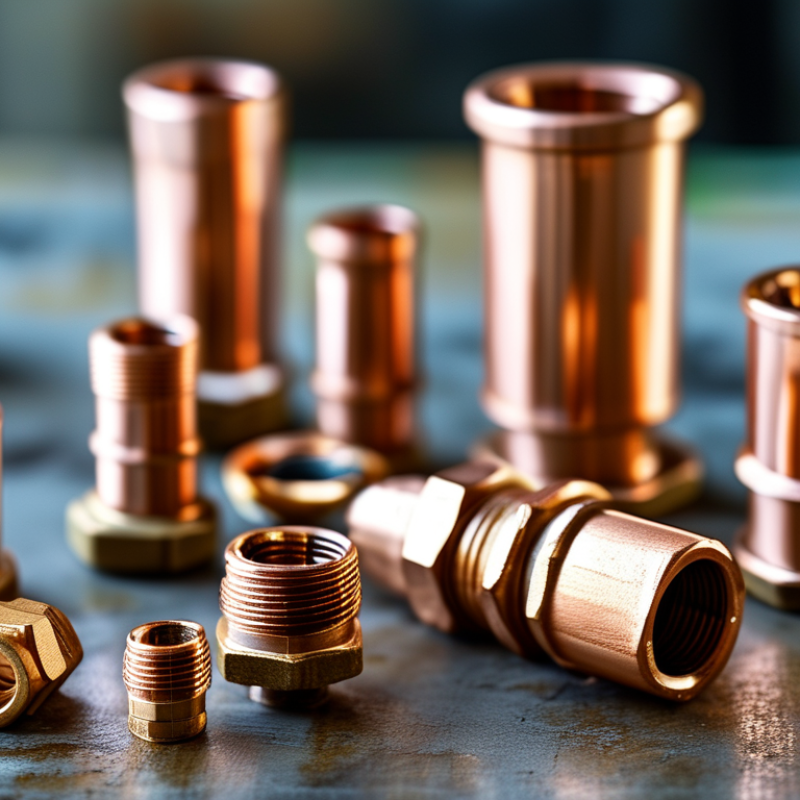
Copper fittings play a vital role in plumbing applications, providing durability and reliability. These components are essential for connecting pipes and ensuring leak-free systems. According to a 2023 industry report, copper fittings account for over 35% of the plumbing fittings market due to their corrosion resistance. They are particularly favored in residential and commercial plumbing projects.
There are several types of copper fittings that every plumbing buyer should consider. Elbows, tees, and couplings serve as primary connectors. Each type has unique applications, such as directing flow or joining pipes. The choice of fitting can significantly impact system efficiency. However, installing copper fittings requires attention to detail and proper techniques to prevent issues like contamination or weak joints. It's crucial to acknowledge that not all copper fittings are created equal. Quality matters.
Economic factors also influence copper fitting preferences. Prices can fluctuate based on market demands, affecting decisions for both contractors and homeowners. A focus on sustainability has led to increased interest in recycled copper options. This shift raises questions about performance and reliability. Buyers must navigate between cost and quality while ensuring compliance with local building codes.
When selecting copper fittings for your project, several key considerations come into play. First, assess the compatibility of the fittings with your existing piping systems. Not all copper fittings work seamlessly with every type of pipe. Mismatched sizes or types can lead to leaks and costly repairs. Take the time to measure your pipes accurately. This step cannot be overlooked, as it ensures a proper fit.
Next, consider the intended application of the fittings. Will they be used for plumbing, HVAC, or refrigeration? Each application has specific requirements. For instance, plumbing fittings might need to handle higher pressures compared to those used in HVAC. Look for fittings that meet industry standards relevant to your project. Quality materials and construction matter significantly. Poor-quality fittings can degrade faster, leading to failures.
It's also important to consider your installation environment. Are the fittings going to be placed indoors or outdoors? Some fittings may corrode more quickly in certain climates. Environmental factors can impact longevity and performance. Choosing the right finish can add an extra layer of protection. It's all about making informed choices based on your project's specific needs. Ignoring these considerations could lead to regrets down the line.
When selecting copper fittings, understanding the differences between soldered and press-fit methods is crucial. Soldered fittings require heating to melt the solder. This method has been a standard in plumbing for decades. It creates a strong bond but demands precision and time. Mistakes can lead to leaks, which is frustrating. Additionally, the soldering process can introduce impurities if done improperly.
On the other hand, press-fit fittings offer a modern solution. They use a special tool to compress the fittings onto the pipe, creating a water-tight seal. This method can save installation time, appealing to many contractors. However, not all contractors are comfortable with press-fit technology. Some prefer the familiarity of soldered joints. Reliability is a concern for both methods; however, proper installation is key.
There are trade-offs with each type of fitting. Soldered fittings may require less upfront investment in tools but involve more labor. Press-fit fittings are fast but might lack the same traditional feel. Homeowners and professionals must weigh these aspects carefully. Choosing between these methods necessitates reflection on project needs and available technology.
When looking for top brands and manufacturers of copper fittings in 2026, it's crucial to understand their role in plumbing and construction. Copper fittings are vital for creating durable connections in piping systems. They provide excellent corrosion resistance and can withstand high temperatures, making them a preferred choice for professionals.
Several manufacturers prioritize quality in their production processes. Some focus on precision engineering to ensure a perfect fit and functionality. They often test their products rigorously to meet industry standards. However, not all brands deliver consistently. Some may have variations in quality or reliability, which can impact project outcomes. Buyers need to identify reliable sources and potentially explore user reviews to gauge performance.
Another aspect worth considering is customer service. A manufacturer’s support post-purchase can make a significant difference. Some companies excel in providing assistance, while others may leave customers feeling unsupported. It's helpful to seek out brands that offer robust after-sales service, as this can save time and effort for buyers in the long run. Ultimately, careful evaluation is necessary when selecting the right copper fittings for any project.
Copper fittings are essential components in plumbing systems, known for their durability and reliability. Maintenance is crucial to ensure their longevity and optimal performance. Regular inspection can prevent issues such as corrosion and leaks. According to a study by the Copper Development Association, properly maintained copper fittings can last over 50 years.
Cleaning copper fittings is vital. A mixture of vinegar and salt can effectively remove tarnish. This natural solution avoids harsh chemicals that might cause damage. Additionally, it's important to check for any signs of wear, including pitting or discoloration. These problems often indicate that the fittings may need replacement.
Another aspect of maintenance involves proper installation. Poorly installed fittings can lead to significant leaks. Industry reports reveal that up to 30% of plumbing issues stem from installation errors. Understanding the proper torque for connections is critical. Too tight can fracture the fitting, while too loose can cause leaks. Therefore, knowledge in installation practices greatly enhances the lifespan of copper fittings.
: Soldered fittings require heating to melt solder. This method creates strong joints but needs precision during installation.
Mistakes in soldering can lead to leaks. Impurities may also enter if the process is not executed properly.
Press-fit fittings use a tool to compress them onto pipes. This creates a water-tight seal quickly and efficiently.
Many contractors feel more comfortable with soldered joints. They are familiar and often trusted in traditional plumbing.
Regular inspections help prevent corrosion and leaks. Cleaning with vinegar and salt can effectively remove tarnish.
With regular care, copper fittings can last over 50 years, according to industry studies.
Poor installation is significant. Up to 30% of plumbing problems originate from incorrect fitting installation.
Look for signs of wear, such as pitting or discoloration. These issues often suggest replacement is necessary.
Correct torque is essential. Too tight can fracture fittings; too loose can cause leaks.
Strong after-sales support can be crucial. Some companies provide excellent assistance, while others may leave customers unsupported.
The "Top Copper Fittings for 2026 Buyers Guide" provides a comprehensive overview of essential copper fittings suitable for plumbing applications. It emphasizes the importance of selecting the right fittings based on project requirements, highlighting key factors such as compatibility, durability, and installation methods. The article delves into a comparative analysis of soldered versus press-fit copper fittings, discussing the advantages and drawbacks of each approach to help buyers make informed decisions.
Additionally, the guide outlines the top brands and manufacturers of copper fittings projected for 2026, ensuring that readers are aware of reliable options available in the market. To maximize the longevity and performance of copper fittings, the article concludes with valuable maintenance tips, encouraging proper care practices to maintain optimal efficiency in plumbing systems. Overall, this guide serves as an essential resource for buyers looking to invest in copper fittings for their upcoming projects.

Nuoheng