Choosing the right metal pipe fittings is crucial for any plumbing project. These fittings play a key role in ensuring durability and functionality. With various options available, it can be overwhelming to make a decision. Different projects demand different types of fittings, leading to potential confusion.
Understanding the purpose of each type of metal pipe fitting is essential. Brass, stainless steel, and copper are common materials, each offering unique benefits. For instance, brass fittings resist corrosion well, which may suit some environments. However, what works well in one situation might not in another. It’s important to reflect on the specific needs of your project before making a choice.
Consulting with experienced professionals can provide valuable insights. They can guide you with their expertise, helping to avoid costly mistakes. Consider also the compatibility with existing systems. Thorough research allows you to make informed decisions, ensuring reliable connections. Choosing the right metal pipe fittings is vital, as it directly impacts system performance.
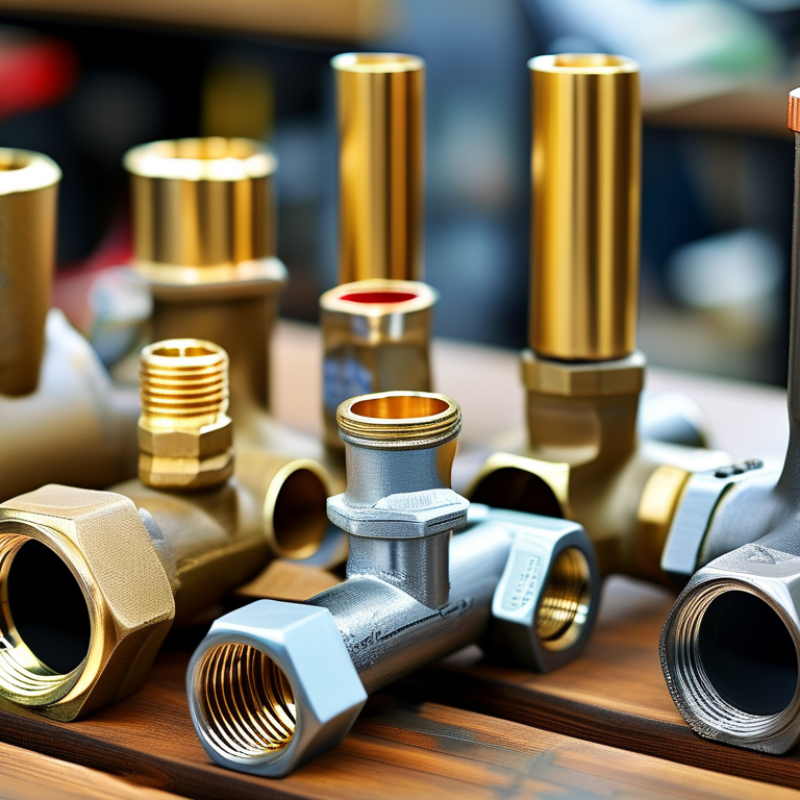
When selecting metal pipe fittings, understanding the different types is crucial. There are various materials available, including copper, stainless steel, and aluminum. Each type has unique properties. For instance, copper is excellent for plumbing due to its corrosion resistance. Stainless steel is strong and durable, suitable for high-pressure applications. Aluminum is lighter and often used in HVAC systems.
Tip 1: Always consider the application. The environment will dictate the material choice. For example, corrosive environments require materials that resist degradation, such as stainless steel.
Tip 2: Know the fitting types. Common ones include elbows, tees, and reducers. Each serves a distinct purpose, influencing flow direction and size adjustments.
Choosing the right fittings can seem overwhelming, especially with the variety available. It's essential to weigh the pros and cons of each type. Sometimes, a less popular choice may offer better performance in specific projects. Testing different fittings can help refine your selection process for future projects.
When selecting metal pipe fittings, material compatibility is crucial. Choosing the right material ensures that your fittings will withstand the specific conditions of your application. For example, steel is durable but may corrode in certain environments. Understanding the chemicals or substances your fittings will encounter helps you make informed choices.
Consider the temperature and pressure ratings relevant to your application. High temperatures may weaken some metals. Some buyers overlook this, leading to failures. Assess the operating conditions before purchasing. Not all fittings are suitable for every scenario.
A simple mistake in material selection can lead to costly repairs. Always consult technical guidelines or industry standards when in doubt. Getting expert advice can prevent mishaps in long-term use. Don't rush your decision, as the right fit can enhance the longevity of your plumbing system. Taking the time to evaluate options pays off in the end.
Choosing the right metal pipe fittings is essential for ensuring a secure and functional connection in any plumbing or mechanical system. One of the key factors to consider is the size of the fittings. Accurately measuring the diameter of the pipe before purchasing is crucial. An incorrect size can lead to leaks or unstable connections.
Another vital aspect is the thread type. Different fittings come with various thread designs, such as NPT or BSP. Mismatched threads can result in incompatibility, causing frustration and additional costs. Double-checking specifications against your system requirements helps avoid these pitfalls.
Tip: Always verify threads and sizes with your measurements. It saves time and prevents costly mistakes. Understand the pressure ratings for your fittings too; this ensures they can handle the operational demands placed upon them. Quality matters. Don’t compromise on choosing suitable materials for your application. Each detail contributes to a reliable setup.
When selecting metal pipe fittings, assessing quality and certifications is crucial. Quality materials ensure durability and safety. According to industry reports, 30% of failures in piping systems arise from poor-quality fittings. This statistic highlights the importance of thorough evaluation.
Check for certifications like ASTM, ANSI, and ISO. These standards guarantee that products meet specific performance criteria. A fitting that complies with ISO 9001 indicates a commitment to quality management. However, not all suppliers display these certifications prominently. Sometimes, it's challenging to find reliable suppliers that offer verified products.
Consider the specific application of the fittings. Different environments may require different certifications. For example, fittings used in food processing must comply with FDA standards. Not all metal fittings meet these regulations, making it essential to assess them carefully.
Read reviews and seek expert opinions. Word of mouth can guide you to quality suppliers. Utilize resources like industry forums and discussions to gather insights. Failure to do this might lead to costly mistakes. Remember, investing time in research pays off in the long run.
When selecting metal pipe fittings, balancing cost and value is crucial. It's essential to understand that low-priced fittings aren't always the best choice. In fact, a recent industry report indicated that subpar fittings can lead to a 20-30% increase in maintenance costs over time. This might offset the initial savings. High-quality fittings, while pricier, tend to have longer lifespans and offer better performance.
Evaluating the materials used in fittings is vital. Stainless steel, for example, is generally more expensive than plastic, but it provides superior corrosion resistance. The same report highlighted that projects using stainless fittings showed a 15% reduction in leaks and failures. It’s important to analyze your project's specific requirements before making a decision. Reflecting on past experiences can help too. Have cheaper fittings cost you more than expected? Such reflections can guide better choices.
Ultimately, being aware of your budget while prioritizing performance is necessary. Look for supplier reliability, detailed specifications, and performance ratings. This approach ensures you select fittings that meet your needs without compromising quality for cost. Recognizing the potential long-term costs of poorly chosen fittings can save both time and money in the future.
: Consider the specific conditions your fittings will face. The right material can prevent issues like corrosion.
High temperatures may weaken metals. Misjudging this can lead to failures. Assess your operating conditions carefully.
A simple mistake can cause costly repairs. Failing to consult guidelines may worsen the situation.
Incorrect sizing can cause leaks. Ensure measurements are precise for a secure fit.
Mismatched threads can lead to frustration and costs. Always check specifications against your system.
Consider past experiences with fittings. Have cheaper options led to higher long-term costs for you?
Low-priced fittings can increase maintenance costs. Weigh initial savings against potential long-term expenses.
Stainless steel is often worth the investment. It resists corrosion better than cheaper materials.
Look for supplier reliability and performance ratings. Don't compromise quality for a lower price.
They can result in leaks and failures. Recognizing long-term costs can help you avoid these issues.
When selecting metal pipe fittings, it's crucial to understand the variety of options available, including different shapes, sizes, and materials. Evaluating material compatibility is essential to ensure that the fittings meet the specific requirements of your application. Additionally, determining the correct size and thread type is vital for achieving an optimal fit and preventing leaks.
Quality and certification standards should also be assessed to guarantee the durability and safety of the metal pipe fittings you choose. Lastly, striking a balance between cost and value can help you make informed decisions that align with your budget while ensuring high performance in your projects. By considering these factors, you can confidently select the right metal pipe fittings for your needs.

Nuoheng