Explore our high-performance pneumatic components, strictly engineered to international industrial tolerances.
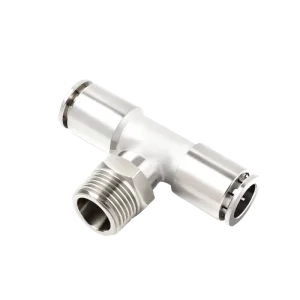
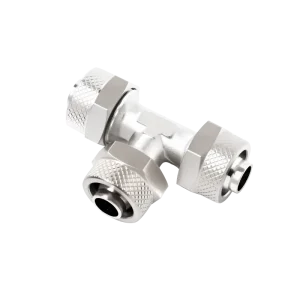
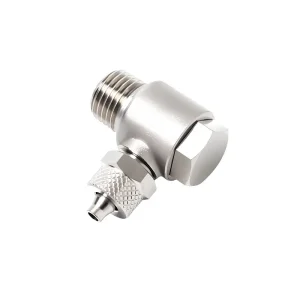
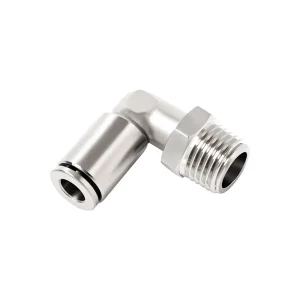
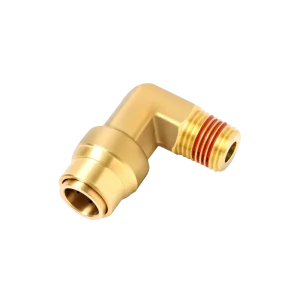
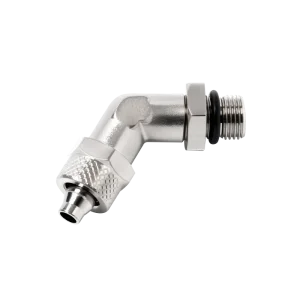
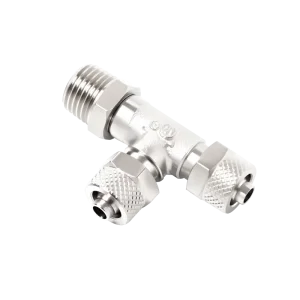
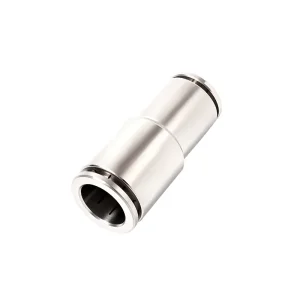
An Industrial Whitepaper on Metallurgy, Mechanical Properties, and Gas Seal Dynamic Integrity in High-Vibration Pipelines.
In high-pressure fluid power, pneumatic automation, and heavy-duty automotive braking systems, the reliability of fluidic linkages determines total operational safety. High-quality brass ferrule fitting suppliers are critical partners in ensuring machinery uptime. Brass ferrule fittings, sometimes classified under bite-type or compression couplings, function through the progressive deformation of a metal ring (the ferrule) onto the outside diameter of a pipe or tube. When a technician tightens the coupling nut, the internal tapers of the fitting body compress the ferrule, causing it to bite into the tubing wall to establish a gas-tight seal without heat, welding, or thread-cutting.
“The mechanical properties of the coupling material must perfectly match the tubing material. Sourcing from experienced suppliers ensures raw materials conform to ASTM B16, HPb59-1, or CW614N standards, preventing stress corrosion cracking and hydrogen embrittlement under continuous industrial pressure loops.”
The alloy composition determines mechanical limits, corrosion thresholds, and chemical compatibility. Standard pneumatic lines rely on CA360 brass (free-cutting brass) for optimal machinability and structural integrity. In applications featuring aggressive moisture, carbon dioxide, or mild acidic traces, lead-free brass formulations (such as C27450 or CW511L) prevent the leaching of heavy metal particles, complying with RoHS and REACH regulations. Advanced suppliers apply a chemical passivation layer or nickel plating to block dezincification under aggressive environmental exposure.
| Brass Alloy Code | Copper (Cu) % | Zinc (Zn) % | Lead (Pb) % | Primary Applications |
|---|---|---|---|---|
| HPb59-1 (CW612n) | 57.0 - 60.0 | Balance | 0.8 - 1.9 | Standard pneumatic components, push-in fitting inserts, general adapters. |
| C36000 (Free-Cutting) | 60.0 - 63.0 | Balance | 2.5 - 3.7 | Precision CNC machined manifold blocks, high-vibration automotive line sleeves. |
| CW614N (EN Standard) | 57.0 - 59.0 | Balance | 2.5 - 3.5 | European standard pneumatic valves, metric air brake line couplings. |
| Lead-Free Brass | > 61.0 | Balance | < 0.25 | Environmental-conscious machinery, food-grade processing fluid networks. |
For procurement agents and technical engineers, selecting the correct mechanical seal geometry is crucial:
Addressing procurement headaches: Total Cost of Ownership (TCO), quality consistency, compliance standards, and lead times.
Industrial procurement departments face significant volatility in global metals markets. Sourcing brass fittings demands a balanced approach that weights unit price against downstream risks, including premature component failure, thread mismatch, and shipment delays. Experienced sourcing managers prioritize suppliers that offer high precision CNC tolerances and comprehensive quality documentation.
Cheap fittings often suffer from out-of-round sleeves, inconsistent internal threading, and porous castings. A single joint failure on an automated production line can cause downtime costing thousands of dollars per hour, far offsetting any initial savings.
Ensure your brass fittings meet specific regional standards: DOT (FMVSS 106) for transportation, DIN / EN for European machinery, and NPT/BSP thread compliance for global engineering integration.
Smart buyers require suppliers with high-speed automated lathe capacity (CNC multi-spindles) to ensure consistent batch delivery during supply shocks.
A frequent error during installation is mixing up thread standards. High-quality brass fitting suppliers must supply clear marking codes and adapters to bridge standard families:
Zhuji Nuoheng Pneumatic Machinery Co., Ltd. (NHPC) — 15+ years of excellence in precision engineering and high-efficiency pipeline systems.
Welcome to NHPC, a leading manufacturer in the pneumatic industry with a rich history spanning over 15 years. Our journey began with a simple but powerful vision: to revolutionize the pneumatic industry by delivering high-quality, innovative, and reliable products that meet the ever-evolving needs of our clients. Today, we are proud to stand as a trusted name in the industry, serving a diverse range of customers across the globe.
We specialize in the design, development, and manufacturing of a comprehensive range of pneumatic products. Our product line includes push in fittings, push on fittings, pneumatic valves, quick connectors, PU pipes, hydraulic components and design services for custom pneumatic systems. Each product is engineered with precision, ensuring optimal performance, durability, and efficiency. Whether you need standard components or customized solutions, we have the expertise to deliver products that exceed your expectations.
Our operational framework ensures clients receive zero-defect components optimized for their machinery environments:
Leveraging deep pneumatic and pipeline system experience, we provide optimized designs, cost projections, and engineering support for complex setups.
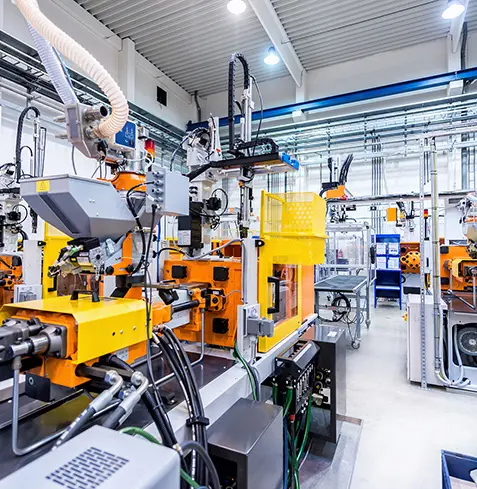
Our production facilities feature high-precision surface finishing, multi-axis CNC Lathes, advanced injection molding, metal stamping, and die-casting machinery. This vertical integration guarantees strict quality control at every phase of production.
From initial design consultations to after-sales performance monitoring, our customer service and engineering teams provide timely support tailored to your schedule.
Watch our facility video to see how our raw material sorting, CNC machining, automated testing, and laser etching lines operate. We maintain clean production areas and automated assembly queues to prevent contamination in pneumatic components.
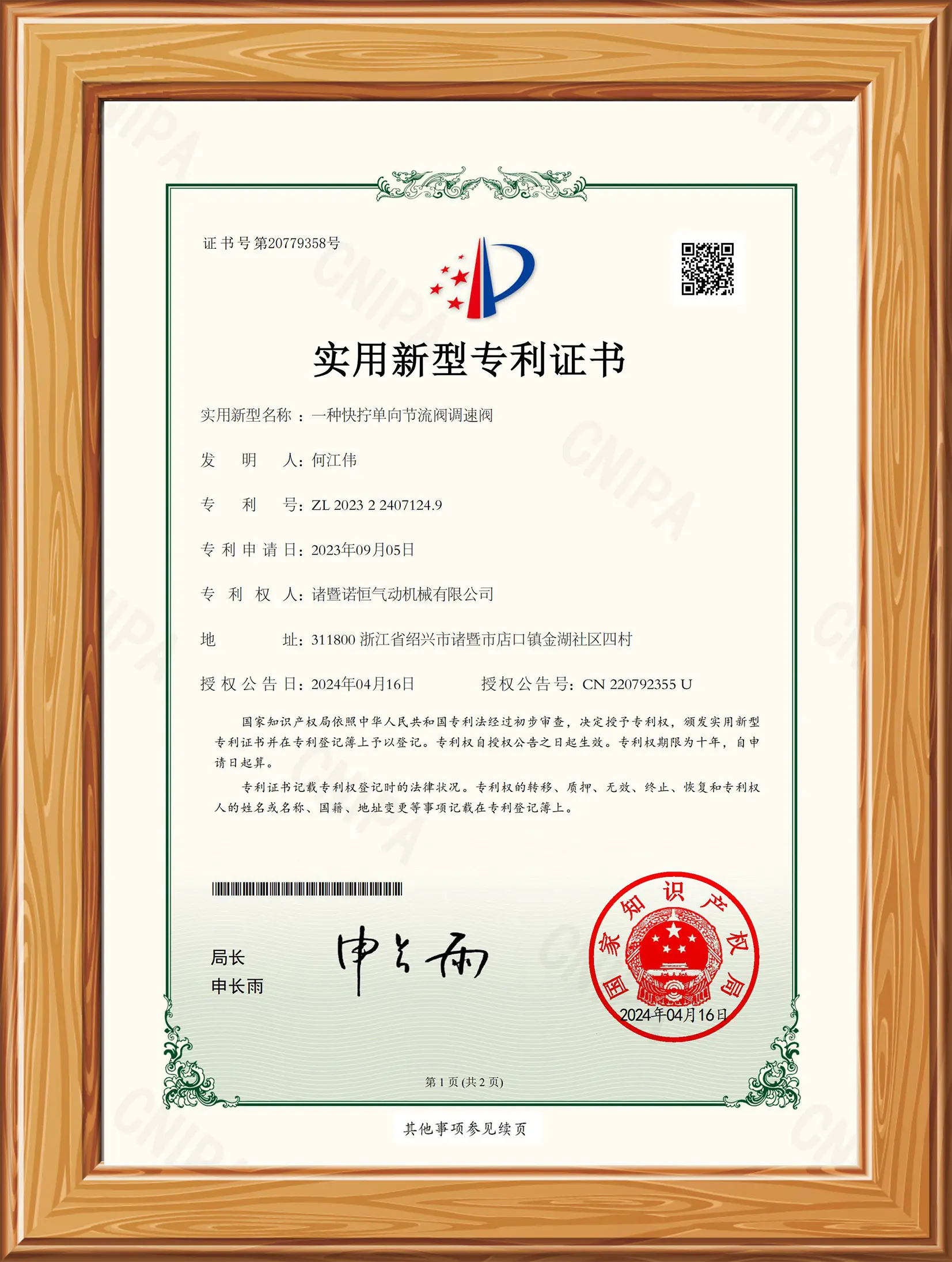
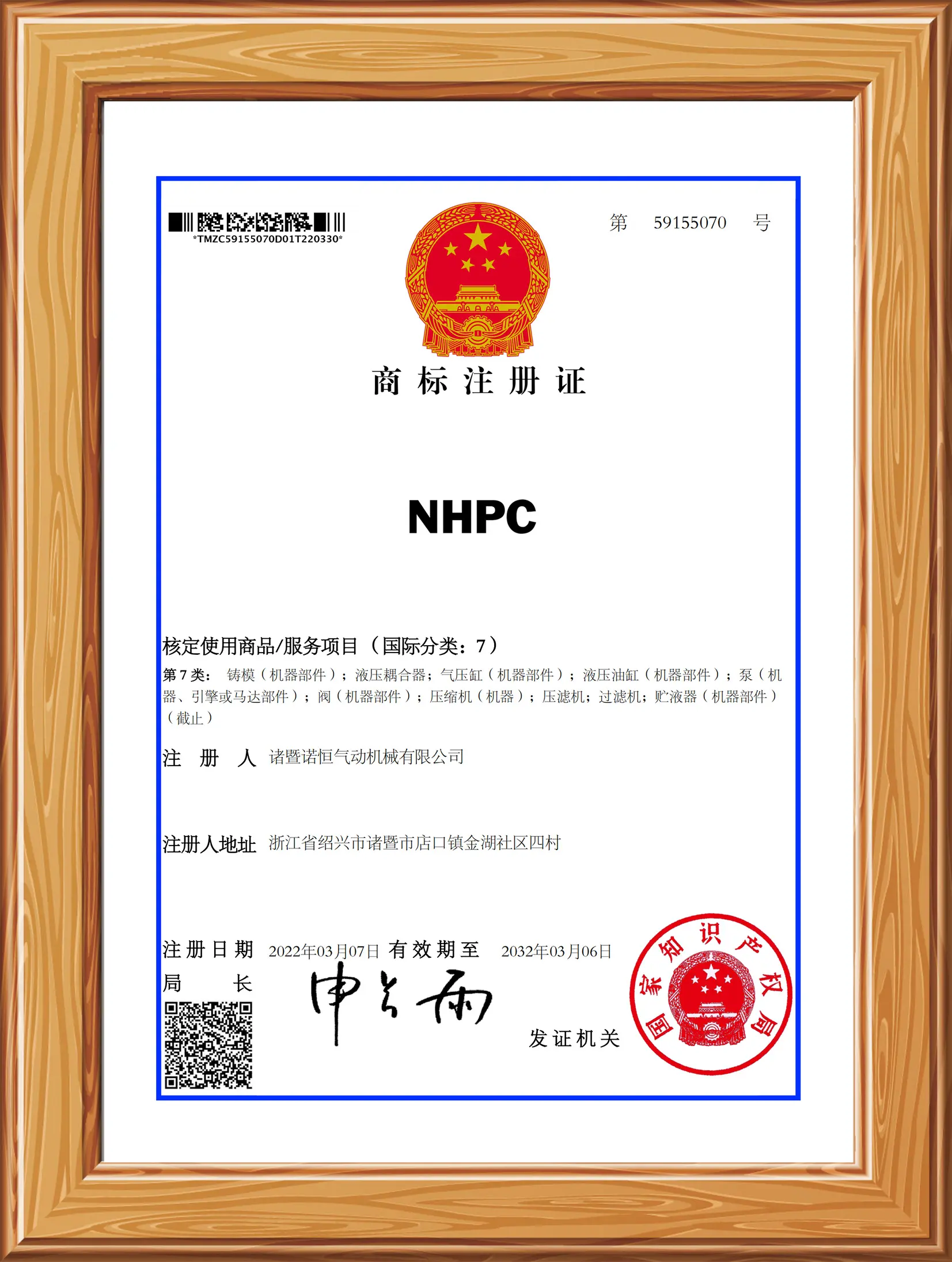
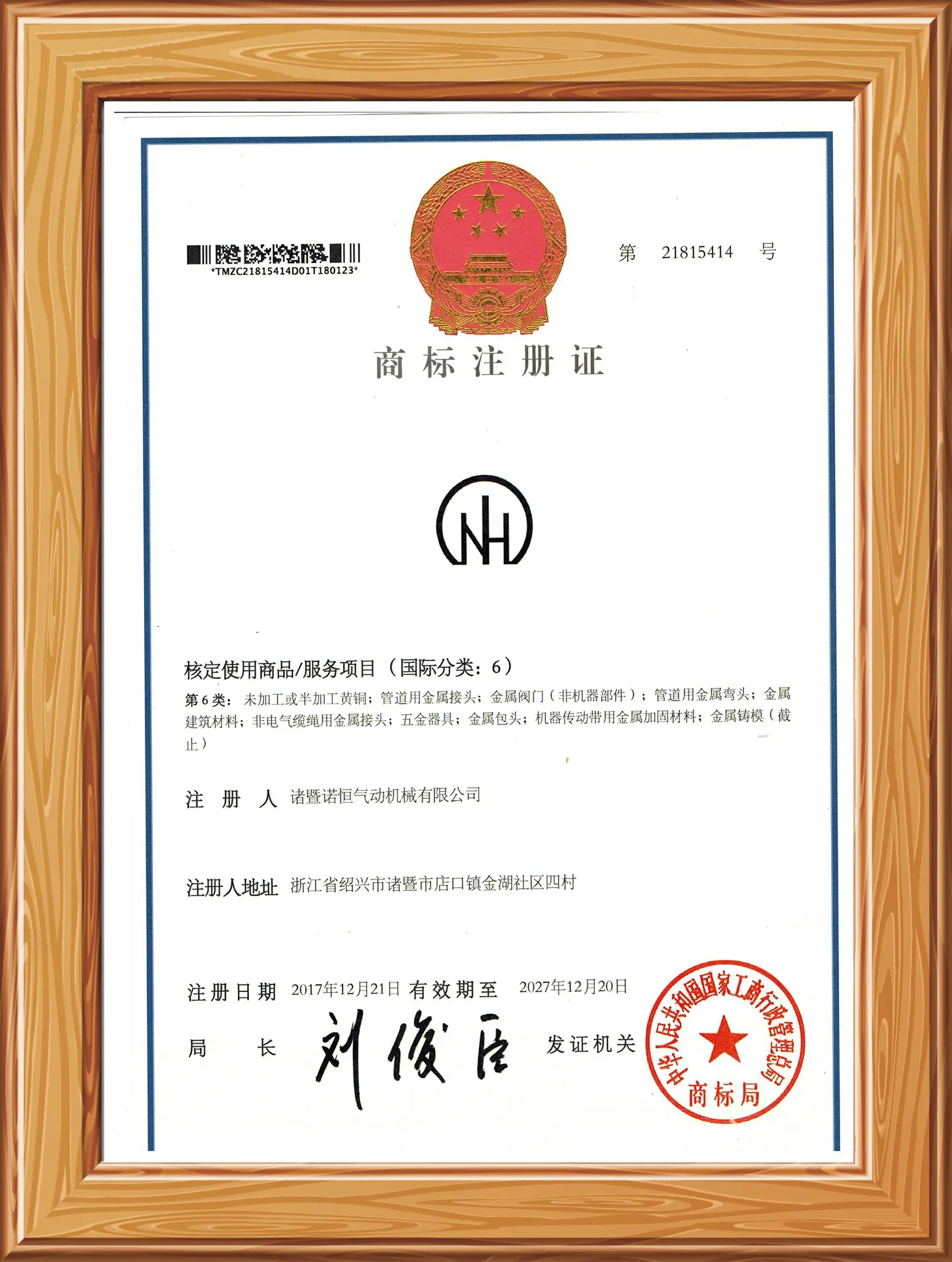
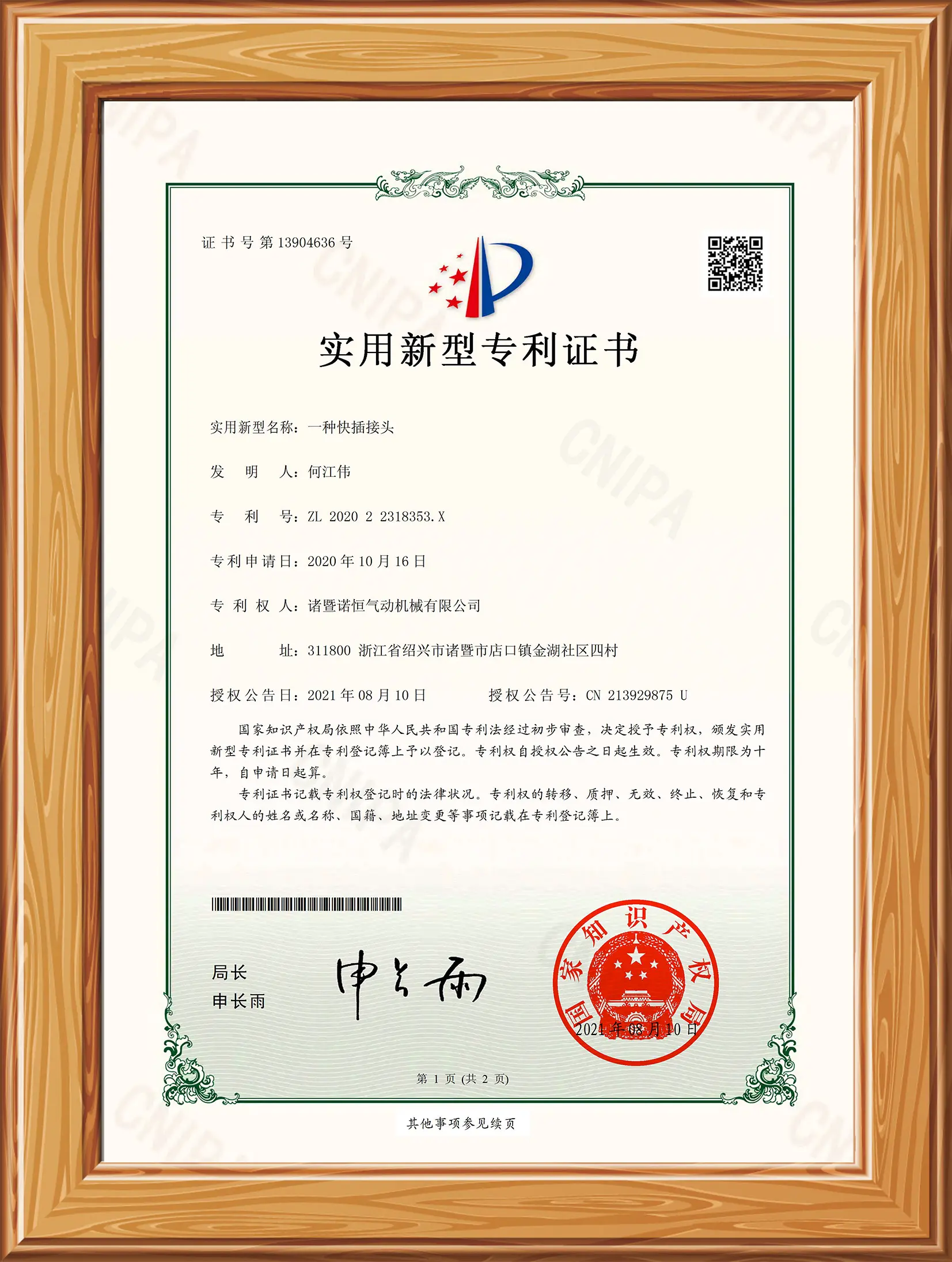
We test our manufacturing lines to meet international safety and environmental guidelines. Our cert list shows our continuous investment in facility audits, material tractability, and precision engineering:
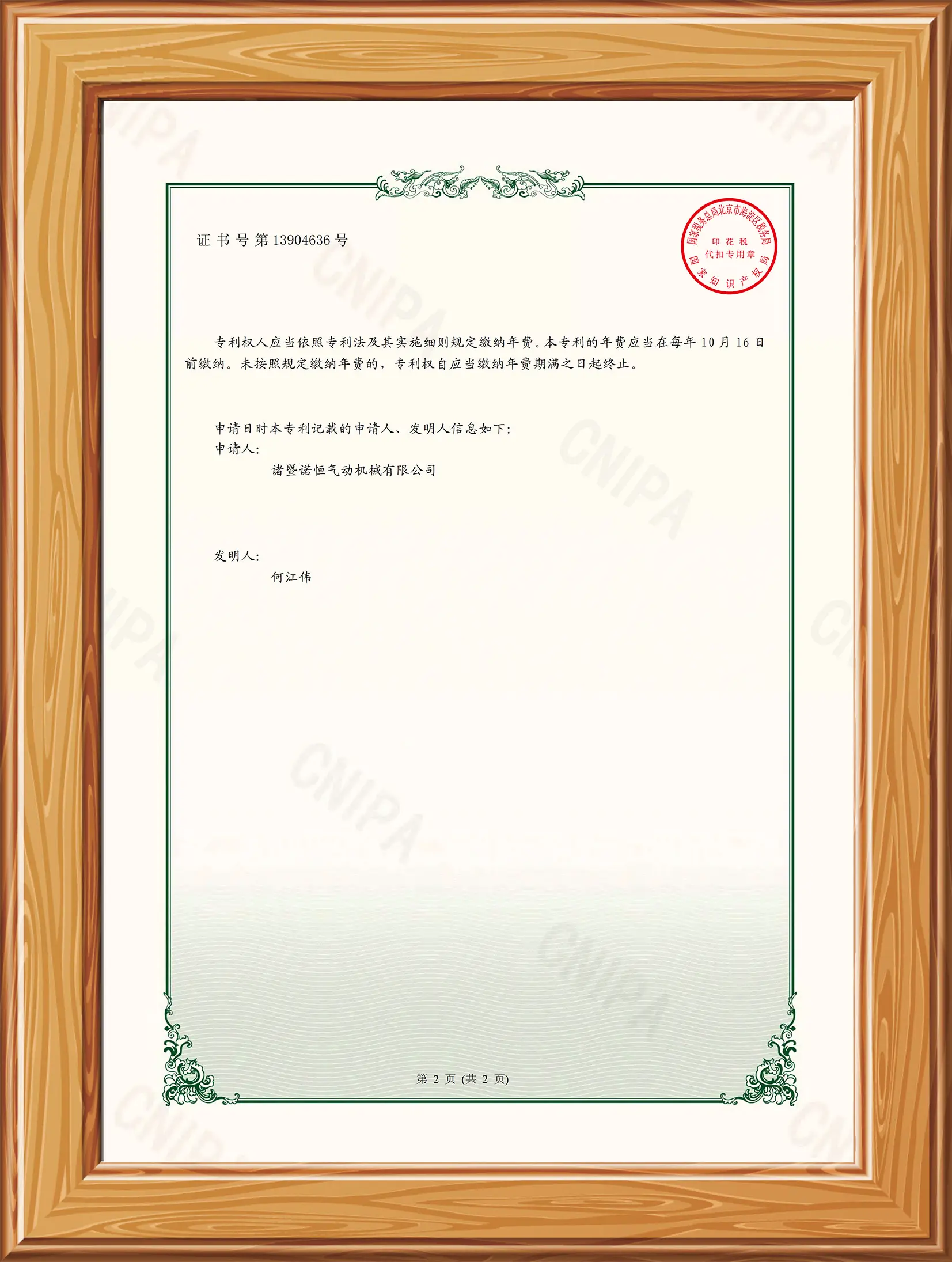
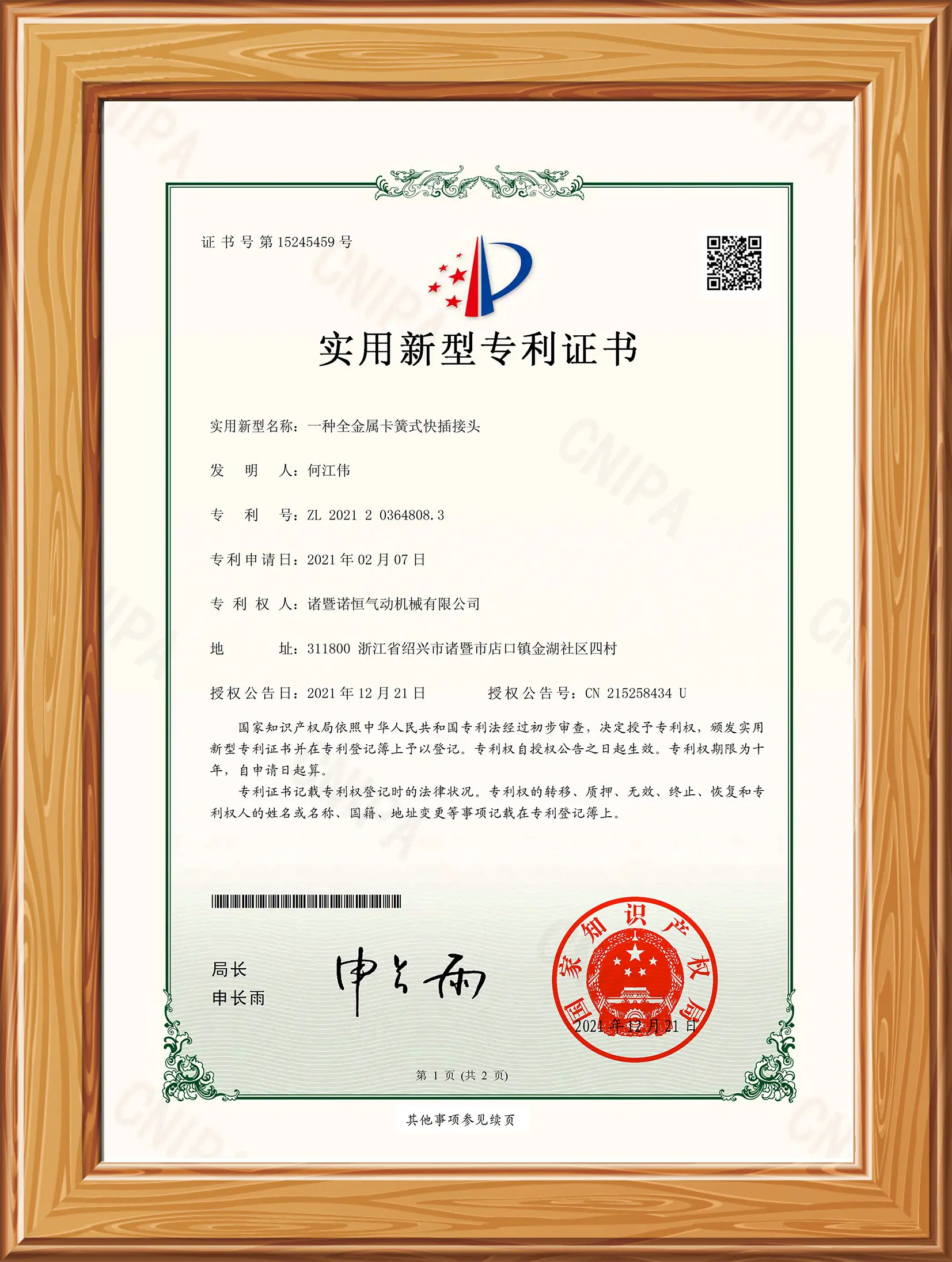
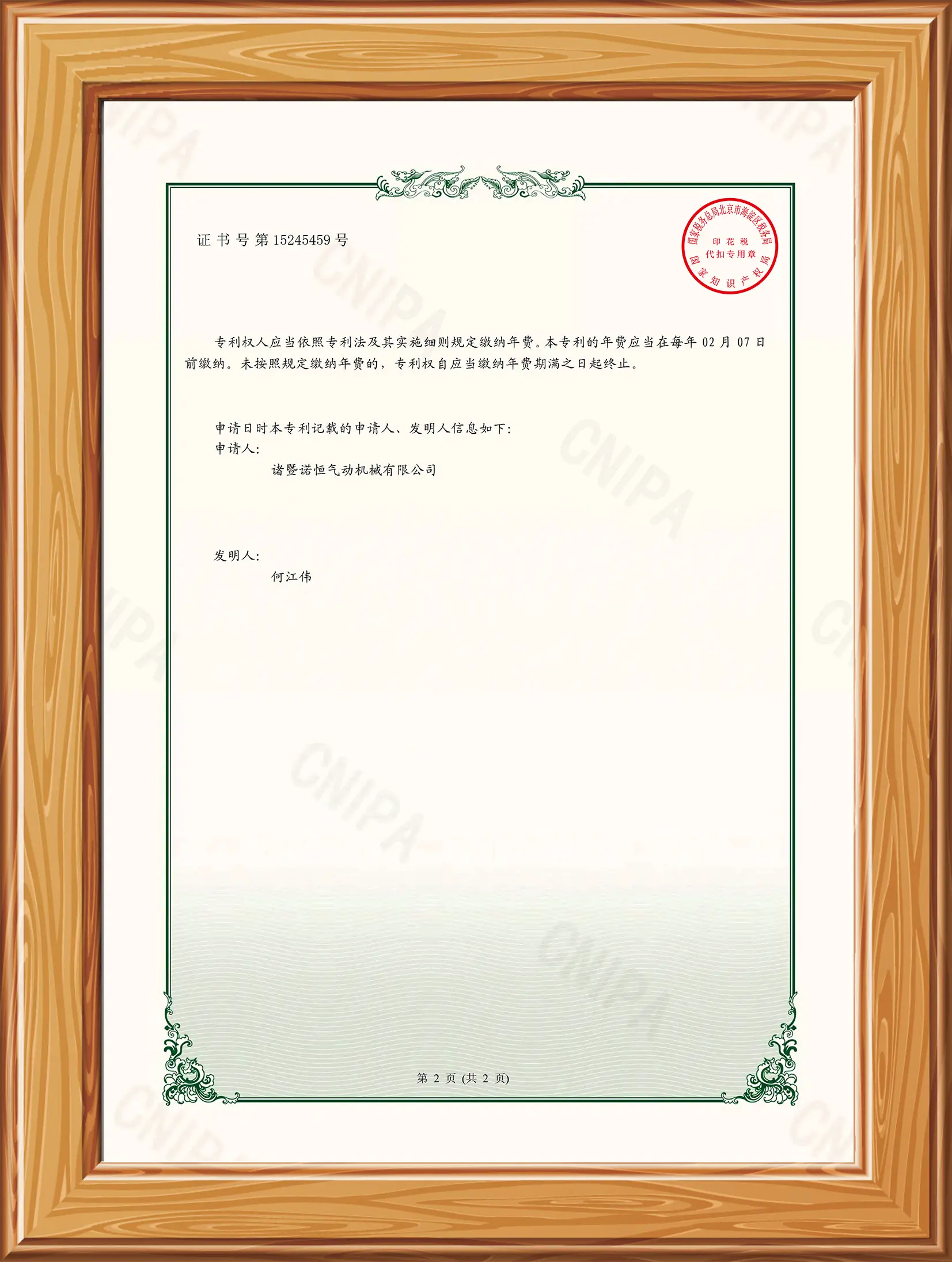
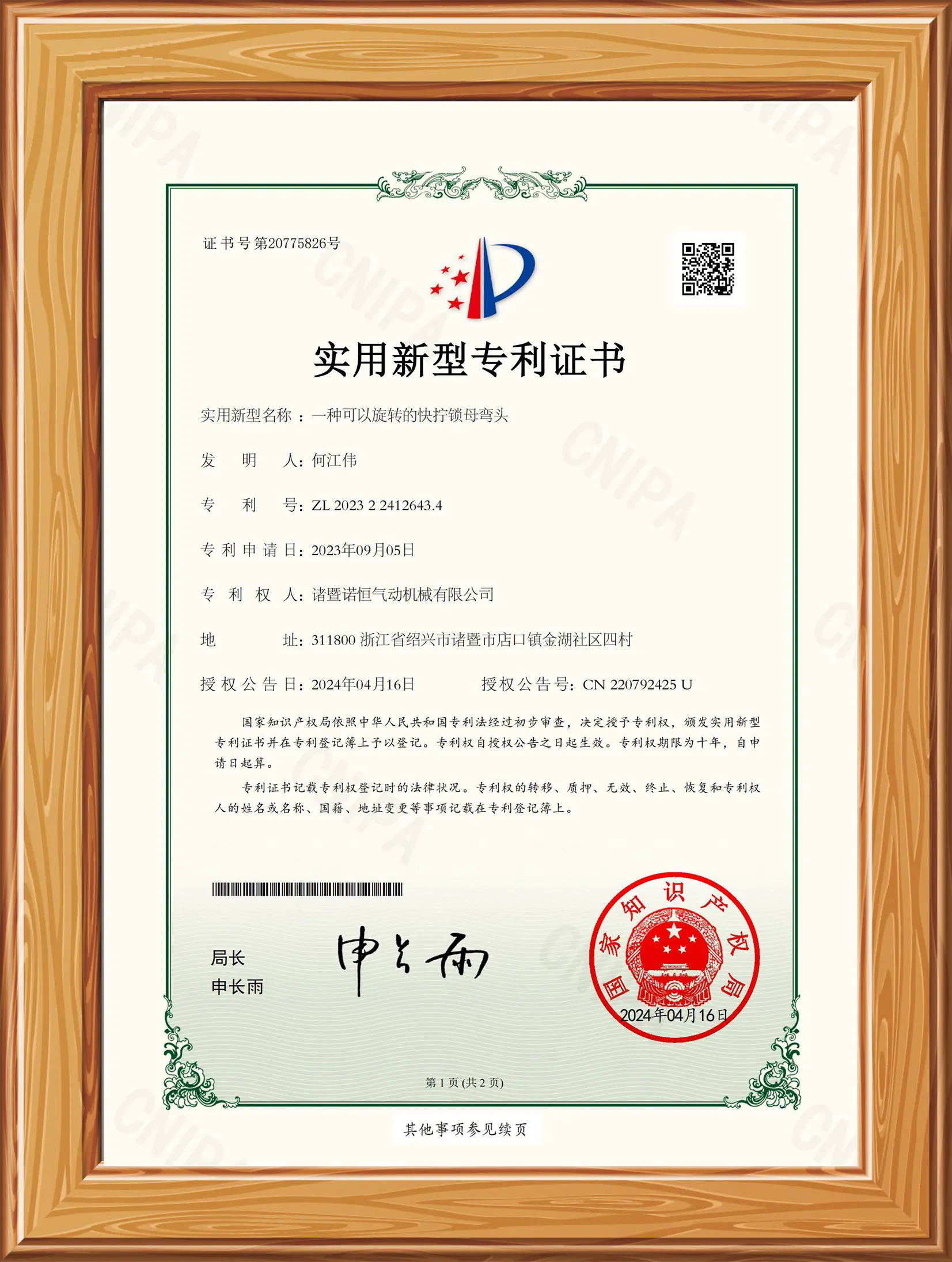
Custom engineering solutions for battery energy storage fire systems and heavy vehicle pneumatic brake networks.
Industrial components must perform under demanding environments. Standard push-in fitting materials often struggle under extreme conditions. NHPC designs and delivers customized solutions for two critical sectors: Energy Storage Fire Protection and DOT Air Brake Systems.
Li-ion battery packs present unique fire hazards, requiring precise fire protection systems. Standard fittings can melt during thermal runaway events. Our flame-retardant pipe fittings utilize V0-grade self-extinguishing polymers alongside reinforced brass cores. These connections deliver fire suppressant gas and water-glycol mixtures directly to battery housings even when exposed to high heat, helping to prevent catastrophic system failures.
Commercial vehicles require reliable brake lines. Federal Motor Vehicle Safety Standard 106 (FMVSS 106) mandates strict performance specifications for transportation air brake linkages. Our DOT-compliant brass line fittings feature high-tensile collets and inner support sleeves to maintain tube alignment under high temperatures, pressure cycles, and mechanical vibrations. The metal-to-metal design prevents air loss, maintaining reliable heavy-vehicle braking performance.

How Industry 4.0, ecological standards, and automation are shaping the future of brass coupling components.
The modern manufacturing industry is evolving rapidly, driven by sustainability targets and digital integration. Brass ferrule fittings are adapting to these changing demands through material innovations and smart design features:
“By optimizing fluidic flow designs and adopting eco-friendly brass alloys, NHPC supports global industrial initiatives for carbon neutrality and operational efficiency.”
Expert answers to common engineering questions regarding the selection, installation, and maintenance of brass fittings.
Look for raw materials certified to ASTM B16 (C36000 free-machining brass) or European standards CW614N/CW617N. These materials ensure consistent tensile strength, ductility, and machinability, preventing structural failure under high pressures.
Leaks typically stem from overtightening, undertightening, or choosing incorrect tubing materials. Over-tightening can crush the ferrule, while using hard metallic tubes prevents the ferrule from biting properly. Always pair brass ferrules with soft copper, aluminum, polyurethane (PU), or nylon tubing.
Mixing bodies, nuts, and ferrules from different suppliers is not recommended. Minor differences in taper angles, tolerances, and thread forms can lead to sealing problems or mechanical failure under high-vibration conditions.
DOT air brake fittings must comply with FMVSS 106 and SAE J1131 specifications. They must handle temperature extremes (-40°F to +200°F), resist salt spray corrosion, withstand high pressure cycles, and secure the tubing firmly to prevent pull-out under stress.
Nickel or chrome plating enhances surface hardness and wear resistance, and blocks chemical reactions in humid or corrosive environments. Passivated plain brass works well for standard indoor dry air systems.
Specify low-lead/lead-free options (lead content <0.25%) in your RFQ. Manufacturers must source verified lead-free alloys like C27450 or CW511L to comply with RoHS and REACH standards for environmental safety.
Further high-tolerance connection products for industrial automation, custom manifolds, and specialized piping networks.
 Nuoheng