Explore our flagship product matrix designed to meet the rigorous performance demands of global industrial automation lines.
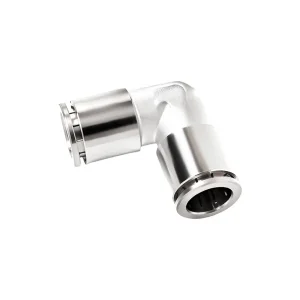
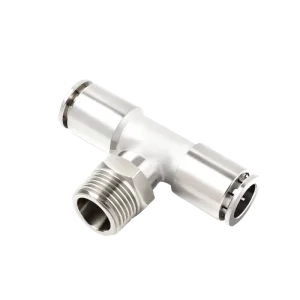
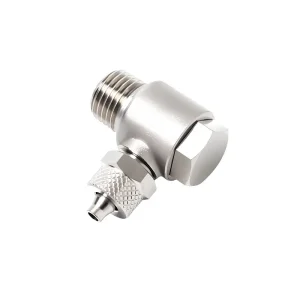
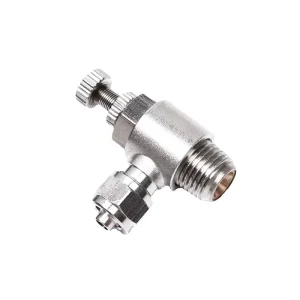
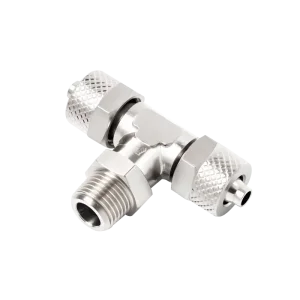
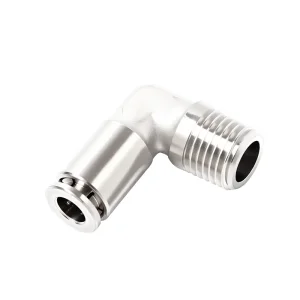
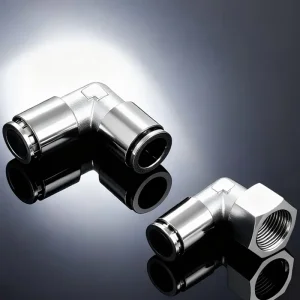
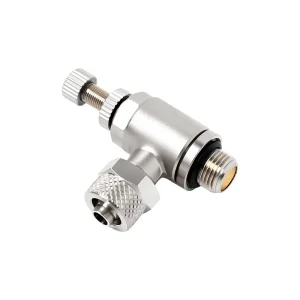
Within the global framework of manufacturing, process engineering, and fluid dynamics, the integrity of a pipeline connection across structural walls or barriers is of paramount importance. A copper bulkhead fitting acts as a dedicated conduit that establishes secure, high-integrity links through panels, enclosures, or tanks. These components are vital in systems handling gases, industrial pneumatics, hydraulic fluids, and thermal exchange systems. By offering high structural rigidity and corrosion resistance, copper fittings minimize pressure drops and structural stress, ensuring long-term system stability.
Unlike standard inline connections, bulkhead fittings must support structural loads and resist torsional stress during installation. High-quality bulkheads are designed with specialized threaded configurations, locking nuts, and elastomeric seals to prevent leakage. For industries looking to scale their system deployments, partnering with reliable wholesale copper bulkhead fitting manufacturers is key to securing high-grade materials that meet international industrial standards.
Industrial bulkhead couplers must withstand thermal expansion, mechanical vibrations, and corrosive chemical environments. Copper and brass alloys (such as HPb59-1 or C36000) deliver the necessary ductility, conductivity, and durability required for heavy-duty industrial systems.
A look into how material science, precise manufacturing, and quality certifications drive the growth of the bulkhead fitting market.
High-grade copper bulkhead fittings use specialized copper-zinc brass configurations, often enhanced with lead or silicon, to improve machineability. Alloys like C36000 (Free-Cutting Brass) are widely used for CNC-machined components due to their strength and corrosion resistance.
Copper naturally resists biofouling and oxidation, making it highly effective for liquid cooling and water management applications. Over time, it forms a protective oxide layer that shields the fitting from corrosive environments.
Global operations require precise thread compatibility. Wholesale manufacturers produce fittings with metric, G (parallel), BSPT (tapered), and NPT (American National Pipe Taper) threads to ensure seamless integration across different systems.
| Material Type | Tensile Strength (MPa) | Corrosion Resistance | Best Application Scenarios |
|---|---|---|---|
| C36000 Brass / Copper Alloy | 340 - 460 | Excellent | High-speed pneumatic connections, HVAC, industrial air distribution. |
| Lead-Free DZR Brass | 310 - 420 | Superior (dezincification resistant) | Municipal potable water networks, food & beverage processing lines. |
| Stainless Steel (316L) | 485 - 580 | Outstanding | Extreme chemical handling, marine subsea systems, heavy industrial acids. |
| Polymer (POM/Acetal) | 60 - 80 | Good (Non-metallic) | Low-pressure medical lines, chemical analysis instrumentation. |
Years of Engineering Experience
Highly Skilled Technical Personnel
Annual New Product Innovations
From energy storage to heavy transportation, copper bulkhead couplers provide stable, reliable performance in demanding environments.
Modern battery energy storage systems (BESS) require liquid cooling and fire-suppression systems to prevent thermal runaway. Specialized flame-resistant piping connections (such as our PLF, PE, and PC series) ensure secure fluid transport into battery enclosures.
Heavy duty trucks and commercial trailers rely on pneumatic brakes for safety. Bulkhead fittings facilitate the secure passage of air lines through chassis walls. These components are designed and tested to meet DOT FMVSS 106 standards, ensuring they remain leak-free under constant vibration.
As computing requirements grow, liquid cooling has become essential for high-performance servers. Metal bulkhead connections provide a reliable solution for routing coolant through server chassis, maintaining flow stability while protecting sensitive electronic components.
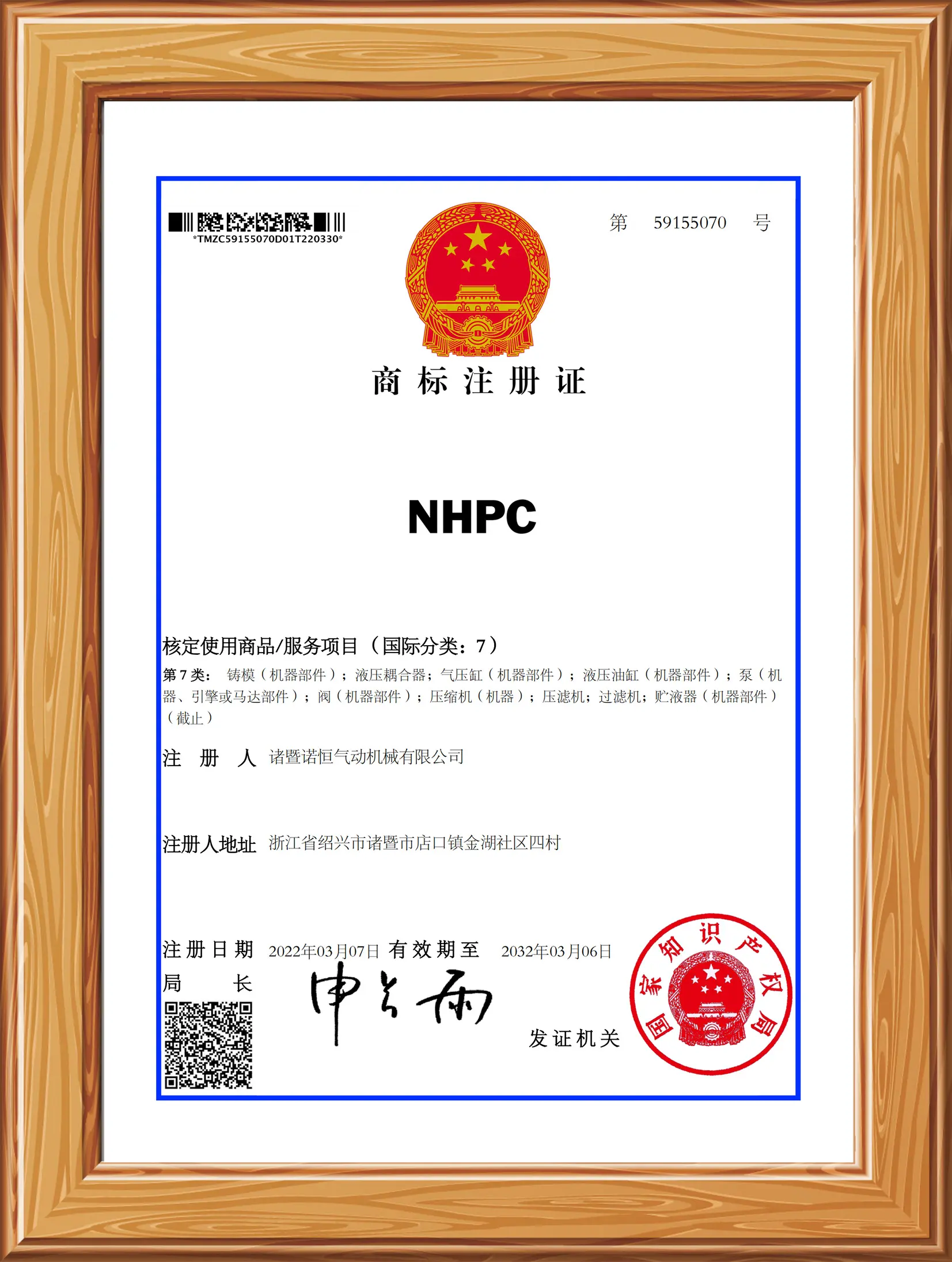
Nuoheng Pneumatic Machinery Co., Ltd. (NHPC) has been a dedicated manufacturer in the pneumatic industry for over 15 years. We focus on designing, developing, and manufacturing high-quality push-in fittings, push-on fittings, pneumatic valves, quick connectors, PU pipes, and hydraulic components.
Equipped with advanced CNC lathes, injection molding machines, stamping units, and die-casting equipment, we maintain strict quality control at every stage of production—from raw material selection to final assembly. We also offer customization services to design and manufacture pneumatic components tailored to your specific application requirements.
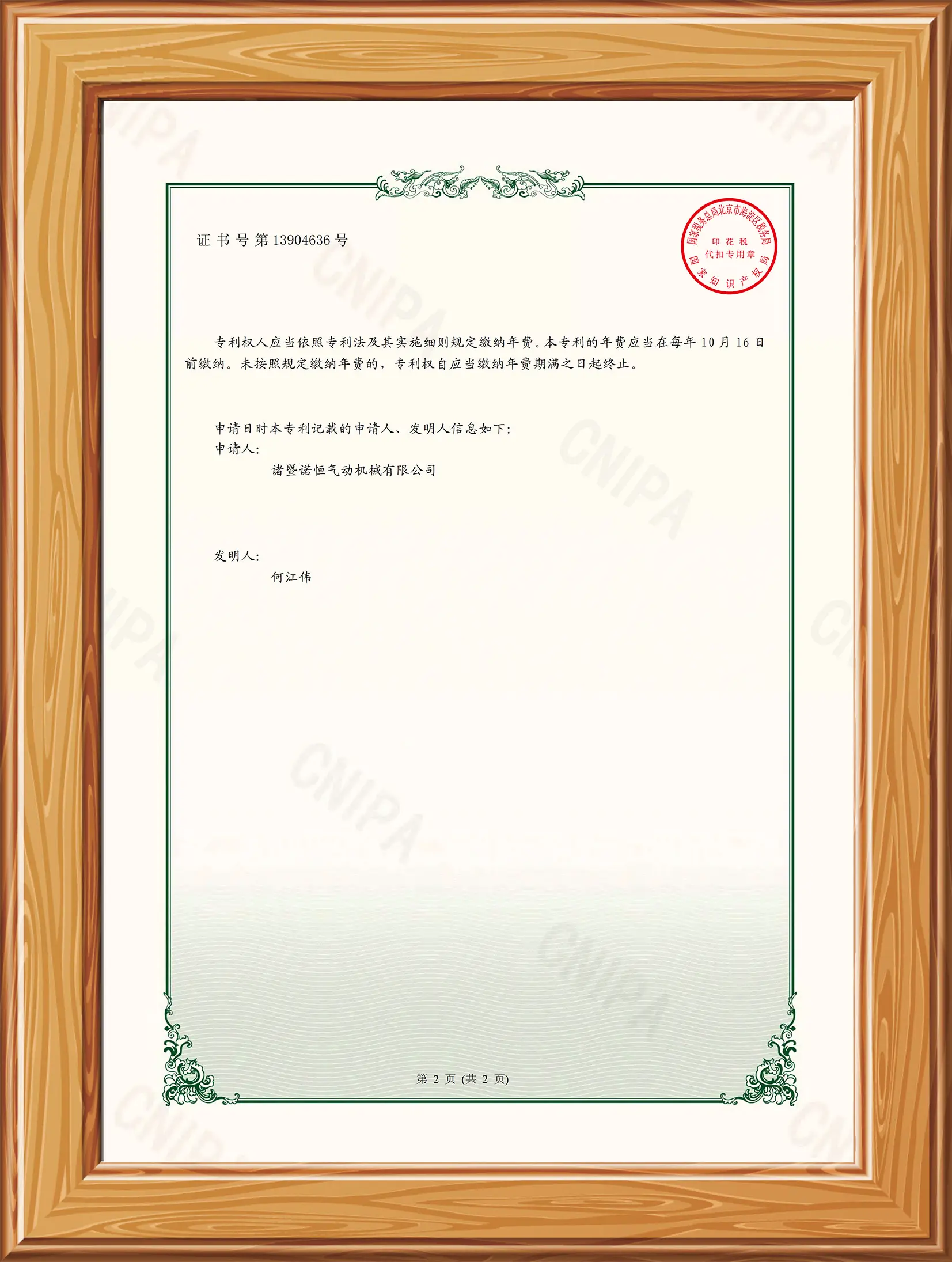
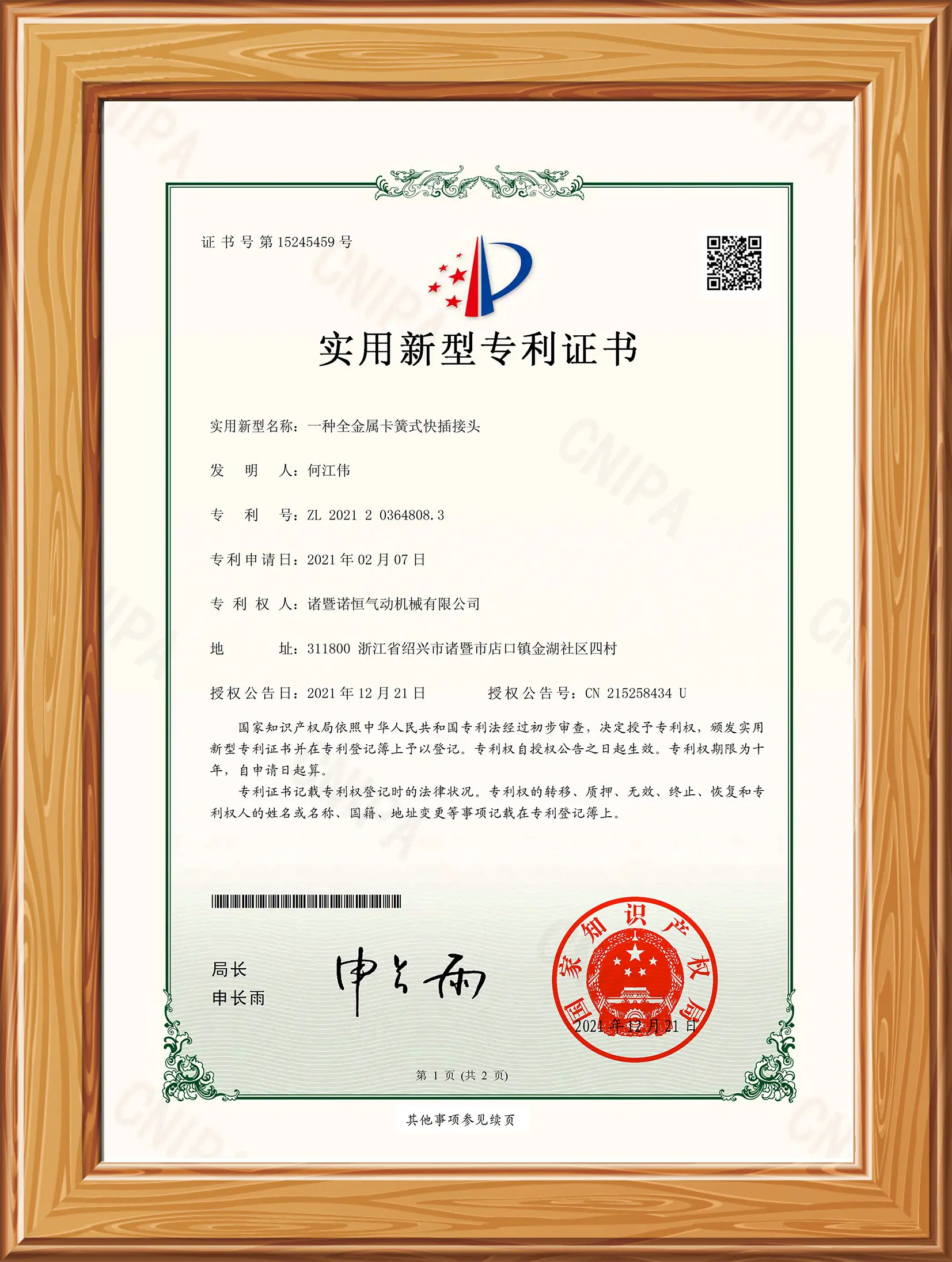
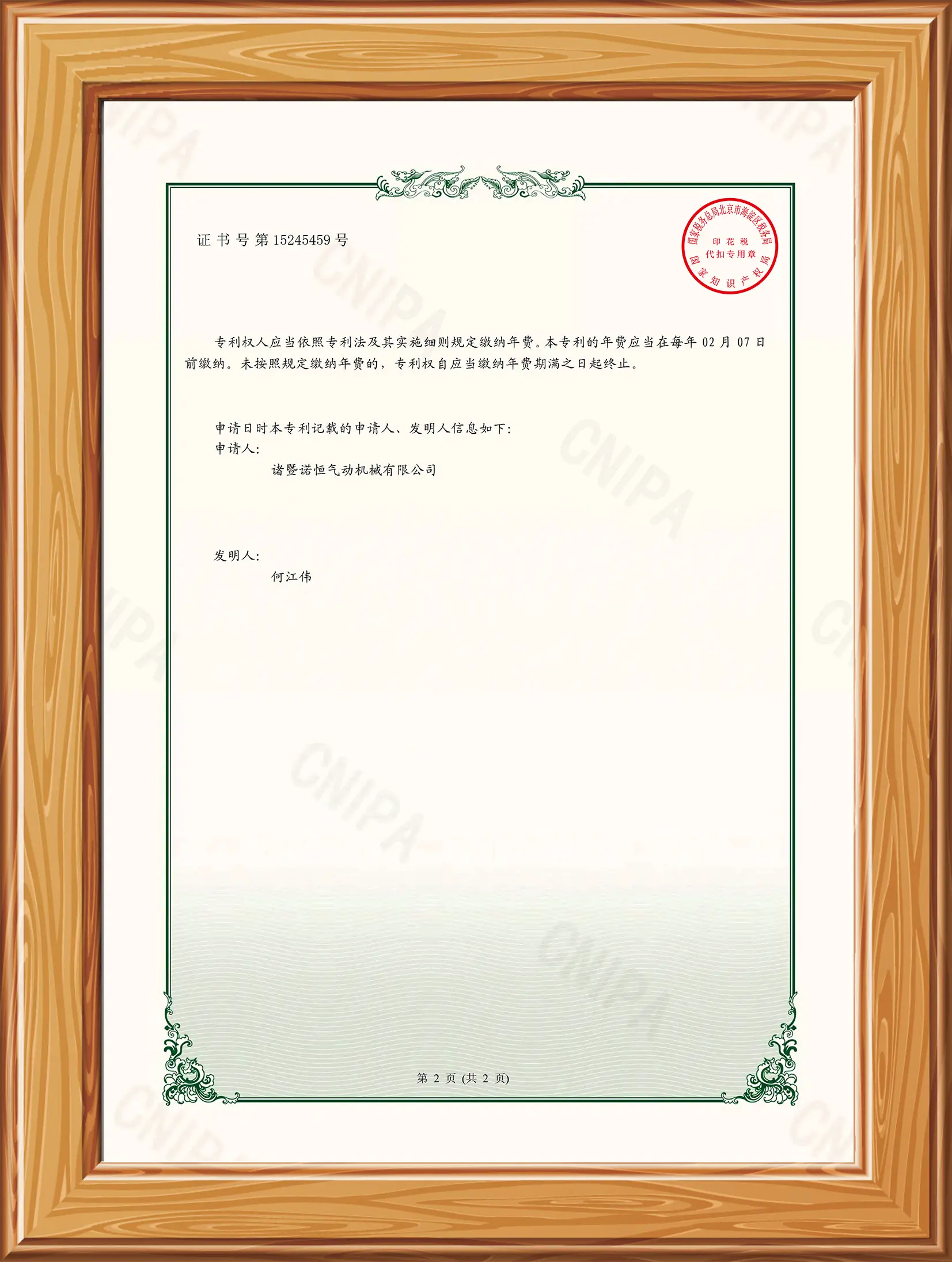
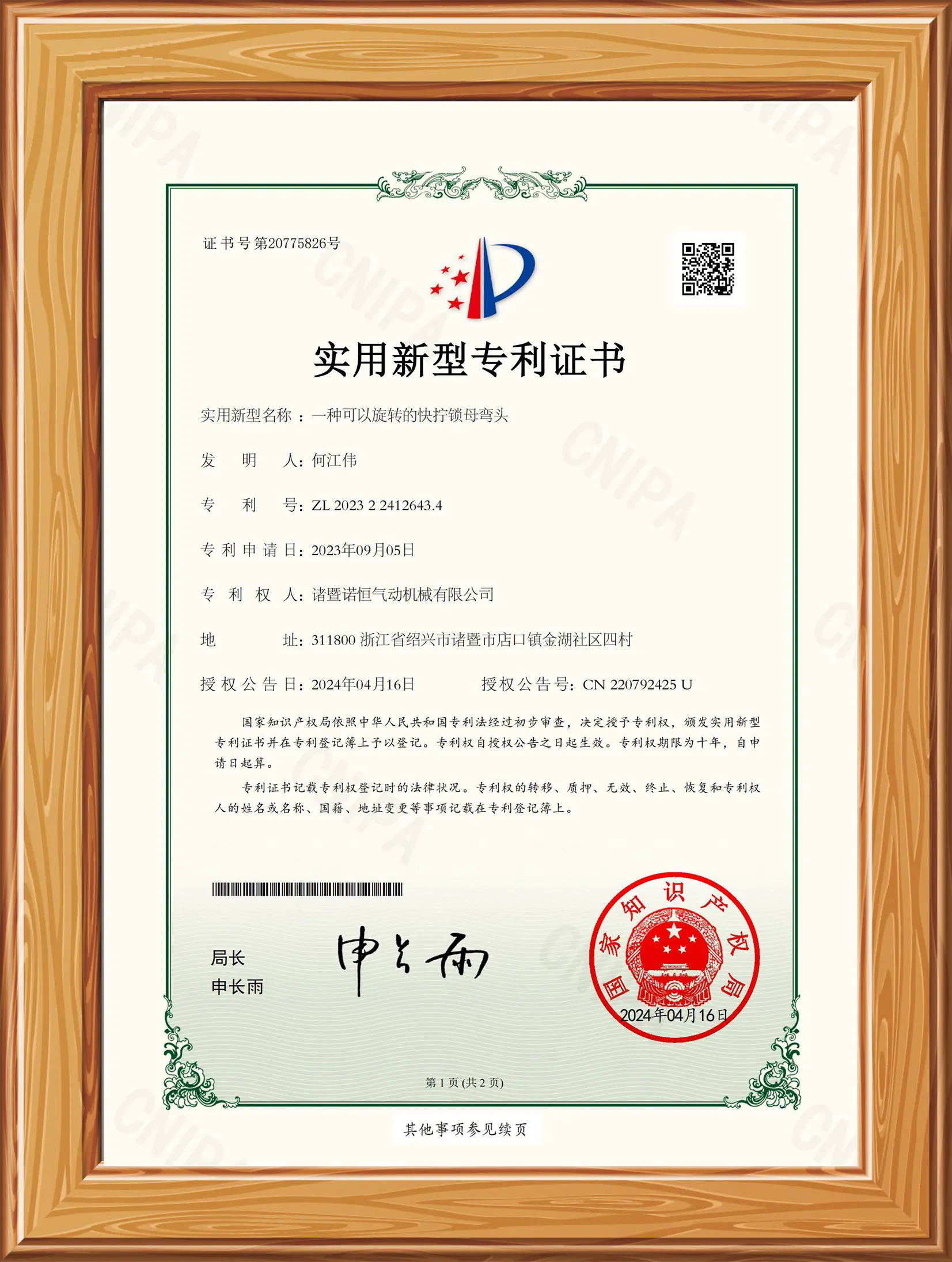
From initial system design and material sourcing to CNC machining and final testing, we manage the entire manufacturing cycle.
We leverage our team's extensive pneumatic expertise to design reliable, cost-effective routing systems that align with your operational requirements.
Our facility features CNC lathes, injection molding machinery, metal stamping units, and die-casting systems, allowing us to maintain strict tolerances and quality control.
Our dedicated engineering and support teams provide technical assistance throughout the process—from the initial consultation to long-term post-installation service.
The fluid power industry is evolving, driven by demands for higher efficiency, environmental sustainability, and smart system monitoring. NHPC is continually investing in R&D to align with these trends:
Deploying fully automated CNC production lines integrated with real-time inspection systems to ensure dimension and thread consistency across all production batches.
Engineered for challenging environments, including high-temperature industrial lines and specialized automotive routing.
Answers to common engineering questions regarding the selection, installation, and performance of copper bulkhead connections.
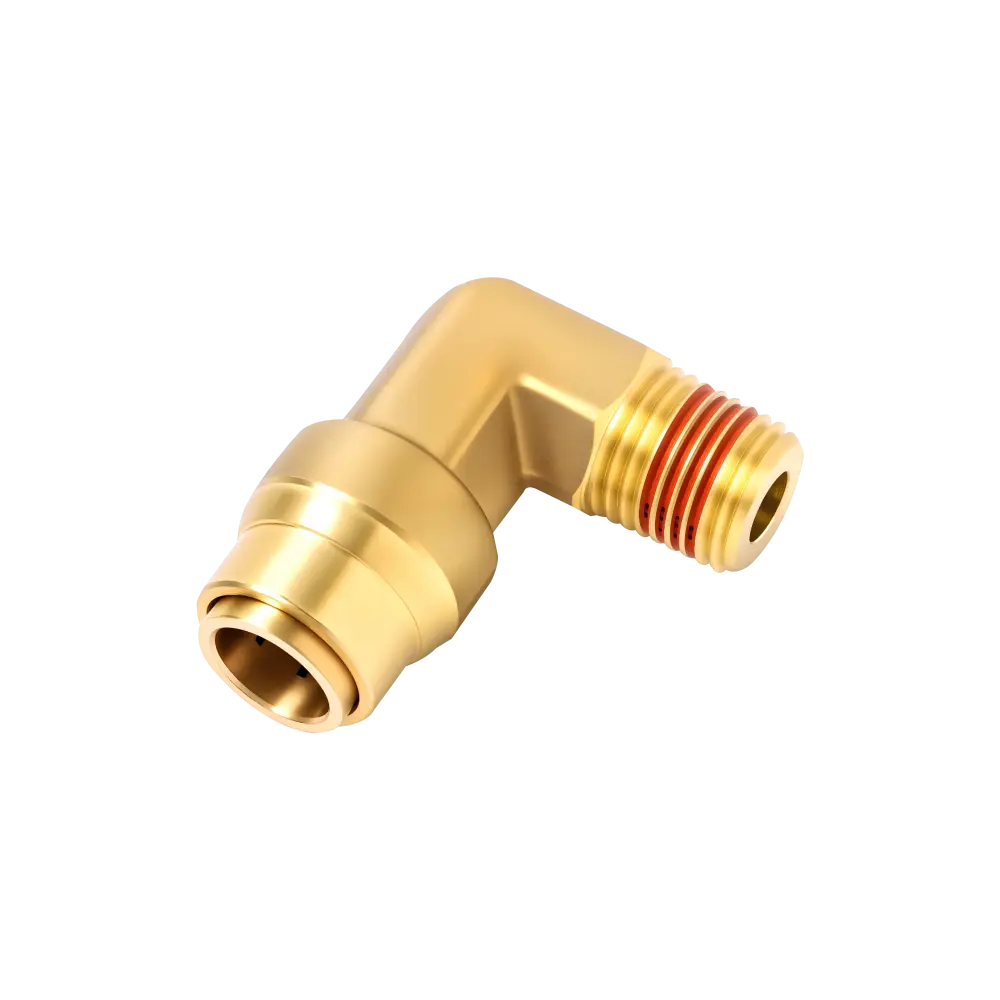
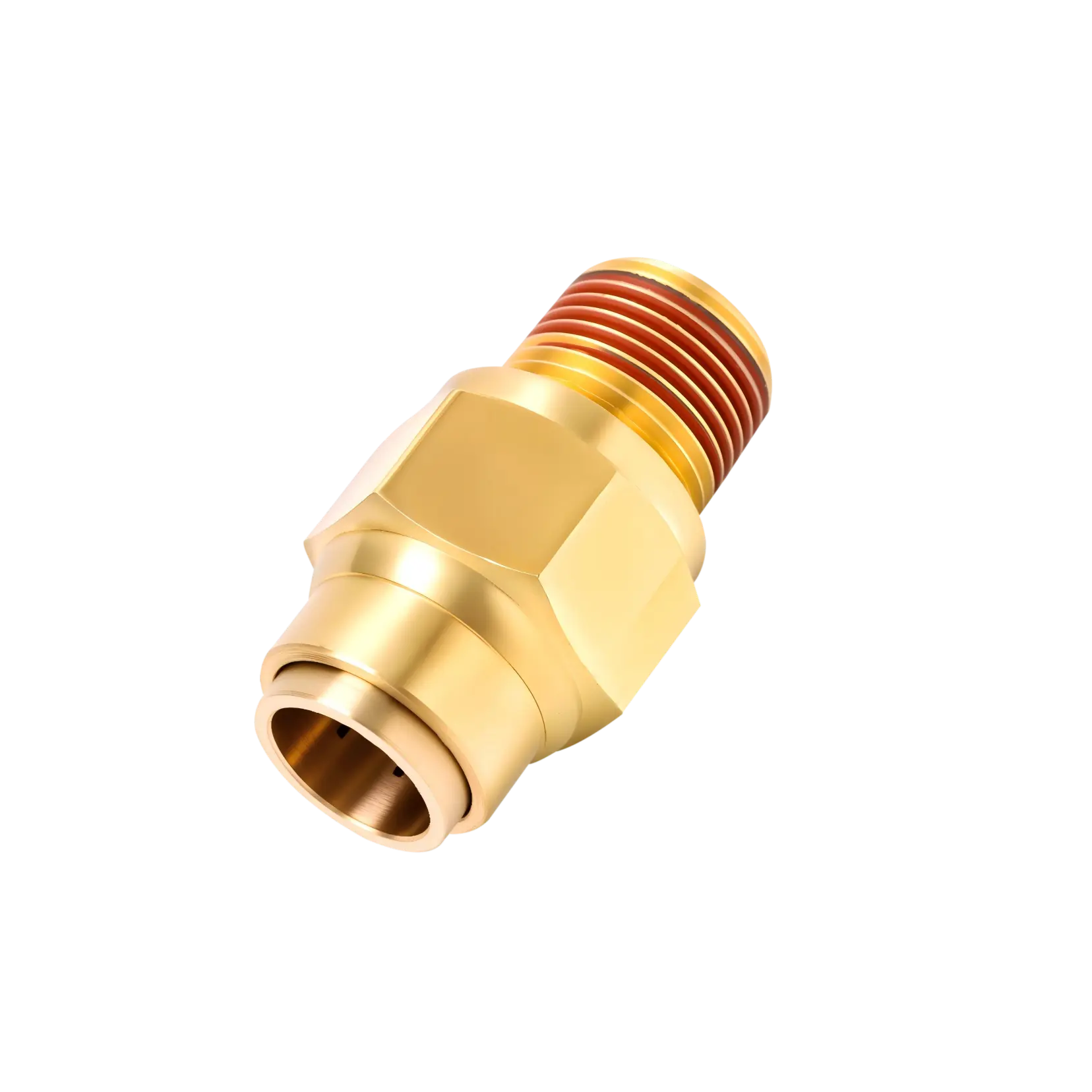
A standard union coupling connects two pipes in a continuous straight line within an open space. A bulkhead fitting is specifically engineered to pass a fluid line through a panel, barrier, or tank wall. It features an extended threaded body, a locking nut, and sealing gaskets designed to secure the fitting to the wall, sealing the opening while providing a stable passage for fluid flow.
Dezincification is a selective corrosion process where zinc is leached out of brass alloys (which contain copper and zinc), leaving a porous, structurally weak copper frame. In marine environments or systems handling saline fluids, standard brass can fail. To prevent this, NHPC uses specialized dezincification-resistant (DZR) brass alloys and copper formulations that maintain structural integrity and leak protection under these conditions.
The choice of elastomer depends on the fluid composition and operating temperature. For standard applications under 100°C, Nitrile Rubber (NBR) is suitable. For temperatures up to 200°C, or systems handling aggressive chemical fluids and oils, Fluorocarbon (FKM/Viton) seals are recommended. For steam and hot water applications, Ethylene Propylene Diene Monomer (EPDM) provides optimal resistance.
Thin-walled sheet metal enclosures can warp if excessive torque is applied during installation. Tightening torque should be carefully controlled based on the thread size (typically ranging from 15 Nm for 1/4" fittings up to 45 Nm for 1" fittings). Utilizing metal reinforcement washers or backing plates helps distribute clamping pressure evenly, preventing deformation and ensuring a reliable seal.
G threads (BSPP) are parallel and rely on an elastomeric O-ring or flat washer compressed against a sealing face to prevent leaks. NPT threads are tapered and achieve a seal through metal-to-metal contact along the thread flanks, which often requires thread sealant or PTFE tape. Parallel G threads are typically preferred for high-vibration systems and applications requiring frequent assembly and disassembly.
Standard copper and brass alloys are generally suited for pneumatic systems and low-to-medium pressure hydraulics. For high-pressure hydraulic applications (exceeding 10 MPa), high-tensile brass or stainless steel (like 316L) is recommended to ensure safety and prevent material yield under intense pressure spikes.
Galvanic corrosion occurs when two dissimilar metals (such as copper and aluminum) contact each other in the presence of an electrolyte. To prevent this, engineers use non-conductive isolation washers, sleeves (often made of PTFE or POM), or plating finishes (like nickel plating) to separate the metals and protect the connection.
NHPC uses automated CNC production lines equipped with real-time laser measurement systems. In addition to regular thread-gauge inspections, our quality assurance process includes pressure testing and material verification to ensure every batch meets required specifications before shipment.
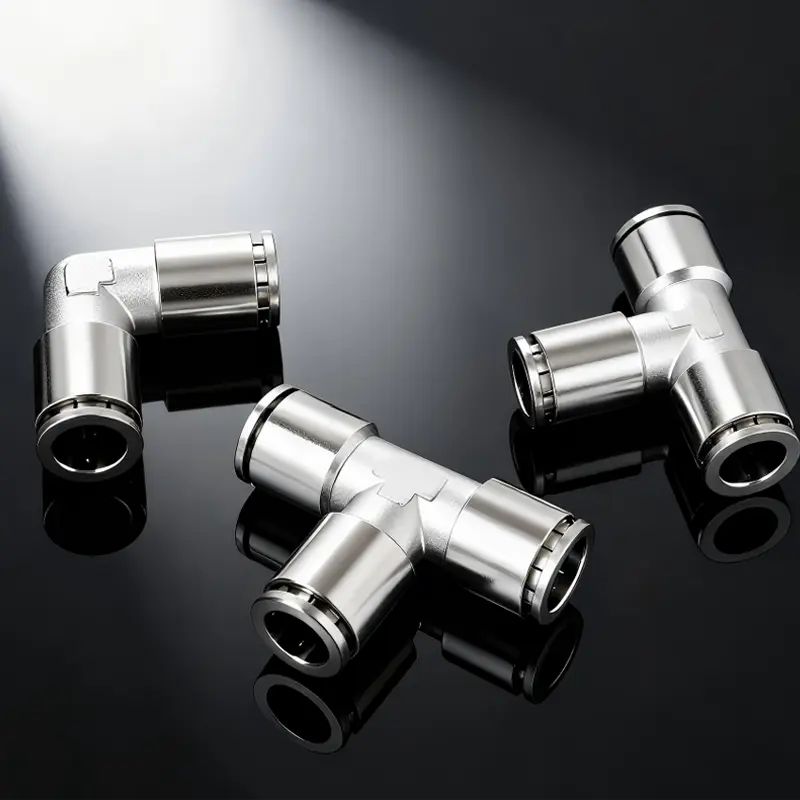
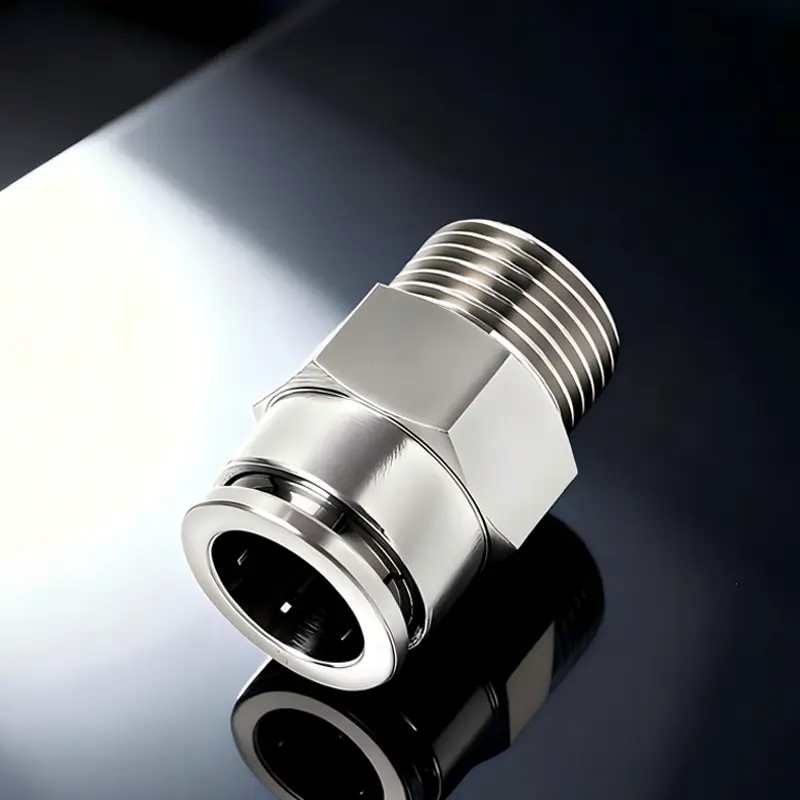
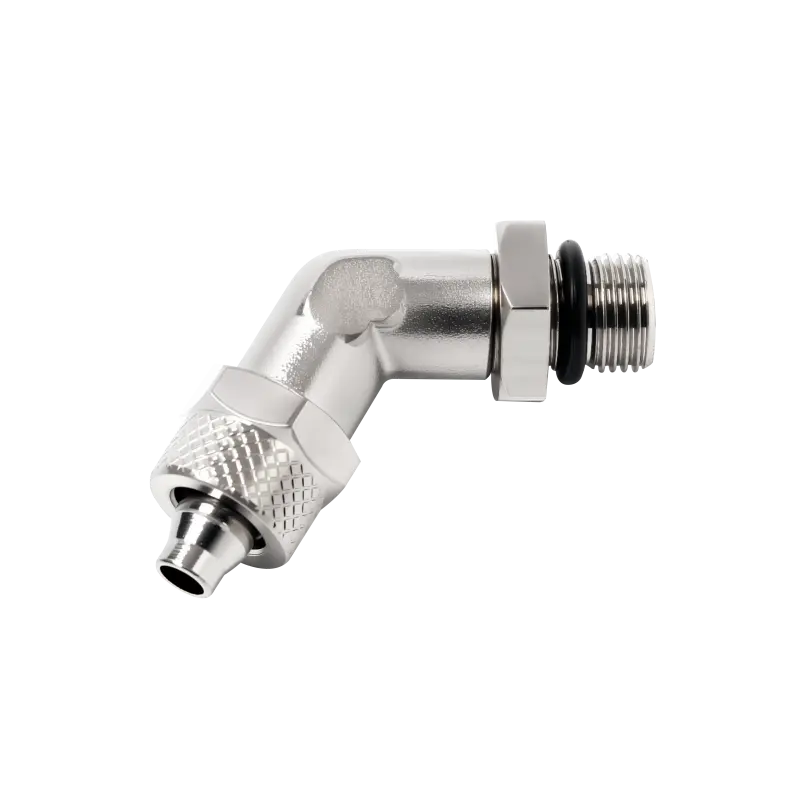
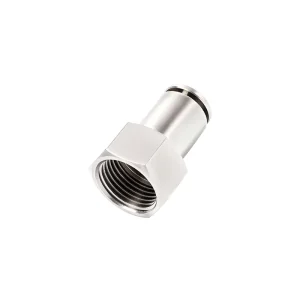
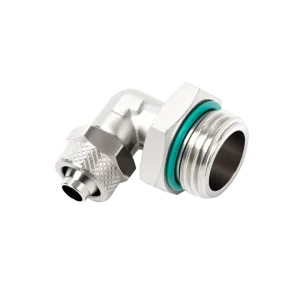
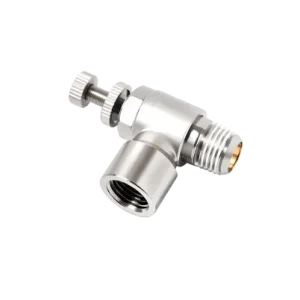
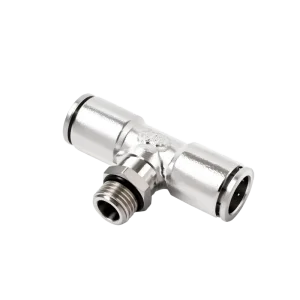
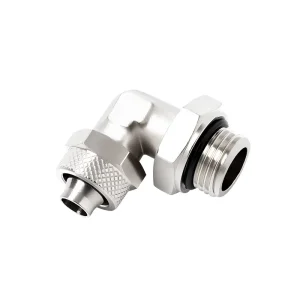
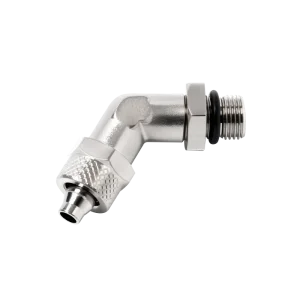
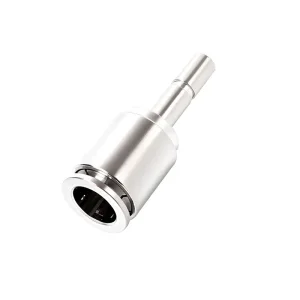
Our extended catalog of push-to-connect fittings, flow controllers, and threaded adapters, available for global distribution.
 Nuoheng