Engineered for compliance, structural integrity, and durability in safety-critical pneumatic systems.
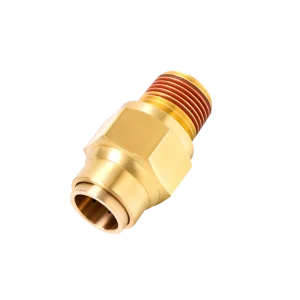
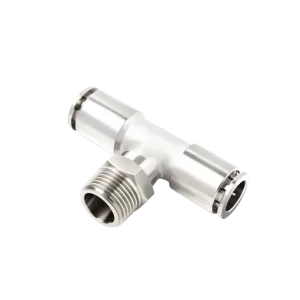
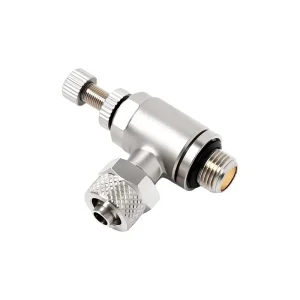
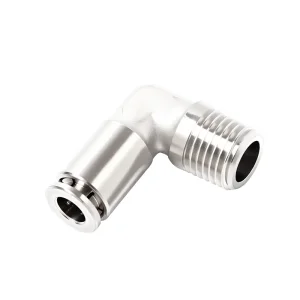
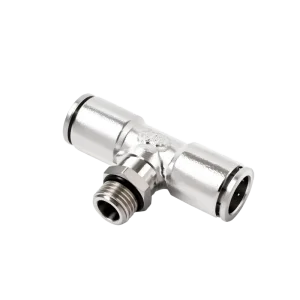
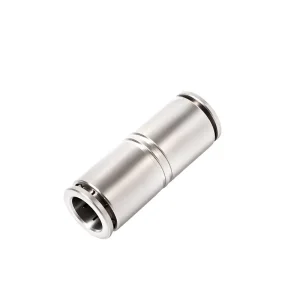
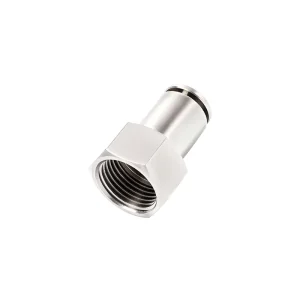
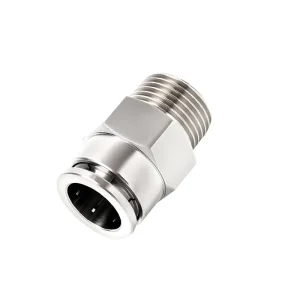
In heavy-duty automotive and commercial vehicle engineering, the performance of air brake systems is non-negotiable. Department of Transportation (DOT) certified brass fittings serve as the lifeline of these pneumatic assemblies. Regulatory frameworks established by the National Highway Traffic Safety Administration (NHTSA) under FMVSS 106 (Federal Motor Vehicle Safety Standard 49 CFR 571.106) mandate strict design, mechanical performance, and environmental criteria.
For a brass fitting to earn a genuine "DOT" stamp, it must pass rigorous dynamic tests. These include mechanical pull-out checks (resisting significant tensile forces before tubing detachment), extreme temperature cycling (typically ranging from -40°C to +120°C), and high-vibration resistance tests. Standards such as SAE J246 (for spherical sleeve compression fittings) and SAE J1131 (performance requirements for push-to-connect fittings used with nylon tubing) ensure that components can withstand the mechanical impulses, dynamic pressures, and harsh environments common to transit and freight vehicles.
The base alloy dictates the tensile strength, corrosion resistance, and overall lifecycle of a pneumatic fitting. Industrial-grade DOT connectors typically utilize high-tensile brass alloys, such as CA360 (free-cutting brass) or HPb59-1. These alloys offer excellent machinability, allowing for tight tolerance threads (NPT, metric, or G thread) that prevent leakage.
With the rise of environmental regulations like CA Prop 65 and NSF/ANSI lead-free mandates, manufacturers have adopted lead-free and low-lead brass alternatives. This evolution ensures chemical stability and compliance without compromising physical strength. Internal seal engineering is equally critical: high-precision Nitrile (NBR) or Viton (FKM) O-rings provide reliable performance under varying pressures and exposure to synthetic lubricants or road grime.
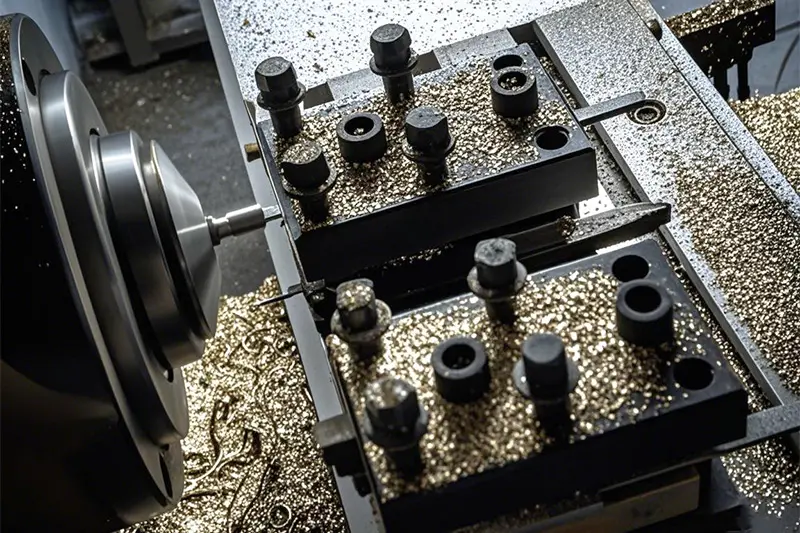
CA360 and HPb59-1 grade brass blocks provide superior resistance against stress corrosion cracking and mechanical wear.
Multi-spindle CNC machining maintains dimensional variances below 0.02mm, ensuring zero-leak thread engagement.
Engineered elastomer compounds prevent sealing decay, retaining flexibility at -40°C and thermal stability at 120°C.
15+ years of manufacturing experience delivering engineered pneumatic solutions globally.
Welcome to NHPC, a manufacturer in the pneumatic industry with a history spanning over 15 years. Our journey began with a clear vision: to advance the pneumatic sector by delivering high-quality, innovative, and reliable products that meet the changing needs of our clients. Today, we are proud to stand as a trusted brand, serving a diverse range of customers across the globe.
We specialize in the design, development, and manufacturing of a comprehensive range of pneumatic products. Our portfolio includes push-in fittings, push-on fittings, pneumatic valves, quick connectors, PU pipes, hydraulic components, and design services for custom pneumatic systems. Each product is engineered with precision, ensuring optimal performance, durability, and efficiency. Whether you need standard components or customized solutions, we have the expertise to deliver products that meet your requirements.
Using our industry experience, we offer cost-effective and reliable pipeline solutions that meet our clients' technical requirements.
Equipped with high-precision surface treatment machines, CNC lathes, injection molding, stamping, and die-casting machinery for strict quality control.
Our support team provides technical assistance and responsive service, from initial consultation through to after-sales follow-up.
To be a reliable global pneumatic manufacturer by introducing new standards for quality and performance. We focus on providing modern pneumatic solutions that help our clients improve their operational efficiency and productivity, contributing to a smarter, more efficient future.
Global purchasing managers often look to Chinese manufacturers to optimize costs and build resilient supply chains. The Zhejiang industrial cluster provides integrated supply chain benefits. By combining raw material processing, precision hot forging, mold tooling, and automated assembly in one hub, logistics delays and production costs are minimized.
Industrial suppliers like NHPC integrate raw material sourcing, automated CNC machining, and quality checks under one roof. Sourcing directly from China allows global businesses to secure high-quality DOT brass fittings that meet strict international standards at competitive price points.
DOT brass fittings are designed for demanding environments, including commercial trucking, transit buses, trailer air systems, and heavy industrial machinery. Because these systems are subject to continuous vibration and environmental exposure, selecting high-performance fittings is essential.
NHPC also designs specialised connections for new energy storage systems. Our flame-resistant PE and PLF Series offer fire protection and high thermal resistance, protecting critical battery management systems from overheating or safety failures.
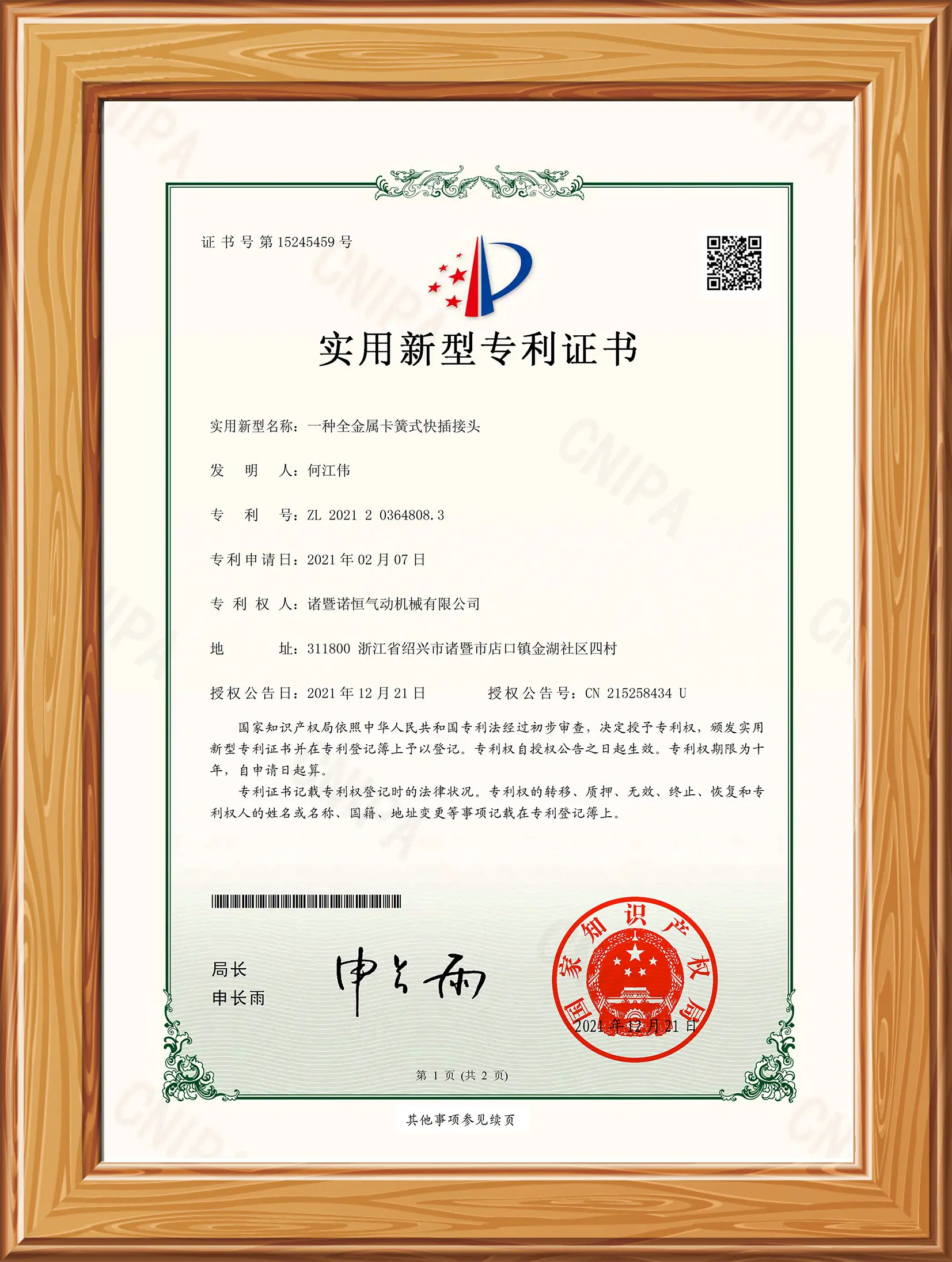
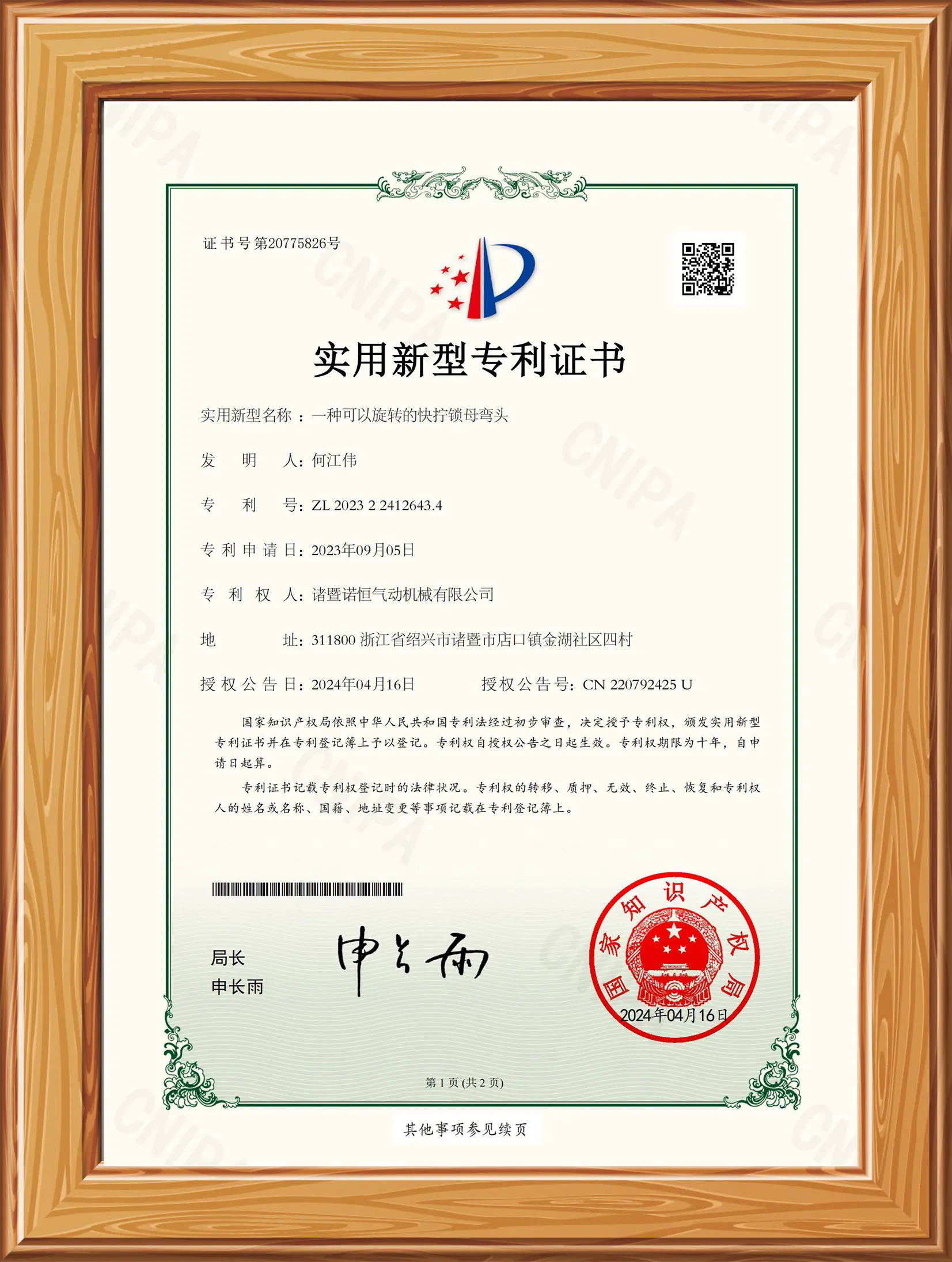
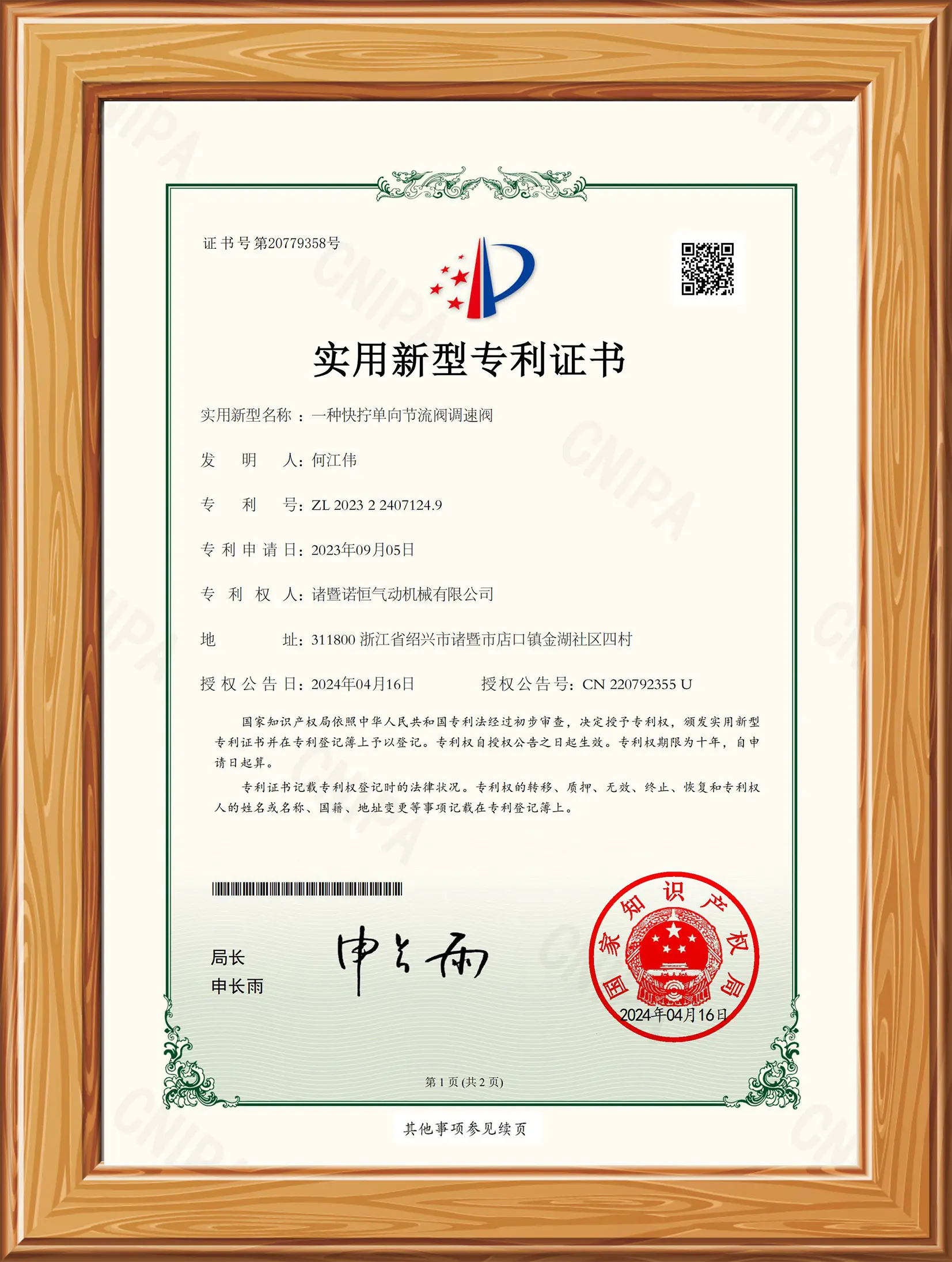
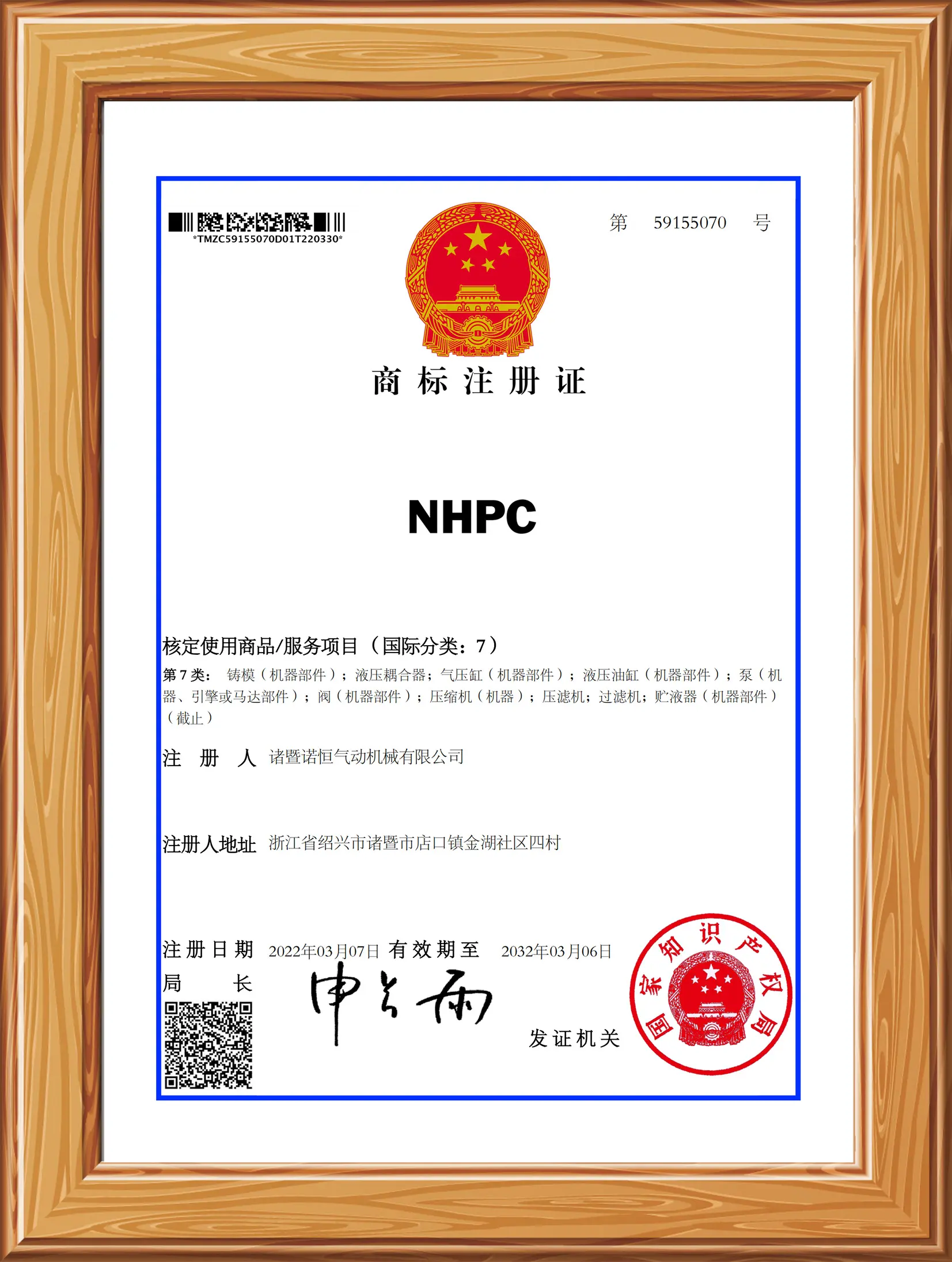
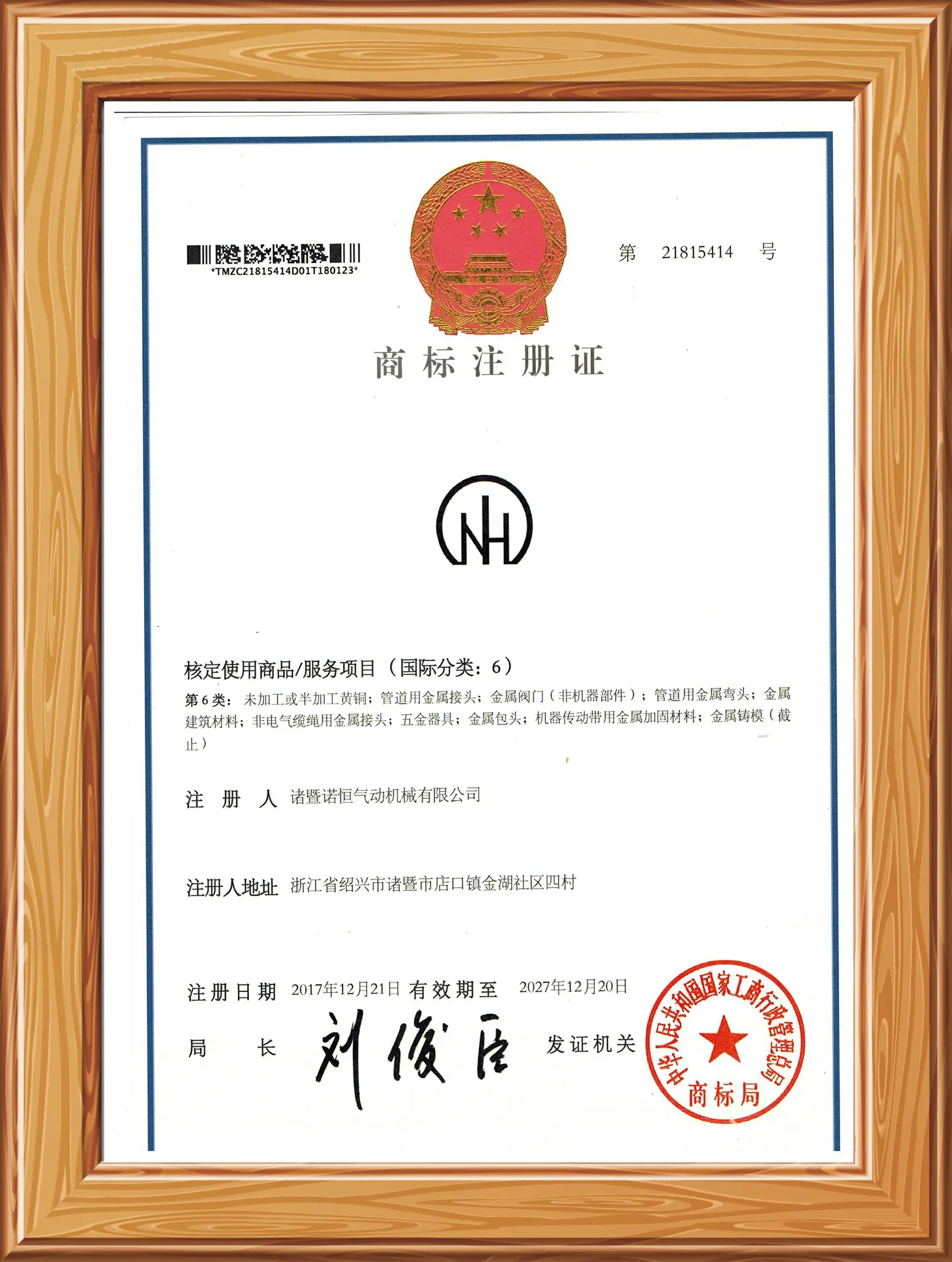
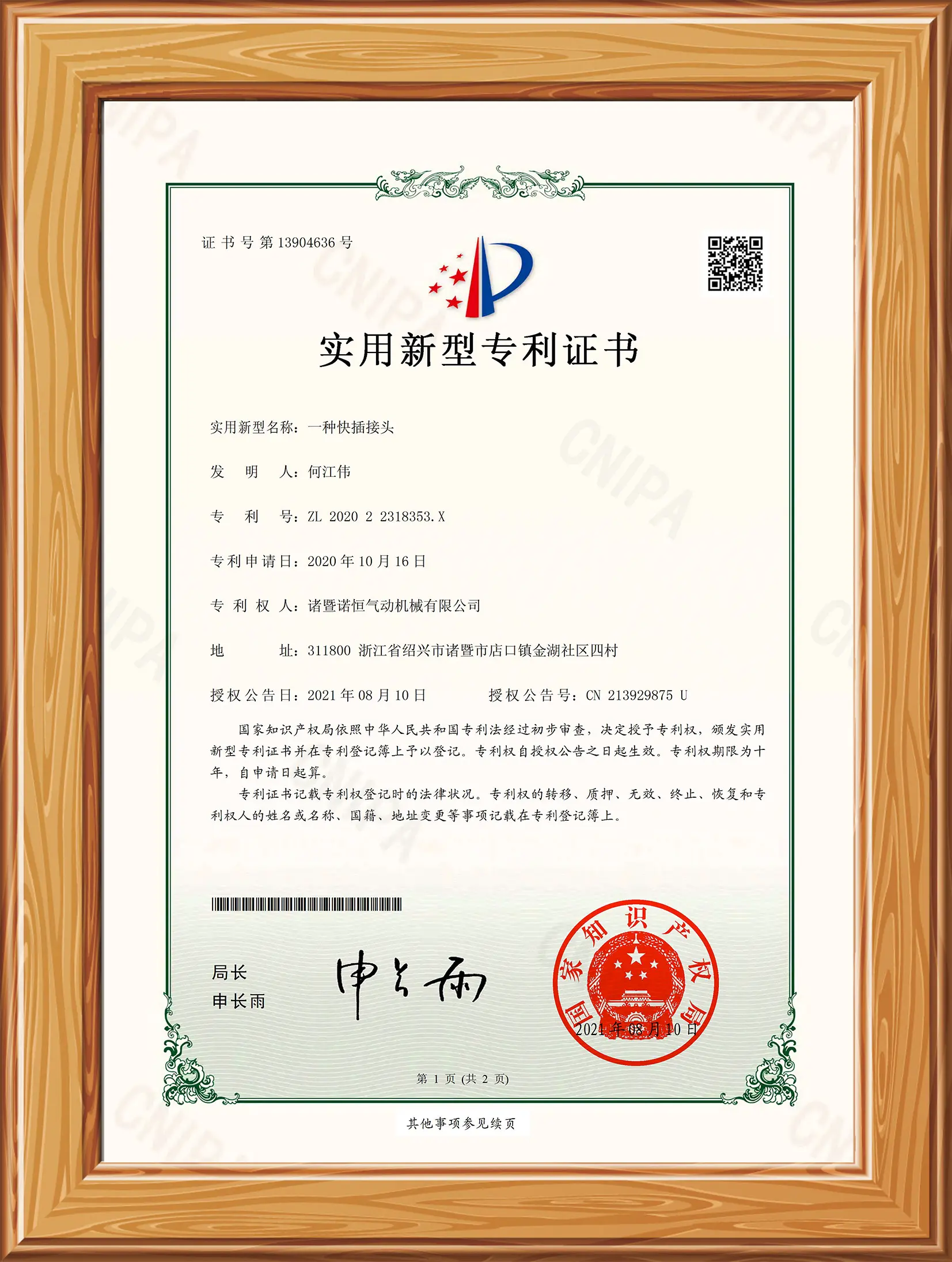
Our production facilities maintain compliance with international standards, ensuring quality across our product lines.
Expert answers to common engineering, compliance, and procurement questions about DOT brass fittings.
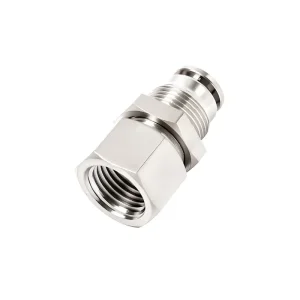
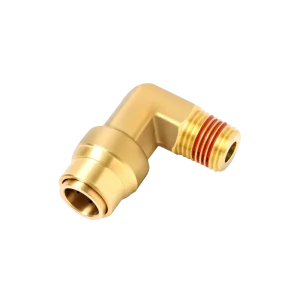
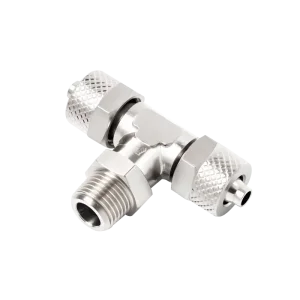
Explore our wide range of high-tolerance pneumatic and flow control components.
 Nuoheng