Explore our industrial-grade pneumatic and mechanical components, manufactured to strict ASME B1.20.1 and ISO quality standards.
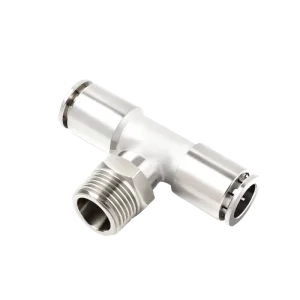
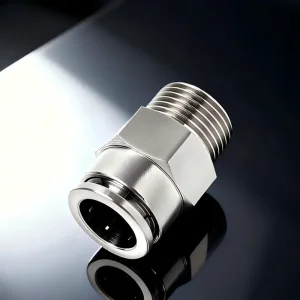
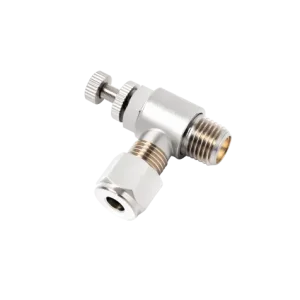
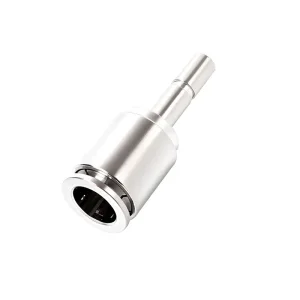
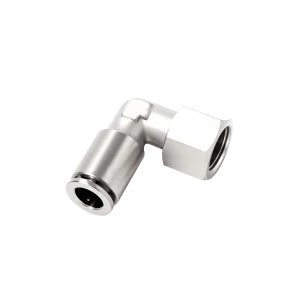
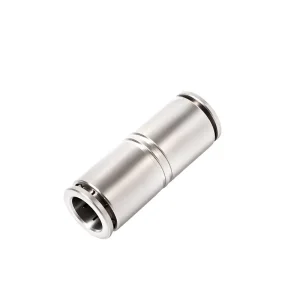
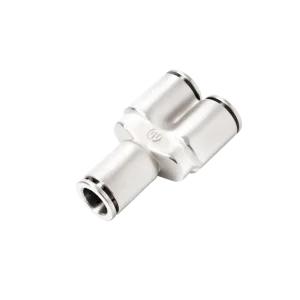
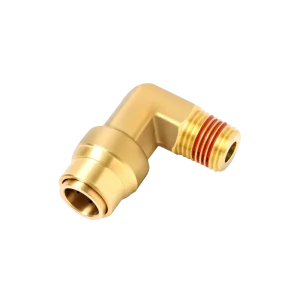
Welcome to NHPC, a prominent leader in the global pneumatic industry with a rich history spanning over 15 years. Our journey began with a simple but powerful vision: to revolutionize fluid transmission and connection technologies by delivering high-quality, innovative, and highly reliable NPT thread fittings and push-in components that satisfy the strict criteria of critical modern infrastructure.
We specialize in the end-to-end design, development, and manufacturing of an extensive lineup of pneumatic products. Our portfolio includes NPT/BSPT push-in fittings, push-on couplers, specialized pneumatic valves, air-brake DOT fittings, flame-resistant energy storage system components, and fully customized pneumatic circuits. Engineered with absolute precision, each NHPC product maximizes flow rates, mitigates leakage points, and withstands harsh mechanical stresses.
"Our engineering ethos centers on zero-tolerance sealing integrity, optimized fluid dynamics, and ensuring international compliance for automotive, aerospace, and energy storage systems."
From custom conceptual design to high-volume manufacturing and worldwide delivery support.
Leveraging deep industrial experience in pneumatic network topologies, we provide cost-effective, dependable systems and custom routing guidelines tailored to your application's pressure profiles and layout limitations.
Equipped with state-of-the-art CNC lathes, multi-axis machining units, fully automated injection molding, stamping, and die-casting machinery, NHPC controls dimensional tolerances down to the micron level for consistent thread quality.
Our dedicated customer support and technical engineering departments provide 24/7 technical validation, product modeling, stress-testing reviews, and rapid modification feedback from initial inquiry to final deployment.
An in-depth analysis of structural safety, sealing mechanics, global standards, and material pathways for modern high-pressure pneumatic systems.
The National Pipe Taper (NPT) standard, designated under ASME B1.20.1, represents one of the most reliable and widely integrated thread specifications for fluid and gas transportation systems worldwide. Originally formulated to establish a robust seal through thread deformation, the system uses a 1-in-16 taper on the diameter (equivalent to a 3/4-inch taper per foot) along the axis of the fitting. This taper creates a wedge-like engagement, forcing the male and female thread flanks to compress tightly against each other as they are torqued together.
Unlike parallel thread structures (such as G-threads or metric parallel fittings) which rely exclusively on an elastomeric O-ring or flat washer to isolate pressure, NPT connections utilize metal-to-metal contact. However, standard NPT threads have a inherent limitation: the crests and roots of the thread profile do not perfectly mate. Standard machining tolerances leave tiny spiral leak paths along the crests and roots. To eliminate this issue, engineers use secondary thread sealants (such as PTFE tape or liquid pipe dope) to fill these volumetric voids, preventing fluid bypass under high-pressure dynamics.
Note on NPTF (Dryseal) Threads: Unlike standard NPT, NPTF (National Pipe Taper Fuel) threads are engineered under ASME B1.20.3 to achieve a metal-to-metal seal without sealants. By strictly controlling the crest and root truncation tolerances, NPTF male and female threads physically deform and cold-weld together, flattening the helical gap. NHPC provides both NPT and NPTF thread profiles depending on client application safety regulations.
Industrial procurement teams managing complex supply chains in the US, Europe, and Asia look at more than just the thread geometry. They evaluate material chemistry, resistance to stress corrosion cracking, and environmental compliance.
For instance, in automotive pneumatic brake lines, materials must strictly comply with DOT (Department of Transportation) standards and FMVSS 106 regulations. Here, high-tensile, lead-free brass alloys (like C3604 or C37700) are chosen for their excellent structural integrity, natural corrosion resistance, and low temperature ductility. For food and chemical processing industries, stainless steel (SUS316L) is the gold standard, offering resistance to chloride-induced pitting and cleaning chemicals.
Modern procurement strategies place a high premium on supplier certifications:
Different industrial sectors present vastly different challenges for fitting manufacturers. Below is an overview of how NHPC designs custom solutions for these demanding markets:
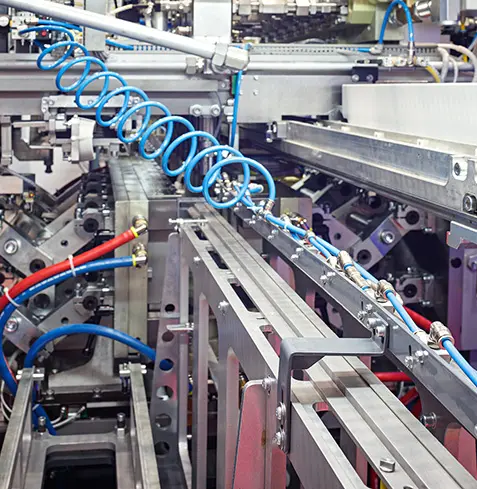
Flame-retardant connectors designed for liquid cooling and gas extraction in lithium-ion battery fire suppression systems.

DOT-certified push-lock connectors engineered for extreme vibration, salt spray, and sub-zero operation in heavy-duty vehicles.
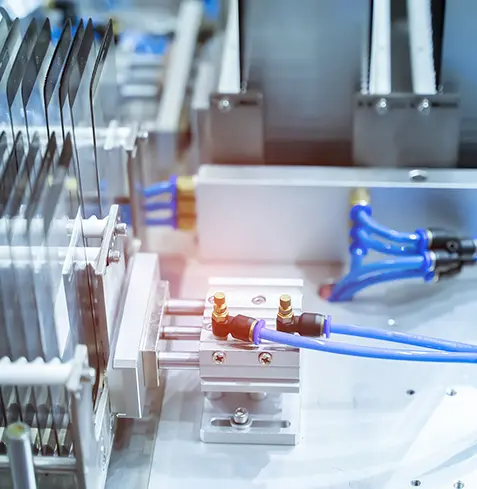
High-cycle push-in fittings, speed controls, and manifold blocks designed for high-speed pick-and-place packaging systems.
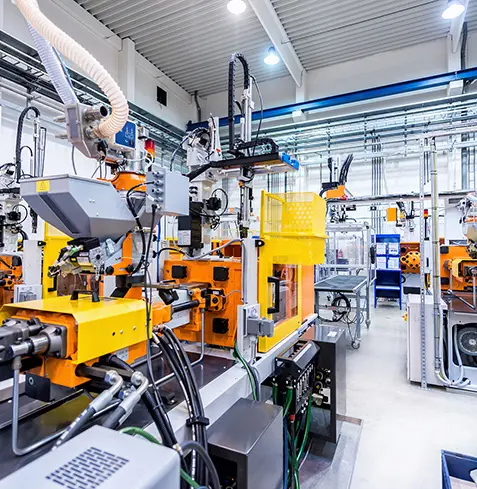
Corrosion-proof connectors and control valves that handle corrosive chemical lines and high-pressure steam distribution.
In the rapidly growing Battery Energy Storage Systems (BESS) sector, fire prevention is critical. Thermal runaway events require immediate flooding of fire suppressants. Standard plastic fittings will melt, losing pressure and failing during a crisis. NHPC developed the flame-resistant PC, PLF, and PE series to address this need. Constructed using high-temperature engineering polymers that meet the UL94-V0 self-extinguishing standard, these fittings maintain connection integrity under direct flame exposure, giving safety systems time to suppress the fire.
To consistently produce zero-defect NPT threads and push-in connectors, NHPC relies on a structured, high-technology manufacturing roadmap. The integration of advanced machinery ensures that every component leaving our facility exceeds our customers' quality expectations.
Every incoming bar of brass, stainless steel, or raw polymer compound undergoes atomic emission spectrometry. This verifies chemical composition, tensile strength, and lead-free regulatory compliance before machining begins.
Threads are cut using single-point carbide tooling on multi-spindle CNC platforms. This process maintains pitch, flank angle, and thread depth tolerances within 5 microns, ensuring smooth assembly and a reliable seal.
Brass fittings receive advanced electroless nickel plating or zinc-nickel coatings to prevent oxidation in harsh environments. Stainless steel fittings are passivated to remove free iron particles, optimizing corrosion resistance.
All safety-critical fittings pass through automated vision sorting systems that check thread profiles for defects. Batch samples then undergo burst pressure and helium leak testing to ensure absolute reliability under pressure load cycles.
Operating across diverse jurisdictions requires deep understanding of localized standards and regulatory frameworks. NHPC works closely with international testing bodies to maintain certifications like CE, DOT, and ISO.
Our global distribution networks and engineering offices in key regions provide immediate technical support. We assist clients with 3D model validation, FEA (Finite Element Analysis) stress simulations, and physical prototype testing. This support ensures smooth integration of our fittings into our clients' final products.
Deep engineering answers to help you select, install, and troubleshoot NPT connections in high-pressure pneumatic networks.
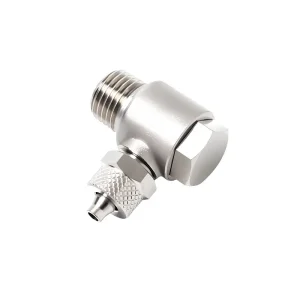
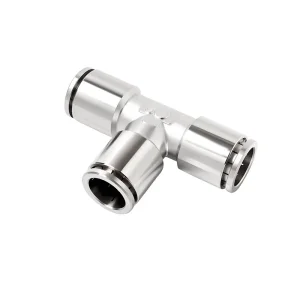
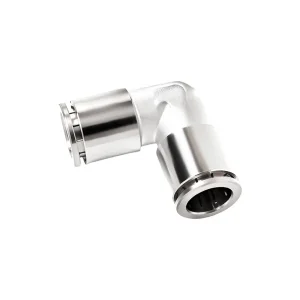
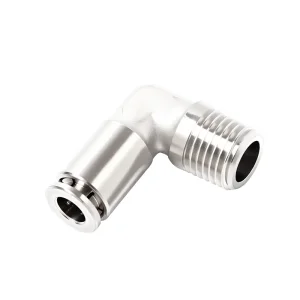
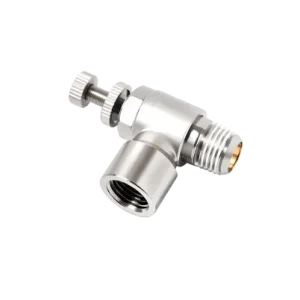
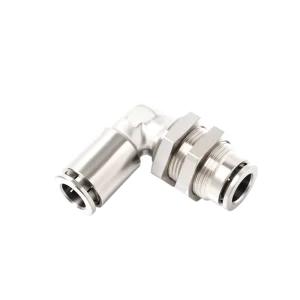
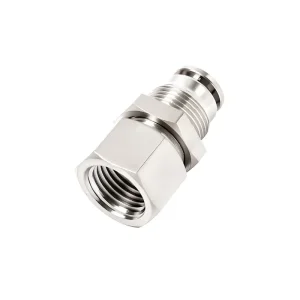
A diverse selection of heavy-duty connectors, elbow fittings, and flow regulators designed for industrial fluid networks.
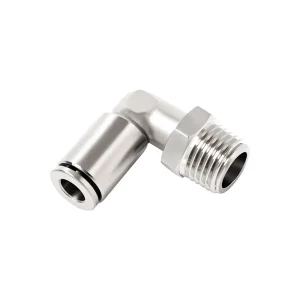
 Nuoheng