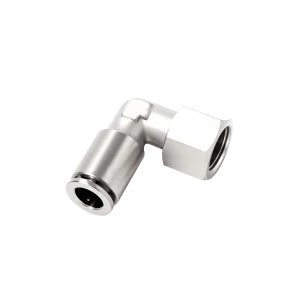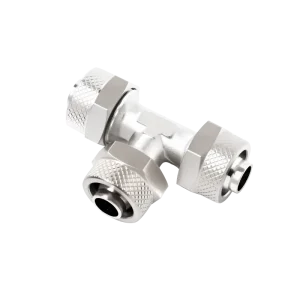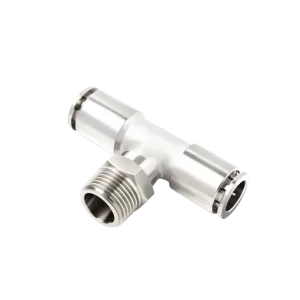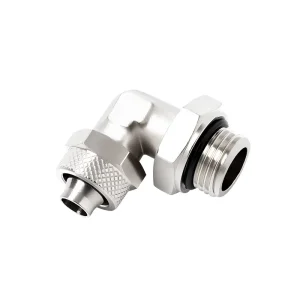
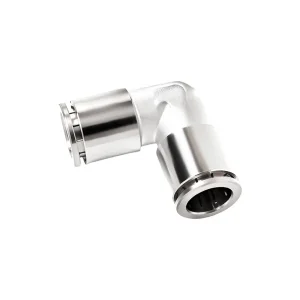
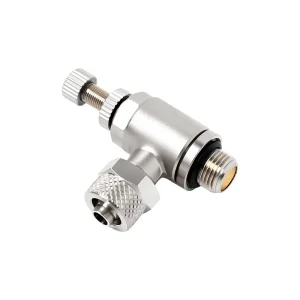
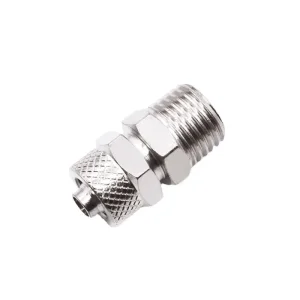
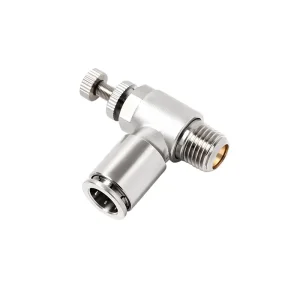


ODM Brass Pu Connector Factories & Company

Precision Engineering, Robust Material Science, and Global Pneumatic Integration Solutions

Nuoheng Pneumatic Machinery Co., Ltd. (NHPC)

Founded over 15 years ago, Nuoheng Pneumatic Machinery (NHPC) has emerged as a premier engineering and manufacturing partner in the global fluid power and pneumatic industry. Our foundational vision has remained unchanged: to pioneer pneumatic connection technologies that reduce leakage, optimize pressure paths, and satisfy the rigorous parameters of heavy automation, automotive transit, and industrial fabrication. Today, NHPC is a primary supplier to manufacturing operations globally, combining precise physical manufacturing with agile development methods.

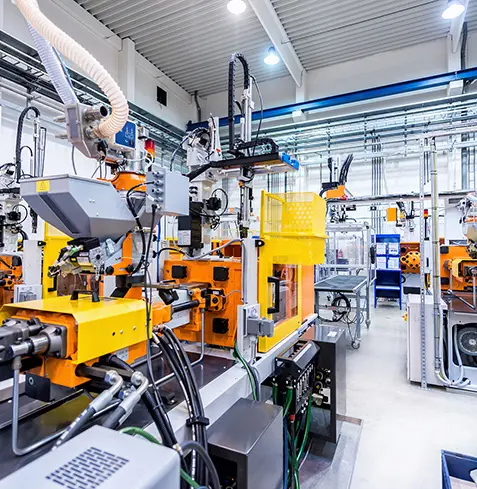
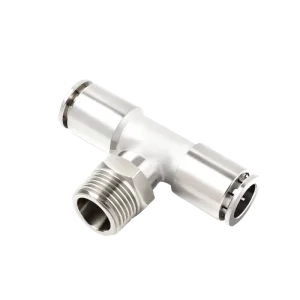
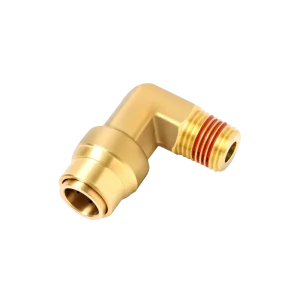
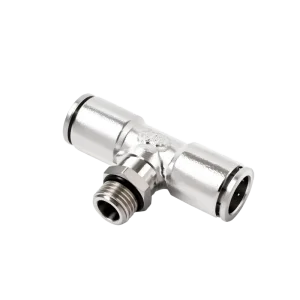
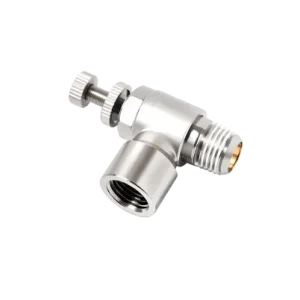
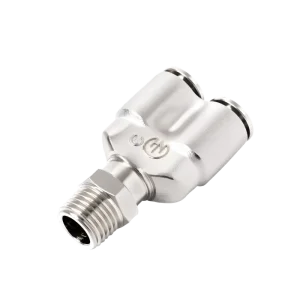
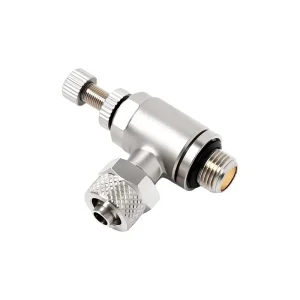
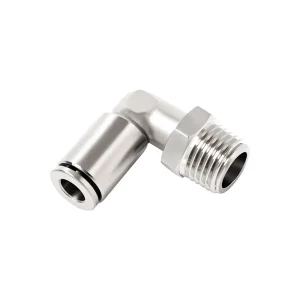
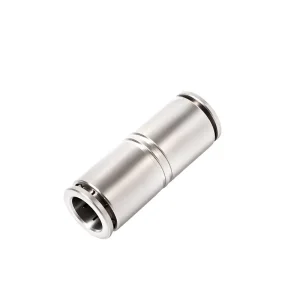
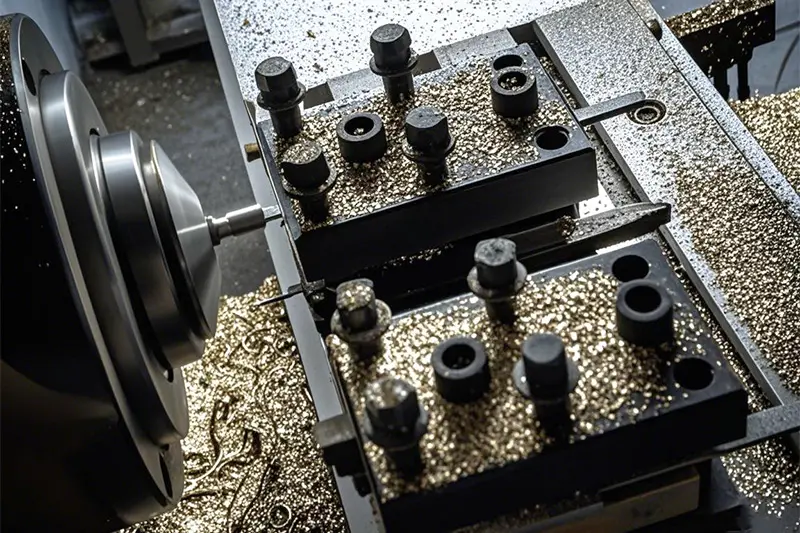
We specialized in designing and engineering high-precision brass PU push-in connectors, quick-release fittings, flow regulators, and customizable pneumatic assemblies. Our manufacturing complex features multi-axis CNC machine centers, advanced injection molding machines, and surface finishing chambers that allow NHPC to guarantee tolerances down to the micron. Our dedication to premium raw materials and rigorous ISO standards ensures every connection functions safely throughout millions of duty cycles.

20+
Years Experience
100+
Technical Staff
40+
Annual New Designs

End-To-End Manufacturing Integrity

From initial simulation to automated assembly, NHPC oversees all engineering stages internally. Our systems ensure physical strength, corrosion resistance, and operational longevity.

Pipeline System Engineering
01

Provide Pipeline System Solutions

Our engineering group evaluates pressure values, chemical exposures, and mechanical loads to propose optimization steps. By reviewing pipe layout parameters and choosing appropriate alloys, we lower lifecycle costs and enhance sealing integrity across industrial systems.

Advanced CNC Processing
02

Professional Production Machinery

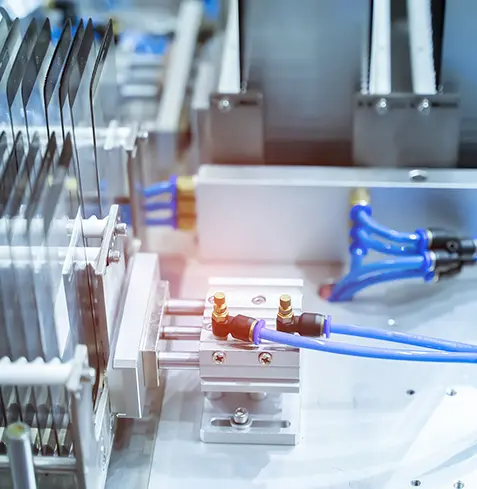
Our machining line includes specialized high-precision CNC lathes, multi-spindle automatic machines, metal stamping lines, and die-casting machinery. Internal execution of thread rolling, surface treatment, and quality control tests ensures consistent dimensional accuracy across large batches.

Active Support & Integration
03

Responsive Technical Support

We provide full technical support from initial consulting and 3D modeling through final validation and field testing. Our engineers assist with material compatibility checks and connection troubleshooting, aligning delivery programs with modern lean manufacturing strategies.

Whitepaper: Technical Evolution and Design of ODM Brass PU Connectors

A Comprehensive Analysis of Materials, Standards, and Industrial Integration

In modern industrial automation and mobile hydraulics, the reliable distribution of compressed air, inert gases, and process fluids depends on robust connection interfaces. Among these, the Brass PU Connector (specifically those designed for Polyurethane and Polyamide tubing) serves as a core component for sealing, routing, and pressure control. As systems move toward higher pressure ranges, smaller footprints, and increased automated assembly, selecting high-performance connectors is critical to overall system efficiency. This whitepaper analyzes the engineering design, metallurgical requirements, application environments, and future direction of industrial brass push-in connectors.

"The cost of air leakage is often underestimated. A minor 1mm hole in a pneumatic line operating at 7 bar can waste thousands of kilowatt-hours of electrical energy annually. Selecting precision-engineered brass fittings with verified seal performance is key to energy conservation and carbon footprint reduction."

1. Metallurgical Composition and Mechanical Advantages of Brass

While plastic composite fittings are common in standard pneumatic applications, heavy industrial environments, mobile equipment, and fire safety systems require the physical properties of brass. High-grade brass alloys, such as HPb59-1 or C3604/C36000, are used for their strength, wear resistance, and machinability. These alloys are often finished with electrolytic nickel plating to improve corrosion resistance against moisture, industrial cleaning solvents, and salt spray. In comparison to synthetic resins, brass fittings withstand high torque loads, mechanical impacts, and temperature fluctuations without showing micro-fractures or structural fatigue.

2. The Mechanics of the Push-In Connection Interface

The push-to-connect interface provides rapid toolless assembly while maintaining high pressure resistance. Structurally, the connector consists of a body, a release sleeve, a lock claw, a lock ring, and a dynamic seal ring (typically Nitrile Rubber - NBR, or Fluororubber - FKM for higher temperatures). When the PU or nylon tube is pushed into the fitting, the lock claw (typically spring-grade stainless steel) grips the tube's outer surface. Internal pressure pushes the sleeve outward, engaging the claw teeth deeper into the tube. For release, pressing the sleeve pushes the claw teeth away, allowing clean extraction without scoring the tube.

3. Global Sourcing Demands and Quality Standards

For international procurement directors, standardizing components is essential to limit spare part counts and ensure system safety. When sourcing ODM brass PU connectors, several certifications and standards are required:
• ISO 9001:2015: Verifies the manufacturer's quality management and batch consistency.
• RoHS & REACH: Ensures lead and other restricted substance concentrations remain below regulated limits.
• DOT (FMVSS 106): Essential for transportation and heavy vehicle pneumatic brake applications.
• Thread Specifications: Requires precise conformance to ISO 228 (G thread), ANSI/ASME B1.20.1 (NPT thread), or JIS B0203 (R/PT thread) to prevent installation leaks.

4. Technical Evolution and Modern Fire Protection Integration

A recent development in pneumatic routing is the integration of connectors into battery energy storage systems (BESS) for fire suppression and liquid cooling lines. Standard fittings fail under extreme thermal load, which has driven the development of flame-retardant, high-temperature lines like the PE and PLF series. These fittings incorporate self-extinguishing polymers and robust brass bodies that remain sealed during thermal events, allowing fire suppression agents to flow without pressure drop or leak-induced failure.

Recognized Quality & Global Compliance

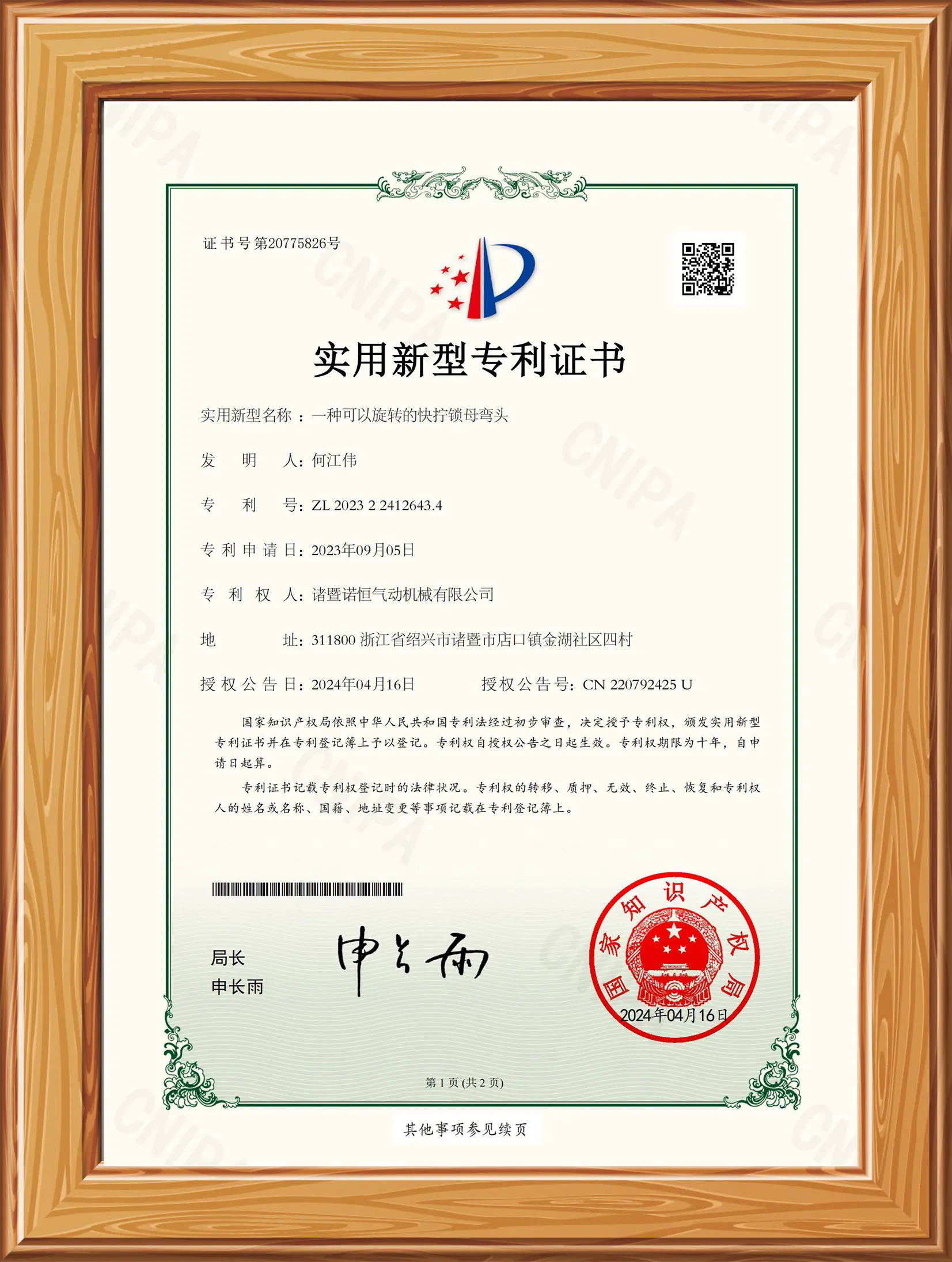
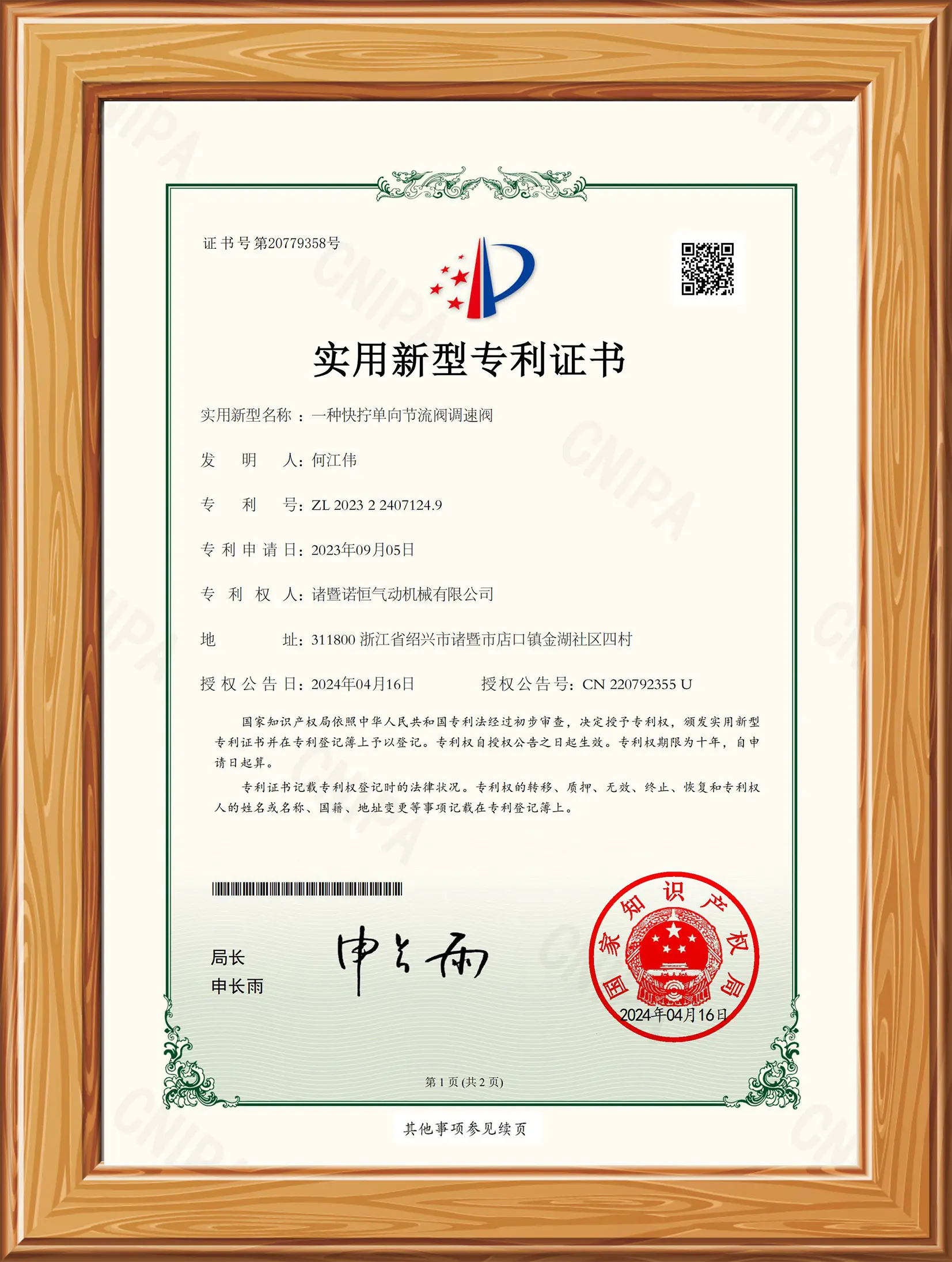
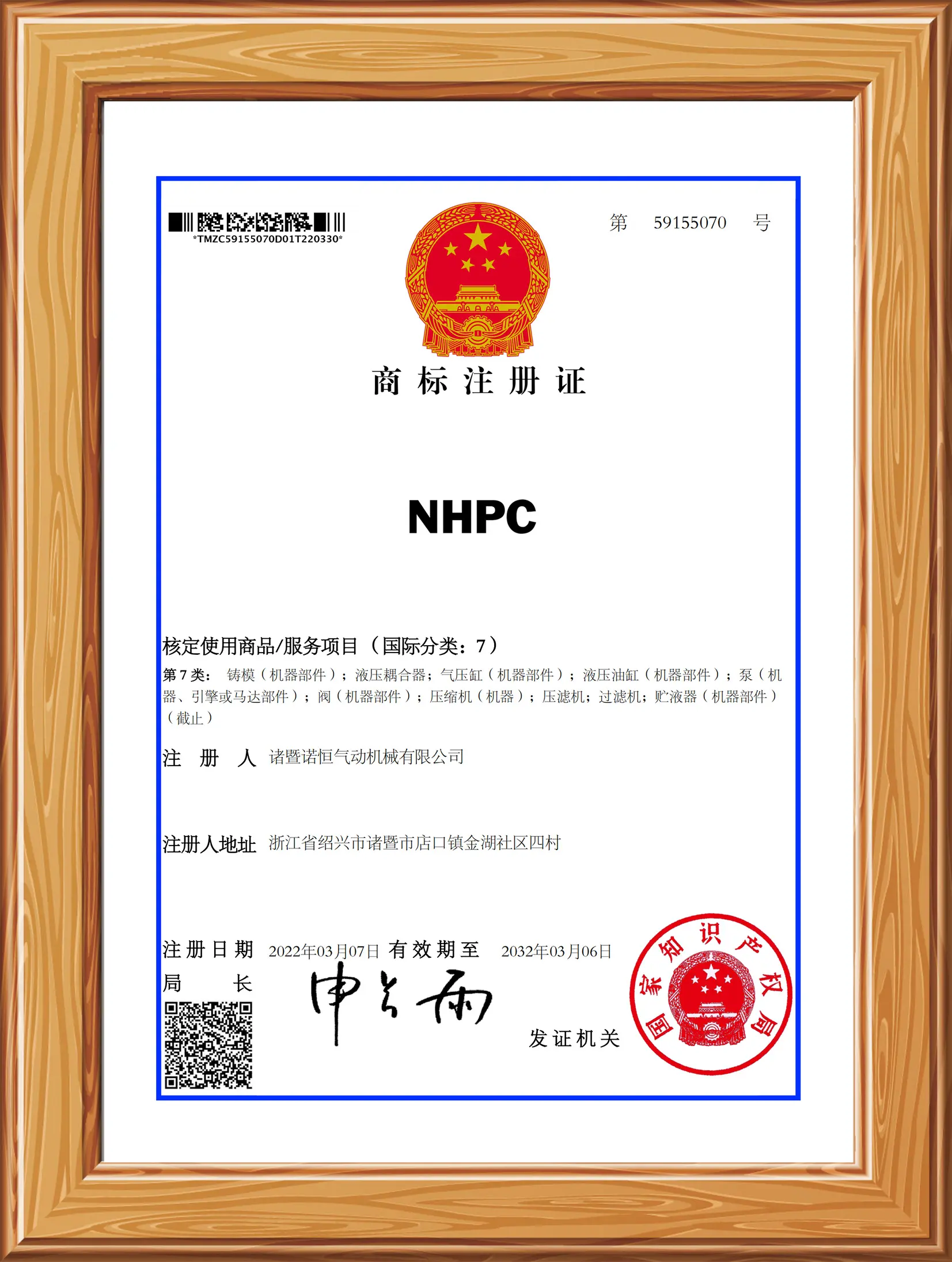
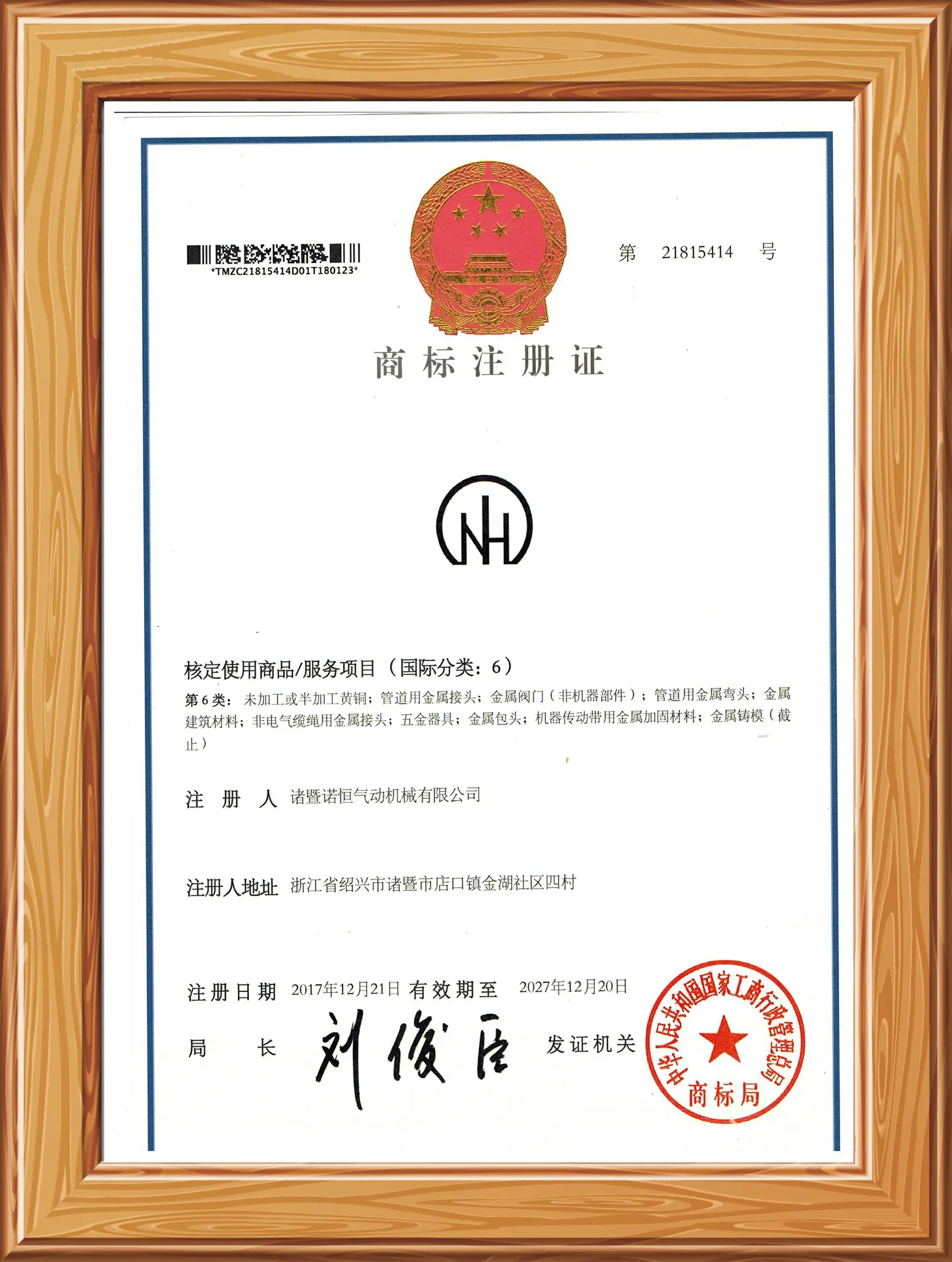
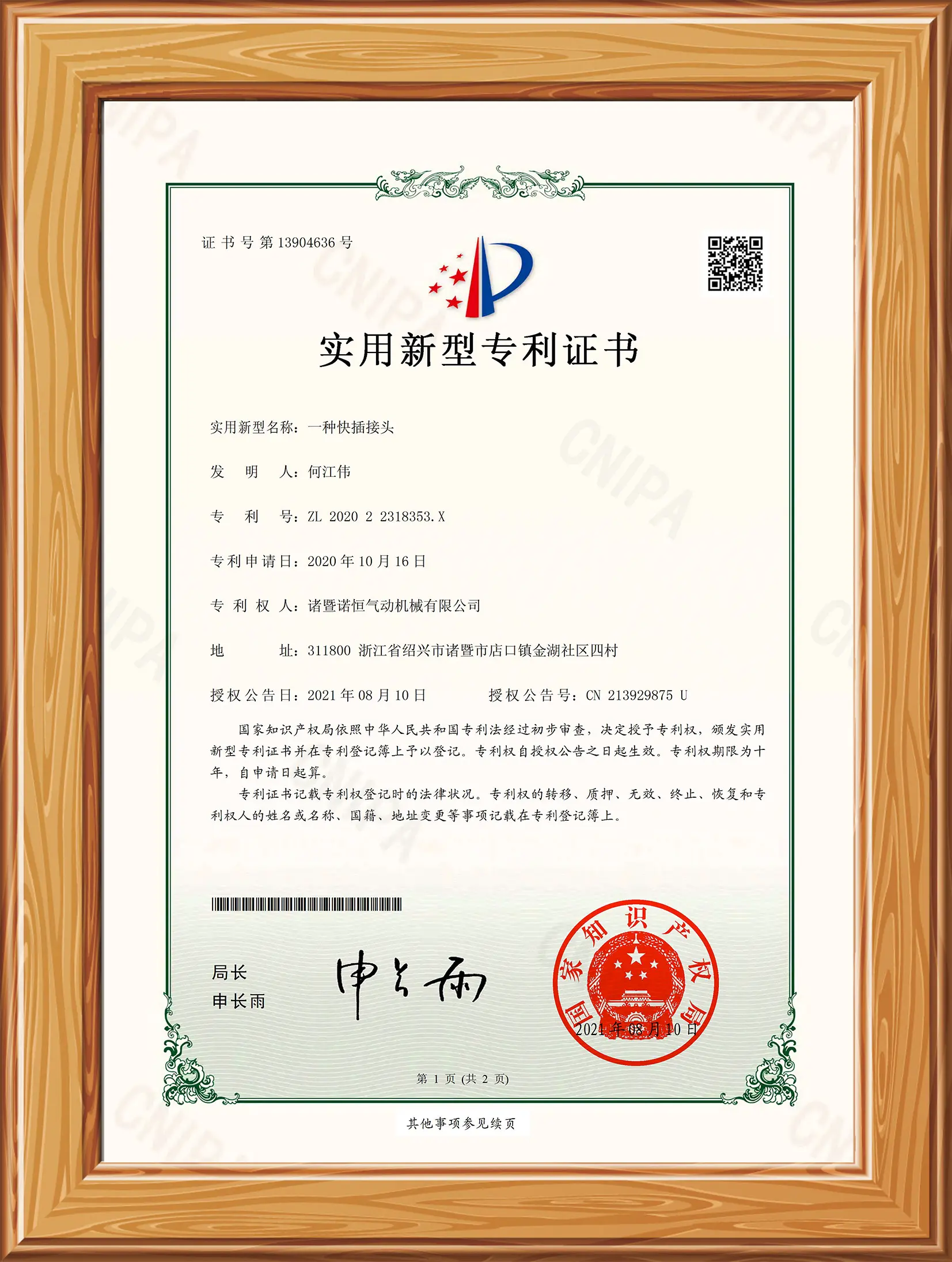
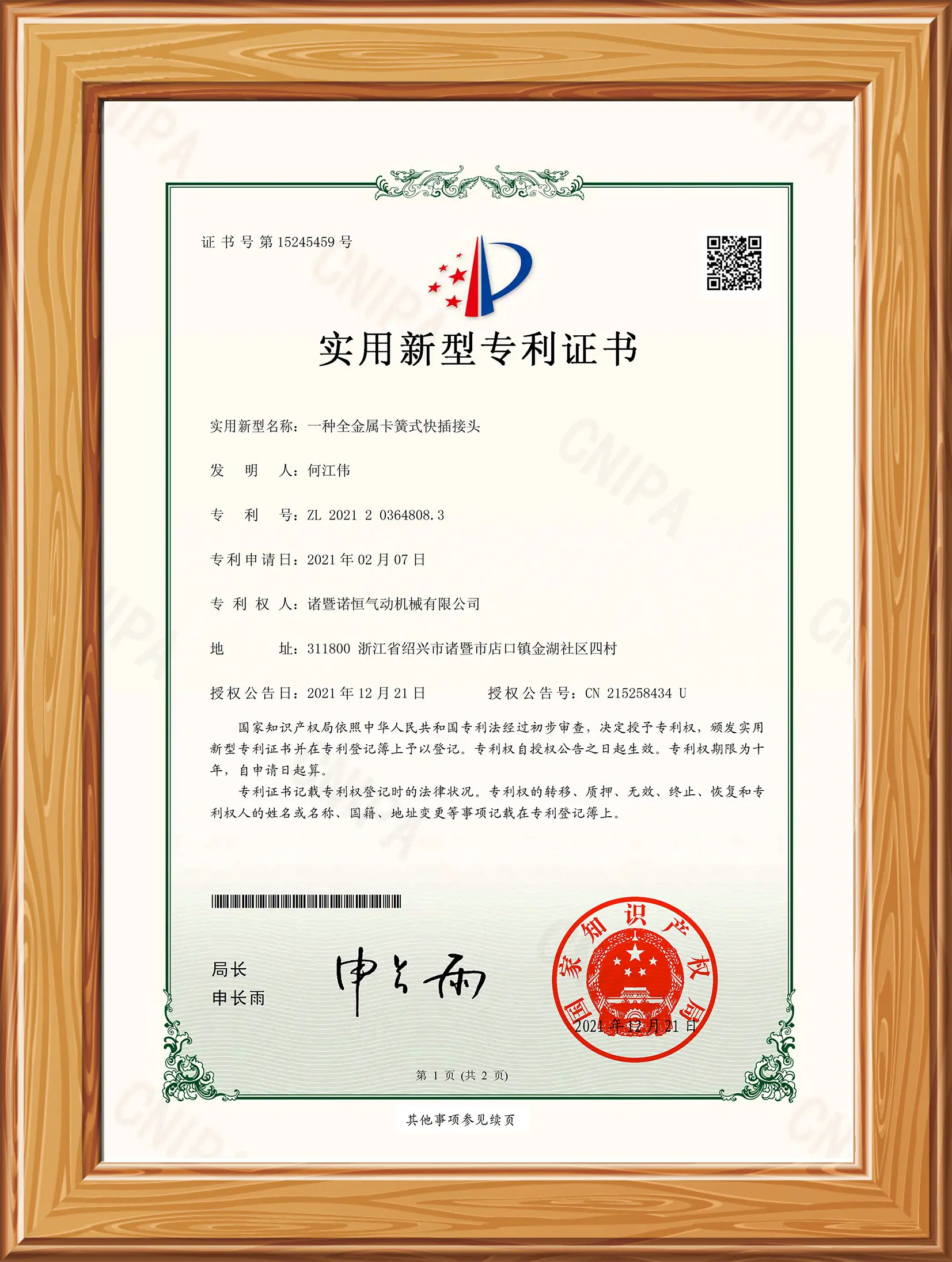
Our production facilities maintain strict quality assurance protocols, backed by recognized international certifications including ISO 9001, CE, and specialized transport safety standards.

NHPC Certification 1
NHPC Certification 2
NHPC Certification 3
NHPC Certification 4
NHPC Certification 5
NHPC Certification 6
NHPC Certification 7
NHPC Certification 8

Industrial Applications & Project Deployments

NHPC pneumatic fittings are deployed across heavy industrial machinery, assembly automation, energy systems, and commercial transport vehicles.

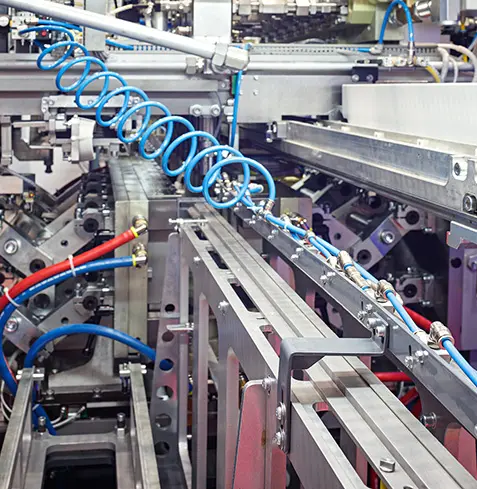
Automated Manufacturing Line Assembly
Pneumatic Automation
Air Brake System Integration
Automotive Air Brakes
Energy Storage System Fire Protection
BESS Fire Suppression
Custom Fluid Distribution Network
Custom OEM Flow Control

Technical Q&A / Frequently Asked Questions

Find technical details regarding material composition, pressure ratings, compatibility, and custom design options for NHPC brass pneumatic connectors.

What is the standard pressure rating for NHPC Brass PU Connectors?
Our heavy-duty brass push-in connectors are rated for operating pressures up to 15 bar (1.5 MPa / 217 PSI) in typical ambient configurations. They can withstand burst pressures exceeding 30 bar during pressure fluctuations. System limitations are often dictated by the temperature and pressure limits of the polyurethane or polyamide (nylon) tubing used.
Can these brass connectors be used with fluids other than compressed air?
Yes. While engineered primarily for compressed air and pneumatic vacuum systems, nickel-plated brass bodies combined with Fluororubber (FKM/Viton) or Ethylene Propylene Diene Monomer (EPDM) seals can be customized to handle inert gases, water, cooling liquids, and select chemical solutions. We recommend consulting our engineering department to match materials to your specific fluid requirements.
What makes NHPC PE & PLF series connectors fire-resistant and suitable for BESS?
The PE (T-shape) and PLF (elbow female) series utilize high-temperature-grade, self-extinguishing internal components along with nickel-plated brass bodies. They are designed to prevent structural failure and maintain seal integrity during thermal runaway events in Battery Energy Storage Systems (BESS). This ensures fire suppression agents can be delivered to containment areas even under direct heat exposure.
Do you support customized thread standards for international markets?
Yes, NHPC supports all major thread specifications. We manufacture fittings with metric threads (M5 to M20), BSPP parallel threads (G threads with O-ring seals), BSPT tapered threads (R/PT), and American National Standard Taper Pipe Threads (NPT) to ensure drop-in compatibility with global hardware.
What are the advantages of nickel-plated C3604 brass over standard plastic push-in fittings?
Nickel-plated C3604 brass provides superior resistance to mechanical impacts, high installation torque, and UV exposure. It prevents the stress cracking and degradation common to plastic fittings in heavy industrial environments. The chemical nickel plating also provides protection in mildly acidic, alkaline, or humid environments.