Engineered to deliver tight seals, dynamic flexibility, and rapid assembly/disassembly across low-pressure air lines and extreme high-pressure fluid networks.
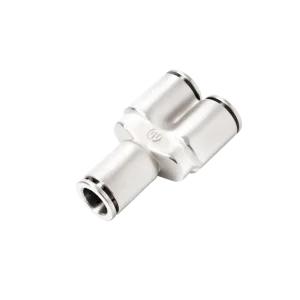
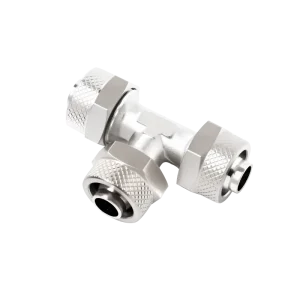
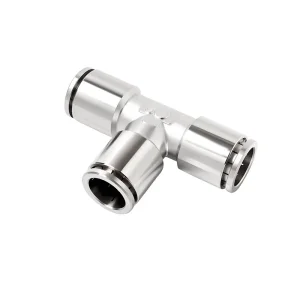
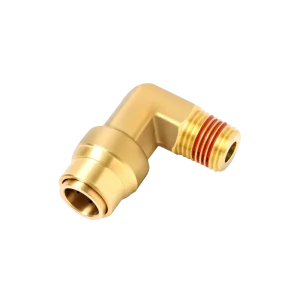
An in-depth analysis of structural shifts in connectivity mechanisms across modern automated logistics and chemical processing plants.
In the high-stakes arena of modern industrial manufacturing, physical interconnectivity is the quiet backbone of system operational efficiency. As automation footprints grow exponentially across sectors like automotive assembly, battery processing, consumer electronics, and municipal water management, the demand for high-reliability, zero-leak fluid connections has reached unprecedented levels. Historically, traditional threaded connections represented the baseline of system assembly. However, they carried deep latent inefficiencies: prolonged assembly cycles, human-error variability in tightening torque, and high maintenance overhead under dynamic vibratory stress.
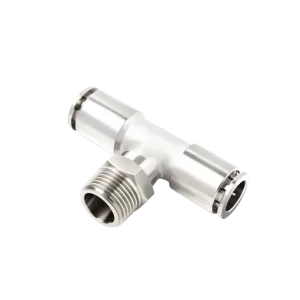
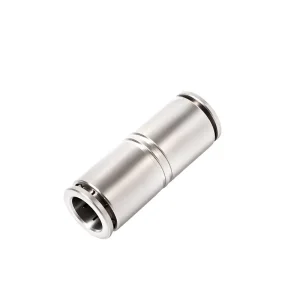
The contemporary shift towards Push Male Connectors (Push-in / Push-to-connect fittings) has fundamentally transformed pipeline architecture. By employing internal stainless-steel lock claws (grab rings) and high-elasticity NBR, EPDM, or FKM O-rings, these fittings facilitate instantaneous tool-less connections. An operator can insert a polyurethane (PU), polyamide (PA), or polyethylene (PE) tube into the fitting body, and the inner grip claws secure it under mechanical tension, eliminating the risk of line blowouts. Conversely, a simple collar depression disengages the hold, allowing quick maintenance. This simple, rapid-insert technology minimizes downstream maintenance labor costs by up to 75% compared to multi-part mechanical compression fittings.
From a global supply chain outlook, industrial buyers face the critical task of balancing component cost with performance consistency. Rapid-growth projects in green energy storage facilities require specialized flame-retardant polymers, while municipal air brake networks demand rigid brass components conforming strictly to DOT FMVSS 106 directives. Sourcing from a comprehensive engineering factory that can deliver custom-tailored geometries alongside batch-tested compliance data is no longer a luxury—it is an operational prerequisite for ensuring continuous uptime.
Multi-layered locking mechanics featuring specialized internal O-rings prevent system micro-leaks even under volatile pressure cycling up to 1.5 MPa.
Premium PBT compounds, chemical-grade nickel plating, and SUS grab rings guarantee operational endurance across aggressive atmospheric zones.
Tool-less push-to-connect framework reduces physical assembly labor overhead, streamlining mass-production system rollouts.
Zhuji Nuoheng Pneumatic Machinery Co., Ltd. (NHPC) stands at the international vanguard of fluid connection systems, engineering solutions built for rigorous environments.
Established on the core principles of material integrity, continuous innovation, and uncompromising quality assurance, NHPC design-engineers premium pneumatic solutions for a globally distributed clientele. Spanning more than 15 years of focused field experience, our design and manufacturing operations yield an expansive catalog: from simple push-in polymer fittings and hybrid brass connectors to sophisticated hydraulic couplers, flow control throttles, and custom fire-retardant battery-bay safety components.
At NHPC, we execute every phase of manufacturing in-house to protect quality. Our facilities feature clean, high-efficiency vertical integration, combining multi-axis CNC machining centers, automated high-pressure plastic injection molding, cold-impact stamping, and precision alloy die-casting lines. This systematic process integration allows us to enforce tight tolerances, ensuring that every product batch complies with rigorous international test standards prior to shipping.
How NHPC fittings solve extreme operating challenges across global power infrastructure, heavy logistics, and automated manufacturing complexes.
In highly regulated fields, generic pneumatic hardware fails to meet performance expectations. NHPC designs fit-for-purpose solutions optimized for specific environmental stressors, working temperatures, and pressure levels. Below are the core sectors where NHPC designs are actively deployed:
Thermal runaway in BESS (Battery Energy Storage Systems) presents catastrophic fire risks. NHPC's flame-retardant PE, PC, and PLF fitting series are built with UL 94 V-0 rated thermoplastic materials, ensuring fire suppression and cooling lines remain intact under direct flame contact.
Heavy trucks, commercial trailers, and high-speed rail lines depend on heavy-duty air braking systems. NHPC's DOT-approved brass non-swivel 90° elbows and straight unions withstand intense vibration, road grime, salt, and dynamic temperatures, maintaining tight seals on air lines.
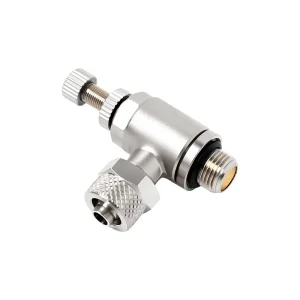
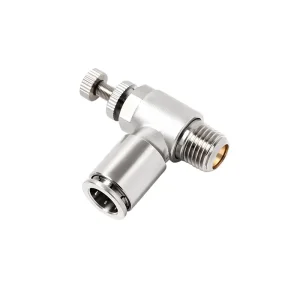
Fast packaging plants and robotic assembly arms run millions of cycles weekly. NHPC's SLG and SL flow-control throttles allow technicians to fine-tune cylinder velocity directly on the port, ensuring smooth pick-and-place movements and extending cylinder life.

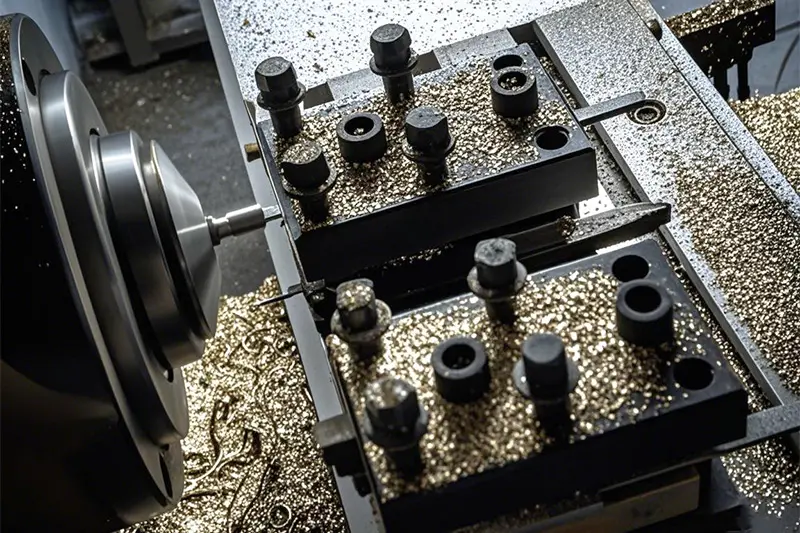

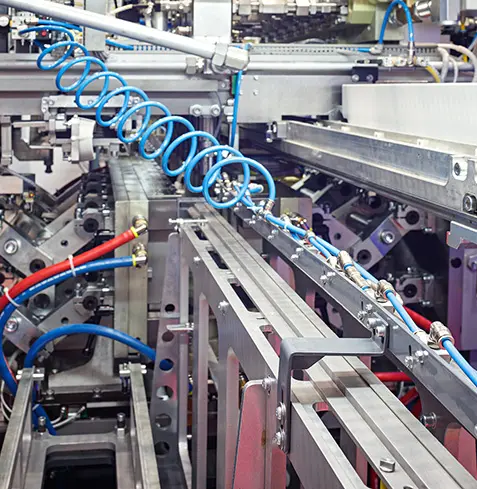
Explore the engineering choices and mechanical tolerances that define NHPC's industrial-grade components.
A push-in pneumatic fitting relies on balanced tolerances across its internal components. When a polymer or copper line is pushed into the fitting, it passes through a lock claw (collet ring) which grips the outer diameter of the tube. As internal system pressure rises, the claw bites tighter, preventing pull-out. An elastomer O-ring provides the seal below the claw, ensuring no air bypasses the fitting.
NHPC uses high-grade Electroless Nickel-Plated Brass for structural components, providing excellent corrosion resistance and mechanical strength under heavy torque. For lightweight fittings, we use Polybutylene Terephthalate (PBT), which is resistant to fatigue, temperature shifts, and moisture absorption. We also use Polyoxymethylene (POM) for release sleeves to ensure smooth release and long-term durability.
| Fitting Category | Primary Construction Material | Applicable Media | Pressure Range | Temperature Range | Industry Standards |
|---|---|---|---|---|---|
| Pneumatic Push-In (PU, PY, PEG) | PBT Body / SUS Grab Claws / POM Sleeve | Compressed Air / Vacuum | 0 to 1.0 MPa (0 - 150 PSI) | 0°C to 60°C (32°F to 140°F) | ISO 9001:2015, RoHS Compliant |
| Brass Air Brake DOT Fittings | CA360 / CA377 Brass Alloys (Pre-Teflon threads) | Compressed Air / Transit Systems | 0 to 1.2 MPa (Up to 175 PSI) | -40°C to 100°C (-40°F to 212°F) | FMVSS 106, SAE J2494 Standards |
| Flame-Retardant Energy series | UL 94 V-0 Rated Polymer / High-FKM Seals | Water / Glycol Cooling / Fire Gases | 0 to 1.5 MPa (0 - 220 PSI) | -15°C to 120°C (5°F to 248°F) | UL 94 V-0, EN 45545 Rail Fire Safety |
| Flow Speed Controls (SLG / SL) | Nickel-Plated Brass Body / PBT Release Collar | Compressed Air | 0 to 0.9 MPa (0 - 130 PSI) | 0°C to 60°C (32°F to 140°F) | Automation High-Cycle Certified |
By offering pre-applied Teflon (PTFE) thread sealants on tapered threads (NPT/R) and matching sealing washers on parallel G-threads, NHPC saves installers from manually applying tape. This reduces assembly times and helps keep installation environments clean.
NHPC maintains rigorous quality management systems verified by international standards agencies.

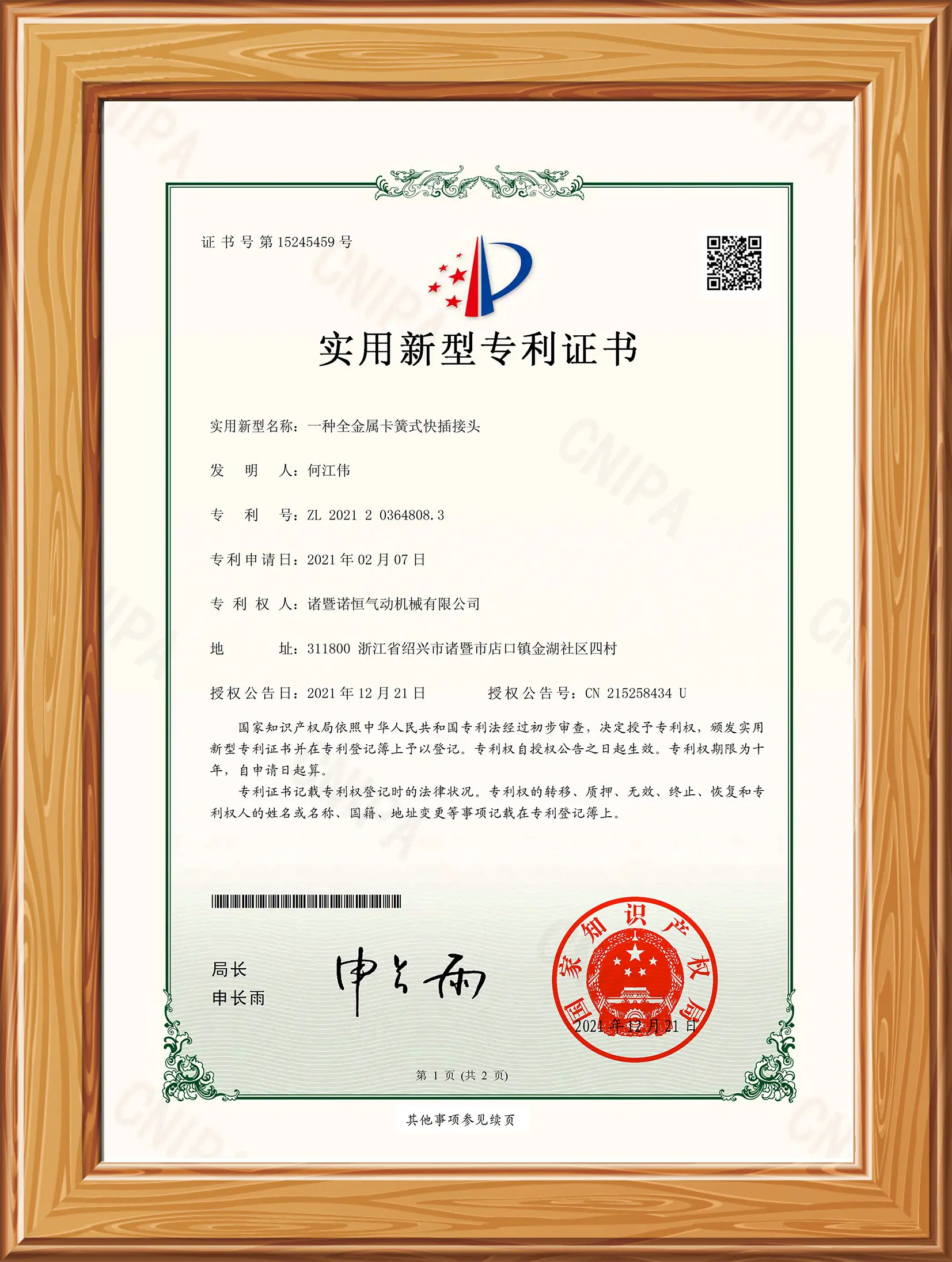

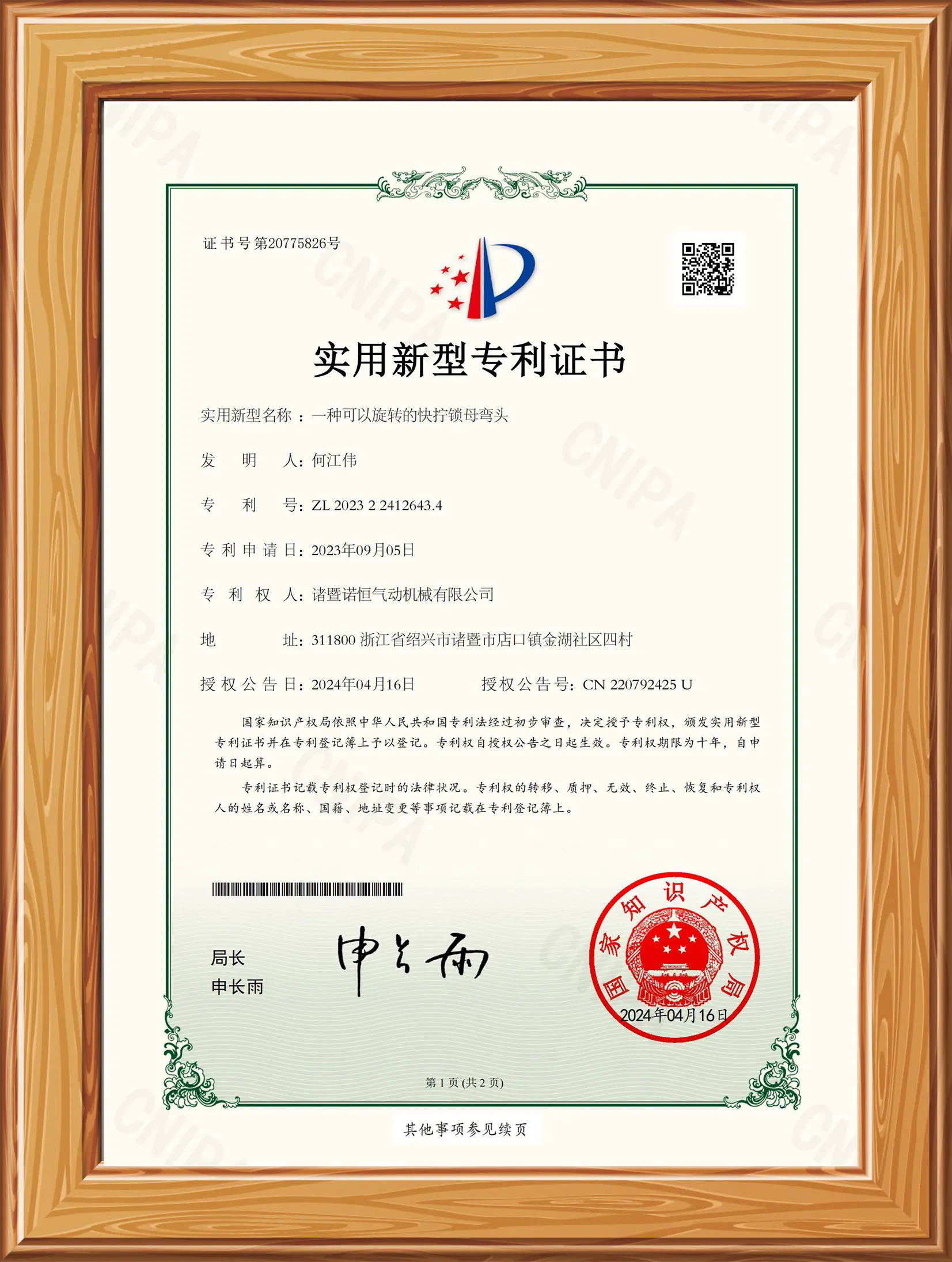
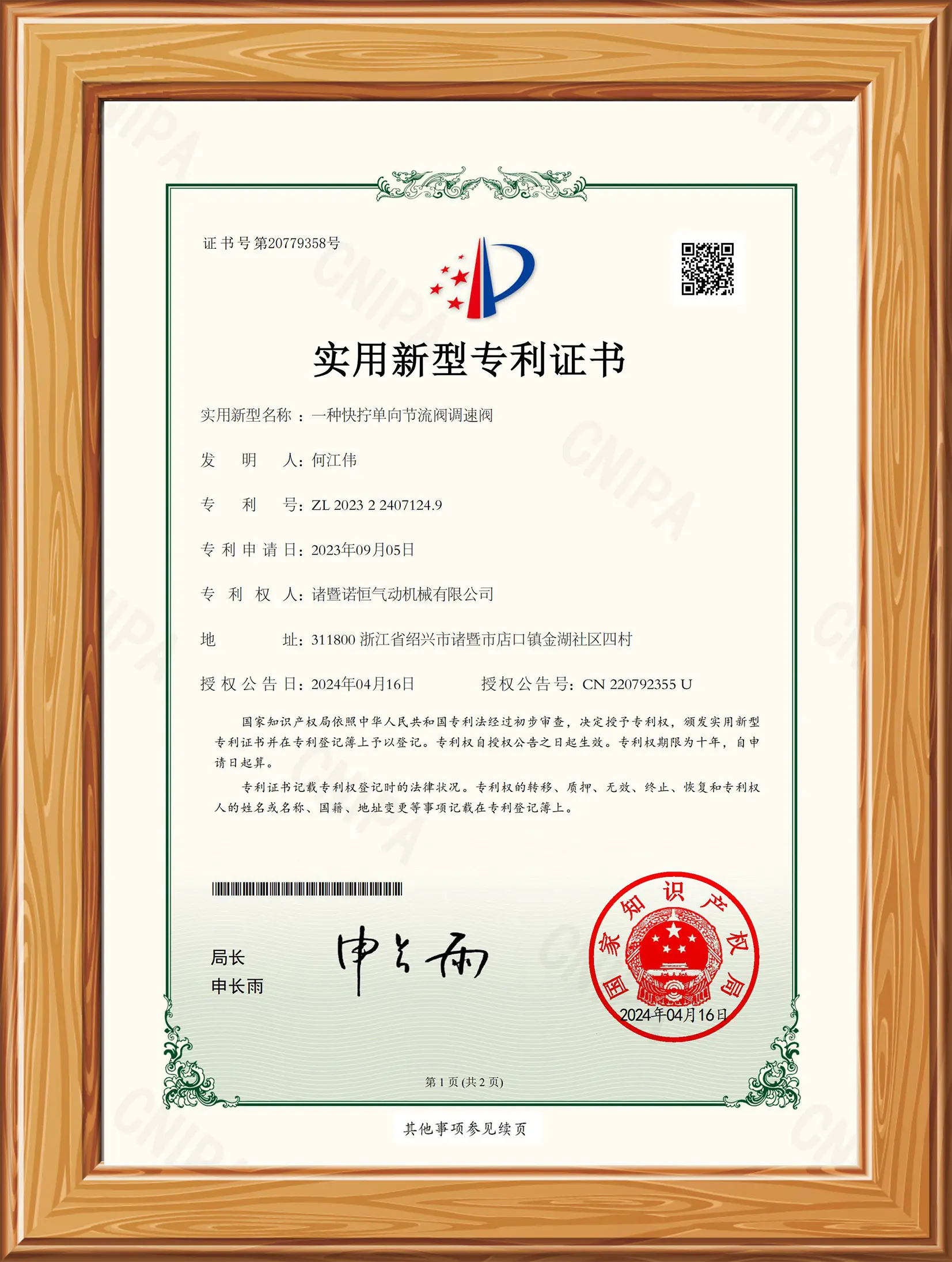
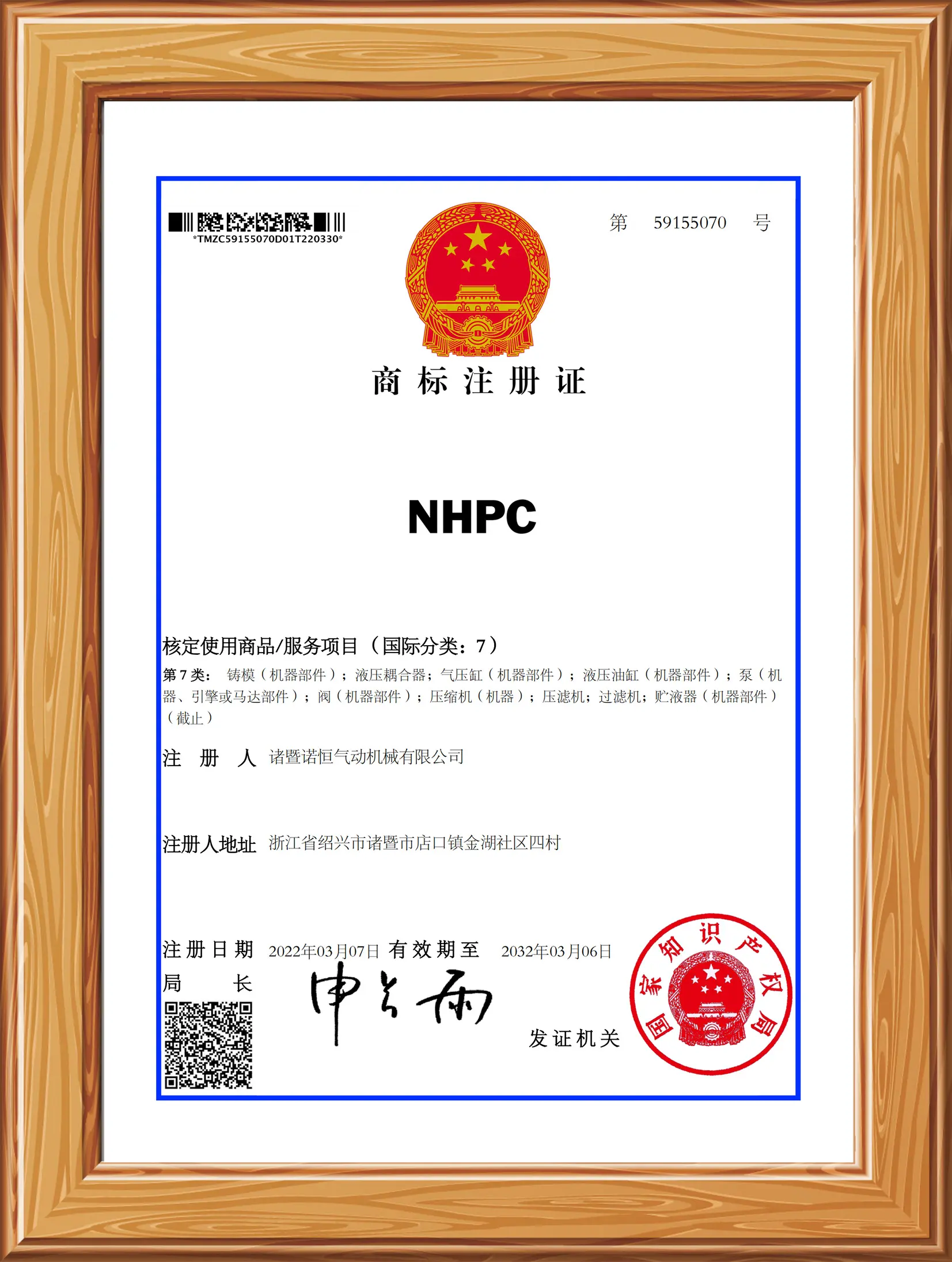
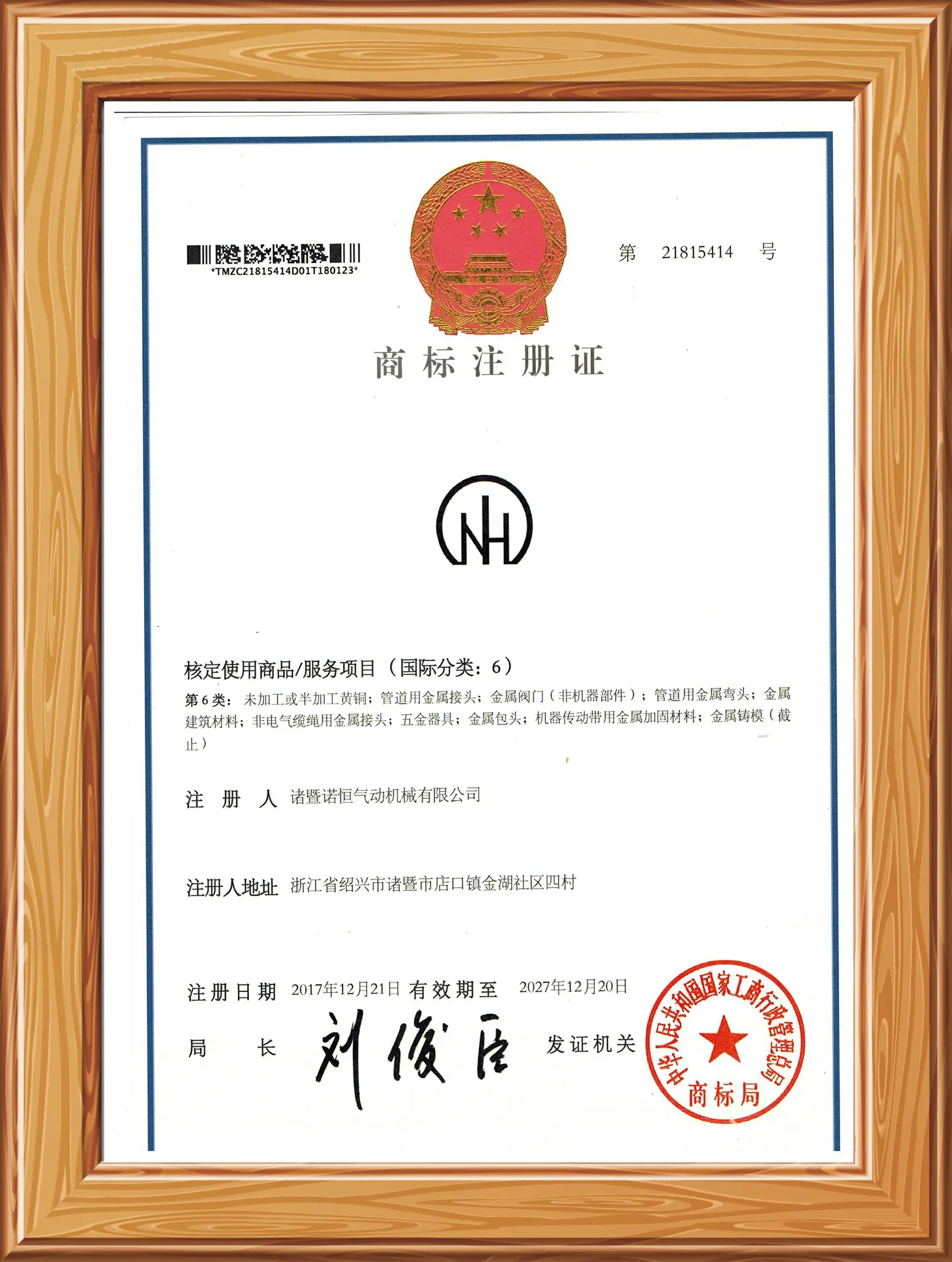
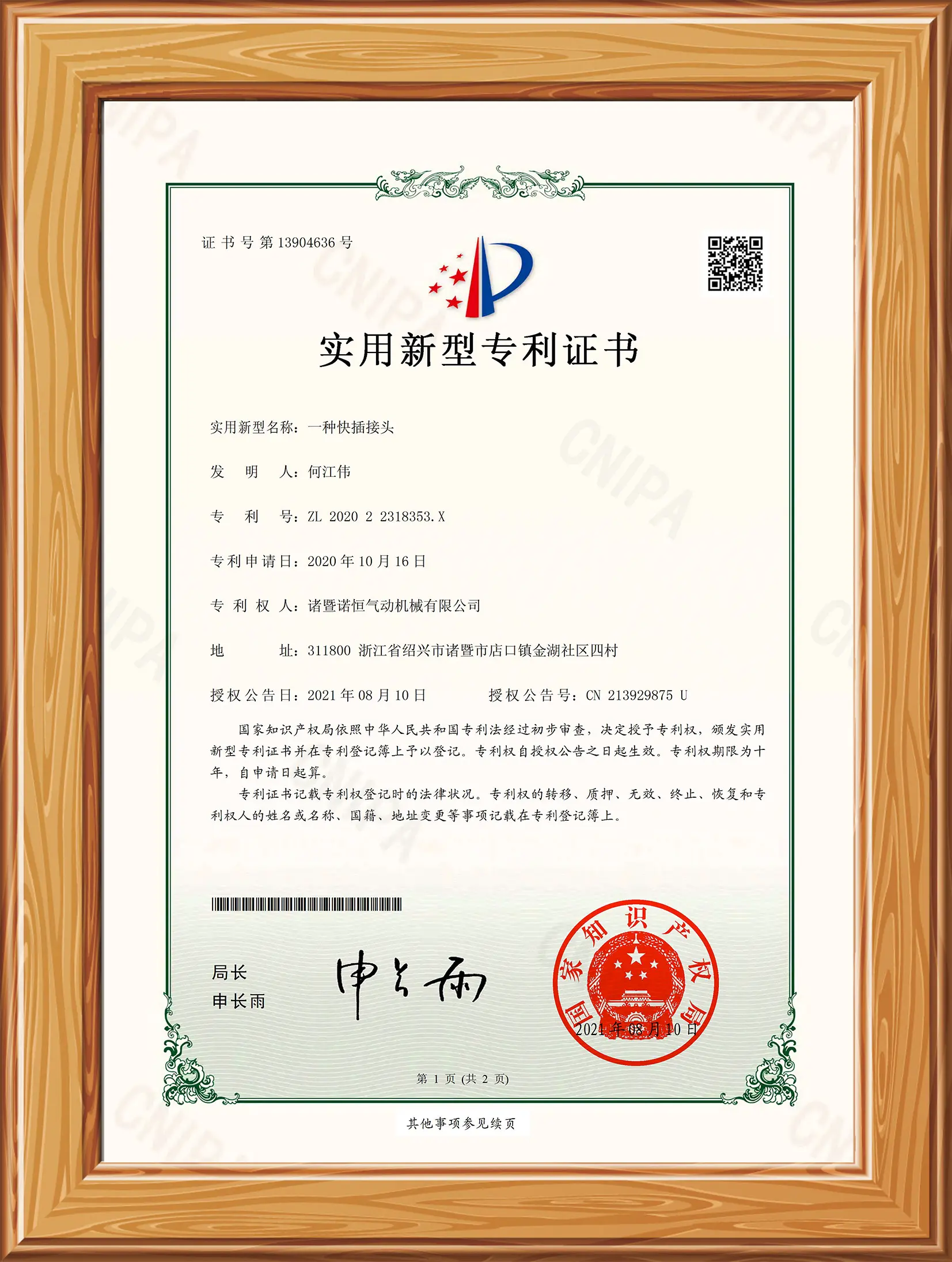
Ensuring cross-border regulatory alignment and dedicated engineering support for major industrial markets.
Operating a global supply chain requires strict adherence to localized engineering and environmental regulations. Sourcing agents must ensure that imported components are certified for use in their destination markets. NHPC helps clients navigate these requirements through proactive compliance testing:
To support overseas partners, NHPC provides localized engineering resources. We offer detailed CAD/step models for integration into client system schematics, localized packaging with custom labeling (barcodes and part numbers), and thread configurations including NPT (North American Standard), BSPT (R-thread), BSPP (G-thread), and Metric sizes.
A projection of how next-generation materials and IoT architectures will reshape industrial fluid connector technology.
Developing bio-based, high-durability polymer compounds to reduce product lifecycle carbon footprints without sacrificing mechanical tensile strength.
Integrating micro-electronic pressure sensors into safety-critical male connectors for real-time leak detection in automated pipelines.
Standardizing fluorine-base seals across all product lines to enable reliable operation with corrosive chemicals and high-temperature solvents.
Transitioning to fully automated robotic assembly and packaging lines to double monthly output capacity while maintaining tight manufacturing tolerances.
Expert engineering answers to common procurement, design, and installation questions about push male connectors.
A Push-In fitting utilizes an internal locking claw (collet ring) that automatically grabs the outer surface of the tubing upon insertion, requiring no external tools or nuts. A Push-On fitting features a barb connection where the tube is pushed over the barb and then locked in place with a threaded knurled nut. Push-in fittings are faster to install and release, while push-on fittings are often preferred in higher temperature or high-vibration systems where physical tube retention is the primary design requirement.
Our DOT air brake fittings are manufactured from CA360 / CA377 brass alloys and feature an internal tube support brass liner. This sleeve keeps the plastic tubing round and prevents it from collapsing under vibration. The internal gripper teeth are designed to bite deeper into the tubing wall under tension, preventing separation even during heavy vibration.
Industrial PBT fittings are primarily designed for compressed air, inert gases, and vacuum applications. While they can handle some liquid circulation (such as cooling lines), they should not be used in high-pressure municipal drinking water lines unless specifically certified for food and beverage use. For these applications, we recommend our specialized nickel-plated brass or stainless steel fittings with food-grade FKM/EPDM seals.
There are three common thread types in global industrial pneumatics: NPT (tapered thread common in North America), BSPT/R (tapered thread common in Europe and Asia), and G/BSPP (parallel thread that seals with an O-ring or washer). Tapered threads require tape or sealant, while parallel G-threads seal against a flat surface using a washer or seal. Make sure to choose the matching thread type to prevent damage to the port.
Yes. We provide complete OEM/ODM support, including custom material compounding (such as UL 94 V-0 flame retardants), custom dimensions, thread styles, and private labeling. Our in-house design team can draft 3D models and produce samples to help verify the design prior to mass production.
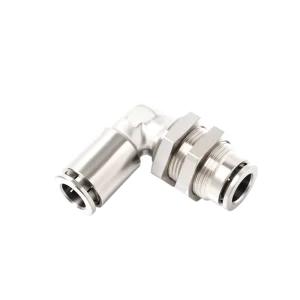
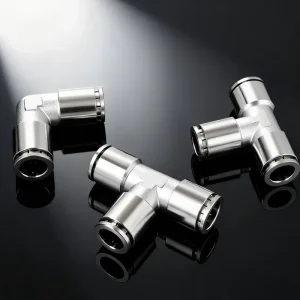
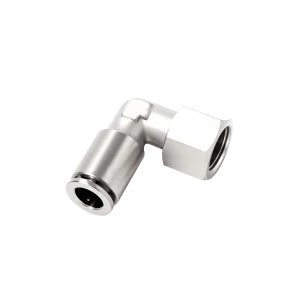
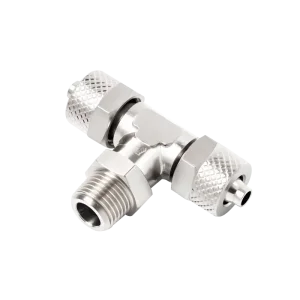
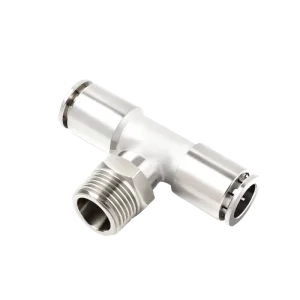
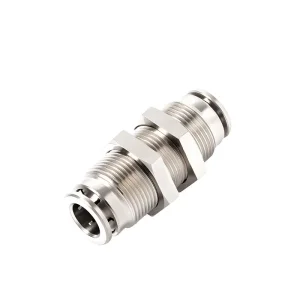
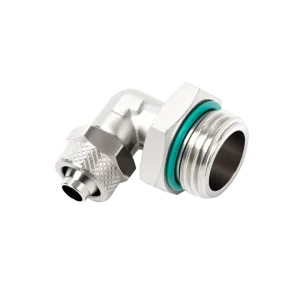
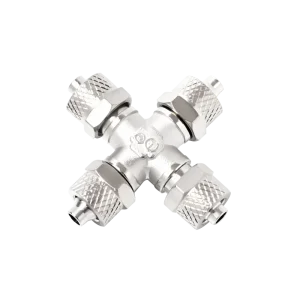
Explore our selection of heavy-duty, flame-retardant, rotatable, and bulkhead pneumatic fittings.
 Nuoheng