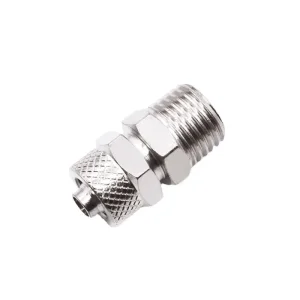
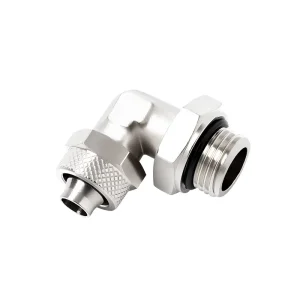
High-precision push-to-connect components engineered for US heavy-duty vehicle piping systems and logistics fleet standards.
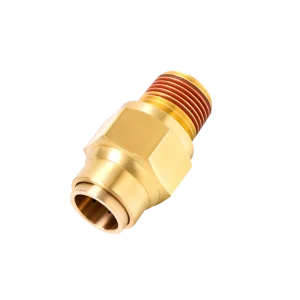
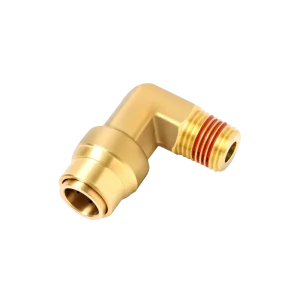
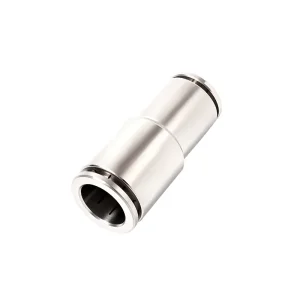
The United States commercial transit sector underpins the nation's economic vitality. Class 8 heavy-duty trucks, school buses, articulated trailers, and municipal transit fleets form the backbone of the domestic supply chain. To guarantee the safe operation of these heavy vehicles, the Federal Motor Vehicle Safety Standards (specifically FMVSS 106) mandate stringent structural and functional regulations for air brake systems. Among these components, DOT brass fittings serve as the critical junctions. They connect nylon tubings to air brake chambers, valves, manifolds, and auxiliary reservoirs.
In the US market, key transport hubs across states like Texas, Illinois, Ohio, and California sustain a high consumption rate of pneumatic replacement components. Fleet management services, OEM assembly factories, and commercial repair shops require consistent supply channels. A single failure in a sub-standard pneumatic fitting can trigger emergency air-brake engagement, bringing a 40-ton vehicle to a complete halt, risking catastrophic roadway safety incidents and resulting in costly supply chain downtime. Consequently, US purchasing managers demand absolute material integrity (low-lead heavy brass alloys like C36000), dimensional tolerances matching NPT/UNF standards, and robust validation testing protocols.
Operating a pneumatic line in a US commercial truck is vastly different from a general factory automation setup. DOT compliance ensures that the fittings can withstand harsh environmental conditions, including rapid temperature swings (ranging from -40°F during northern winters to over 200°F under high-load engine bays), exposure to corrosive road salts (calcium chloride and sodium chloride), and continuous high-frequency chassis vibrations. The Society of Automotive Engineers (SAE) sets forth guidelines under SAE J246 (for spherical compression sleeve type fittings) and SAE J1131 (for performance requirements of push-to-connect fittings used with nylon tubing). Our engineering processes align precisely with these criteria to guarantee the mechanical pull-out strength, chemical resistance, and air-tight seal integrity required by US transport regulations.
For over 15 years, NHPC has engineered state-of-the-art pneumatic components, offering global sourcing managers and OEMs reliable, high-performance manufacturing pipelines.
Welcome to NHPC, a premier manufacturer in the pneumatic industry with a rich history spanning over 15 years. Our journey began with a simple but powerful vision: to revolutionize the pneumatic industry by delivering high-quality, innovative, and reliable products that meet the ever-evolving needs of our clients. Today, we are proud to stand as a trusted name in the industry, serving a diverse range of customers across the globe.
We specialize in the design, development, and manufacturing of a comprehensive range of pneumatic products. Our products include push-in fittings, push-on fittings, pneumatic valves, quick connectors, PU pipes, hydraulic components, and design services for custom pneumatic systems. Each product is engineered with precision, ensuring optimal performance, durability, and efficiency. Whether you need standard components or customized solutions, we have the expertise to deliver products that exceed your expectations.
How our advanced pneumatic fittings address safety and performance demands across diverse heavy industries.
In the global market, procurement teams are actively looking to optimize their supply chains to offset inflation and raw material volatility. Our high-precision surface treatments, state-of-the-art CNC machining centers, and automated assembly processes allow us to offer competitive manufacturing rates while maintaining strict adherence to Western standards. The following areas show the primary applications where NHPC fittings provide performance advantages:

Fittings engineered specifically for heavy-duty truck cabins, chassis air suspensions, and braking circuits, matching US DOT standards.
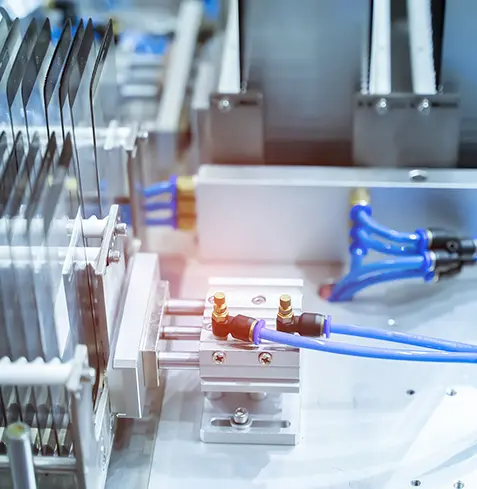
Providing high-speed, leak-free connections for robotic arms, pneumatic cylinders, packaging lines, and textile equipment.

Specialized flame-retardant (PC/PLF series) fittings designed to support cooling and gas fire protection lines in ESS lithium battery racks.
Rugged connectors for agricultural tractors, earthmovers, and light-rail transit systems subject to heavy vibration and dirt exposure.
Watch our manufacturing processes, showcasing CNC lathes, high-precision machining, and rigorous testing protocols.
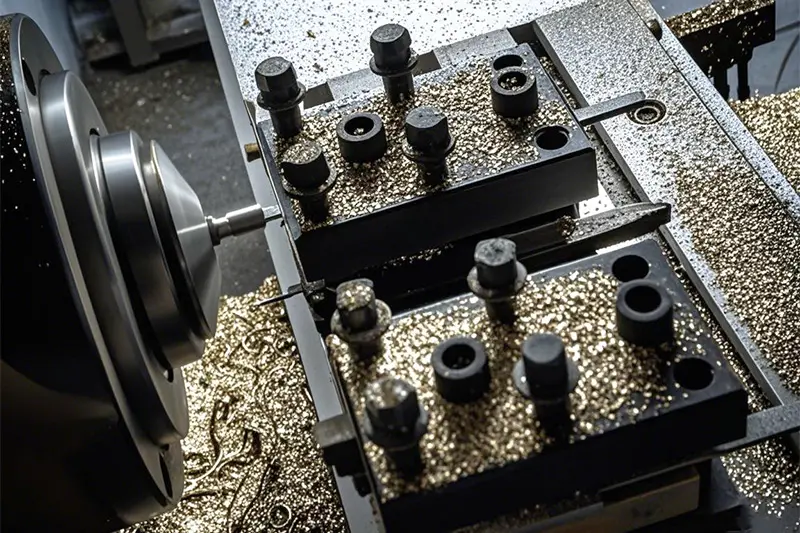
Our capabilities encompass high-precision surface treatments, CNC lathes, injection molding, metal stamping, die-casting, and secondary finishing processes. Maintaining strict quality control at every stage of production—from raw brass billet selection to final testing—allows us to deliver reliable products to our customers. Our investment in advanced testing machinery ensures that we remain competitive in the global pneumatics market.
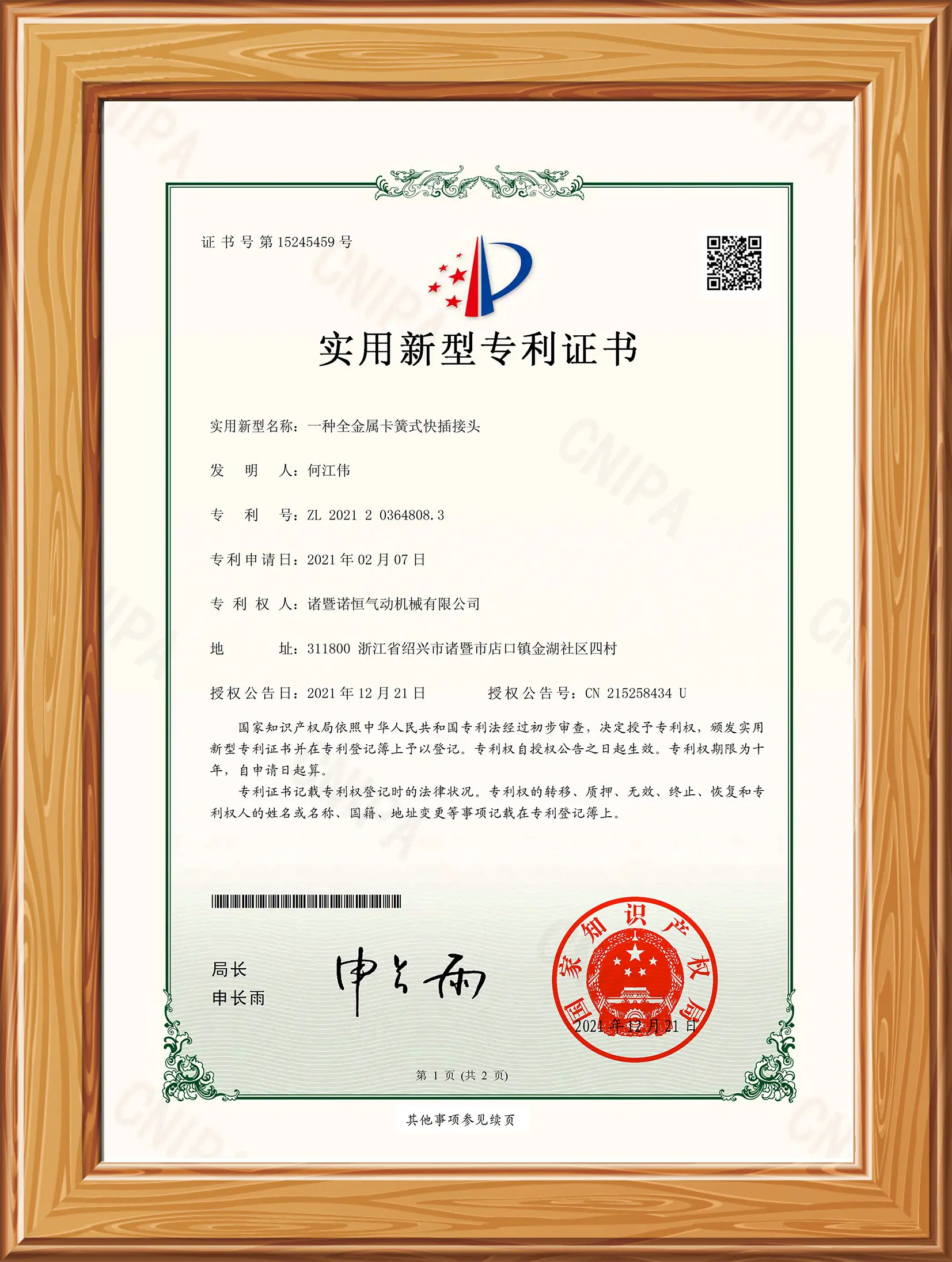
NHPC holds ISO and international product design standards, offering transparent compliance validation for US customs and safety audits.


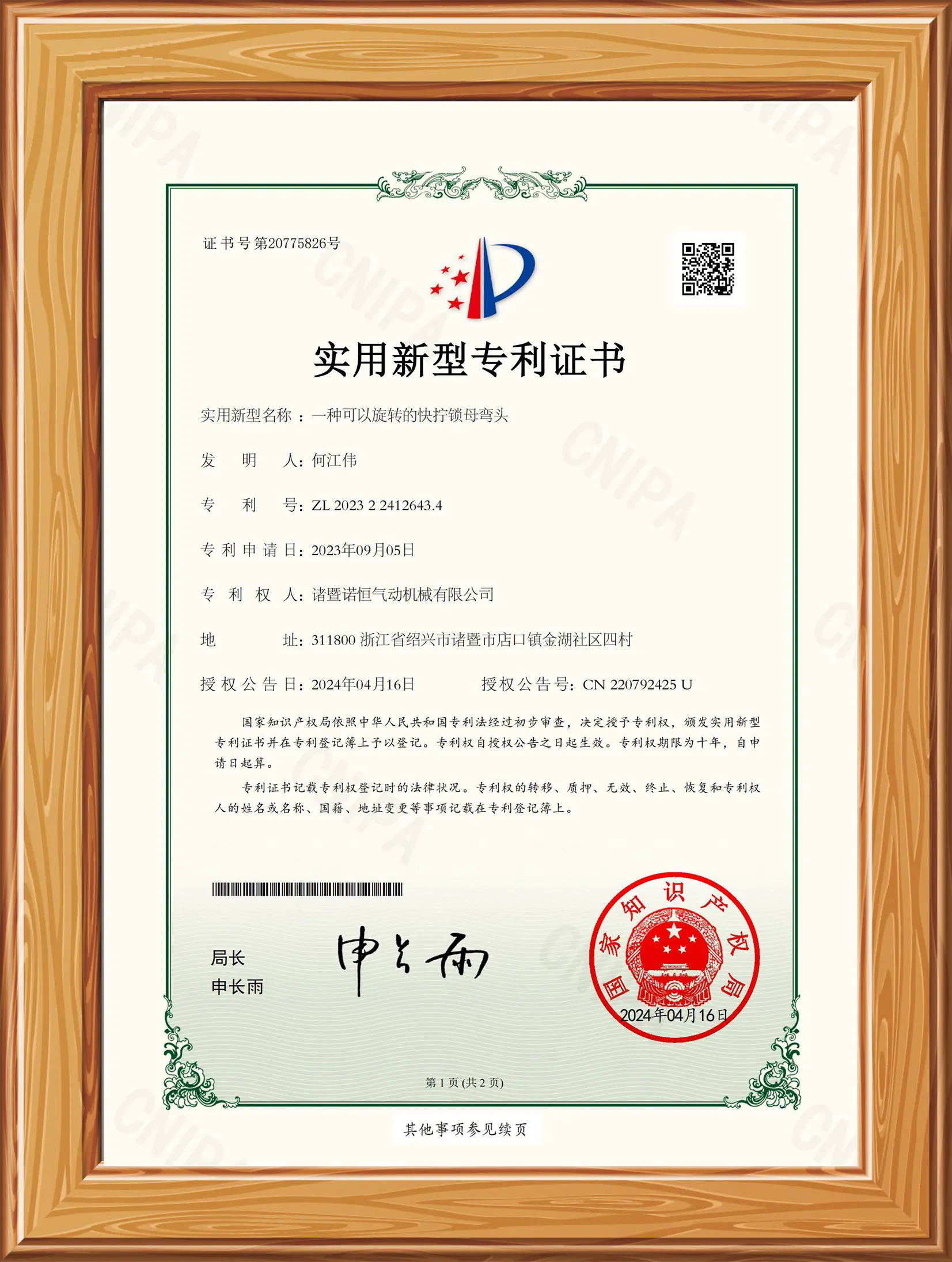
Why purchasing directors and engineering leads choose Nuoheng Pneumatic Machinery as their core supplier.
Leveraging deep expertise in pneumatic and pipeline networks, we deliver cost-effective, reliable products and actionable recommendations to support client engineering specifications.
Our machine shop features advanced CNC multi-spindle lathes, high-precision thread tapping, automated clean assembly lines, and optical inspection equipment for Zero-Defect QA output.
Our dedicated engineering and support team offers technical assistance, and coordinates logistics fulfillment models like Kanban, JIT, and safety stock arrangements.
An engineering breakdown of low-lead brass, sealing elements, and pull-out test dynamics under SAE J1131 conditions.
When selecting pneumatic fittings for industrial or commercial transportation sectors, design engineers prioritize long-term mechanical reliability over simple cost savings. In North America, the transition from composite push-to-connect fittings back to heavy brass—and vice-versa in specific application zones—has highlighted the importance of raw material quality.
Heavy-duty DOT fittings are typically hot-forged or machined from premium C36000 Free-Cutting Brass (containing approximately 60% copper, 35.5% zinc, and 2.5-3.7% lead). This alloy provides excellent machinability, allowing us to maintain the strict thread tolerances required for NPT (National Pipe Thread) and UNF (Unified Fine) connections. The lead content acts as a dry lubricant and chip breaker during high-speed CNC machining, resulting in smooth finishes and thread profiles that reduce the risk of cross-threading during assembly. For applications involving potable water or specific environmental regulations (such as California's Prop 65 or federal Safe Drinking Water Act guidelines), we also manufacture components using specialized low-lead brass alloys (e.g., C69300 or C87850 Silicon Bronze), ensuring full regulatory compliance.
The reliability of a push-to-connect fitting relies heavily on its internal elastomeric seals. Standard pneumatic applications generally utilize Nitrile (NBR/Buna-N) rubber because of its resistance to petroleum-based oils, grease, and moisture within a standard operating temperature range of -20°F to 180°F. However, air brake applications subject to sub-zero temperatures (-40°F) require custom EPDM (Ethylene Propylene Diene Monomer) compounds that retain elasticity and sealing properties without cracking. For high-temperature or chemical-intensive environments—such as battery cooling manifolds in Energy Storage Systems (ESS) or compressor discharge lines—we use Fluorocarbon (Viton/FKM) seals, which maintain their integrity up to 400°F and resist chemical degradation.
To comply with SAE J1131, push-to-connect fittings must hold nylon tubing securely under high tensile pull-out forces. NHPC fittings utilize a multi-tooth stainless steel collet design. When nylon tubing is pushed into the fitting, the teeth grip the outer diameter of the tube. As system pressure rises or mechanical tension is applied, the collet is drawn slightly forward against an internal taper, increasing the grip on the tubing. This design ensures that the tubing will burst under extreme pressure before the fitting releases, providing a safe connection for air lines.
Explore our range of heavy-duty connectors, including flow controls, flame-resistant designs, and rotatable elbow configurations.
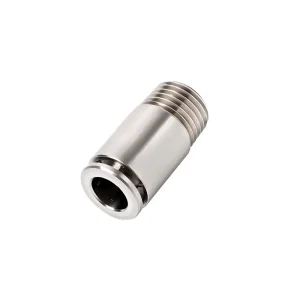
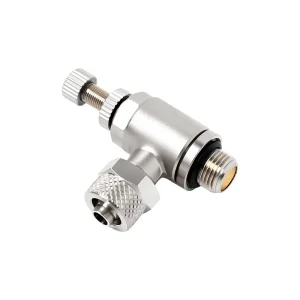
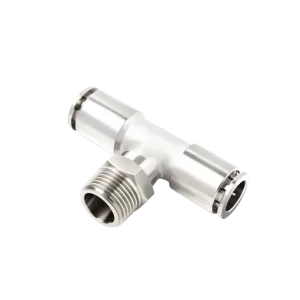
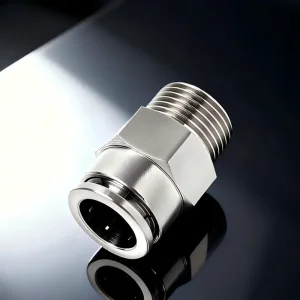
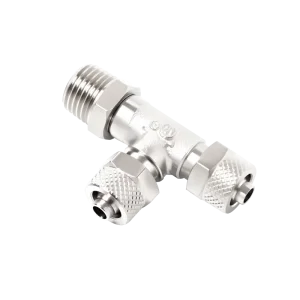
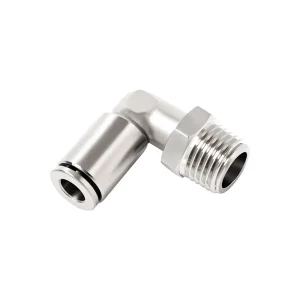
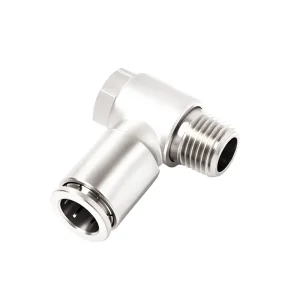
The industrial and commercial vehicle sectors are transitioning toward lighter components, electrification, and intelligent diagnostic features. The future of pneumatic and hydraulic piping systems involves integration with sensor technology, helping operators track performance metrics in real time. We are directing our R&D efforts to align with these industry trends:
While heavy forged brass remains the standard for under-chassis air brake lines due to its durability, modern passenger transit buses and commercial delivery vehicles are turning to high-performance polymer fittings to reduce overall weight. Lowering vehicle weight helps improve fuel efficiency and extends the driving range of commercial electric vehicles. NHPC is testing glass-reinforced nylon and structural resin alternatives that provide comparable pressure and pull-out resistance to traditional brass, while offering weight savings of up to 40%.
Compressed air loss in industrial automation lines can reduce energy efficiency and increase operational costs. Even minor leaks in large manufacturing networks can lead to significant energy waste over time. Our engineering team is developing next-generation fittings with built-in color-changing wear rings and integrated pressure sensors. These features help maintenance teams quickly locate and address pressure drops before they impact system performance.
The growth of commercial electric vehicles and large energy storage battery packs requires specialized thermal management lines. Standard pneumatic fittings are not ideal for these coolant circuits. NHPC's flame-resistant PE, PC, and PLF series fittings are designed to support fire suppression and glycol-water cooling systems in EV battery racks, providing reliable connections for these critical applications.
Providing expert, direct answers to common questions about DOT compliance, materials, and sourcing.
 Nuoheng