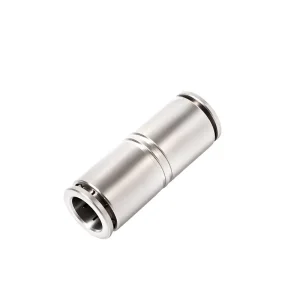
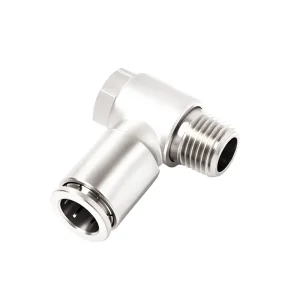
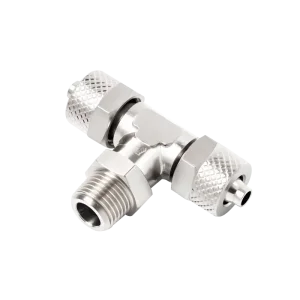
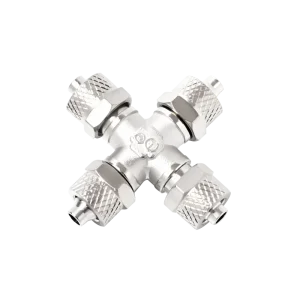
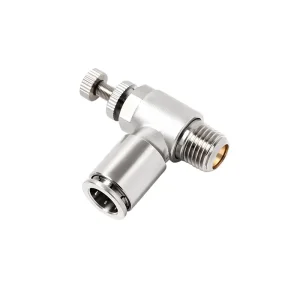
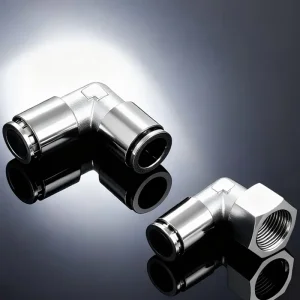
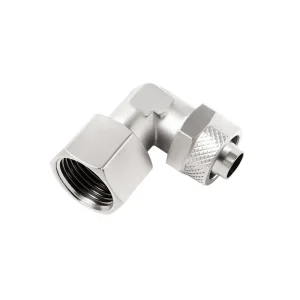
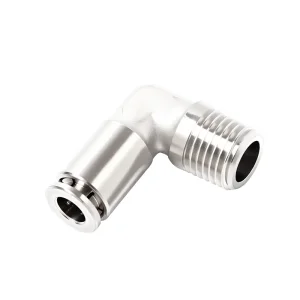
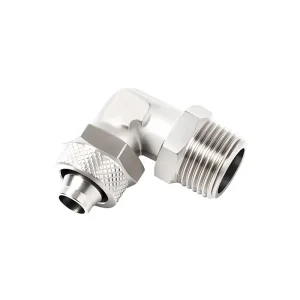
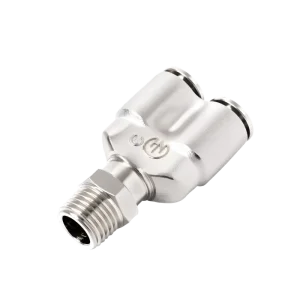
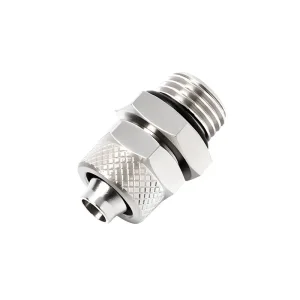
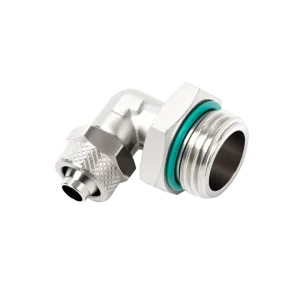
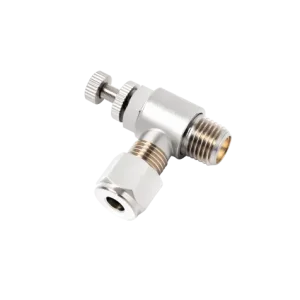
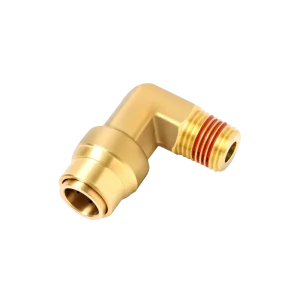
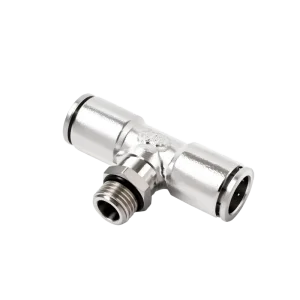
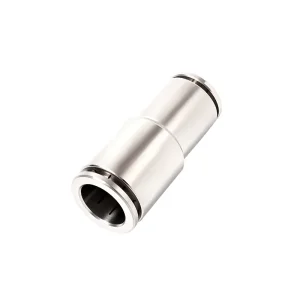
High-performance connector systems engineered for pneumatic pipelines, air brakes, and thermal management.
In modern industrial mechanical networks, the integrity of fluid power routing systems dictates the overall efficiency, safety, and lifespan of mechanical assemblies. Among various materials utilized for connect-and-seal solutions, brass compression and push-in fittings serve as structural cornerstones across worldwide logistics, municipal utilities, chemical plants, HVAC setups, and automotive manufacturing. Brass alloys (most notably HPb59-1, C3604, and lead-free configurations) exhibit a highly favorable balance of mechanical attributes: exceptional corrosion resistance, excellent thermal and electrical conductivity, high-speed machinability, and strong dimensional stability under extreme temperature fluctuations.
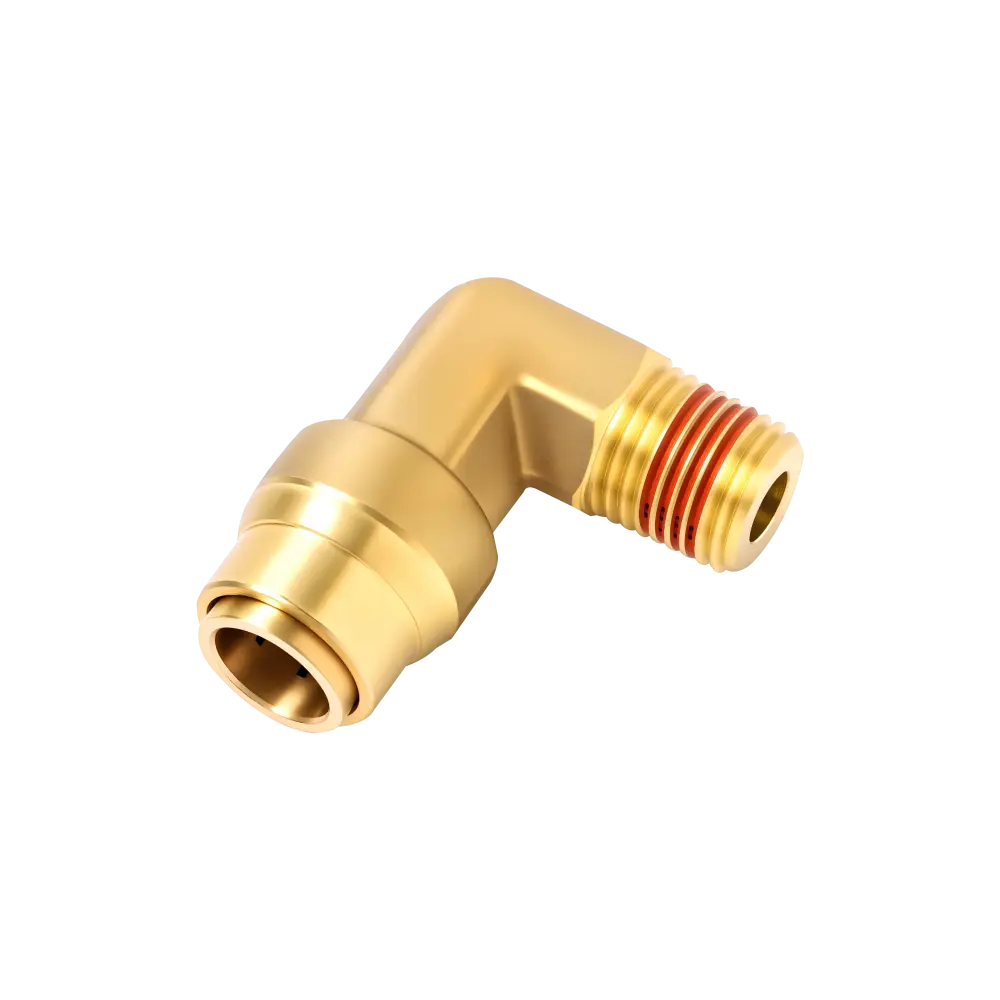
The global brass compression market is seeing robust growth, driven by massive investments in infrastructure upgrade projects and industrial automation. According to leading engineering intelligence reports, the global market for industrial fittings is projected to scale continuously. OEMs and system integrators now place extreme value on the reliability of components like the DOT 90° Male Non-Swivel Elbow Push-Lock Air Brake Fitting, which must withstand prolonged vibration and rapid pressure cycling. With the industrial sector moving towards more compact, high-efficiency equipment, manufacturers are tasked with keeping dimensional tolerances within micrometer limits while ensuring compliance with complex environmental regulations.
High tensile strength and excellent ductility allow brass fittings to manage severe mechanical loads, heavy vibrations, and system pressures without structural fatigue.
Natural resistance to oxidation in water, steam, and saline environments extends the working life of heavy industrial pipelines, minimizing routine maintenance costs.
Enables ultra-precise threading (BSP, NPT, G-threads) and intricate geometries like the 360° rotatable elbows, ensuring tight tolerances and zero-leak connections.
China continues to lead the global supply chain for brass fittings, housing key manufacturing clusters in regions like Zhejiang province (specifically Zhuji, Yuhuan, and Ningbo). These hubs feature highly integrated supply chains, covering everything from raw copper refining and extrusion to precision multi-axis CNC machining, surface finishing (such as nickel or chrome plating), assembly, and automated testing. This high concentration of specialized support allows Chinese factories to achieve unmatched economies of scale while remaining flexible enough to handle complex OEM/ODM projects.
Modern Chinese brass compression factories have evolved from low-cost workshops into advanced, automated facilities. Top manufacturers like Nuoheng Pneumatic Machinery Co., Ltd. (NHPC) invest heavily in robotic cell loading, automated multi-spindle optical sorting systems, and continuous quality audits to guarantee that each piece matches or exceeds Western competitors. By combining cost-efficiency with high technical quality, China remains the go-to partner for global distributors, OEMs, and industrial design firms.
By sourcing within highly localized industrial ecosystems, China-based factories minimize logistics delays for raw materials. This ensures predictable lead times and makes it easy to rapidly adjust production capacities for large-scale global demands.
Utilizing high-end CNC centers, customized multi-way drilling machines, and advanced forging equipment reduces human error, guarantees thread consistency, and achieves the tight tolerances needed for critical air brake and fire protection systems.
Our integrated logistics networks make exporting to North America, Europe, and Southeast Asia seamless. We provide comprehensive customs documentation, product traceability, and tailored packaging solutions to meet diverse international market standards.
Welcome to NHPC, a premier manufacturer in the pneumatic industry with a rich, proven history spanning over 15 years (supported by 20+ years of total field experience). Our journey began with a clear mission: to revolutionize the pneumatic industry by providing high-quality, innovative, and exceptionally reliable fluid connector systems that adapt to the changing needs of our global clients. Today, NHPC is a globally trusted brand, serving industrial customers across Europe, North America, the Middle East, and Asia.
We specialize in the engineering, R&D, and manufacturing of a wide range of pneumatic components. Our portfolio includes push-in fittings, push-on fittings, compression fittings, pneumatic valves, quick-connect couplings, PU/PE pipes, hydraulic accessories, and customized design services. Every component is precision-engineered to deliver maximum performance, durability, and efficiency, even under high-stress operating conditions.
We leverage our deep technical knowledge in pneumatics and piping systems to help clients design custom, cost-effective, and highly reliable pipeline layouts.
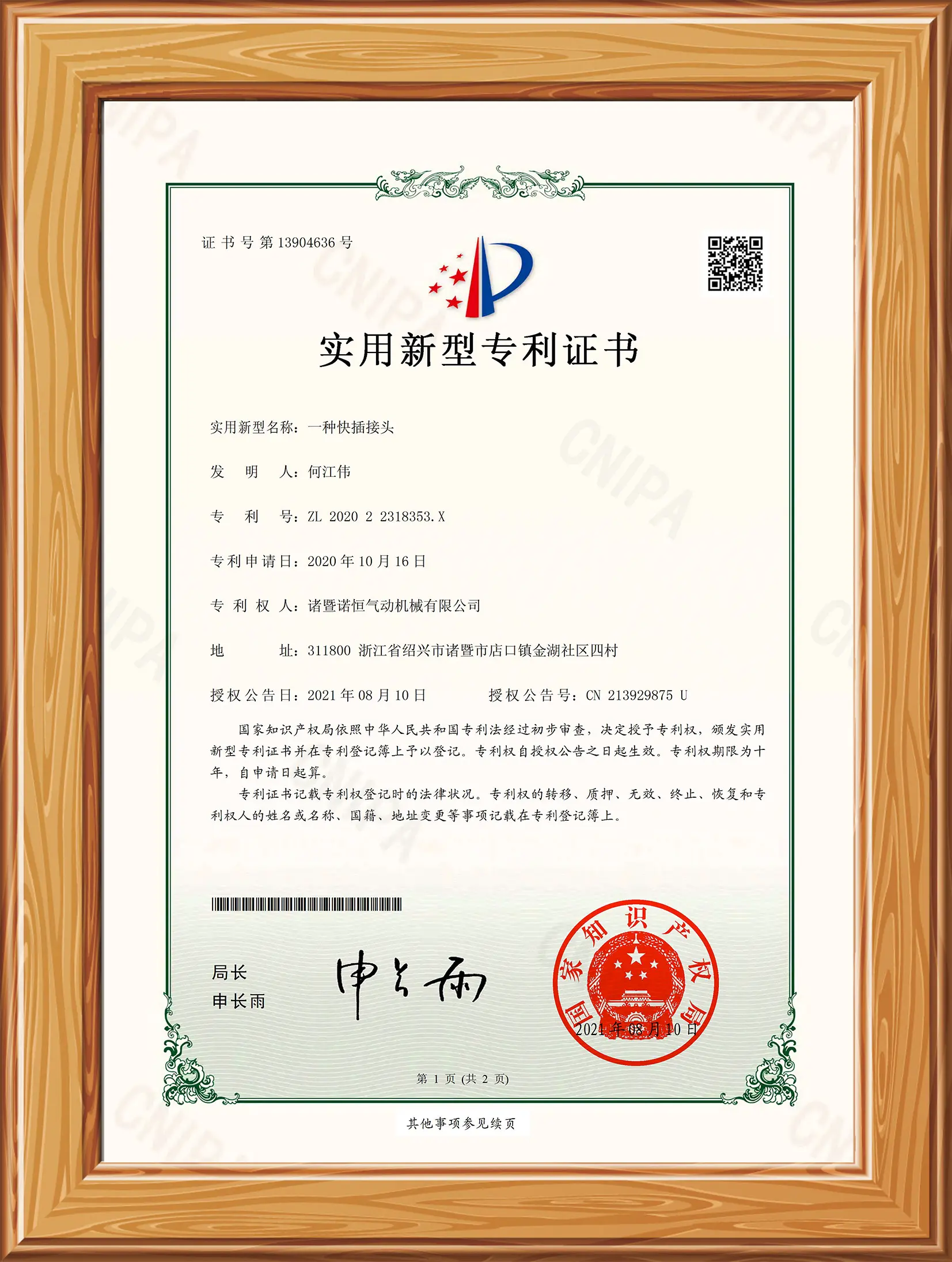
Our workshops feature high-precision CNC lathes, multi-spindle machining centers, stamping equipment, high-pressure die-casting machines, and specialized surface treatment lines.
From initial design consultations to bulk delivery and after-sales support, our engineering team is always ready to assist you with prompt technical guidance.
How NHPC's engineered brass systems deliver zero-leak security across critical high-stress sectors.
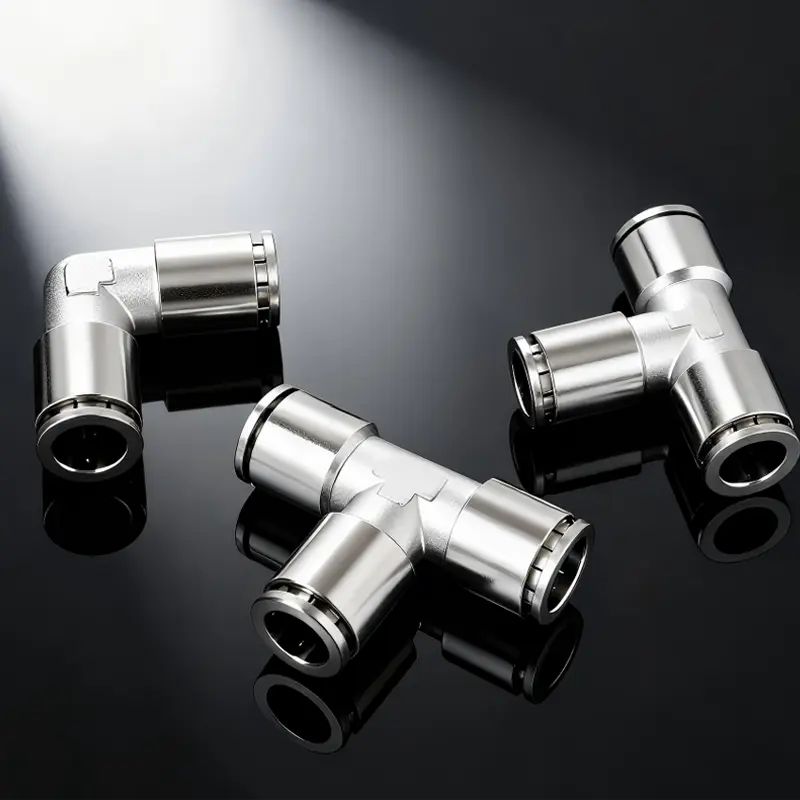
Modern battery energy storage systems (BESS) require highly reliable cooling and fire suppression networks. Our PLF, PE, and PC flame-resistant and flame-retardant pipe fittings are built to withstand thermal stress, keeping fire-extinguishing fluid lines ready for rapid deployment in hazardous environments.
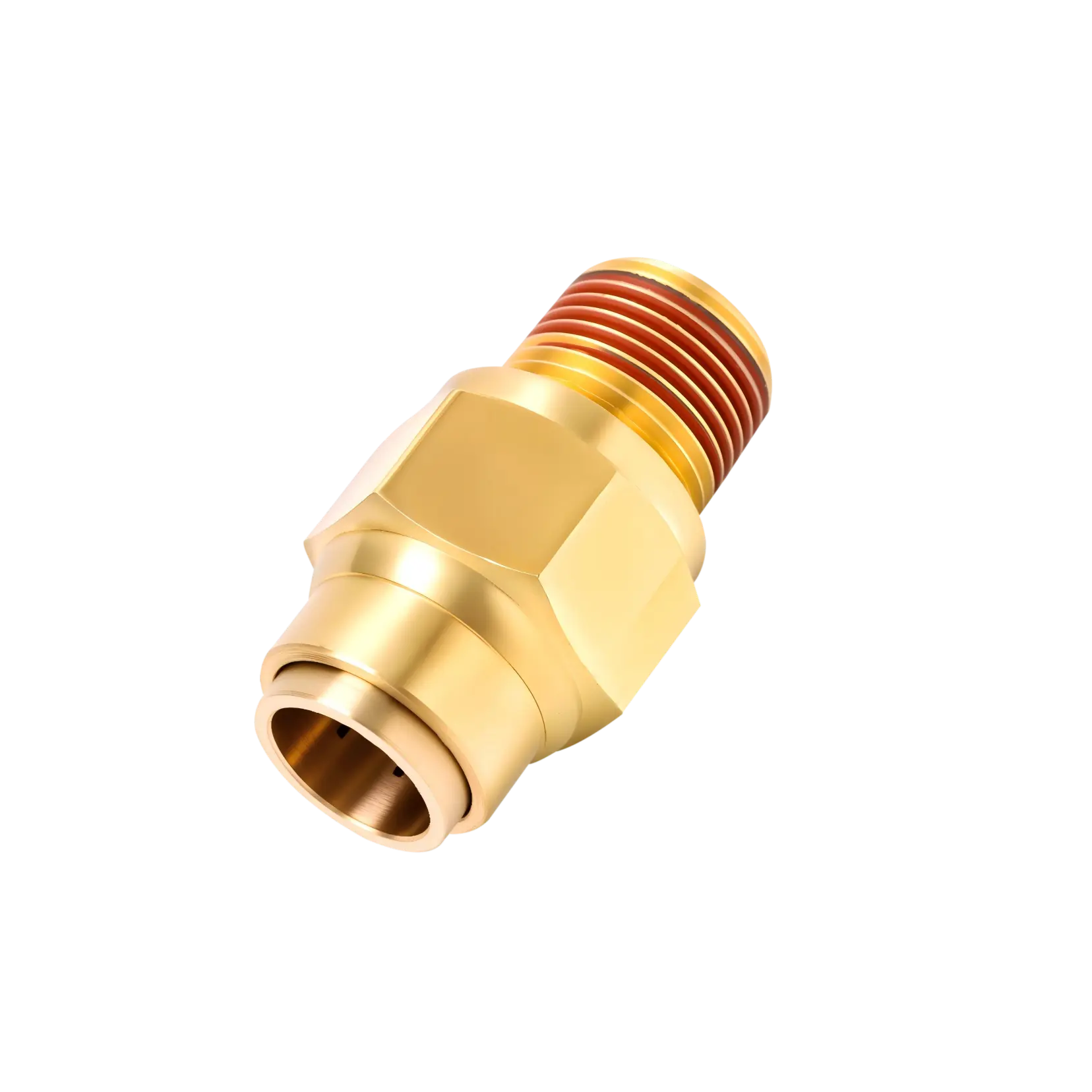
Commercial trucking air brake systems must comply with strict Department of Transportation (DOT) safety regulations. NHPC's DOT air brake line fittings utilize integrated O-rings, heavy-duty brass sleeves, and stainless-steel grab rings to maintain zero leakage under extreme road vibration and temperature shifts.
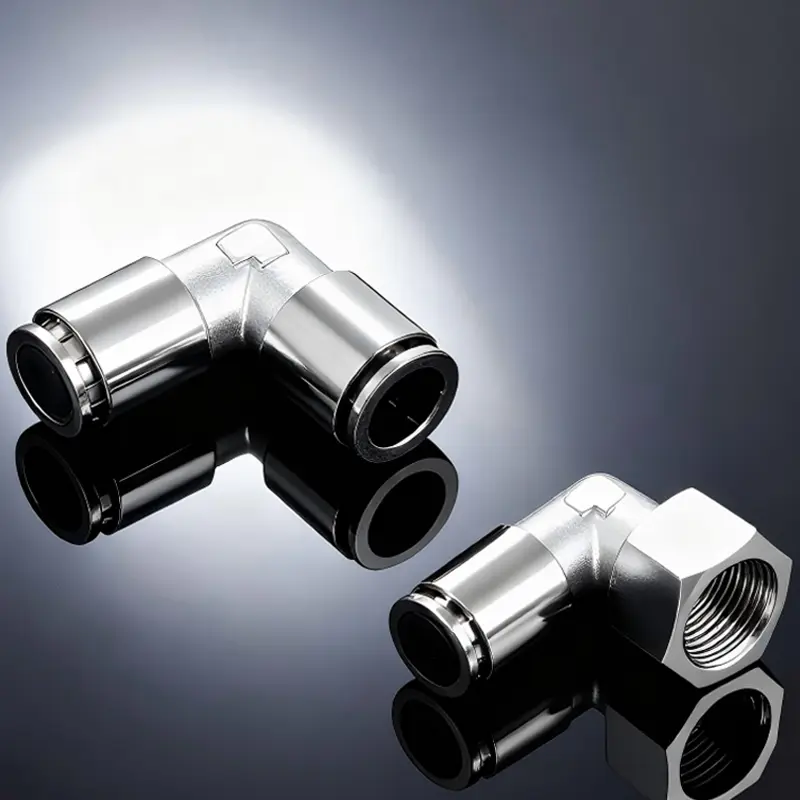
In high-speed assembly lines, packaging plants, and robotic pick-and-place setups, pneumatic actuators require clean, consistent air delivery. Our rotatable elbow fittings, like the PLG45° and PH series, make installation easy in tight, complex spaces without restricting flow.
Explore our advanced flame-retardant and DOT-compliant brass and polymer fitting series.
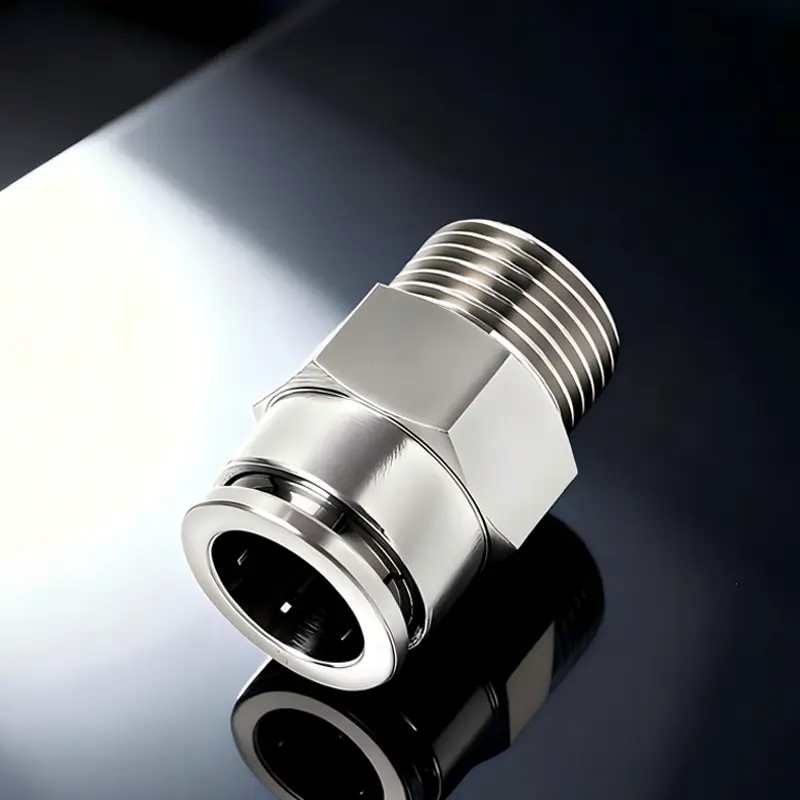
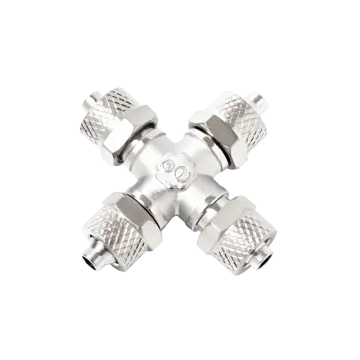
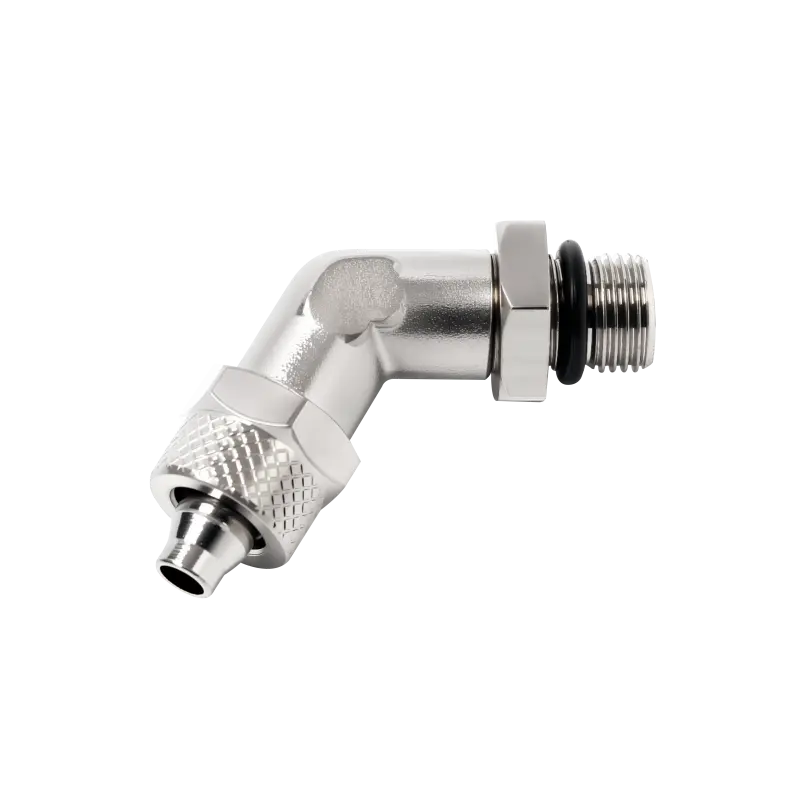
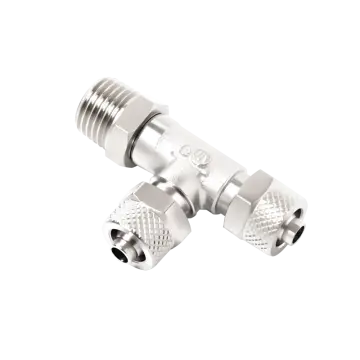
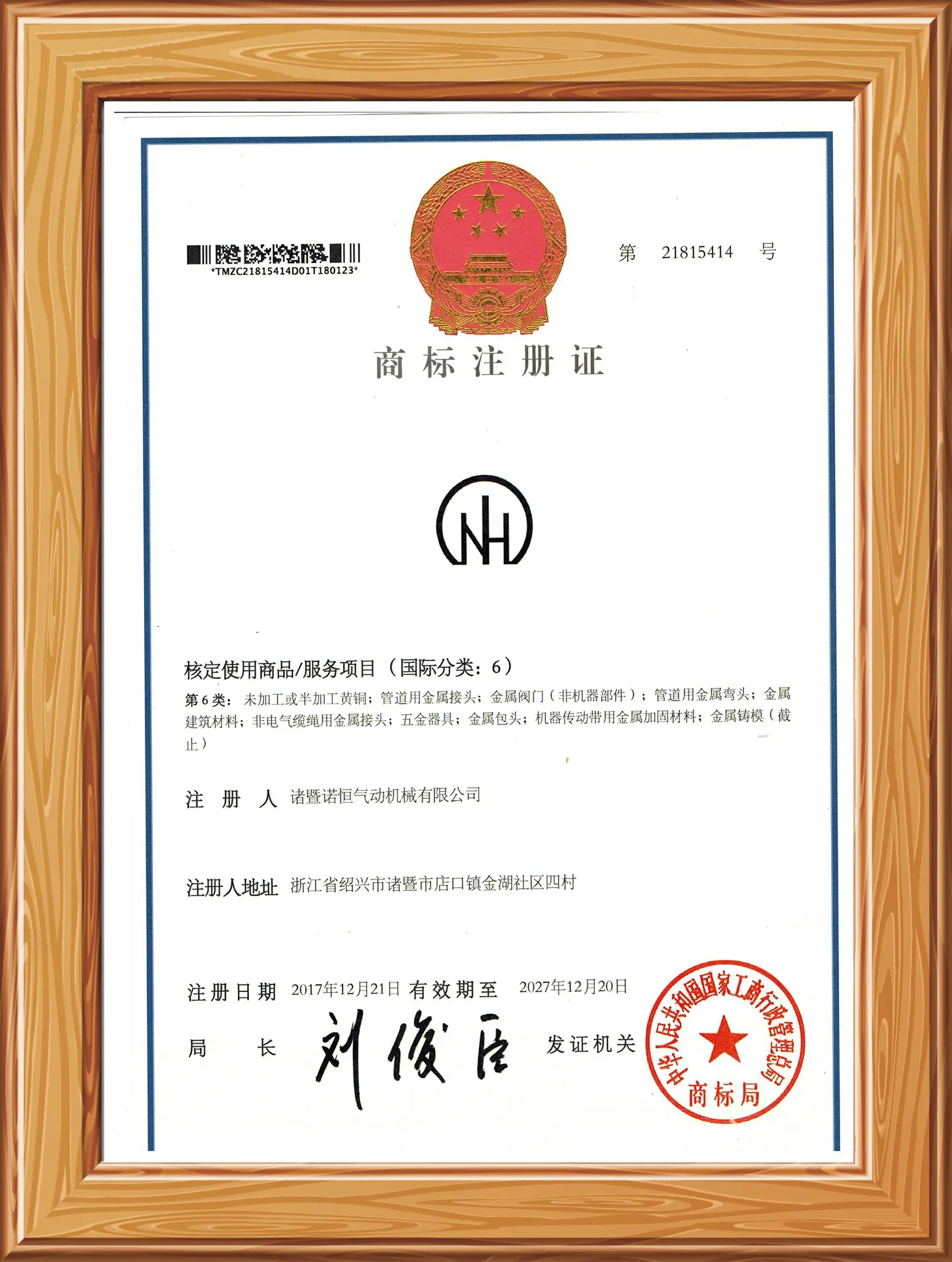
In modern industrial fluid networks, safety is non-negotiable. Industrial engineers require components backed by comprehensive certifications and traceable testing to guarantee performance under pressure. At NHPC, our manufacturing processes are audited under ISO 9001:2015 quality management standards. Every step—from raw material verification to final pressure testing—is recorded to ensure full reliability.
Our brass fittings comply with international environmental and mechanical regulations, including RoHS and REACH guidelines. For automotive pneumatic systems, our air brake fittings are designed and tested to meet DOT FMVSS 106 and SAE standards, making them fully compliant with heavy-duty commercial vehicle requirements. This focus on regulatory compliance gives our clients the confidence that NHPC parts will perform safely and reliably in any market.

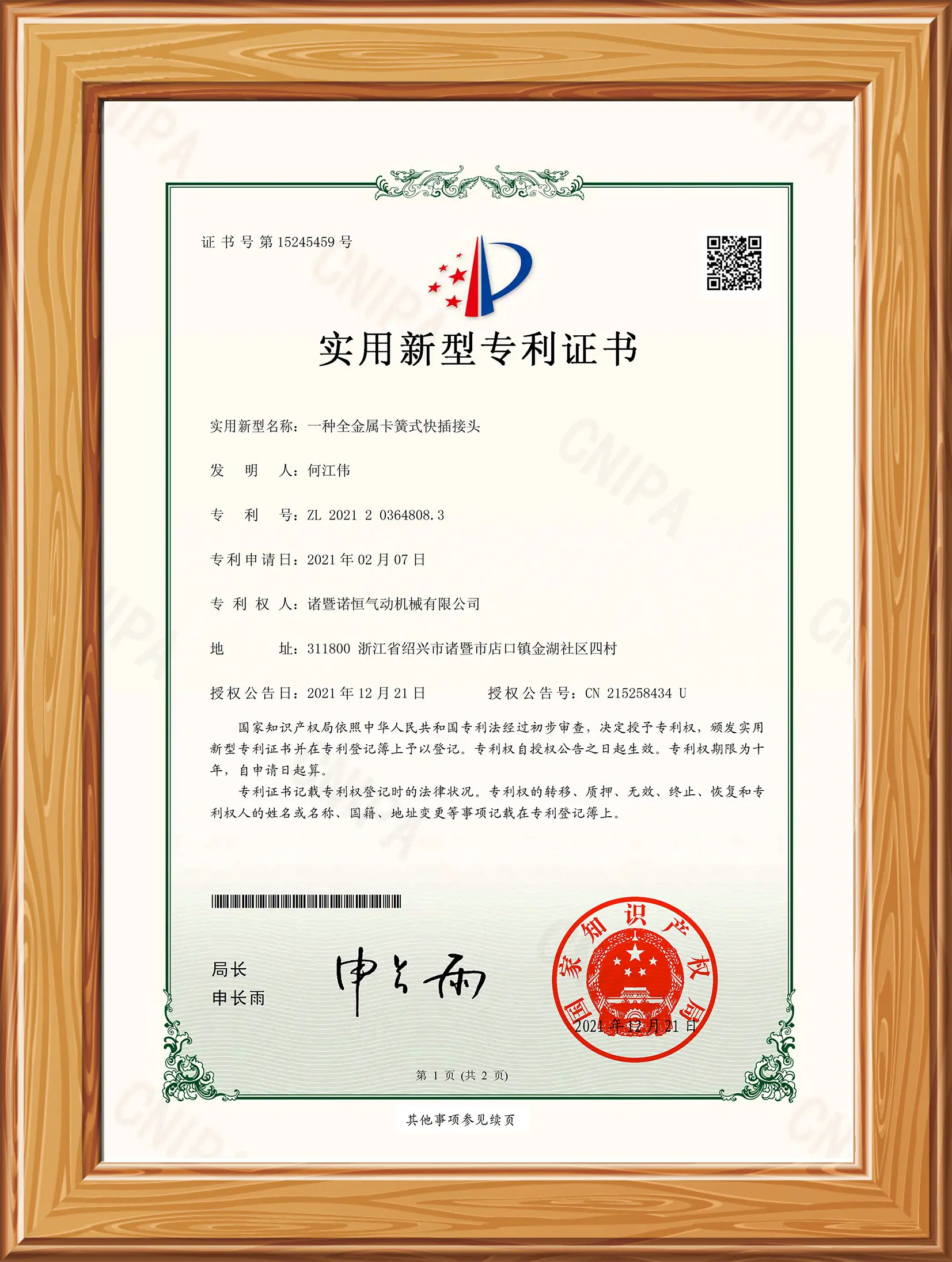

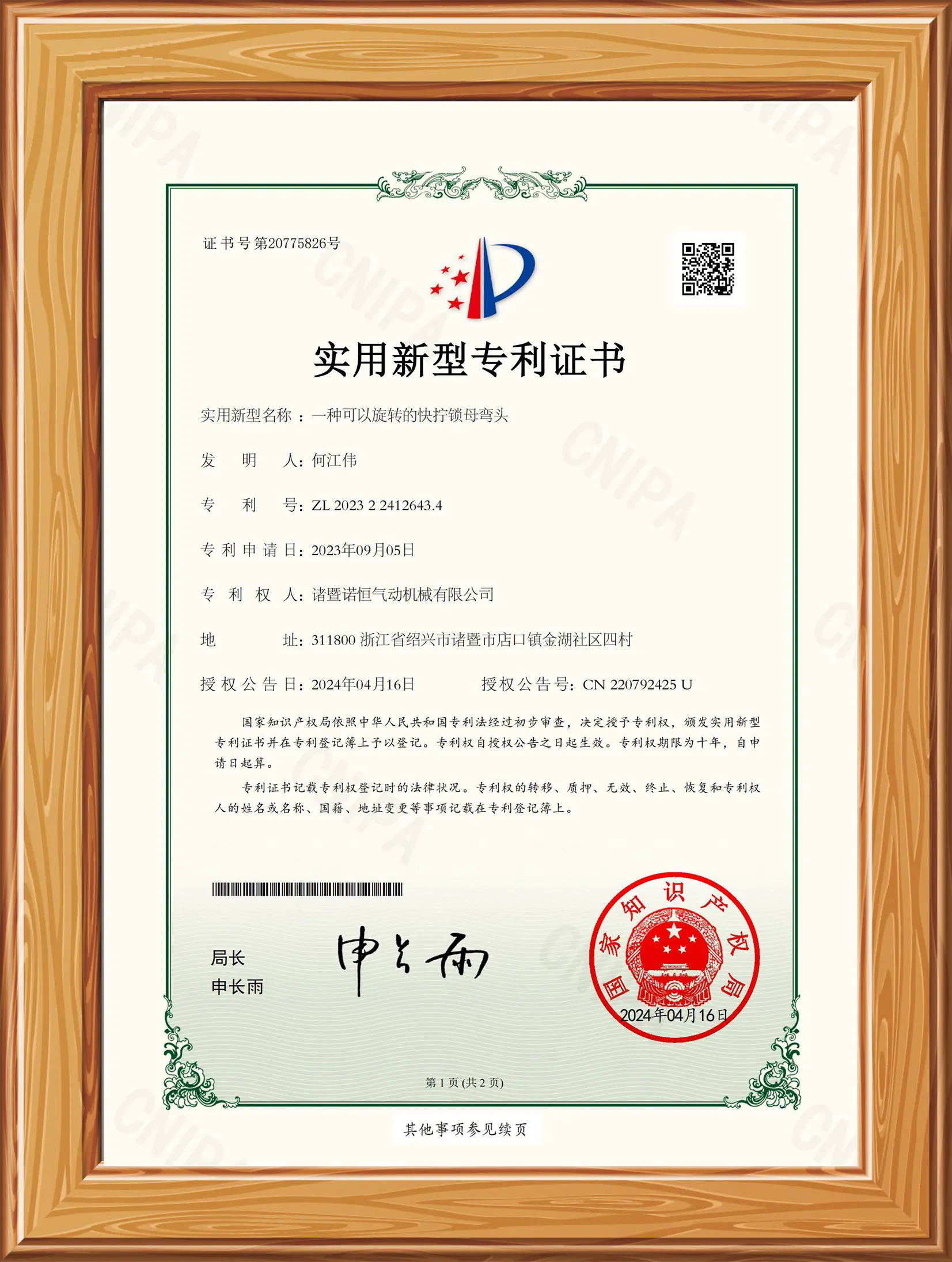
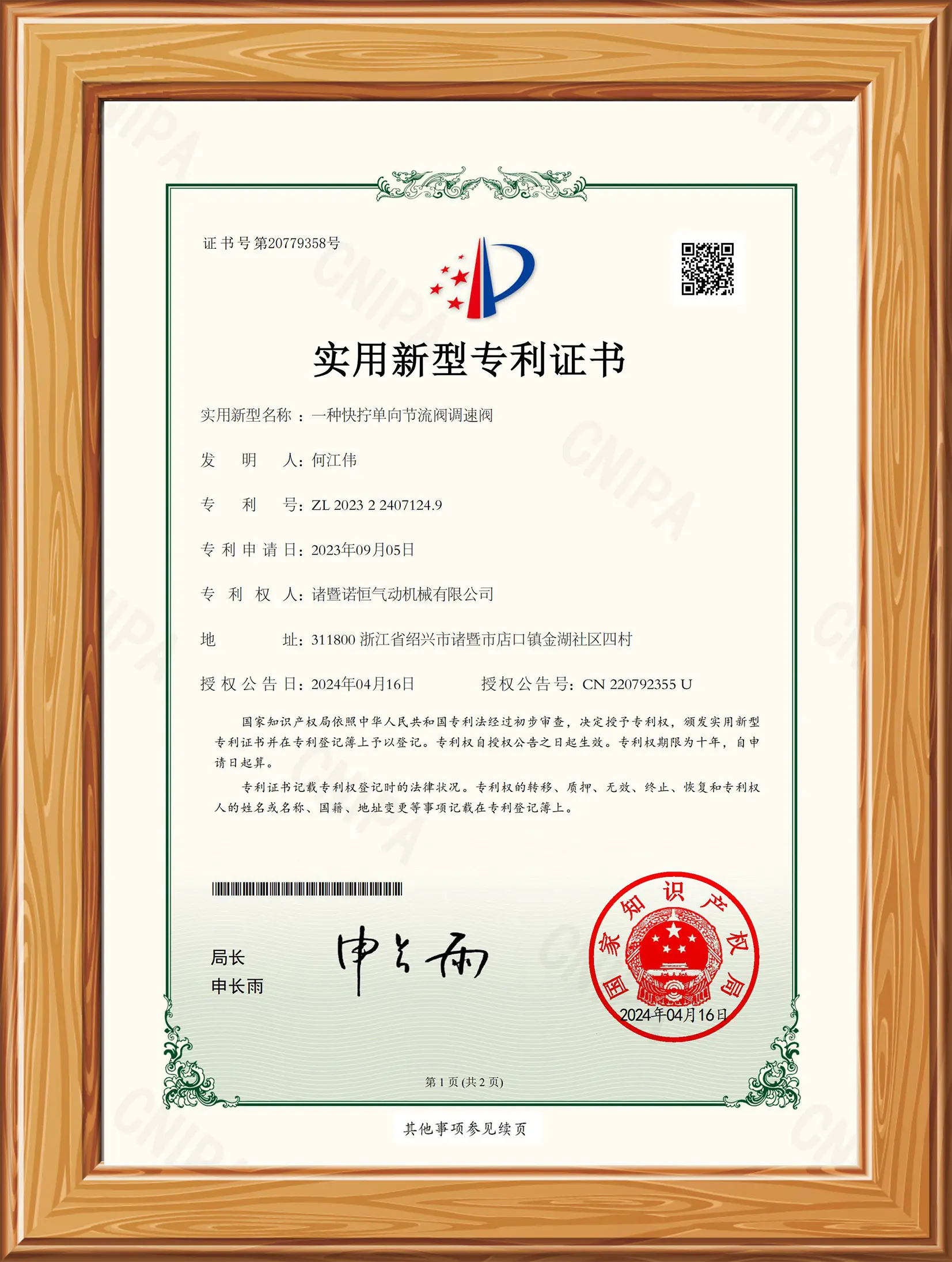
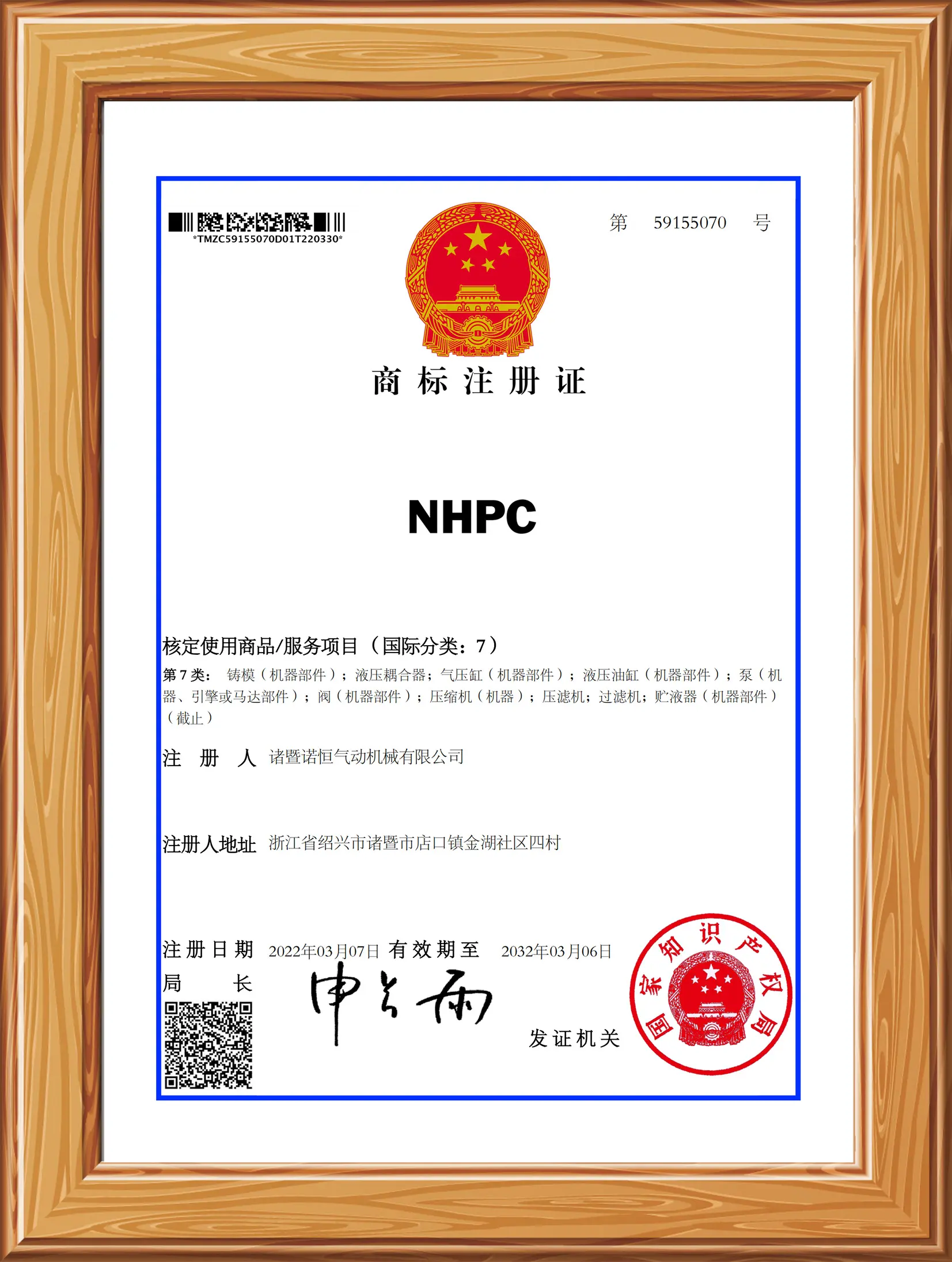
The global industrial components landscape is shifting rapidly, driven by environmental regulations and the push for smarter systems. Manufacturers of brass compression products must continually adapt to these evolving demands to maintain their competitive edge. Below are the key technological trends shaping the next decade of fluid power and connectivity:
Global environmental mandates, such as California's Safe Drinking Water Act (AB1953) and European RoHS/REACH updates, are restricting traditional leaded brass alloys. The industry is adopting alternative formulations like silicon-brass or bismuth-brass. These lead-free alloys offer the necessary tensile strength and corrosion resistance without compromising environmental compliance.
Industrial IoT (IIoT) is changing how factories monitor fluid systems. Next-generation brass fittings are integrating micro-sensors directly into the fitting body. These smart connectors track pressure drop, temperature variations, and vibration levels in real-time, sending data to central management systems to enable predictive maintenance and prevent unexpected line failure.
Operating in harsh offshore, mining, and wastewater environments demands superior surface protection. Electroless nickel plating (ENP), physical vapor deposition (PVD), and specialized passivation techniques are becoming standard. These advanced coatings create a barrier against corrosive chemicals, expanding where brass fittings can be used without requiring expensive stainless steel upgrades.
While CNC machining remains the standard for high-volume production, metal 3D printing (selective laser melting) is emerging for custom, complex geometries. This allows design engineers to optimize internal fluid paths, reduce turbulence, minimize pressure drops, and create lightweight fitting configurations that are difficult or impossible to make with traditional forging methods.
Get authoritative answers to technical and supply chain questions about brass compression fittings.
Brass compression fittings secure connections using a compression nut and ferrule (either single or double), which deforms slightly against the tubing wall as the nut is tightened. This mechanical grip handles higher pressures and is highly reliable for rigid metal tubing. Push-in fittings, on the other hand, use an internal collet (or grab claw) and O-ring to grip soft polymer tubing (such as PU, PE, or Nylon). This allows for quick, tool-free installation and removal, making them ideal for pneumatic automation systems.
Our DOT-approved air brake fittings go through a rigorous validation process. We run continuous batch tests for burst pressure limits, tensile pull-out strength, high-vibration fatigue, and extreme temperature tolerance. Using high-grade brass, precision-engineered brass inserts, and robust NBR/EPDM seals ensures the fittings maintain airtight connections under severe road conditions and extreme ambient temperatures.
For standard components, we use durable, easily machinable alloys like HPb59-1, C3604, or C3771. For drinking water networks and regions with strict lead regulations (like North America and parts of Europe), we supply certified lead-free brass (containing less than 0.25% lead, such as C87800 or C69300). These materials offer the same strength and corrosion resistance while meeting all safety regulations.
Yes, we provide comprehensive OEM/ODM services. Our engineering team works directly from your 2D/3D CAD models, sketches, or samples. Once designs are approved, custom prototyping typically takes 7 to 15 business days. Mass production lead times vary based on the quantity and complexity of the order, generally ranging from 20 to 35 days.
In large battery energy storage systems (BESS), managing heat and preventing fires is critical. Our flame-retardant fitting series (PLF, PE, PC) are built using specialized, self-extinguishing materials rated for high flame resistance. In the event of a thermal incident, these fittings maintain structural integrity, preventing the spread of flames and keeping coolant lines and fire protection systems functioning properly.
Selecting the correct thread style is critical to prevent leaks. G-threads (also known as BSPP) are parallel threads that seal using a flat washer or O-ring. NPT threads are tapered, sealing through thread-to-thread contact, often requiring sealant tape or liquid thread compound. BSPT is another tapered option popular in Commonwealth markets. Our technical engineers can help you identify and match the correct thread type for your existing equipment to ensure a perfect fit.
Engineered configurations designed for high reliability, tight tolerances, and leak-free installations.
 Nuoheng