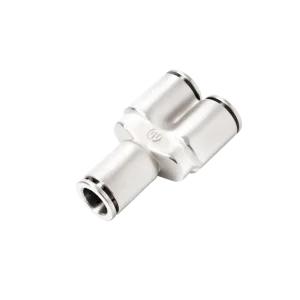
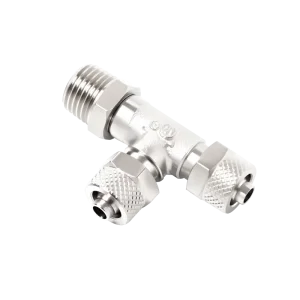
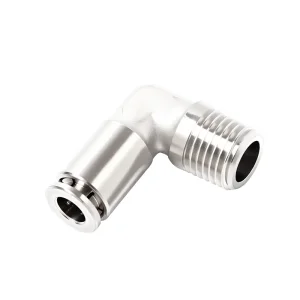
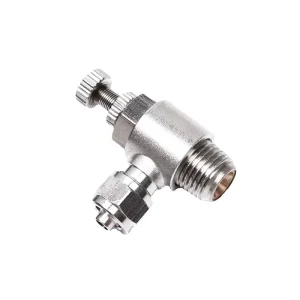
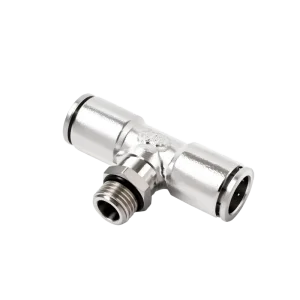
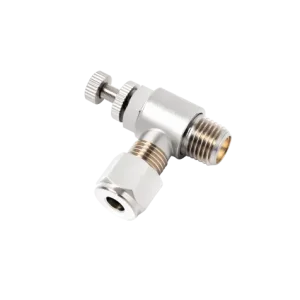
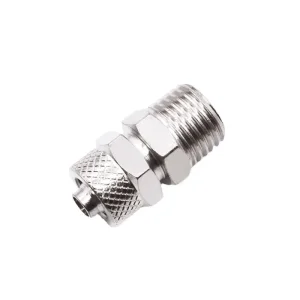
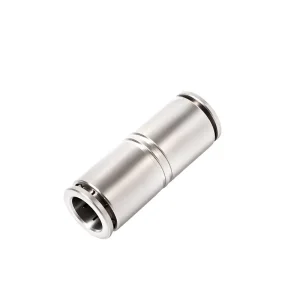
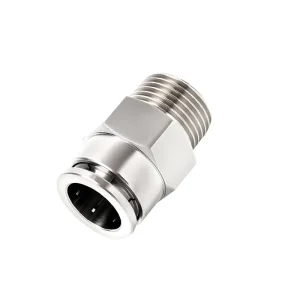
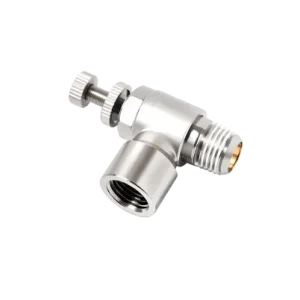
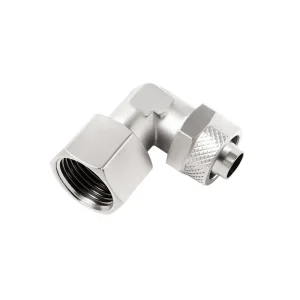
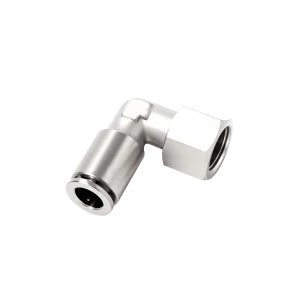
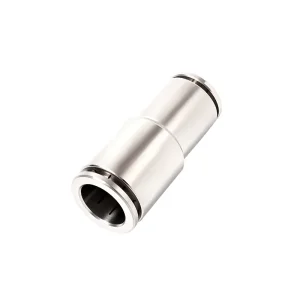
Explore our premium product line featuring high-precision push-in and push-on components engineered for zero-leak performance and industrial durability.
In the rapidly evolving landscape of modern industrial automation, the efficiency of fluid power and pneumatic delivery networks sits at the very core of system operational continuity. Quick pipe connect technologies, commonly referenced as push-in and push-to-connect systems, have transitioned from optional conveniences to mandatory components in high-throughput production schemes. Across North America, the European Union, and the Asia-Pacific region, the demand for fast, leak-free, and toolless pneumatic linkages is rising.
This shift is driven primarily by the transition toward Industry 4.0 paradigms. Automators require highly flexible piping topologies that support swift tool reconfiguration and minimal maintenance windows. Traditional threaded assemblies are increasingly replaced by quick-connect configurations. These advanced connectors prevent performance degradation caused by mechanical vibration, extreme temperature fluctuations, and aggressive chemical exposure.
SEO Insight: Modern pneumatic architectures must focus on minimizing structural flow restrictions (pressure drop) and maximizing locking claw resilience to assure long-term sealing efficiency across variable operating pressures.

We combine advanced fluid-dynamic engineering with component production to supply end-to-end fluid systems optimized for low pressure drop and ease of installation.
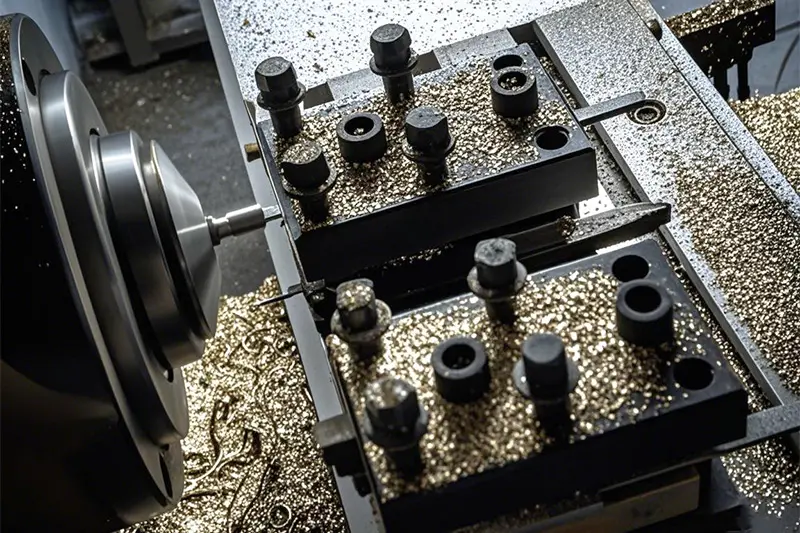
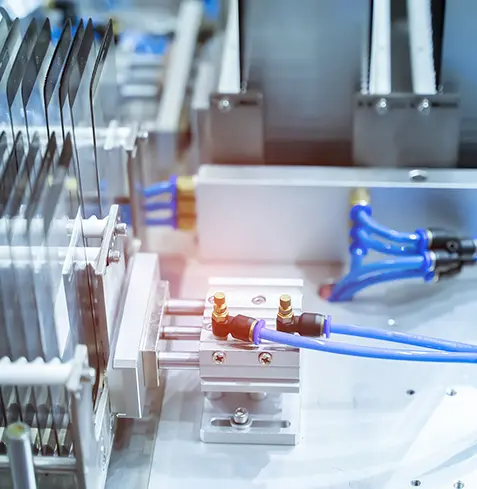
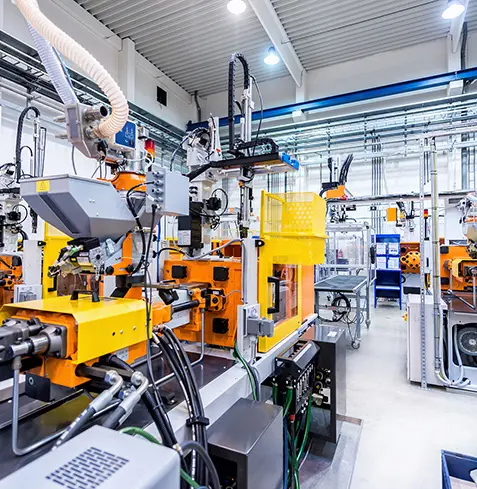
Leveraging high-precision CNC lathes, injection molding cells, and multi-stage testing setups to enforce micron-level tolerances on all sealing and locking components.
Chinese pneumatic manufacturing hubs have evolved past basic copying processes, emerging as global leaders in material science, precision execution, and value optimization. Today, top manufacturers like NHPC integrate complete domestic supply chains that span from raw brass smelting and chemical formulation of elastomers to high-speed automated assembly lines.
The production efficiency of Chinese facilities is anchored by two critical factors: vertical integration and rapid iteration cycles. By keeping precision CNC brass cutting, surface treatment, mold building, and cleanroom injection molding under one roof, NHPC reduces typical production lead times by up to 40% compared to Western competitors.
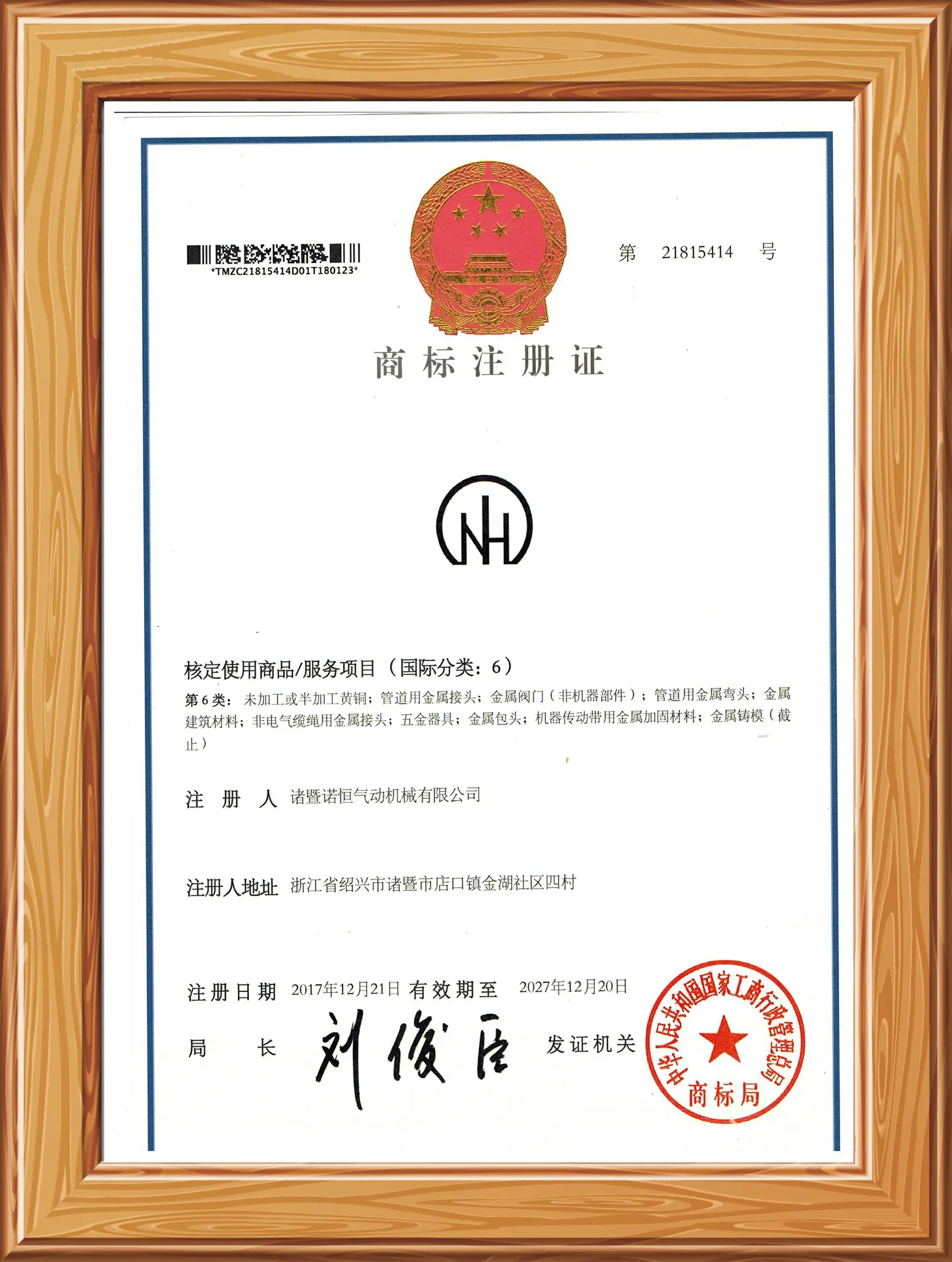
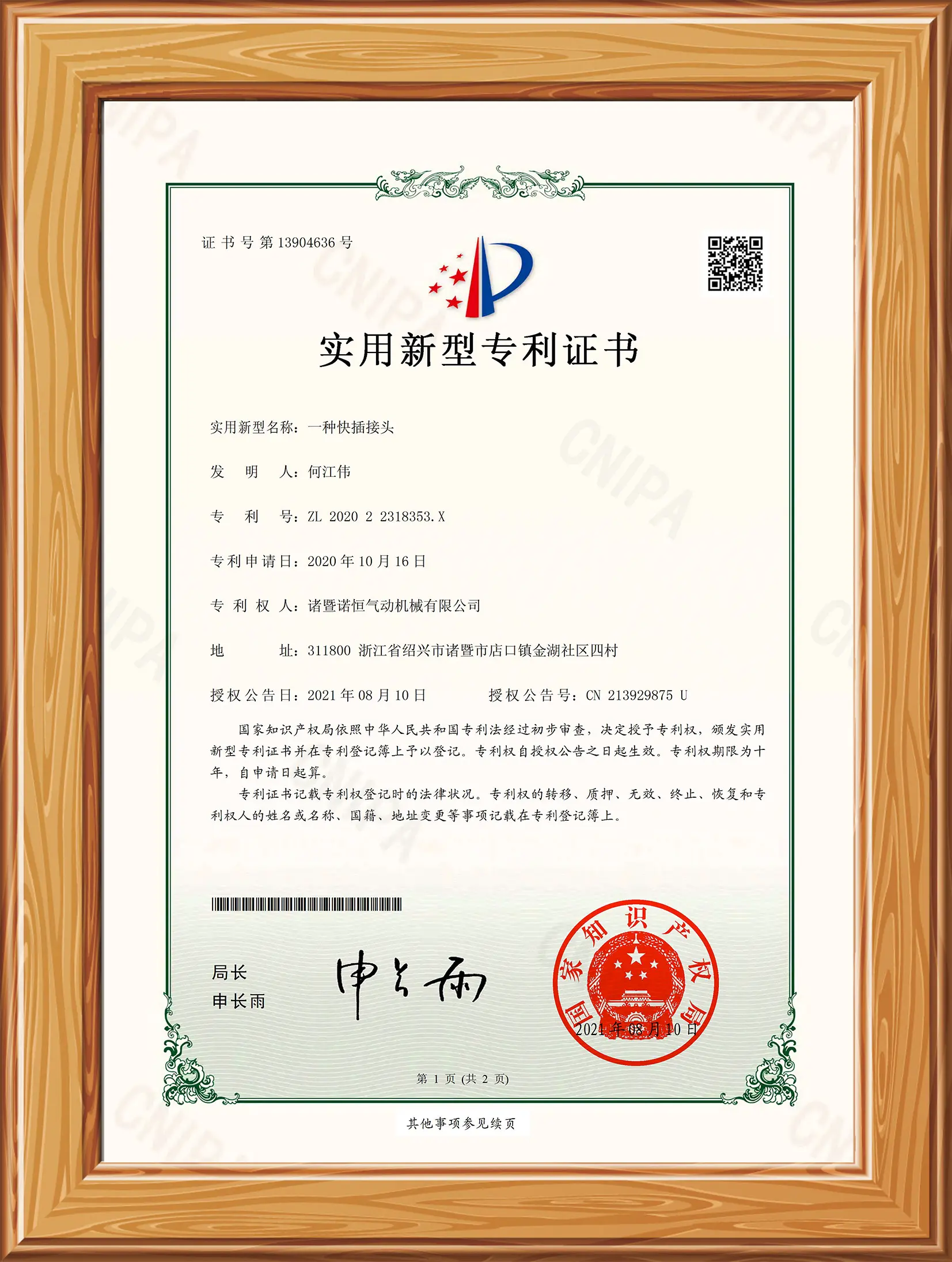
Established over 15 years ago, Zhuji Nuoheng Pneumatic Machinery Co., Ltd. (NHPC) operates on a straightforward corporate vision: to supply the industrial automation market with high-durability, zero-defect pneumatic connections. Our comprehensive component portfolio includes push-in fittings, push-on fittings, flow control throttles, quick couplers, PU/PE piping, and engineered client-specific pneumatic layouts.
We operate with the understanding that small connection components safeguard large-scale industrial operations. A single fitting failure can stop an entire assembly line, leading to substantial downtime losses. Therefore, we utilize premium raw materials, strict engineering tolerances, and continuous quality audits to guarantee that each shipment performs reliably under high cycle rates and high operating pressures.
Every component designed and produced by NHPC must satisfy strict quality performance metrics before packaging and dispatch:
Explore our highly specialized solutions designed to meet the demands of advanced automotive air systems and industrial battery energy storage installations.


Our quick pipe connection components are optimized to perform in critical industrial environments globally, meeting regional safety certifications and performance standards.
The versatility of modern push-to-connect systems allows for integration across distinct industrial domains. The mechanical structure of quick-connect fittings must be customized to handle the specific operational demands of each industry.
Energy Storage Fire Protection: Modern Battery Energy Storage Systems (BESS) represent extreme environmental challenges. Due to thermal runaway risks, fire protection conduits require flame-resistant and flame-retardant pipe fittings. Our specialized PLF, PE, and PC series are engineered using self-extinguishing polymers that maintain connection integrity under direct thermal stress.
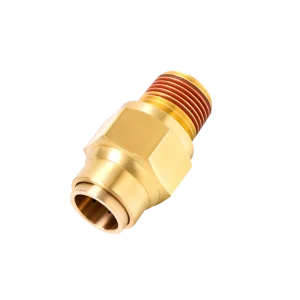
Heavy-Duty Transportation Brake Lines: Air brake systems on utility trailers and heavy-duty vehicles require strict adherence to international safety standards. Our Brass DOT Air Brake Line Fittings meet the FMVSS 106 standard, ensuring they withstand road grit, temperature fluctuations, and cyclic pressure stresses.
Industrial Automation & Robotics: Rapid movement in pick-and-place robotics puts continuous mechanical strain on connections. Lightweight composite push-in fittings reduce the dynamic inertia of robotic arms, enabling high cycle speeds and reduced motor wear.
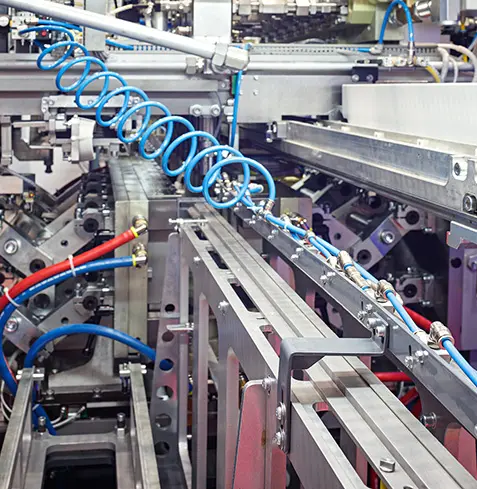
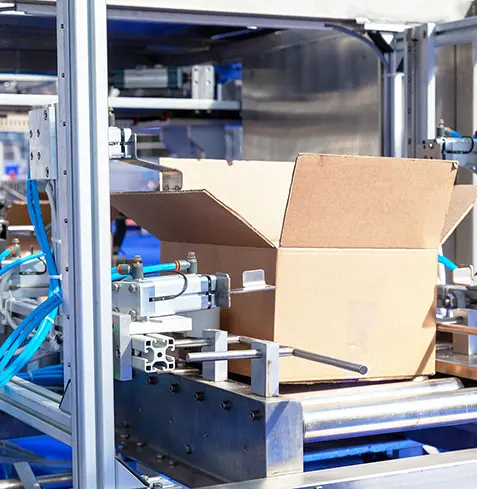
Procurement teams are moving away from evaluating component cost in isolation, focusing instead on Total Cost of Ownership (TCO) and long-term risk mitigation. A cheap fitting choice that causes leakages or fractures results in high operational costs through compressed air loss and unplanned downtime.
When purchasing components globally, technical audits must evaluate several core performance metrics:
The pneumatic industry is adapting to meet clean energy goals and factory digital twins. Next-generation quick connectors are engineered with three primary objectives:
Energy Efficiency and Leak Containment: Compressed air is one of the most expensive energy carriers in modern factories. Minimizing leakages at connection points directly lowers electrical overheads.
Bio-Compatible and Chemical-Resistant Materials: Traditional acetal resins are increasingly replaced by PVDF, PBT, and 316L stainless steel formulations to support high-temperature sterilization, aggressive chemical washdowns, and low outgassing in semiconductor cleanrooms.
Smart Connection Nodes: Industry research is focused on integrating miniature pressure and flow sensors directly into quick connect structures to report localized performance variations to centralized systems.
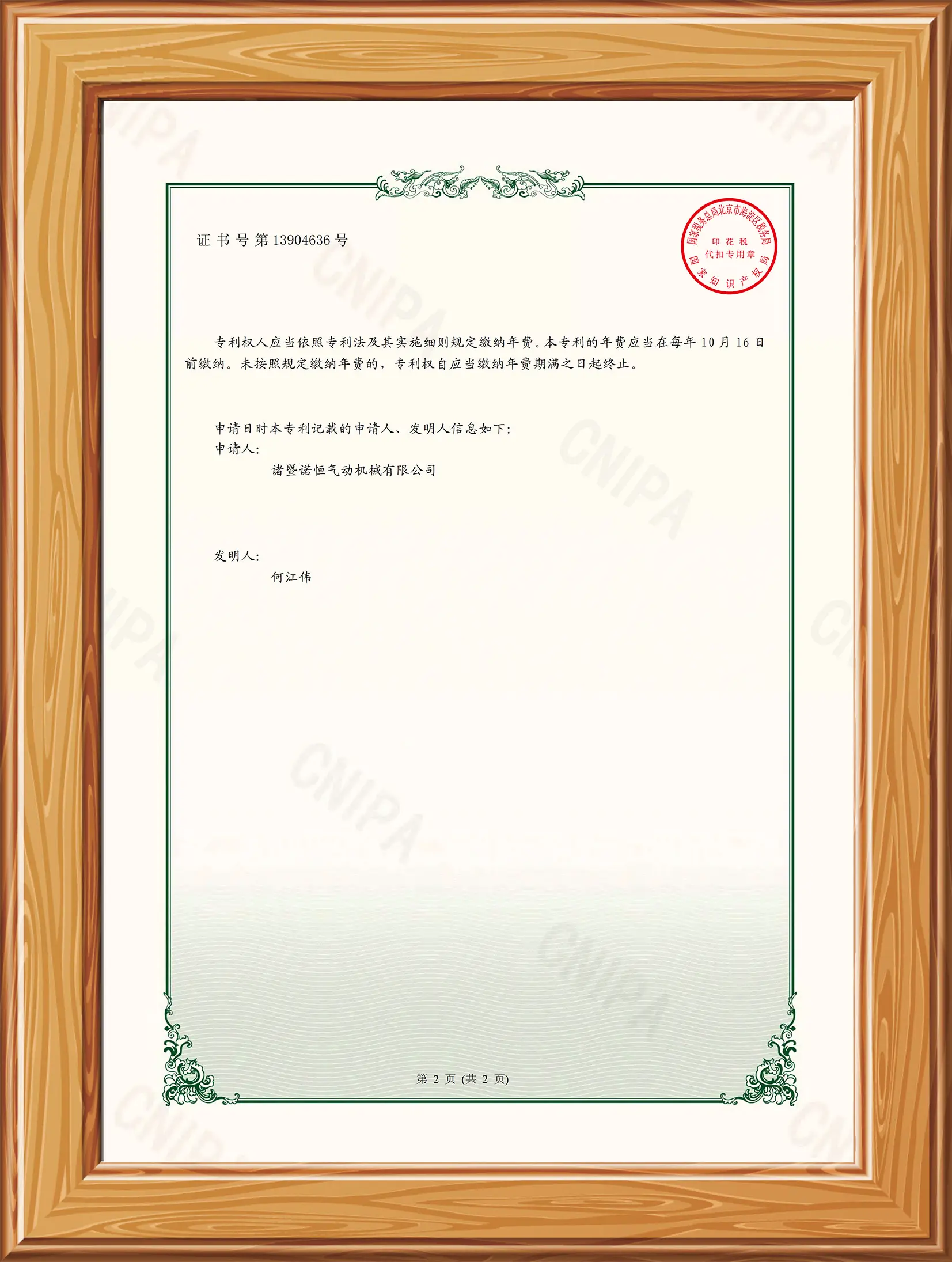
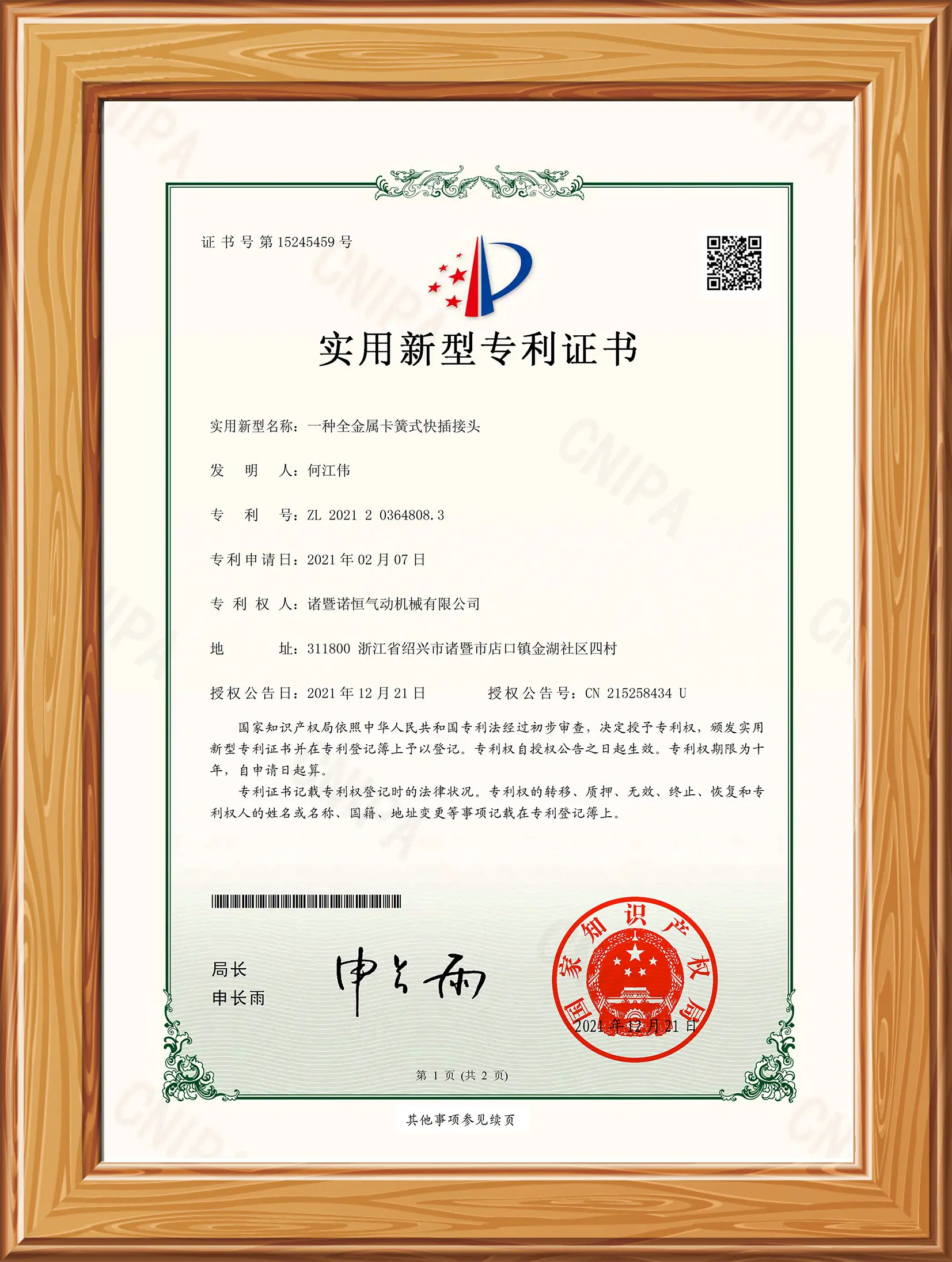
Our manufacturing workflow and finished products conform to stringent global inspection standards, ensuring complete regulatory alignment for global supply chains.
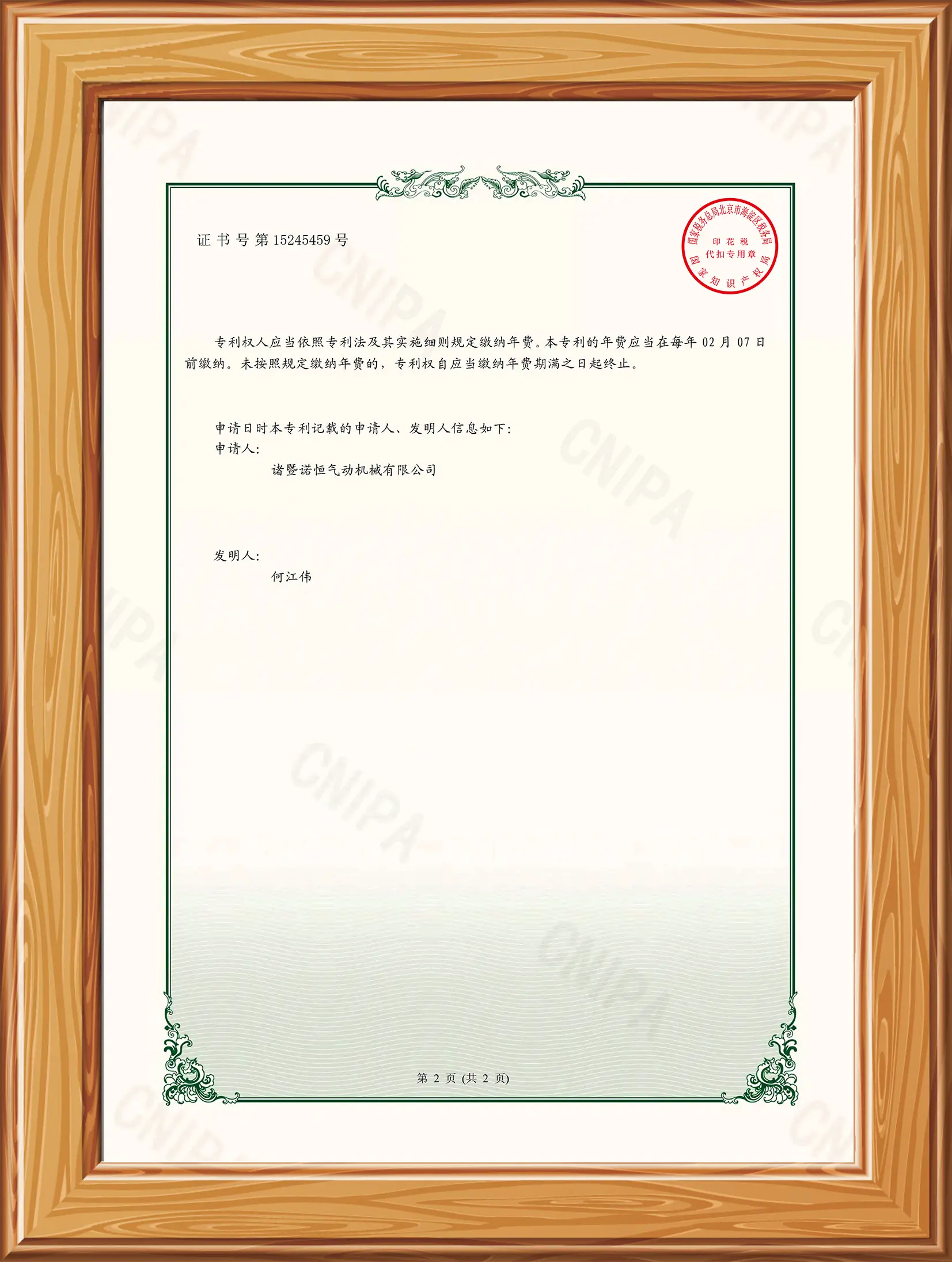
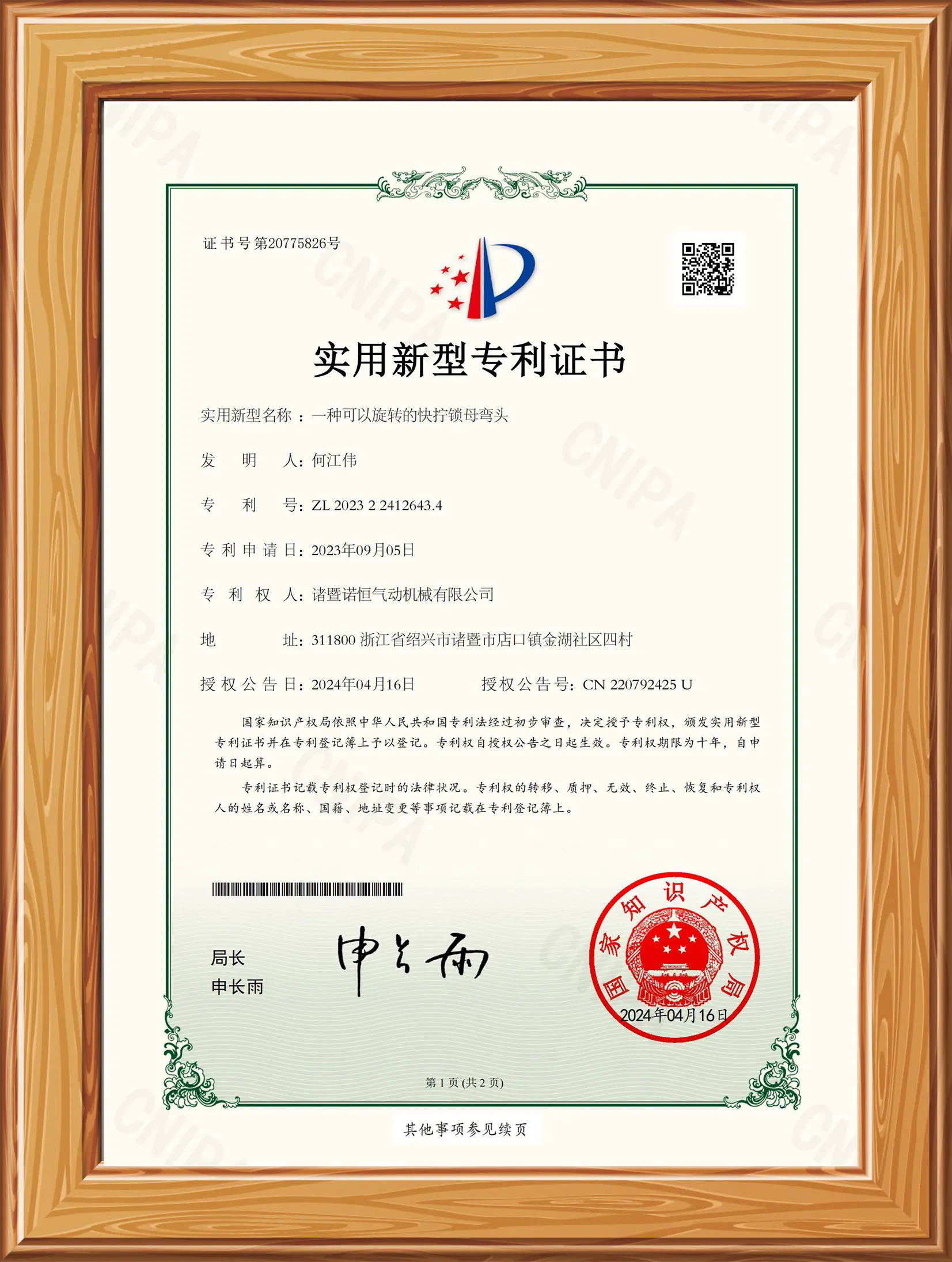
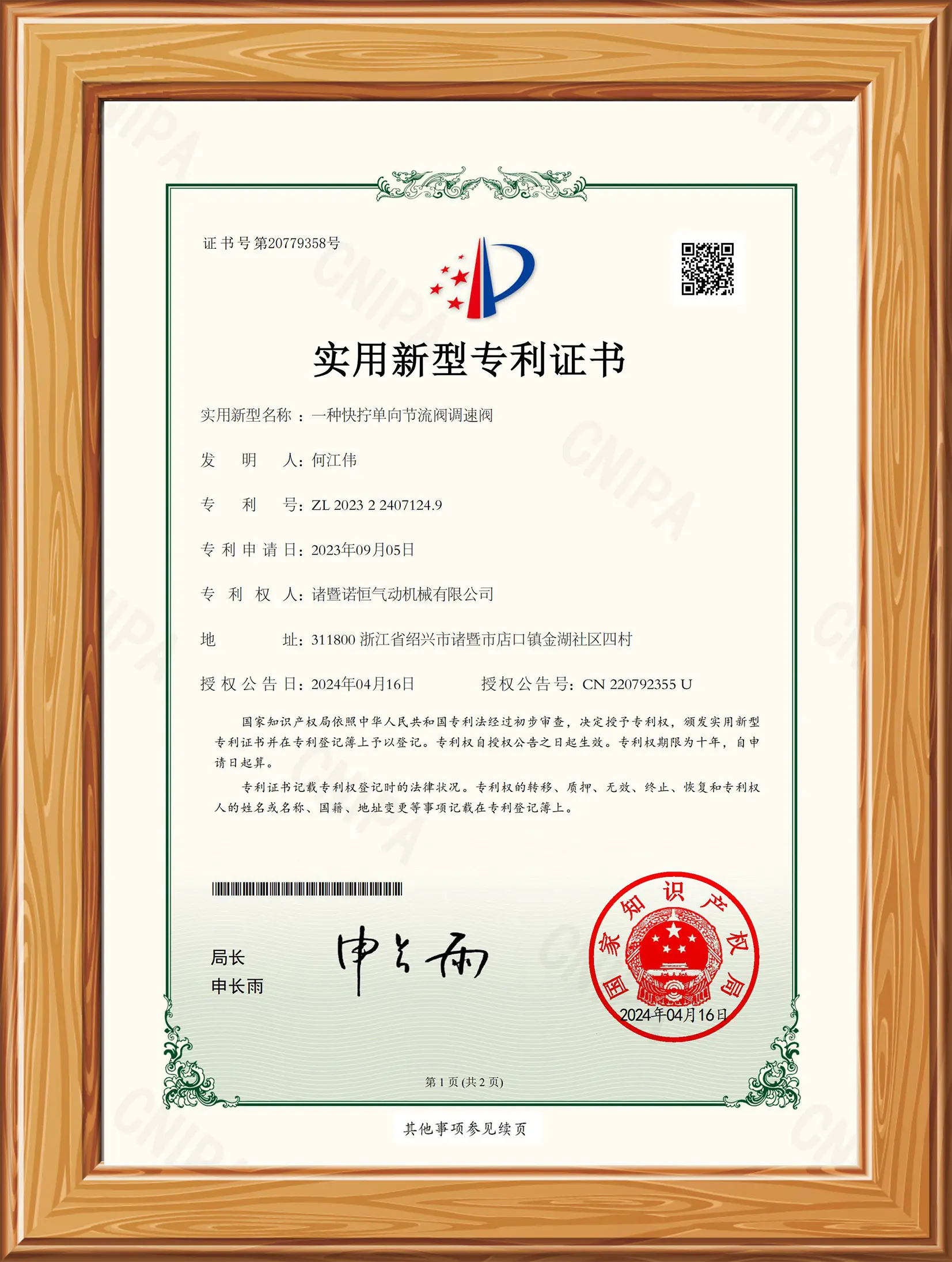
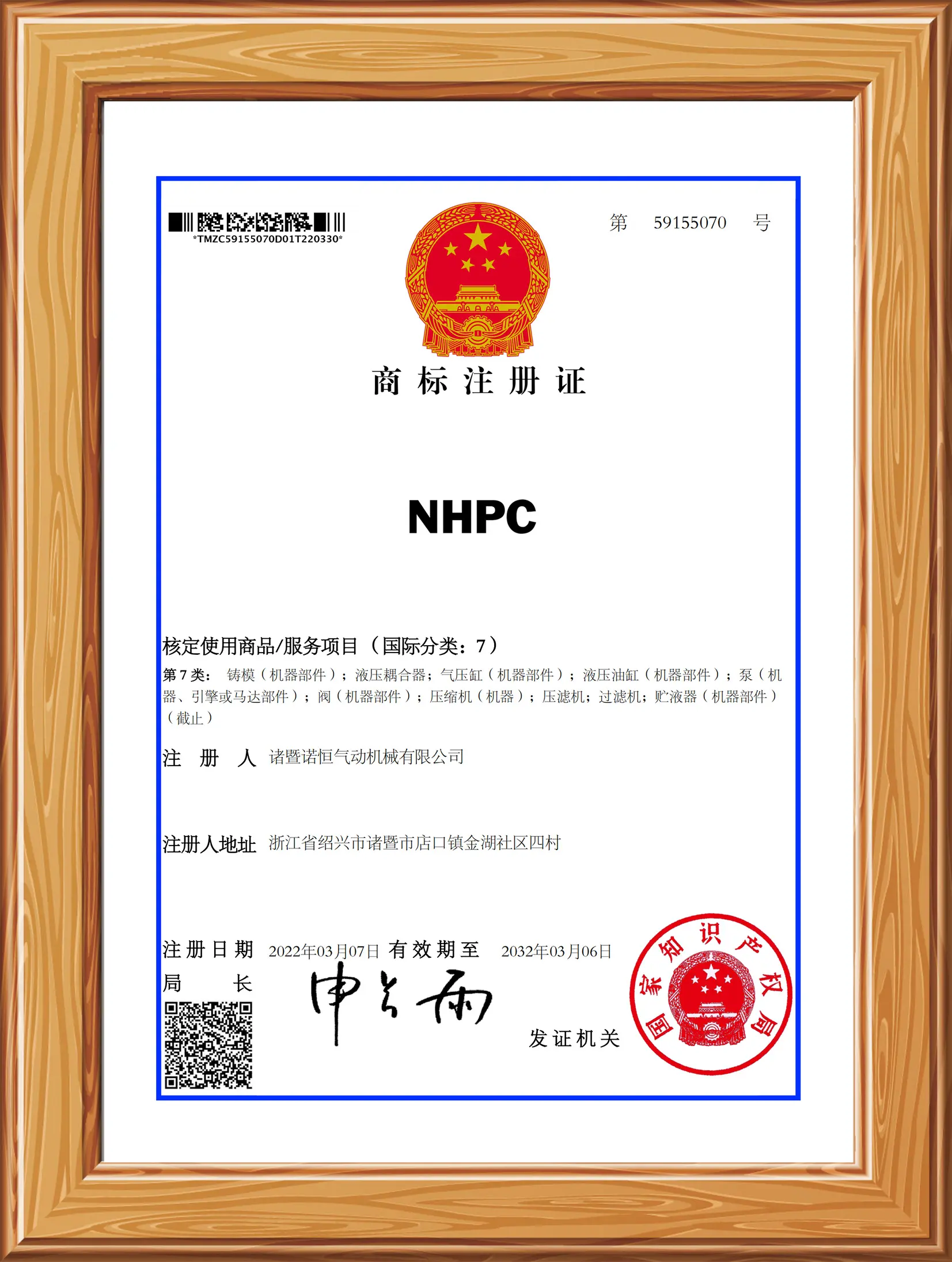
Expert answers addressing the design, material selection, installation parameters, and compliance standards of our connection systems.
Push-in fittings utilize an internal stainless-steel locking collet (grab ring) that grips the outer diameter of the tubing when it is inserted. Sealing is achieved via a internal O-ring. Disconnection is completed by pressing the release sleeve inward to retract the grab ring teeth. Push-on (or compression) fittings require pushing the tubing over an internal barb and manually tightening a outer locking nut onto the fitting thread to clamp the tube in place. Push-in models are preferred for fast installation cycles, whereas push-on models provide high mechanical safety in high-vibration systems.
Our fire-retardant series (PLF, PE, PC series designed for Battery Energy Storage Systems and fire control modules) are molded using modified polybutylene terephthalate (PBT) and polyamide (Nylon 66) compounds formulated with halogen-free flame retardants. This material composition ensures that when exposed to ignition sources, the polymer self-extinguishes within 10 seconds without producing burning droplets. This meets the UL94 V-0 flame retardancy standard.
Yes, our DOT series is designed and manufactured in compliance with FMVSS 106 (Federal Motor Vehicle Safety Standards) and SAE J2494 specifications. They are suitable for automotive and commercial vehicle pneumatic brake lines, cabin control networks, and auxiliary suspension systems. They utilize specialized brass bodies and internal support inserts to maintain tube roundness under high vibration and temperature cycles.
All raw brass stock utilized in NHPC production is subjected to spectroscopic alloy verification before machining. For European and North American projects that require strict environmental compliance, we utilize lead-free brass (e.g., CW724R or C46400) or nickel-plated options that comply with the EU RoHS Directive and the US Safe Drinking Water Act.
Yes, our technical team provides custom design and prototyping services. Utilizing CAD/CAM modeling and CNC execution, we design specialized multi-port manifolds, integrated flow control systems, and unique thread/metric-to-inch adapters to meet custom client layouts. Custom production runs are subject to standard minimum order requirements based on tooling complexity.
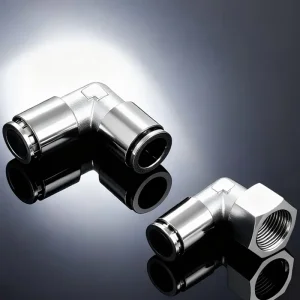
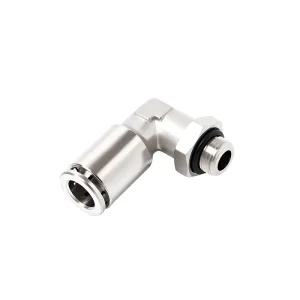
Explore our selection of control valves, rotatable elbow fittings, and heavy-duty brass connections built for industrial piping applications.
 Nuoheng