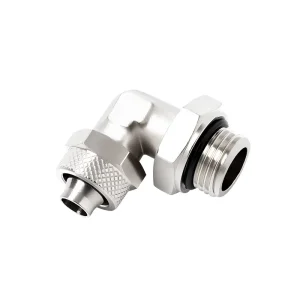
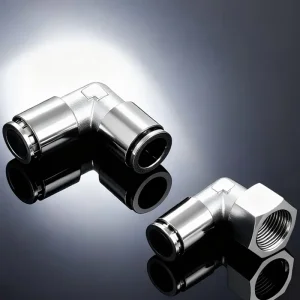
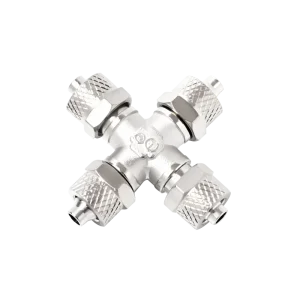
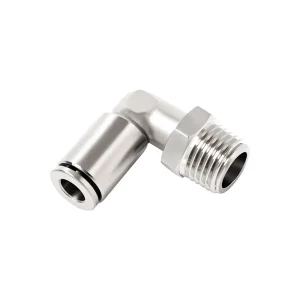
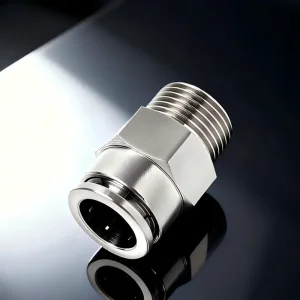
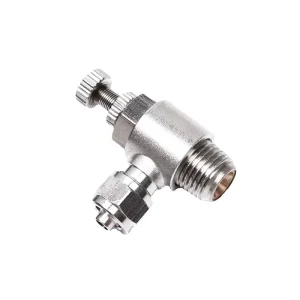
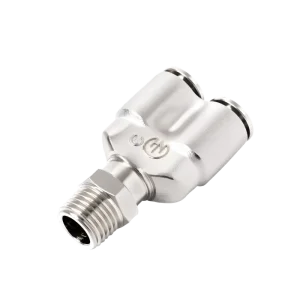
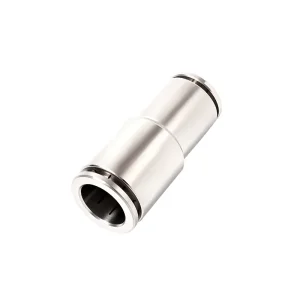
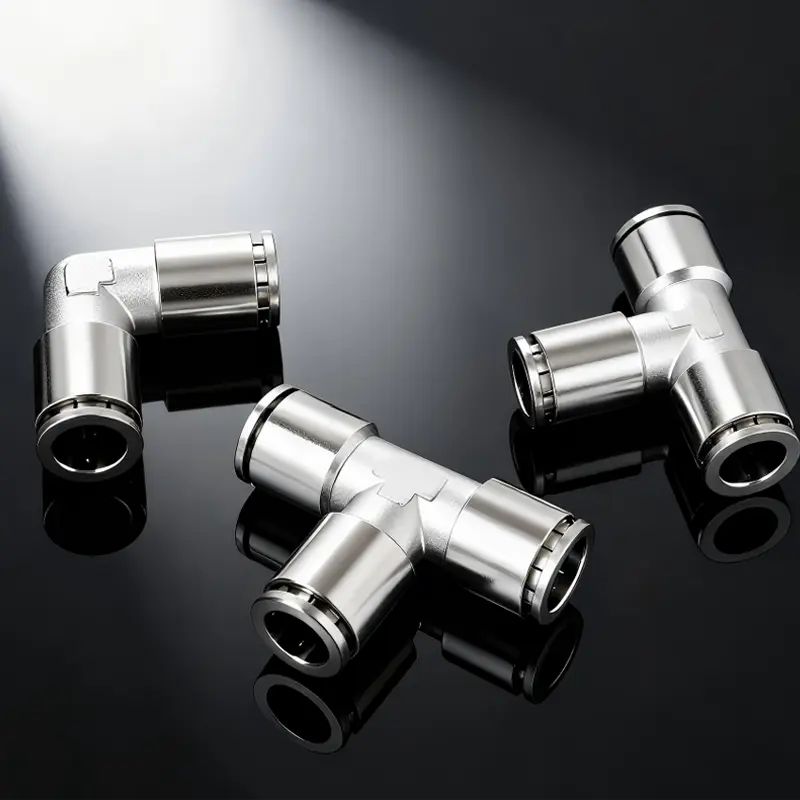
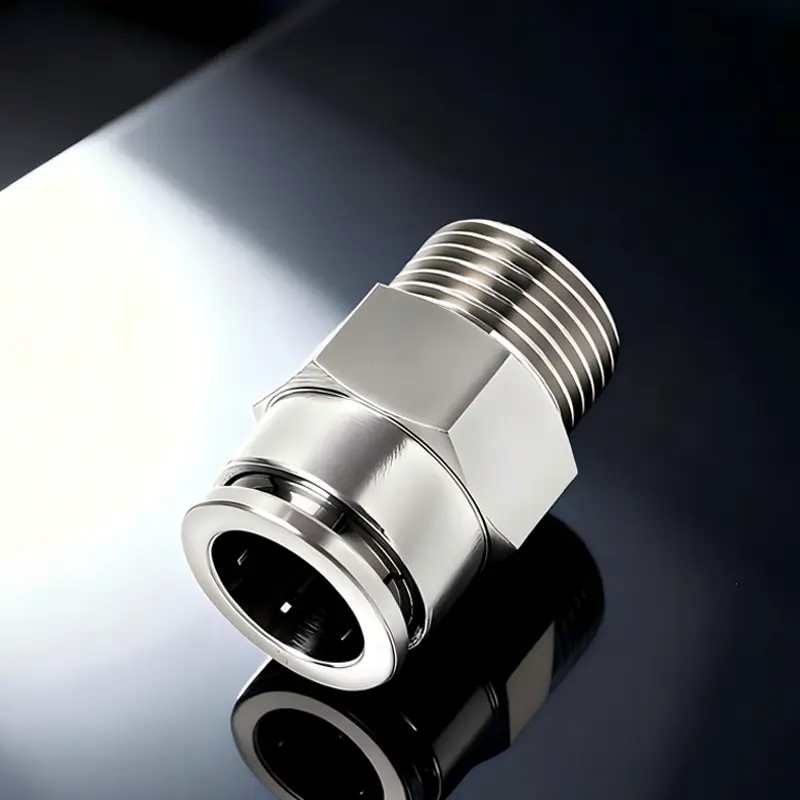
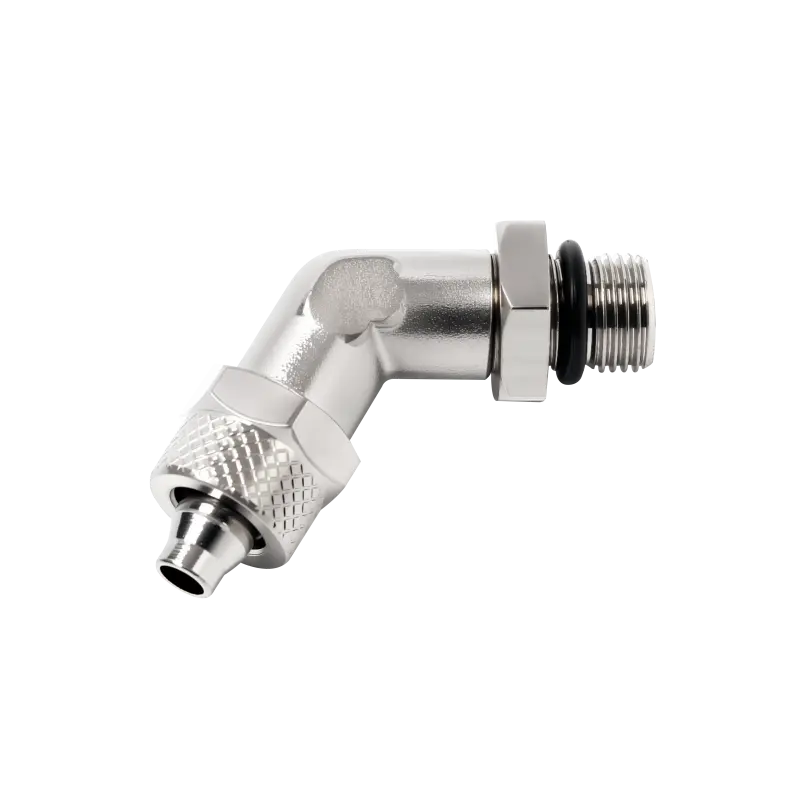
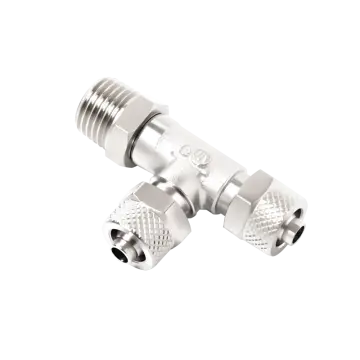
Explore our premium grade metal and hybrid push-to-connect components designed for robust automation control and leak-free operations.
Analyzing the raw material security, vertical cluster systems, and technical innovations that characterize modern metal pneumatic connectors from China.
The global demand for high-performance metal air hose fittings has grown concurrently with the rise of complex industrial automation, high-stress pneumatic machinery, and new infrastructure energy storage systems. China's emergence as the premium global hub for metal air hose fittings manufacturing is not merely a story of production volume; it is a manifestation of vertical supply chain integration, advanced materials engineering, and the execution of stringent quality management standards.
Most of China’s premium pneumatic component manufacturers are concentrated within industrial clusters such as Zhuji, Zhejiang. This geographical alignment provides factories with instant access to local copper refineries, dedicated surface treatment facilities (zinc-nickel plating, electroless nickel plating), high-precision CNC lathe manufacturing networks, and automated assembly specialists. This concentration significantly reduces internal logistics overheads, minimizes production lead times, and allows for rapid customization cycles for global OEM and ODM procurement programs.
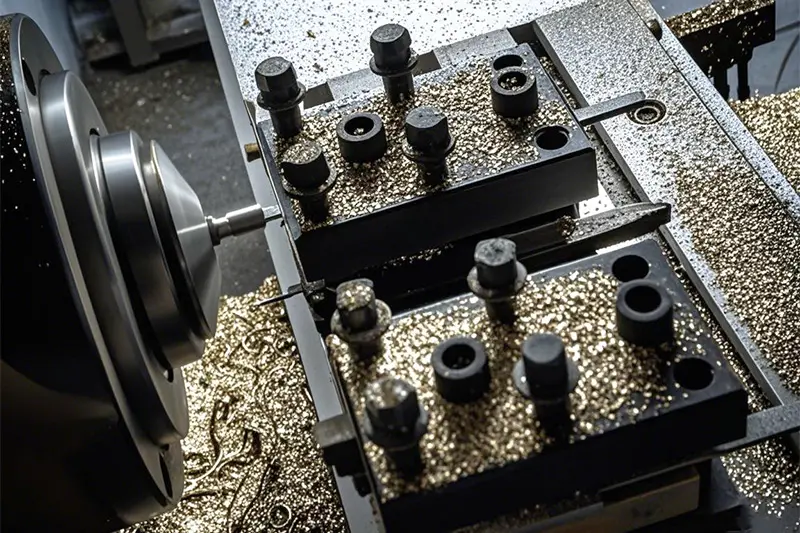
High-quality manufacturers utilize state-of-the-art CNC machining lines capable of executing tolerance levels of ±0.01 mm. This level of precision is critical for the production of thread configurations (such as NPT, BSPT, and G threads/BSPP) and ensures bubble-tight sealing with air lines. Modern brass fittings are treated with robust corrosion inhibitors, and stainless steel versions undergo advanced passivating treatments to satisfy harsh chemical environment demands. Furthermore, components that interface with energy storage systems are crafted to comply with strict flame-retardant standards (UL 94 V-0 classification), ensuring structural integrity under elevated heat loads.
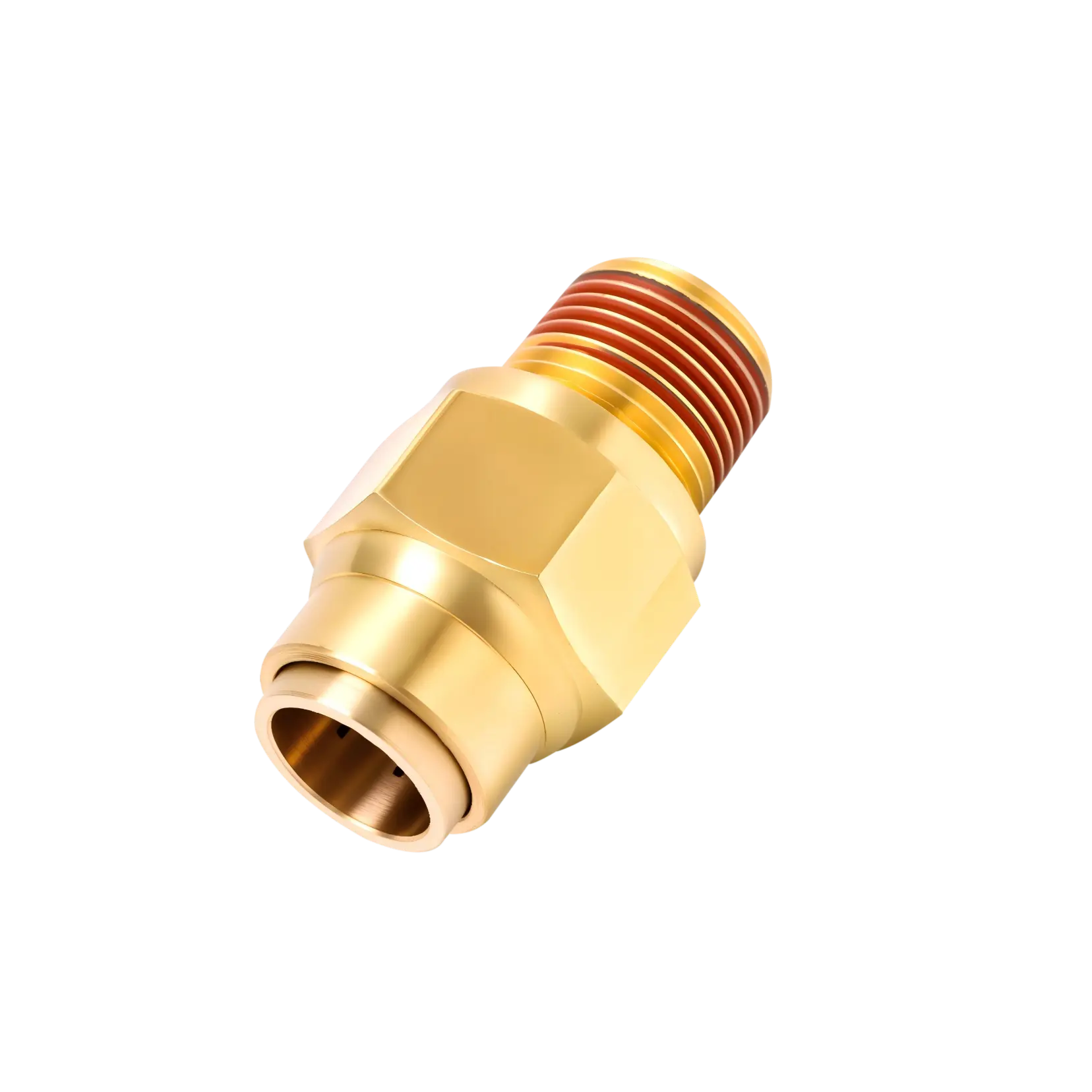
Usage of certified HPb59-1 brass, lead-free copper variants, and high-tensile stainless steel to prevent stress corrosion cracking under elevated operational pressures.
Highly precise tooling for dynamic G threads, tapered BSPT, and NPT threads to ensure reliable, leak-free mechanical seals across divergent tube sizes.
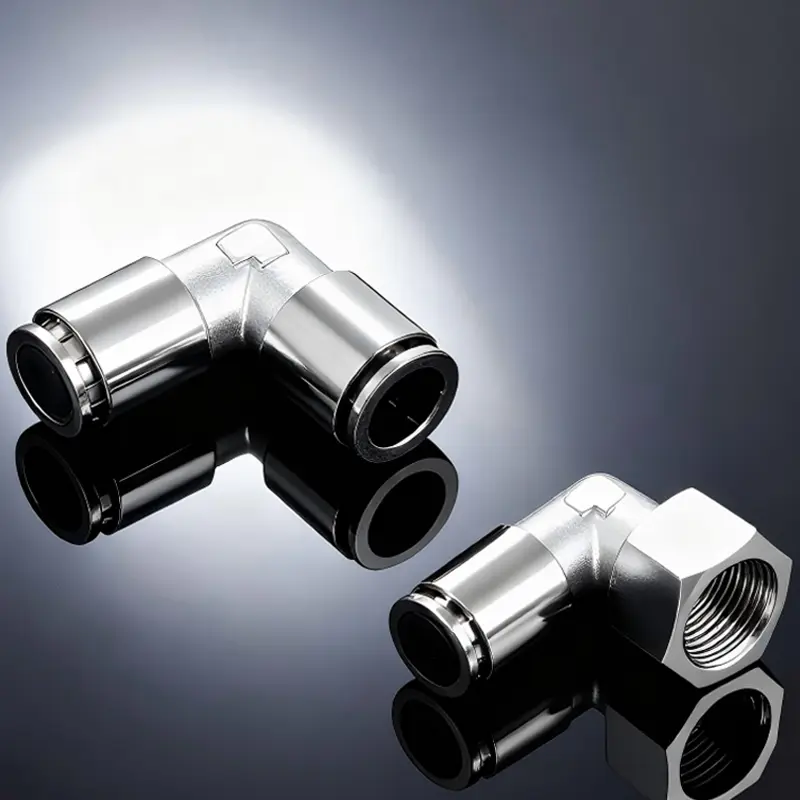
Industrial-grade nickel and chrome plating that enhances corrosion resistance, limits galvanic reactions, and extends the service life of parts in humid environments.
Take an in-depth look at Nuoheng Pneumatic Machinery's automated production systems, precision testing chambers, and quality controls.
With over 15 to 20 years of technical expertise in pneumatic system layouts, Nuoheng Pneumatic Machinery Co., Ltd. (NHPC) oversees the entire pipeline lifecycle. We execute every step from design, raw material analysis, and casting, to multi-spindle CNC machining and automated functional testing.
Our facility houses high-speed injection molding lines, advanced cold-stamping units, heavy-duty die casting systems, and professional surface-treatment units. This complete mechanical sovereignty allows us to uphold rigorous quality checking thresholds, reducing reject rates to fewer than 50 parts per million (PPM).
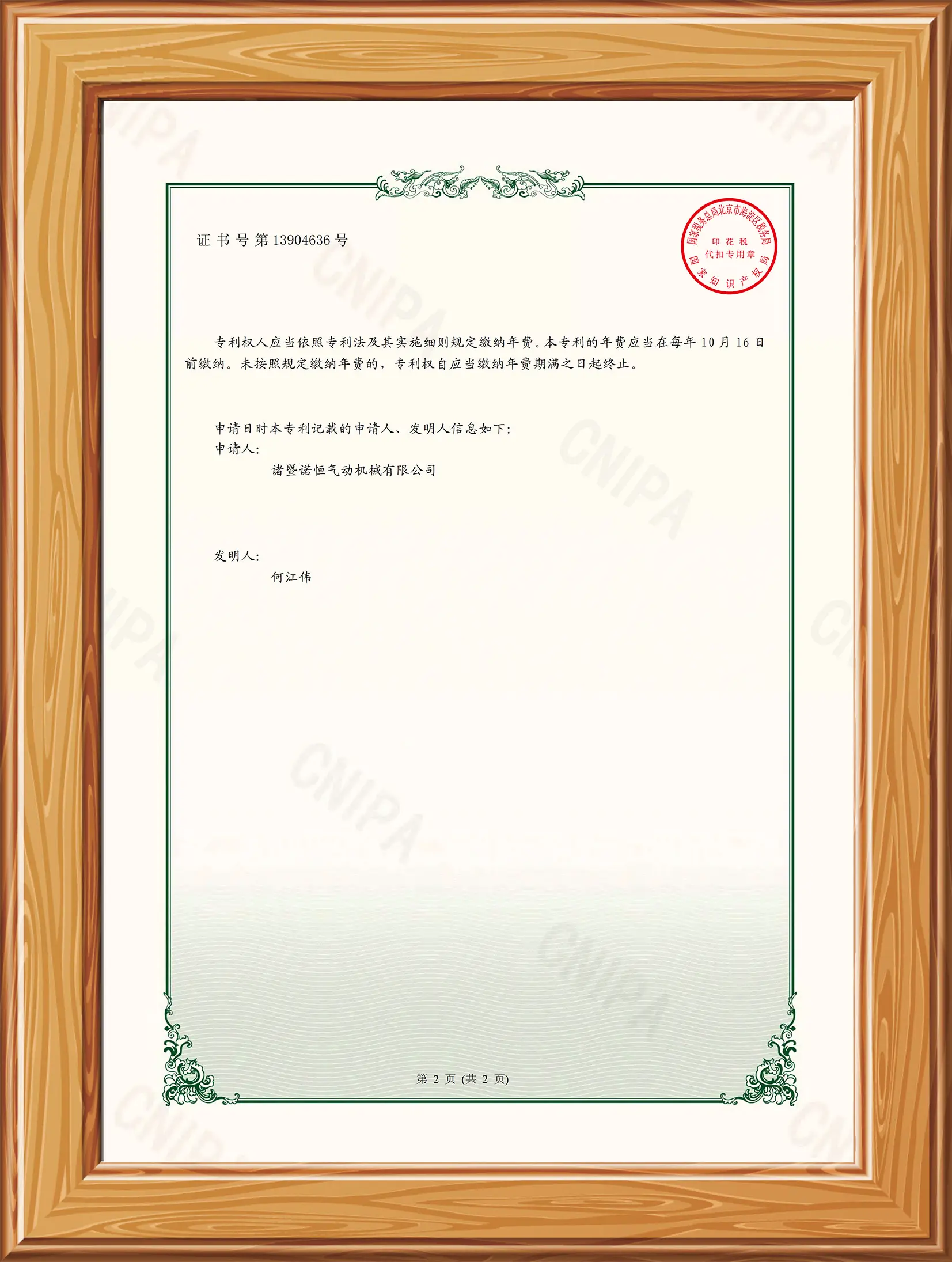
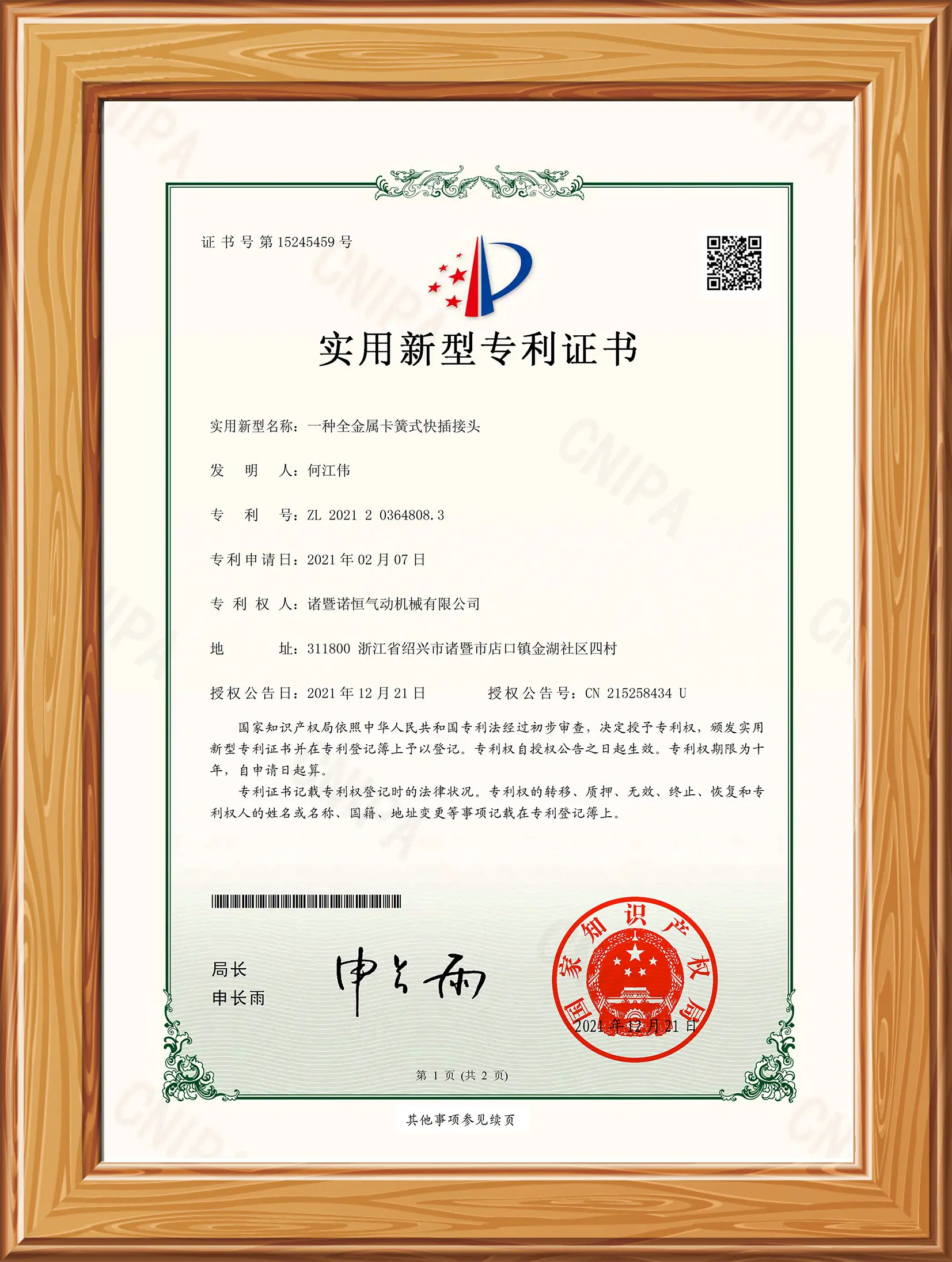
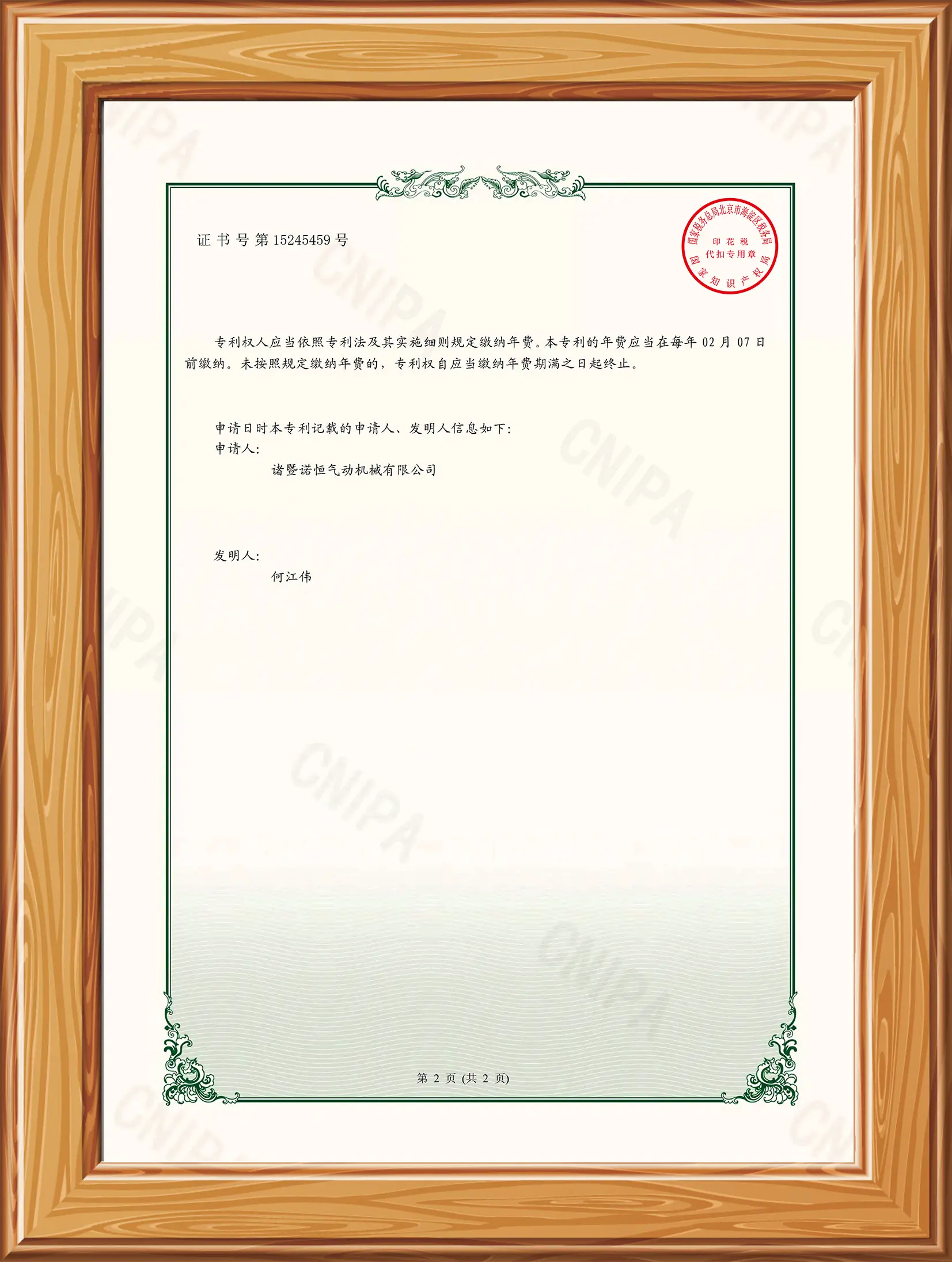
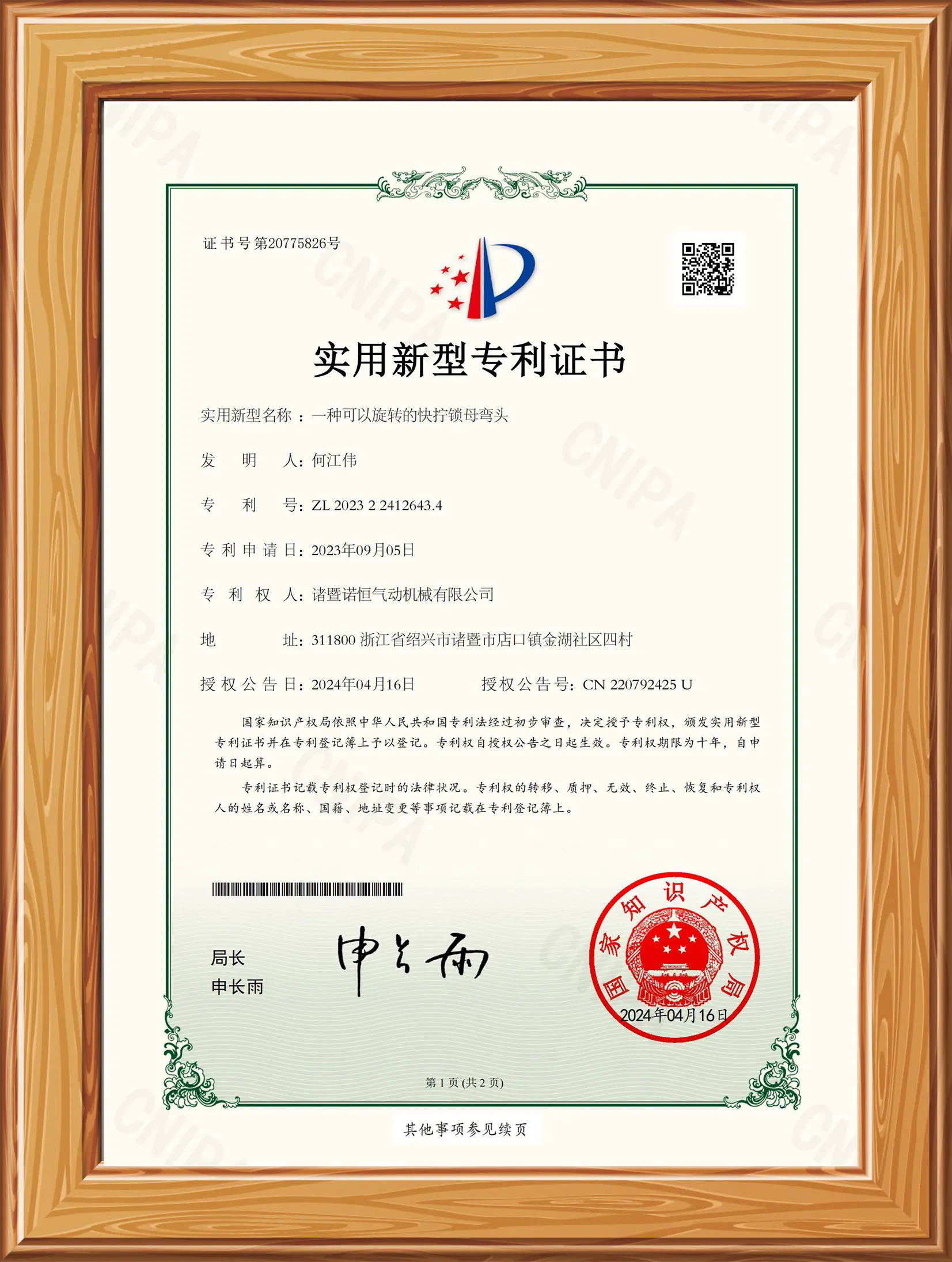
Understanding the intersections of national regulations, chemical compatibility, and regional operating standards for metal pneumatic connections.
International procurement agents must ensure imported metal air hose fittings align with the regulatory frameworks of the destination countries. In the United States, pneumatic fittings integrated into automotive braking mechanisms must comply with the Department of Transportation (DOT) guidelines under **FMVSS 106** standards. This requires specific pull-out strengths and pressure resistance under vibration. In the European Union, the **RoHS directive** dictates strict controls on hazardous substances, making it essential to source lead-free brass or stainless steel variants for sensitive environments, such as medical manufacturing and food packaging machinery.
With the global growth of utility-scale energy storage, fire safety has become a paramount concern. High-capacity battery packs require integrated fire extinguishing systems. Standard plastic tube fittings can melt under initial high thermal conditions, compromising the delivery of fire suppression agents. Consequently, specialized flame-resistant and flame-retardant pipe fittings, such as our **PLF**, **PE**, and **PC series**, are developed to withstand extreme temperatures, ensuring fire safety lines remain operational during thermal events.
Industrial buyers are moving away from off-the-shelf catalog products toward custom configurations designed to optimize spatial efficiency and flow capacity. A reliable OEM partner should offer:
How NHPC bridges the gap between customized system drawings and field-ready industrial components.
We leverage our engineering expertise to design optimized pipe and fitting layouts, minimizing pressure drops, resolving flow restrictions, and managing material compatibility.
Our production floor features high-precision CNC lathes, multi-stage stamping units, and automated visual inspection machinery to ensure consistent dimensional accuracy.
From initial design consultations to after-sales support, our engineering team is available to resolve technical issues and optimize operational performance.
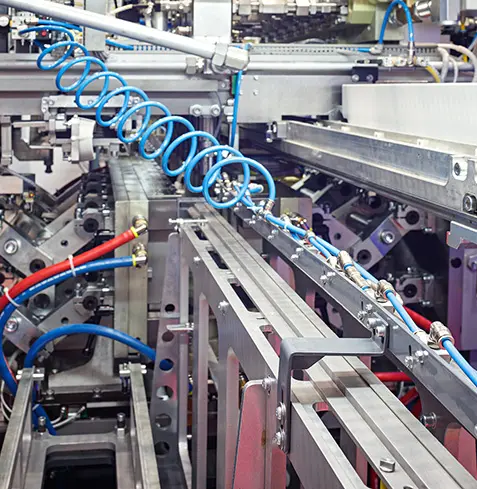
Automotive Assembly Lines

Heavy Truck Braking Systems
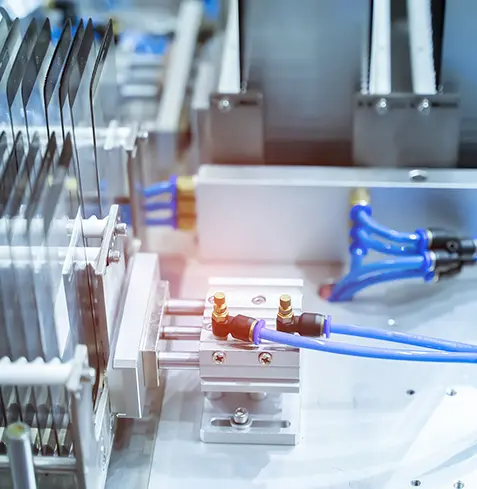
BESS Fire Extinction Lines
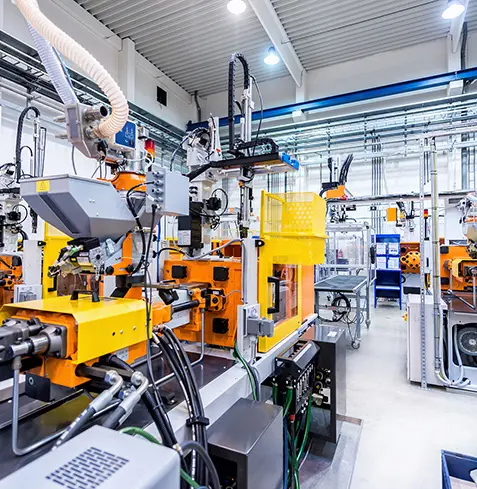
Pneumatic Packaging Systems
A specialized range of brass, flame-resistant, and high-temperature push-to-connect components for demanding applications.
Addressing the fundamental design, testing, and operation questions posed by global procurement managers.
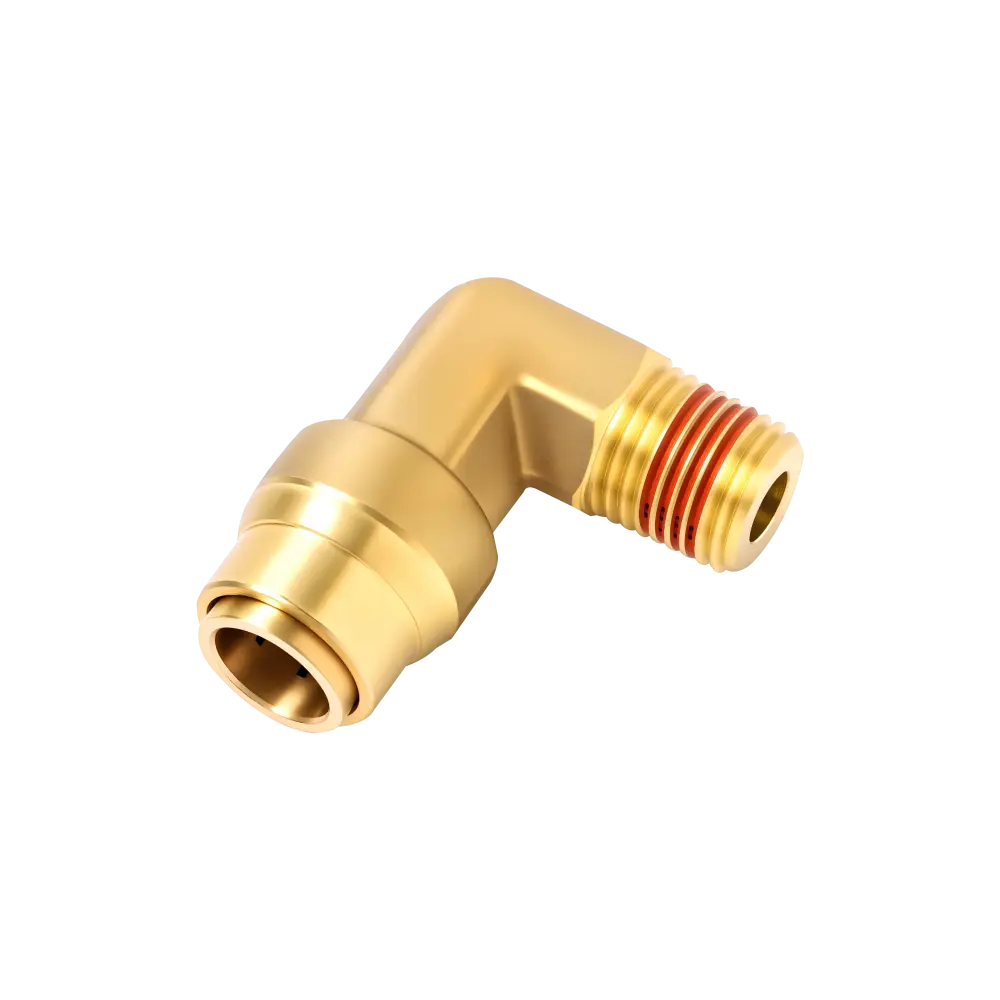
A: G threads (Parallel British Standard Pipe threads) have a uniform diameter and rely on an elastomeric O-ring or flat washer at the shoulder to establish a seal. This allows for 360-degree orientation adjustment, making G-thread elbow fittings suitable for tight spatial configurations. R threads (Tapered British Standard Pipe threads) achieve their seal through thread interference and require thread sealant (such as PTFE tape or liquid pipe sealant) to fill minor gaps between mating threads.
A: Energy storage fire protection systems require complete seal integrity under extreme conditions. Our flame-resistant PC, PLF, and PE series fittings utilize materials engineered to comply with UL 94 V-0 flame-retardant standards. This means that if exposed to fire, the material self-extinguishes within 10 seconds without producing flaming drips, keeping the pipe system pressurized to safely deliver extinguishing agents.
A: Brass fittings provide significantly higher mechanical strength, tensile properties, and impact resistance. They resist environmental stress cracking, withstand wider operating temperatures (-20°C to 120°C), and can handle operating pressures up to 20 bar (290 psi) without deformation, making them suitable for demanding applications like automotive braking lines.
A: In the United States, commercial transport vehicle air brake lines must comply with DOT (FMVSS 106) and SAE (J1131/J246) guidelines. These standards require rigorous vibration resistance, low-temperature flexibility, tensile pull-off resistance, and burst pressure testing to ensure road safety.
A: The rotatable fitting design features a dual-structure connection. The threaded base is coupled to a rotatable upper body with internal sealing rings. This configuration allows the technician to torque down the thread securely while positioning the tubing elbow at the desired angle, preventing radial torque and tension on the air hose that could lead to leaks.
A: Common treatments include electroless nickel plating, chrome plating, and acid passivated finishes. Nickel plating is the industry standard for brass fittings, as it provides a hard wear layer, improves corrosion resistance, and ensures chemical compatibility with various media.
A: Yes. NHPC provides comprehensive ODM/OEM capabilities. Backed by our engineering team and in-house CAD tooling design resources, we can develop custom pneumatic manifolds, non-standard sizing options, and specialized alloy compositions tailored to specific client requirements.
A: We implement comprehensive quality assurance procedures governed by ISO 9001:2015 standards. This includes incoming raw material analysis, automated optical dimension checks during CNC processing, and individual pressure leak checks before final packaging.
 Nuoheng