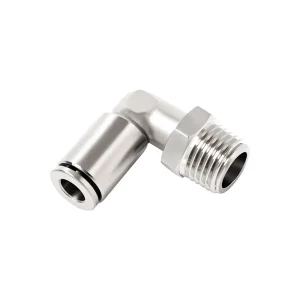
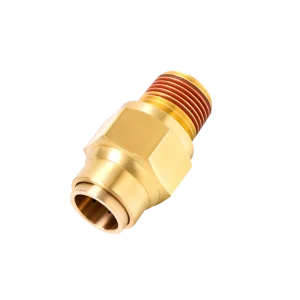
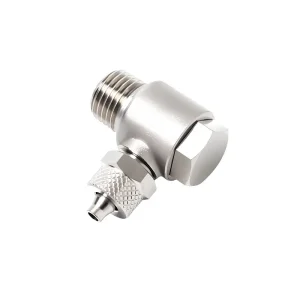
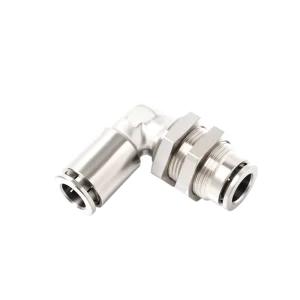
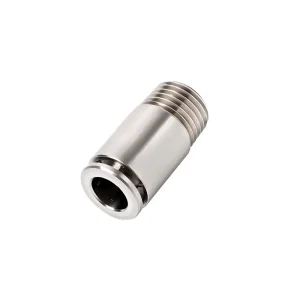
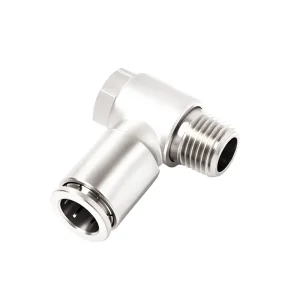
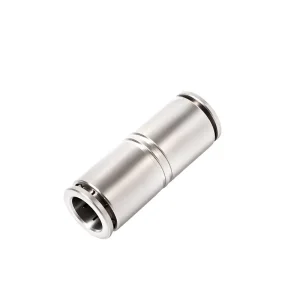
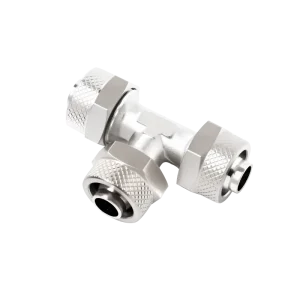
In modern industrial assembly lines, pneumatic distribution systems represent the muscular architecture powering automation. At the core of these pneumatic networks lies the push-to-connect fitting—a component whose engineering integrity directly dictates system efficiency, leak mitigation, and operating uptime. Global procurement divisions across Europe, North America, and Southeast Asia are increasingly scrutinizing how these components are manufactured, moving away from low-tier commodities toward highly engineered, precision-machined connection systems.
China's manufacturing sector has evolved from generic replication to pioneering engineering. The combination of state-of-the-art CNC machining centers, automated inspection lines, and localized access to high-grade brass, stainless steel, and engineered polymers has positioned Chinese manufacturers at the top of the global supply chain. This whitepaper analyzes the procurement dynamics, technical architectures, and quality metrics of push-fit components manufactured by Zhuji Nuoheng Pneumatic Machinery Co., Ltd. (NHPC).
We manage complex pipeline operations through state-of-the-art technological capabilities, customized workflows, and robust quality guarantees.
Utilizing our comprehensive knowledge of pneumatic circuits to design and supply cost-effective, reliable pipeline structures customized to unique physical layouts.
Equipped with high-precision surface finishing machinery, complex multi-axis CNC lathes, modern injection molding systems, and high-velocity stamping lines.
Our technical team provides round-the-clock advisory support, guiding customers through selection, prototyping, bulk fabrication, and ongoing regulatory compliance.
A procurement process is not merely a transaction; it is a risk mitigation strategy. Through analytical evaluation of buyer search behavior and industrial RFPs (Requests for Proposal), we identify the core requirements that influence global engineering decisions:
By focusing on these specific design challenges, NHPC develops products that address these operational needs, ensuring that our connections are reliable long-term interfaces.
Zhuji Nuoheng Pneumatic Machinery Co., Ltd. (NHPC) has been manufacturing components in the pneumatic industry for over 15 years. What began as a local workshop has grown into an international manufacturing enterprise. Today, we supply custom and catalog pneumatic fittings, valves, tubes, and specialized connectors to markets worldwide.
Our facility utilizes modern automated assembly systems alongside strict quality controls. Each production run undergoes testing for pressure retention, pull-out force resistance, and material reliability. Watch the video to see our manufacturing facility and cleanrooms in action.
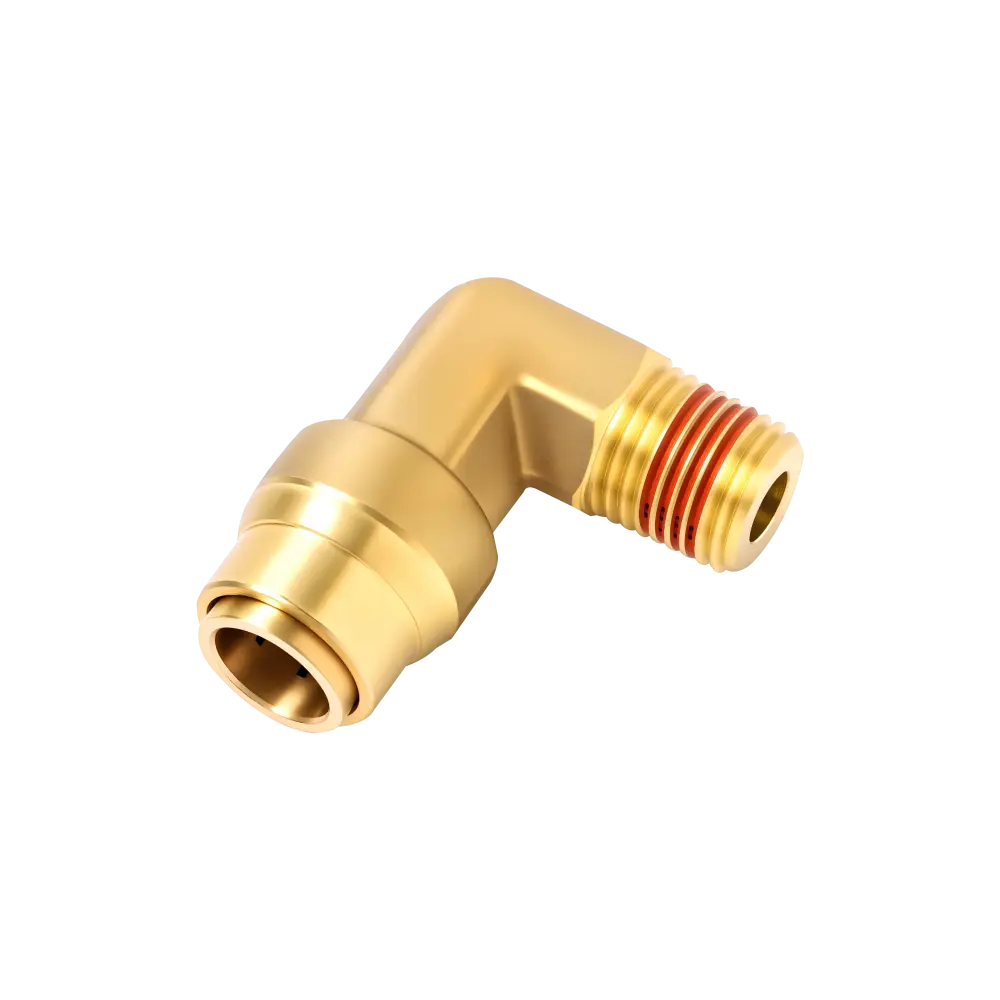
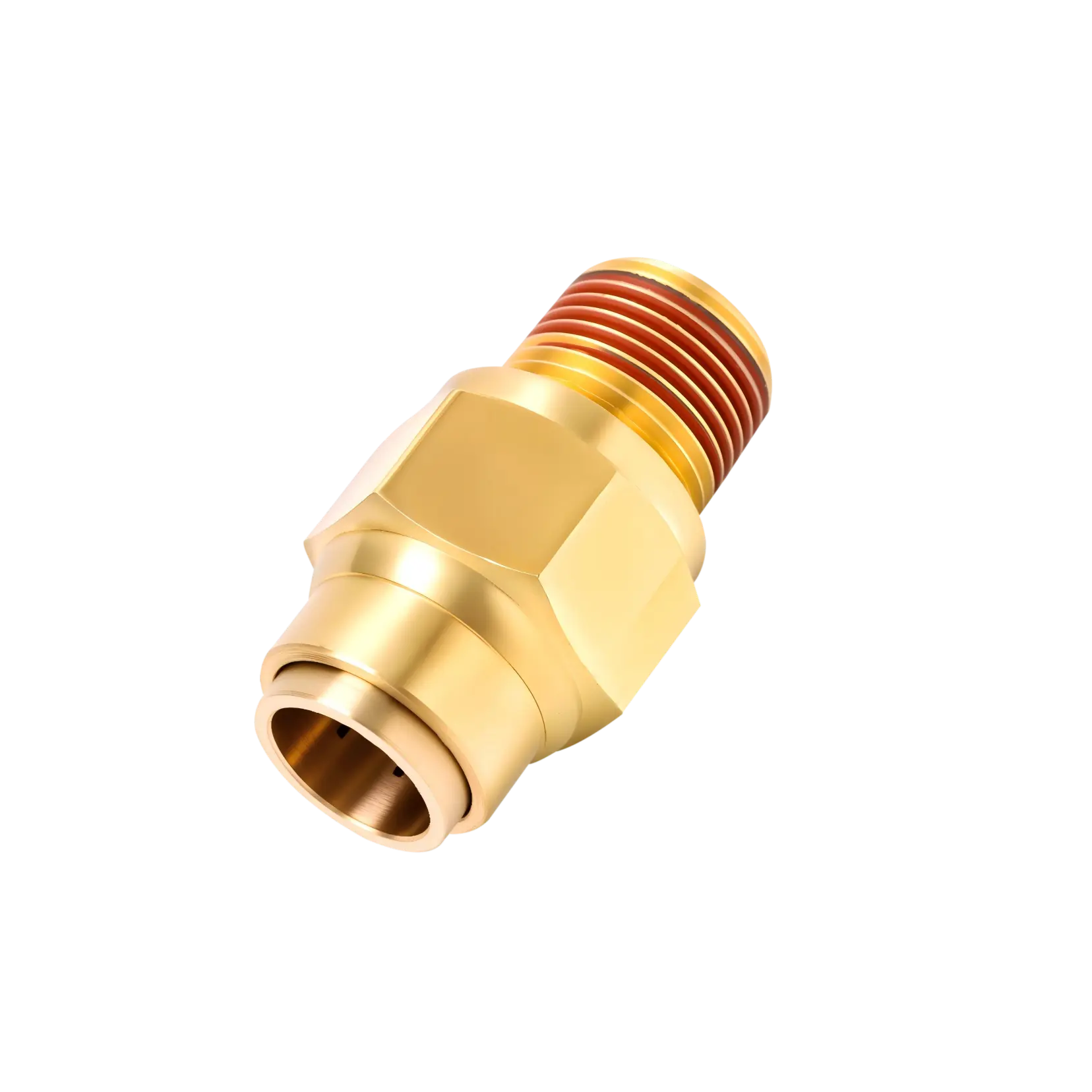
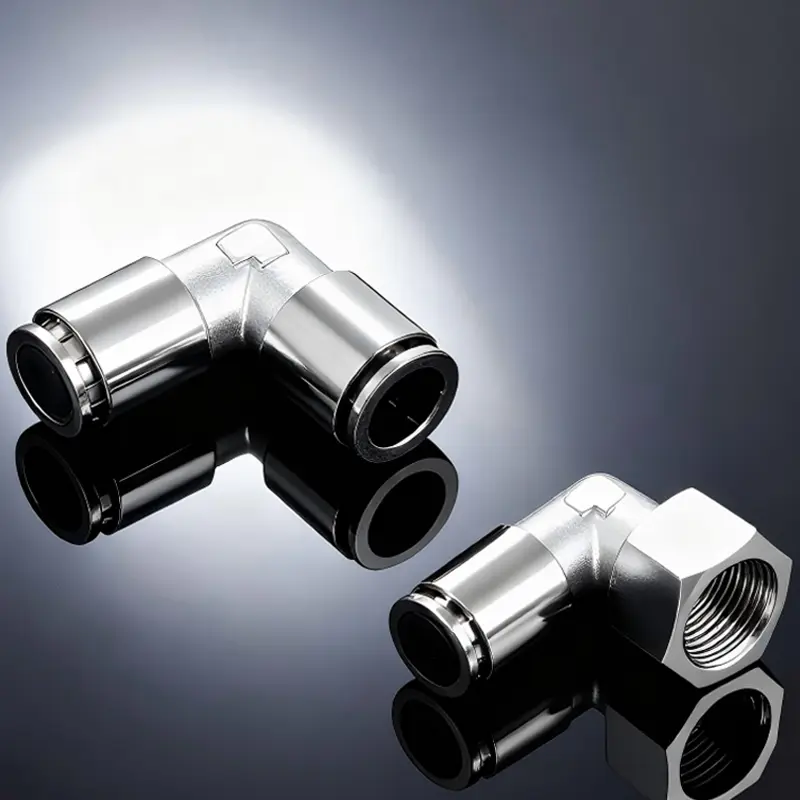
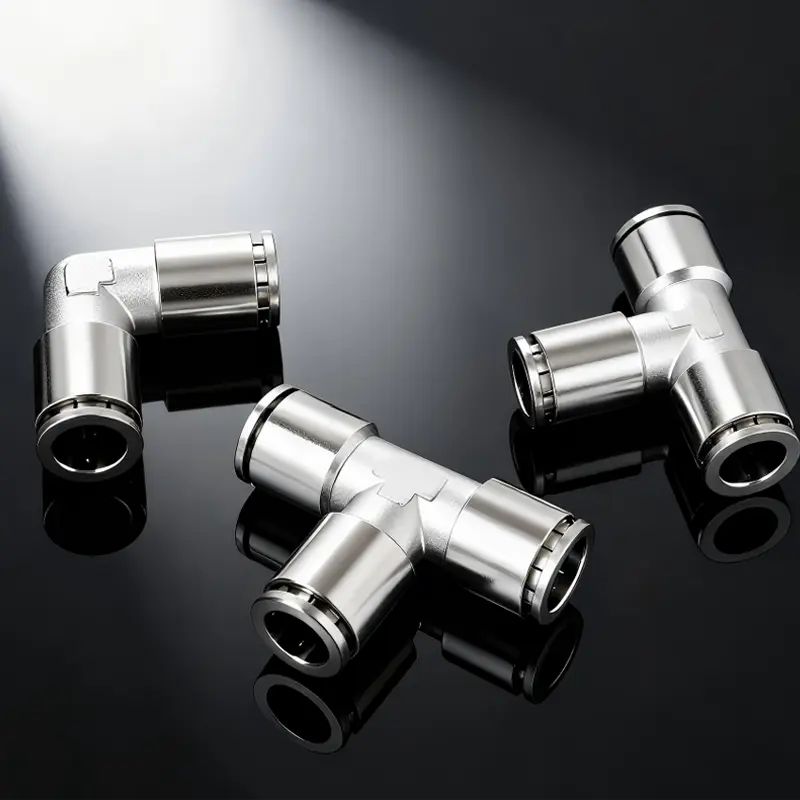
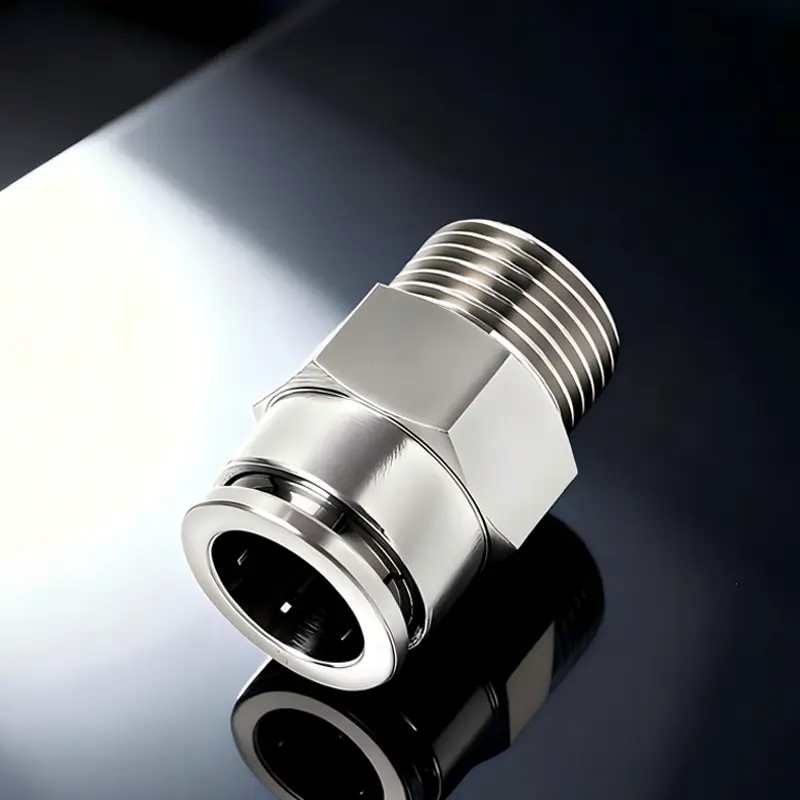
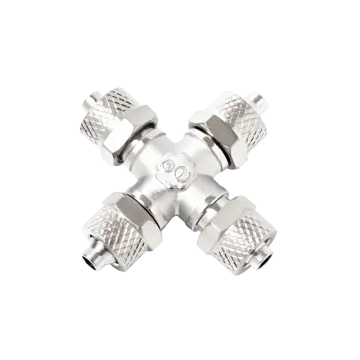
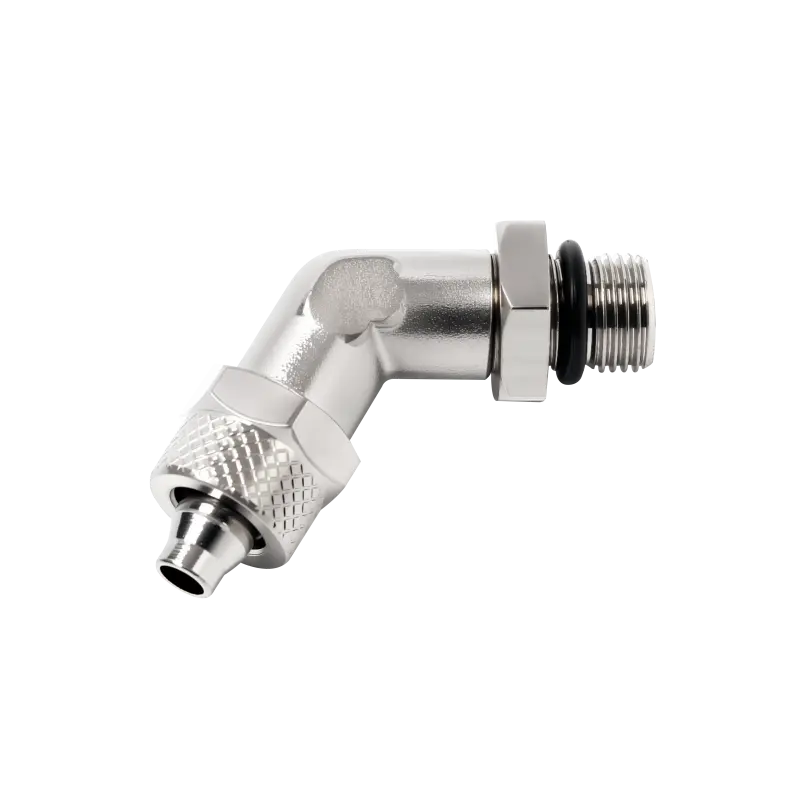
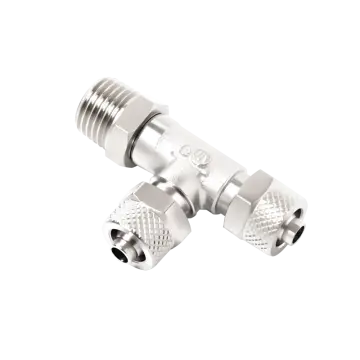
Pneumatic technologies are used across diverse industrial sectors, each presenting unique operating environments. To address these demands, NHPC develops custom, industry-specific solutions:
Modern lithium battery installations require dedicated liquid cooling and dry-pipe clean-agent fire suppression systems. Standard push-in fittings fail when exposed to the high temperatures of thermal runaway events. NHPC's PLF-series flame-resistant pipe fittings utilize custom self-extinguishing polymers (V-0 rated under UL94) and high-temperature seals. These components are designed to remain structurally sound under emergency conditions, ensuring that active suppression agents deploy successfully.
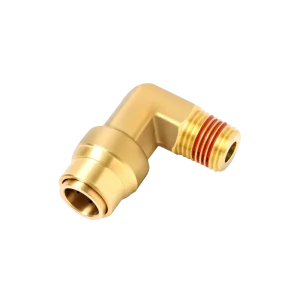
Braking systems operate in harsh environments subject to road salt, dust, and continuous vibration. NHPC's Brass DOT Air Brake Line Fittings are engineered to comply with DOT FMVSS 106 and SAE J1131 standards. Using heavy-gauge CA360 brass, these fittings maintain seal integrity down to -40°C, providing reliable connections for commercial air brake systems.
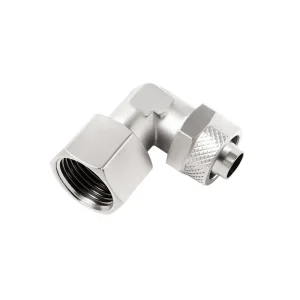
Multi-axis packaging machines and robotic arms place constant bending stresses on air hoses. Our 360° rotatable PH-universal elbow fittings feature a dual-ring bearing design that allows continuous rotation under full operating pressure. This design prevents hose kinking and reduces rotational friction, extending the service life of automated systems.
NHPC products are utilized in high-demand industrial systems globally, including automotive assembly, automated warehousing, and raw material processing.
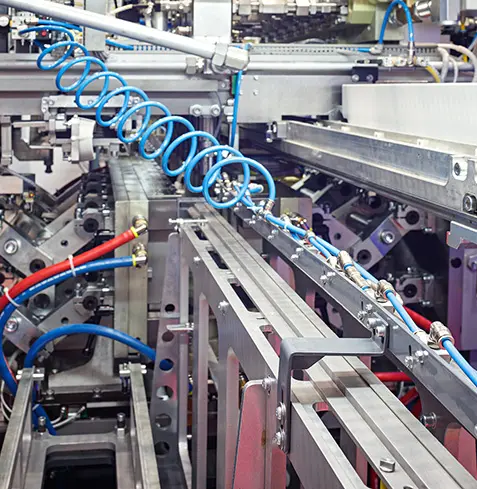
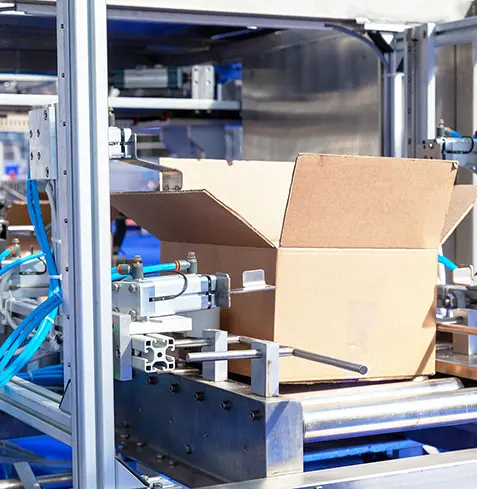
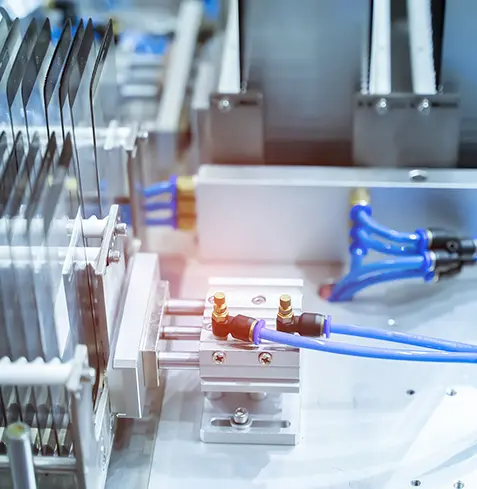
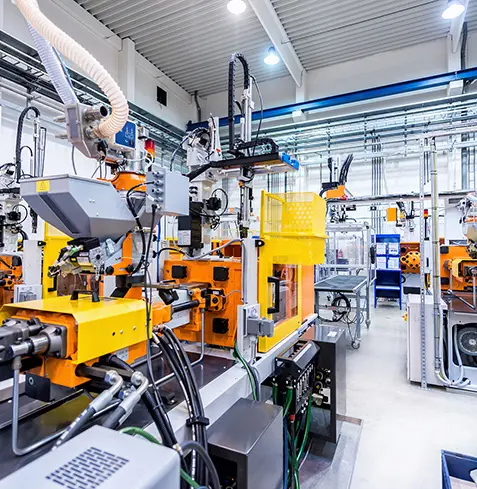
NHPC's production line is based on structured engineering principles. Below is an overview of the technical parameters of our push-fit connector families:
| Fitting Type | Core Materials | Working Pressure | Temperature Range | Seal Material |
|---|---|---|---|---|
| Brass DOT Series | CA360 / CA377 Brass | Up to 150 PSI | -40°C to +120°C | Heavy-Duty NBR |
| Composite PBT Series | PBT Body & Ni-Plated Brass | 0 to 150 PSI | 0°C to +60°C | NBR / Stainless Steel Claw |
| Flame-Retardant BESS | PA66 / V0 Polymer | Up to 290 PSI | -20°C to +150°C | FKM / Viton Option |
| All-Metal Premium | SS316L / Electroless Brass | Up to 400 PSI (High Limit) | -25°C to +200°C | Viton (FKM) Double Seals |
Our design relies on the mechanical integration of the gripping mechanism. The internal stainless steel lock claw distributes pressure evenly across the outer diameter of the tube (whether Polyurethane, Polyethylene, or Nylon). This minimizes deformation of the tube surface and reduces flow restrictions, allowing for quick connection and disconnection.
NHPC manufactures components in compliance with international quality, safety, and operational standards.
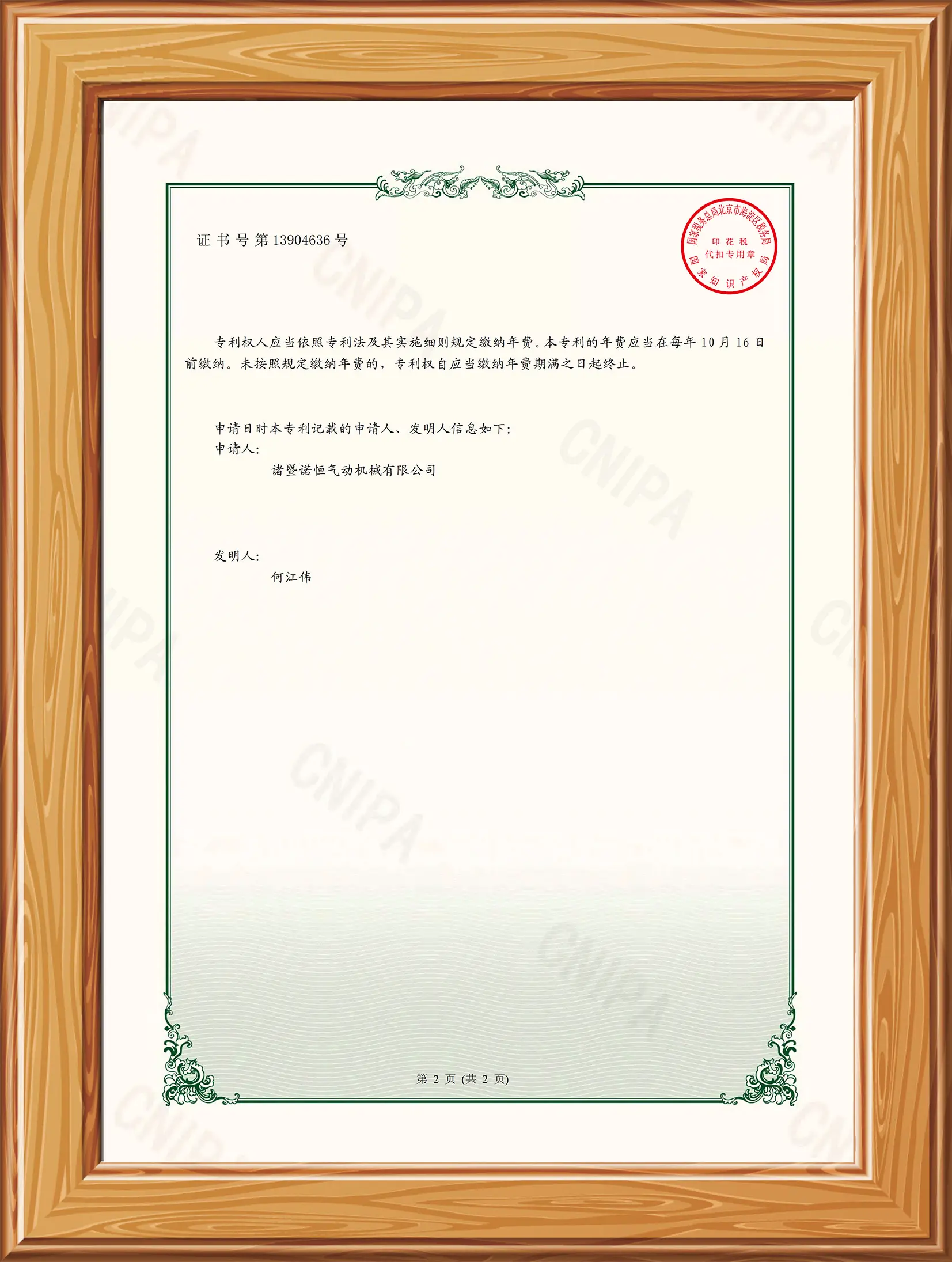
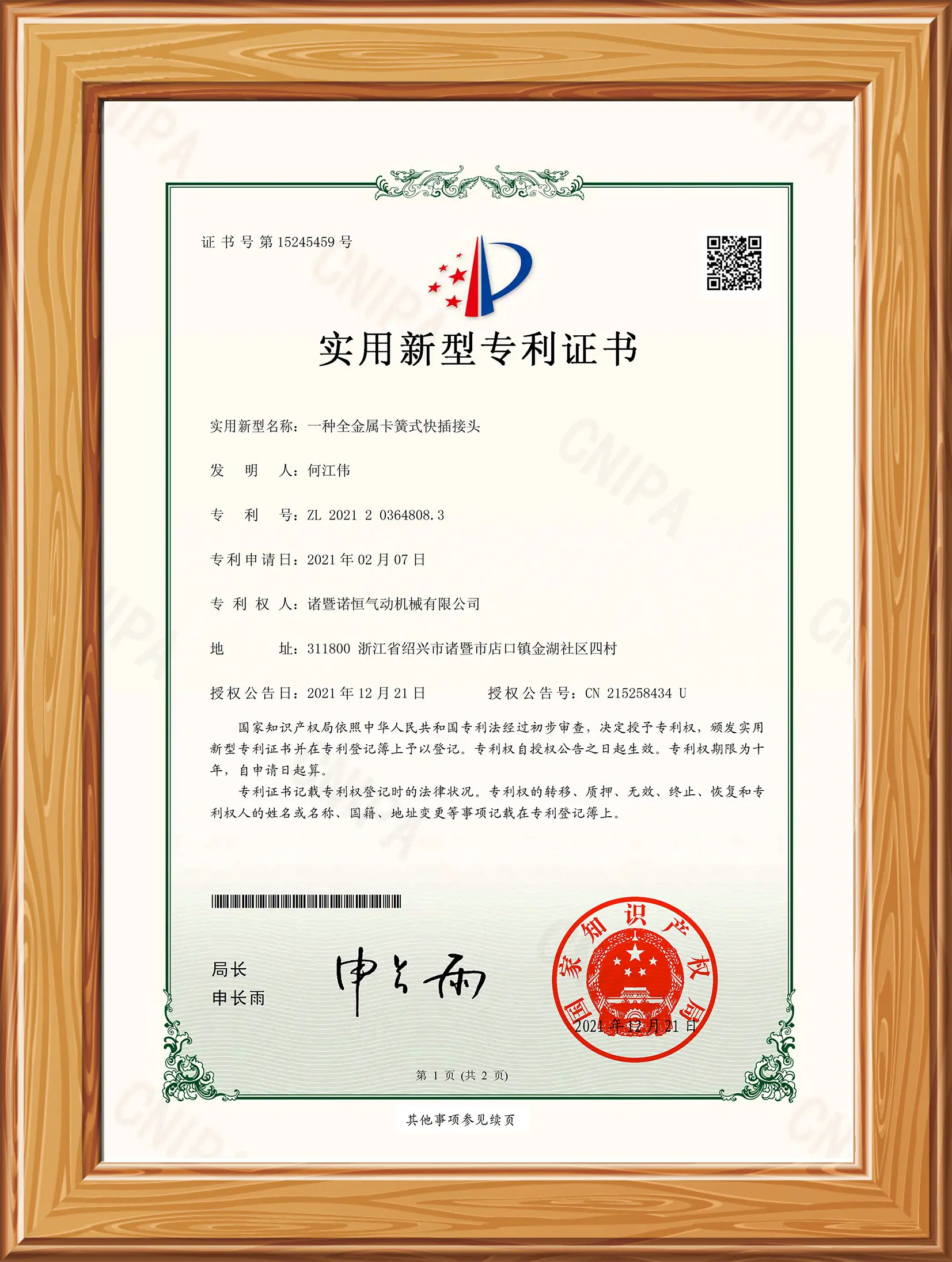
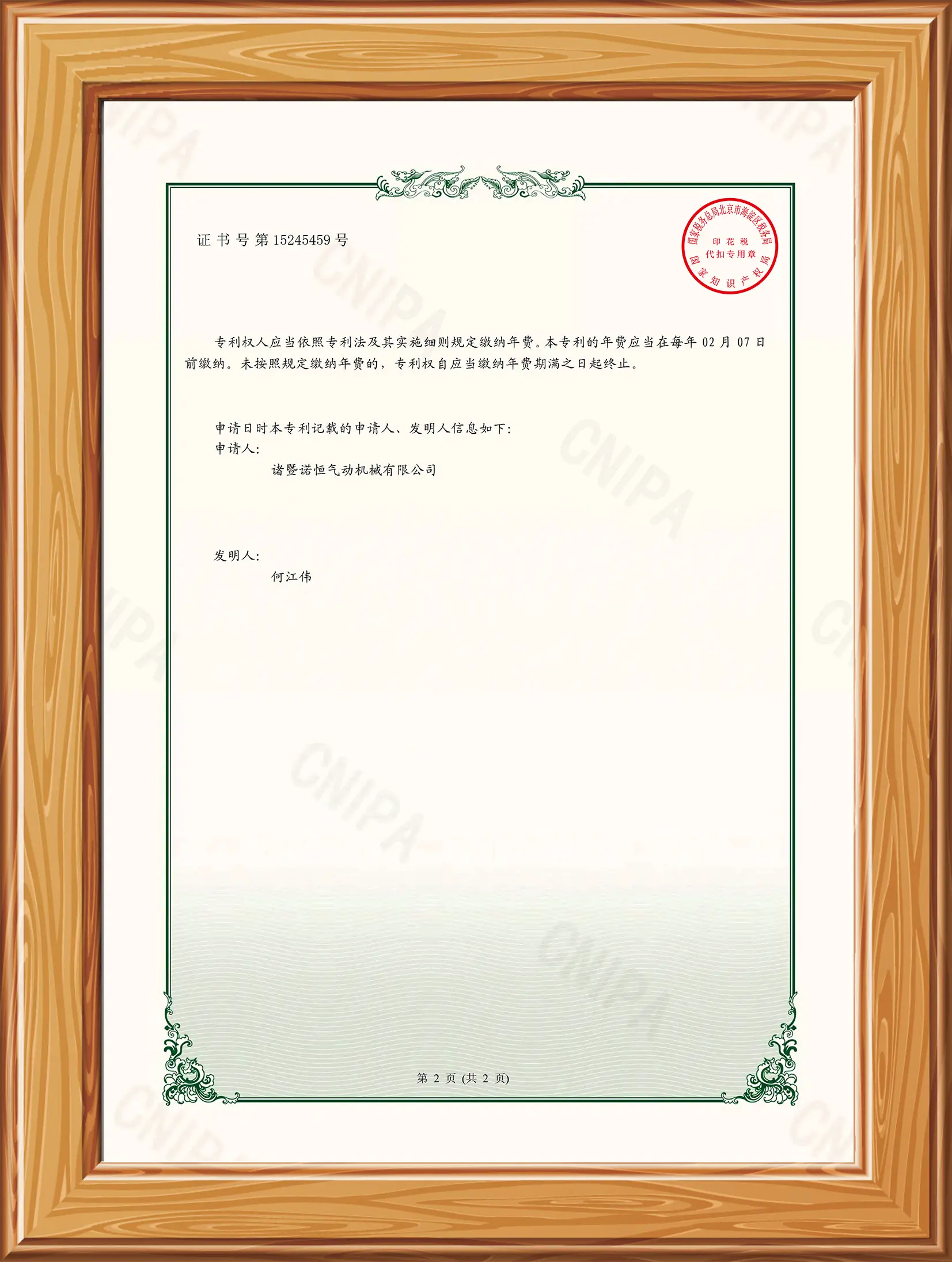
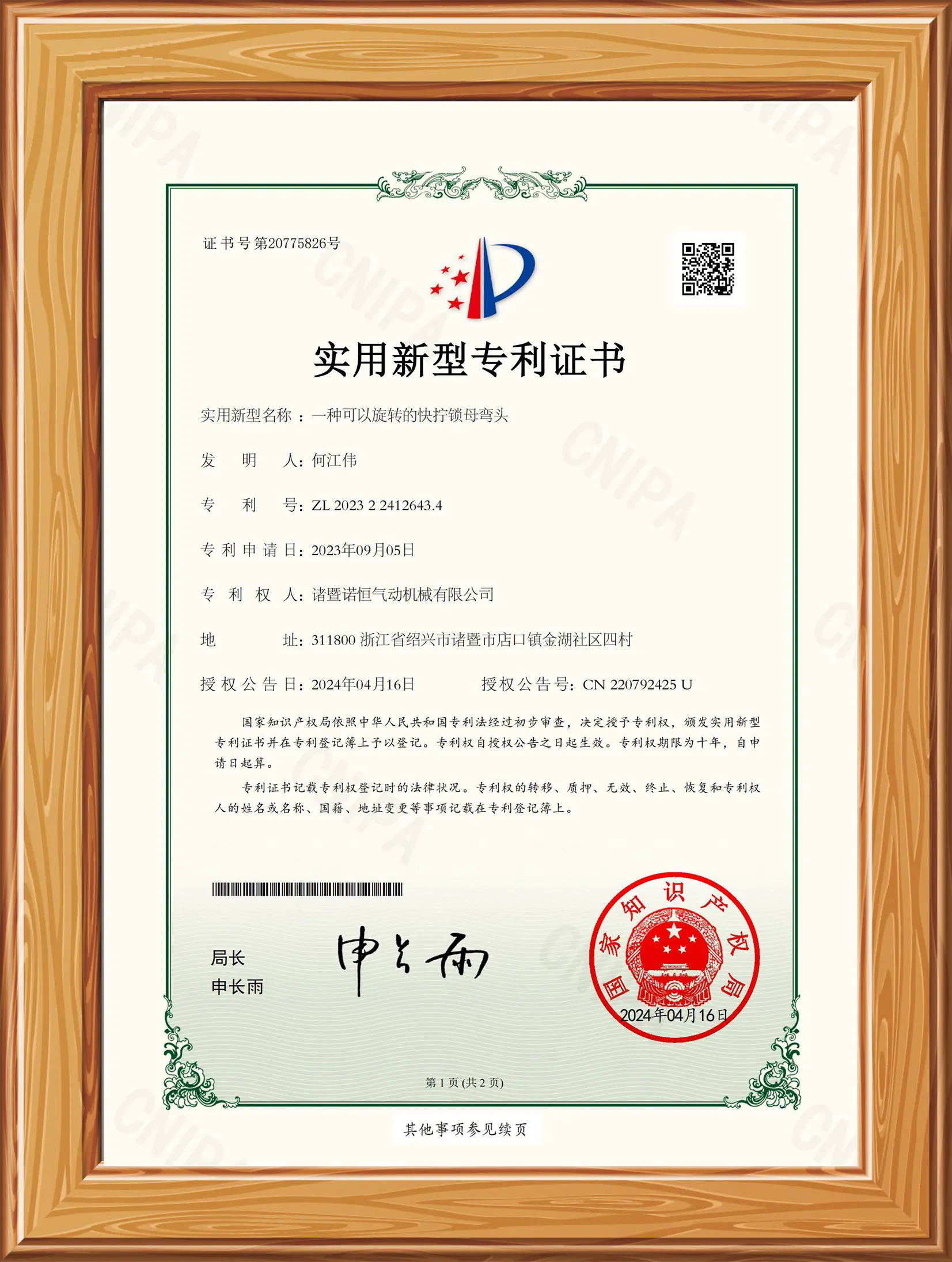
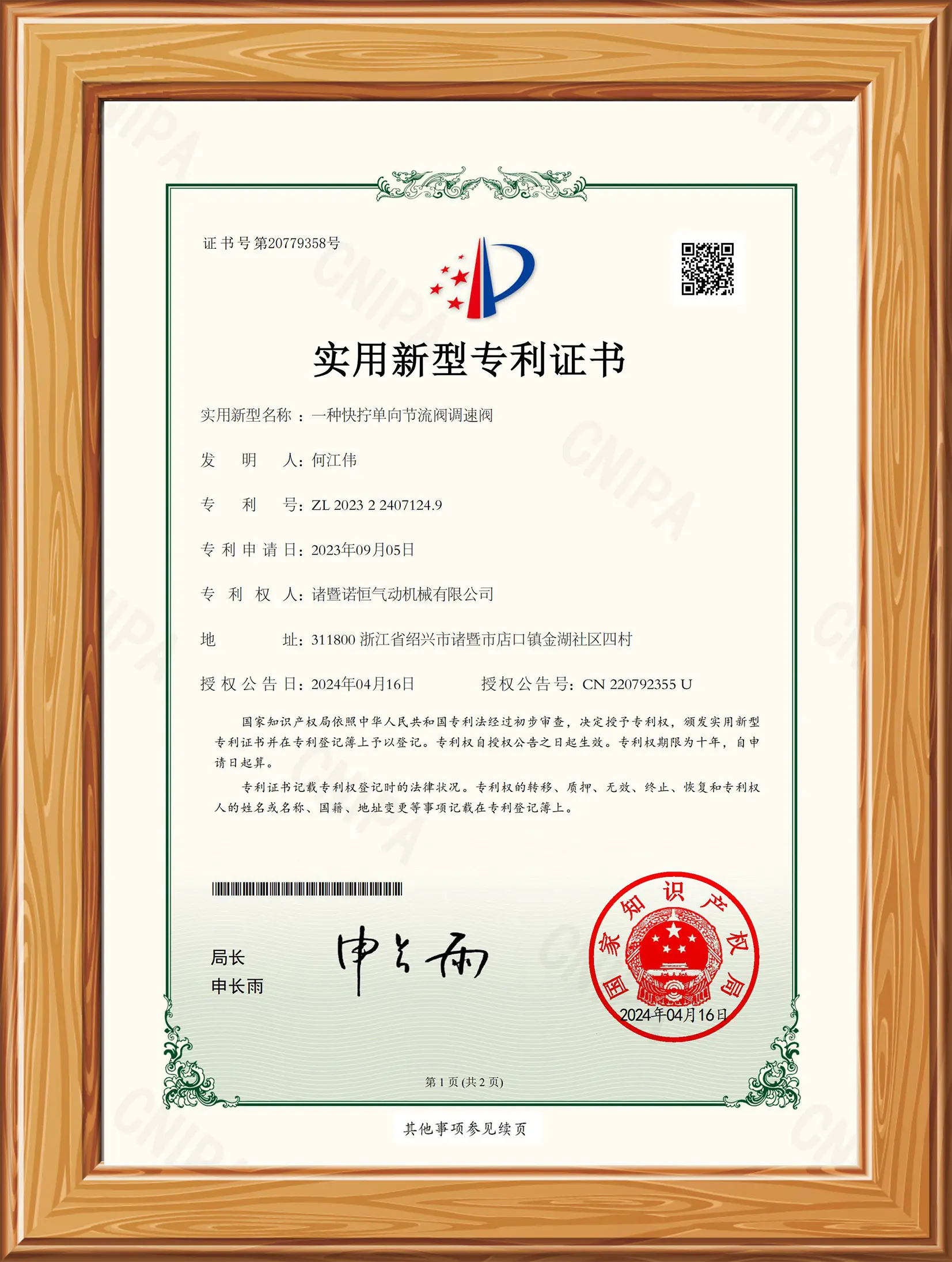
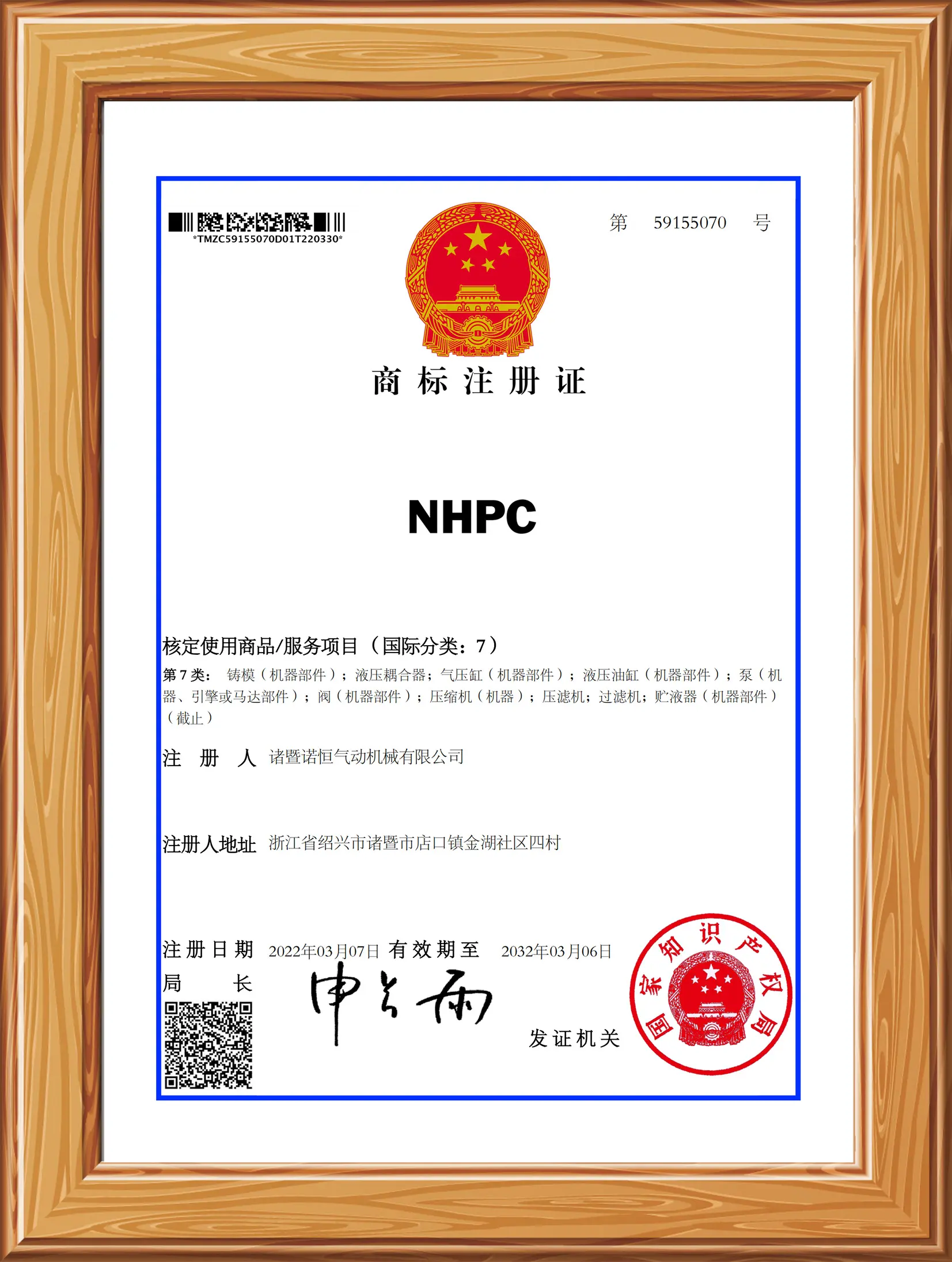
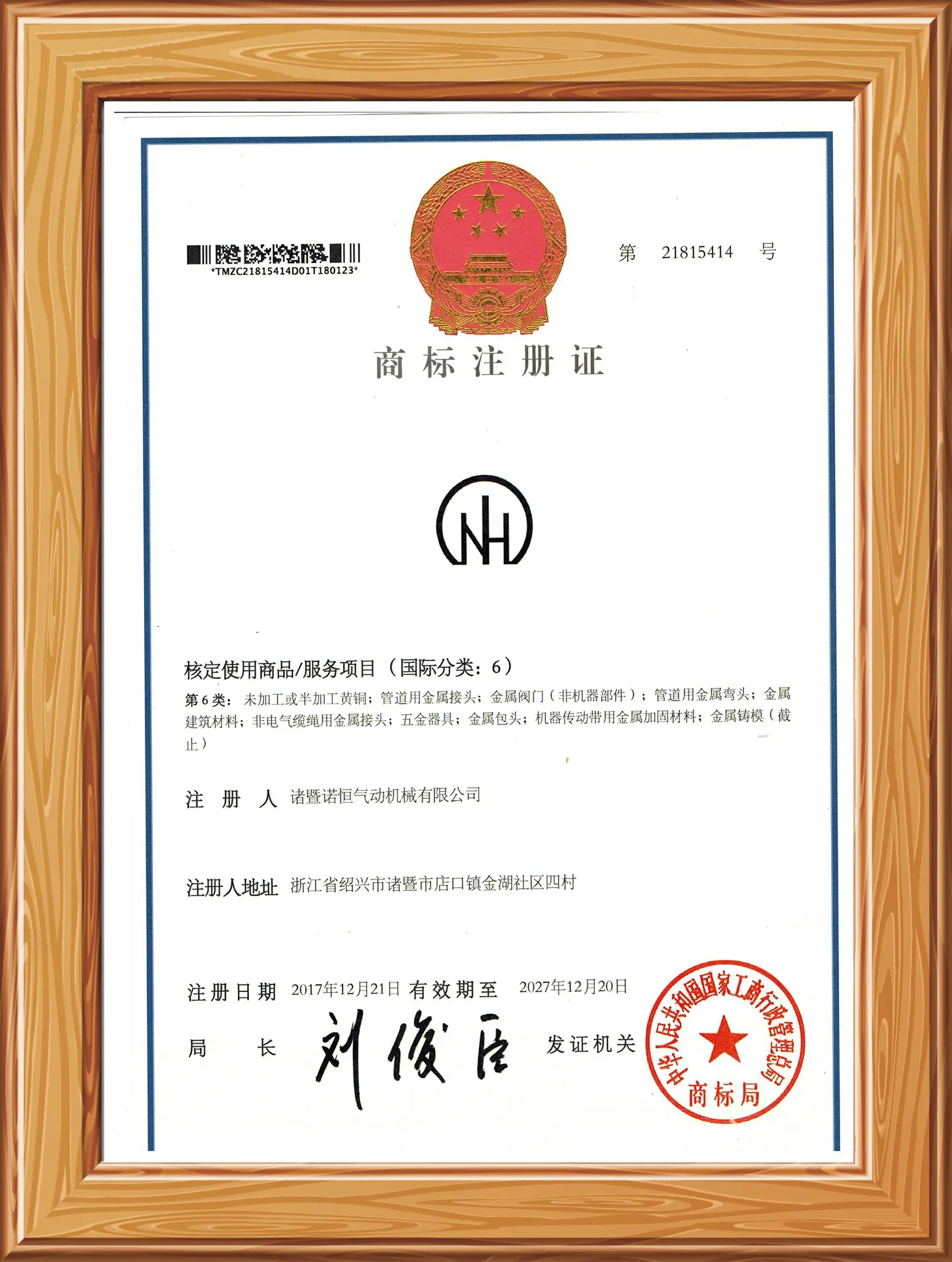
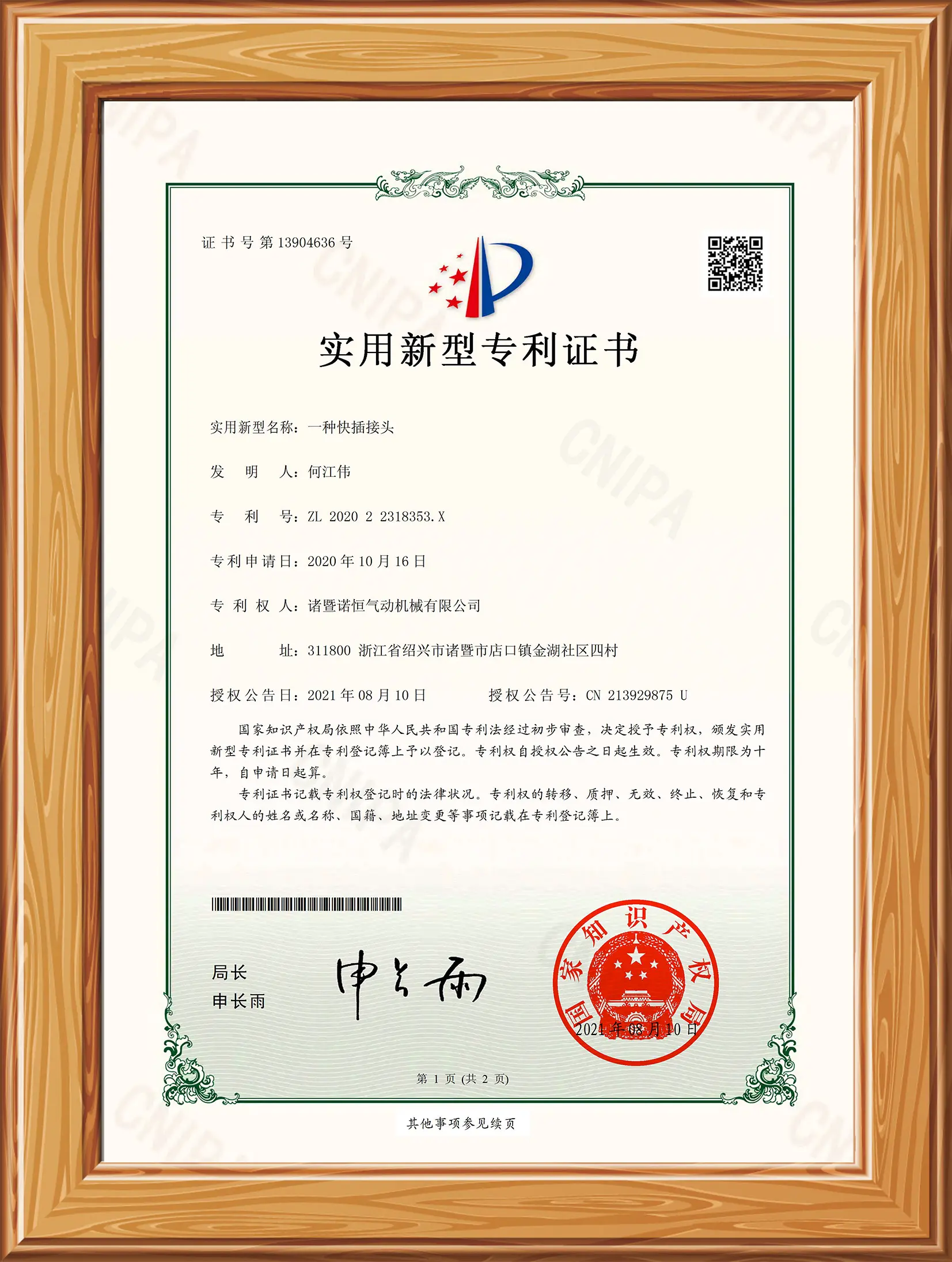
A secure supply chain requires consistent raw material quality and tracebility. NHPC implements strict quality control protocols throughout the production lifecycle:
These quality assurance processes enable us to supply reliable, long-term components that reduce operational downtime and support production continuity for our global partners.
Key factors include operating pressure limits, temperature range, fluid compatibility, thread type (NPT, G, or PT), tube sizing tolerances, and exposure to environmental elements (such as UV, road grime, or cleaning chemicals).
BESS fire protection fittings use UL94 V-0 rated polymers that resist ignition and structural failure at high temperatures, preventing leaks in active fire suppression lines.
Yes. Our internal engineering department uses CAD/CAM modeling and rapid prototyping to customize brass weights, thread lengths, and body materials for OEM requirements.
Most of our male parallel and taper thread series come with pre-applied Teflon sealant or custom recessed elastomer seals, reducing assembly time during installation.
 Nuoheng