Engineered for structural durability, leakage-free operations, and compliance with severe global industry standards.
Providing significant Information Gain based on engineering insights, quality metrics, and supply chain strategies.
The global industrial sector relies heavily on high-precision connection components to guarantee mechanical safety and fluid tight operation. For years, European and American buyers have wrestled with the dilemma of prioritizing cost efficiency or physical reliability. Over the last decade, however, China's advanced manufacturing hubs have transitioned from basic contract workshops to global innovation leaders in fluid connector engineering. This evolution is driven by significant infrastructure integration and extensive technological upgrading.
Zhejiang Province, and particularly the industrial cluster around Zhuji (the home base of NHPC - Nuoheng Pneumatic Machinery Co., Ltd.), hosts a complete ecosystem of raw material production, mold building, high-precision machining, and chemical surface finishing. This highly consolidated local cluster ensures that premium alloys like stainless steel 304, 316, 316L, and specific non-lead brasses are chemically refined and tested directly on-site. Raw materials are checked with advanced optical spectrum analyzers before entering the forging process to prevent impurities that lead to stress corrosion cracking under high-pressure scenarios.
By leveraging automated CNC lathes, multi-spindle machining centers, and optical visual sorting equipment, Chinese manufacturers guarantee dimensional accuracy to less than 0.01mm. This degree of machining precision is vital for the design of push-to-connect systems where even minor micro-variations in sealing margins can cause catastrophic system pressure drop.
The development of modern pneumatic and hydraulic connectivity solutions is characterized by four major trends:
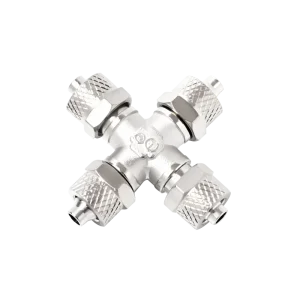
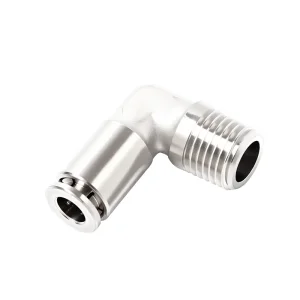
1. Miniaturization and Layout Optimization: With the development of high-density automation platforms and complex robotic assemblies, the footprint of valves and connectors must shrink. High-performance push-in fittings, like the PZA-cross push-on and PLR-elbow male, are carefully designed to allow high flow rates within constrained physical spaces.
2. Material Upgrades for Harsh Environments: Stainless steel remains the standard for corrosion resistance. However, today’s applications call for composite materials—such as combining high-grade stainless steel collets with flame-retardant housings—to handle harsh atmospheres. This combination offers high mechanical integrity and resistance to aggressive chemical washing processes.
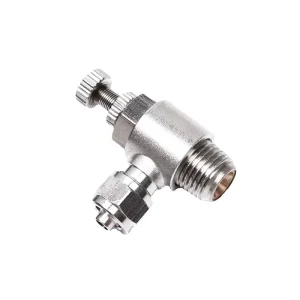
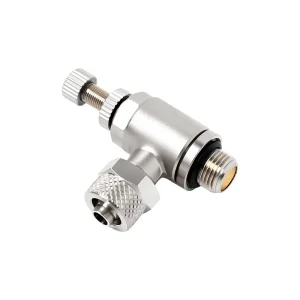
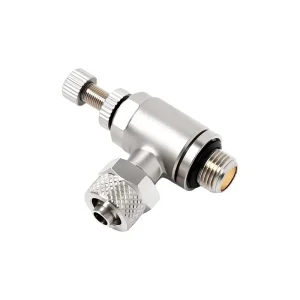
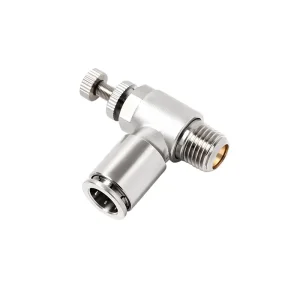
3. Smart Fluid Dynamics: The incorporation of flow control throttling directly on the fitting (e.g., the SL and SLG flow control throttle series) allows machine builders to tune pneumatic cylinder speeds locally, eliminating line clutter and optimizing pneumatic response times.
4. Transitioning to Green Power & Energy Storage Safety: The explosive growth of Battery Energy Storage Systems (BESS) demands specialized coolant and fire protection connectors. The industry has developed flame-resistant and flame-retardant pipe fittings (like the PLF, PE, and PC series) specifically designed to withstand structural exposure, preventing fire spread and coolant loss in cooling loops.
How precise fitting designs solve structural engineering challenges across demanding global industries.
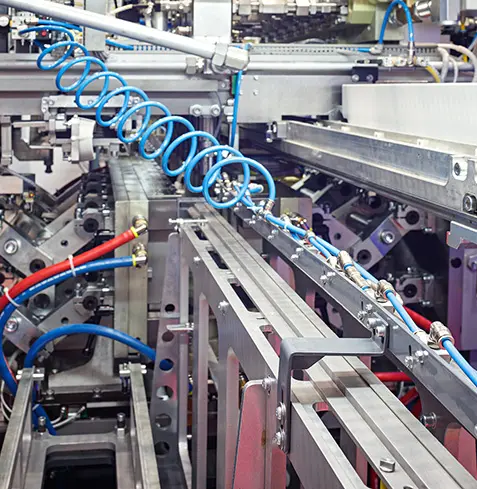

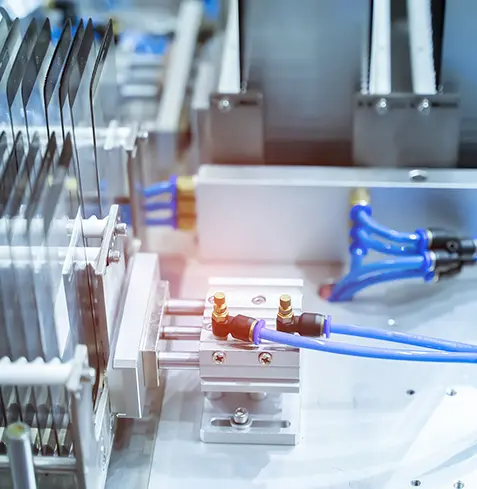
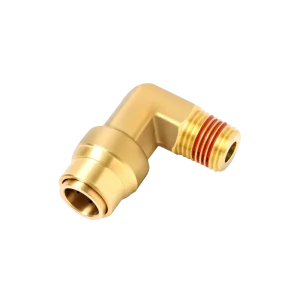
Automotive & Heavy Transportation: Heavy-duty vehicles require reliable air-brake connections. High-performance brass DOT push-to-connect air brake fittings (such as the DOT 90° Male Non-Swivel Elbow) must comply with FMVSS 106 and SAE J1131 standards. These connections must withstand high vibrations and extreme thermal changes (-40°C to +100°C) without leakages.
Renewable Energy Systems (BESS): Liquid-cooled battery energy storage systems use flame-resistant connectors (like the PLF series) to deliver cooling media to battery modules. These connectors must remain completely stable in high-heat and chemical-exposure conditions, preventing short circuits and thermal runaway risks.
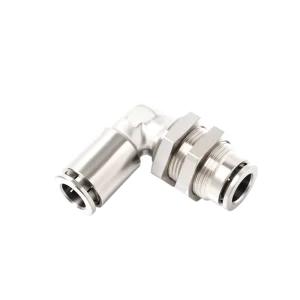
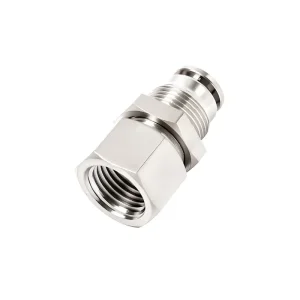
Industrial Automation & Packaging Systems: High-speed pick-and-place packaging systems require lightweight, fast-cycling push-in connectors. The PMF-straight bulkhead series and SLG G-thread throttle control fittings allow system engineers to build compact manifolds that support quick installation and maintenance.
Welcome to NHPC, a leading manufacturer in the pneumatic industry with a rich history spanning over 15 years. Our journey began with a simple but powerful vision: to revolutionize the pneumatic industry by delivering high-quality, innovative, and reliable products that meet the ever-evolving needs of our clients. Today, we are proud to stand as a trusted name in the industry, serving a diverse range of customers across the globe.
We specialize in the design, development, and manufacturing of a comprehensive range of pneumatic products. Our products include push in fittings, push on fittings, pneumatic valves, quick connectors, PU pipes, hydraulic components and design services for custom pneumatic systems. Each product is engineered with precision, ensuring optimal performance, durability, and efficiency. Whether you need standard components or customized solutions, we have the expertise to deliver products that exceed your expectations.
End-to-end support from preliminary engineering designs to mass production and logistics management.
Leveraging deep industrial expertise, we design custom pipeline system layouts that minimize pressure drops and lower material costs, ensuring reliable operational configurations.
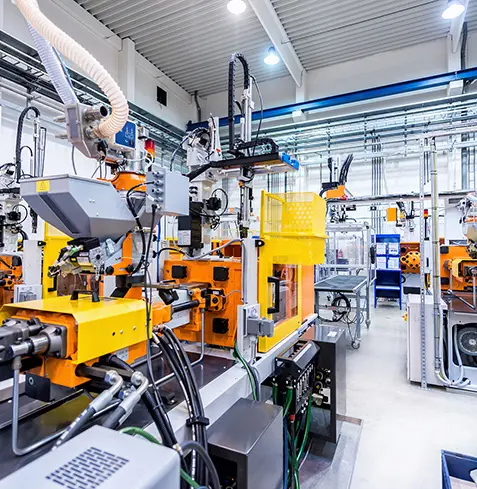
Our workshop is equipped with high-precision CNC lathes, advanced injection molding machines, deep stamping tools, and die-casting machinery. We maintain strict quality control at every stage of production.
Our dedicated engineering and support teams provide technical consultations, fast prototyping cycles, and reliable after-sales support to ensure consistent system performance.
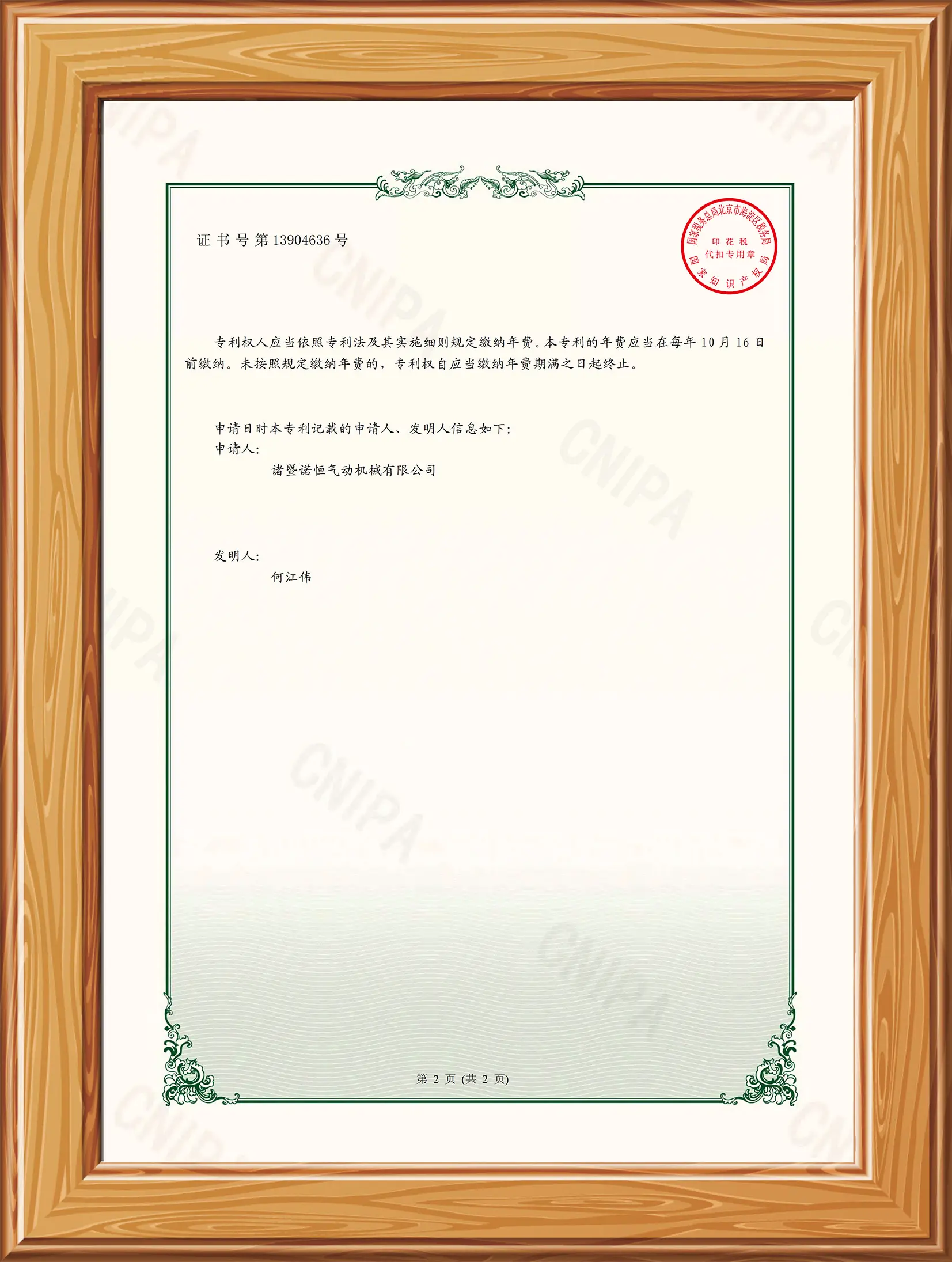
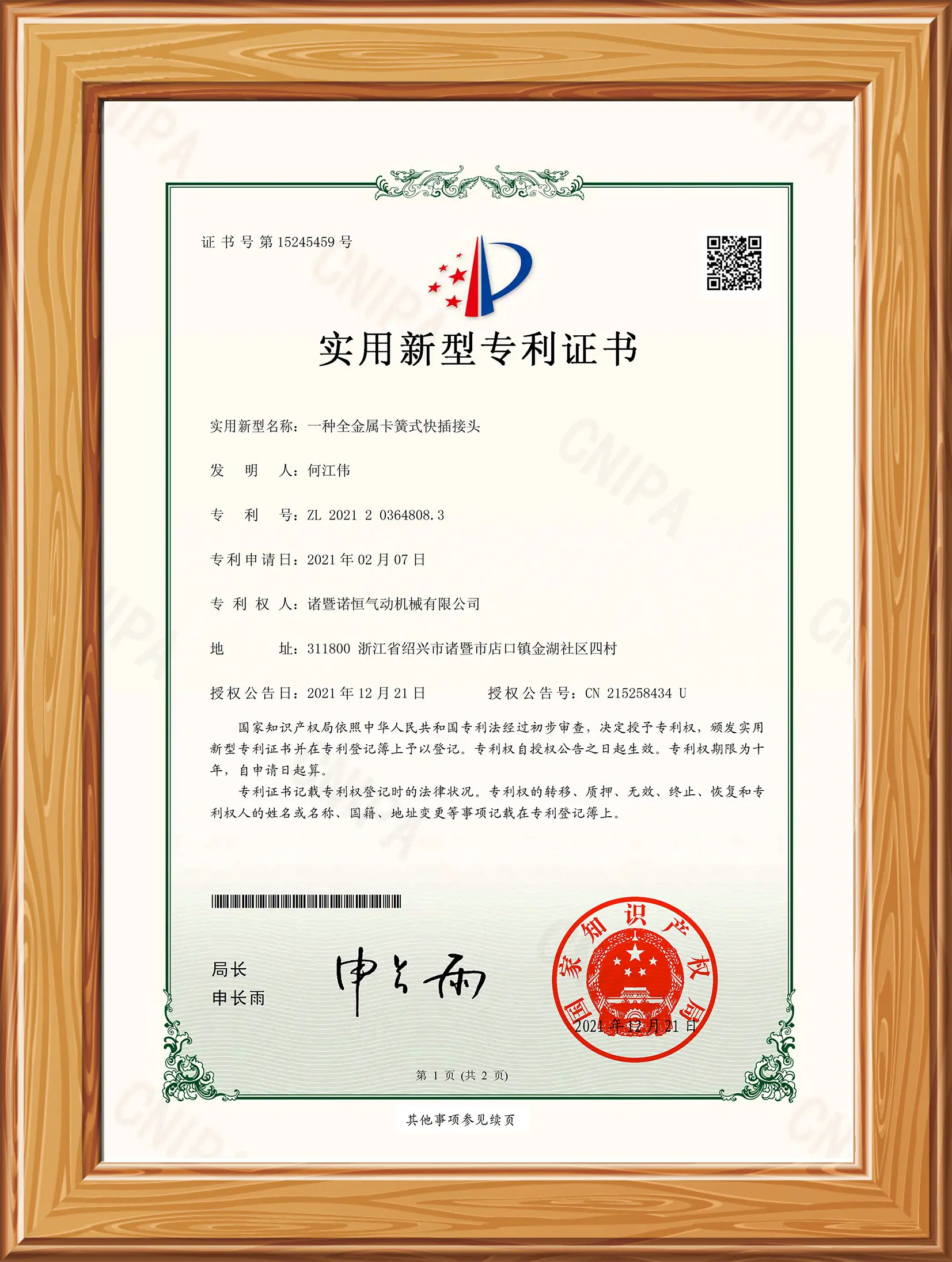
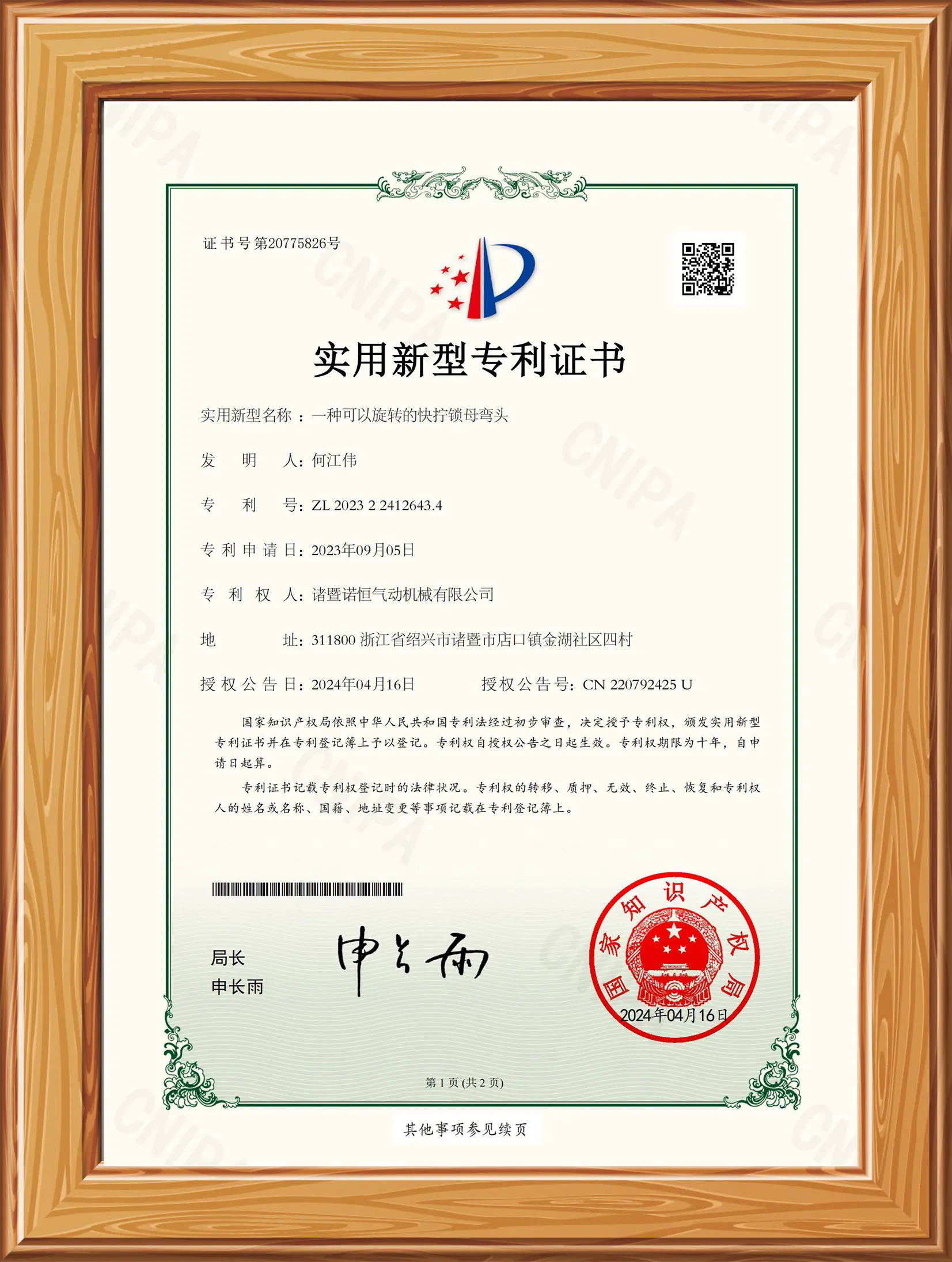
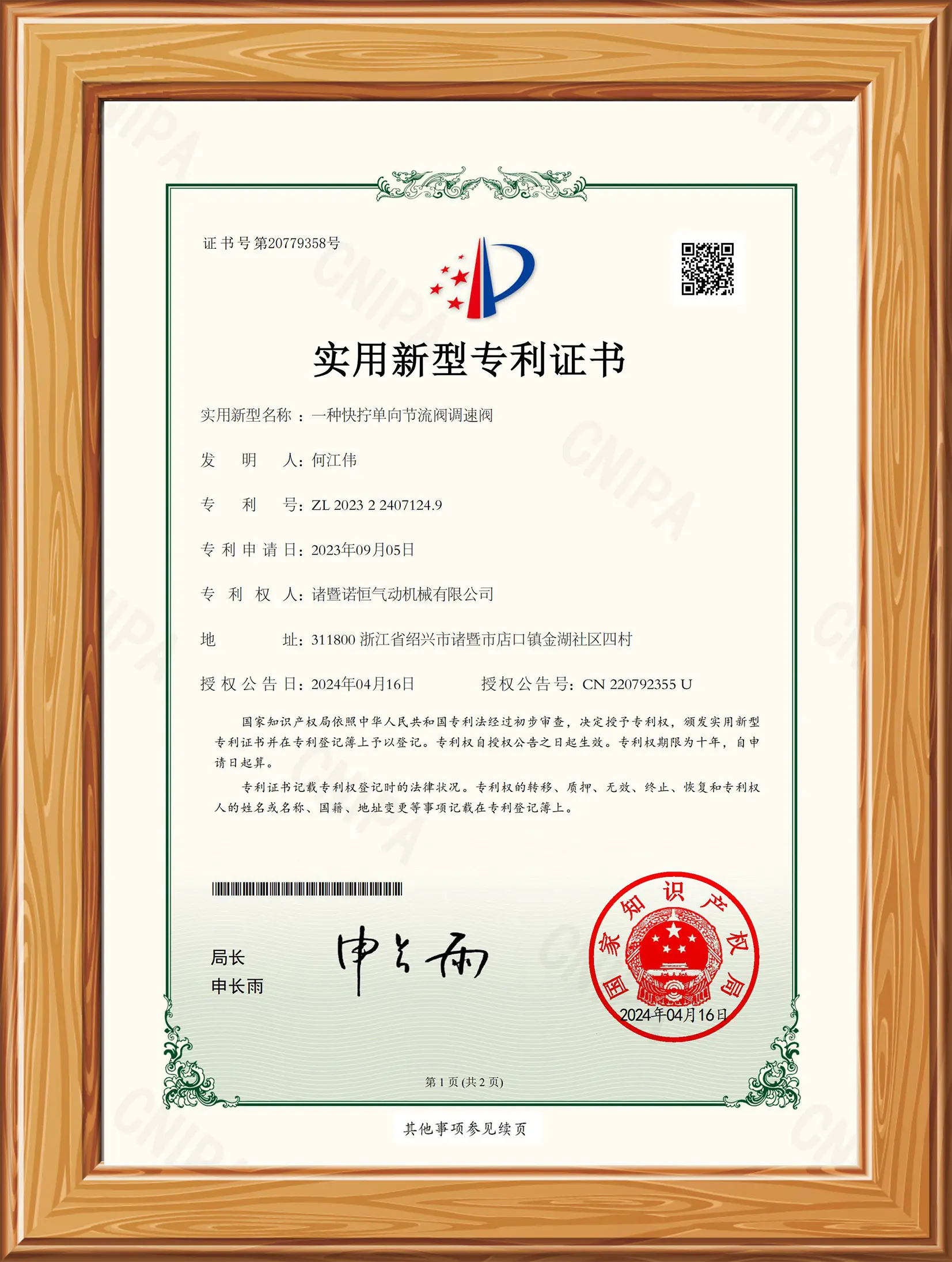
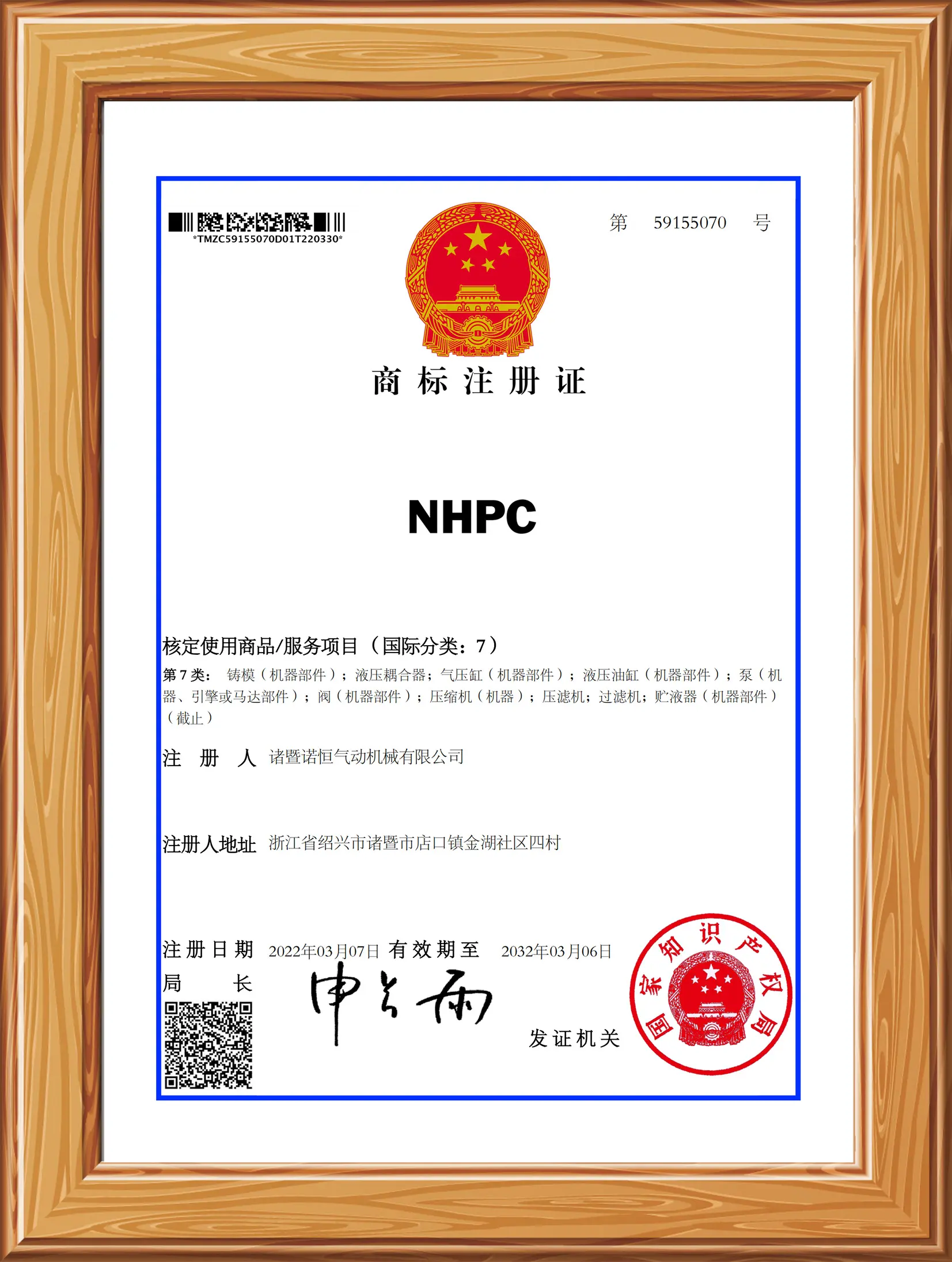
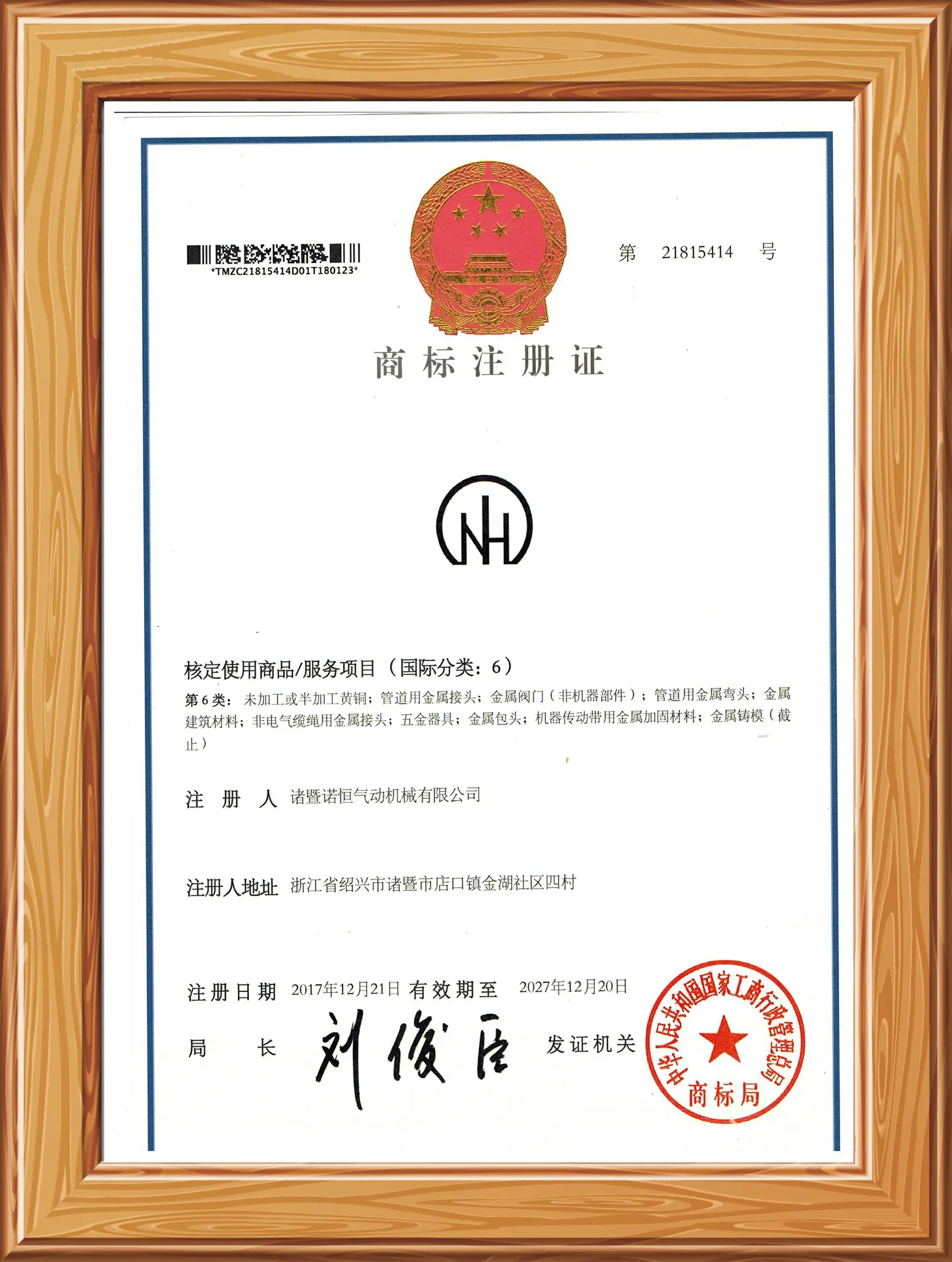
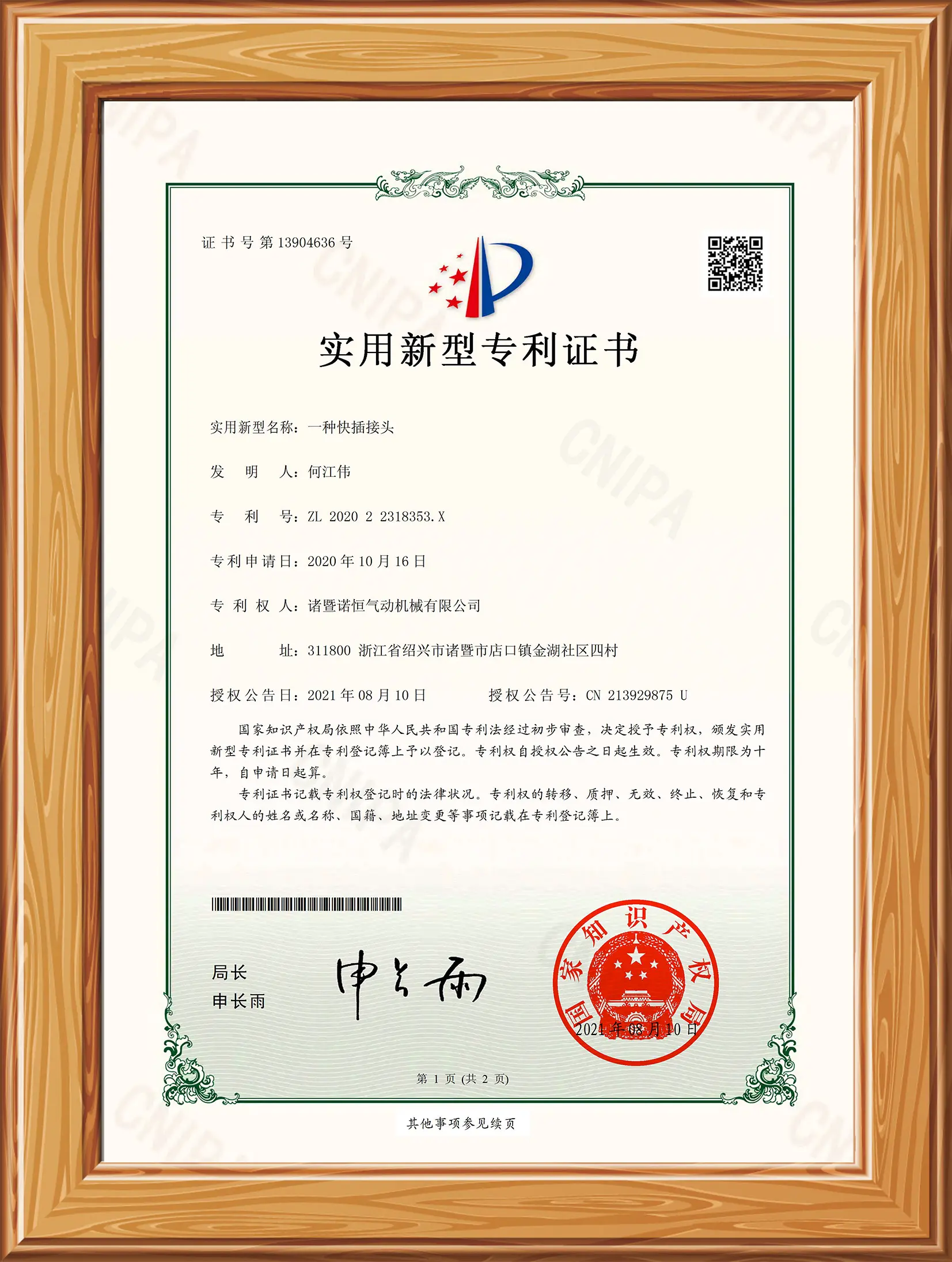
NHPC's production systems conform to global industry verification, inspection, and safety standards.
Understanding procurement dynamics and risk management in international supply chains.
Procurement managers at global companies look beyond unit prices to evaluate the Total Cost of Ownership (TCO). High-performance connection systems are critical, as a single component failure can cause major downtime on an automated assembly line. When sourcing components internationally, buyers should prioritize:
1. Material Certification and Chemical Testing: Ensure suppliers provide detailed material reports (MTR) verifying metal composition. Using sub-standard alloys can lead to rust or structural failure in humid or chemical-heavy environments.
2. Standards Compliance: Verify that components comply with relevant regional standards. For example, automotive air lines must carry DOT approval, while industrial equipment in Europe requires CE marking and compliance with RoHS/REACH environmental directives.
3. High-Precision Manufacturing: Partner with suppliers that use modern CNC equipment and automated optical testing. Consistent tolerances prevent assembly errors and leakages, especially in systems with varying pressure demands.
Direct answers to technical questions about industrial fittings, material specifications, and selection criteria.
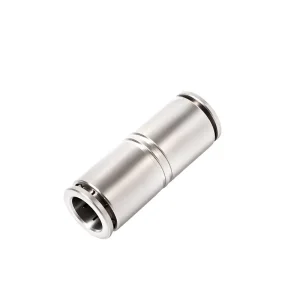
Push-in fittings allow you to connect a pneumatic tube simply by pushing it into the collet. The internal lock claws grip the tube instantly, making installation and replacement fast and tool-free. They are ideal for quick maintenance and low-to-medium pressure applications.
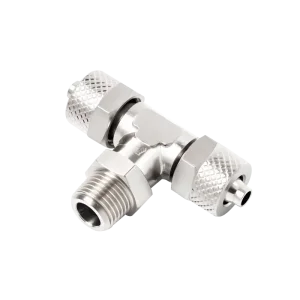
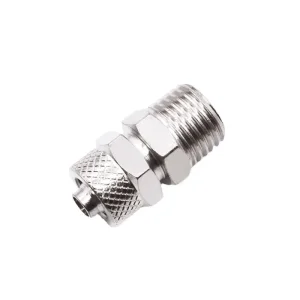
Push-on fittings require you to push the tube over an internal barb, then tighten a lock nut over the assembly. This mechanical connection is highly secure and prevents tube movement under high vibration or pressure, making it well-suited for heavy-duty industrial systems.
DOT (Department of Transportation) certification ensures compliance with FMVSS 106 and SAE J1131 safety standards. For vehicle air brake lines, connectors must withstand continuous engine vibration, mechanical pull forces, and temperature fluctuations from -40°C to +100°C without leaks. Using non-compliant fittings in these applications violates safety regulations and increases the risk of brake system failure.
Stainless steel 304 offers good corrosion resistance and mechanical strength, making it suitable for general industrial machinery, air lines, and dry environments.
Stainless steel 316 contains molybdenum, which significantly improves resistance to chlorides, marine salt, and aggressive cleaning chemicals. It is the preferred choice for offshore platforms, chemical processing plants, and food and beverage manufacturing where sanitizing agents are used regularly.
Energy storage cooling systems must resist fire spread and thermal hazards. Flame-resistant and flame-retardant connectors (such as the PLF, PE, and PC series) use high-performance engineering plastics and specialized rubbers that comply with UL94 V-0 ratings. This design prevents the connector from igniting or releasing toxic gases during thermal events, helping protect nearby electrical systems.
Operational specifications depend on materials and seal configurations. Typically, standard brass and stainless steel push-in connectors operate up to 15-20 bar (290 PSI) within a temperature range of -20°C to +80°C using standard NBR seals. For high-temperature or high-pressure environments, using Viton (FKM) seals and specialized tube grips can extend operating temperatures from -20°C up to +150°C.
Yes, push-in fittings are reusable. To disconnect, ensure the system is completely depressurized. Press the release sleeve or collet evenly against the fitting body, then pull the tube straight out. When reconnecting, inspect the tube end. If it is scratched or deformed, cut it cleanly with a specialized tube cutter to ensure a leak-free seal.
At NHPC, we monitor manufacturing tolerances using advanced, automated inspection systems. Our CNC machines run regular calibration routines, and we verify thread profiles using digital projectors and thread plug gauges. Completed parts undergo high-pressure air leak testing to ensure consistent quality across production batches.
G threads (BSPP) are parallel and rely on an O-ring or washer at the base of the male thread to create a seal against a flat surface.
NPT and R (BSPT) threads are tapered. They seal via metal-to-metal contact along the flanks of the thread as they are tightened. These tapered threads require thread sealant (like PTFE tape or liquid sealant) to fill minor gaps and ensure a pressure-tight connection.
NBR (Nitrile): The standard seal for compressed air, water, and general oils. Good wear resistance but limited high-temperature capability.
FKM (Viton): Excellent for high-temperature applications, acids, fuels, and chemical solvents.
EPDM: Highly resistant to hot water, steam, and ozone. It should not be used with mineral oils or petroleum-based fluids.
For standard catalogue items, we maintain stock for immediate shipment. For custom OEM/ODM components, the process begins with technical design and 3D modeling, followed by prototype production in 7-10 days. Once the prototype is approved, mass production typically takes 20-30 days depending on order volume, and we coordinate shipping to support your supply chain requirements.
Precision-engineered components designed to optimize pneumatic system performance and reliability.
 Nuoheng