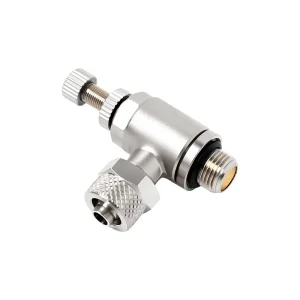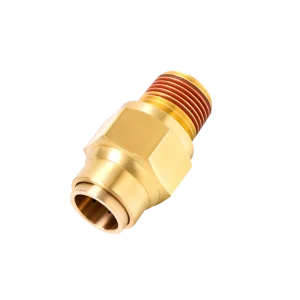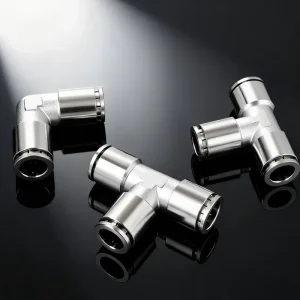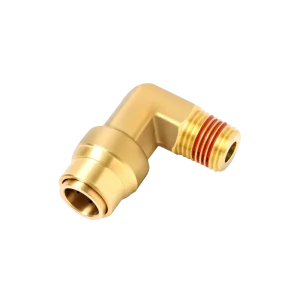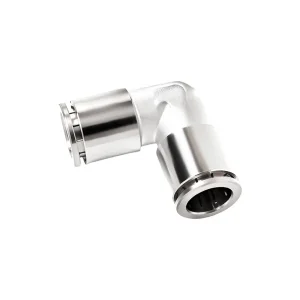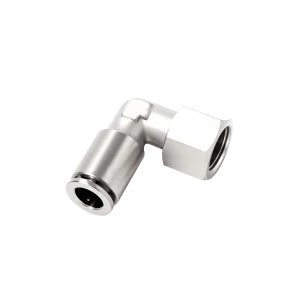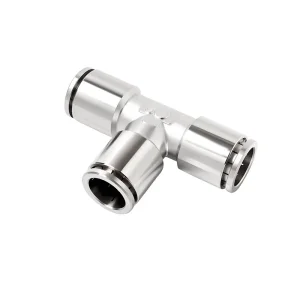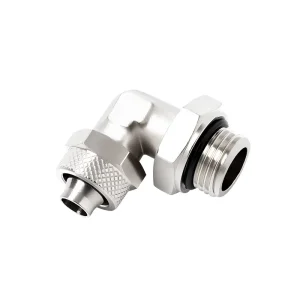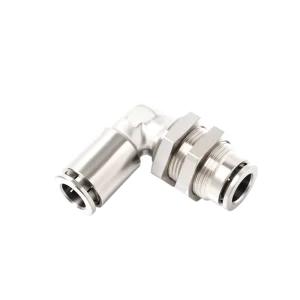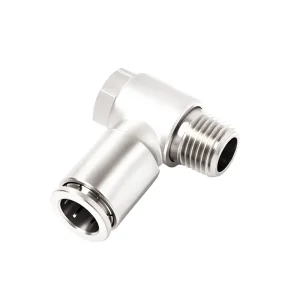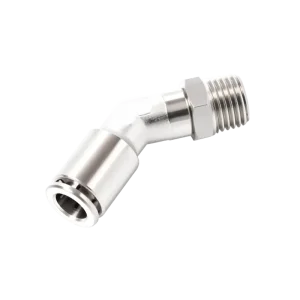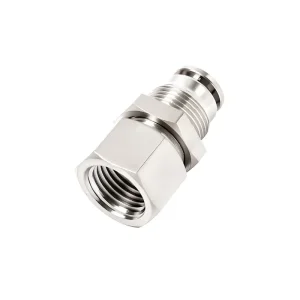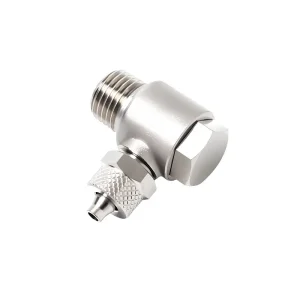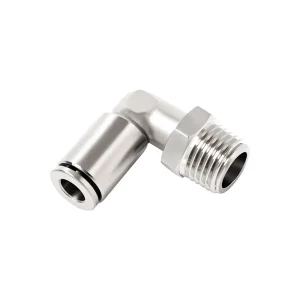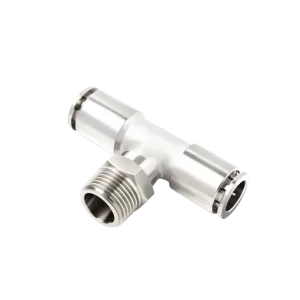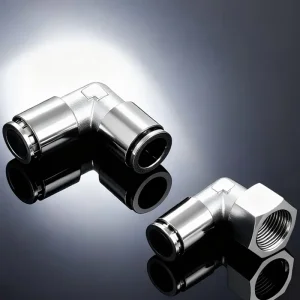
In modern commercial agricultural system design, residential landscape irrigation, and heavy industrial fluids transmission systems, the choice of piping connection materials dictates operational life cycles and total costs of ownership. Among the array of alloy components, brass has maintained a dominant market position due to its unique combination of mechanical property attributes. Known for its corrosion resistance, excellent hot forging capabilities, and reliable machinability, brass represents the preferred alloy for hose connection assemblies.
From a structural perspective, a garden hose fitting functions in high-humidity, variable pressure environments, exposing metals to potential stress-corrosion cracking (SCC) and dezincification. The deployment of high-grade lead-free brass (such as HPb59-1 or CW617N alloys) mitigates these long-term degradation issues. As a leading manufacturer with over 15 years of specialty experience, Nuoheng Pneumatic Machinery Co., Ltd. (NHPC) leverages state-of-the-art metallurgical technologies to engineer robust connector assemblies that address stringent global standards, including NSF/ANSI 372 lead content levels and European REACH mandates.
Strict metallurgical adherence ensuring less than 0.25% wetted lead content for potable water systems.
Precision CNC machining with tight tolerances down to 0.02mm for flawless thread engagements.
Rated for industrial-grade operational pressures with high safety margins against failure.
In an era of rising global inflation and compressed margins, industrial supply chain specialists must evaluate manufacturing hubs not only on low labor costs, but on overall ecosystem efficiency. China's manufacturing clusters (particularly in Zhuji, Zhejiang province) offer a fully integrated supply network. Raw brass ingot casting, hot extrusion presses, computerized multi-spindle lathe machining, electroplating finishing shops, and precision inspection labs operate within close proximity.
This geographical convergence drastically minimizes transit lag times for intermediate components and tooling setups. NHPC utilizes this systemic benefit by controlling every phase of the manufacturing flow. This process spans from selecting clean feedstock materials to performing salt-spray testing on corrosion-resistant plating and testing high-precision thread pitches (NPT, GHT, BSP). As a result, global procurement managers obtain premium brass hose fittings at production costs that domestic factories struggle to match.
| Evaluation Parameter | Local Sourced Fittings | NHPC Chinese ODM Model | Strategic Impact on Operations |
|---|---|---|---|
| Average Tooling Development Lead Time | 6 - 8 Weeks | 2 - 3 Weeks | Accelerated Time-to-Market for custom designs. |
| Machining Dimensional Tolerance | ±0.1 mm | ±0.02 mm (CNC Lathe) | Reduced leak occurrences in high-vibration systems. |
| Minimum Order Quantity (MOQ) Customization | Strict high volume restrictions | Flexible batch run options | Optimized inventory management, freeing up working capital. |
| Corrosion Protection Standard | Standard passivation process | Extended Acid-Salt Spray testing (96h+) | Enhanced product lifecycle in harsh marine & farm fields. |
High-performance brass hose adapters, quick disconnect fittings, and swivel connectors find use in more than just basic lawn watering systems. Their applications extend across multiple demanding environments:
In large-scale commercial greenhouses and farm estates, computerized fertigation systems feed nutrient-rich solutions to crops. Standard plastic fittings degrade rapidly under UV exposure and fertilizers. Heavy-duty brass couplings, however, withstand chemical wear and physical shocks from field tools, ensuring steady, continuous water delivery.
Commercial pressure washers operate at pressures between 1000 and 4000 PSI. Standard soft metal connectors often fail at these levels, leading to hazardous fluid leaks. Precision-forged brass adapters from NHPC maintain connection integrity during thermal shifts and sudden pressure surges, ensuring safe operations for workers.
In cooling systems for modern data centers and solar power grids, water heat exchangers rely on leak-free push-to-connect brass lines to manage heat without risking damage to sensitive electronics.
Operating with a mission to redefine fluid dynamics and pneumatic connectivity, NHPC runs a 15,000-square-meter facility with modern CNC machining arrays, auto-assembly lines, and advanced safety testing labs.
By integrating strict ISO 9001:2015 quality standards with lean manufacturing practices, our production cycles achieve reliable consistency. From prototyping custom drawings to delivering bulk cargo containers, NHPC serves as a trusted supply partner for top fluid-control distributors worldwide.
The global fluid hardware industry is shifting toward smart, resource-efficient, and eco-friendly designs. Developers of brass hose fittings face emerging market trends:
Modern irrigation systems increasingly use IoT-enabled flow monitors. Brass fittings are being designed with integrated sensor ports, allowing managers to track flow rates and detect pressure drops directly from their control panels.
While raw brass offers strong corrosion resistance, exposure to highly chlorinated municipal water can lead to dezincification. To combat this, factories are using advanced alloys and protective coatings like electroless nickel and matte-chrome plating. These coatings extend the lifespan of components in harsh environments.
Labor shortages are driving demand for fast, tool-free installation methods. Push-to-connect systems (like NHPC's specialized push-on air brake and fluid line fittings) reduce installation times by up to 70% compared to traditional threaded adapters.
 Nuoheng