Explore our primary selection of high-precision brass and composite connectors engineered for seamless operation under intense industrial conditions.
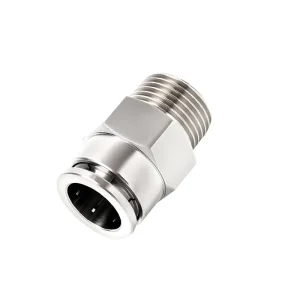
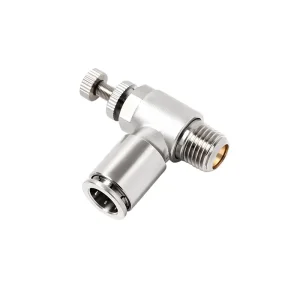
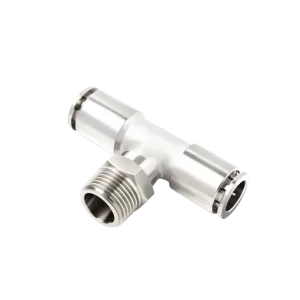
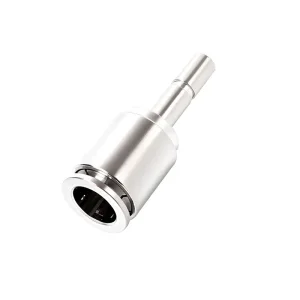
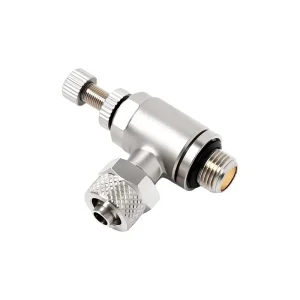
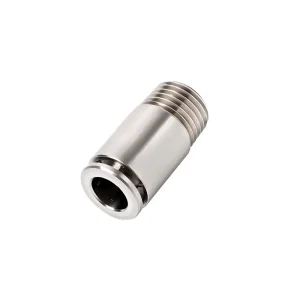
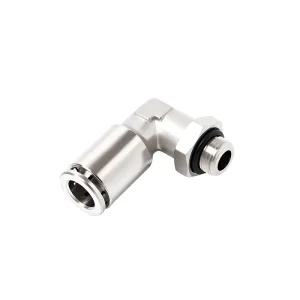
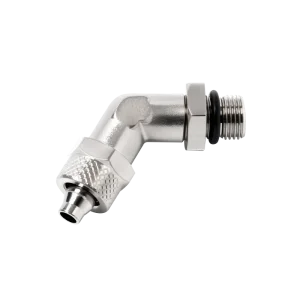
In heavy-duty commercial vehicles, transit networks, and high-stakes industrial environments, the integrity of pneumatic brake systems is paramount to operational safety and human lives. The DOT Air Line Quick Connect system stands as the bedrock of modern vehicular safety, serving as the critical conduit for compressed air lines. Unlike standard pneumatic couplings used in low-risk automated factory setups, DOT-compliant fittings must adhere to extremely rigid performance standards specified by global transport authorities. In the United States, this is governed by the Federal Motor Vehicle Safety Standards (FMVSS 106) and the Society of Automotive Engineers (SAE J2494).
This technical whitepaper examines the core engineering challenges, material selections, and regulatory landscapes that shape the design, production, and wholesale procurement of DOT-compliant quick connect systems. As global supply chains face volatile raw material costs and fluctuating logistics pipelines, identifying a manufacturing partner capable of delivering both extreme quality consistency and cost-effective bulk capacity is essential for OEMs and top-tier aftermarket distributors alike.
Traditional pneumatic connections relied on compression fittings, which required the assembly technician to manually thread nuts, position sleeves, and apply precise torque. This manual process introduced high room for human error, including over-tightening (which damages the air tube) or under-tightening (which causes slow micro-leaks under vibration). The transition to push-to-connect (PTC) DOT fittings has revolutionized vehicle assembly lines and fleet maintenance schedules.
Modern DOT PTC fittings utilize a mechanical grip mechanism containing a high-tensile stainless steel grab ring or collet. When a nylon or polymer tube is inserted into the fitting, the inner teeth of the stainless steel grab ring flex back, letting the tube pass. However, when tension is applied in the opposite direction, the teeth bite securely into the outer diameter of the tube. Accompanying this lock is a support brass insert that acts as an inner guide, preventing the flexible nylon tubing from collapsing under heavy mechanical load or elevated temperatures. A high-grade sealing ring, typically composed of Nitrile (NBR) or Ethylene Propylene Diene Monomer (EPDM), sits deep within the fitting cavity, providing a hermetic seal against pressurized air while accommodating thermal expansion and contraction.
Every quick-connect fitting destinados to run on commercial air brake lines must survive rigorous FMVSS 106 tests. These include high-temperature conditioning at 100°C for days, followed immediately by tensile pull testing where the fitting must withstand up to 150 lbs of pull force without releasing the tube. Furthermore, they are subjected to intensive salt spray exposure (ASTM B117) to verify corrosion resistance against aggressive highway de-icing chemicals.
Heavy-duty trucks travel millions of miles across changing altitudes and sub-zero climates. Standard industrial fittings fail because they cannot cope with the simultaneous combination of heavy structural vibration and sudden temperature shifts. Our DOT quick connect series is tested down to -40°C to guarantee seal elasticity, preventing transient leakage that causes system pressure drops during cold-weather engine starts.
Welcome to NHPC, a world-class leader in the pneumatic engineering domain with over 15 to 20 years of manufacturing excellence. Our facility was established with a singular, driving vision: to redefine connection reliability by producing high-precision, robust, and certified pneumatic solutions. Today, our footprint covers global markets, supplying tier-1 transportation OEMs, industrial automation networks, and global wholesale distributors with specialized push-in and push-on components.
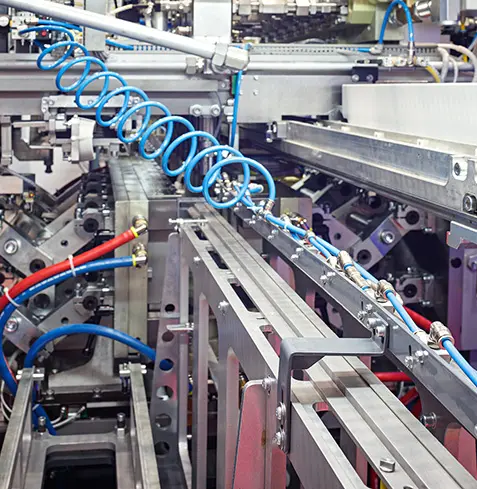
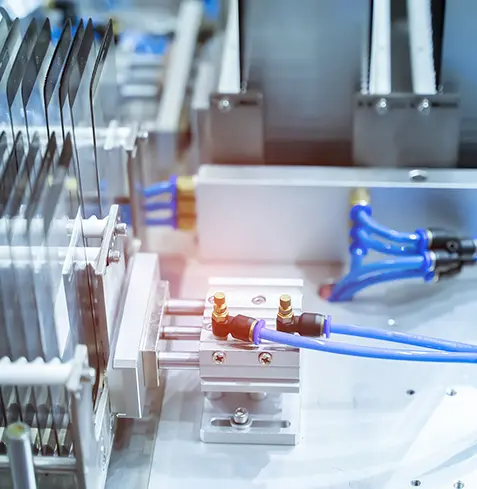
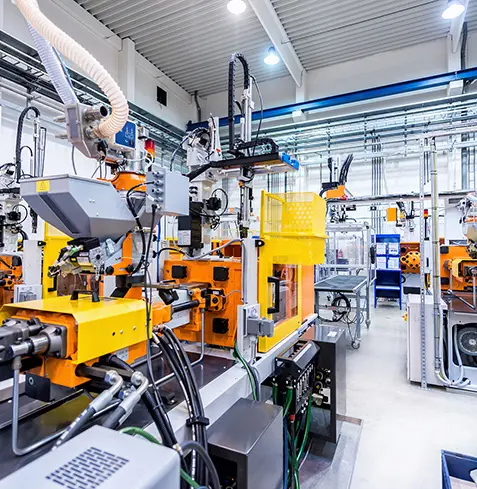
We control the entire production pipeline. From raw brass extrusion and metallurgy to multi-spindle CNC machining, injection molding of composite components, and fully automated optical inspection (AOI) assemblies. By investing heavily in cutting-edge manufacturing equipment, we make sure that every single fitting that leaves our factory meets or exceeds international regulations, including ISO 9001 and strict DOT standards.
Industrial procurement departments faces multiple challenges when sourcing air line fittings. For heavy-duty fleet operations, transit authorities, and trailer OEMs, the cost of a single component failure is not limited to the price of the fitting itself. It encompasses the cost of vehicle downtime, road service assistance, cargo delays, and potential liability issues. Therefore, wholesale procurement managers look for manufacturers that do not just offer low unit costs, but guarantee zero defect rates through rigorous testing protocols.
In addition, global supply chains must mitigate risk by choosing suppliers with strong inventory buffers and reliable logistic pipelines. NHPC addresses these procurement needs by providing comprehensive OEM/ODM customization services, direct factory-to-port logistics, and custom packaging. This guarantees that your assembly lines or distribution centers never face stockouts of crucial parts.
Specifically designed to meet extreme safety guidelines, these fittings are engineered for vehicle brake lines and advanced battery storage fire suppression systems.
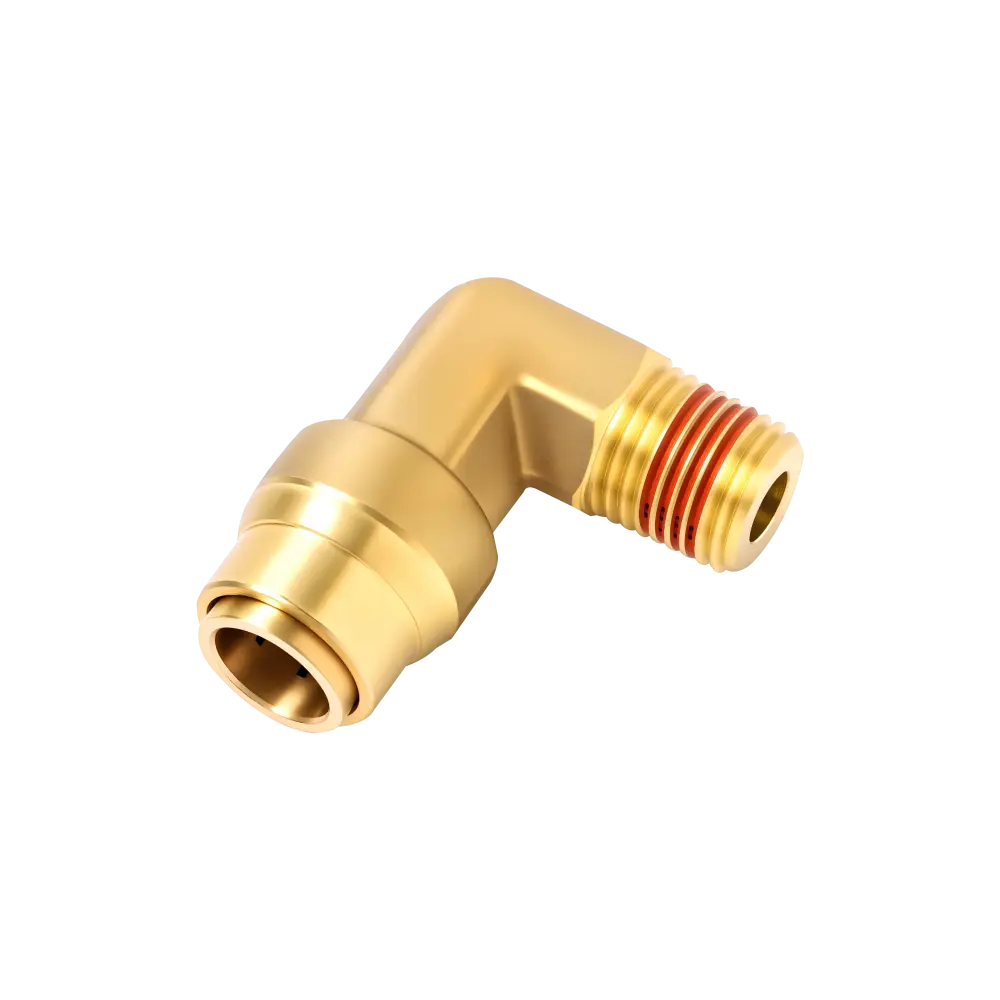
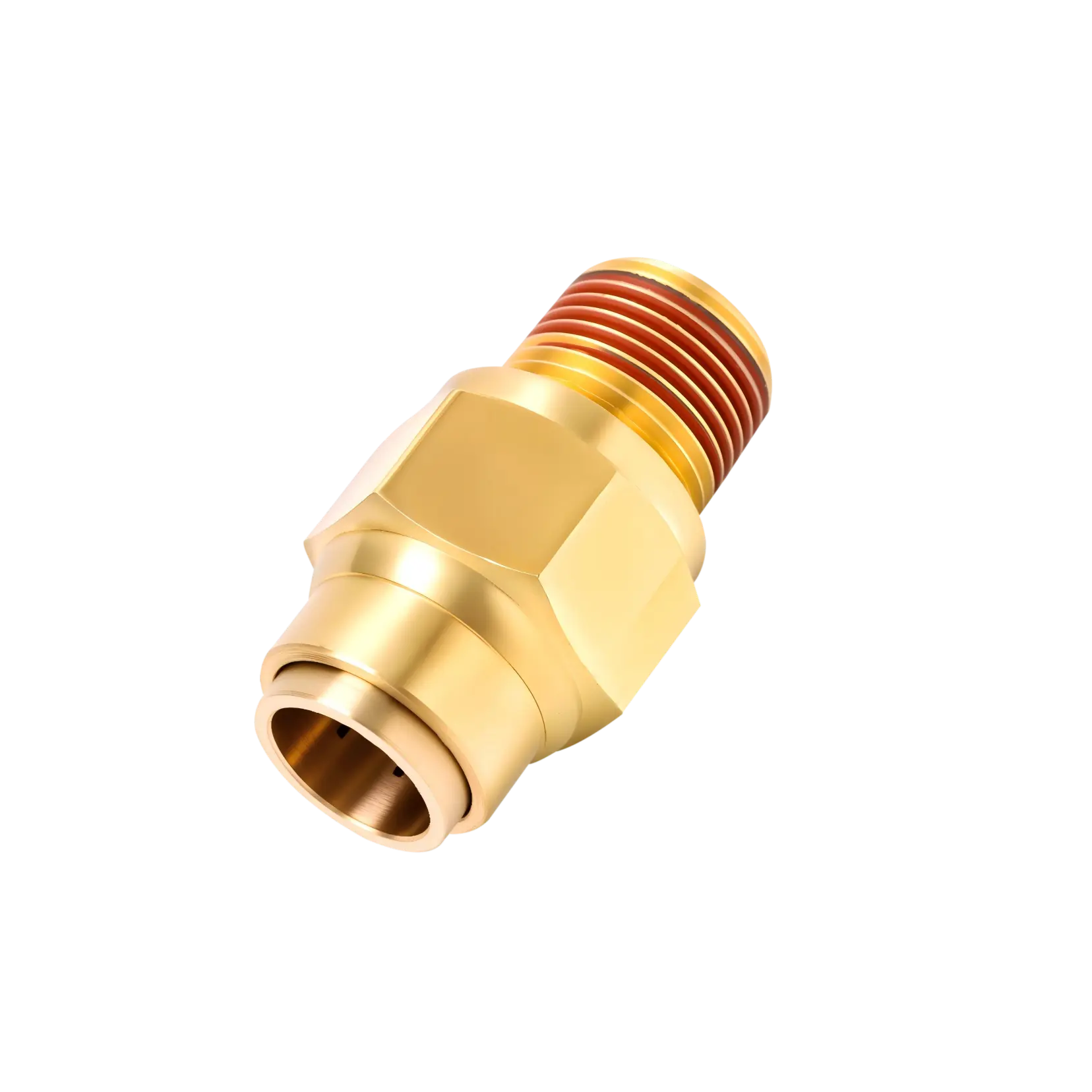
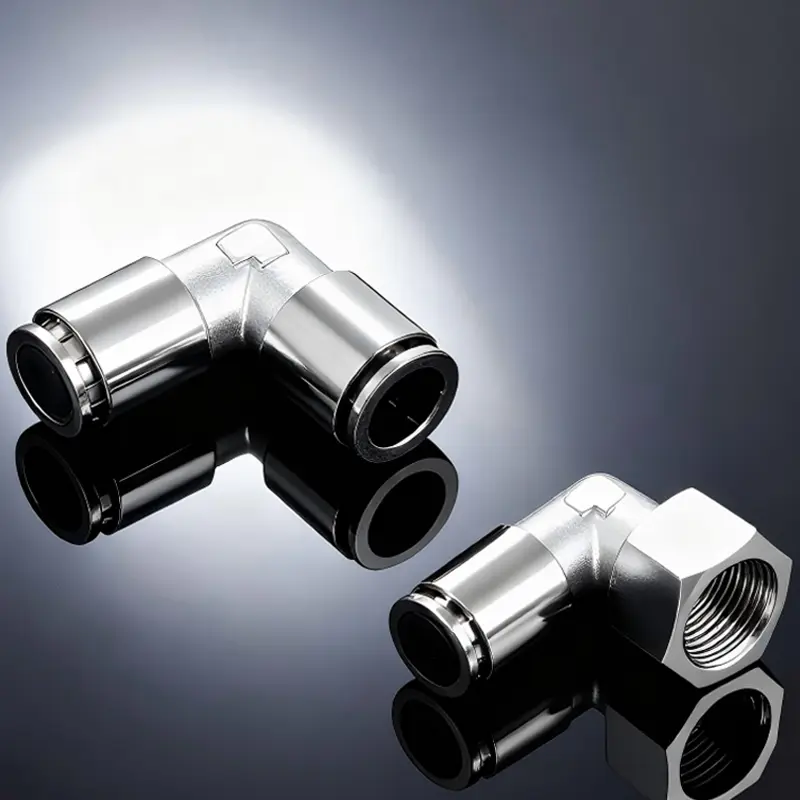
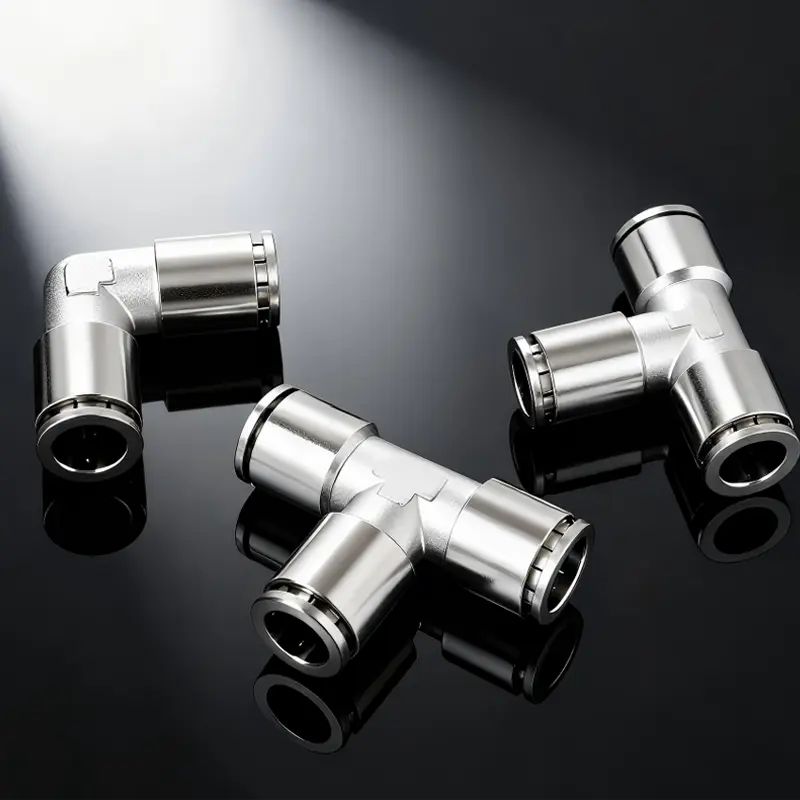
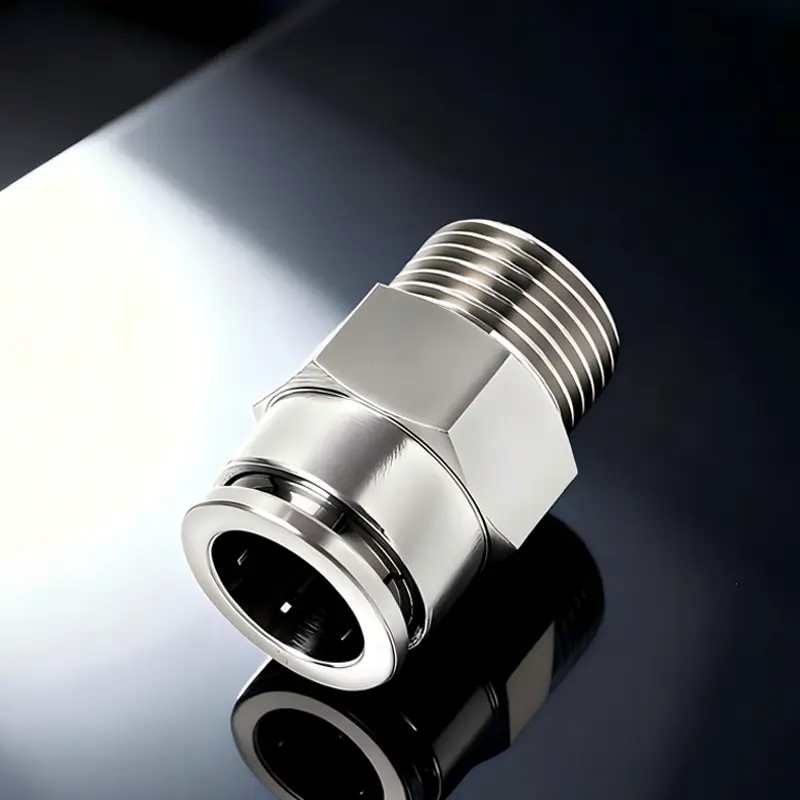
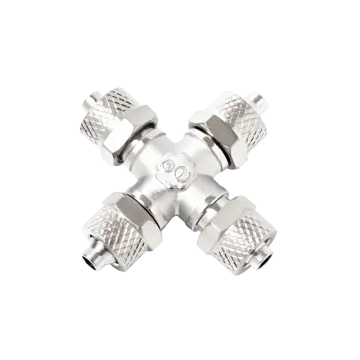
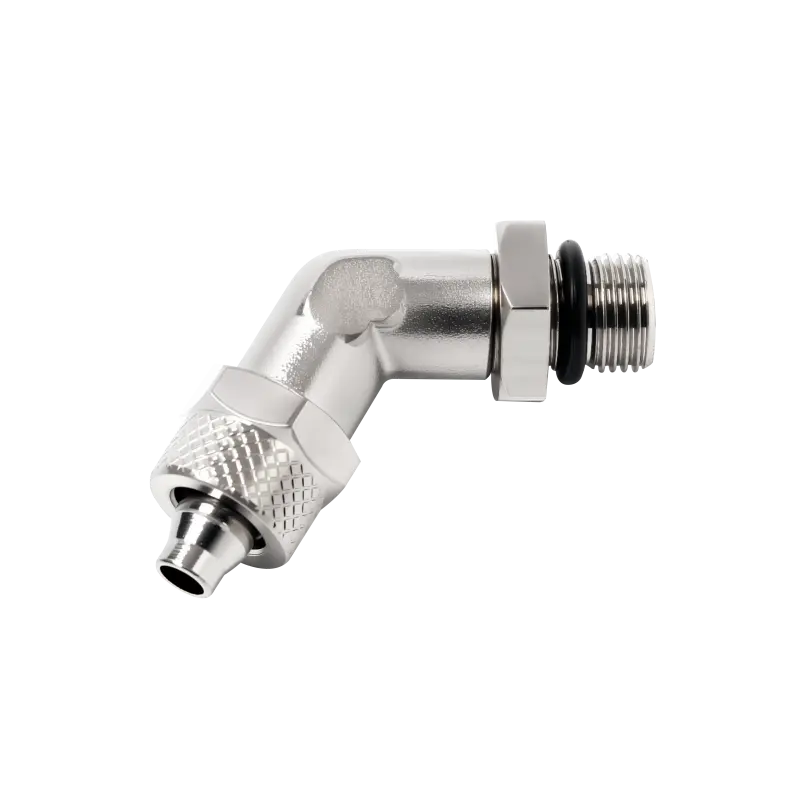
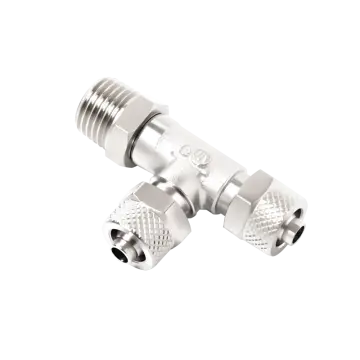
In freight transportation, braking efficiency is non-negotiable. Standard air brake lines operate under constant pressure cycles, carrying pneumatic commands from the driver’s cabin down to the trailer wheels. Any delay or pressure leak can increase braking distance, creating dangerous hazards. Our DOT air line fittings provide a robust connection that resists the vibration of highway speeds, sub-zero winters, and desert heat. By utilizing high-purity CA360 brass, these fittings are structurally immune to stress-corrosion cracking and dezincification caused by continuous exposure to winter road salts.
A major technological expansion in the pneumatic and fluid management sector is the integration of connectors into lithium-ion Battery Energy Storage Systems (BESS). In these applications, fire protection systems must operate instantly during thermal runaway events. These systems use networks of pipes to deliver flame retardants or coolants directly to individual battery cells or racks.
If a fire starts, standard composite fittings will melt immediately, rendering the safety system useless. This is why NHPC developed its specialized flame-resistant (PLF, PE, PC series) fittings. Formulated with self-extinguishing materials rated up to UL94-V0 compliance, these connectors maintain structural and seal integrity under intense direct heat, ensuring fire suppressing media is successfully delivered right where it is needed.
Constructed using specialized self-extinguishing polymers. These fittings comply with strict fire safety ratings, guaranteeing that cooling lines and fire suppressants remain fully operational even during thermal runaway events.
Our state-of-the-art CNC lathes machine threads with tolerances down to the micron. This ensures a leak-free fit with existing vehicular and industrial manifolds, eliminating pressure losses.
Equipped with resilient EPDM seals to guarantee leak-tight operation. Designed to absorb dimensional changes of plastic tubing during fast temperature shifts, maintaining tight holds.
NHPC fittings are deployed across heavy industries worldwide, from heavy transport fleets and machinery assembly to new-energy battery storage installations.

The pneumatic industry is evolving rapidly, driven by the global transition toward vehicle electrification, autonomous transport, and green smart infrastructure. Historically, air brake connections were passive mechanical components. Over the next five years, however, the industry will shift toward hybrid systems that integrate digital sensors and advanced materials.
In autonomous heavy-duty transport, a minor leak in a pneumatic line cannot be detected by a human driver. This is driving research into smart connectors equipped with micro-electromechanical systems (MEMS) sensors. These sensors monitor localized pressure drops, vibration changes, and thermal spikes at connection points, sending diagnostic data directly to the vehicle’s central management computer. This enables proactive maintenance schedules and helps prevent roadside breakdowns.
Environmental standards like RoHS (Restriction of Hazardous Substances) and REACH are forcing a shift away from traditional leaded brasses. While lead improves the machinability of brass, it poses environmental risks. The industry is transitioning to lead-free silicon-brass and bismuth-brass alloys. Machining these harder alloys requires advanced tool geometries and high-torque CNC spindles. NHPC is already upgrading its production floor to process these eco-friendly alloys, helping our clients stay ahead of shifting global environmental standards.
Extreme climate events demand sealing compounds that can handle wider operating temperatures. The next generation of DOT quick-connect fittings will feature advanced fluorocarbon and HNBR seals. These materials maintain elasticity down to -50°C and resist degradation up to 150°C, ensuring robust connections for electric commercial vehicle cooling and battery management loops.
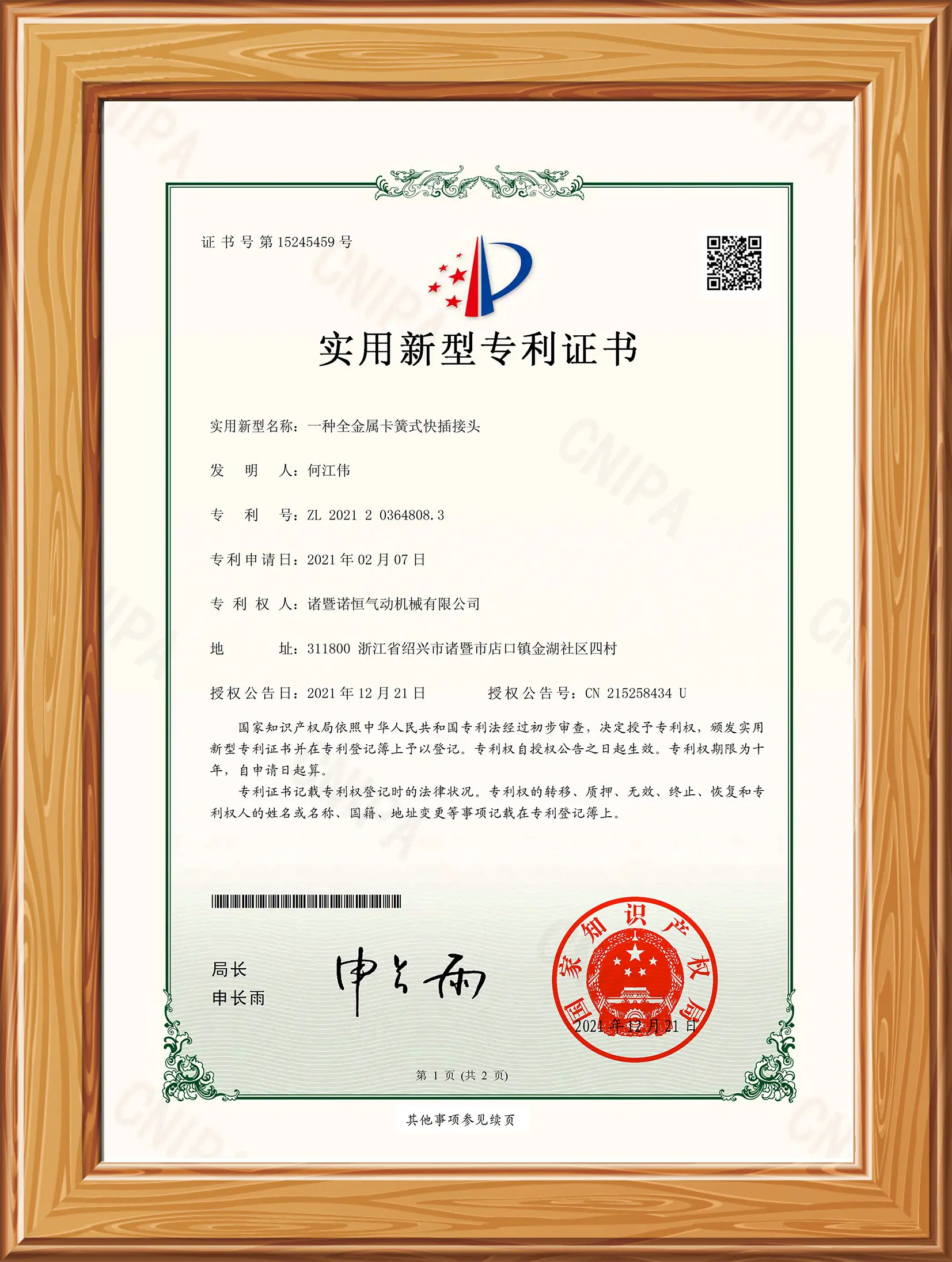
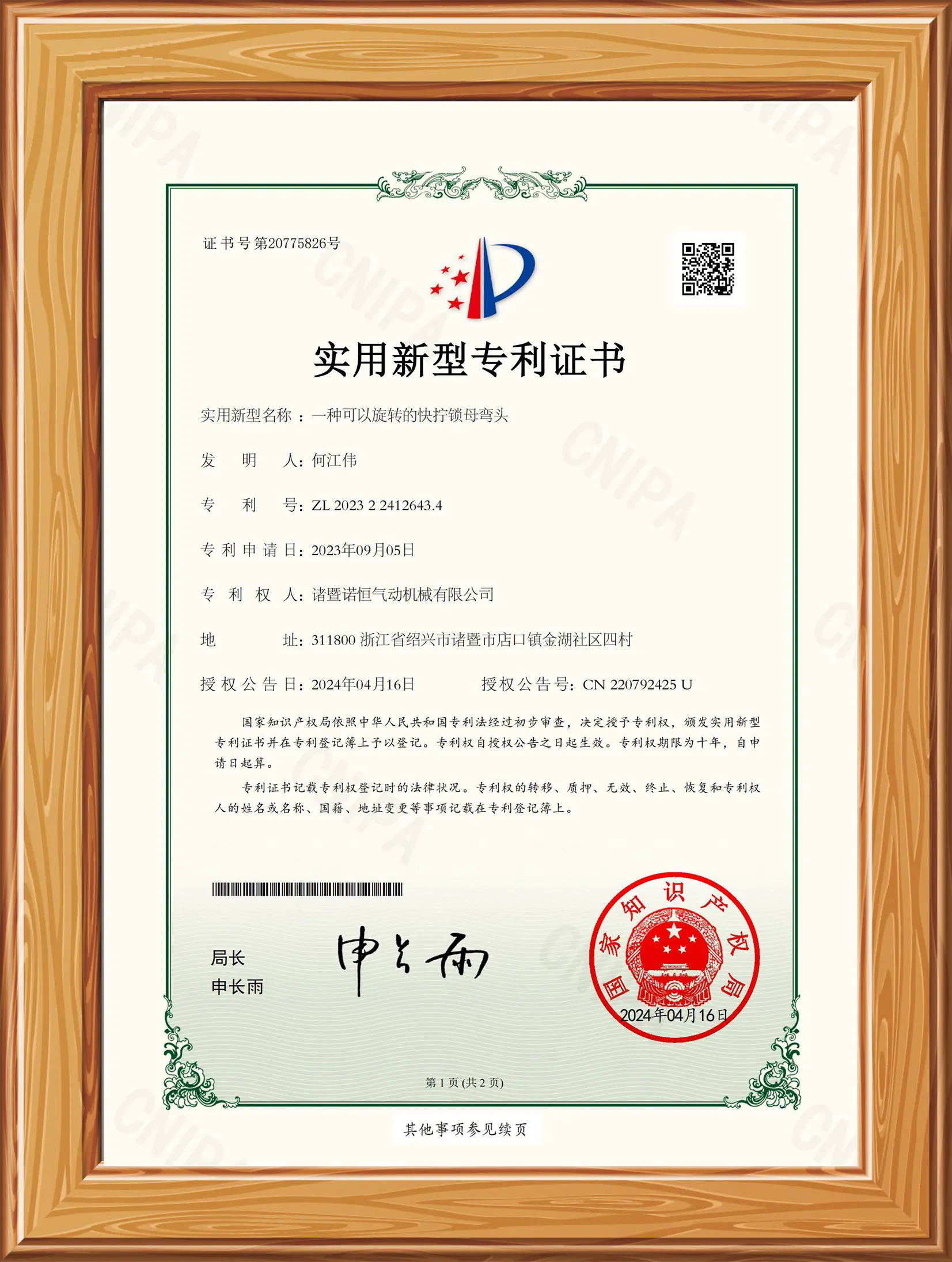
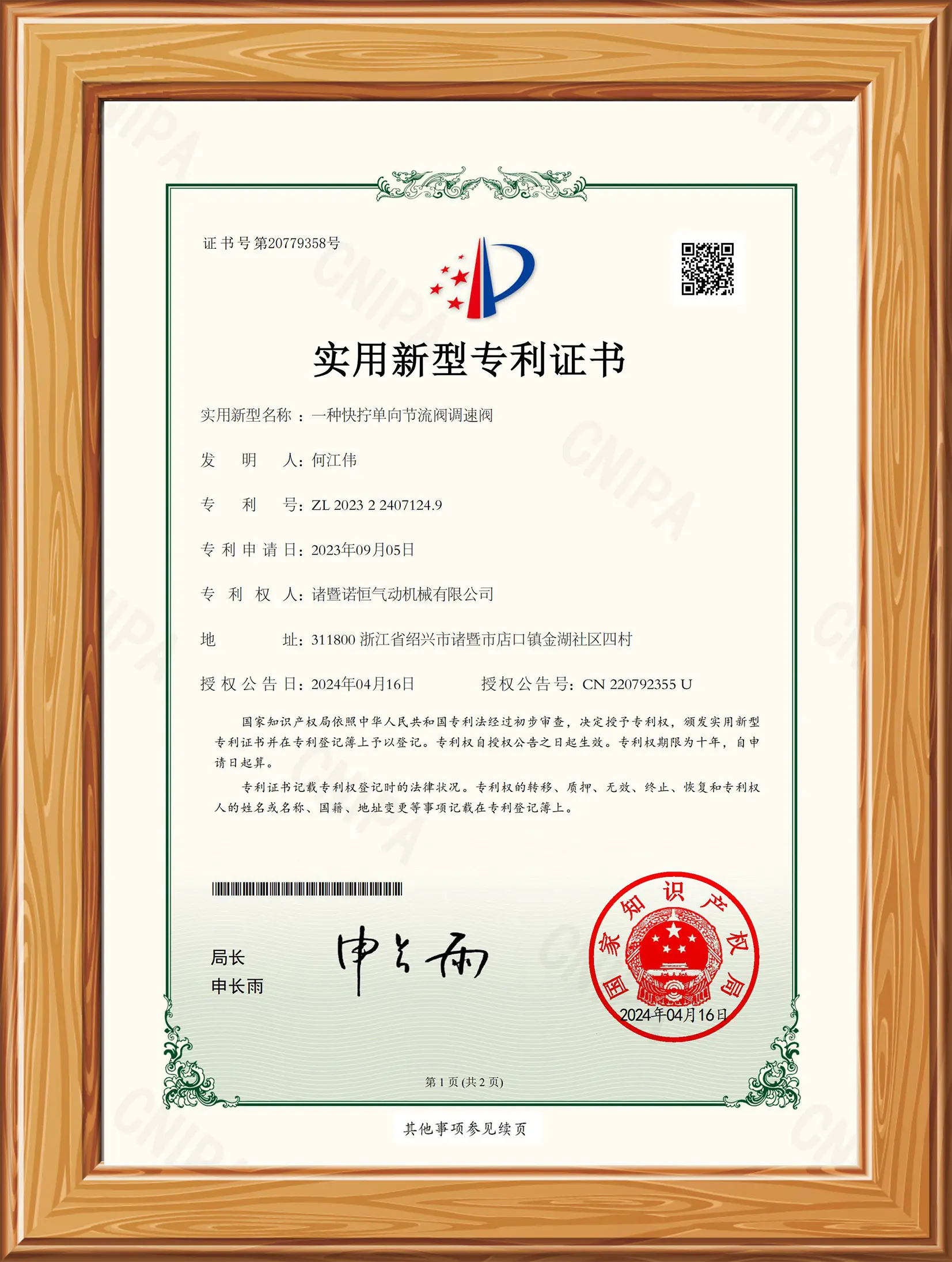
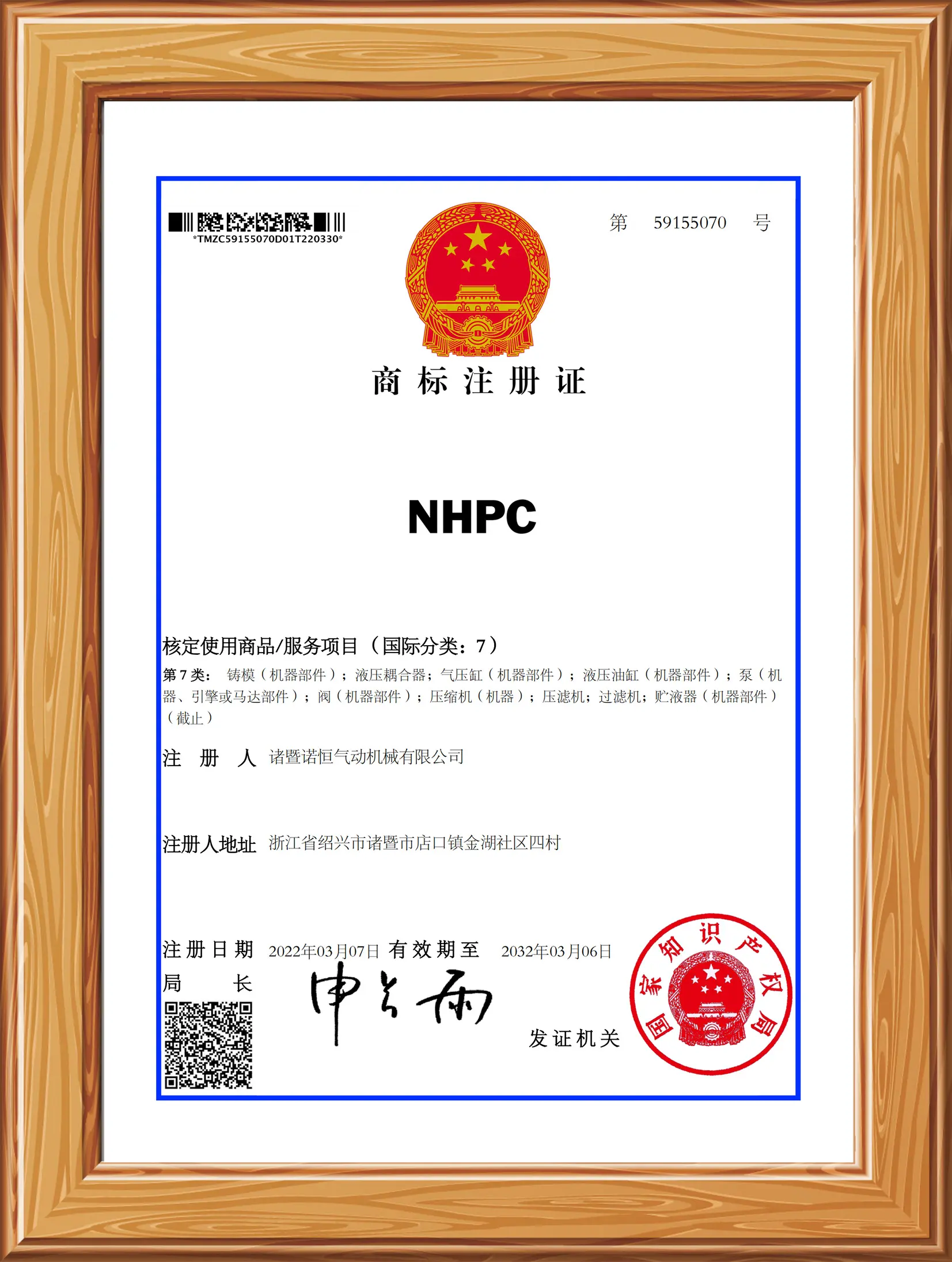
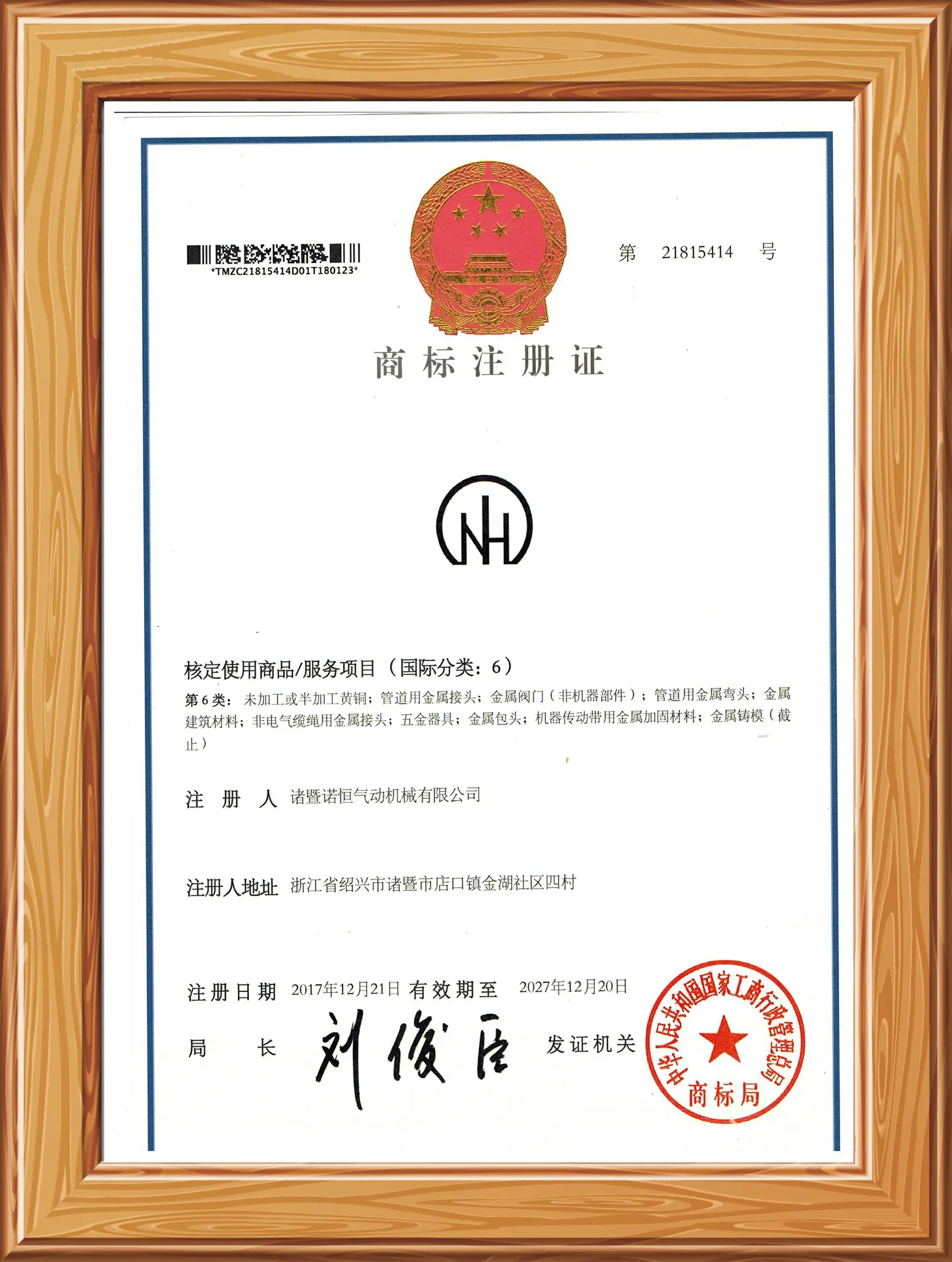
We maintain strict production oversight, supported by ISO 9001, CE, and global safety certifications to ensure reliability at scale.


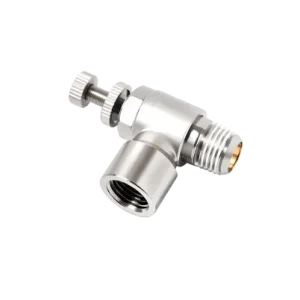
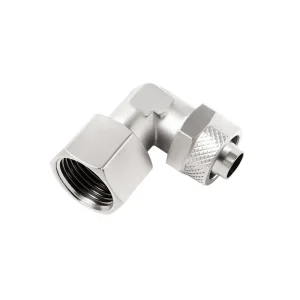
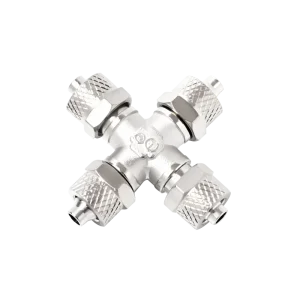
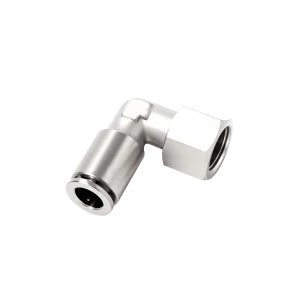
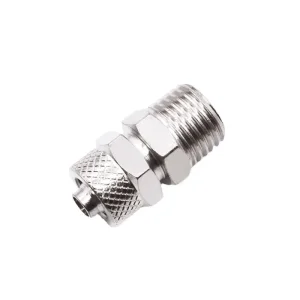
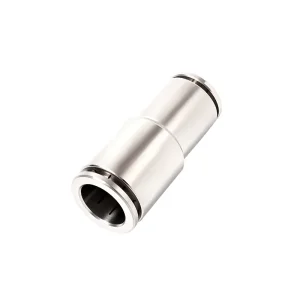
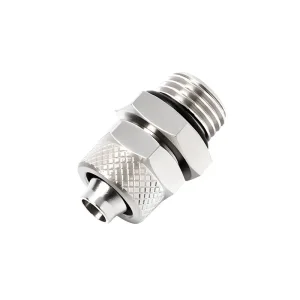
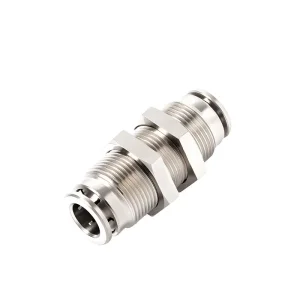
Browse our complete catalog of straight reducers, flow controls, bulkhead fittings, and custom connectors.
 Nuoheng