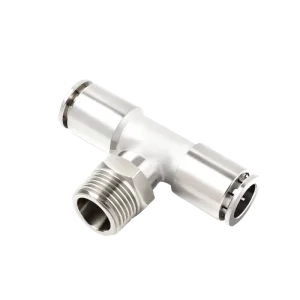
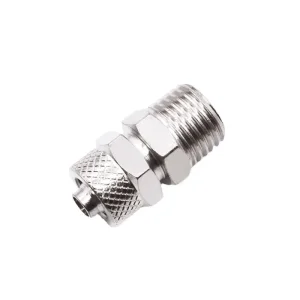
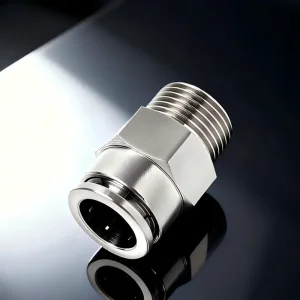
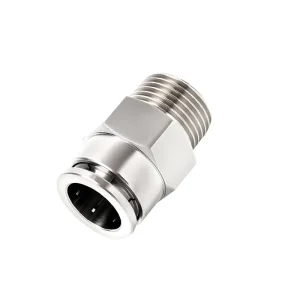
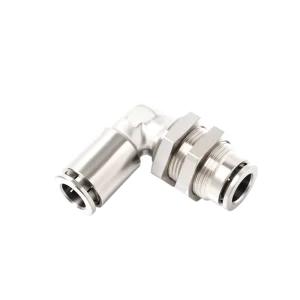
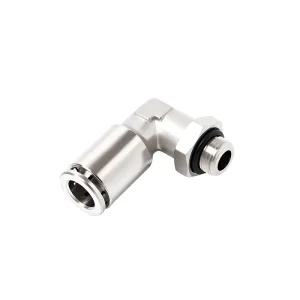
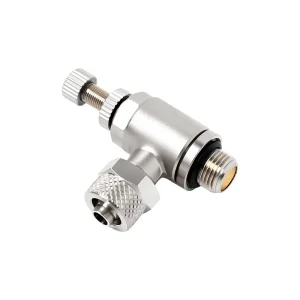
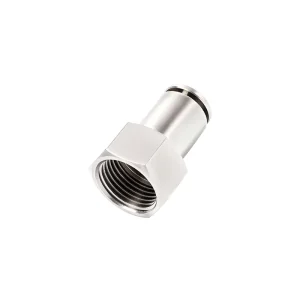
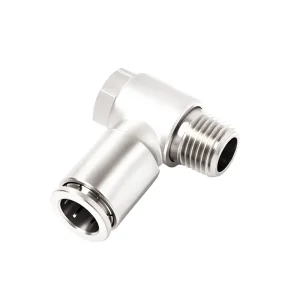
High-reliability pneumatic components engineered for Nigerian industrial climates and vehicle requirements.
In the Federal Republic of Nigeria, particularly across major economic arterial routes such as the Lagos-Ibadan Expressway, the Trans-Saharan Highway, and the logistics loops connecting Port Harcourt, Onne, and Kano, road freight is the primary engine of commerce. Heavy commercial vehicles, including long-haul tankers, cargo flatbeds, and manufacturing logistics fleets, operate continuously under extreme mechanical stresses. One of the most safety-critical subsystems of these vehicles is the pneumatic braking system, which relies completely on the structural integrity of its couplings and air lines.
Pneumatic failures represent a prominent cause of truck-related traffic incidents in West Africa. Under the high-temperature and dust-intensive operational conditions of regions like Northern Nigeria (Kano, Kaduna, and Sokoto), standard industrial plastic fittings deteriorate rapidly, leading to micro-leaks and catastrophic pressure drops in trailer braking circuits. For fleet operators, importing components that comply strictly with international automotive regulations, such as the United States Department of Transportation (DOT) standards, is not merely a legal safety recommendation—it is a critical requirement to secure asset protection, safeguard human lives, and prevent costly logistical downtime.
"According to the Federal Road Safety Corps (FRSC) guidelines and the Standards Organisation of Nigeria (SON), maintaining vehicular pneumatic integrity through qualified FMVSS 106 components is paramount to reducing heavy highway collision rates."
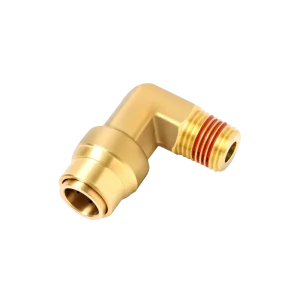
DOT-compliant air brake fittings are designed to satisfy the rigorous parameters defined by Federal Motor Vehicle Safety Standard (FMVSS) 106, in conjunction with Society of Automotive Engineers (SAE) standards—specifically SAE J246 (for compression fittings) and SAE J1131 (for push-to-connect reusable configurations). Unlike general-purpose pneumatic push-in components, DOT brass fittings are manufactured from robust alloys (such as CA360 or C3604 brass) to withstand extreme physical constraints.
The internal architecture of an NHPC DOT push-to-connect fitting features a heavy-duty stainless steel grab ring (collet) combined with a highly specialized inner support sleeve. This sleeve enters the nylon or composite tubing to prevent tube collapse when the system undergoes transient pressure surges or sudden mechanical bends. Under SAE J1131 guidelines, these fittings must pass rigorous physical trials:
Nigeria's geographic distribution presents a dual challenge for engineering materials. In the coastal South, including the maritime ports of Apapa, Tin Can, Port Harcourt, and Warri, atmospheric salinity is exceptionally high. Marine aerosols accelerate galvanic corrosion in low-quality metallic alloys. When carbon steel or poor-grade brass is used for air brake components, the metal experiences rapid oxidation, which locks the push-lock mechanism and weakens the structural thread wall.
Conversely, the semi-arid Northern zones, extending into West-African Sahel borders, experience high diurnal temperature ranges and elevated concentrations of fine atmospheric silica dust. Standard industrial NBR (nitrile butadiene rubber) seals degrade rapidly when exposed to such thermal shifts and particulate ingress. NHPC overcomes these environmental issues by utilizing high-grade brass formulations alongside customized HNBR (Hydrogenated Nitrile Butadiene Rubber) or FKM O-ring seals, ensuring that the internal locking system is protected from dust and salt spray.
Procuring components internationally for commercial application in Nigeria requires navigating a strict import-compliance framework. The primary mechanism is the **SONCAP (Standards Organisation of Nigeria Conformity Assessment Programme)**, which verifies that all imported machinery, components, and vehicle spare parts comply with local safety and quality standards. As a global manufacturer, NHPC facilitates this by providing comprehensive compliance certificates, raw material test records, and ISO 9001:2015 documentation.
Furthermore, understanding the logistics of air and sea transport to Nigeria is vital. Bulk shipments are routed through the Lagos Port Complex (Apapa/Tin Can Island) or Onne Port in Rivers State. NHPC works directly with Nigerian logistics partners, providing structured documentation including Product Certificates (PC) and SONCAP Certifications (SC), which minimizes clearance delays and ensures that critical replacement fittings arrive at fleet maintenance workshops without logistical friction.
As Nigeria invests in localized renewable energy grids, solar microgrids, and energy storage systems to support urban centers and industrial zones in Ikeja, Abuja, and Aba, fire safety becomes a key priority. Lithium-ion battery installations and electrical hubs require flame-retardant pneumatic and containment systems for clean-agent fire suppression.
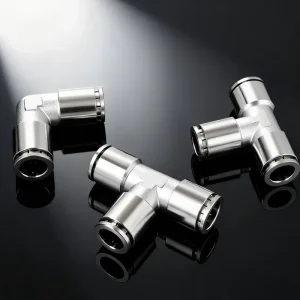
Our PE and PC series flame-retardant fittings are engineered to support these specialized infrastructures. Utilizing UL94 V-0 rated polymers, these fittings ensure that in the event of an electrical thermal runaway, the pneumatic signaling lines and pressure connections do not propagate fire, maintaining system functionality and allowing safety suppression agents (like Novec 1230 or FM200) to deploy reliably.
Watch our manufacturing line, detailing high-precision CNC machinery and inspection technologies.
Proven performance of NHPC pneumatic connections across critical applications in West Africa.
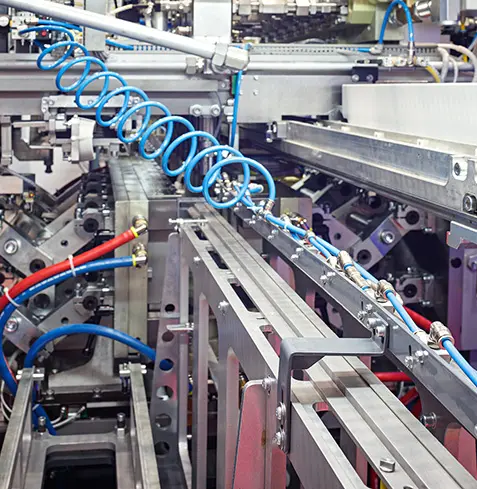
Retrofitting over 450 heavy-duty trailer units with DOT-approved brass air brake fittings to eliminate pneumatic leaks on the Lagos-Ibadan logistics corridor.

Deploying OEM flame-retardant pipe fittings within the battery enclosure fire-suppression systems of an off-grid regional microgrid project.
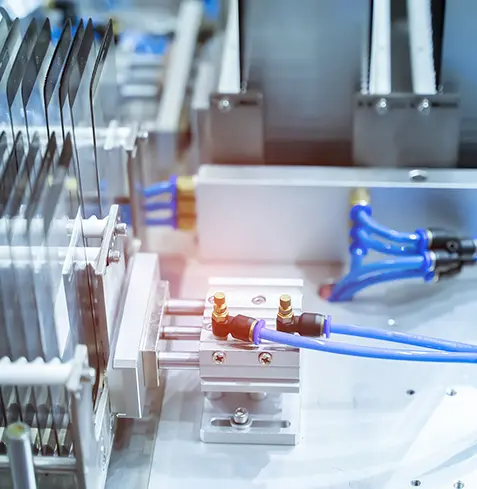
Utilizing high-grade corrosion-resistant brass push-on fittings for control instrumentation panels operating in highly saline coastal environments.
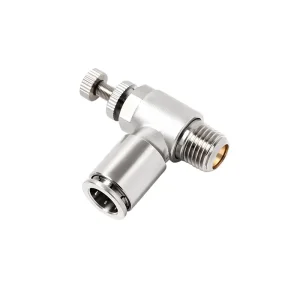
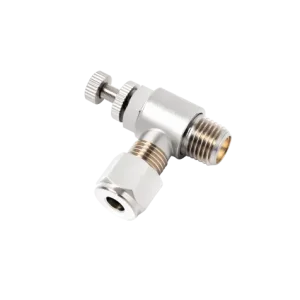
Optimizing pneumatic signal routing on high-speed sorting and packaging machinery with SL-flow control throttle valves for improved production throughput.
Over 15 years of innovation in the design, development, and manufacturing of high-performance pneumatic components.
Welcome to NHPC, a leading manufacturer in the pneumatic industry with a rich history spanning over 15 years. Our journey began with a simple but powerful vision: to revolutionize the pneumatic industry by delivering high-quality, innovative, and reliable products that meet the ever-evolving needs of our clients. Today, we are proud to stand as a trusted name in the industry, serving a diverse range of customers across the globe.
We specialize in the design, development, and manufacturing of a comprehensive range of pneumatic products. Our product line includes push-in fittings, push-on fittings, pneumatic valves, quick connectors, PU pipes, hydraulic components, and design services for custom pneumatic systems. Each product is engineered with precision, ensuring optimal performance, durability, and efficiency. Whether you need standard components or customized solutions, we have the expertise to deliver products that exceed your expectations.
With our deep knowledge of pneumatic and fluid control systems, we provide optimized layout designs, material selection advice, and cost-effective specifications tailored for heavy commercial fleets and machinery networks.
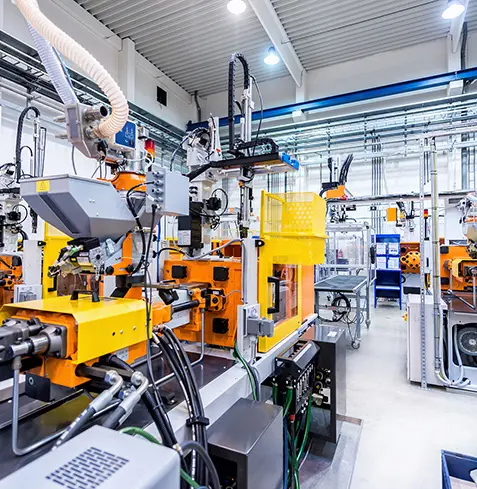
Equipped with high-precision surface treatment machines, CNC multi-axis lathes, high-pressure injection molding units, stamping setups, and die-casting lines to maintain structural tolerances and ensure 100% testing.
Our engineering support team is available to assist international buyers through technical consultations, material safety data, customized modifications, and post-delivery validation.
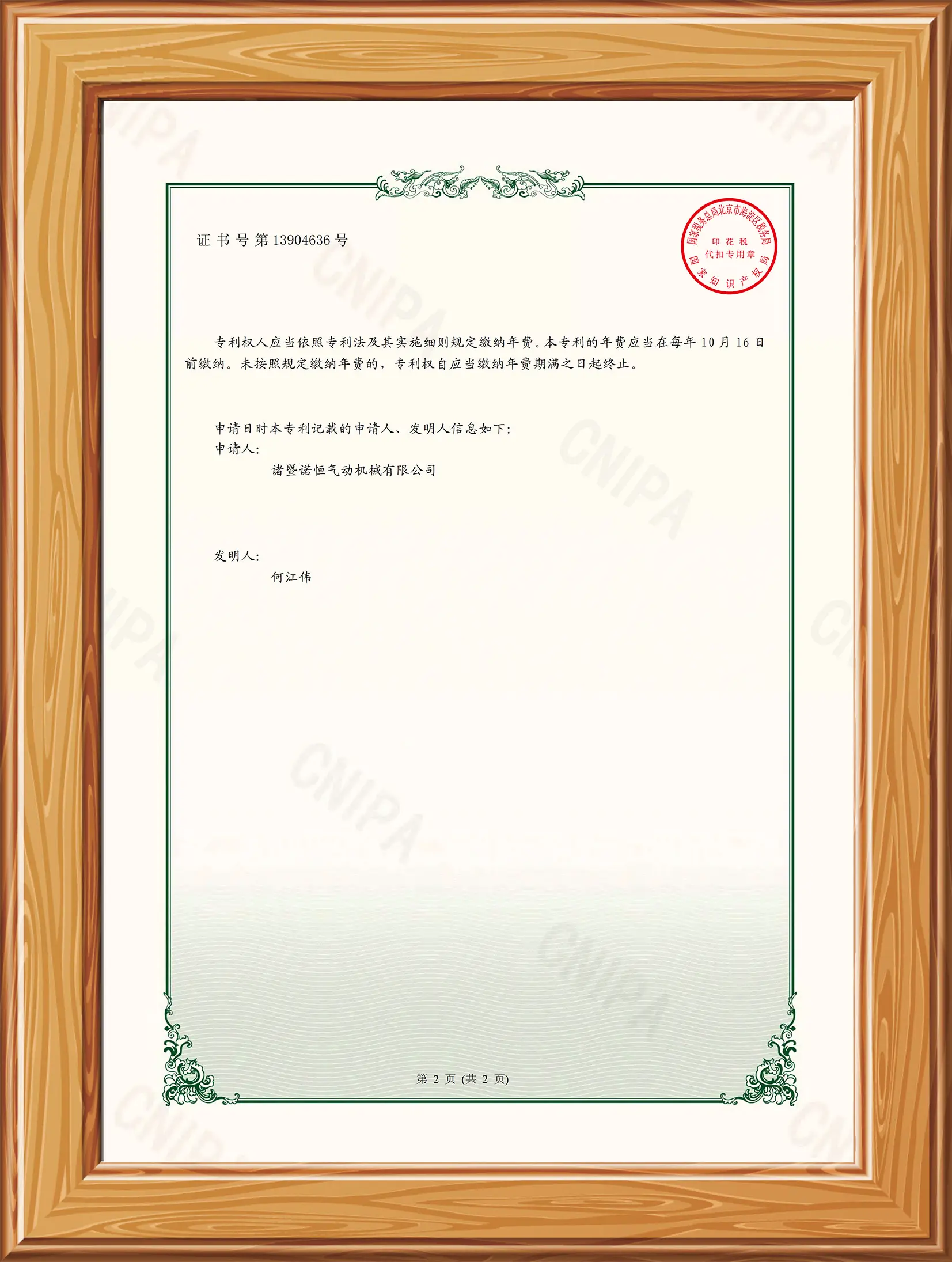
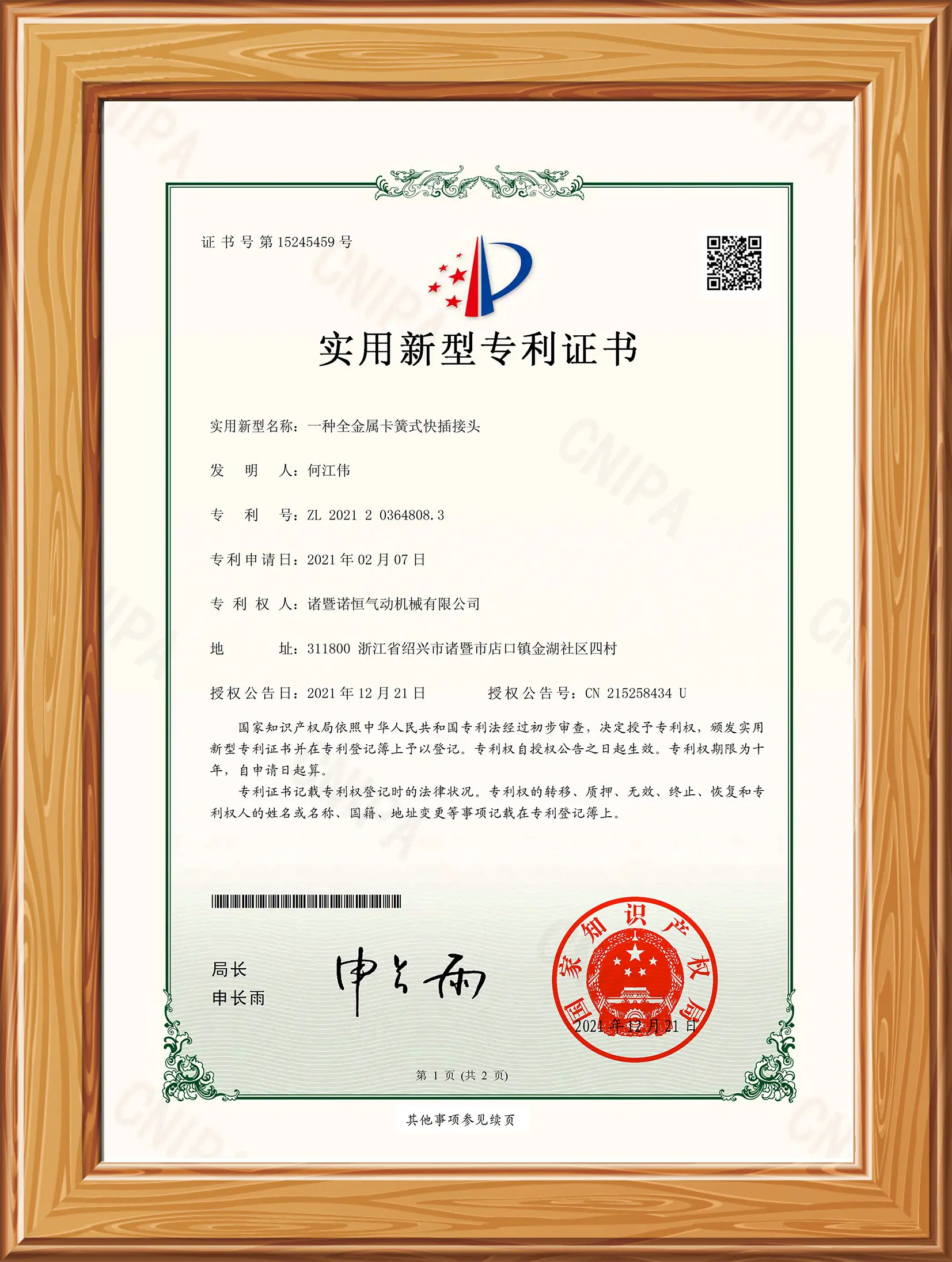
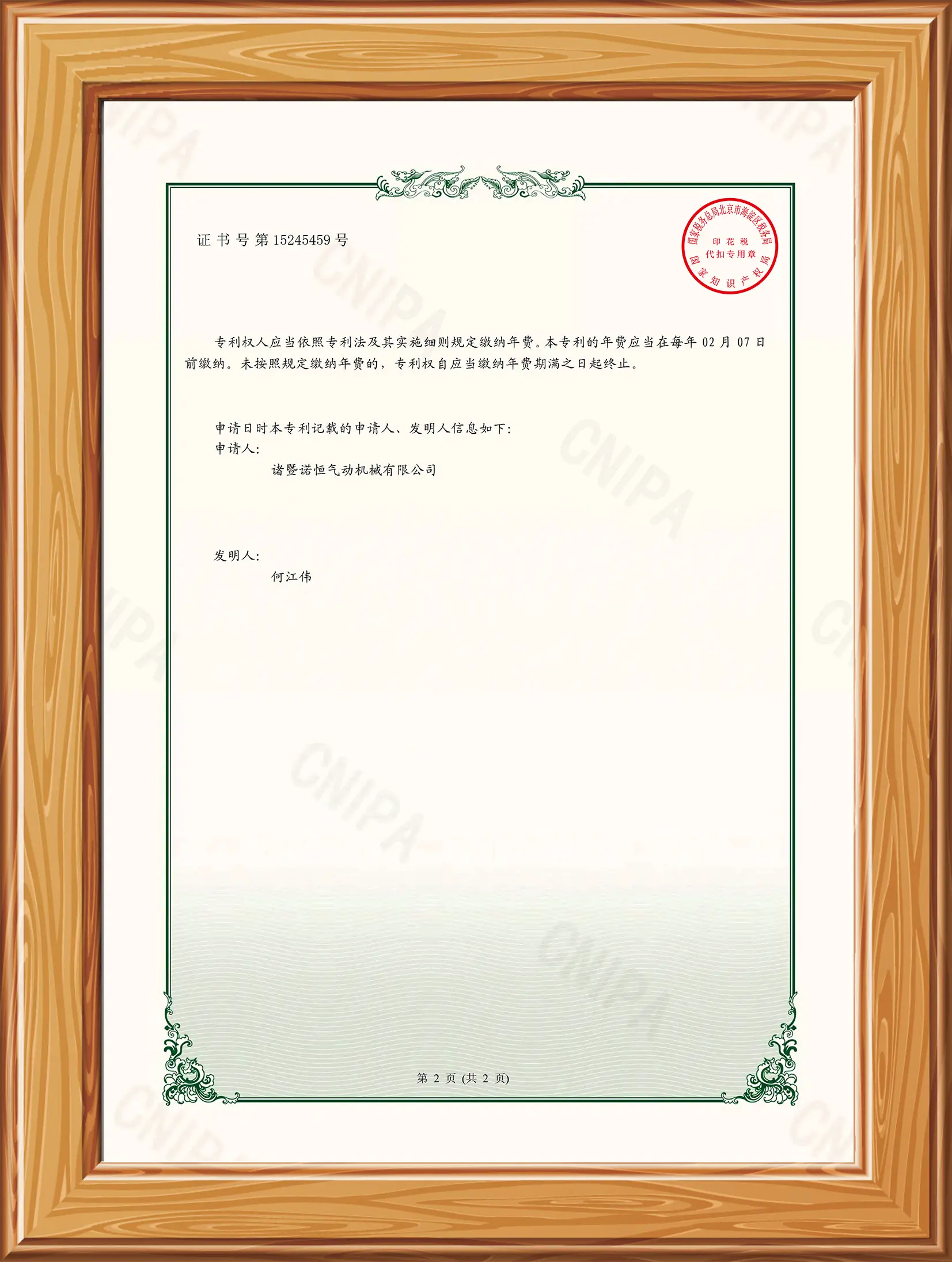
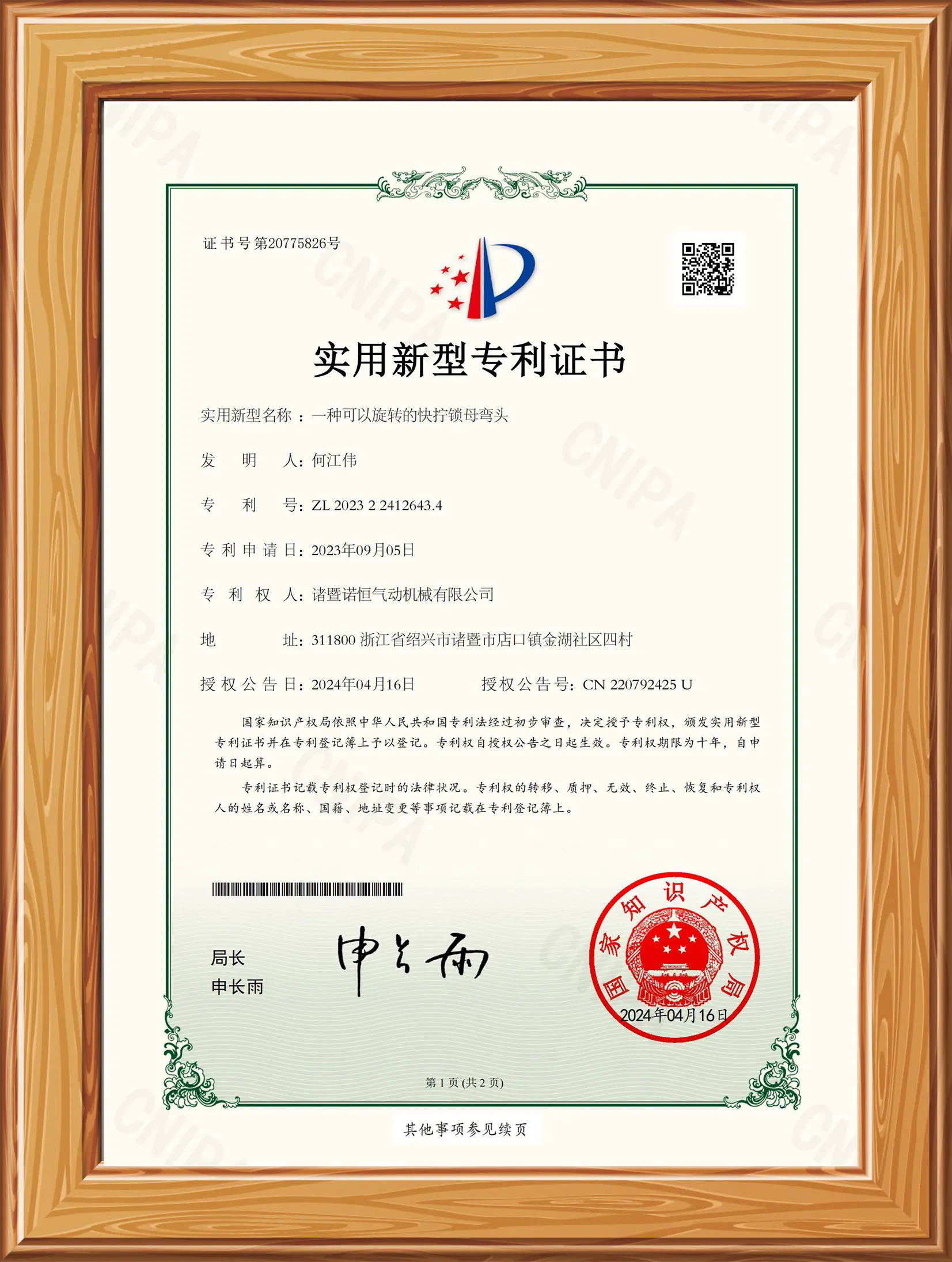
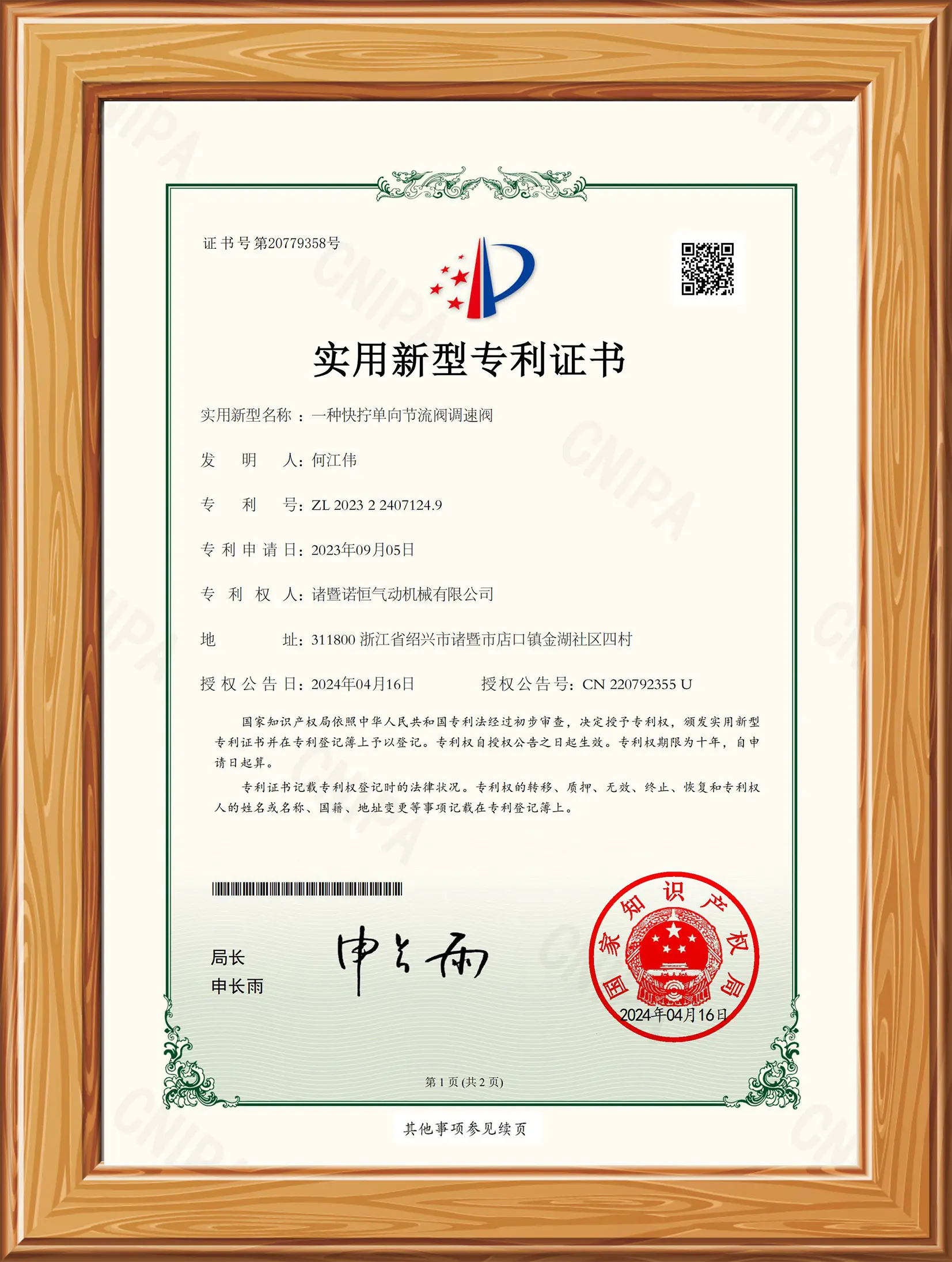
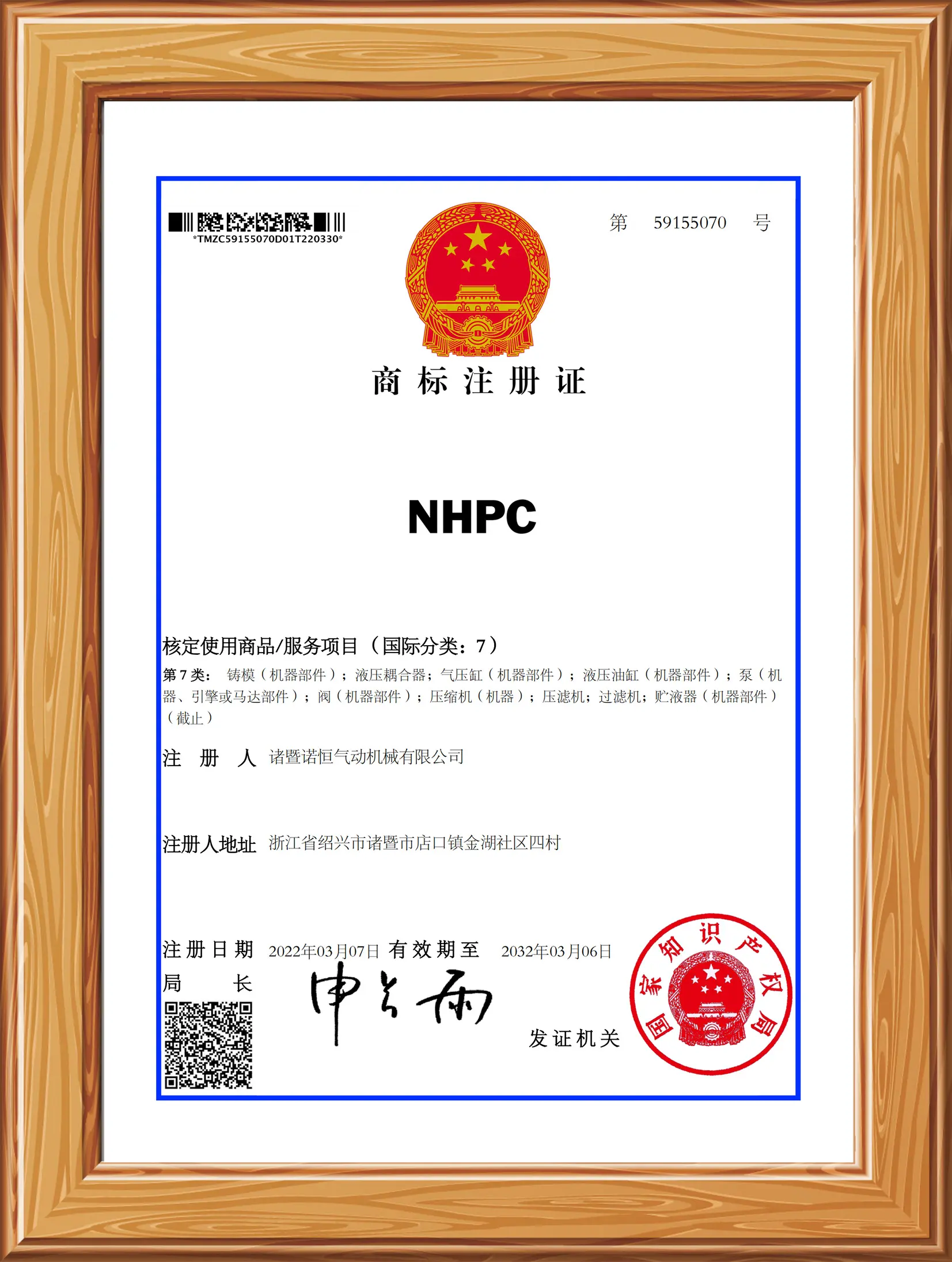
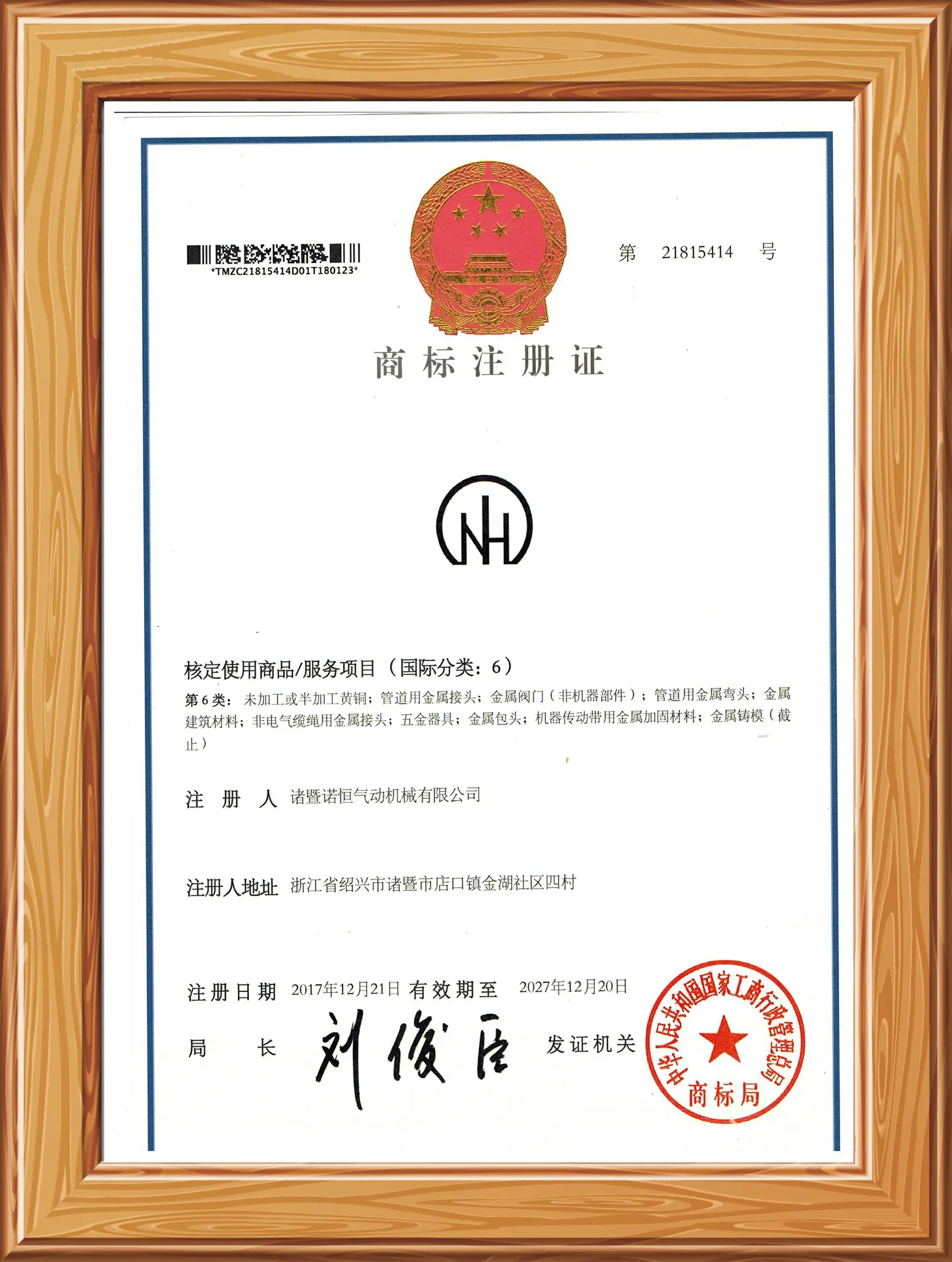
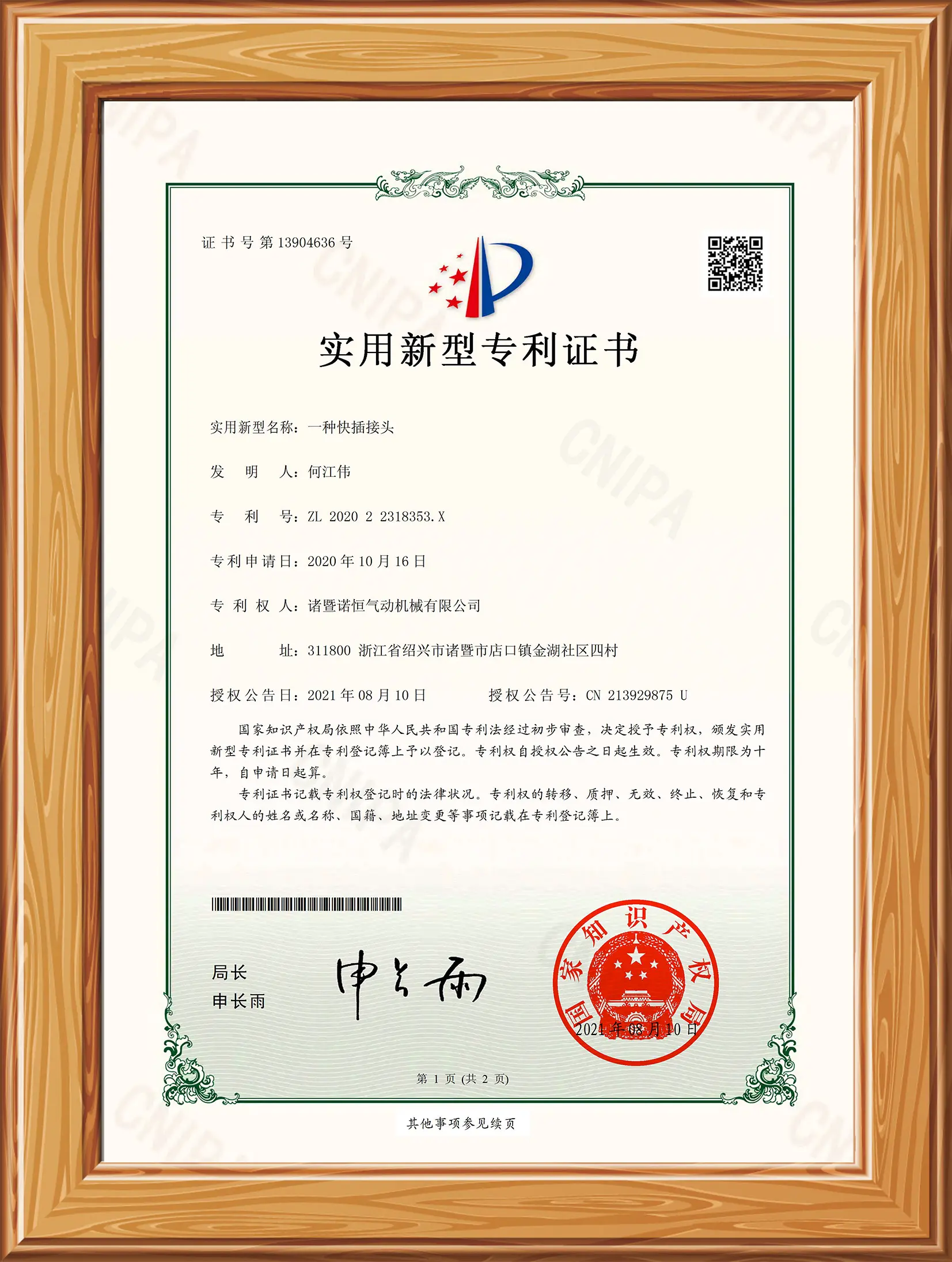
Verified compliance with international quality and safety production directives.
Select from our extensive catalog of pneumatic fittings, flow controllers, and energy protection connectors.
Additional high-tolerance parameters designed to supplement core transport and energy safety installations.
Essential technical, compliance, and logistical answers for engineering and purchasing departments in Nigeria.
Contact NHPC's technical support department to request a customized quote, verify component drawings, or organize shipment logistics for DOT-certified pneumatic fittings to Nigeria.
Send Inquiry Now Nuoheng