Explore our premium-engineered, rotatable push-to-connect elbows, flow control throttles, and flame-retardant industrial fittings.
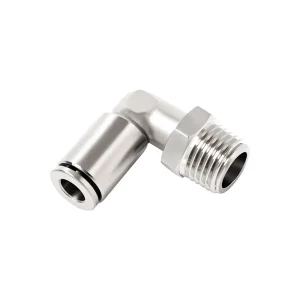
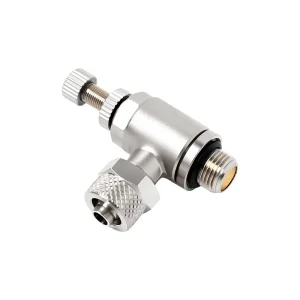
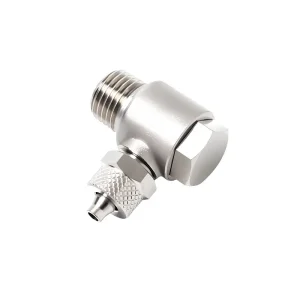
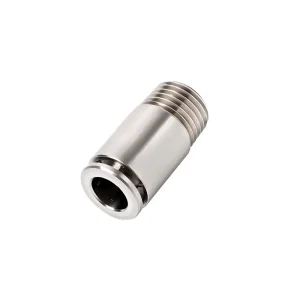
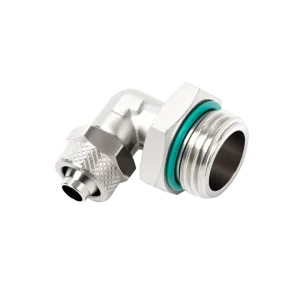
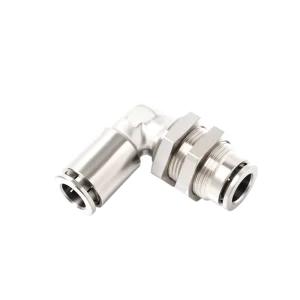
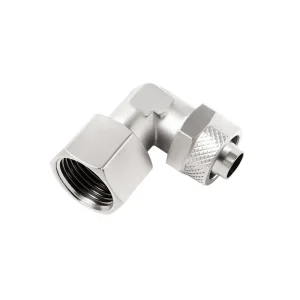
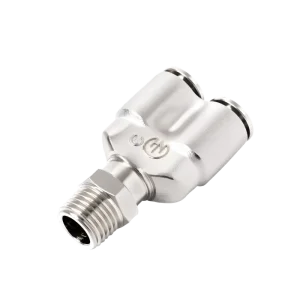
In the sphere of modern automation, fluid power, and pneumatic system engineering, the mechanical componentry selected acts as the foundational benchmark for overall system integrity. Among these components, Pneumatic Elbows represent critical change-of-direction junctions where friction losses, pressure drops, and seal wear are heavily concentrated. Navigating the selection of high-quality industrial-grade fitting components requires a deep understanding of fluid dynamics, raw material properties, and long-term joint stability.
At **NHPC (Nuoheng Pneumatic Machinery Co., Ltd.)**, we have spent over 15 to 20 years cultivating vertical engineering expertise. Our mission transitions away from simple production towards delivering comprehensive pipeline system solutions. This whitepaper serves to bridge the information gap for global procurement heads, engineering leads, and systems integrators seeking high-precision global fitting factories capable of operating under strict international compliance standards.
"The cost of a single fitting failure is never measured by the price of the part, but by the downtime of the entire production line it supports." — NHPC Engineering Philosophy
How localized industrial clusters in China optimize lead times, material quality, and high-precision tooling.
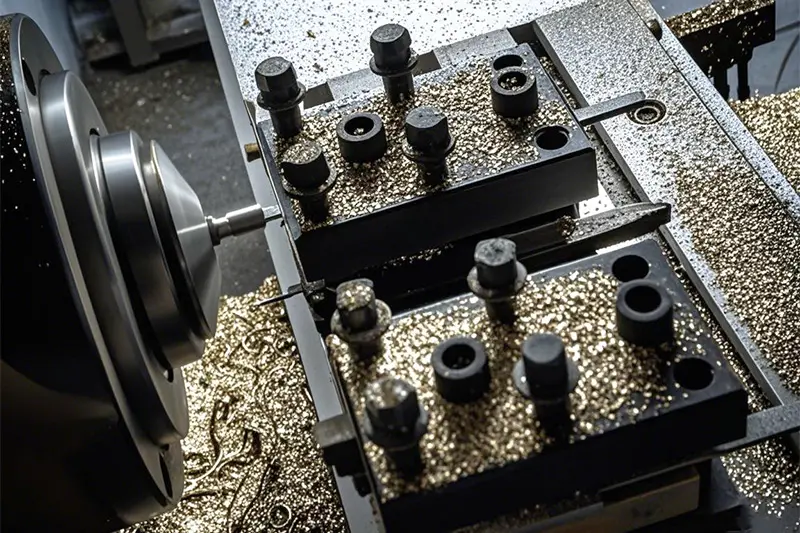
By leveraging high-speed CNC lathes, computerized plastic injection molding, automated die-casting, and multi-stage surface treatments in-house, Chinese hubs dramatically reduce manufacturing discrepancies and tooling times.
Access to localized premium brass, high-tensile stainless steel, and specialized polymers (like flame-retardant V0 nylon for energy storage applications) ensures continuous production schedules without international raw-material import lag.
The optimized overhead structures of localized industrial ecosystems permit high-frequency quality audits and batch-testing (including optical sorting and pressure fatigue trials) without escalating the per-unit costs for bulk buyers.
Global procurement departments look beyond the geometrical profile of a pneumatic elbow; they verify compliance pathways. In the United States, pneumatic connections used in vehicular transport must conform to DOT (Department of Transportation) FMVSS 106 standards, demanding specific pull-out and vibration test configurations. Concurrently, European markets prioritize RoHS (Restriction of Hazardous Substances) and REACH directives, restricting the use of heavy metals, especially in nickel-plated brass components.
NHPC addresses these demands systematically. Our production pipelines deploy specialized lead-free and low-lead brass alloys, high-elasticity NBR/Viton seal options, and standard-compliant G-thread, NPT-thread, and Metric thread geometries. Our custom engineering department guarantees localized system integration, ensuring that when an industrial elbow is screwed into a German machine or a US truck air system, the seal remains hermetic.
We maintain absolute compliance traceability from raw materials to final packaging. Our laboratory features specialized testing for salt spray corrosion resistance, thermal expansion cycles, and bursting pressures up to 60 Bar.
From automated assembly lines to new energy storage safety, we deliver specialized pneumatic configurations globally.

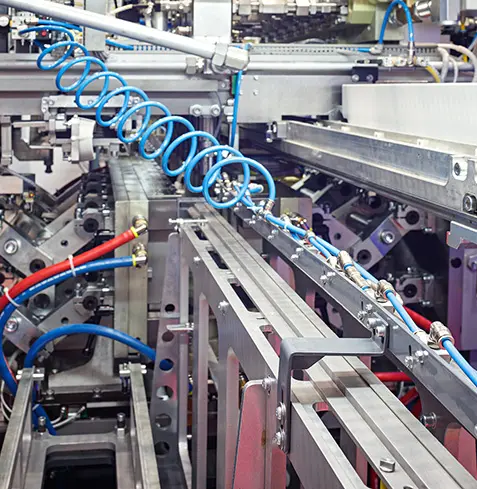
We deliver comprehensive layouts utilizing our 15+ years of design expertise to advise clients on the most efficient and robust line routings, minimizing pressure losses and installation time.
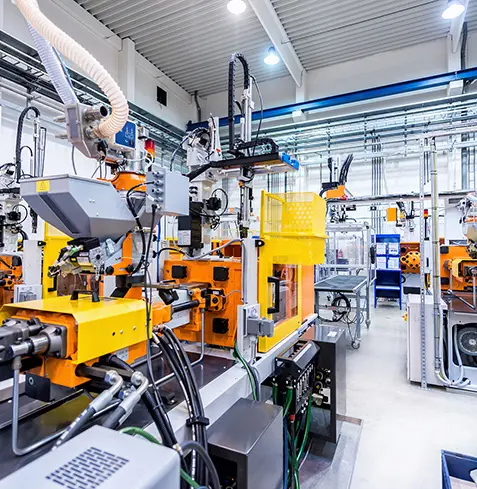
Our workshop integrates advanced CNC machining, plastic injection molding, and die-casting to maintain tight tolerances and ensure high product yield at every phase.

From initial design consultations to local logistics integration, we support global operations with swift responses, technical training, and customized configuration options.

An emerging trend shaping global pneumatic sourcing strategies is the integration of high-performance components inside **Battery Energy Storage Systems (BESS)**. To manage the risks of thermal runaway, containment systems employ localized fire-extinguishing fluid pipelines. Traditional plastic fittings can quickly melt when exposed to intense heat, causing chemical delivery failure.
In response, global engineering teams specify flame-retardant pipe fittings (like the PC, PE, and PLF series) rated to UL-94 V0 standards. These materials are self-extinguishing within 10 seconds and do not produce burning droplets. By incorporating these safety features directly into the core fitting structures, NHPC aids operators in shielding critical infrastructures while ensuring stable flow control in hazardous environments.
Through intensive material compounding and rigorous compliance trials, our flame-resistant line maintains pressure integrity during extreme temperature surges. This specialized approach ensures that systems designed for green energy storage function reliably when called upon.
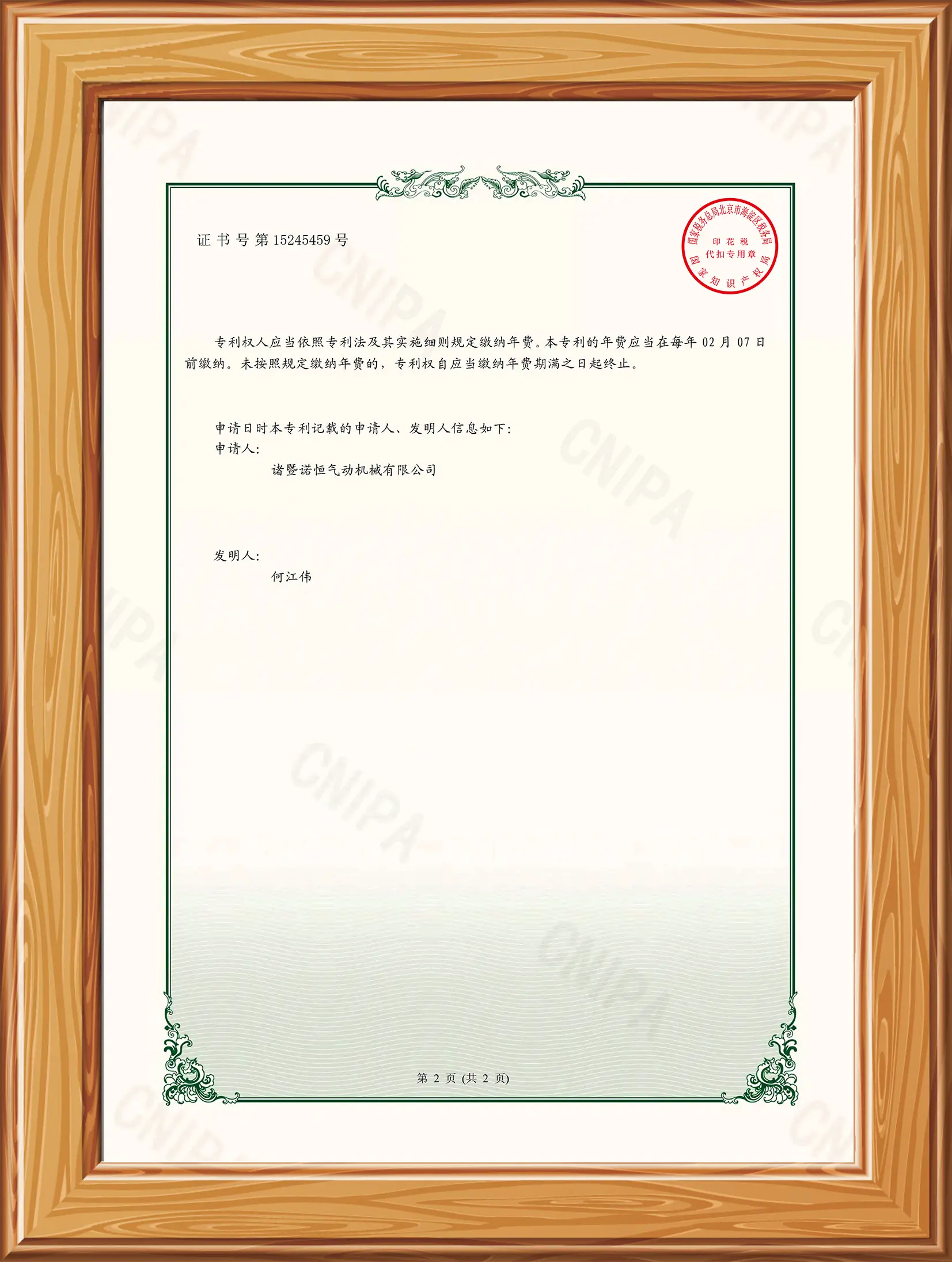
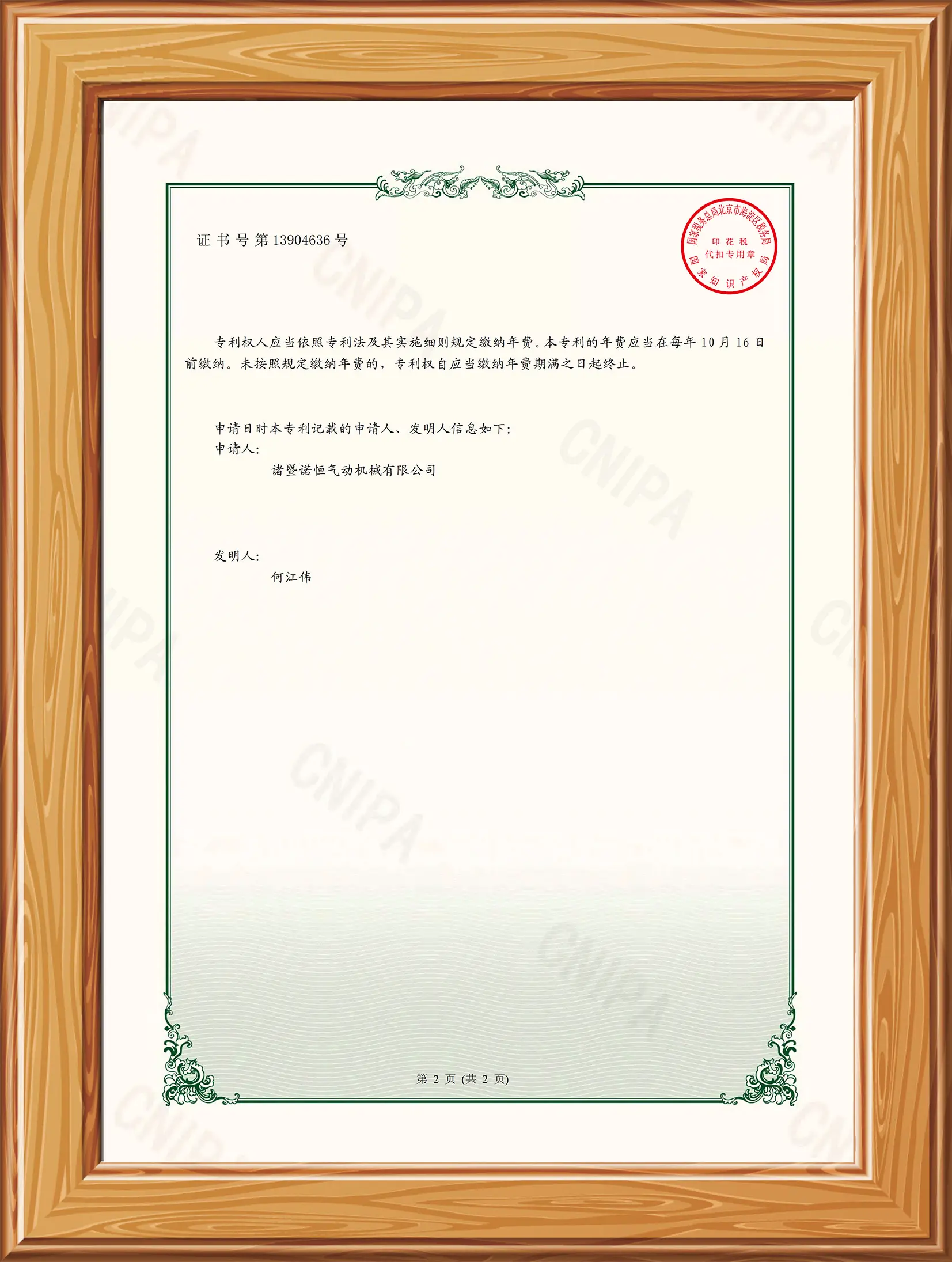
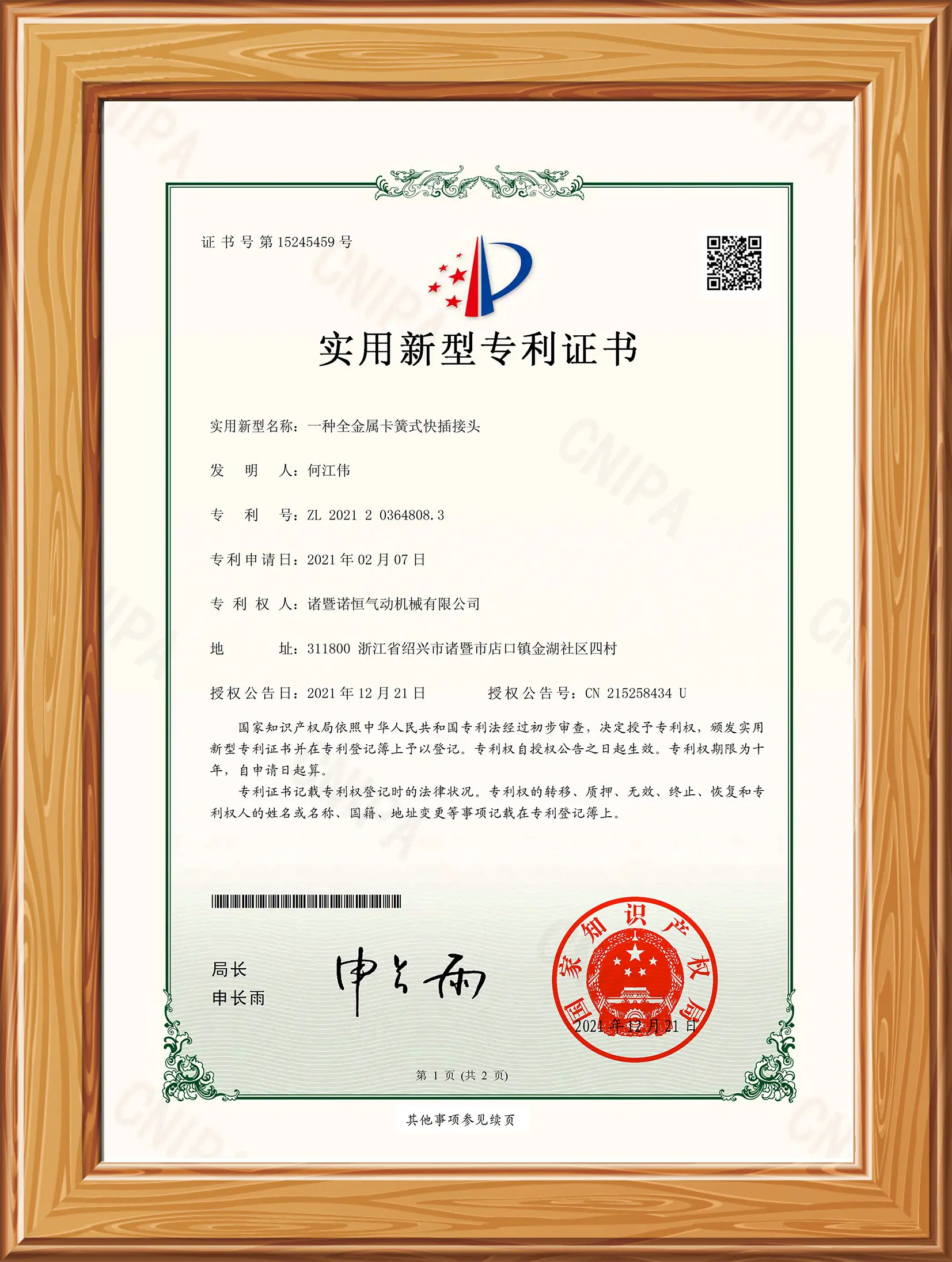
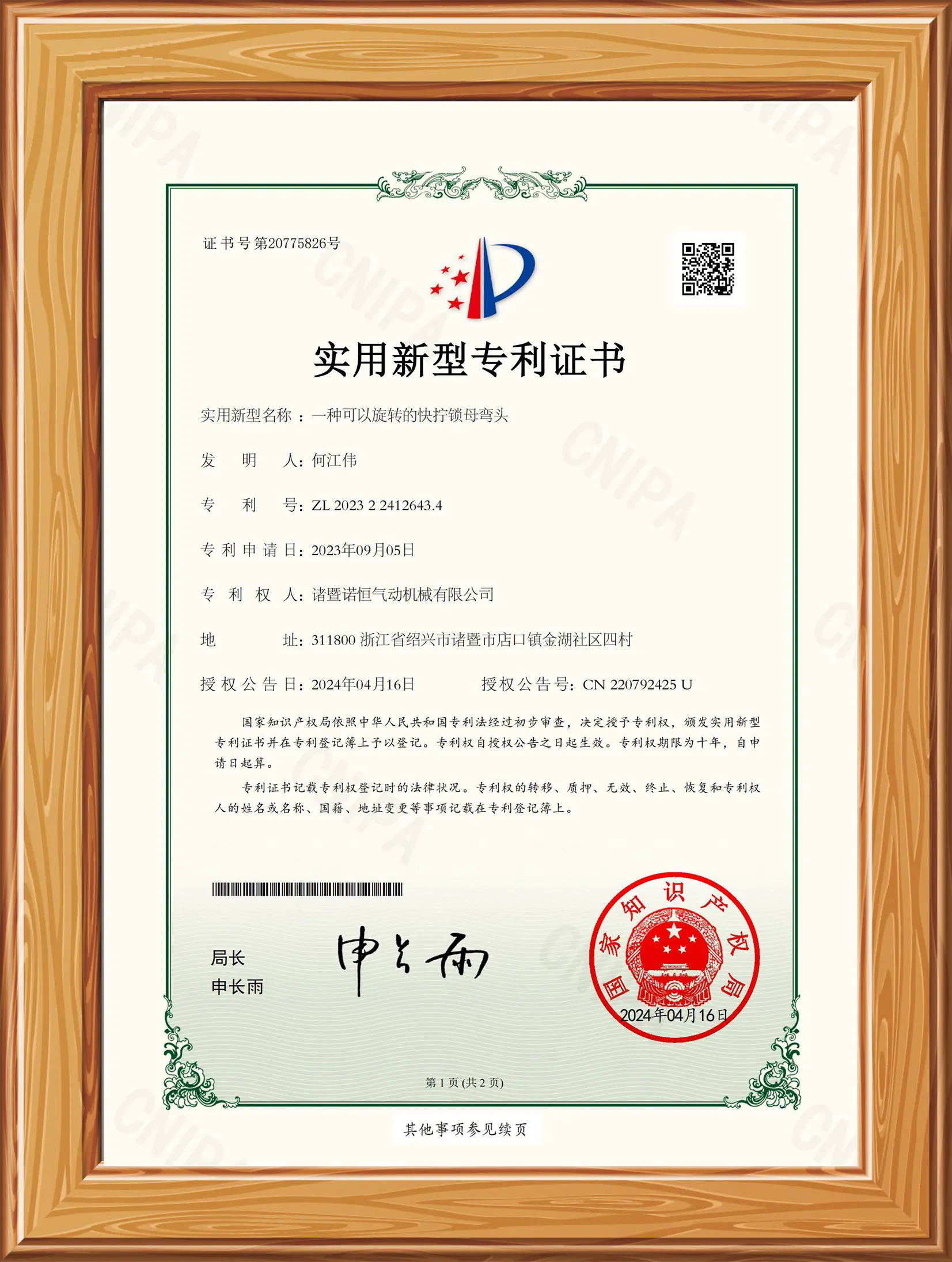
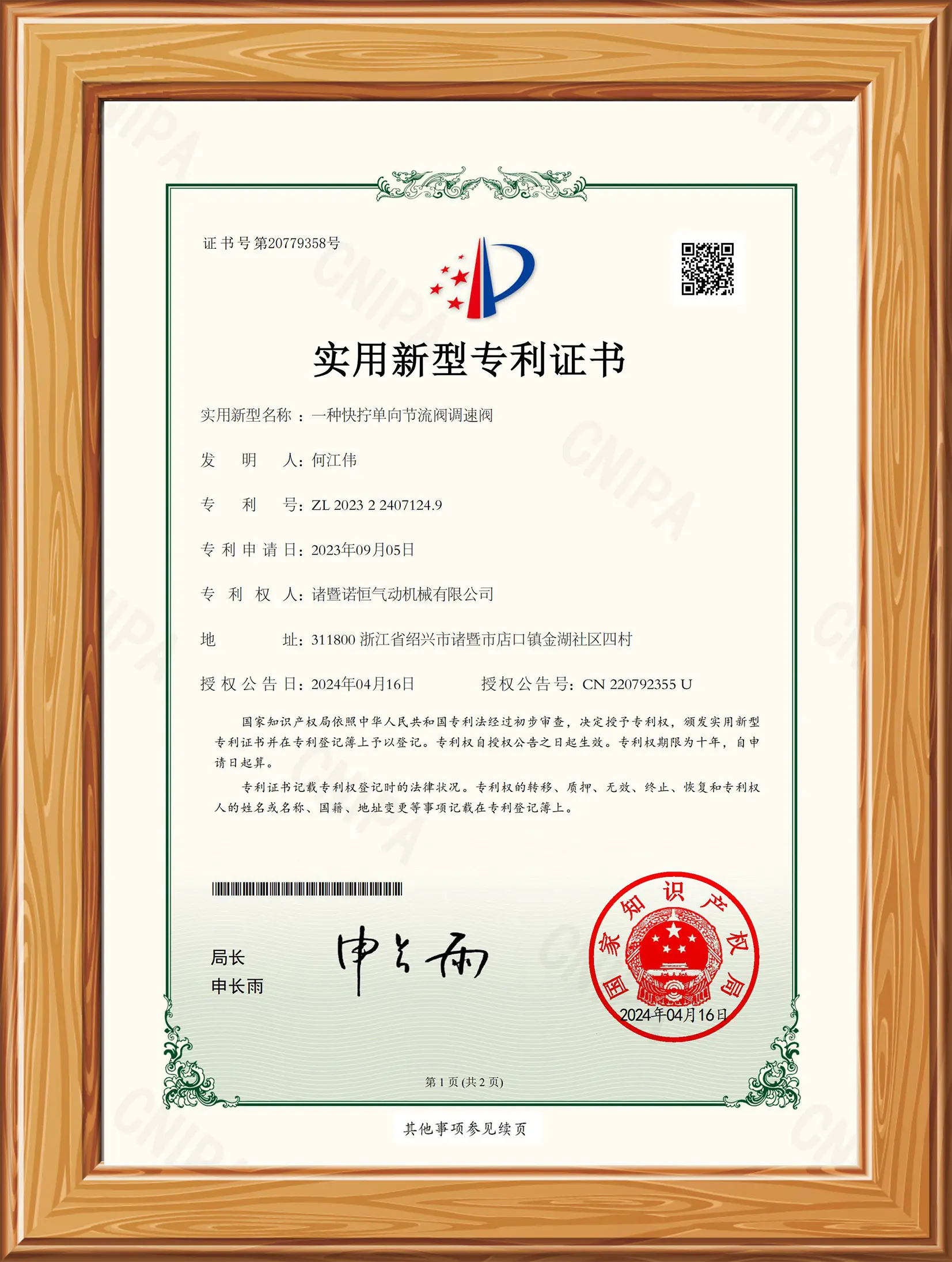
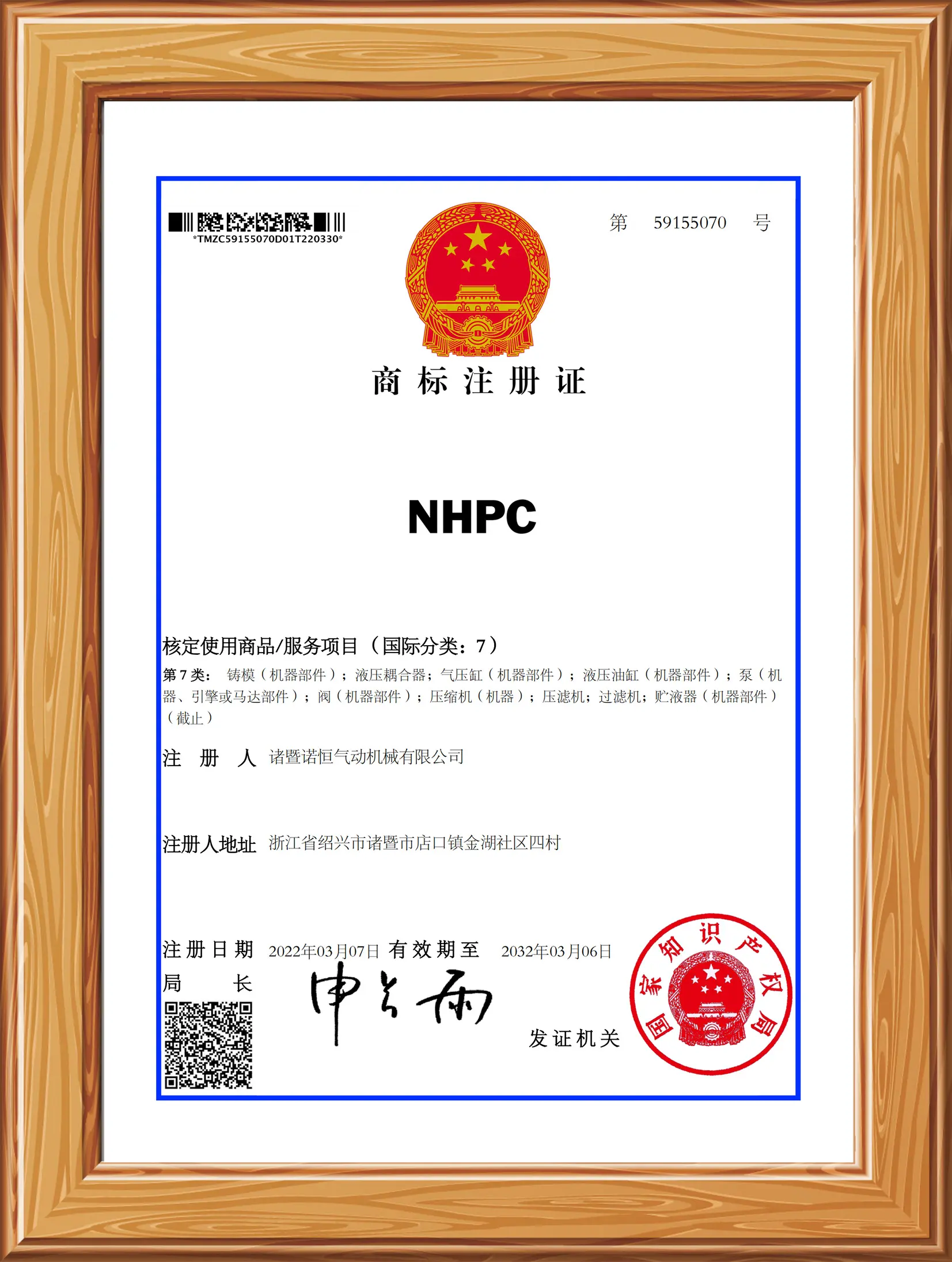
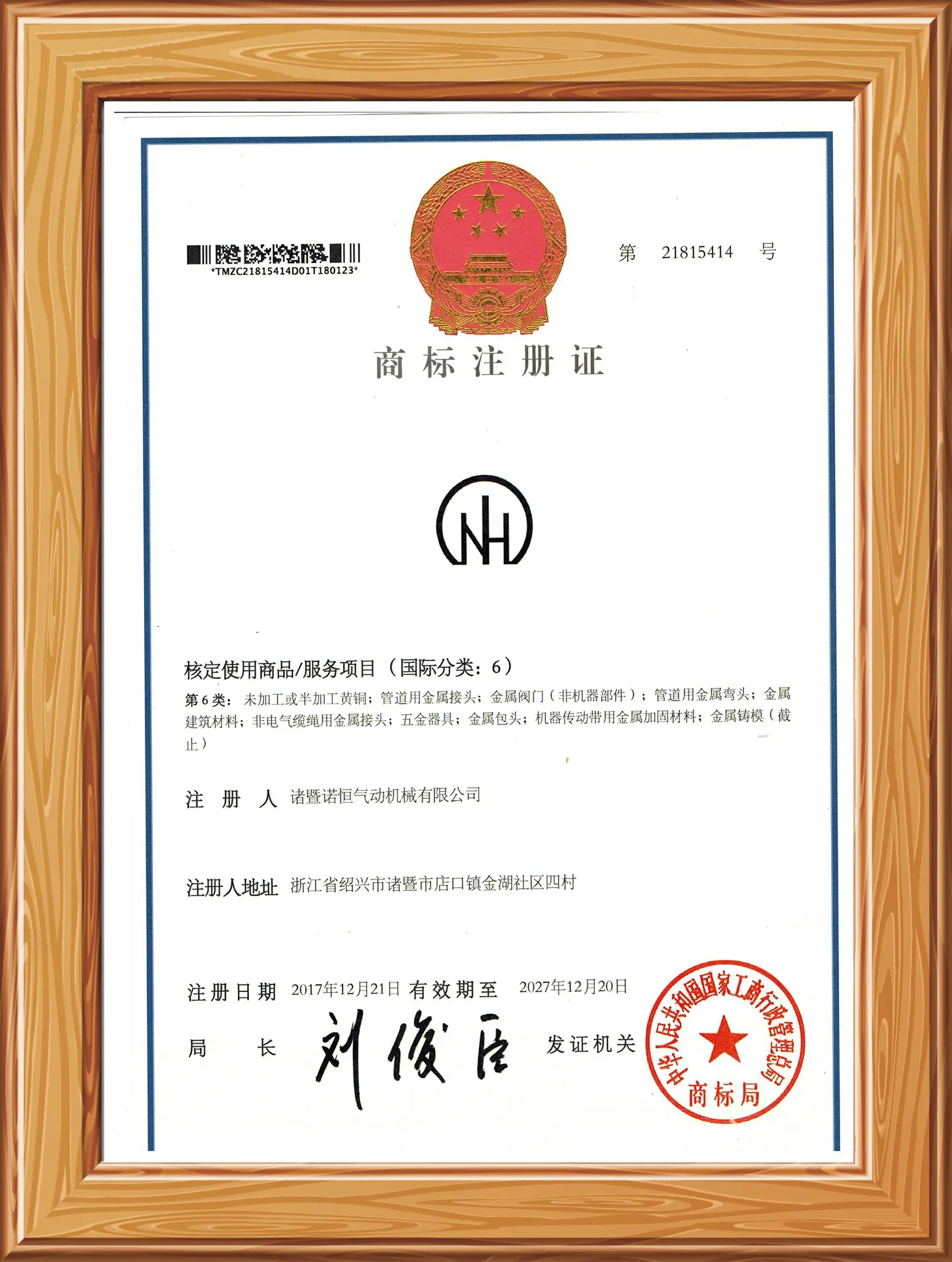
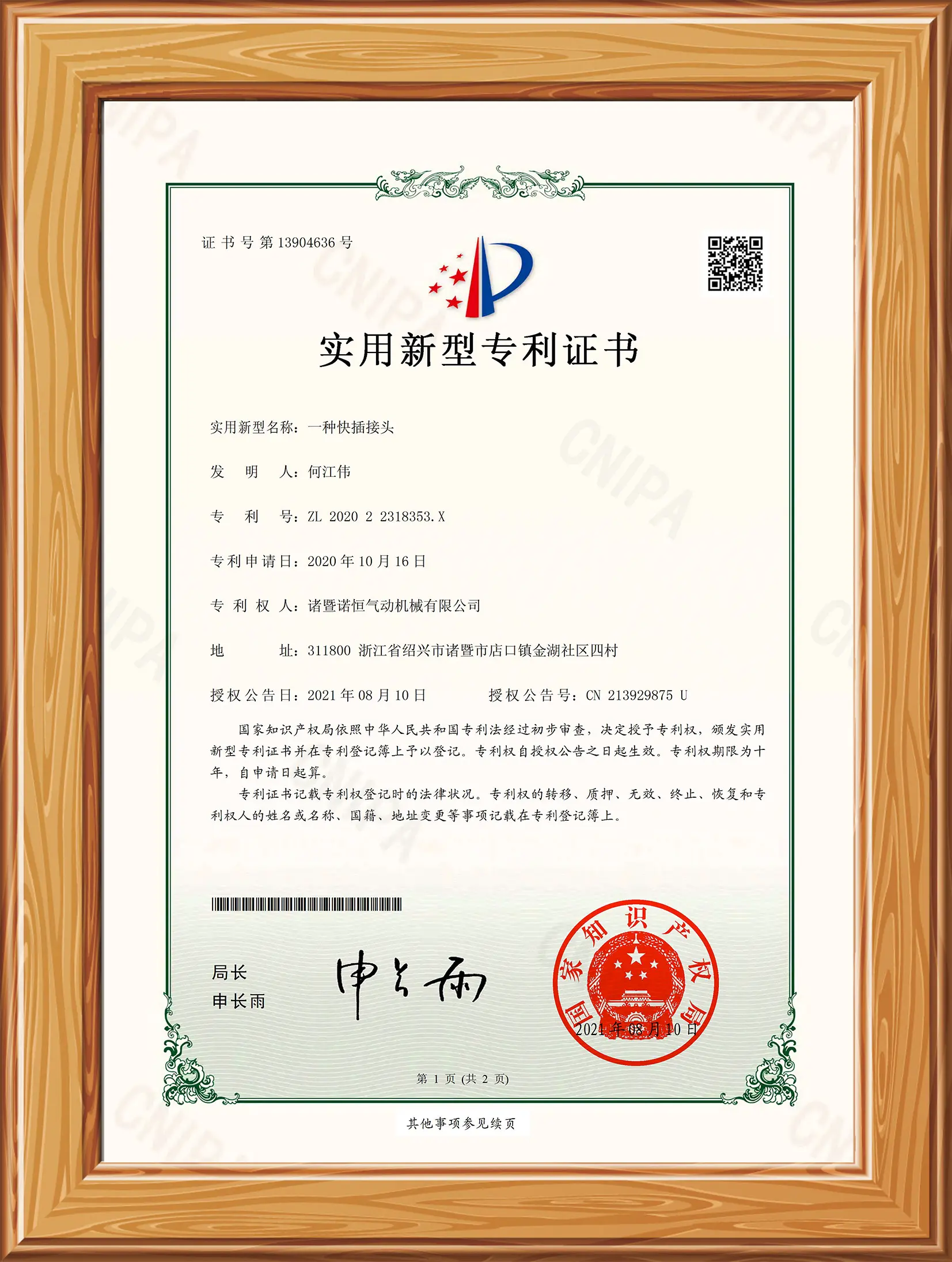
Our production protocols are verified against strict global criteria, showcasing our commitment to reliability.
Addressing the technical, material, and logistical queries of global procurement teams and engineers.
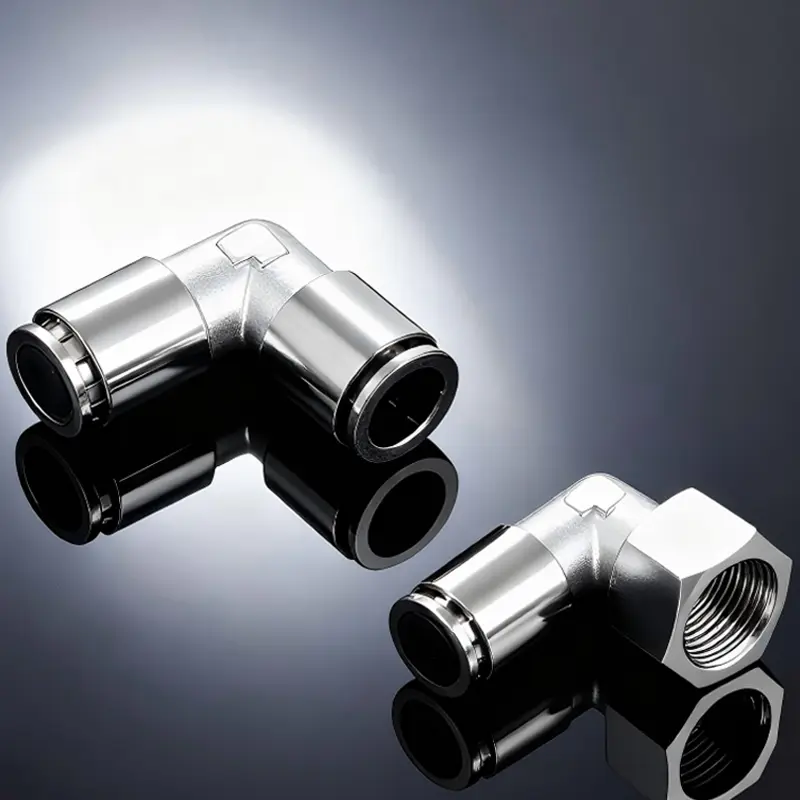
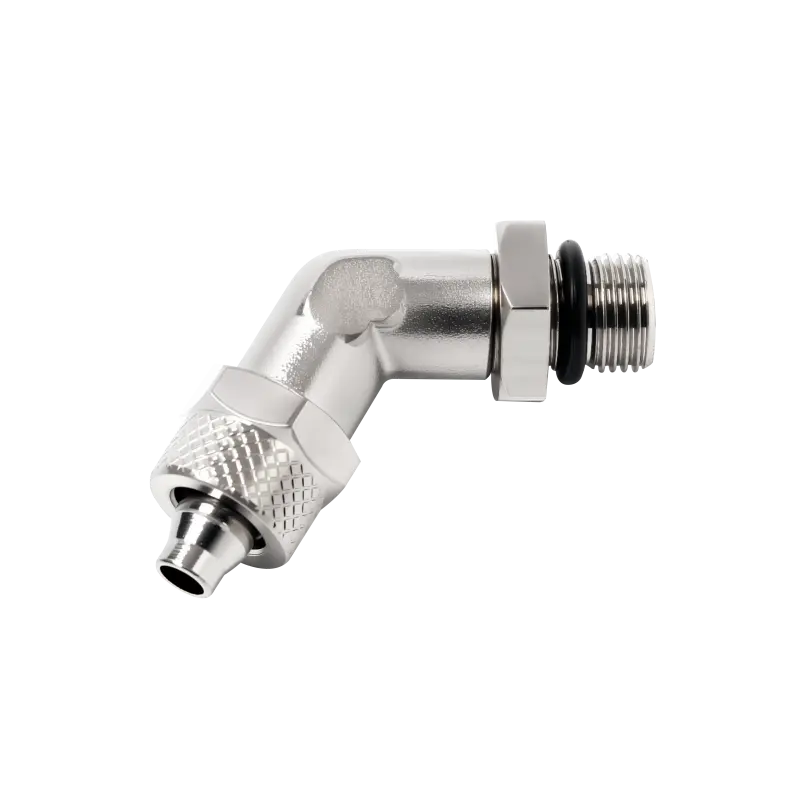
Rigid threaded elbows force engineers to align the fitting orientation during tightening, often leading to over-torquing, thread stripping, or localized leaks. A 360° rotatable pneumatic elbow decouples the threaded insertion from the tube orientation. The installer fully tightens the thread into the port, then easily pivots the body of the elbow to line up with the hose path. This dynamic rotation minimizes stress on both the tubing and the fitting joints.
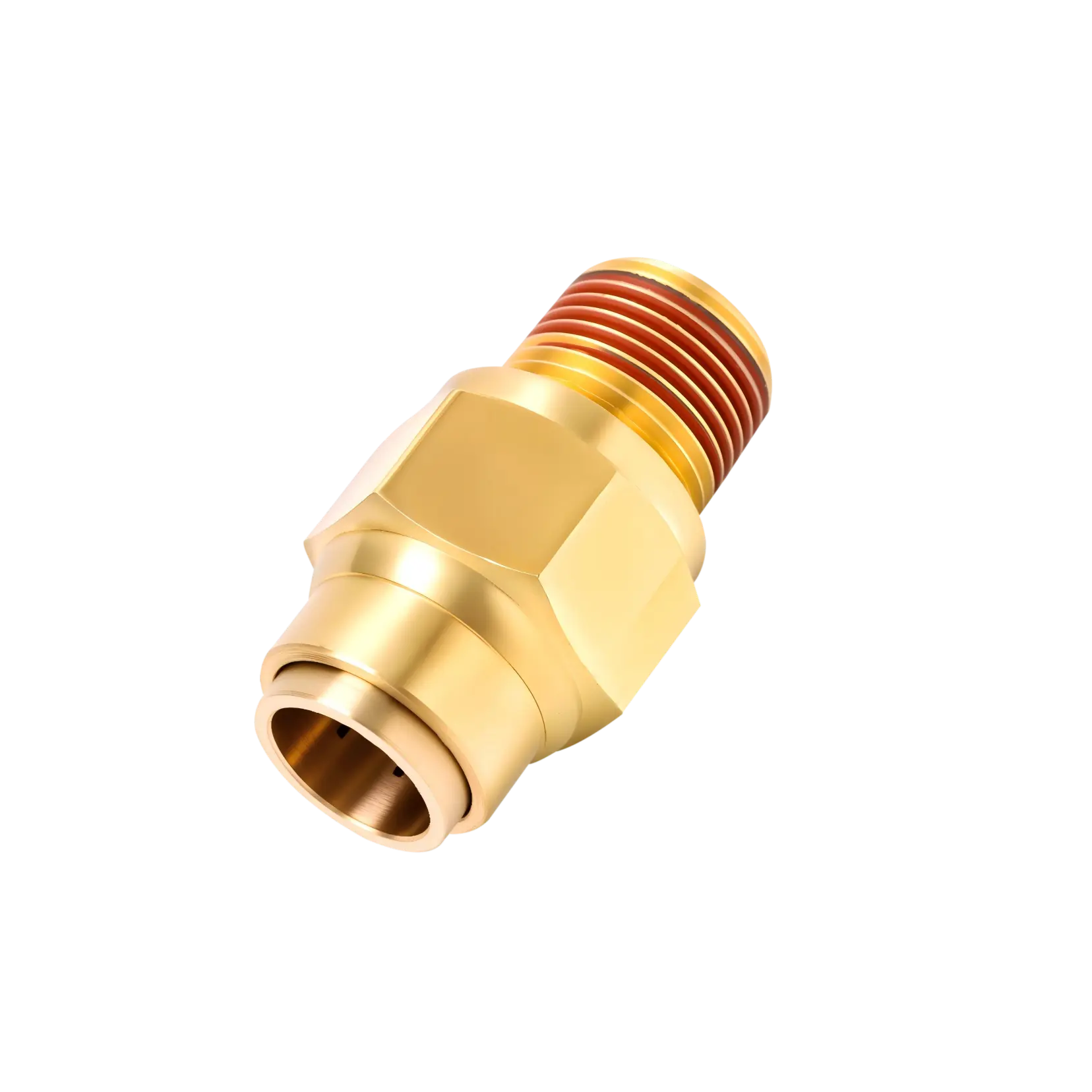
Our DOT-compliant line (specifically designed for heavy vehicles) uses high-tensile brass to satisfy FMVSS 106 performance limits. These fittings include internal support rings and custom collet grips to prevent tube slip under intense pressure shifts and temperature ranges from -40°C to +100°C.
Standard pneumatic fittings contain Nitrile Butadiene Rubber (NBR) O-rings, which operate reliably between -20°C and +80°C. For environments involving high-temperature fluids or proximity to internal combustion processes, we recommend substituting NBR with fluorinated elastomers (Viton / FKM). This substitution raises the thermal operational threshold up to +150°C (and temporarily to +200°C) while improving chemical resistance to synthetic lubricants.
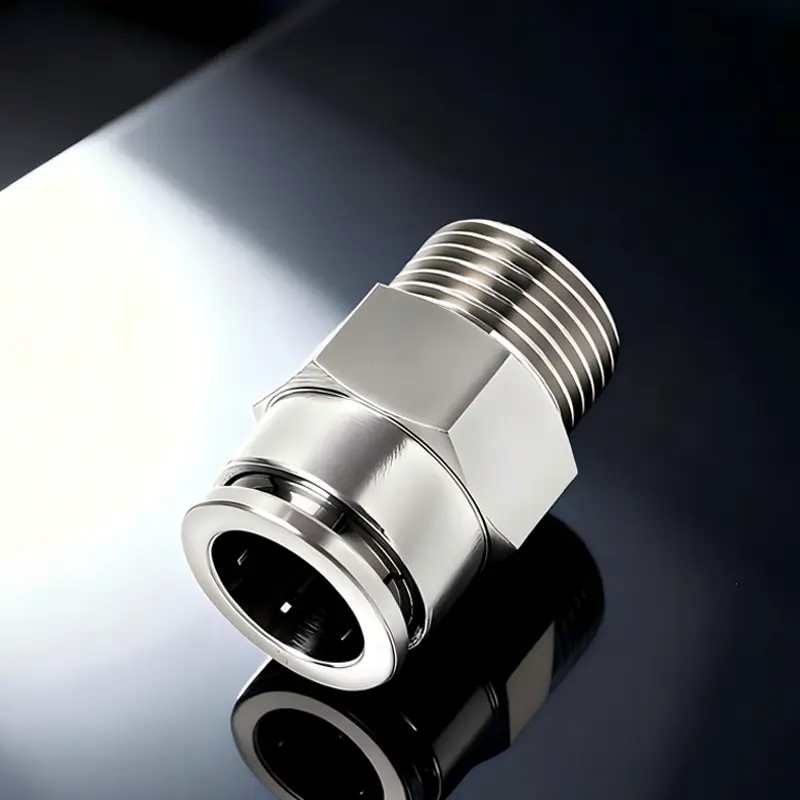
G-thread (also known as BSPP - British Standard Pipe Parallel) is a straight, parallel thread design that relies on an O-ring or flat washer seal at the base of the thread to prevent leakage. NPT (National Pipe Thread) is a tapered thread design that seals through metal-to-metal contact along the thread flanks, requiring Teflon tape or thread sealant to fill the clearances. NHPC supports both thread geometries to accommodate different market preferences.
In battery storage facilities, a local thermal runaway event creates high ambient heat and risk of ignition. Fire protection networks inside the enclosures must release clean extinguishing gases or liquids directly onto the affected cells. Standard nylon fittings can fail or propagate flames. UL-94 V0 certified polymer fittings prevent flame propagation, ensuring the containment system operates properly during an emergency.
Explore our highly-specialized range, including high-flow regulators, flame-resistant fire protection systems, and multi-thread reducers.
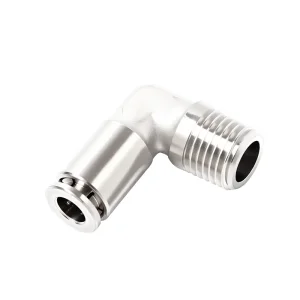
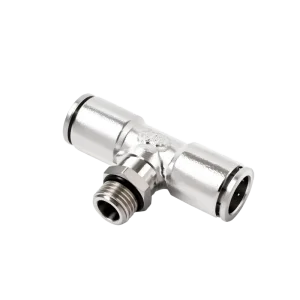
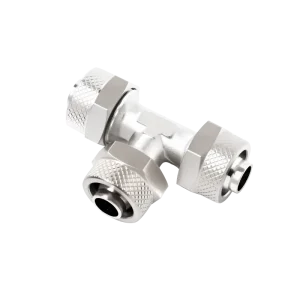
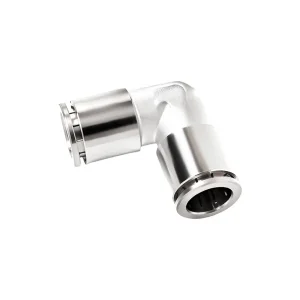
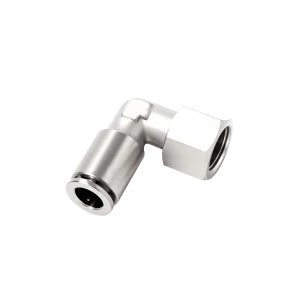
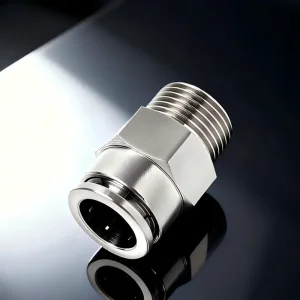
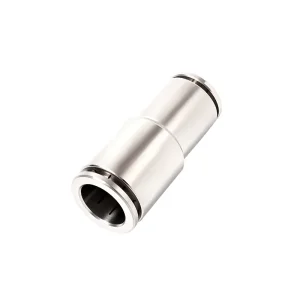
Heavy-duty brass connections and flame-retardant polymers built for high-risk industrial safety protocols.
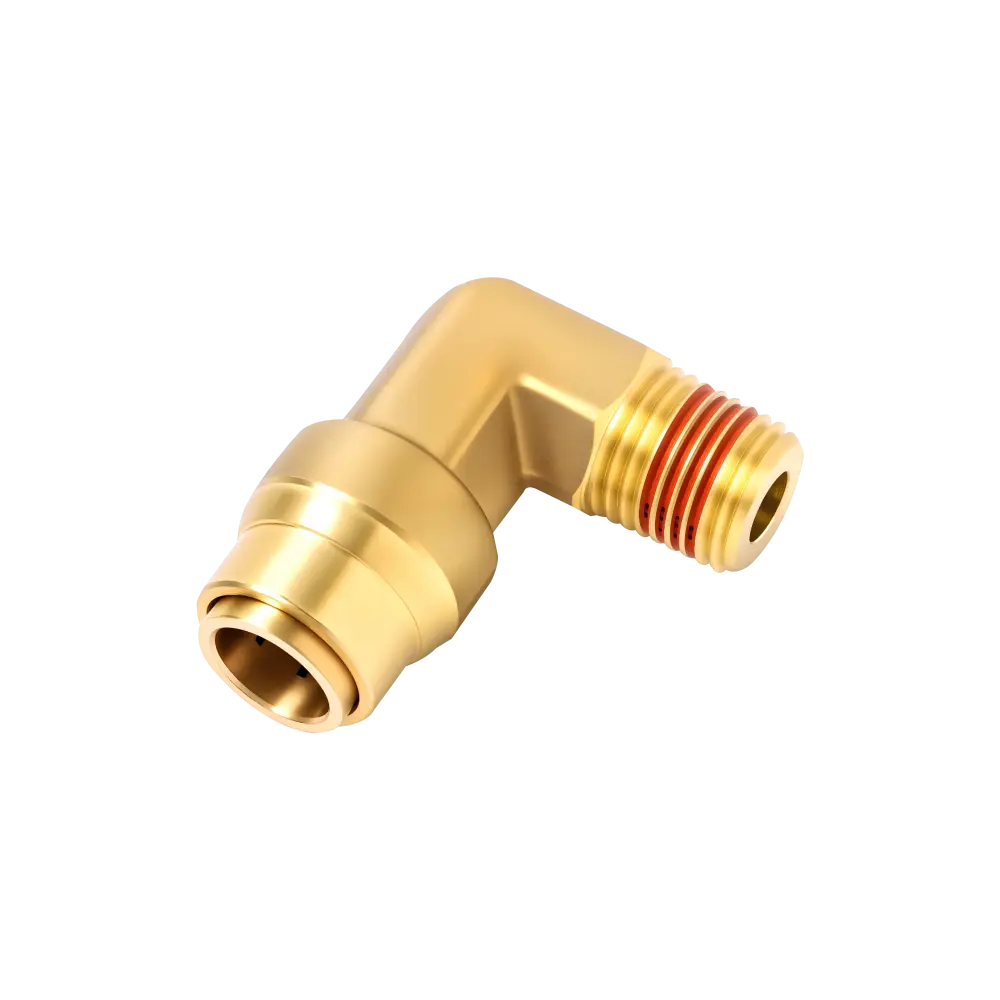
 Nuoheng