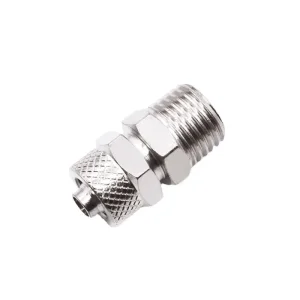
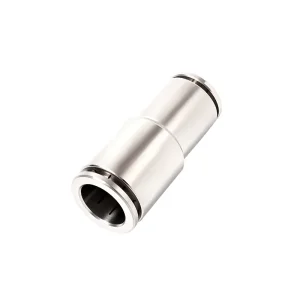
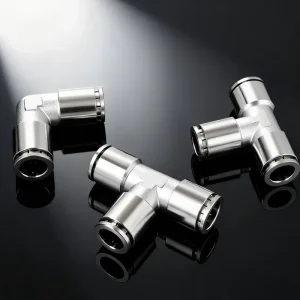
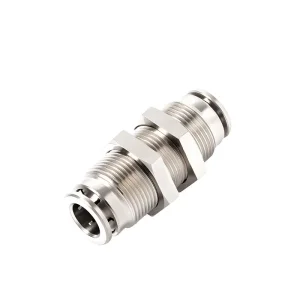
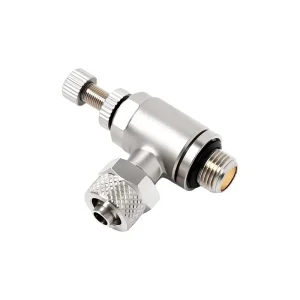
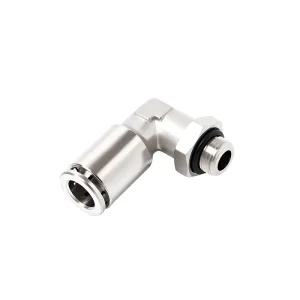
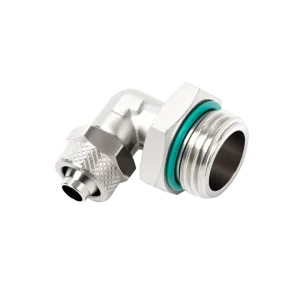
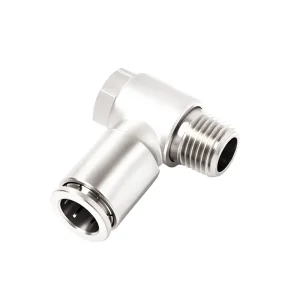
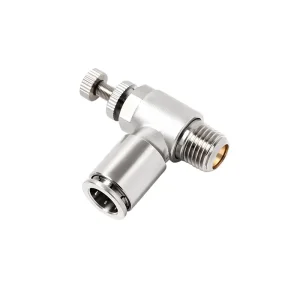
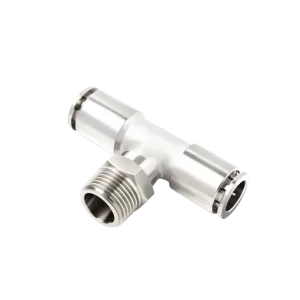
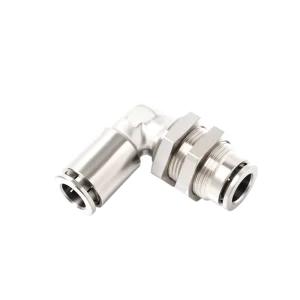
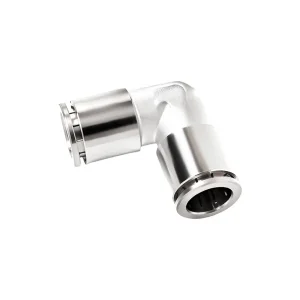
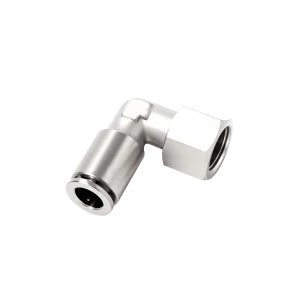
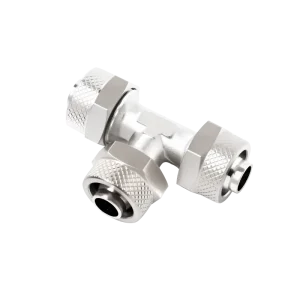
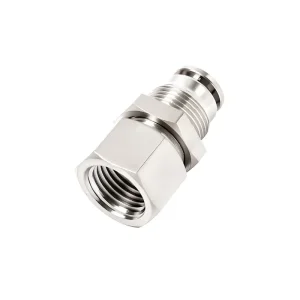
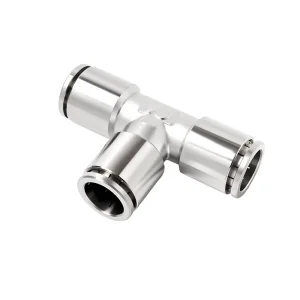
Explore our premium range of industrial push-in, push-on, and G-thread flow-control fittings built for continuous performance.
With an established legacy spanning over 15 years in pneumatic development and manufacturing, NHPC stands at the vanguard of the pneumatic and fluid power industries. Our trajectory has been defined by an unyielding commitment to engineering excellence, transforming simple fluid dynamics concepts into highly complex, robust, and reliable connection solutions.
We specialized in the precise CAD design, metallurgical selection, CNC machining, and quality assurance testing of industrial push-in fittings, push-on fittings, pneumatic valves, quick-release couplings, polyurethane (PU) tubing, and custom-engineered pneumatic manifolds. NHPC ensures absolute durability and long-term chemical compatibility in various configurations, serving automated plants, energy grids, and vehicle braking networks worldwide.
Discover our comprehensive turn-key manufacturing approach, ensuring precision at every stage of the production cycle.
Leveraging specialized knowledge in fluid mechanics and pneumatic systems, NHPC delivers optimized routing layouts, material compatibility analysis, and actionable advice to minimize pressure drop and prevent system leakage.
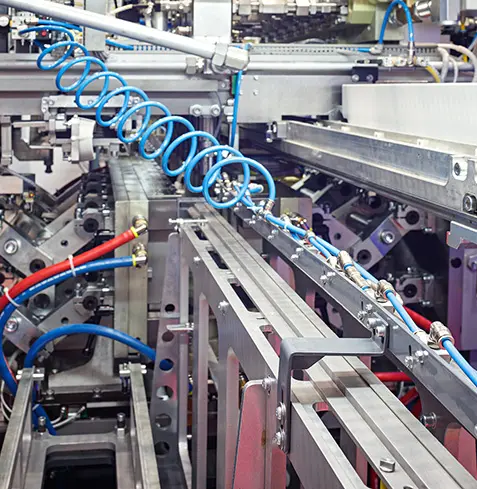
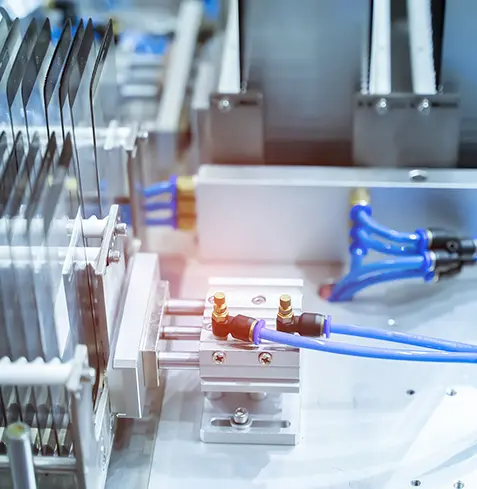
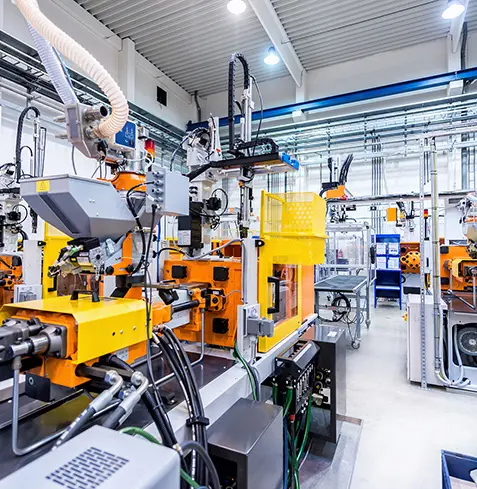
Our machining floor utilizes high-precision CNC multi-spindle lathes, automated injection molding machines, hot forging presses, stamping tooling, and electroplating lines. We manage quality from raw ingot to thread inspection.
NHPC engineers provide complete technical support, engineering drawings, custom prototyping, and post-installation support. We address performance criteria under extreme vibration and pressure stresses.
A statistical summary of our manufacturing capabilities and market scope.
In the domain of modern fluid transfer and pneumatic power systems, the reliability of connection hardware determines the overall safety, efficiency, and uptime of operations. Brass, an alloy of copper and zinc, remains the preferred material for high-reliability compression and push-to-connect fittings due to its mechanical properties, machinability, and resistance to environmental stress cracking.
For industrial applications, the selection of the correct brass alloy is critical. Under extreme pressure conditions, lower-grade brass configurations can suffer from dezincification, a selective leaching process where zinc dissolves out of the alloy, leaving a porous, mechanically weak copper structure. To prevent this, NHPC utilizes premium dezincification-resistant (DZR) brass alloys such as CW617N, CW614N, and C36000 lead-free options. These materials undergo controlled annealing to relieve residual stresses from extrusion and cold forming, ensuring they remain resilient in high-humidity or corrosive settings.
Fittings exposed to municipal water, marine atmospheres, or acidic condensates require DZR-compliant brass. Non-compliant brasses can fail catastrophically under constant line pressures, causing sudden fluid loss.
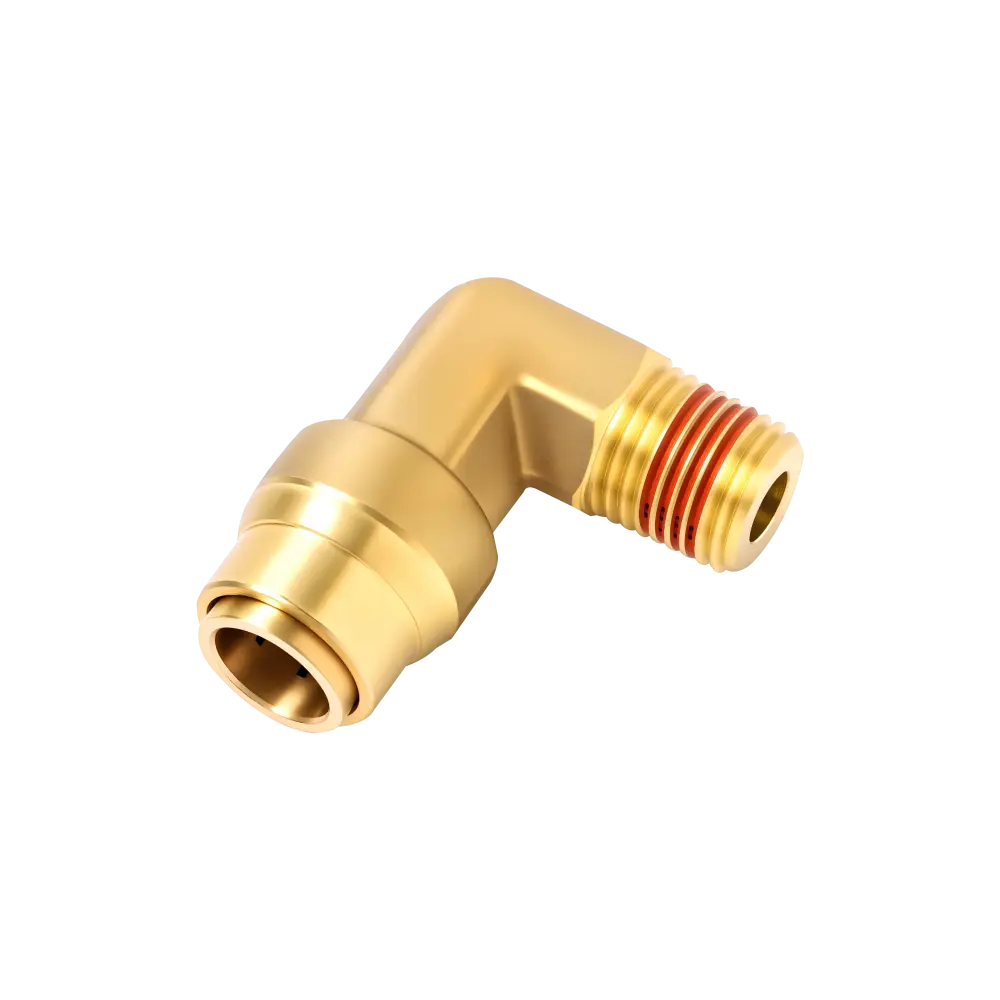
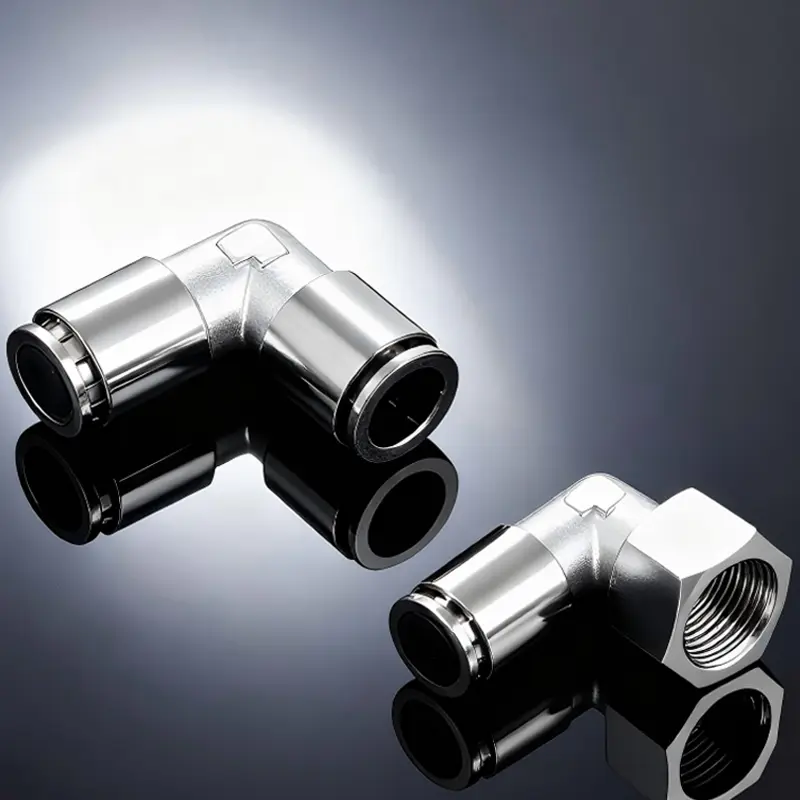
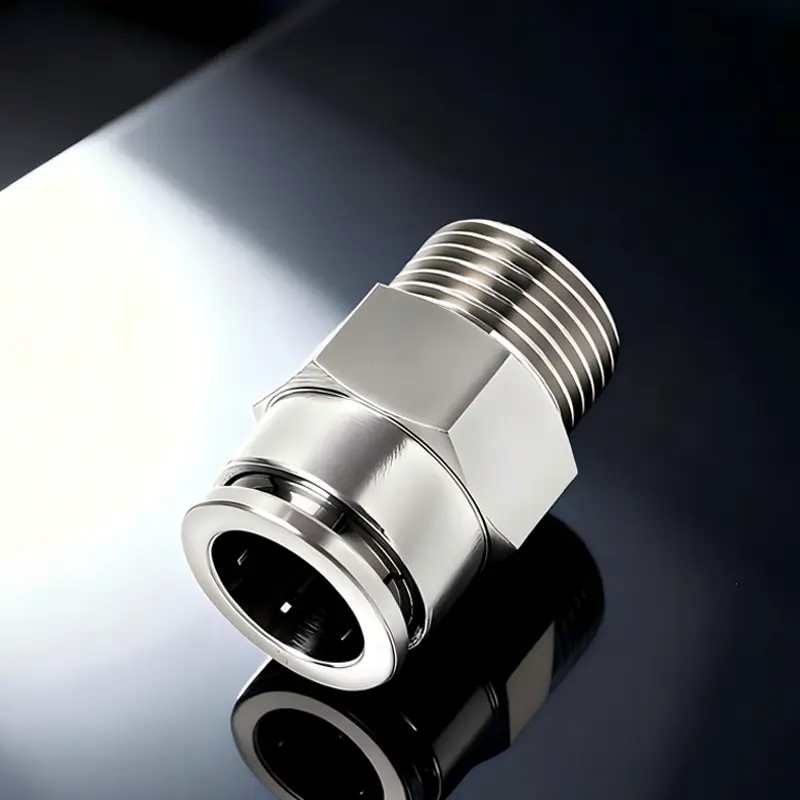
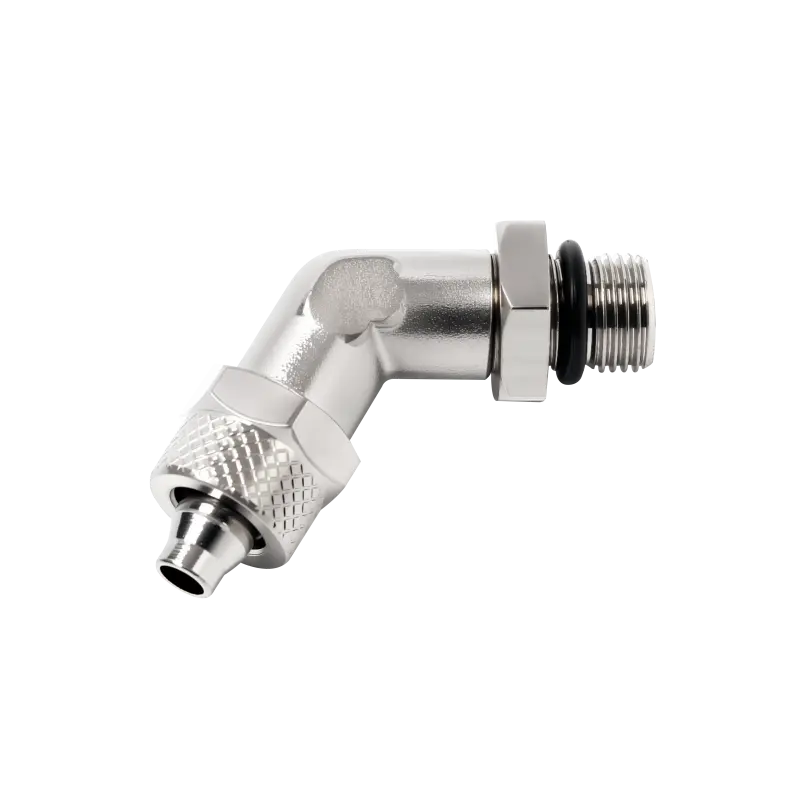
In leakage control, thread precision is primary. The design of G thread (BSPP), R thread (BSPT), and NPT (National Pipe Taper) standards requires tight dimensional tolerances. NHPC's CNC machining lines maintain thread tolerances within ±0.01mm. In parallel, our thread designs incorporate integrated elastomeric seals (such as FKM, NBR, or EPDM) or utilize precise metal-to-metal interference fits. For dynamic operations like robotic assembly arms, rotatable PLG elbow threads permit a full 360° rotation under operational pressure, protecting the tubing from shear stress and preventing premature seal wear.
With the expansion of grid-scale lithium-ion energy storage systems (ESS), fire mitigation has become a primary engineering concern. If thermal runaway occurs, fire suppression agents must be delivered quickly and without pressure loss. NHPC’s specialized flame-retardant pipe fittings (including the PE, PLF, and PC series) are designed to withstand thermal loads. Constructed from flame-resistant polymers combined with heavy-wall brass bodies, these systems maintain pipeline integrity under high temperatures, providing critical safety margins.
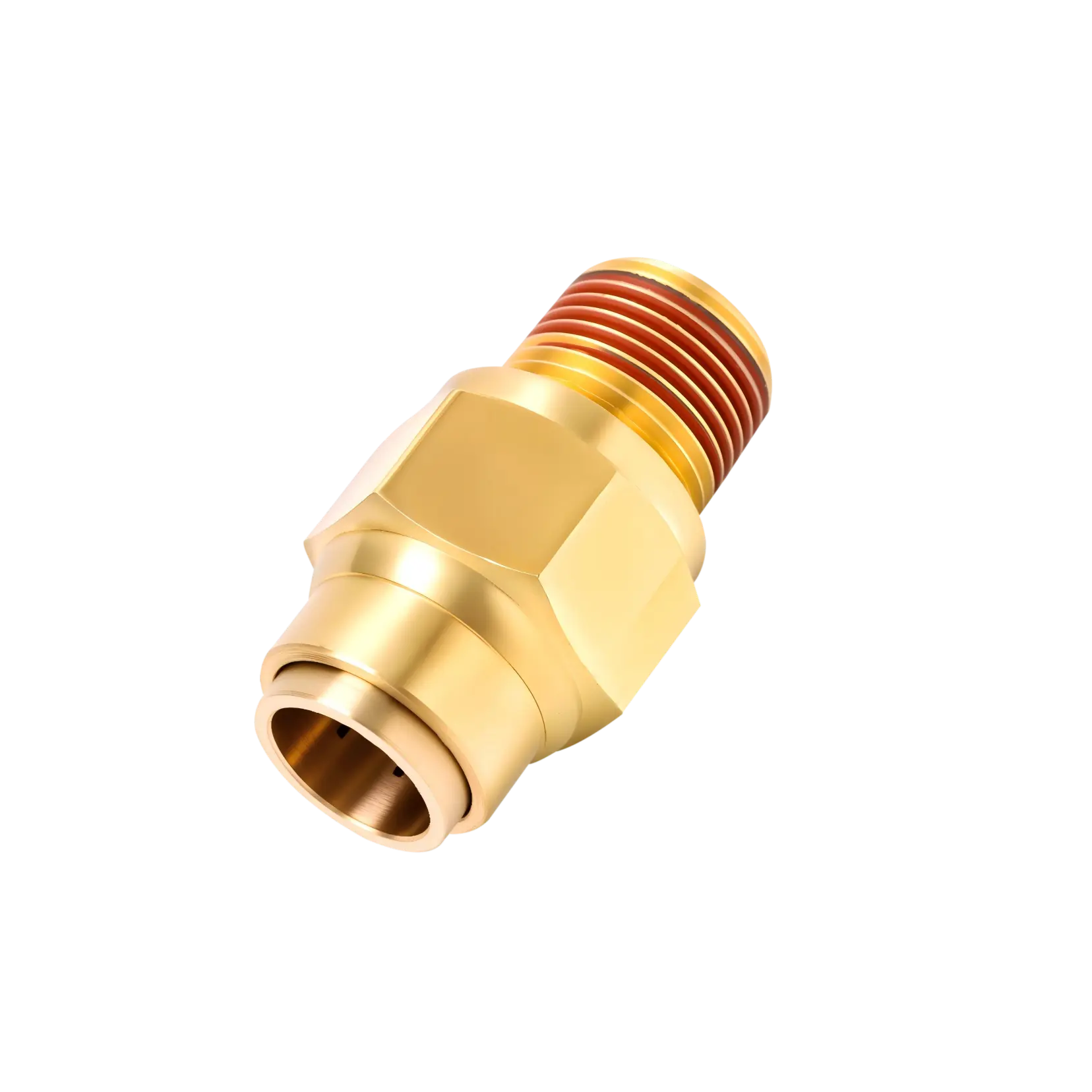
In the automotive sector, particularly in heavy-duty commercial vehicle air brake systems, components must meet strict national and international standards. The **DOT FMVSS 106** standard defines the safety requirements for air brake line assemblies. NHPC's DOT-certified push-to-connect brass air brake fittings feature robust internal support inserts, dual-groove O-rings, and heavy-gauge grab claws. These elements are designed to secure nylon tubing under continuous vibration and temperature cycles from -40°C to +120°C.
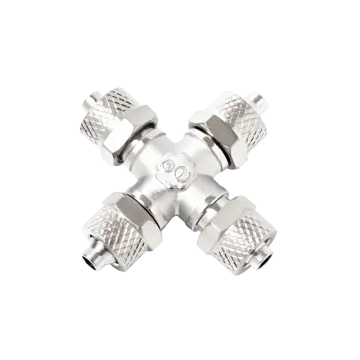
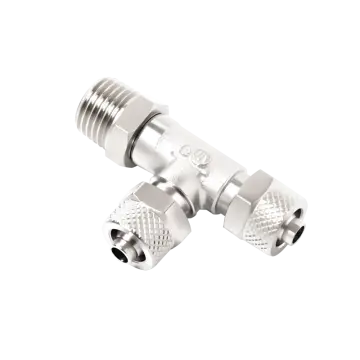
Designed for heavy machinery, bulkhead configurations, and precision throttle control.
Our pneumatic components operate under demanding conditions across multiple sectors.

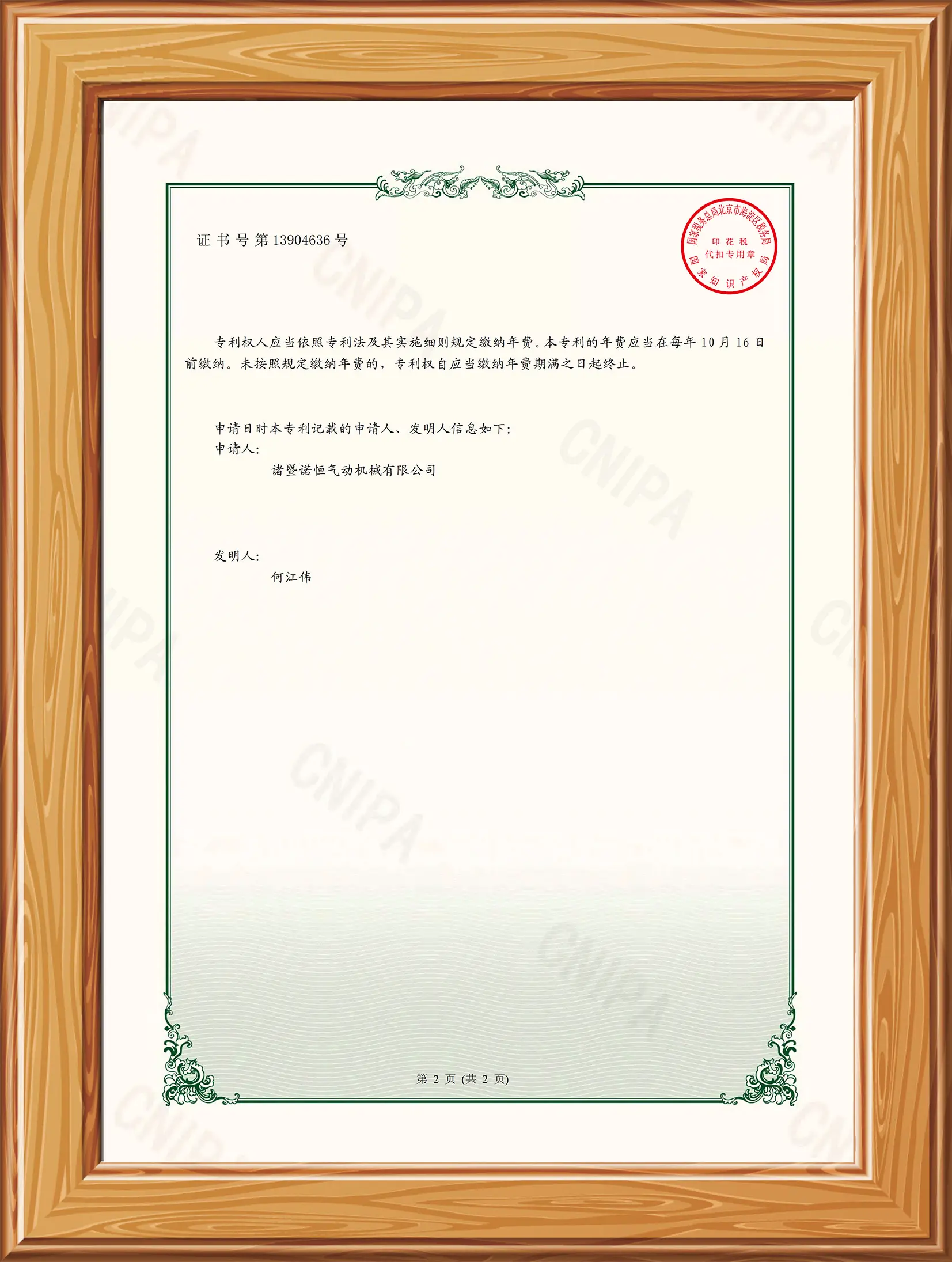
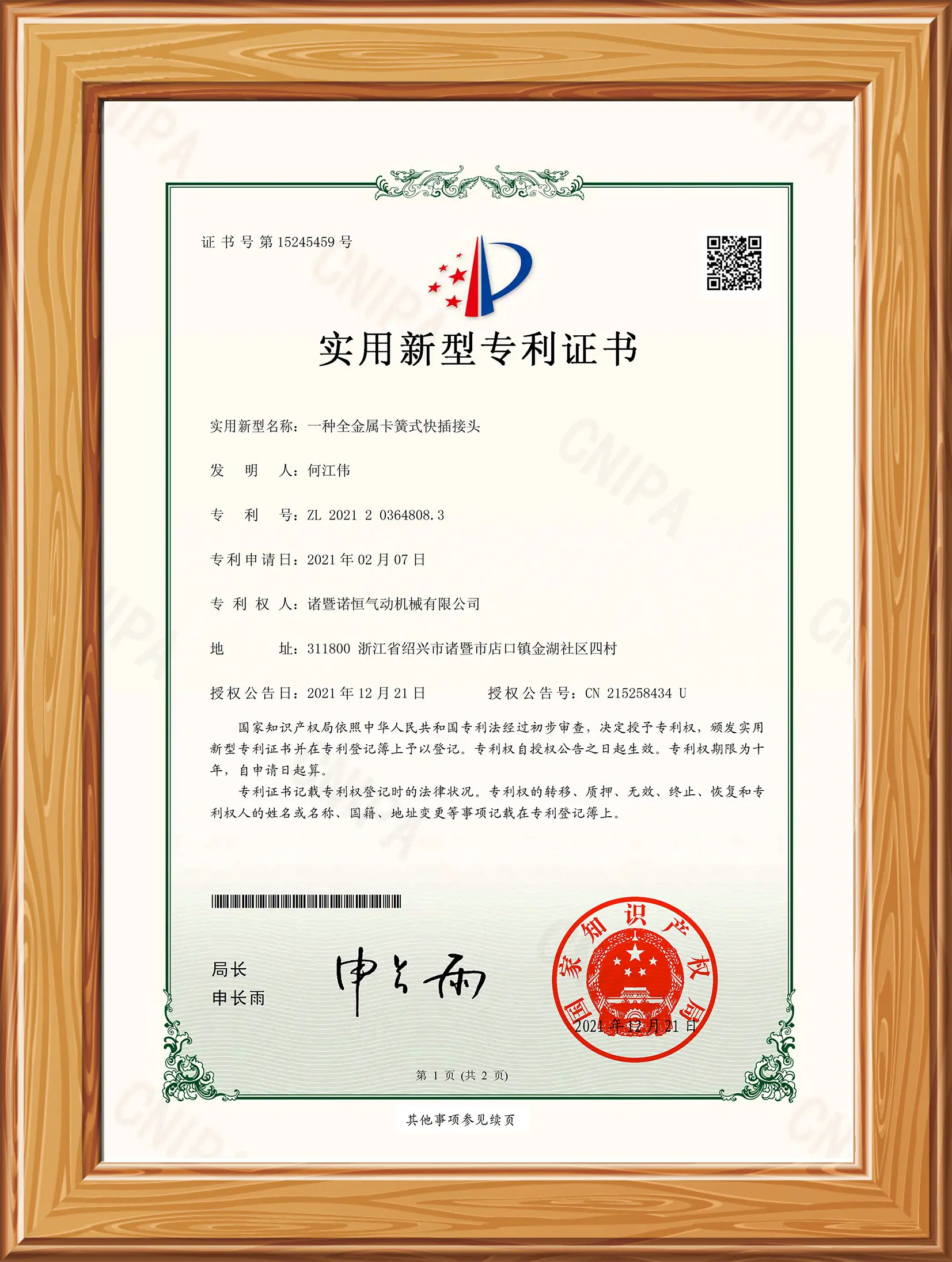
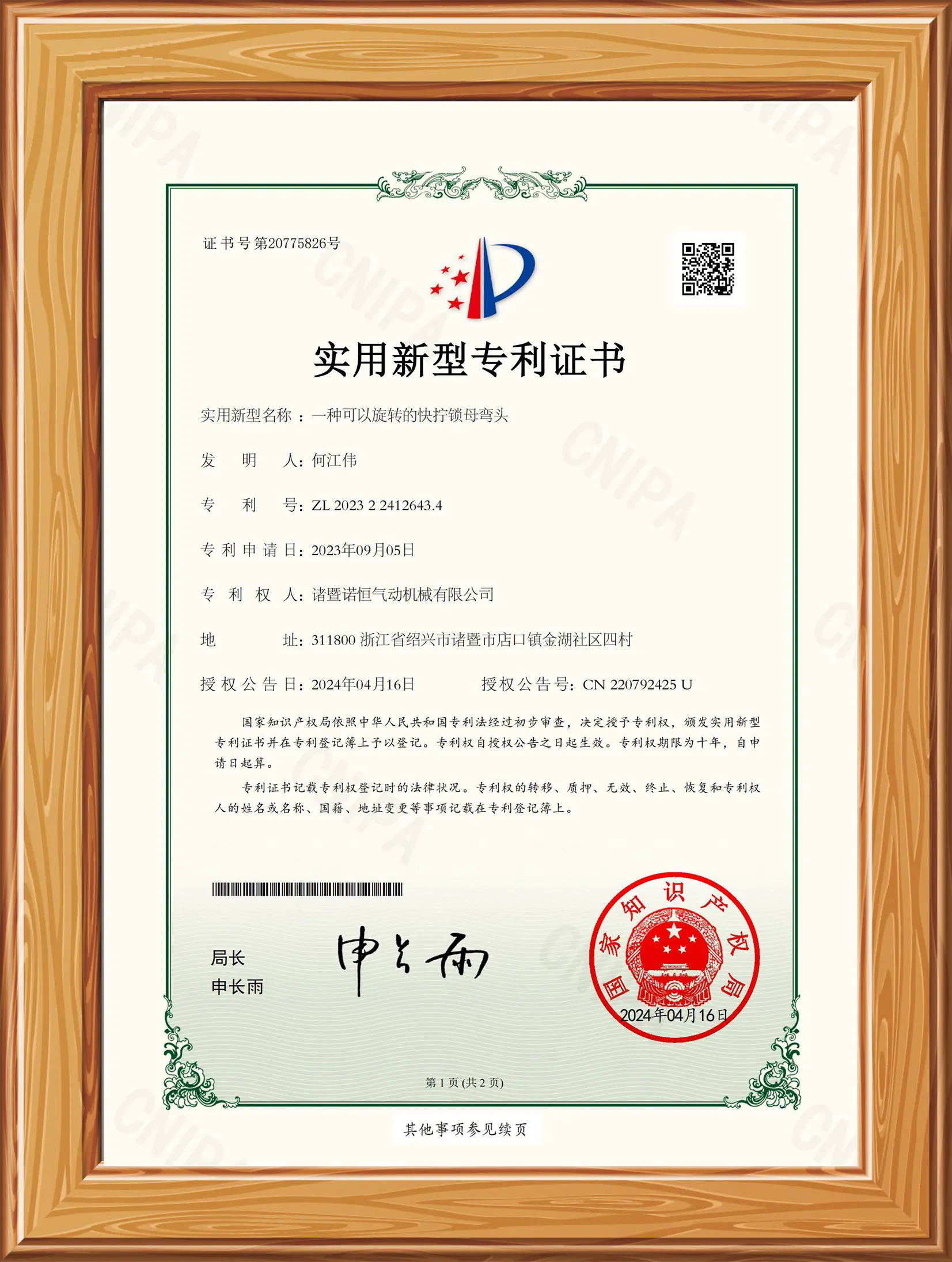
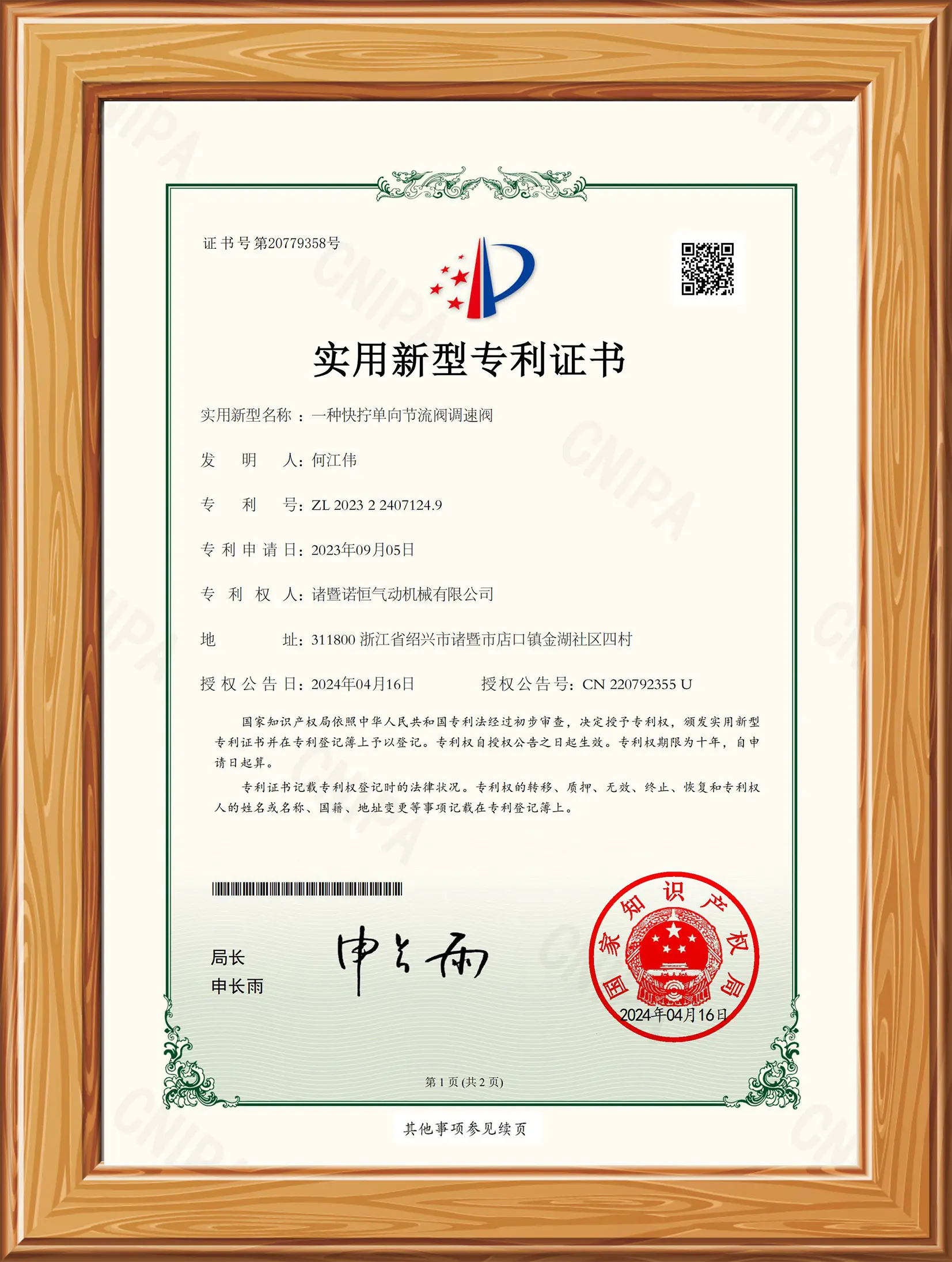
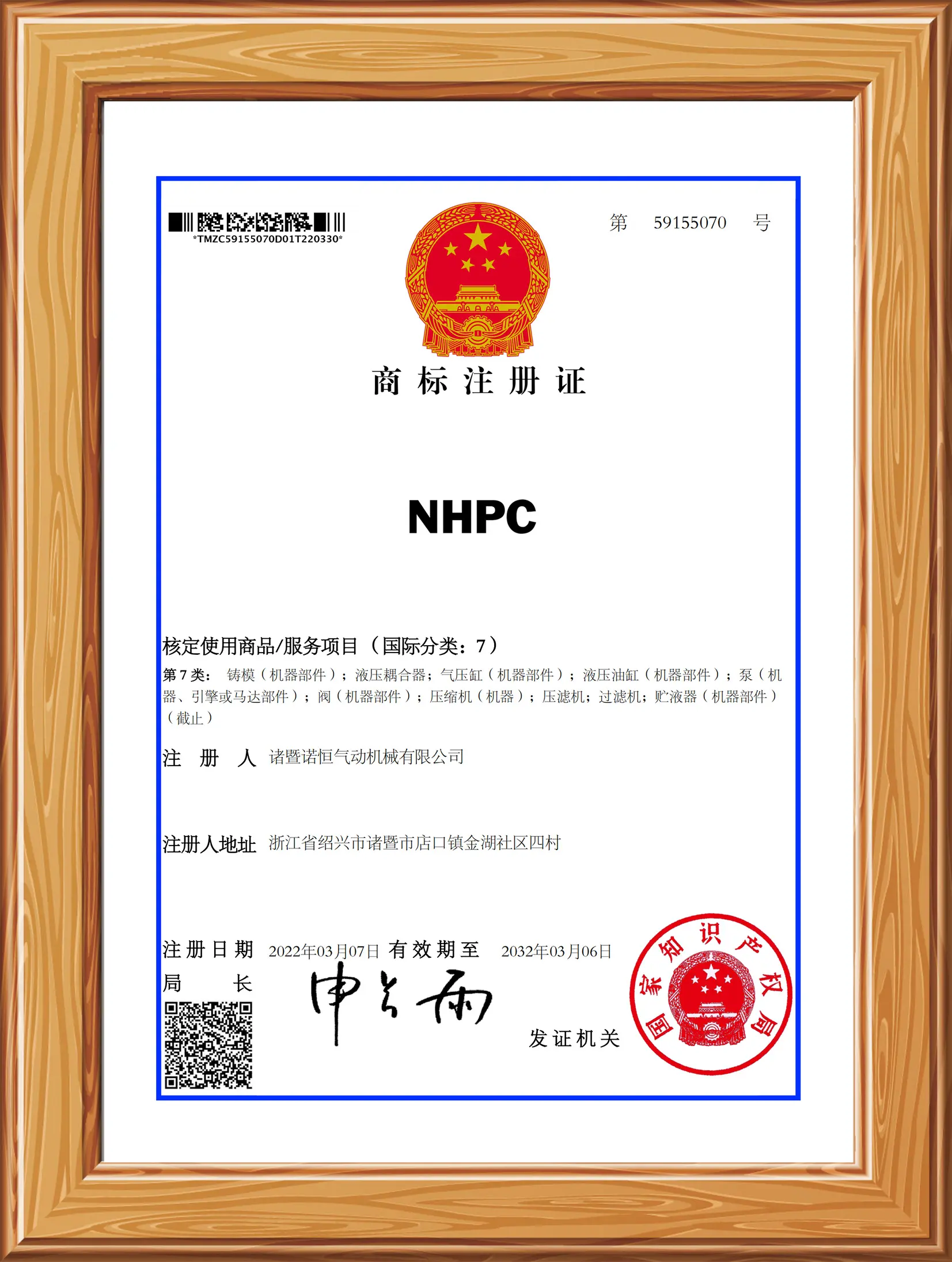
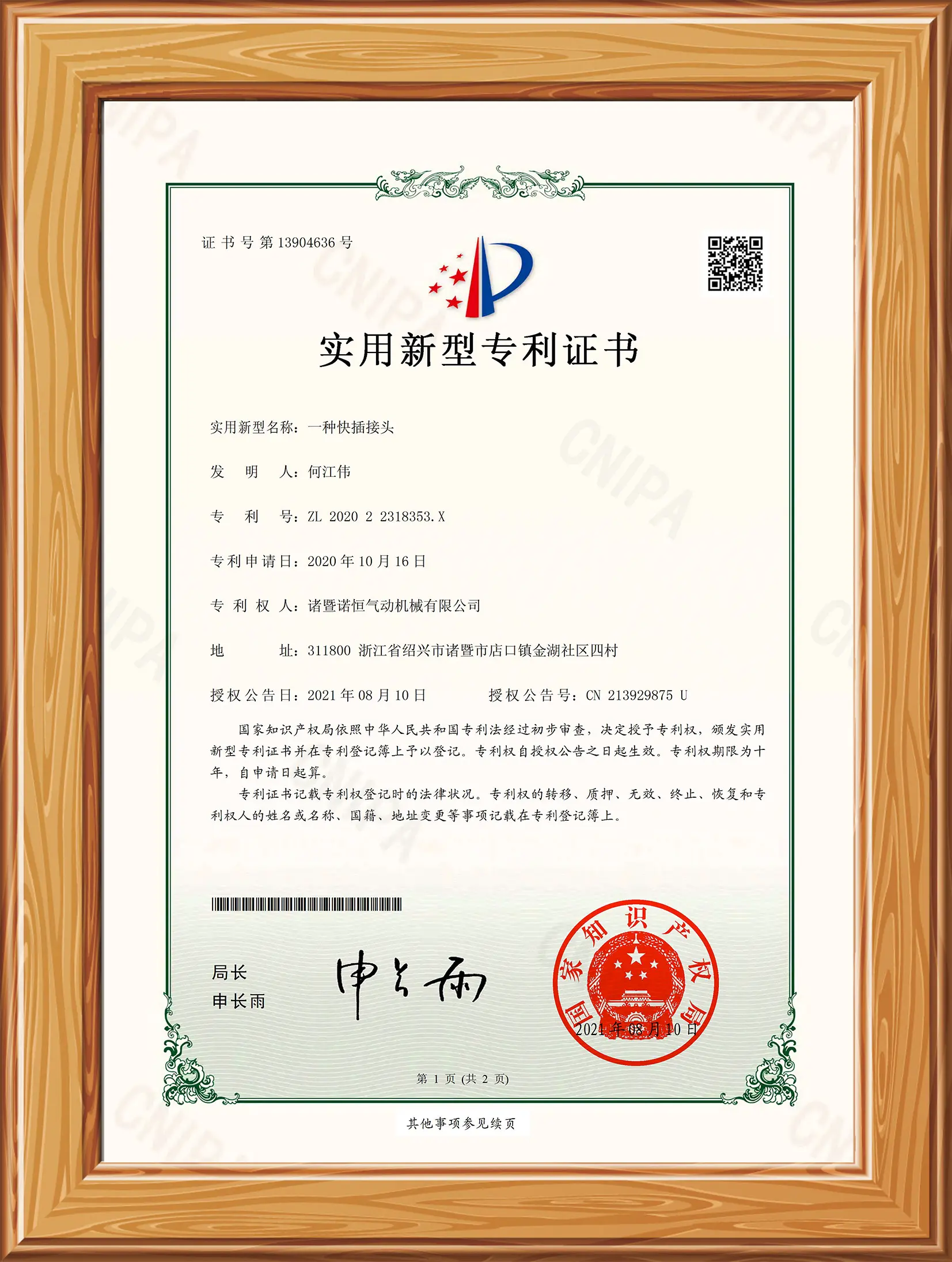
NHPC's production systems comply with major global auditing and engineering standards.
Technical guidance regarding pneumatic systems, thread selection, and custom specifications.
Brass offers superior mechanical strength, tensile fatigue limits, and resistance to environmental stress cracking compared to plastic. It maintains dimensional stability under high temperatures and pressure pulses, and is suitable for heavy-duty industrial or automotive settings where plastic might fail.
G threads (BSPP) are parallel threads and rely on an elastomeric O-ring or washer to seal. NPT (National Pipe Taper) threads are tapered and achieve a seal through thread deformation, which often requires sealants like PTFE tape or liquid pipe dope.
Air brake line fittings must comply with DOT standards (specifically FMVSS 106 and SAE J1131). These regulations verify that components can handle high mechanical pull-out forces, extreme temperatures, and chemical exposures without failure.
We use multi-stage quality control, including optical coordinate measurements, pressure testing to detect seal failures, and metallurgical analysis. We also perform cycle testing to verify performance under high pressures and vibrations.
Yes. During thermal runaway, regular plastic lines can melt and fail. Using flame-retardant PE or PLF series fittings helps ensure fire suppression lines remain intact to deliver cooling or extinguishing agents.
Fully compliant connection systems designed for heavy transport, energy storage, and industrial machinery.
 Nuoheng