 Nuoheng
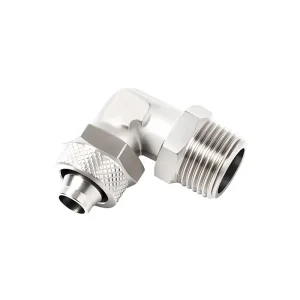
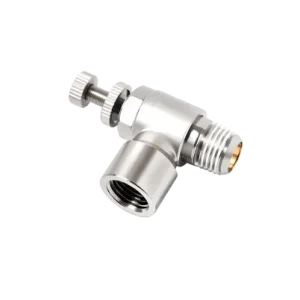
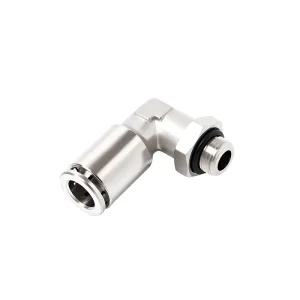
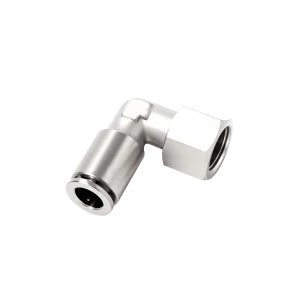
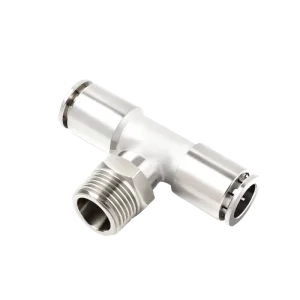
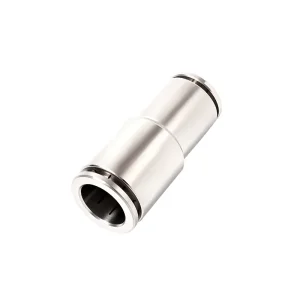
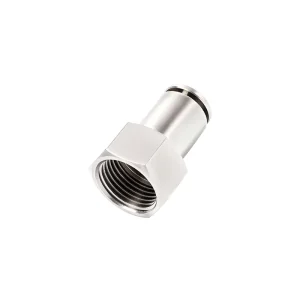
Whitepaper: Engineering Innovations in Metal SL Throttle Valves & Flow Control Technology
In modern high-speed automated assembly lines, high-precision control of pneumatic actuator speeds determines not only throughput rates but also system durability and energy footprint. The Metal SL Throttle Valve (speed controller) stands as a vital pillar in pressure-regulated routing systems, providing micro-adjustability to fluid paths while mitigating pressure drops. As global industrial processes shift towards high-load profiles and harsh environments, the choice of pneumatic flow controls has evolved from standard plastic composites to robust metallic configurations. This whitepaper analyzes the engineering dynamics, metallurgical enhancements, structural benefits, and integration frameworks defining the production of next-generation ODM Metal SL Throttles.
1. Architectural Physics of Metal SL Throttle Systems
The core operation of a Metal SL (Speed Limiter / Flow Control) throttle valve relies on a needle-valve mechanism operating in parallel with a one-way check valve. This dual-path system enables free flow of compressed air in one direction while restricting exhaust flow in the opposite direction (meter-out regulation). By regulating the exhaust rate rather than the supply rate, engineers prevent stick-slip motion (sticking and jerking) in pneumatic cylinders, ensuring smooth piston transitions even under erratic loads.
The efficiency of this throttle mechanism depends heavily on the needle thread design. Nuoheng’s ODM Metal SL Throttle systems feature ultra-fine pitch adjustment needles (ranging from 0.5mm to 0.75mm pitches), allowing precision adjustment across multiple needle rotations. The needle tip geometry is shaped via multi-angle grinding, providing a linear correlation between the rotational position of the needle knob and the active cross-sectional flow area. This eliminates the abrupt flow surges typical of low-cost, coarsely threaded throttle designs.
2. Material Chemistry & Structural Benefits of Metal Bodies
Standard composite (plastic-body) throttle valves are prone to structural failure under heavy thermal fluctuations, continuous vibrational stress, or contact with aggressive chemical vapors. The Metal SL series bypasses these limitations by employing premium-grade materials:
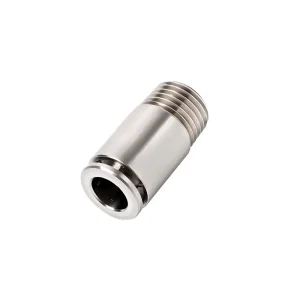
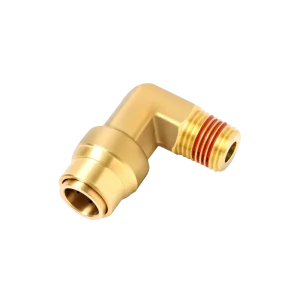
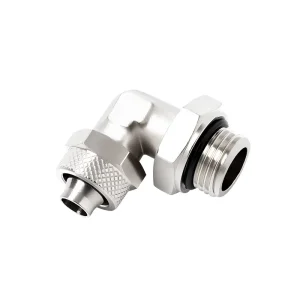
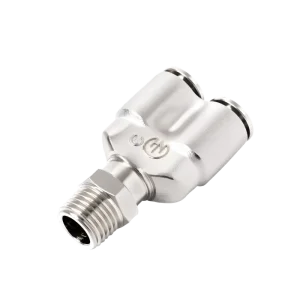
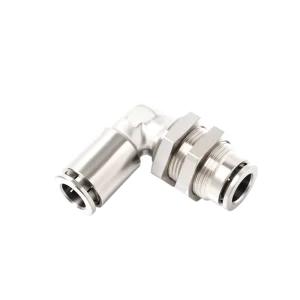
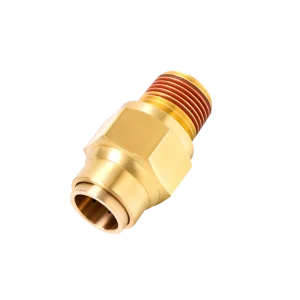
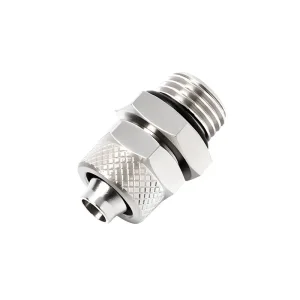
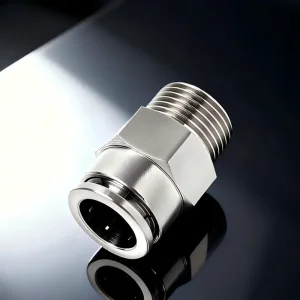
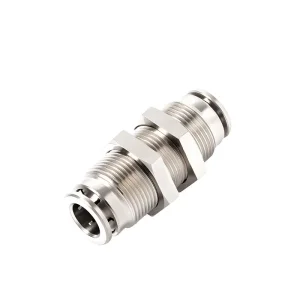
- Electroless Nickel-Plated Brass: The main structural housing is constructed using H59 or H62 brass, electroplated with a thin, uniform layer of nickel. This coating improves corrosion resistance in high-humidity or mildly acidic environments while offering high surface hardness to resist mechanical impact.
- Stainless Steel Options (304/316): For sanitary food processing, offshore engineering, and medical automation, stainless steel variants offer complete oxidation resistance and high structural yield strength, ensuring zero cross-contamination.
- Advanced Elastomer Seals (FKM/Vitron & NBR): Under high heat (up to 150°C) or chemical exposure, standard nitrile rubber degrades, causing micro-leaks. Nuoheng uses high-fluorine Viton compounds for sealing rings and internal O-rings, preserving pressure integrity over millions of operations.
3. China Industry 4.0 Manufacturing: Nuoheng’s Production Paradigm
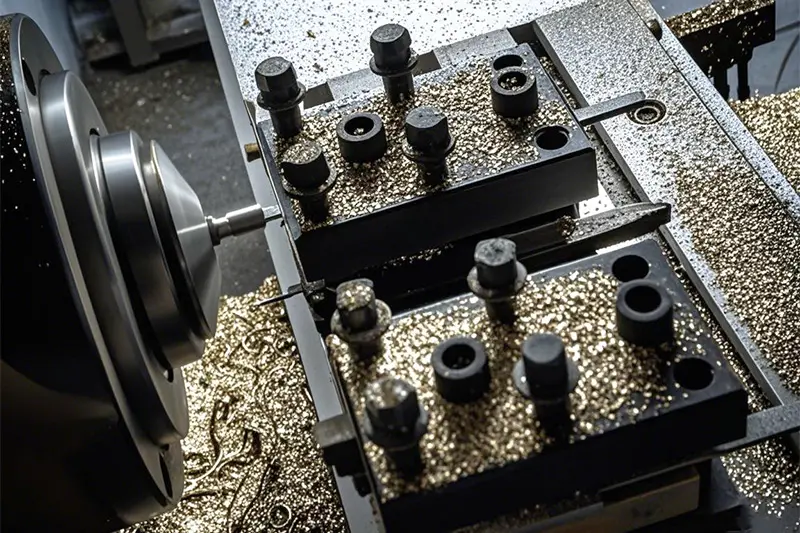
Nuoheng Pneumatic Machinery Co., Ltd. (NHPC) leverages state-of-the-art manufacturing infrastructure to achieve tight machining tolerances and high volume reliability. Across our 20,000 m² factory floor, a fleet of high-precision multi-axis CNC Swiss-type lathes machines each metal throttle body from solid hexagonal bar stocks in a single setup. This continuous machining process eliminates clamping errors, keeping concentricity tolerances within ±0.01 mm.
Following machining, components undergo automated ultrasonic degreasing and cleaning to remove cutting fluids and micro-particles. Assembly is completed on clean-room workstations equipped with automated leak-detection rigs. Every finished Metal SL Throttle is subjected to static pressure testing at 1.5 times its rated pressure (15 Bar limit) to guarantee zero structural defects before shipment. This level of quality control is essential for components used in high-risk environments like energy storage fire protection systems and automotive air brake assemblies.
Automated Machining Capabilities
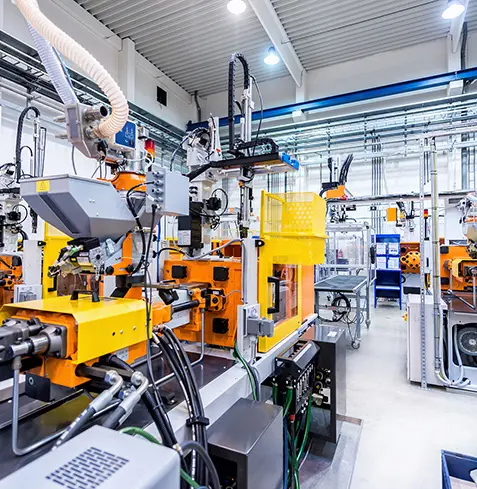
Our facility houses high-speed injection molding, stamping, die-casting, and multi-axis CNC machines, allowing us to maintain strict quality control at every stage of production. From raw material selection to final assembly, our workflow prevents material contamination and maintains uniform thread dimensions across batches.
Our engineering team regularly optimizes production pathways, reducing cycle times and minimizing material waste. This efficiency allows us to provide cost-effective solutions to clients without compromising structural integrity or mechanical performance.
4. Macro Industry Solutions: Beyond Standard Components
Pneumatic system design is shifting away from off-the-shelf individual components toward integrated, pre-engineered subsystem solutions. Nuoheng provides comprehensive engineering services, assisting OEMs from system architecture planning to final product installation:
- Energy Storage Fire Protection: Our specialized flame-resistant and fire-retardant pipe fittings (including the PC, PE, and PLF series) are designed to withstand high temperatures in lithium-ion battery containment zones, maintaining system pressure to deliver suppression agents reliably during thermal runaway.
- Automotive Air Brake Systems: Utilizing brass DOT air brake line fittings certified to meet FMVSS 106 regulations, we supply transport and logistics fleets with robust push-to-connect systems that resist road vibration, thermal extremes, and salt spray.
- High-Speed Packaging & Sorting: For automated material handling, our fast-response Metal SL Throttles enable rapid cylinder cycling with minimal hysteresis, boosting sorting throughput while damping end-of-stroke impacts to extend cylinder service life.
5. Global Procurement Requirements & Compliance Standards
Procurement departments at global firms must balance cost efficiency with risk management, regulatory compliance, and supply chain transparency. NHPC address these priorities through our international certifications:
- ISO 9001:2015 Certification: Our quality management system covers all processes from initial customer inquiry and CAD design validation to production tooling, packaging, and shipping.
- DOT Compliance: For commercial vehicle applications, our brass push-to-connect and air brake line fittings comply with United States Department of Transportation requirements, streamlining vehicle registration and safety validation.
- RoHS & REACH Compliance: To support environmental sustainability, all brass components are surface-treated with lead-free nickel plating and comply with EU environmental restrictions, allowing hassle-free integration into European consumer and industrial goods.
6. Technology Roadmap & Future Outlook (2025–2030)
The pneumatic industry is moving toward smart, monitored fluid power systems. NHPC’s R&D roadmap focuses on three main engineering goals:
- Integrated Sensor Throttle Valves (Smart SL Series): We are prototyping metal throttle valves featuring embedded miniature pressure and temperature sensors. These valves send flow data to industrial PLCs via IO-Link, enabling predictive maintenance by detecting leak signatures or flow anomalies before system failure occurs.
- Eco-Friendly Lead-Free Brass: In anticipation of stricter global metallurgy standards, we are transitioning our product line to CW724R silicon brass and other lead-free alloys, preserving mechanical strength and corrosion resistance without environmental impact.
- Micro-Pneumatic Controls: To meet the needs of electronic assembly and medical device markets, we are expanding our catalog of ultra-compact metal throttles. These valves offer precise flow regulation for bore sizes down to 2mm, providing precise control for delicate, space-constrained automation tasks.