 Nuoheng
1. Executive Summary & The Evolution of Push-Fit Technology
In modern pneumatic engineering, the connection methodology selected dictates the operational longevity, energy efficiency, and safety profiles of localized automation networks. The historical transition from threaded fittings, which require sealants, high manual torque, and substantial maintenance schedules, to high-precision push-to-connect fittings represents a critical shift. Today, the demands of smart factory environments, vehicle air brake systems, and renewable energy sectors push components to operate under elevated pressure cycles, dynamic vibrations, and aggressive temperature ranges.
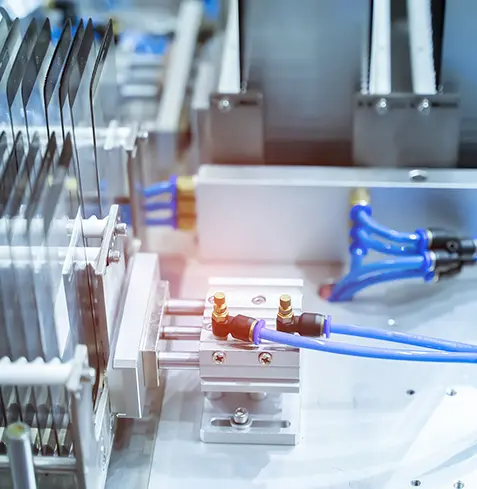
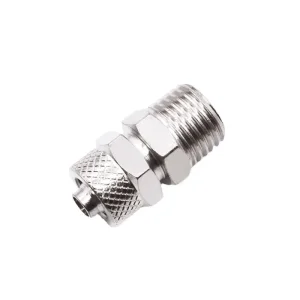
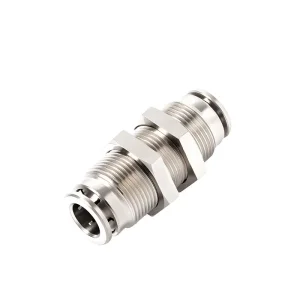
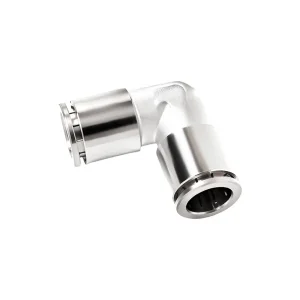
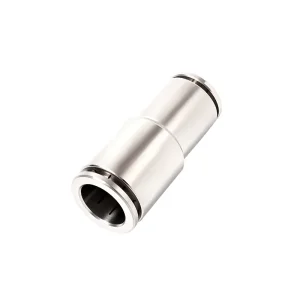
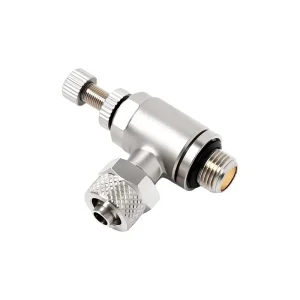
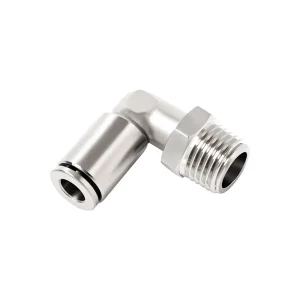
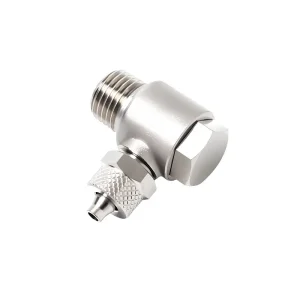
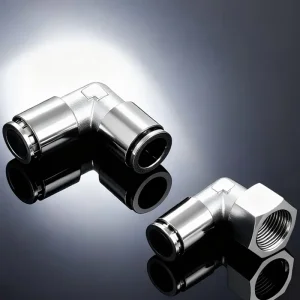
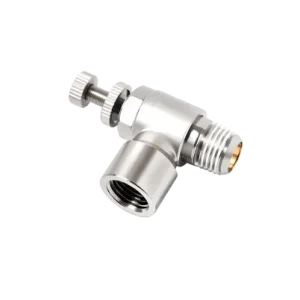
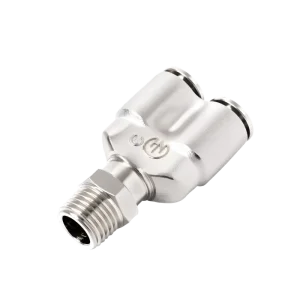
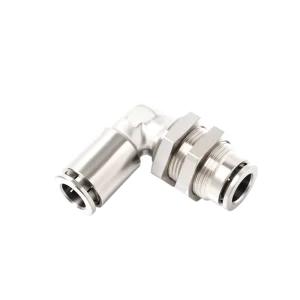
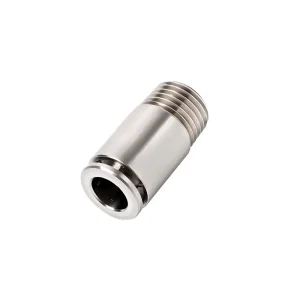
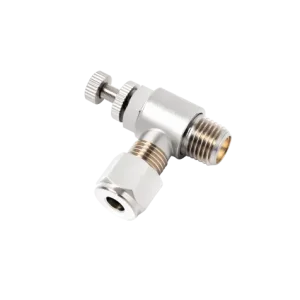
An optimized push-fit air pipe connector achieves immediate structural lock-up and hermetic sealing upon insertion of standard polyurethane, nylon, or PTFE tubing. This mechanism relies on an internal stainless steel lock claw (collet) that bites securely into the tube outer diameter, paired with high-performance elastomeric seals (like NBR or FKM fluorine rubbers). The design allows engineers to dramatically compress assembly times, mitigate the risk of assembly-induced torque stresses, and minimize pressure losses across distributed automation manifolds. As industrial layouts prioritize high packing density and rapid reconfiguration, the integration of 360-degree swiveling and multi-port configurations has become the global benchmark.
2. Technical Performance Matrix: Materials & Structural Engineering
To address different environmental challenges, procurement entities must evaluate structural raw materials, seal composition, and internal collet configuration. Choosing between thermoplastic body construction, nickel-plated brass, and complete stainless steel housings determines the TCO (Total Cost of Ownership) and chemical compatibility profiles. Below is an engineering overview of the materials utilized in modern push-to-connect mechanisms:
| Material Family | Primary Applications | Operating Pressure Limits | Temperature Range | Key Performance Features |
|---|---|---|---|---|
| Nickel-Plated Brass | Heavy industrial pneumatic systems, automotive brake lines (DOT compliance). | Up to 2.0 MPa (20 Bar) | -40°C to +120°C | Extreme mechanical durability, high corrosion resistance, high vibration tolerance. |
| Flame-Resistant Composites (UL94 V-0) | Energy storage systems, lithium battery fire protection grids. | Up to 1.5 MPa (15 Bar) | -25°C to +85°C | Self-extinguishing properties, excellent weight-to-strength ratio, electrical isolation. |
| Precision Engineered Polymers (PBT/POM) | General factory automation, pick-and-place packaging, textile machinery. | Up to 1.0 MPa (10 Bar) | 0°C to +60°C | Ultra-lightweight, quick-release ergonomics, cost-effective for localized networks. |
Modern locking mechanisms utilize stainless steel claws (SUS301/304) containing multiple retention teeth. These teeth distribute the tensile pull-out forces evenly across the circumference of the tubing, preventing "kinking" or tube collapse under extreme pressure spikes. O-rings must be engineered with premium cross-linked elastomers to guarantee low compression set parameters and maintain flexibility at sub-zero temperatures.
3. Global Enterprise Procurement Trends & Custom ODM Requirements
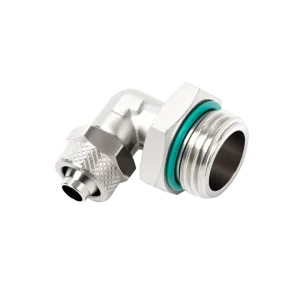
Global sourcing directors face complex criteria when choosing a manufacturing partner for pneumatic components. They must find an organization capable of delivering both standard product catalogs and custom Original Design Manufacturing (ODM) solutions. The demand for customized thread specifications (such as metric, G thread parallel, and NPT tapered configurations) requires a supplier with rapid CNC toolpath modification capabilities and agile production setups.
Additionally, the rise of localized distribution hubs and automated warehouses requires packaging configurations to match standardized logistics protocols (e.g., individual barcode systems, customized packaging designs, and pre-applied Teflon sealant layers). Global supply chains benefit when they can source directly from factory-level entities, eliminating intermediaries and lowering the Total Cost of Ownership (TCO) while securing strict material trace certifications.
4. China Factory 4.0: Manufacturing Excellence & Supply Chain Resilience
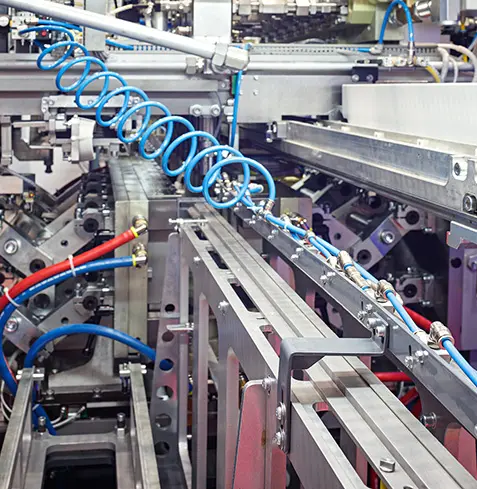
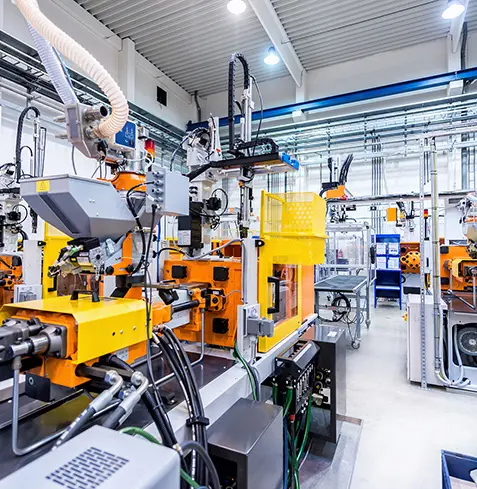
Operating in the advanced manufacturing sector requires significant investment in smart factory technology. By integrating Industry 4.0 standards, factories can establish high-precision CNC multi-axis automatic machining lines, synchronized plastic injection units, automated assembly systems, and digital quality verification. This configuration helps eliminate human error in crucial assembly phases, such as inserting lock claws and positioning internal O-rings.
Supply chain resilience depends on vertical integration. Modern facilities handle stamping, die-casting, precision surface finishing, and pneumatic integrity validation within a single manufacturing site. This structural autonomy insulates production timelines from external sub-supplier failures, ensures consistent quality, and allows for rapid customization cycles—from design blue-prints to sample production within very short timelines.