Explore our engineered pipeline adapters, connection valves, and high-performance push-in solutions designed to meet the strict demands of global LPG systems, automotive air brakes, and clean energy protection schemes.
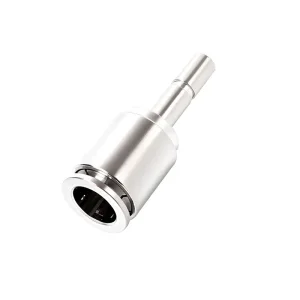
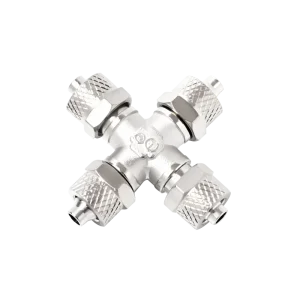
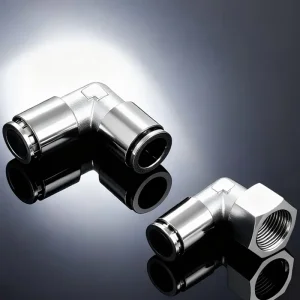
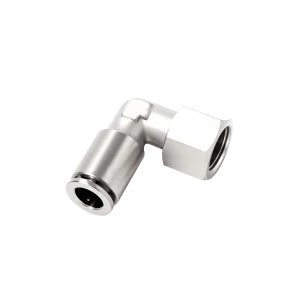
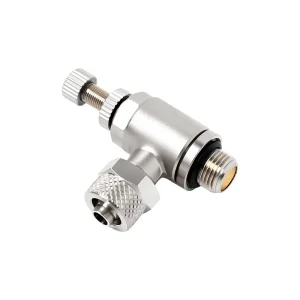
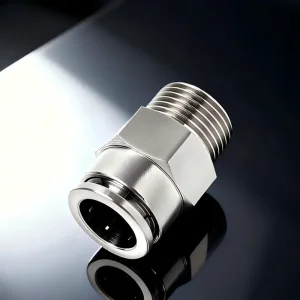
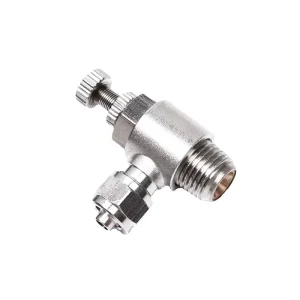
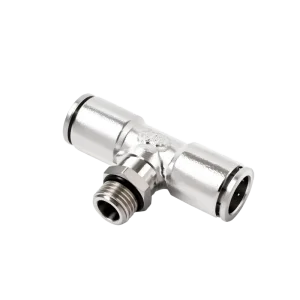
Welcome to NHPC (Zhuji Nuoheng Pneumatic Machinery Co., Ltd.), a globally recognized manufacturer and supply partner in the precision valve and gas routing industry. Backed by a rich heritage spanning over 15 years, we have committed ourselves to engineering advancements that power heavy industries, energy infrastructure, automotive assembly, and gas delivery systems.
We specialize in designing, testing, and mass-manufacturing robust pipeline connectors. Our standard catalog and custom OEM/ODM solutions cover high-pressure brass LPG fittings, DOT air brake line connectors, flame-resistant energy storage pipe interfaces, speed controllers, pneumatic valves, and custom assemblies. From raw material specification to finished system analysis, NHPC handles everything to elevate your processing efficiency.
From schematic design through advanced material extrusion, heat treating, custom threading, and logistics support, NHPC is your end-to-end partner.
With deep expertise in pneumatic and high-pressure liquid/gas routing, we provide custom design blueprints. We optimize configuration metrics to ensure minimal pressure drops and zero-leak operations.

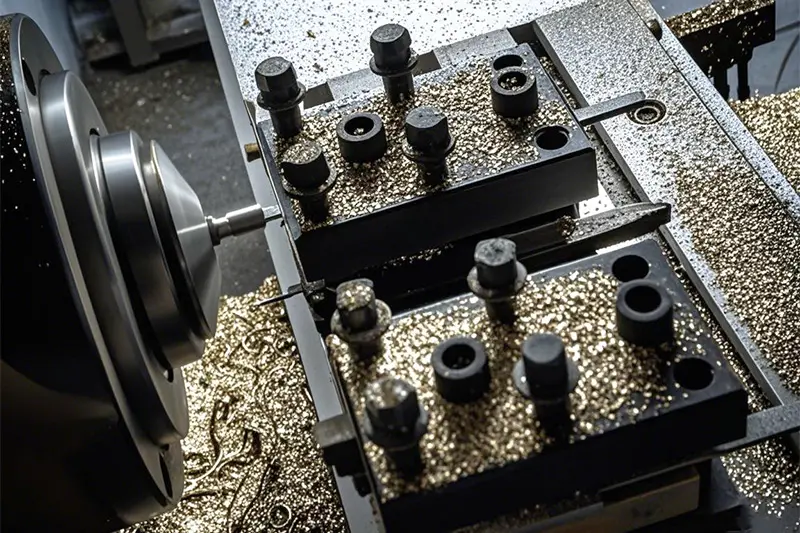
Operating high-precision CNC lathes, multi-axis machining centers, automatic stamping, die-casting, and injection molding machinery. Quality control starts at alloy analysis and runs through custom plating.
Our engineering desk works directly with your procurement managers. We guarantee fast response times for drawings, performance certifications, chemical composition compliance certificates, and logistics updates.
In Liquefied Petroleum Gas (LPG) and high-pressure media distribution, material selection determines safety boundaries. Top manufacturers utilize HPb59-1 (C3604) or CW617N lead-free/low-lead brass. These brass variations undergo rigorous stress-relief tempering to prevent stress corrosion cracking (SCC), a common cause of field failure in environments containing trace ammonia or corrosive vapors.
DZR (Dezincification Resistant) brass is specified for damp, high-humidity installations, preventing the selective leaching of zinc from the alloy structure. This ensures long-term mechanical reliability at high working pressures.
LPG has a strong solvent action on standard rubbers. Sourcing high-quality brass fittings requires validation of the elastic seal material. While NBR (Nitrile) is suitable for low-temperature applications, premium brass connectors utilize HNBR (Hydrogenated Nitrile) or Viton (FKM).
These compounds resist chemical degradation from propane, butane, and volatile organic compounds. They maintain elasticity under wide temperature swings (from -40°C up to 150°C), preventing micro-leaks along the pipeline joints.
As procurement structures shift from decentralized sourcing to highly unified models, our China-based Industry 4.0 factory delivers production efficiency, material trace-ability, and precision engineering. By integrating raw material casting, high-capacity CNC machining, and automated optical sorting, we mitigate typical supply chain disruptions.
Using high-tonnage warm forging machines and multi-spindle CNC equipment. Threads (G, NPT, BSPT, Metric) are processed in a single clamping cycle, maintaining axis alignment within ±0.02mm tolerance levels.
While standard air-under-water testing is common, we subject all high-risk LPG and gas line products to mass spectrometry-grade helium vacuum leak tests. This guarantees a leak threshold lower than 1x10⁻⁵ mbar·l/s.
To satisfy automotive (DOT) and aerospace demands, finished products run through automated camera sorting lines. The system checks critical dimensions, thread pitch, and surface finishes, reducing defect rates to under 50 PPM.
Our engineered brass components and pneumatic adapters serve critical functions across diverse industries, from clean energy to heavy-duty logistics.
In modern battery energy storage systems (BESS), thermal runaway protection is critical. Our flame-resistant PLF, PE, and PC series connectors are engineered for high-pressure fire suppression delivery lines. Standard polymer fittings run the risk of structural failure when exposed to direct heat, whereas our specialized, flame-retardant push-on assemblies ensure uninterrupted clean agent delivery.
Our brass DOT air brake line fittings meet FMVSS 106 parameters. Sourced for commercial trailers and heavy-duty transport vehicles, these push-to-connect and swivel elbow connectors withstand continuous vibrations, road salts, and extreme atmospheric shifts while maintaining air brake circuit pressure.
Designed for commercial kitchens, gas-fired industrial furnaces, and municipal vapor recovery networks. High structural durability prevents mechanical deformation during piping installation, ensuring safe connections for LP and natural gas systems.
For packaging machinery, automotive body assembly shops, and material handling systems. Speed throttles and flow control valves enable high-cycle operation, reducing wear and air loss.
The industrial fittings industry is undergoing shifts driven by stricter environmental standards and IoT-enabled predictive maintenance. At NHPC, our R&D roadmap focuses on three core pillars:
Deploying bismuth-stabilized and silicon-brass lead-free alloys. This prepares our customers for European RoHS/REACH updates and US EPA requirements without sacrificing structural integrity or machinability.
Testing prototypes with micro-electronic sensors embedded directly into the brass body. These track localized pressure drops and gas concentration changes, enabling real-time leak detection.
Implementing chemical nickel-plating (electroless nickel) and PVD (Physical Vapor Deposition) technology. This achieves superior surface hardness and resistance to sour gas containing hydrogen sulfide (H₂S).
Our components are deployed across chemical facilities, commercial transport networks, and automation hubs worldwide.
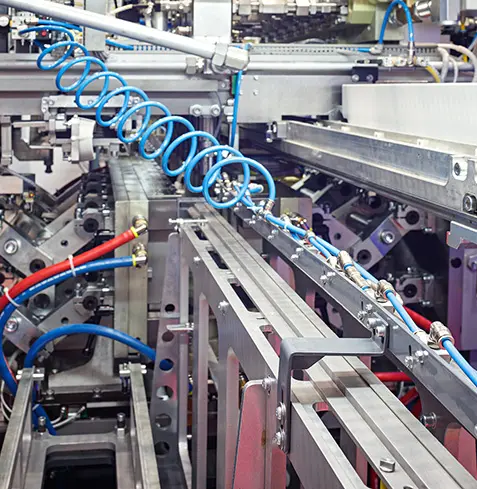
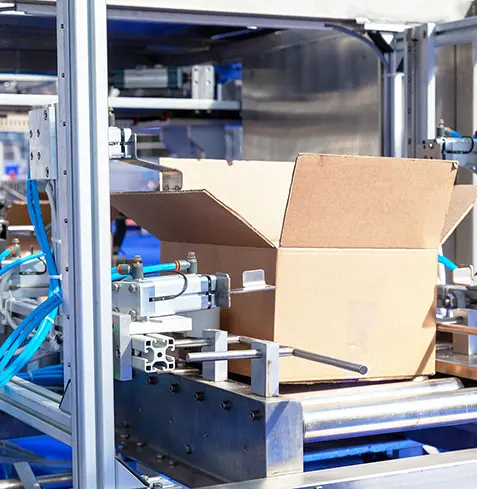
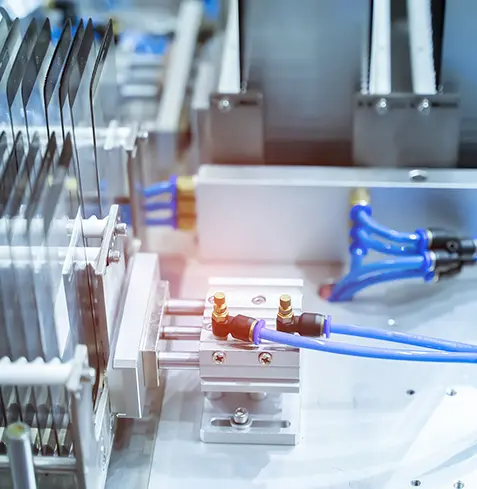
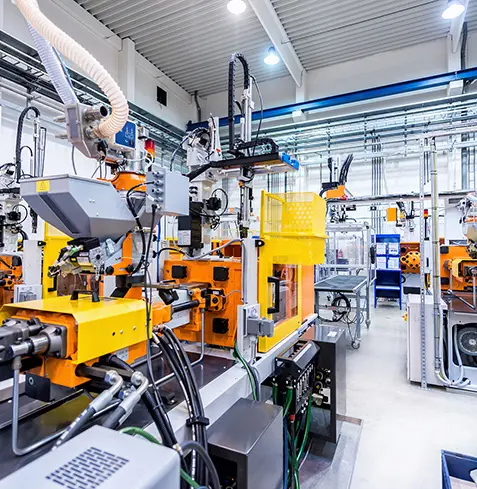
All NHPC production lines operate under verified quality control procedures. Our certificates prove our commitment to safety and material compliance.
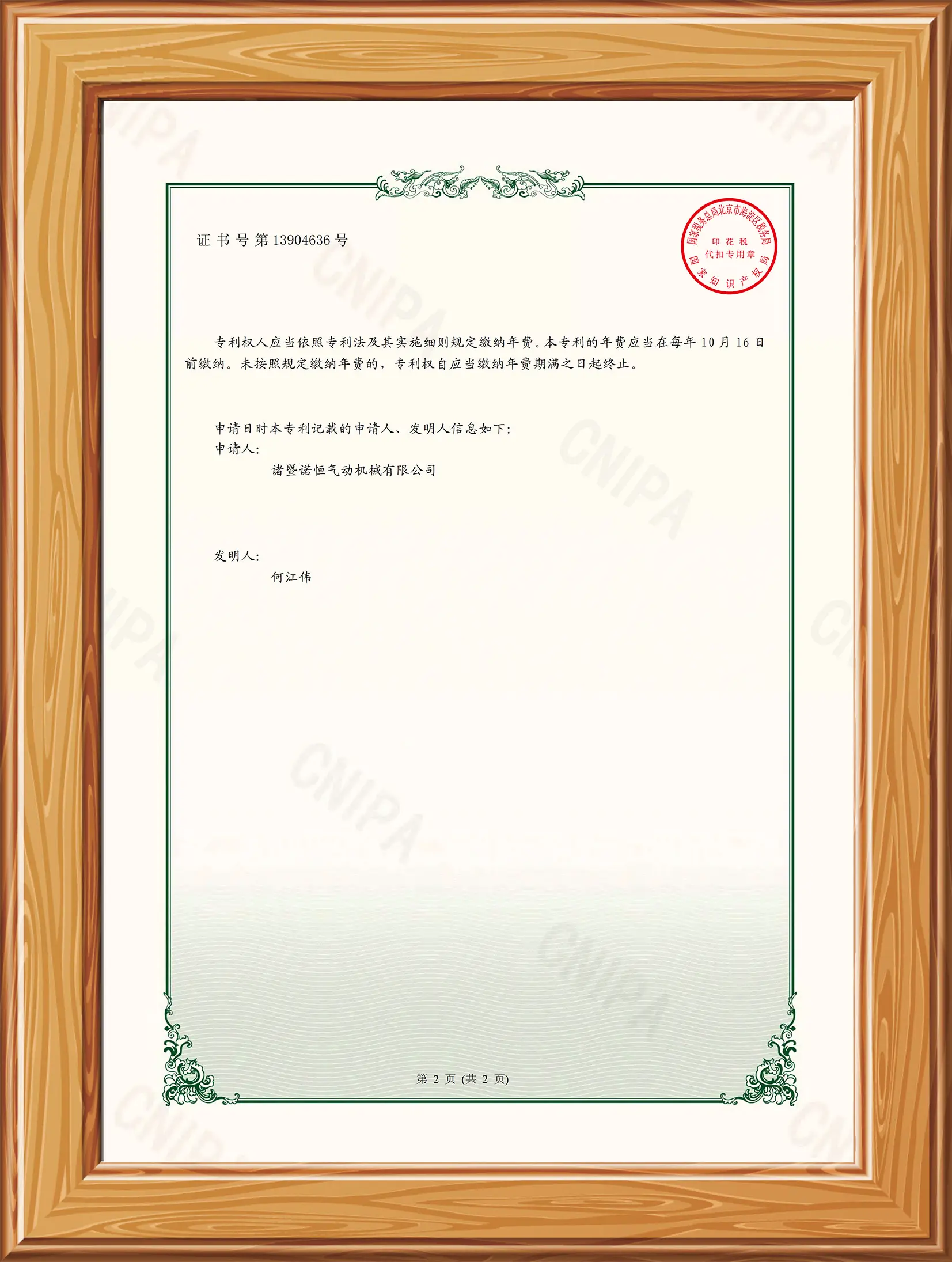 ISO 9001:2015
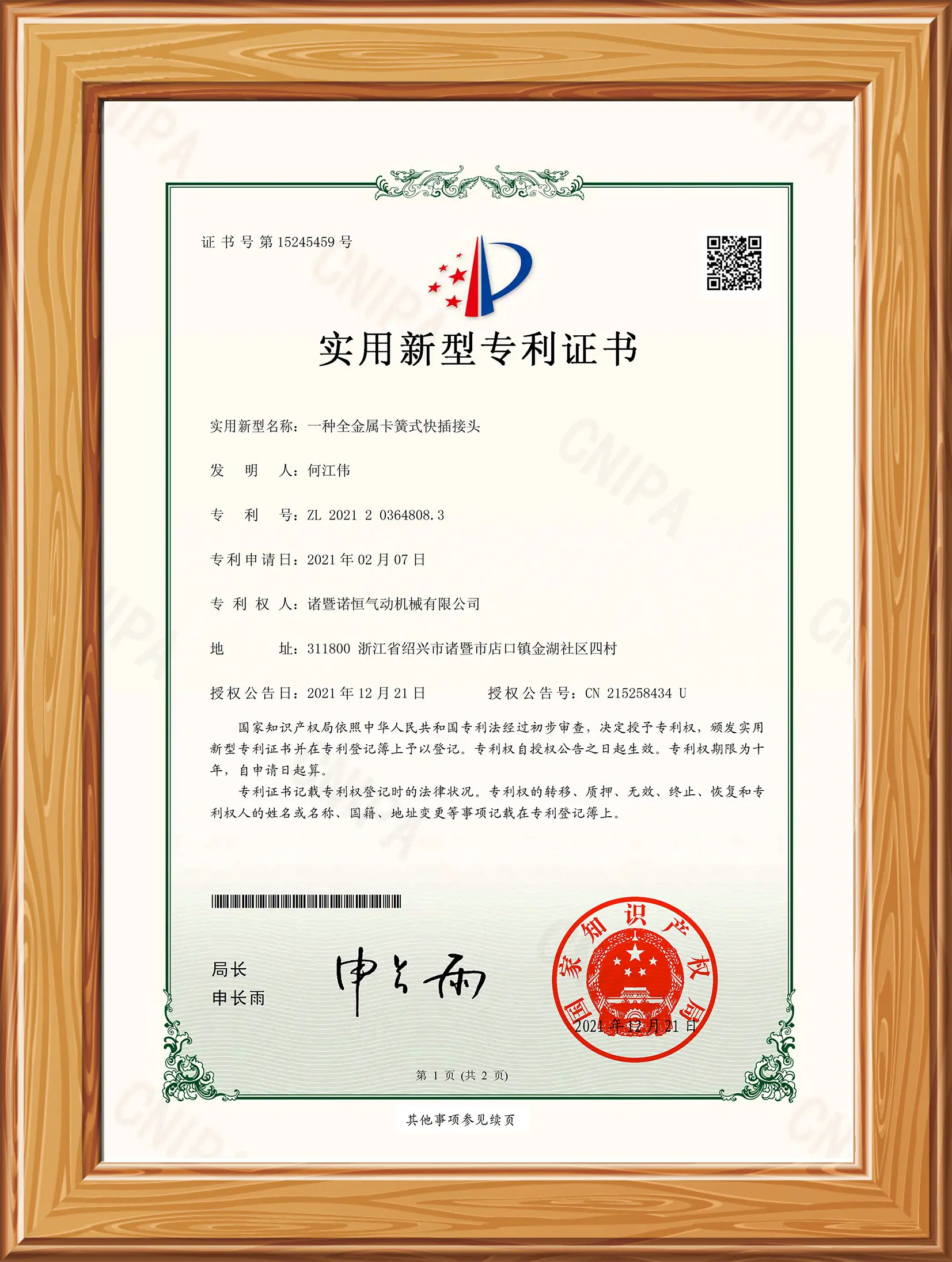 CE Directives
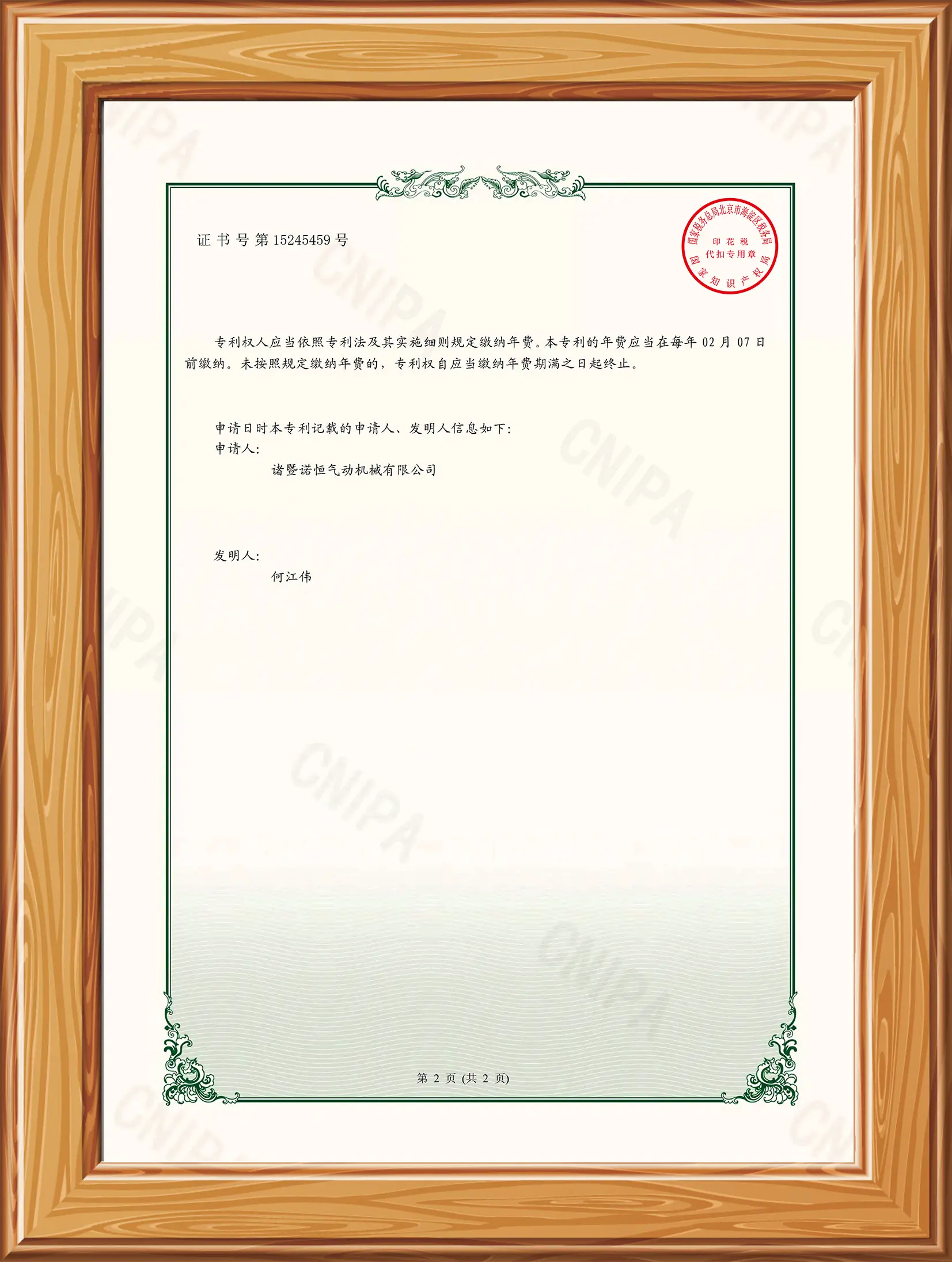 DOT Compliance
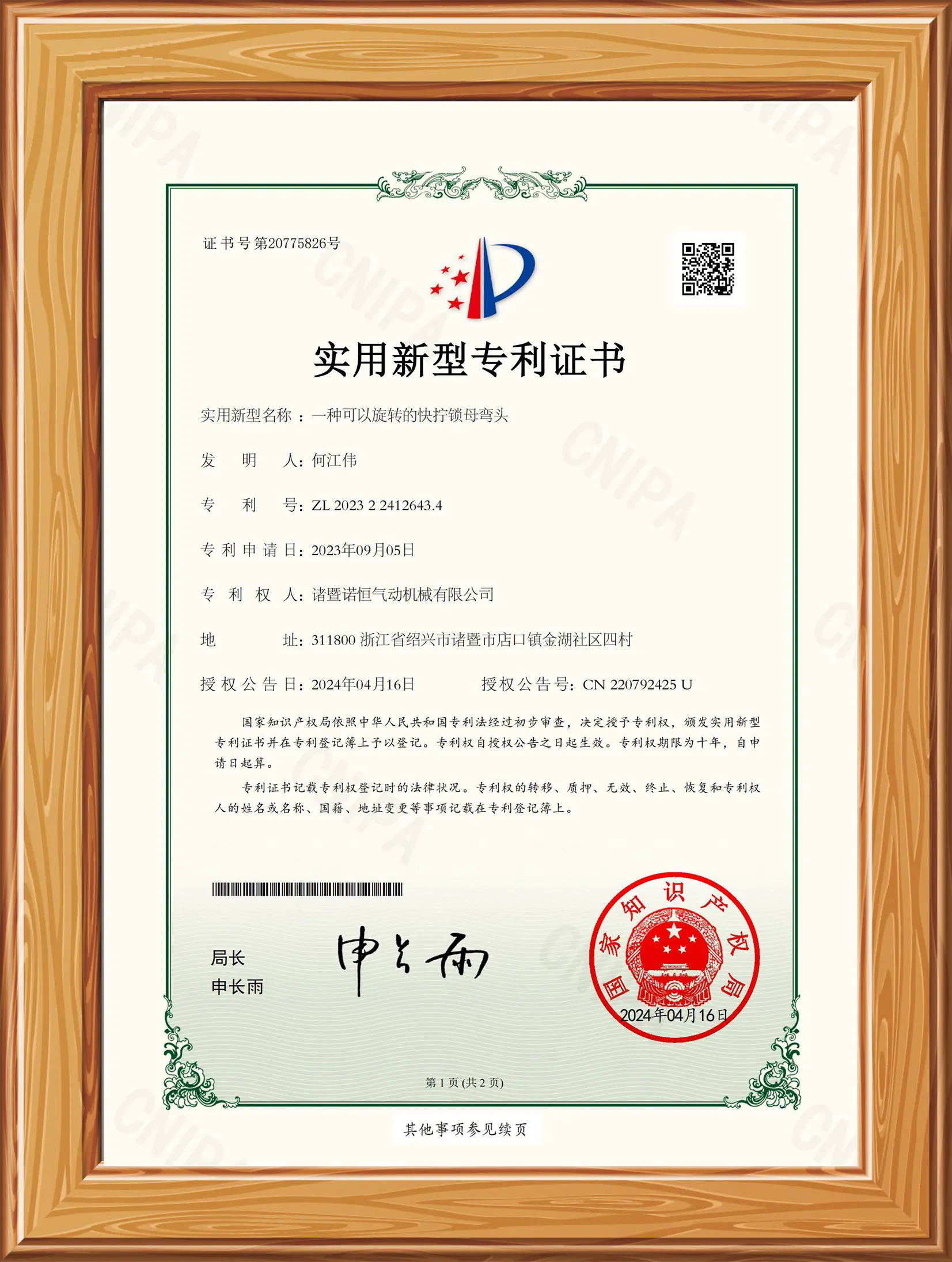 RoHS Test Report
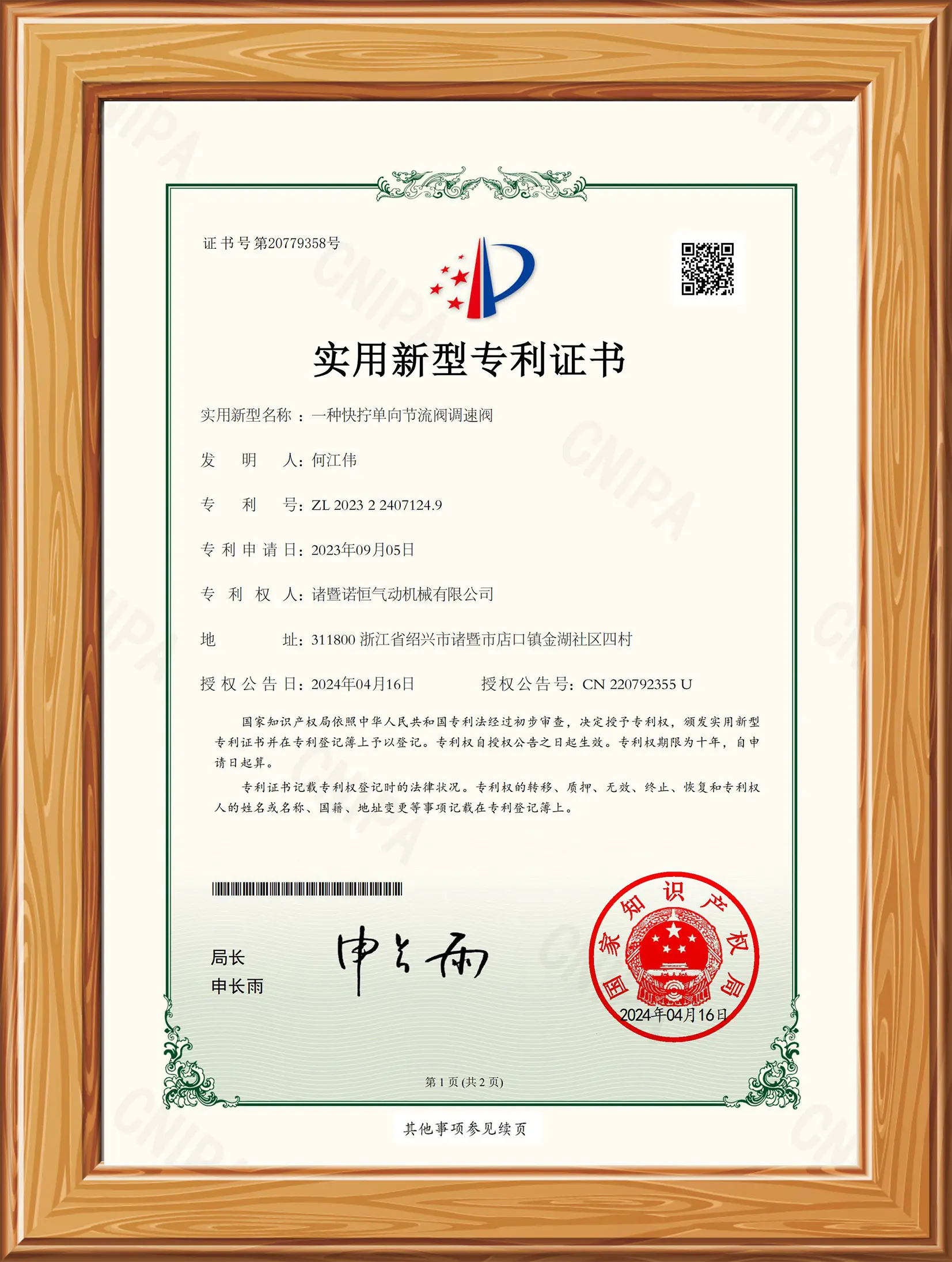 TUV Audit
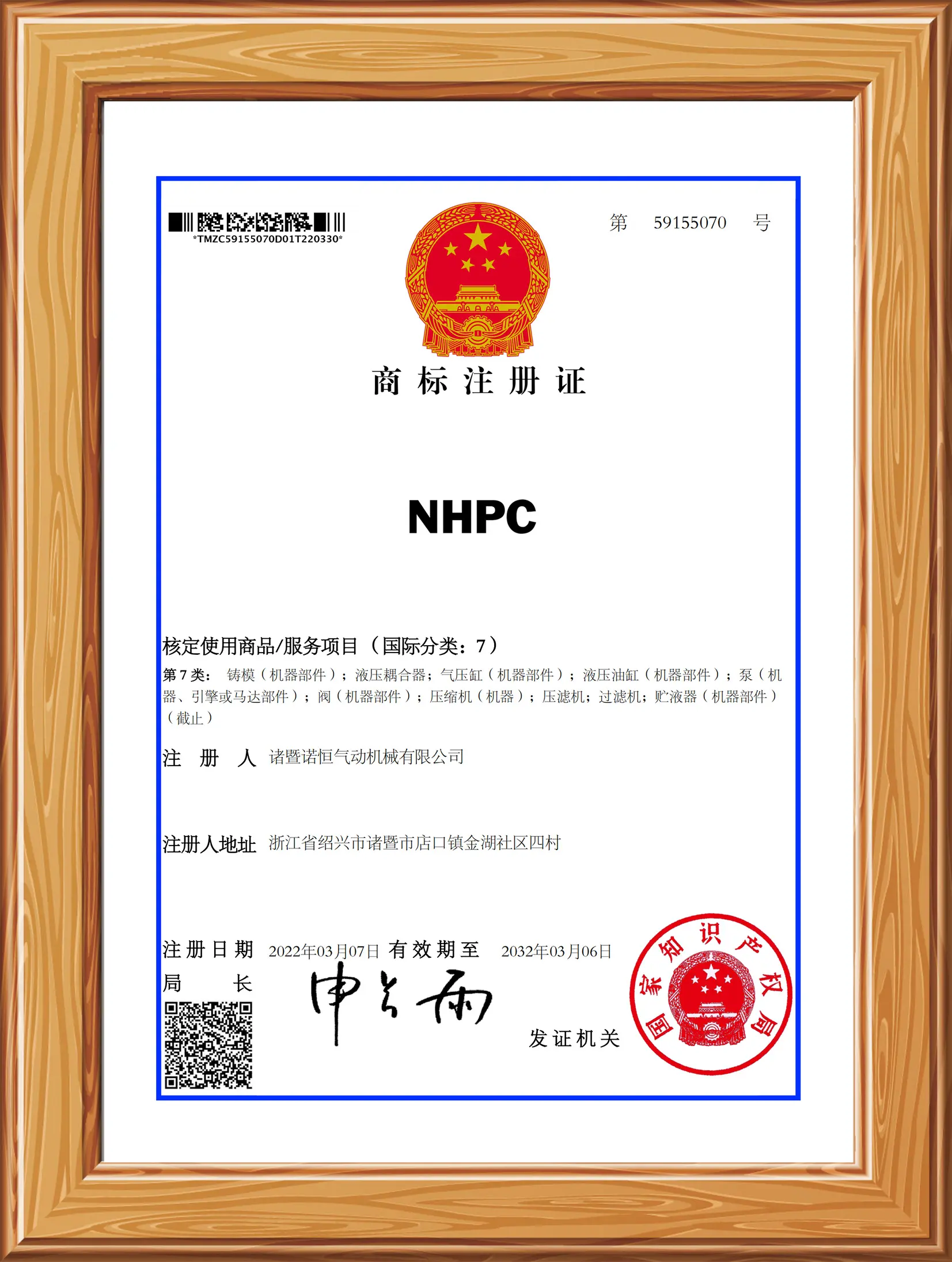 SGS Certification
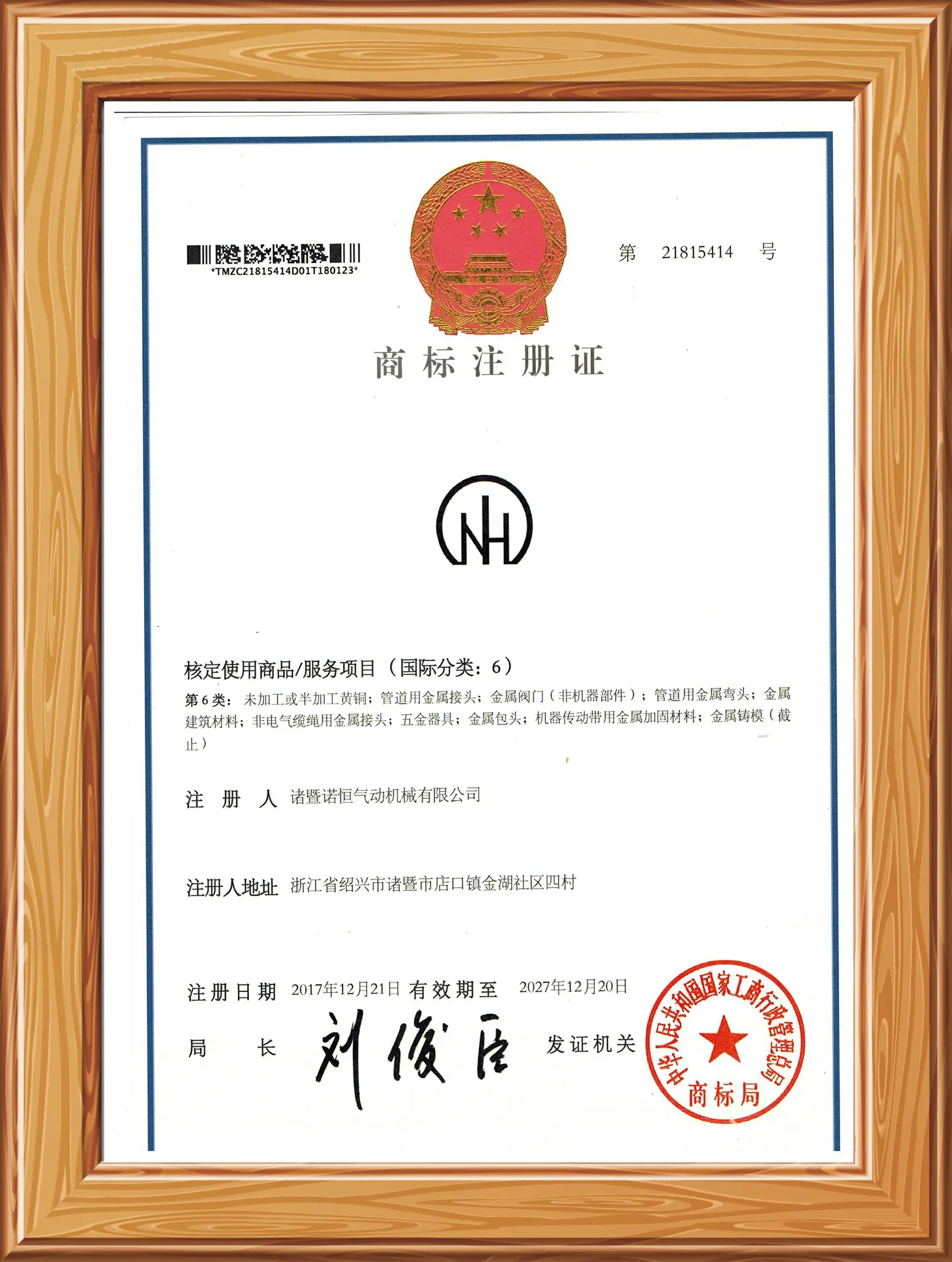 UL94-V0 Rating
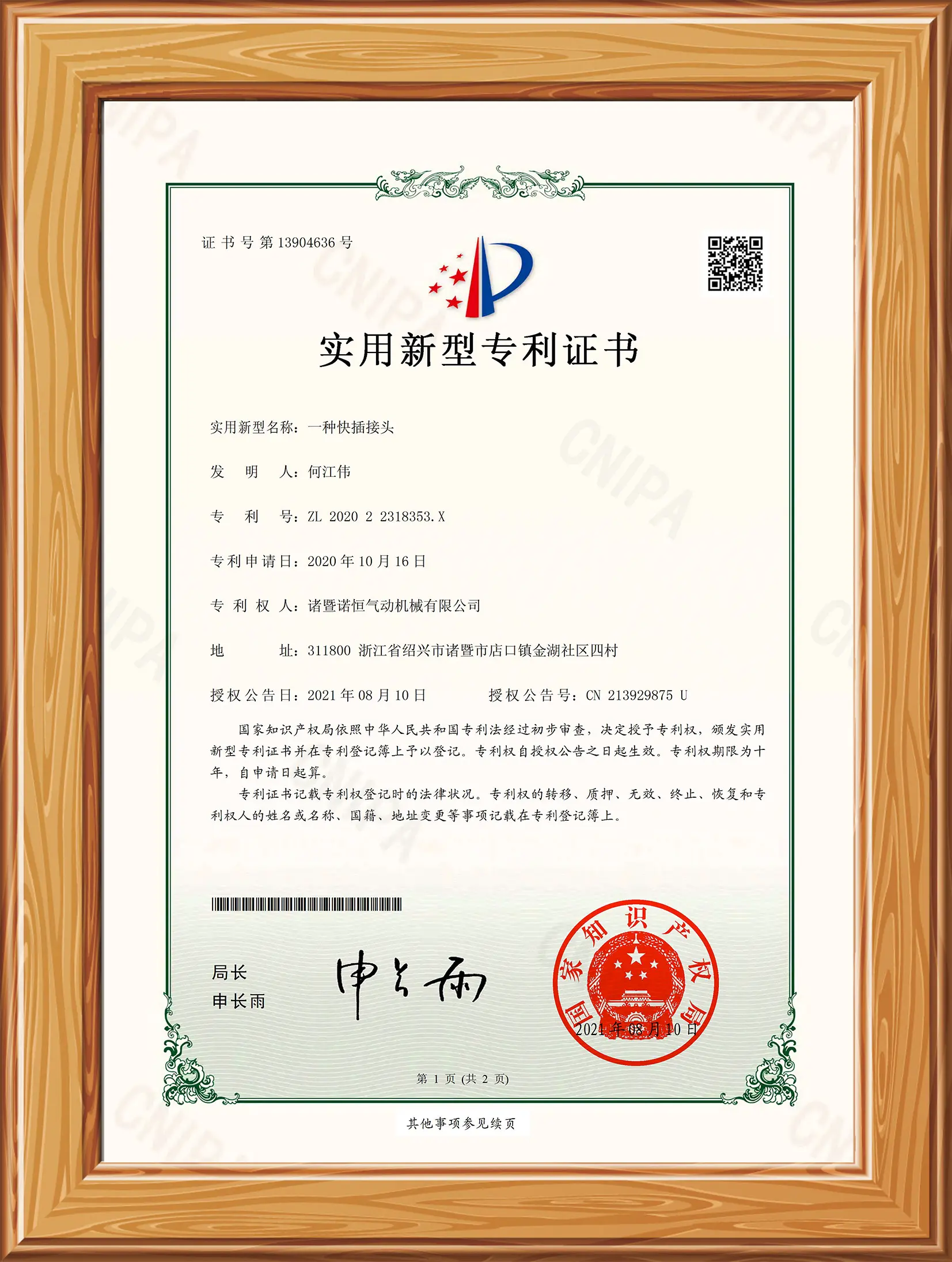 Factory Audit Verification
When managing B2B sourcing for brass fittings and valves, engineering leads and buyers should evaluate potential supply partners against the following quality and logistics metrics:
Request EN 10204 3.1 Material Test Reports (MTRs) to confirm brass chemical compositions (zinc-to-copper ratios). Sourcing teams must ensure lead content complies with regional requirements, such as NSF/ANSI 372 in North America or REACH guidelines in Europe.
LPG piping designs require a minimum safety margin of 4:1. Connectors must be certified to support the working pressures defined by systems (such as NFPA 58 regulations) and maintain sealing integrity across wide operating temperatures.
Ensure thread dimensions conform to specific localized standards, including NPT (ANSI/ASME B1.20.1) for North America, BSPT/BSPP (ISO 7/1) for European installations, and G-threads (DIN ISO 228) for specialized industrial equipment.
Confirm that the manufacturing partner runs an internal tooling shop. Quick turnaround on CAD designs, 3D printing of metal prototypes, and dedicated tooling development reduce project lead times from months to weeks.
Review our second collection of highly durable brass components. These designs are engineered for stable performance across automotive brake systems, pneumatic controls, and LPG storage terminals.
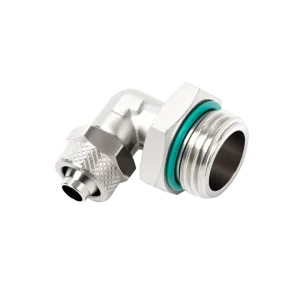
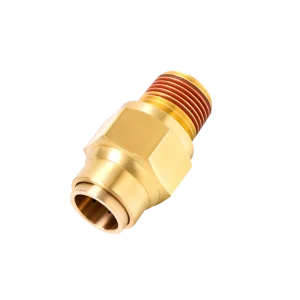
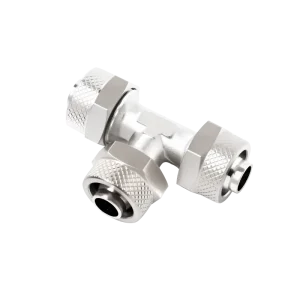
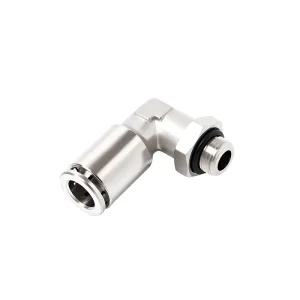
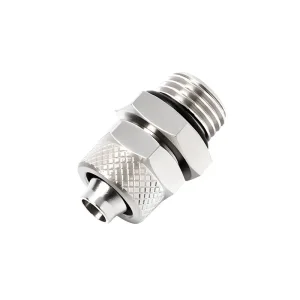
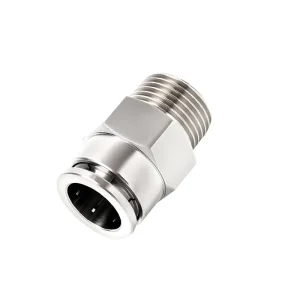
The table below references the detailed mechanical parameters of our core pneumatic and DOT-approved product listings.
Image Source: nhpneumatic.com/ff8f2822df5e989b8ff46a8a7de9d5e9.png
Designed for direct connection in vehicle brake systems. Features high resistance to line pull-out and vibration wear.
Image Source: nhpneumatic.com/b8d7d19094f67b0c3e53683c41a9fa25.png
Sizes: 1/4", 3/8", 1/2". Connects heavy vehicle braking systems with zero tools, speeding up field assembly.
Image Source: nhpneumatic.com/a0f5dc548759fc7f880426c6b174ec61.png
Developed specifically for energy storage systems. Features flame-retardant polymers that prevent fire spread.
Get answers to common technical, compliance, and ordering questions regarding our brass fittings and customization services.
Brass exhibits excellent ductility at low temperatures, high electrical conductivity, and high corrosion resistance. Importantly, brass is non-sparking, which is a critical safety requirement for environments conveying flammable gases like LPG, propane, and butane. Additionally, lead-free and dezincification-resistant (DZR) brass prevents structural degradation over decades of use.
Our DOT air brake line fittings undergo rigorous testing protocols including high-pressure burst tests, extreme vibration testing, thermal cycling simulations, and pull-out resistance tests. They are marked and certified to meet the Federal Motor Vehicle Safety Standard (FMVSS 106) requirements, guaranteeing their safety on heavy-duty commercial vehicles.
For LPG and natural gas applications, we recommend Hydrogenated Nitrile (HNBR) or Viton (FKM) seals. Standard NBR can degrade when exposed to certain hydrocarbons over extended periods. HNBR and Viton maintain elasticity, resist chemical decomposition, and can handle temperature ranges from -40°C to over 150°C, ensuring reliable gas-tight seals.
For custom designs, our engineering desk can supply CAD blueprints within 48 hours. Once approved, prototypes are manufactured within 7–10 days. Mass production lead times typically range between 20 to 30 days depending on the design complexity and order volume, thanks to our automated Factory 4.0 machining lines.
Our PLF, PE, and PC series fittings designed for energy storage fire protection systems are certified to meet UL 94-V0 flammability standards. This means that vertical flame combustion stops within 10 seconds of source removal, preventing fire propagation along the connection lines during a battery thermal event.
 Nuoheng