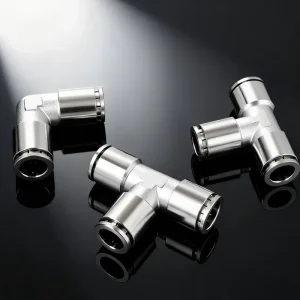
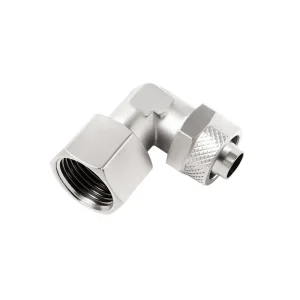
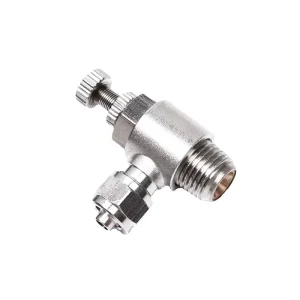
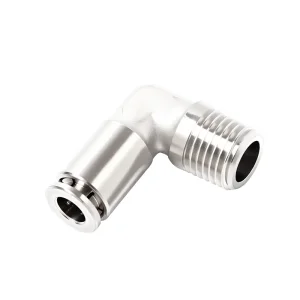
In modern industrial landscapes, fluid power transmission is dominated by the pursuit of minimal pressure drops, zero leaks, and swift modular installation. Push air line fittings (often termed push-to-connect or quick-connect fittings) have transcended simple utility components to become central architecture in automation grids, precision manufacturing, electric vehicle assembly lines, and commercial transport systems. As high-speed machines require faster reaction times, any micro-leak in a pneumatic line can lead to pressure fluctuations, compromising the fidelity of downstream actuators and sensors.
Globally, the market demands high reliability under dynamic thermal stresses and vibrational loads. Industrial environments present extreme challenges: ambient temperatures fluctuate from below freezing to elevated levels in engine bays; chemicals and atmospheric salinity corrode sub-standard metals; and high-vibration equipment can cause tube dislodgement or seal degradation. Nuoheng Pneumatic Machinery Co., Ltd. (NHPC) engineers mechanical connection interfaces with precise manufacturing tolerances, leveraging advanced polymers like polyoxymethylene (POM) and nickel-plated brass components to withstand pressure cycles up to 15-20 Bar. Our fittings serve as the reliable backbone for high-demand pneumatic infrastructure worldwide.
Minimizing leak rates directy reduces energy bills in compressed air systems. By utilizing dual-seal structures, NHPC fittings lower energy loss and overall cost of ownership.
From high-grade POM collars to SUS301 stainless steel grab claws, every single material is selected to match specific environmental exposures and pressure demands.
Engineered to handle over 100,000 insertion and disconnection cycles without structural decay, ensuring uninterrupted system lifespans for industrial machines.
The core capability of NHPC relies on our highly automated manufacturing floor in Zhuji, Zhejiang. Sourcing push air line fittings from China is no longer merely a low-cost choice—it has transformed into a high-technology, vertically integrated supply chain advantage. The integration of CNC precision tooling, high-pressure injection molding, and automatic assembly ensures that every fitting matches micron-level dimensional tolerances.
By producing our components internally—from the raw formulation of flame-retardant polymers to the surface plating of high-tensile brass—we maintain strict quality control at every stage of production. This control is critical for specialized applications, such as Energy Storage Fire Protection PE series fittings, where fire safety and air-tight reliability are paramount.
Industrial components must adapt to various application environments. One size does not fit all. Different industries require customized solutions to optimize system runtime, reduce mechanical wear, and safeguard equipment. Below, we examine the specific scenarios where NHPC push-to-connect air line fittings deliver superior performance:
In thermal management and fire protection loops of large utility-scale energy storage container blocks, fittings must possess absolute flame-retardant attributes. The PE Series Flame-retardant fittings are designed specifically to meet strict UL-94 V0 rating specifications. These polymer components halt flame propagation, protecting electrical compartments during emergencies.
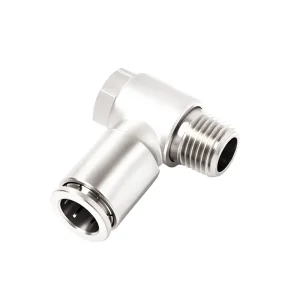
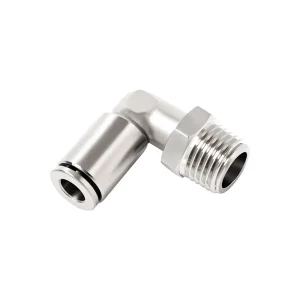
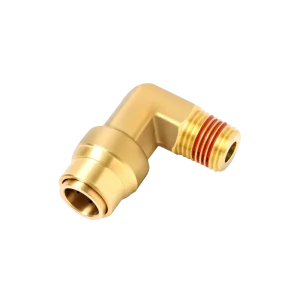
Braking systems on semi-trucks, agricultural vehicles, and rail cars require fittings that can endure continuous vibration and temperature fluctuations. The Brass DOT 90° Male Air Brake Fittings provide reliable mechanical lockups, matching DOT FMVSS 106 requirements to prevent failures in harsh environments.
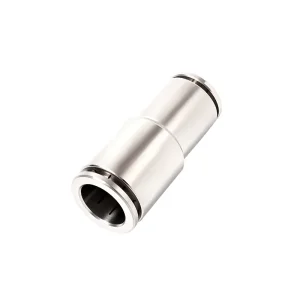
Fast packaging robots depend on swift pneumatic cycles. Minimizing weight on robotic arms allows for faster speeds and reduces wear on electric motors. NHPC’s compact resin-bodied fittings (like the PG straight reducer) decrease arm weight while maintaining high-pressure integrity.
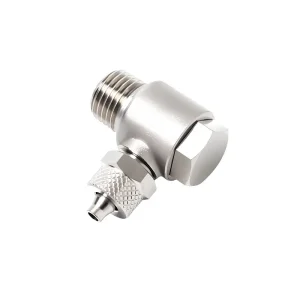
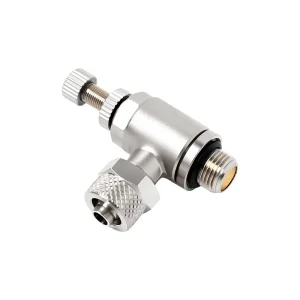
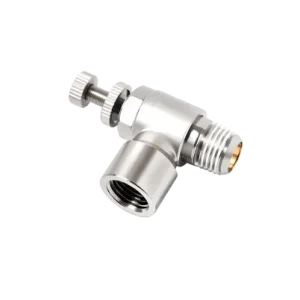
Processes handling liquid or gas mixtures require fine control over cylinder speeds. Utilizing flow control throttle valves, operators can adjust cylinder strokes to within millimeters per second, preventing shock damages in sensitive production environments.
The pneumatic industry is evolving rapidly. We are observing a significant push toward smart pneumatics—incorporating pressure and temperature sensors directly into manifold blocks and fittings to allow predictive maintenance before failure occurs. Furthermore, environmental regulations require the elimination of toxic heavy metals, driving the transition from standard brass containing trace lead to lead-free brass formulations and high-grade biocompatible composite plastics. Sustainability initiatives also call for lower leak rates, prompting manufacturers to adopt tighter tolerances and advanced sealing compounds like fluorocarbon (FKM) to replace standard nitrile butadiene rubber (NBR).
For industrial buyers, purchasing decisions involve assessing long-term supply chain resilience, testing standards, and compliance structures. When evaluating a wholesale supplier of push air line fittings, procurement teams should prioritize the following verification checkpoints:
Ensure the manufacturer uses premium materials: SUS301 stainless steel for grip claws (preventing hose slip), high-grade NBR or FKM rubber for O-rings (ensuring tight seals under temperature changes), and virgin polyoxymethylene (POM) or nickel-plated brass for structural durability.
Quality control should not rely on sampling. Reliable manufacturers implement 100% automated pressure testing during assembly, checking every fitting for leaks before it is packaged.
Modern automation often requires custom configurations. Ensure your supplier has a dedicated engineering team capable of producing custom CAD/3D designs and rapid prototypes for custom manifolds, non-standard threads, or specific material mixes.
Leveraging our pneumatic engineering expertise, we offer optimized, cost-effective pipeline layouts and actionable recommendations for your specific system setup.
Our facilities utilize advanced CNC lathes, automated injection molding, stamping, and die-casting to maintain quality from raw metal to finished fitting.
Our engineering support team provides responsive technical assistance, helping you choose the right options and troubleshoot system integration issues.
Our production facility is certified under global quality management systems, assuring clients of consistent quality, traceability, and environmental responsibility. We supply components for key infrastructure projects worldwide.
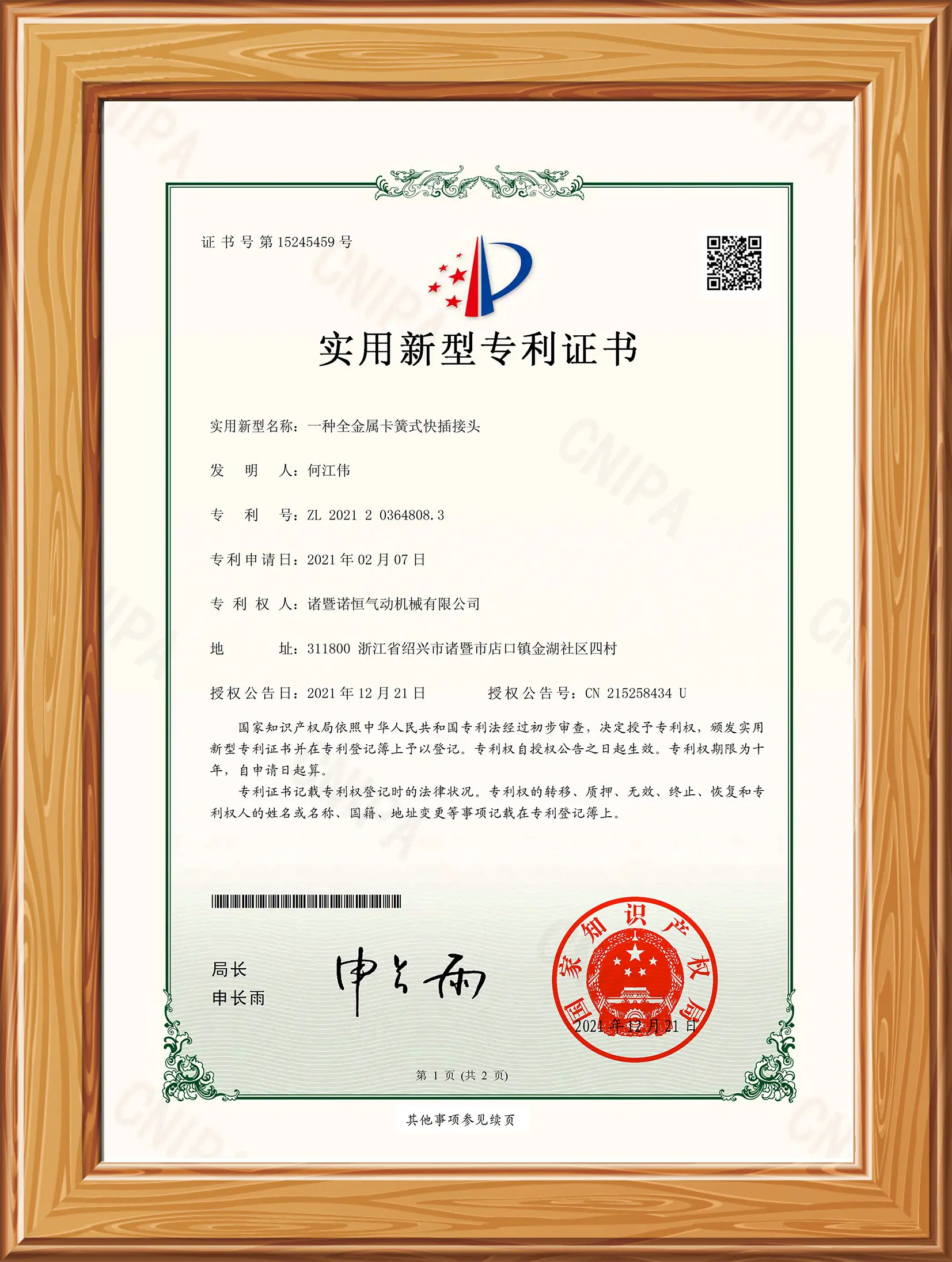
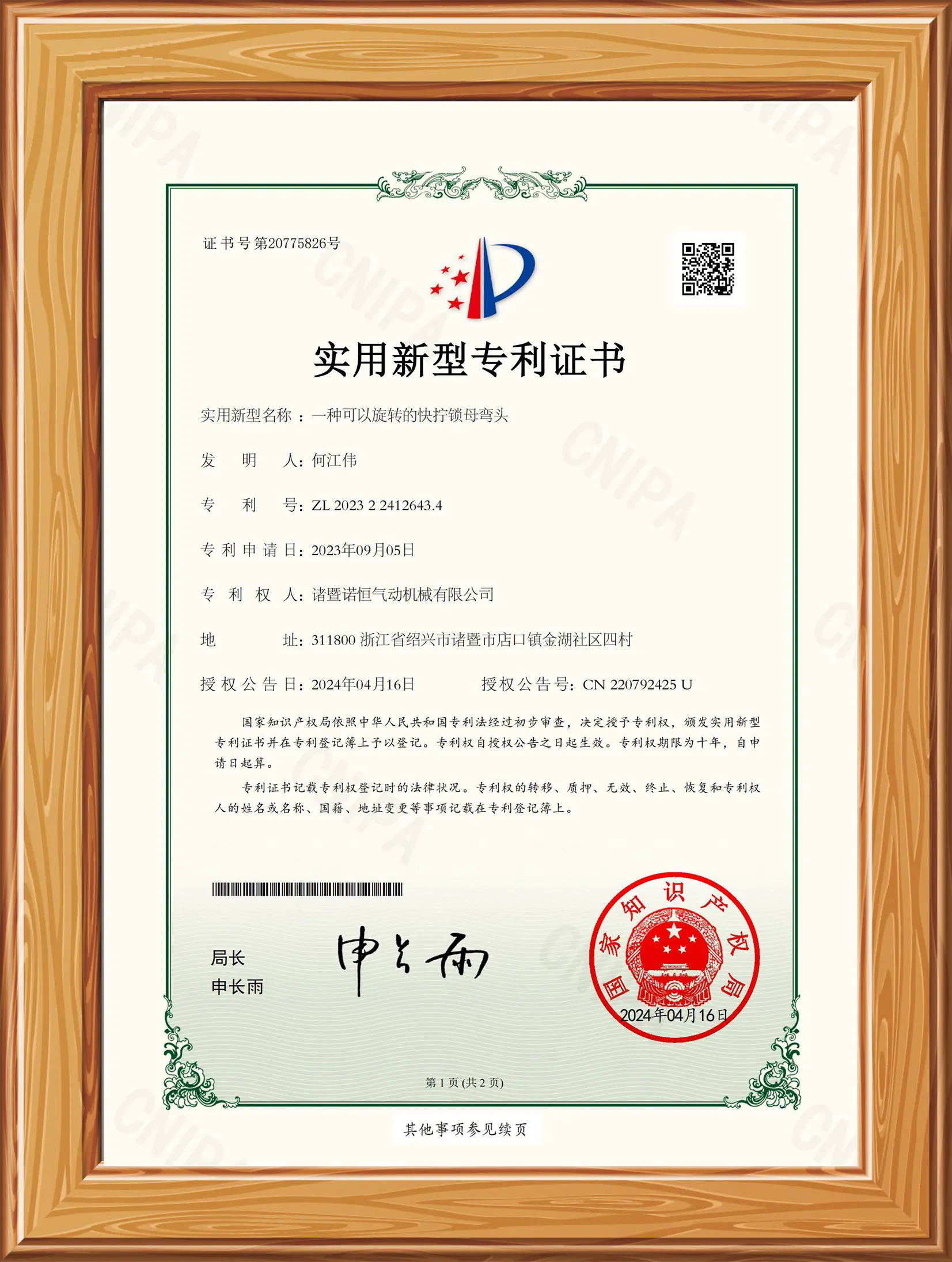
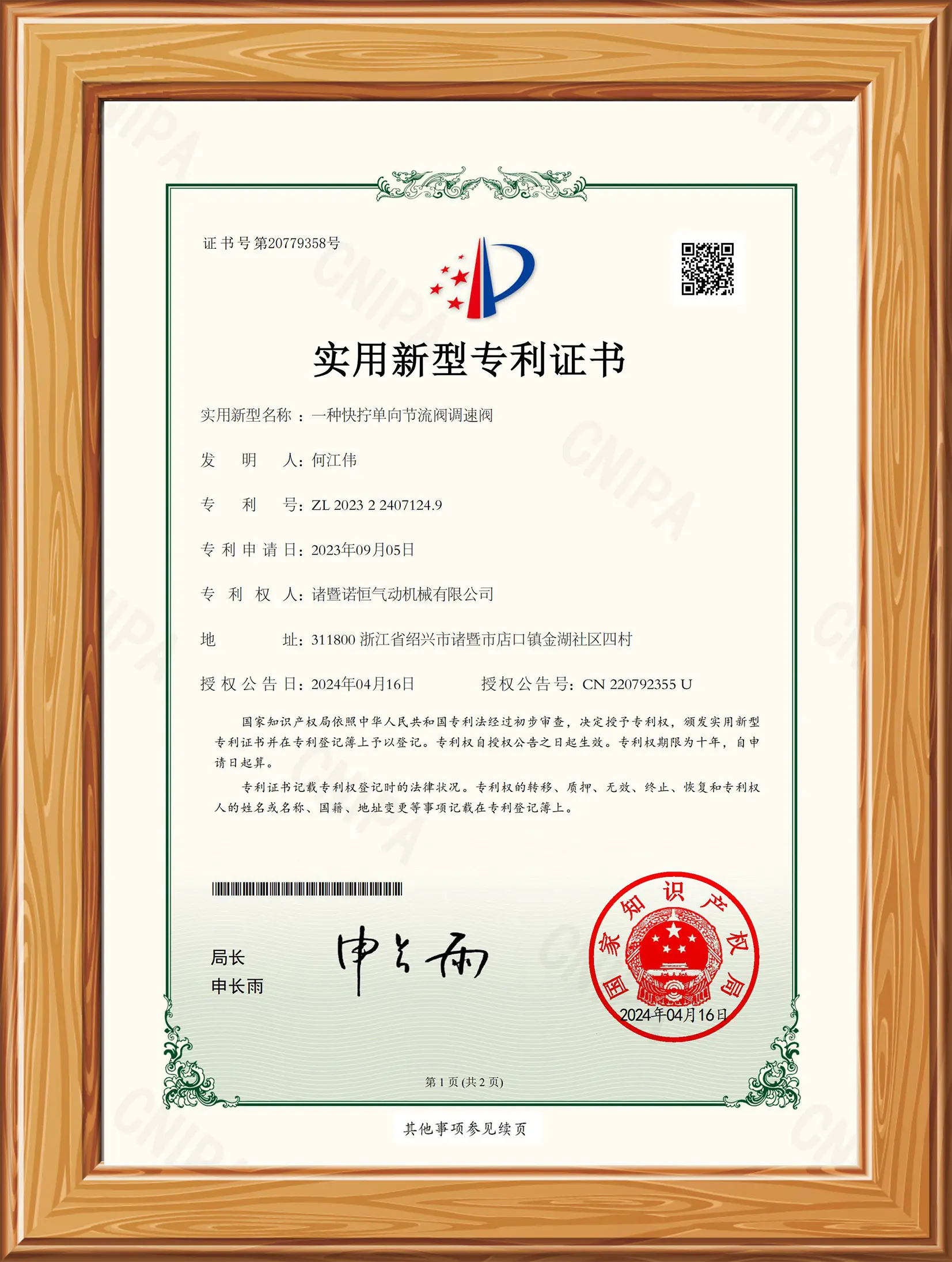
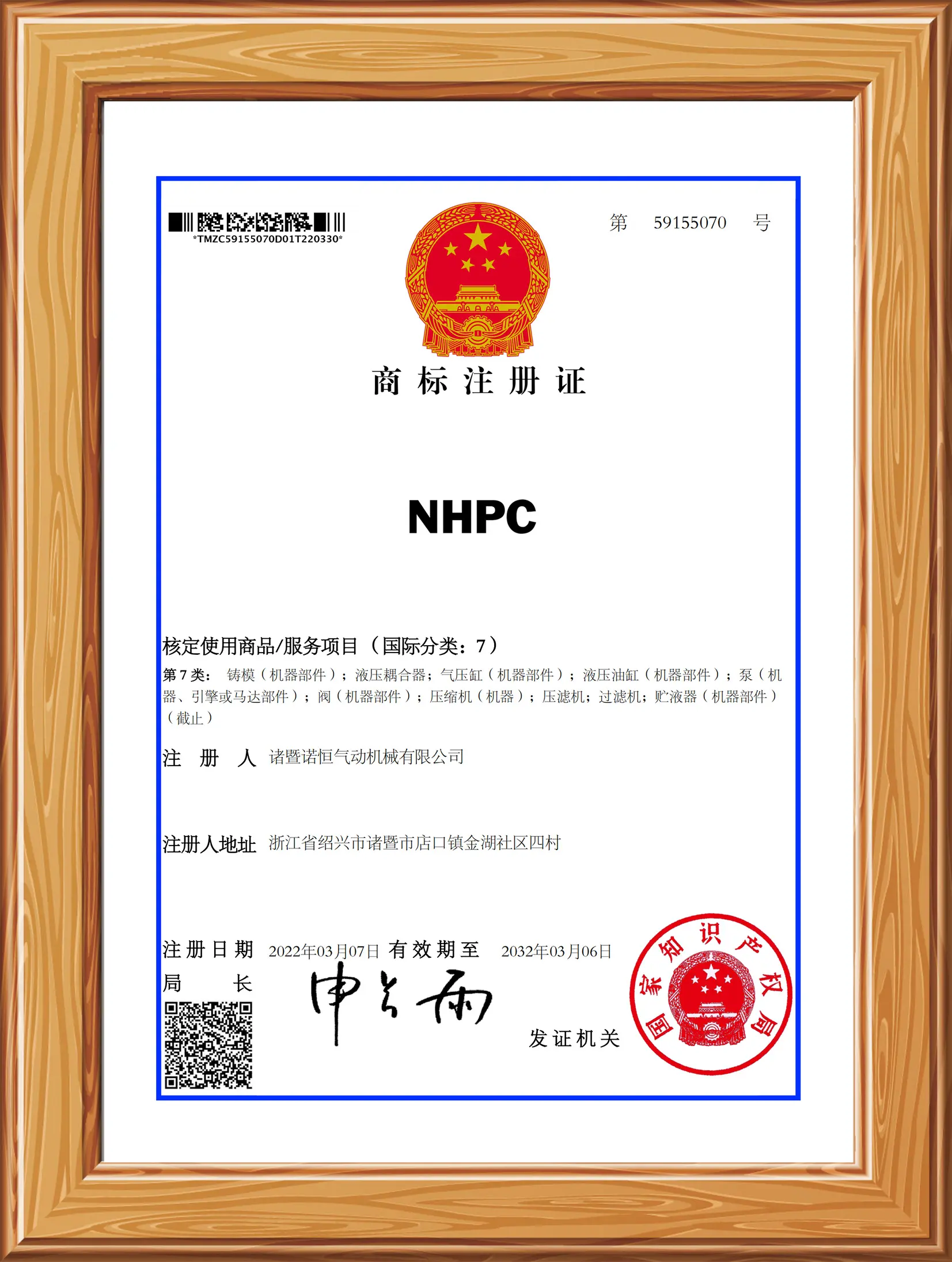
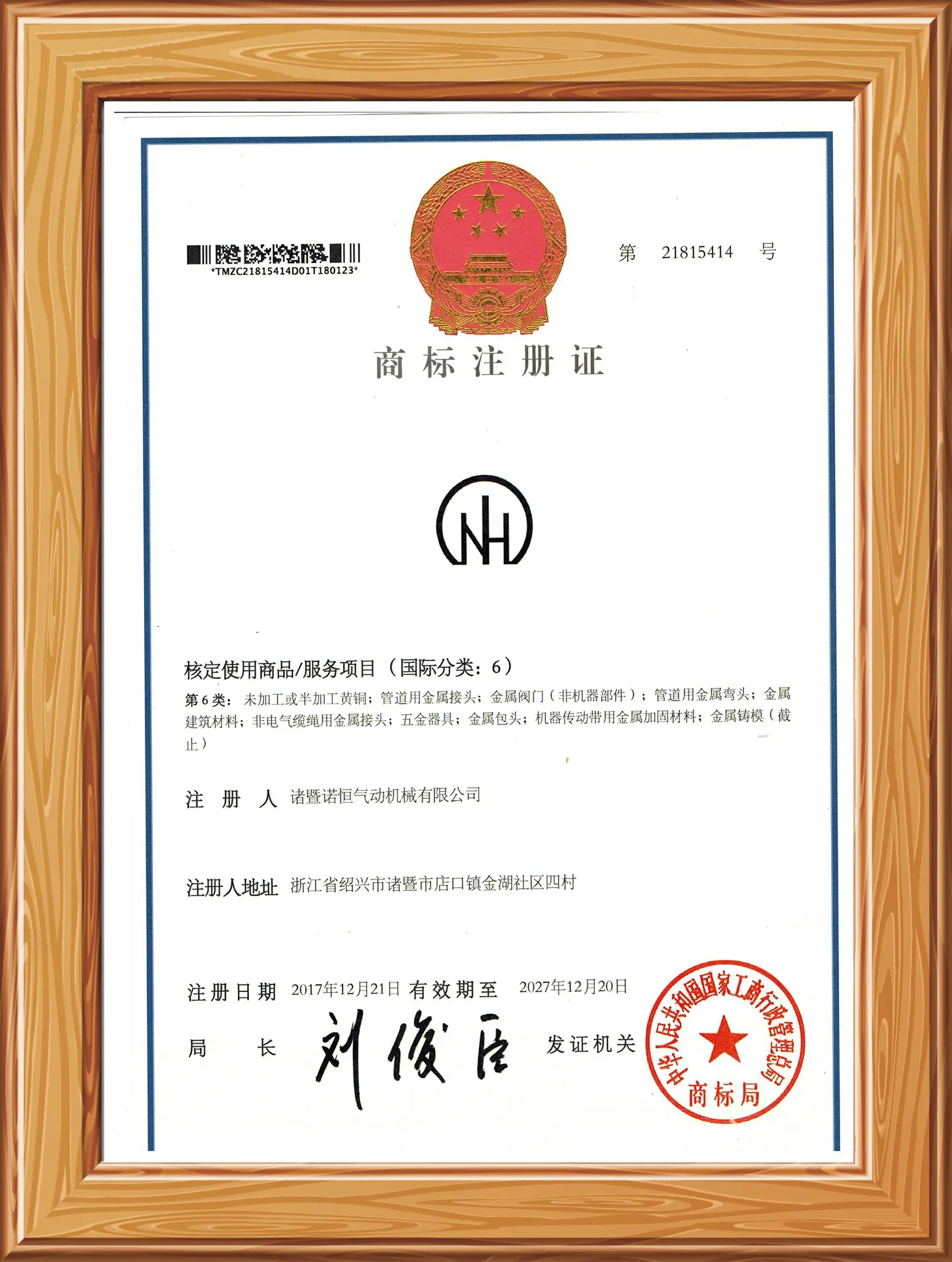
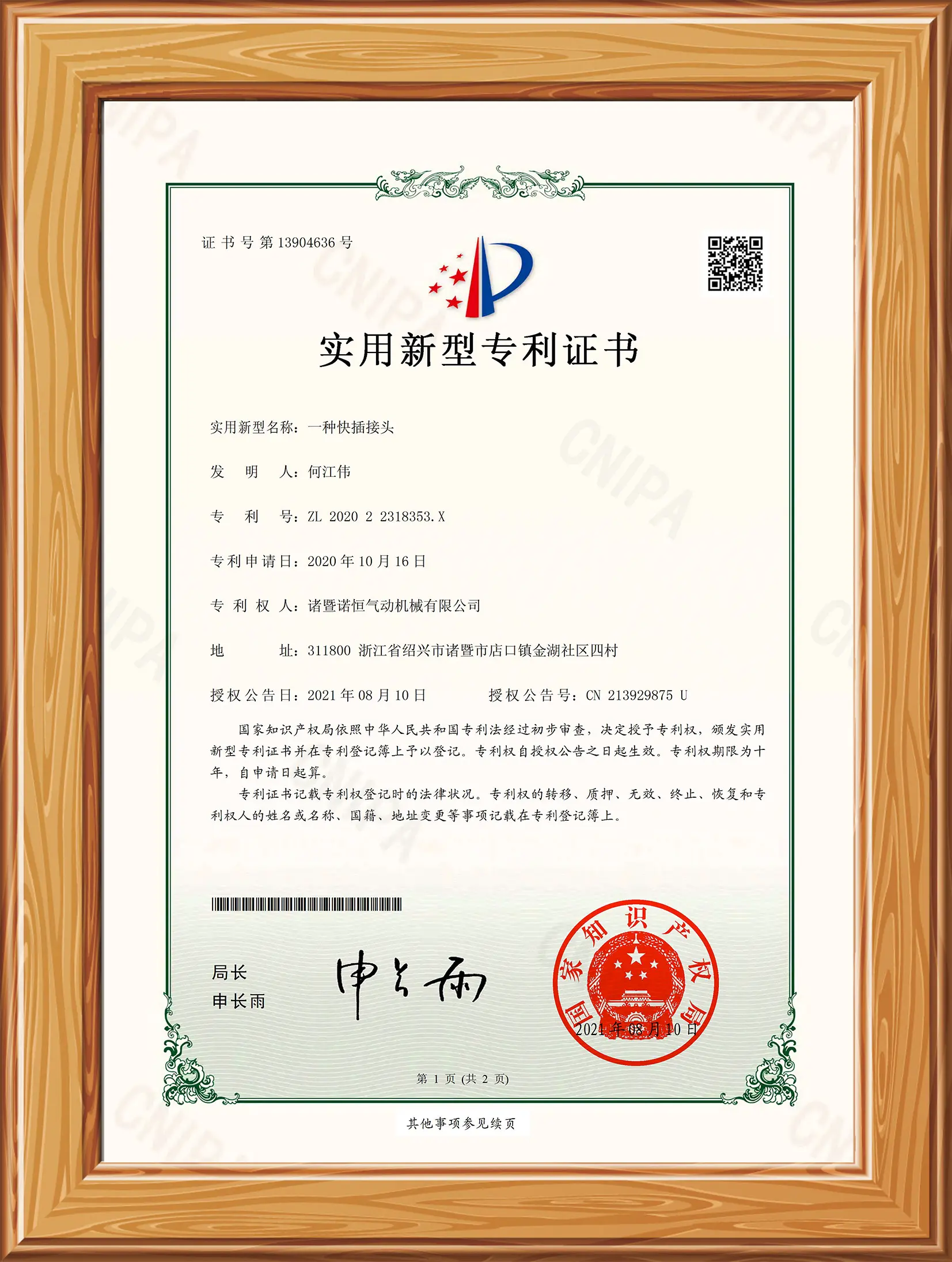
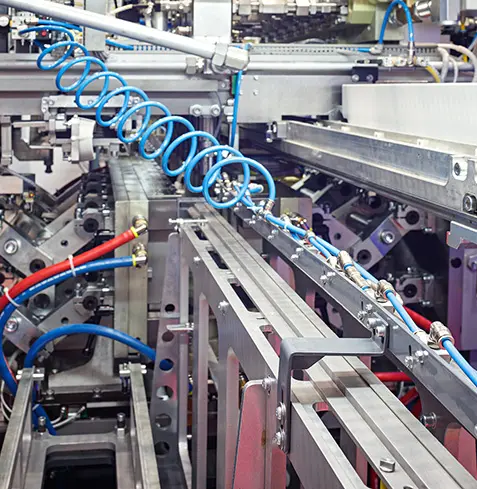
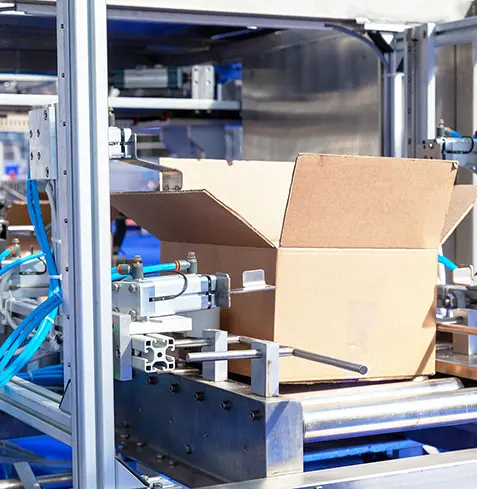
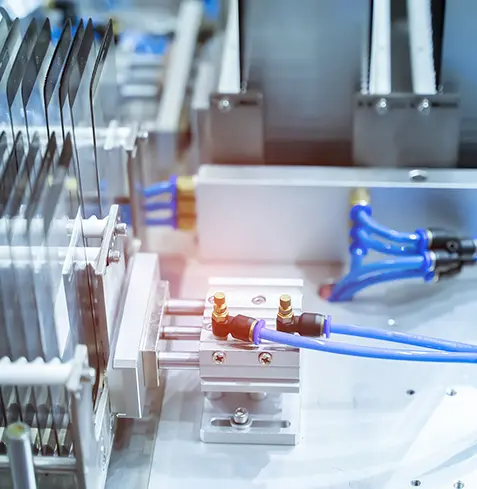
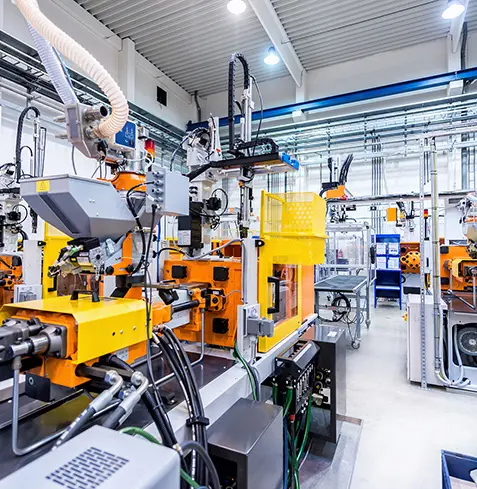
Detailed engineering solutions to help integration engineers design and maintain high-performing pneumatic systems.
 Nuoheng