High-precision brass components optimized for quick assembly, reliable sealing, and durable service life.
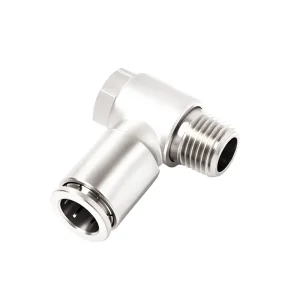
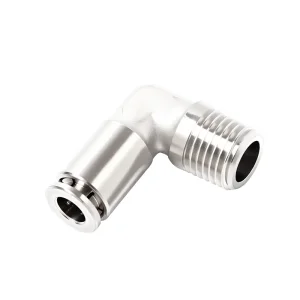
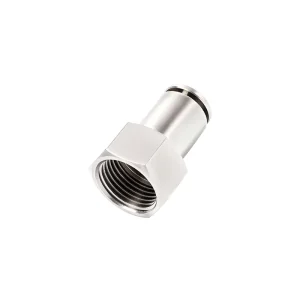
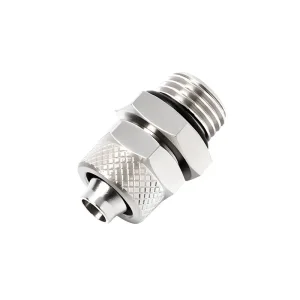
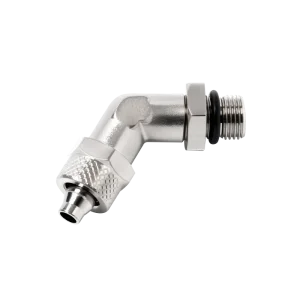
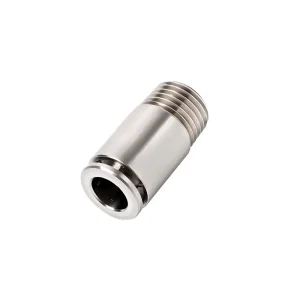
In modern industrial fluid and pneumatic power transmission systems, connection components act as critical nodes determining overall process safety, efficiency, and reliability. Among various metallurgy choices, brass has long remained the preeminent material for manufacturing quick-connect fittings. This is primarily due to its exceptional machinability, superb resistance to atmospheric corrosion, structural integrity under medium pressure ranges, and excellent galvanic compatibility with steel, copper, and polymer tubes.
As global industrial systems transition toward smart automation (Factory 4.0), the requirements for connector components have escalated significantly. Today, buyers do not simply purchase metal fittings; they invest in zero-leak sealing systems, high vibration-resistant locking mechanisms, and flame-retardant structures suitable for extreme applications. Chinese brass quick connect fittings companies have positioned themselves at the forefront of this shift, leveraging comprehensive vertical integration, advanced raw material formulation, and smart manufacturing lines to supply reliable components to international markets.
Information Gain Metric: Traditional quick connectors often suffered from seal erosion and micro-leakage under vibration. Modern brass connectors utilize advanced FKM/EPDM dual O-ring profiles paired with robust stainless-steel grab rings to prevent pull-out failure, even under intense pneumatic pulsations.
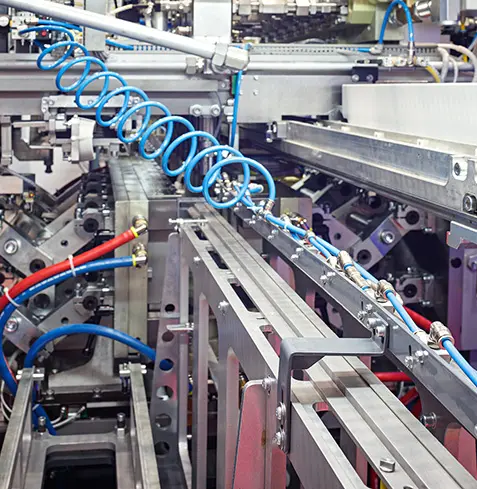
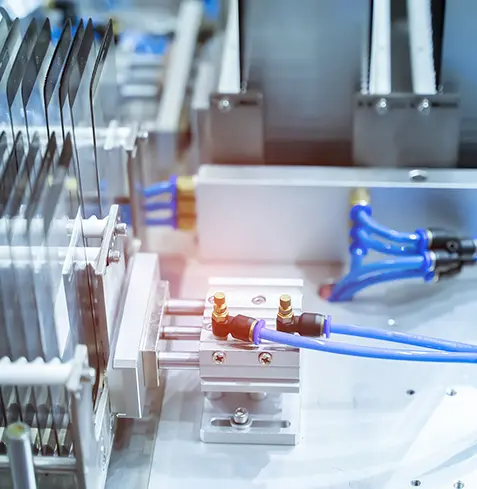
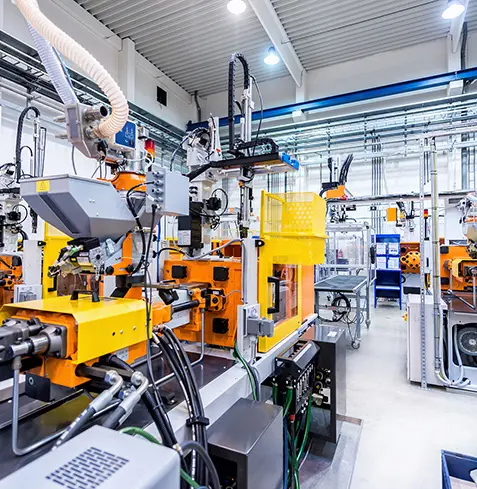
The global reputation of Chinese pneumatic machinery manufacturers is underpinned by advanced industrial infrastructure. At Nuoheng Pneumatic Machinery Co., Ltd. (NHPC), the production of brass quick connect fittings relies on advanced computerized numerical control (CNC) machining centers and automatic assembly lines. This layout ensures tight dimensional tolerances (+/- 0.01 mm), which are crucial for maintaining leak-tight seals in pressurized environments.
The manufacturing ecosystem in China offers significant advantages:
Your strategic engineering and supply chain partner for high-precision pneumatic components.
Leveraging deep pneumatic and pipeline system experience, we deliver cost-optimized, highly reliable, and actionable engineering layouts tailored to your unique industrial requirements.
Our facility houses high-precision CNC lathes, surface treatment units, injection molding equipment, metal stamping, and die-casting machinery, ensuring strict quality control from raw brass billet to assembly.
From initial design consultations to after-sales validation, our engineering support team remains active, providing fast-turnaround answers to technical and deployment questions.
Brass quick connect fittings are critical components used across several modern technical sectors. NHPC supports major global supply chains by engineering fittings built to withstand harsh working conditions:
Thermal management is vital for the safety of high-capacity lithium-ion battery packs. In these environments, quick connectors handle ethylene glycol-water cooling loops. NHPC's custom-engineered brass and nickel-plated push-in systems offer reliable corrosion resistance, smooth inner bores to prevent turbulent flow, and secure double-locking mechanisms that protect against coolant leakage in high-vibration applications.
Grid-scale battery energy storage systems require robust fire suppression infrastructure. Fittings deployed here must endure high thermal stress and perform immediately in emergencies. NHPC's PLF series, PE series, and PC series flame-resistant and flame-retardant pipe fittings are designed for fire-retardant piping, meeting strict flammability standards and providing dependable connections for energy storage installations.
Commercial vehicles rely on compressed air lines to actuate service brakes. A single line failure can compromise vehicle control. Our specialized brass DOT air brake line fittings feature built-in inner supports (brass inserts) to prevent nylon tubing collapse under radial loads, complying with DOT FMVSS 106 and SAE J1131 requirements.
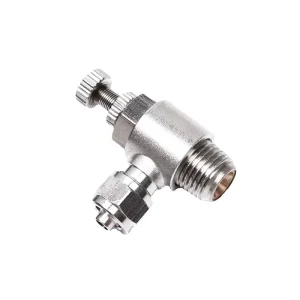
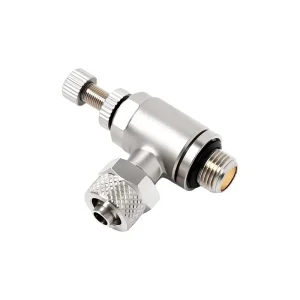
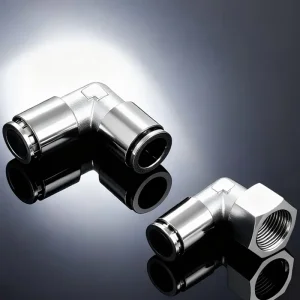
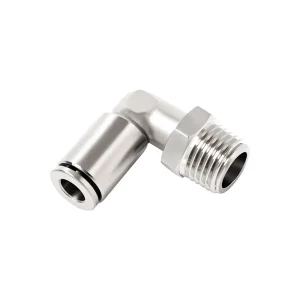
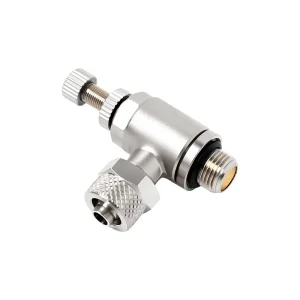
High-speed pick-and-place robots and pneumatic packaging machines complete millions of cycles monthly. In these systems, quick connect fittings must withstand continuous movement and pressure fluctuations. Our 360° rotatable elbows and flow-control throttles (such as the SL and SLG series) manage these dynamics, minimizing tube stress and extending the operating life of automated lines.
At NHPC, our R&D team works to anticipate evolving industrial requirements rather than simply reacting to standard market requests. Our long-term technical roadmap focuses on three key areas:
With global regulations increasingly restricting lead content in plumbing and industrial components, our metallurgy lab is focused on optimizing silicon-brass and bismuth-brass alloys. These lead-free materials offer comparable machinability and mechanical strength to traditional leaded brass, allowing global distributors to remain compliant with strict environmental rules.
As industrial automation shifts toward predictive maintenance, we are developing prototypes for smart quick-connect components. These specialized fittings integrate micro-sensors to monitor line pressure, local temperature, and coupling integrity, transmitting status updates to central control rooms to help identify issues before leaks occur.
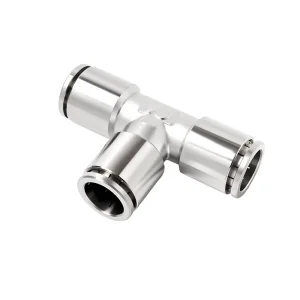
Using computational fluid dynamics (CFD) modeling, we refine the internal flow paths of our straight, elbow, and tee connectors. By reducing internal steps and sharp corners, we minimize pressure drop across the fitting. This design helps lower the overall energy consumption of pneumatic compressors, supporting industrial sustainability initiatives.
A showcase of our components deployed in practical industrial environments worldwide.

For procurement directors and supply chain managers at international firms, selecting a Chinese brass quick connect manufacturer requires assessing factors beyond basic unit pricing. To ensure reliable performance, sourcing teams should focus on several key verification criteria:
A reliable supplier must provide material test reports (MTRs) detailing the chemical composition of each production batch. Buyers should check copper, zinc, lead, and iron content to verify the alloy's structural integrity and compliance with relevant regulations (such as CW617N or ASTM B16).
High-quality push-to-connect mechanisms require precise tolerances. Ask suppliers about their quality assurance processes. Leading manufacturers utilize automated visual sorting machines and thread-go/no-go gauges to ensure that every fitting meets specified dimensional criteria before shipping.
In customized applications, off-the-shelf catalog fittings may not meet unique routing, space, or media requirements. Partners like NHPC offer complete design services, providing 3D CAD models, rapid prototyping, and physical stress testing to help streamline development timelines.
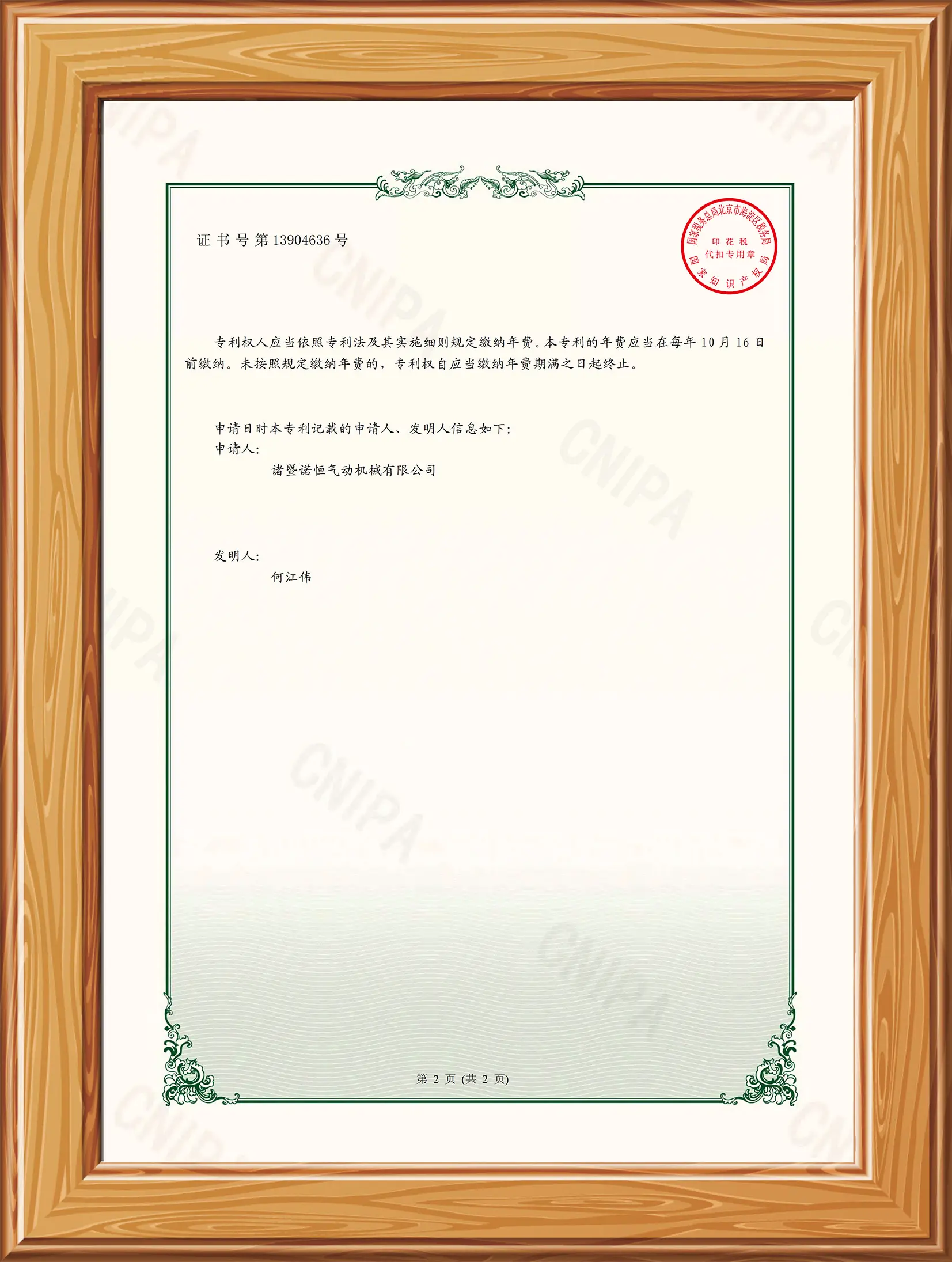
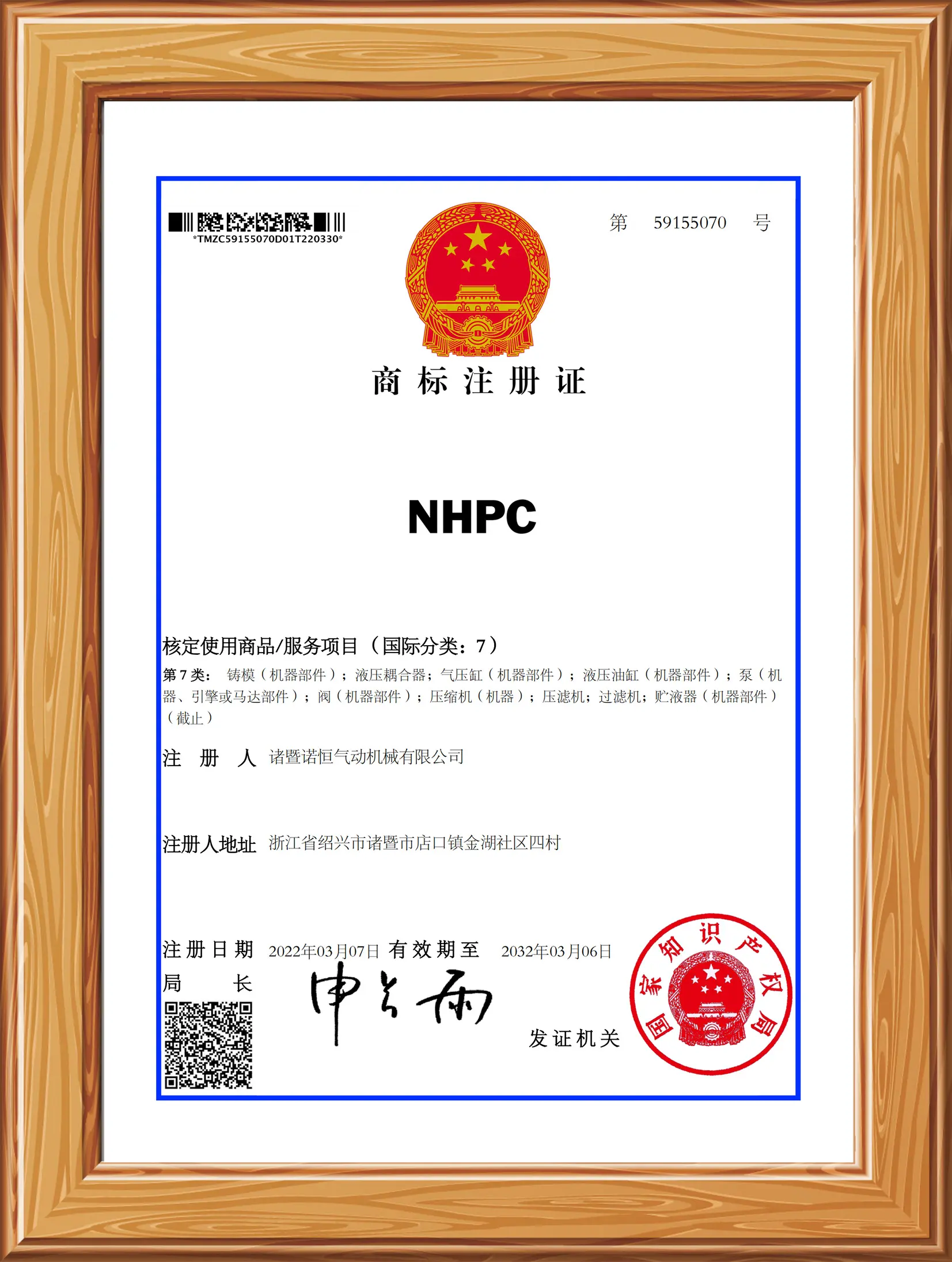
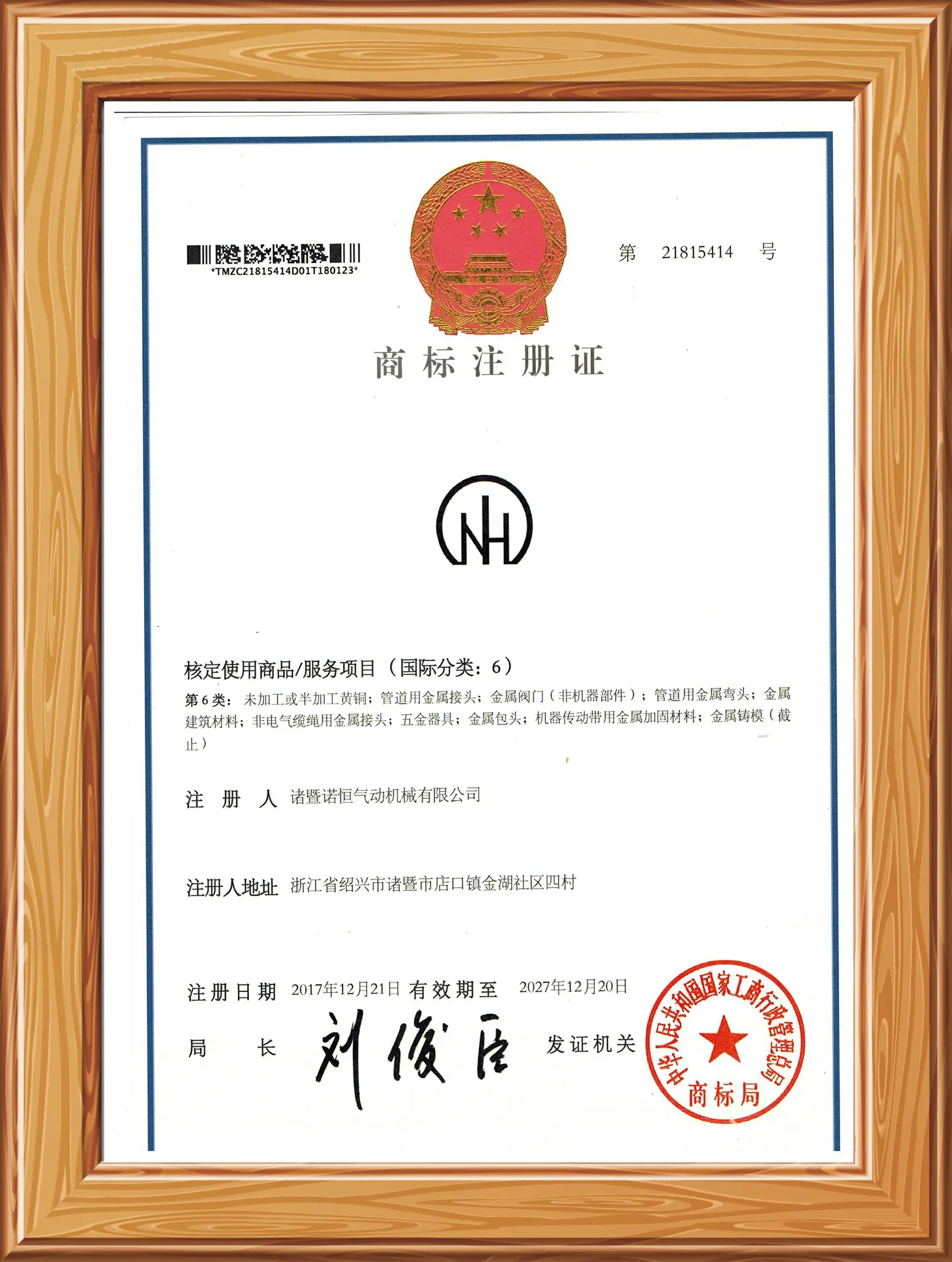
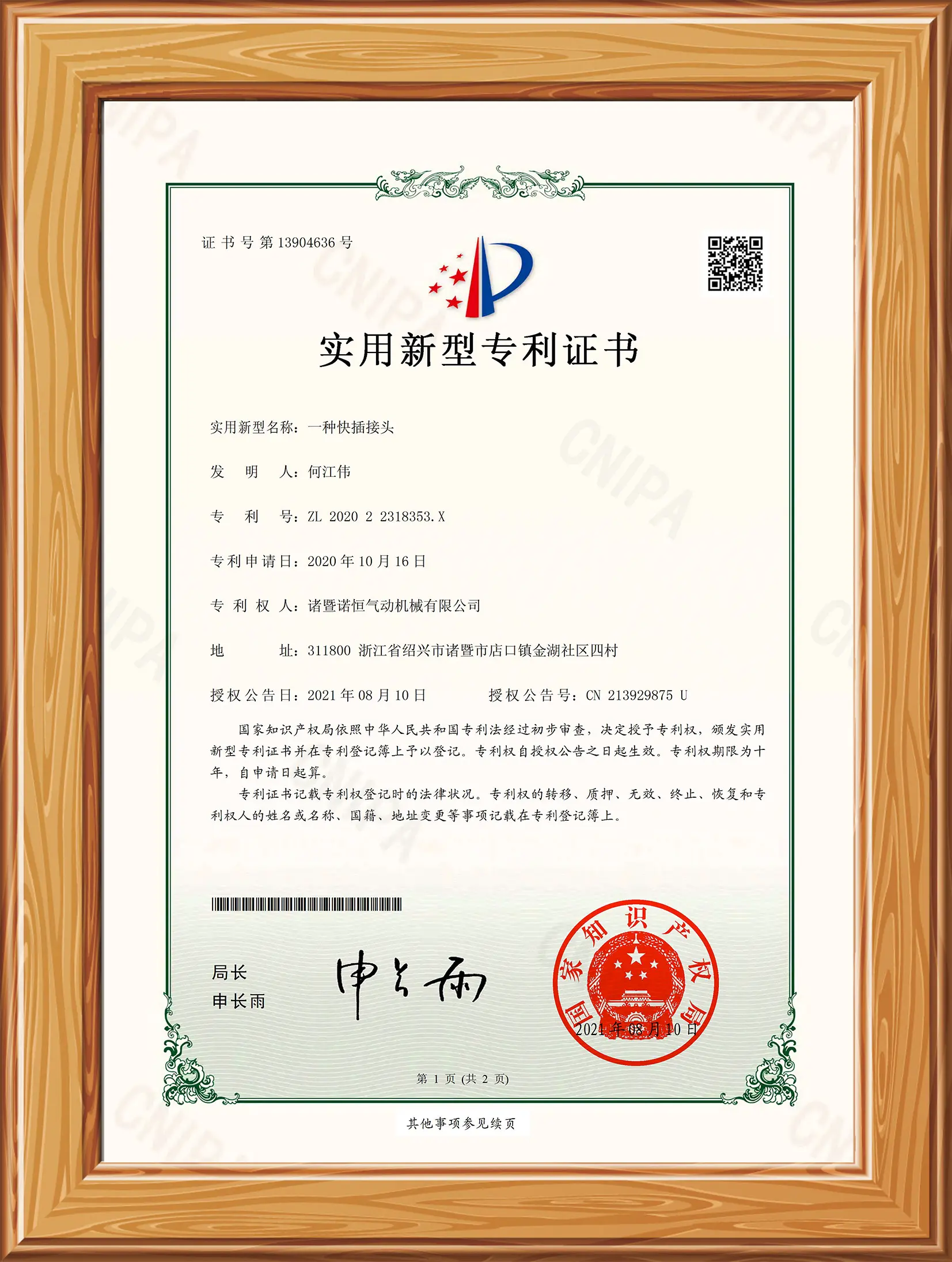
Our products undergo rigorous testing and international certification to ensure reliable operation in demanding environments.
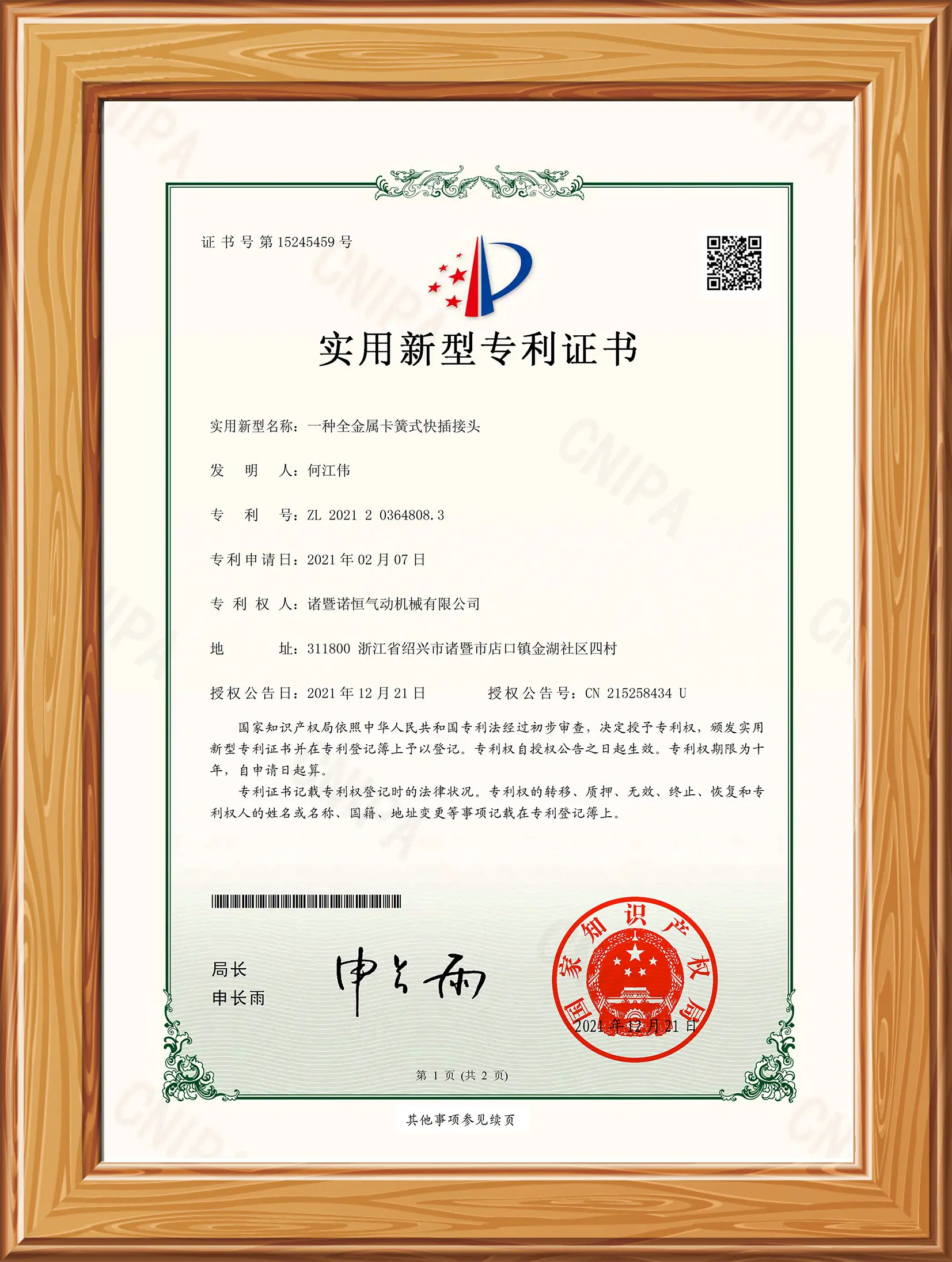
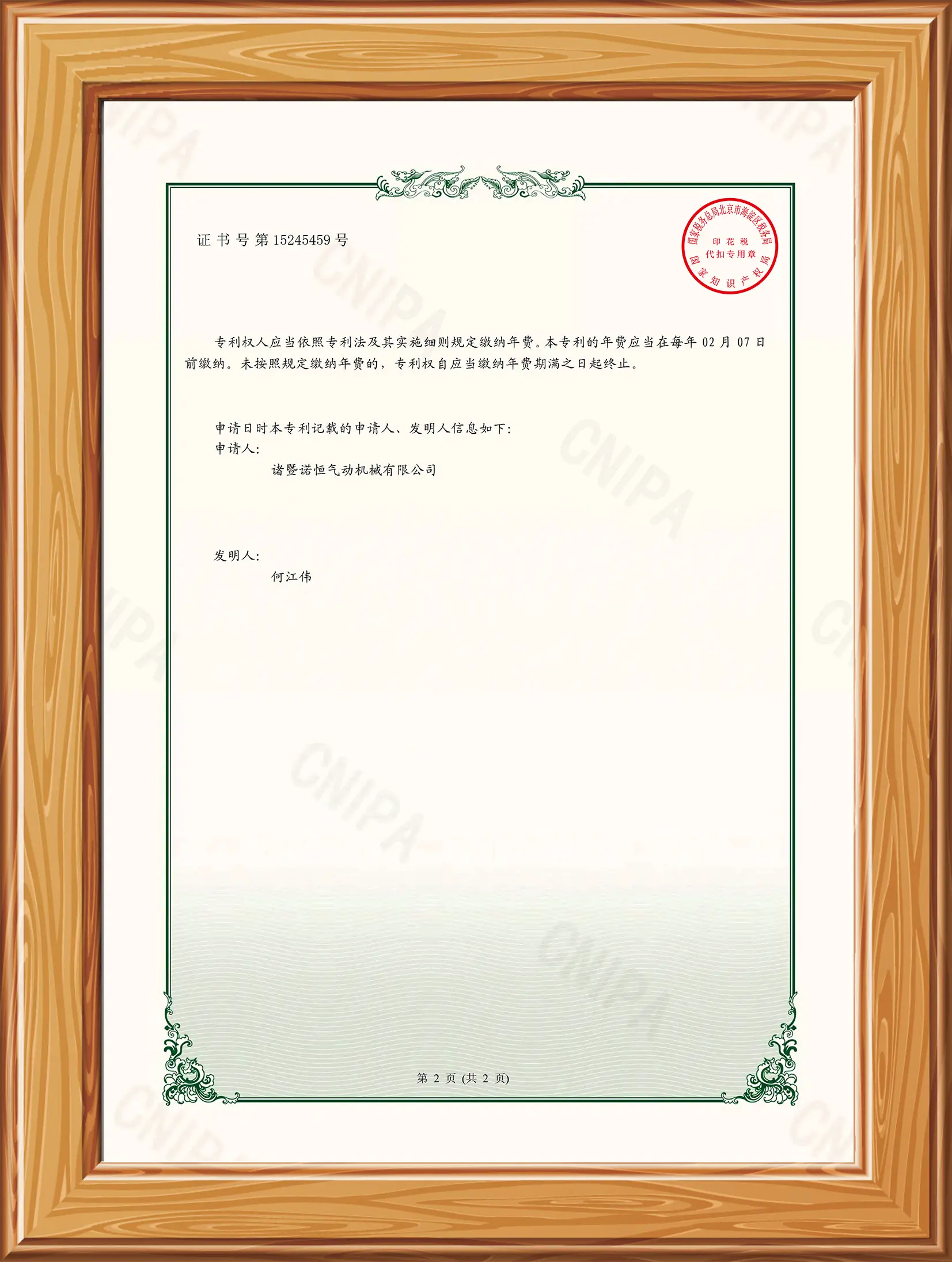
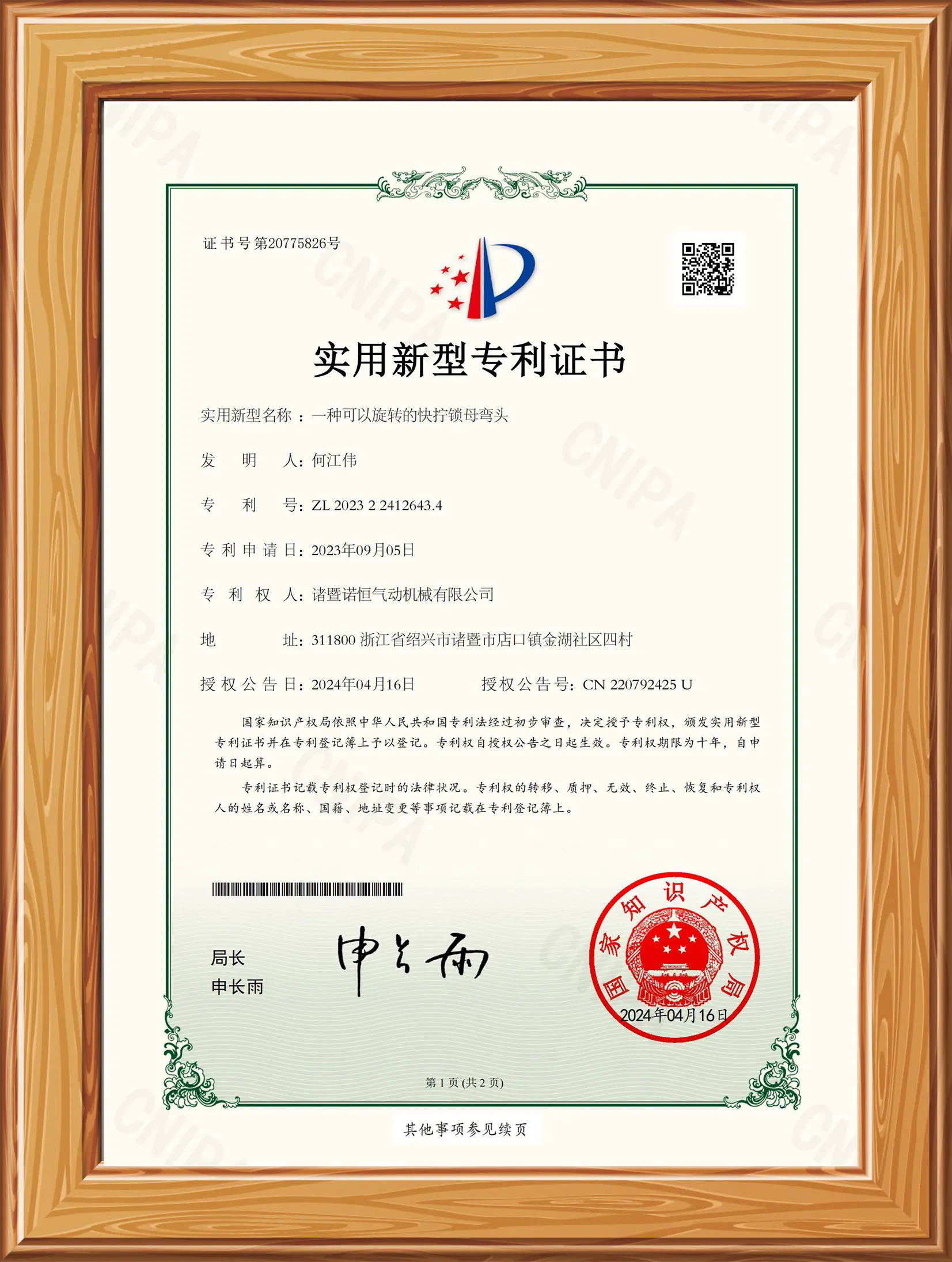
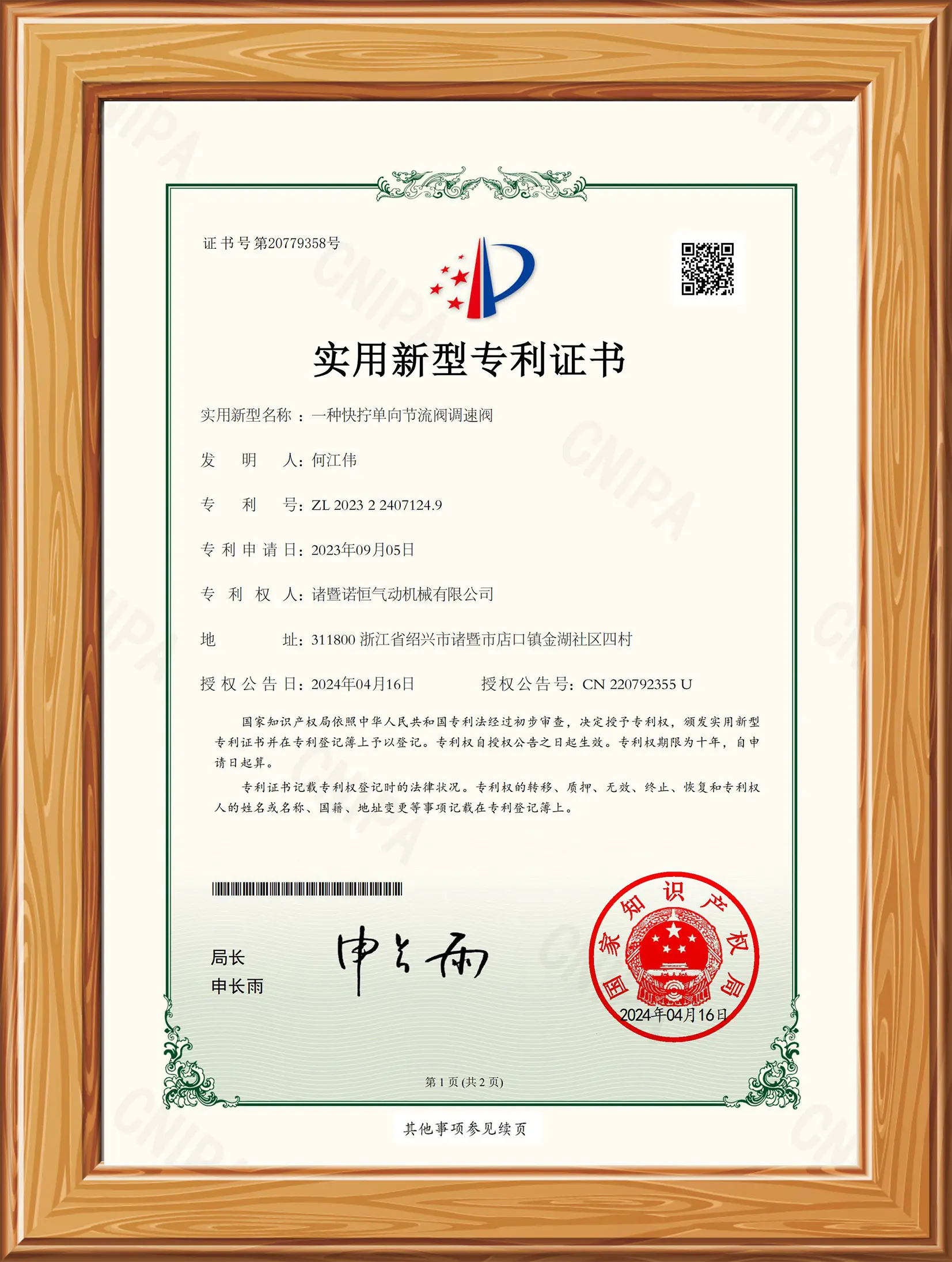
Expert answers to common questions about selecting and applying brass quick connect fittings.
Brass provides a balanced combination of structural strength, corrosion resistance, and cost-effectiveness. It is less brittle than plastic, allowing it to withstand higher pressures and temperature ranges. While stainless steel offers superior corrosion resistance in acidic or marine environments, brass is typically easier to machine, making it a more economical option for general industrial, pneumatic, and air brake systems.
We manufacture fittings with a variety of international thread standards, including G (BSPP parallel threads), R/RT (BSPT tapered threads), NPT (National Pipe Tapered threads for the North American market), and Metric threads. Using the appropriate thread style helps ensure secure connections and prevents assembly leaks.
Our fittings are engineered with precision-engineered inner collars, internal supports, and high-performance elastomeric seals (like NBR or FKM). Stainless steel lock claws grip the inserted tubing firmly, keeping it secure even under continuous vibration. For rotating applications, we offer 360-degree swivels that reduce rotational stress on the connection.
Yes. Our brass DOT air brake line fittings are designed and manufactured to comply with DOT FMVSS 106 and SAE J1131 standards. They feature brass internal sleeves to support the tubing wall, helping prevent deformation and maintaining connection integrity under typical automotive road conditions.
Yes, we specialize in OEM/ODM services. Our engineering team can work from your CAD files, sketches, or samples to create custom solutions. We manage the process from design and CNC programming to surface finish treatment and performance verification.
Browse our catalog of certified fittings engineered for safety-critical vehicle lines and industrial applications.
 Nuoheng