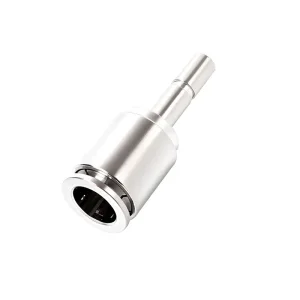
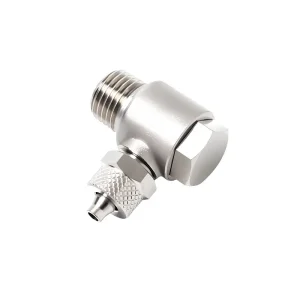
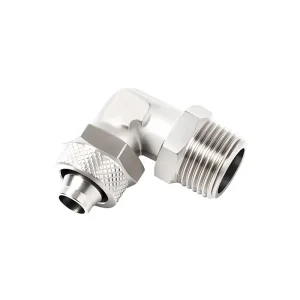
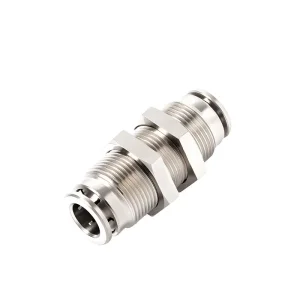
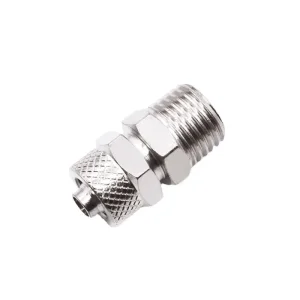
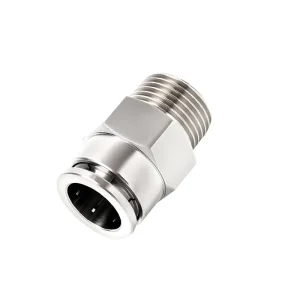
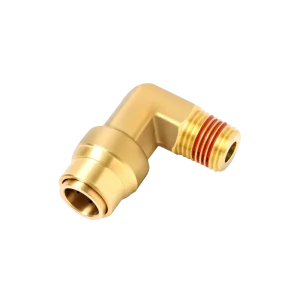
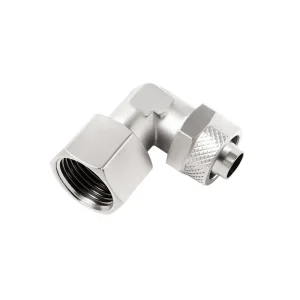
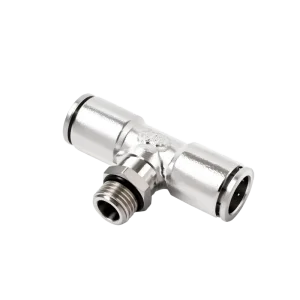
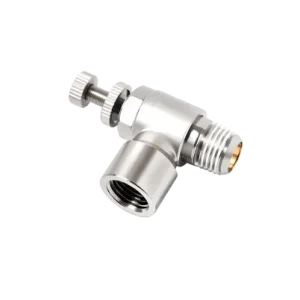
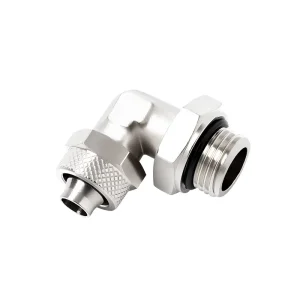
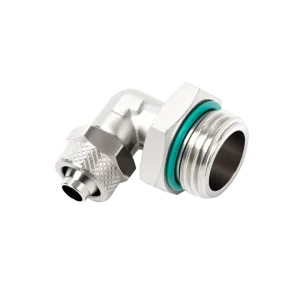
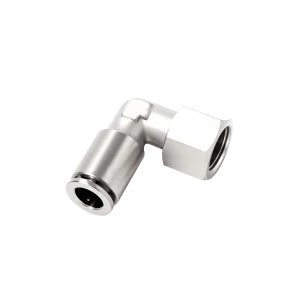
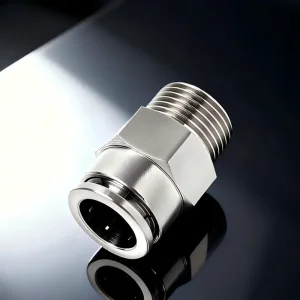
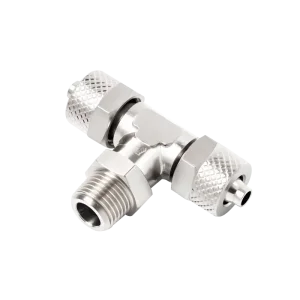
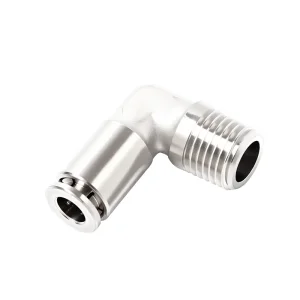
Engineered for high-performance direct-to-chip micro-loops, industrial pneumatics, and robust liquid cooling distribution manifolds.
In an era dominated by high-performance computing (HPC), artificial intelligence (AI) model training, and rapid electrification, heat dissipation has transformed from a structural afterthought into a core technological bottleneck. Traditional air-cooling frameworks are reaching their physical limitations due to the high thermal resistance of air and the geometric limits of extruded heatsinks. The industrial and technology sectors are systematically shifting towards liquid cooling, where fluid media carry thermal energy away at rates up to 25 times more efficient than air systems.
At the heart of every closed-loop thermal cycle sits the most critical component: the liquid cooling fitting. Often undervalued, the micro-connectors, quick disconnect couplings (QDs), and thread configurations represent the thin line between operational continuity and catastrophic equipment failure. Nuoheng Pneumatic Machinery Co., Ltd. (NHPC) has engineered high-precision fluid connector technologies designed to guarantee absolute dry-break performance, ultra-low flow resistance, and multi-decade degradation resistance.
While historically rooted in pneumatic pipeline engineering, the modern fluid connector ecosystem must support complex cooling loops containing water-glycol mixtures, hydrocarbon fluids, or specialized synthetic dielectric liquids. This requires non-spill quick-disconnect valves, precise surface plating, and high-performance elastomer compound sealing (EPDM/FKM).
The global demand for liquid cooling fittings is experiencing exponential growth, primarily driven by three macroeconomic segments: hyperscale data centers, battery energy storage systems (BESS), and electric vehicle charging infrastructures.
Currently, manufacturers in the Asia-Pacific region, spearheaded by precision engineering hubs like Zhuji Nuoheng Pneumatic, are establishing dominant supply chains. The integration of high-speed CNC lathing, automated automated optical inspection (AOI), and ISO-certified quality processes has allowed Chinese manufacturers to act as primary ODM and OEM partners for global infrastructure developers across North America, Europe, and Asia.
| Application Vertical | Primary Fitting Requirement | Critical Performance Parameter | Recommended Material Class |
|---|---|---|---|
| AI Data Centers (TDP > 1000W) | Blind-Mate Quick Disconnects | Zero-Drip, Ultra-low Cv Flow Coefficient | Nickel-Plated Brass / Stainless Steel 316 |
| EV Charging Station Loops | High-Flow Push-to-Connect Elbows | Vibration Resistance & High Pressure (PN16) | Engineering Polymers / DZR Brass |
| Battery Energy Storage (BESS) | Flame-Retardant Push-In Fittings | UL94 V-0 Self-Extinguishing, Glycol Proof | Reinforced Flame-Resistant PBT / PPS |
| Medical Equipment Coolant loops | Sub-Miniature Dry-Break Couplers | Chemical Inertness & Biocompatibility | Polypropylene / PEEK / Medical Stainless |
Over 15 years of industry-leading manufacturing capability, engineering custom pipeline solutions for critical environments globally.
Welcome to NHPC, a premier global manufacturer in the fluidics and pneumatic industry with a rich history of innovations. We specialize in the design, development, and manufacturing of custom liquid cooling fittings, push-in connectors, pneumatic control valves, quick couplers, and polyurethane (PU) tubing configurations.
By employing high-precision CNC multi-axis machining center arrays, injection molding technology, and robust pressure-chamber testing, we ensure that every single connector delivered conforms to absolute safety and performance specifications.
We manage the entire lifecycle of your custom thermal and pressure loops: from initial fluid dynamics simulation to material compatibility assessment, manufacturing, surface finishing, and rigorous leakage tests.
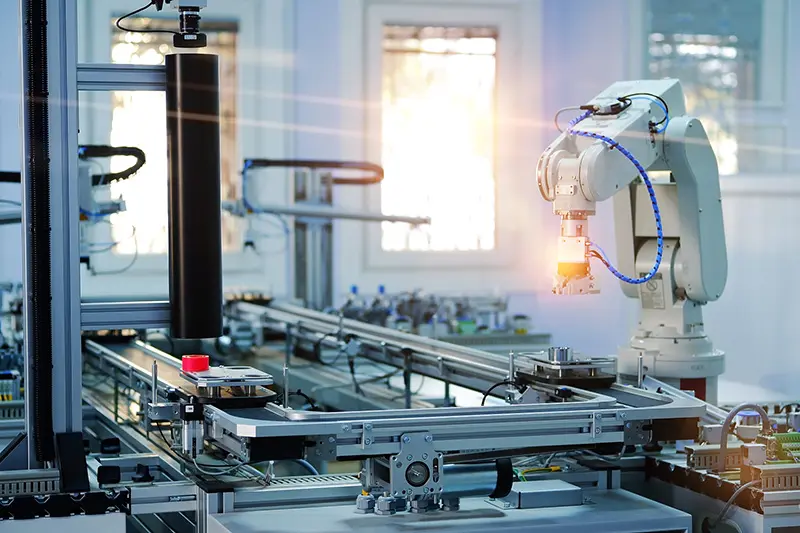
Leveraging deep industrial insights in thermodynamics and pressure dynamics, our engineering team works with customers to create customized piping systems that balance space constraints with flow efficiency.
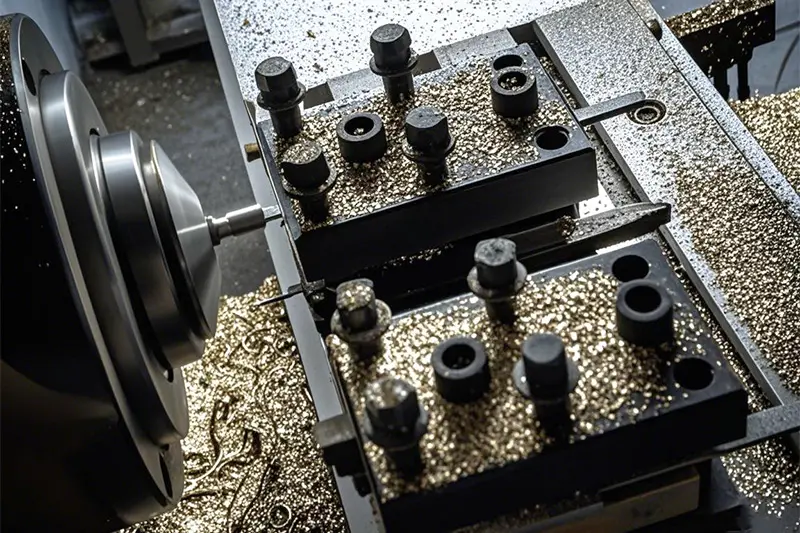
Our facility houses high-precision CNC lathes, multi-cavity injection molding machines, and stamping/die-casting equipment. This ensures precise dimension control down to ±0.01mm tolerances for metal/plastic parts.

From visual inspection using optical sorters to helium leak tests and pressure degradation analysis, we are committed to delivery zero-defect components. Our customer support ensures rapid adjustments and short cycles.
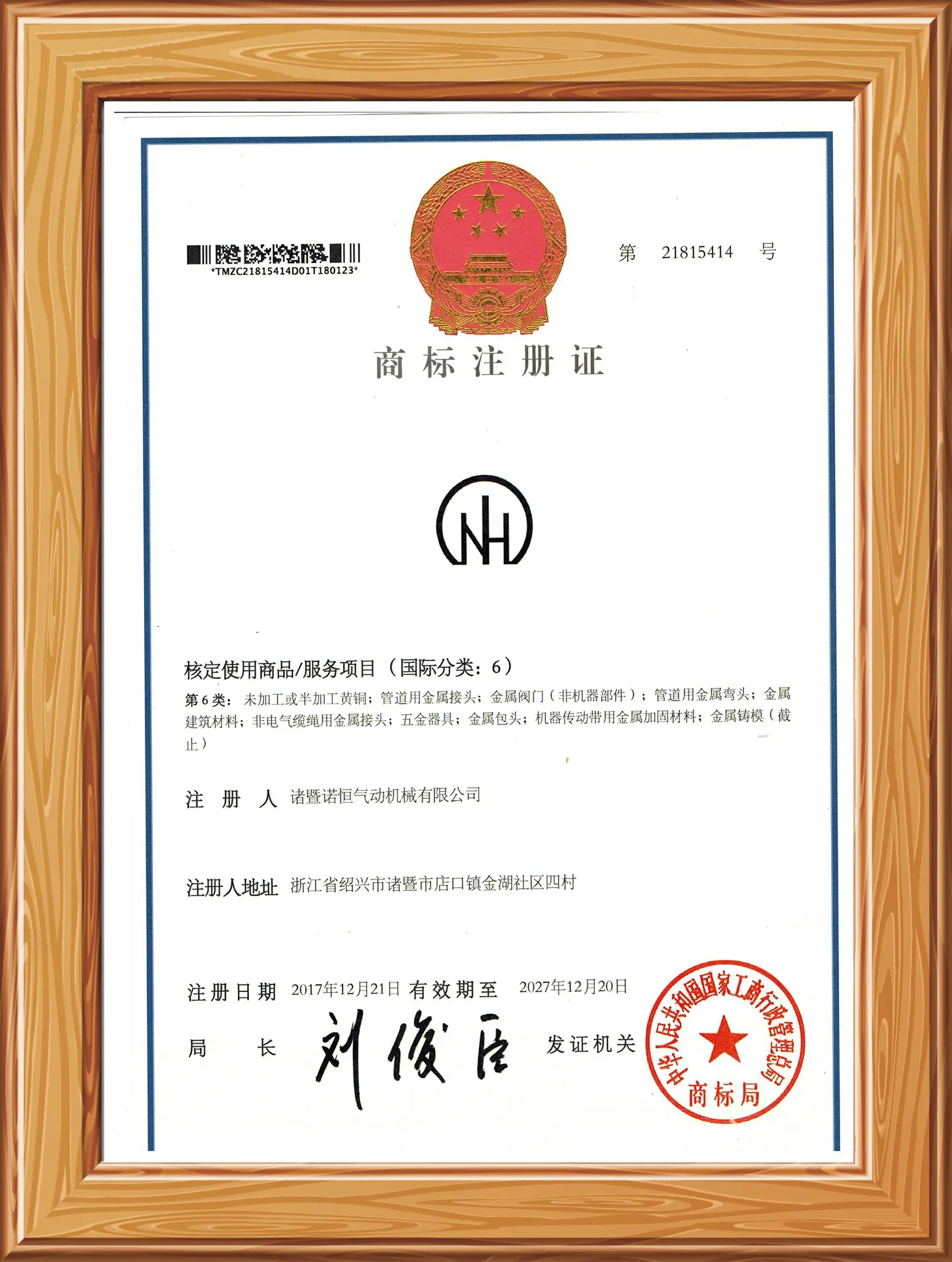
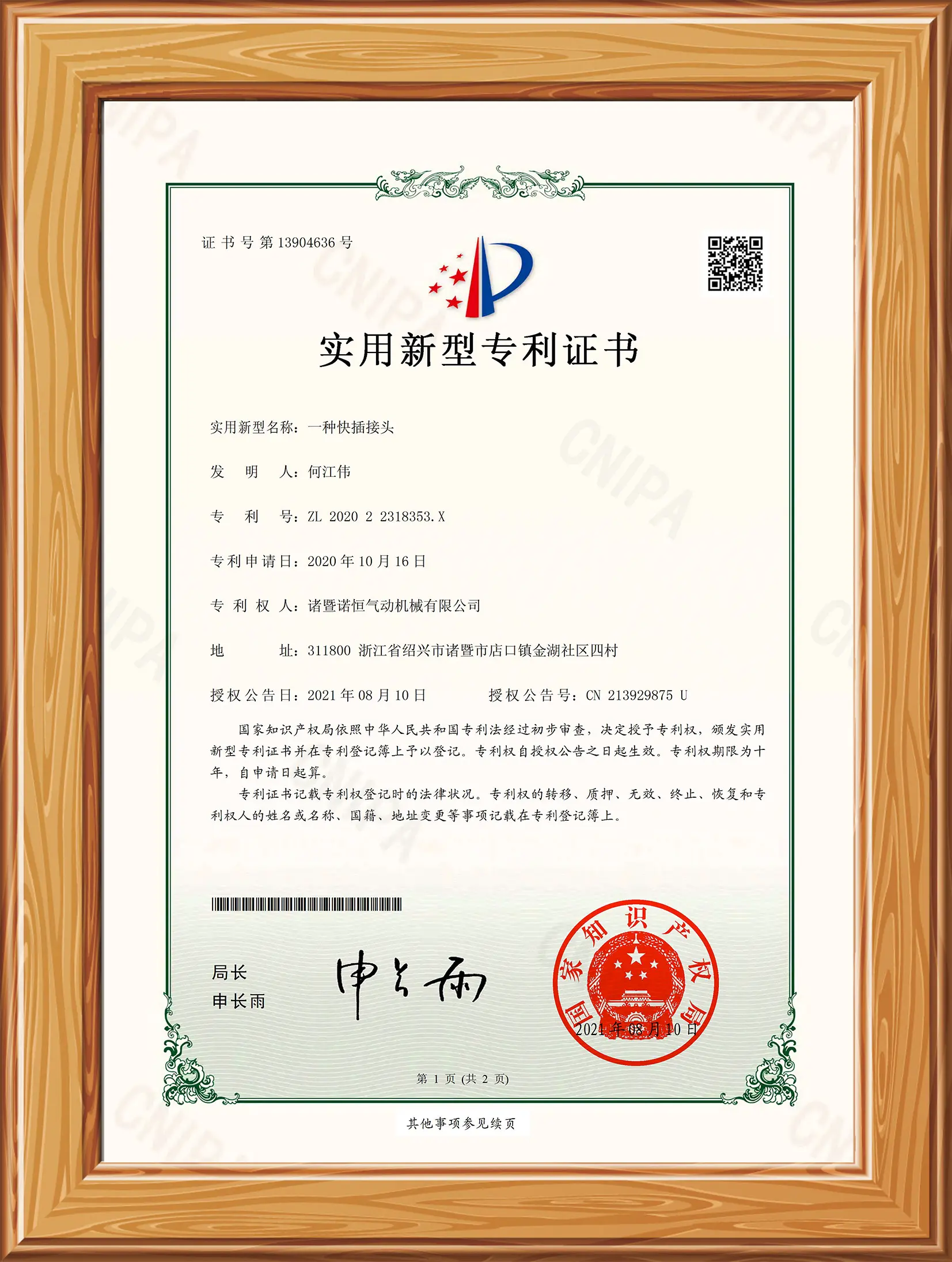
Our manufacturing and design processes comply with major international quality and environmental directives.
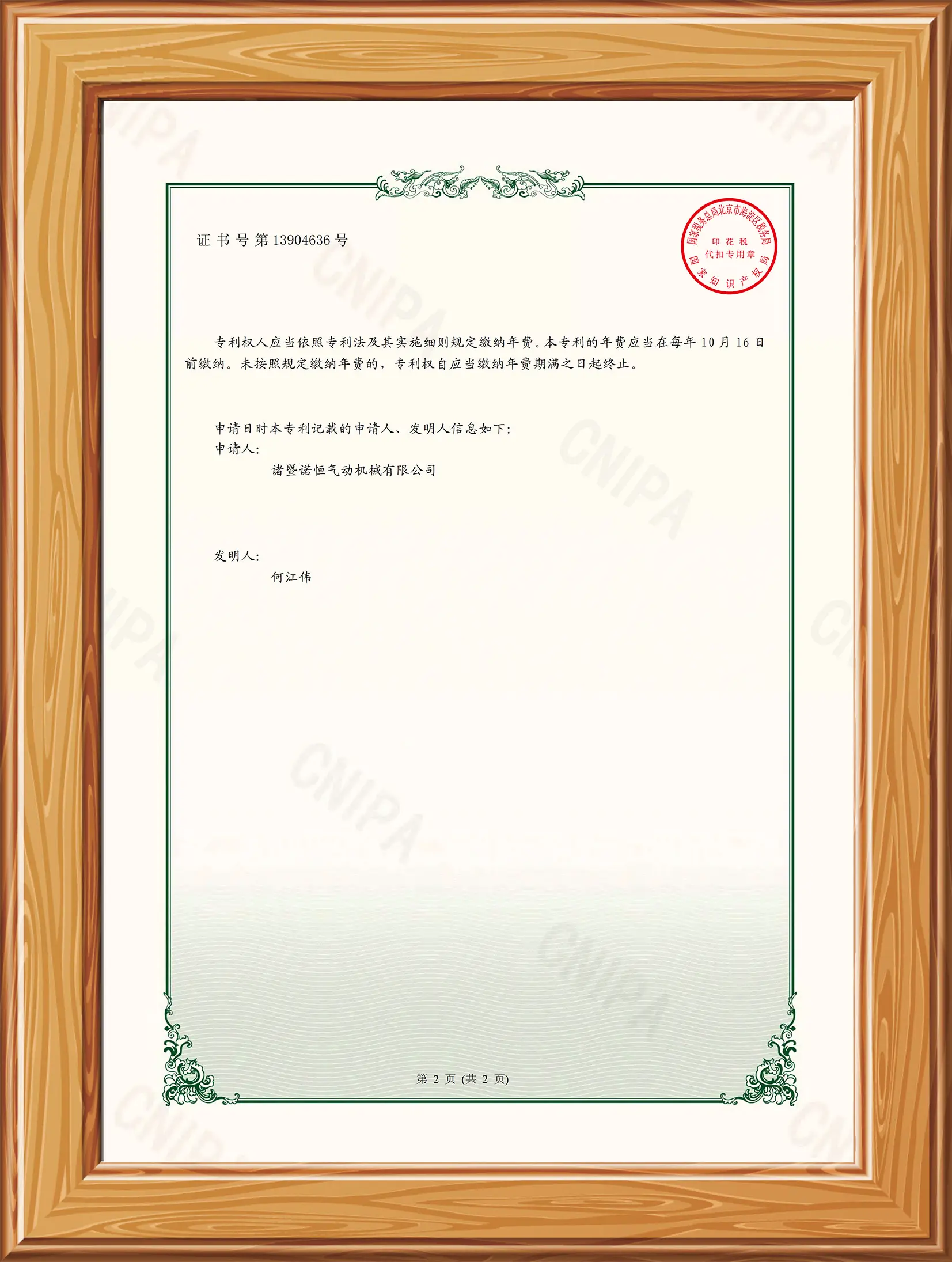
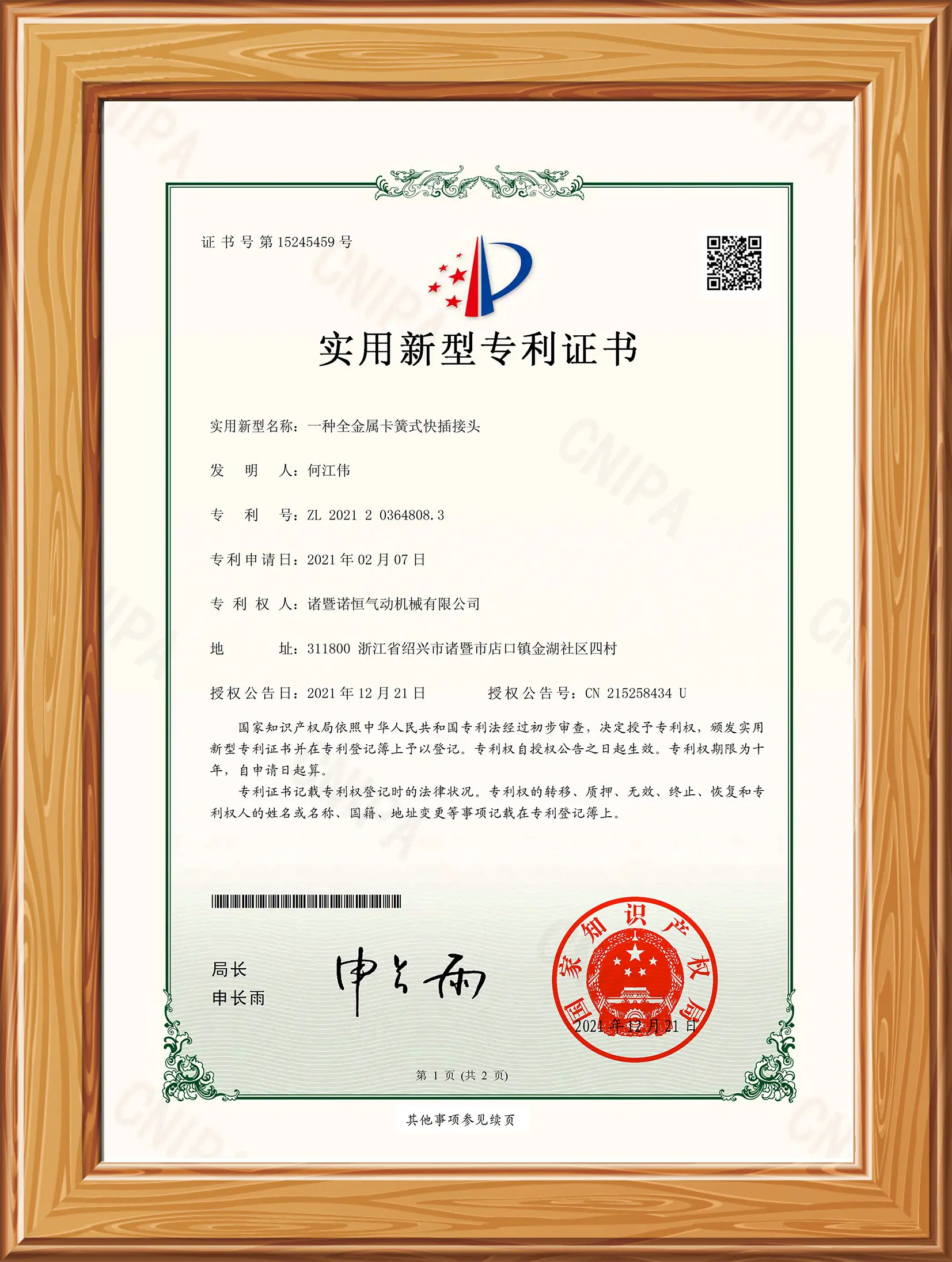
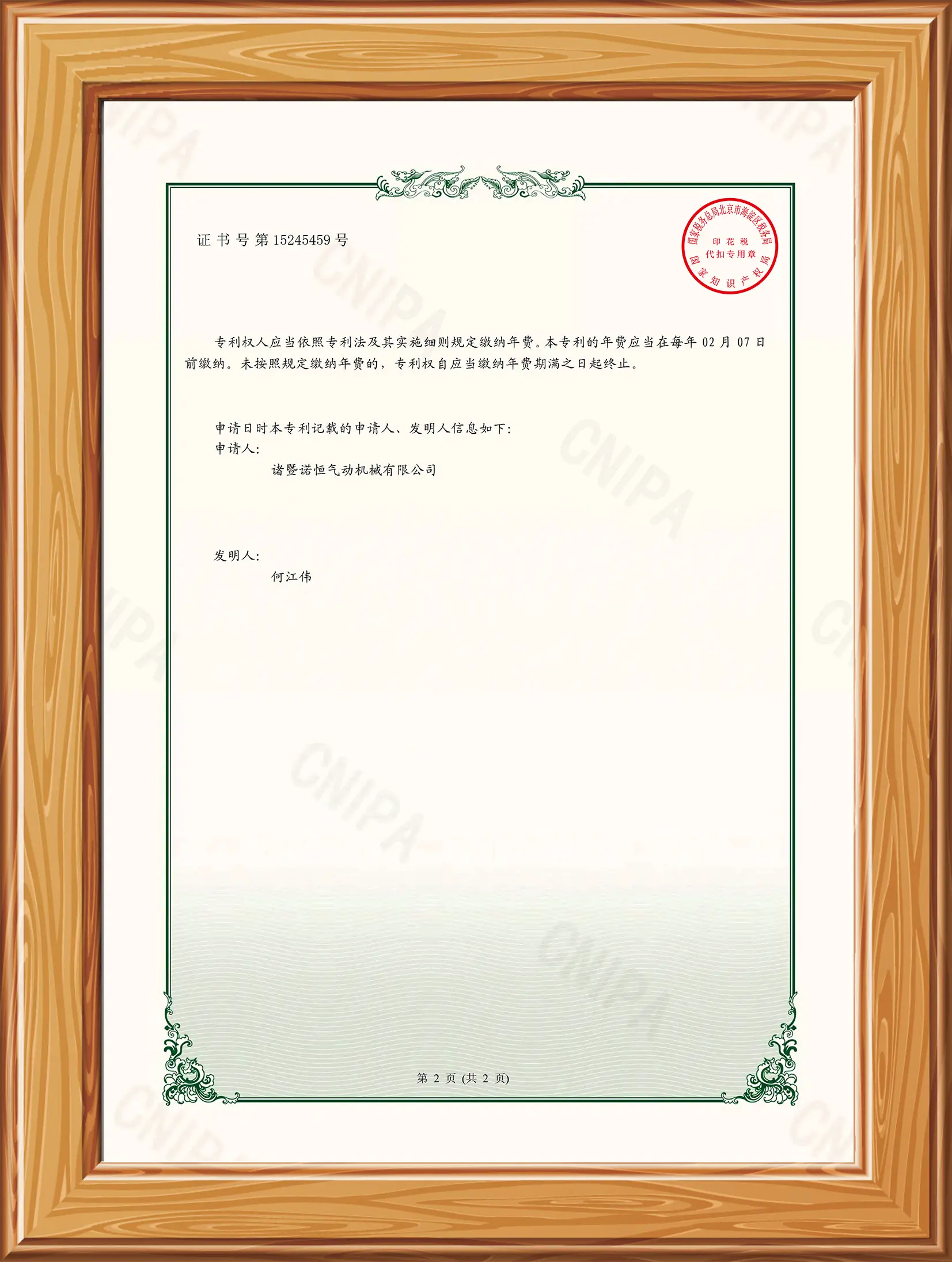
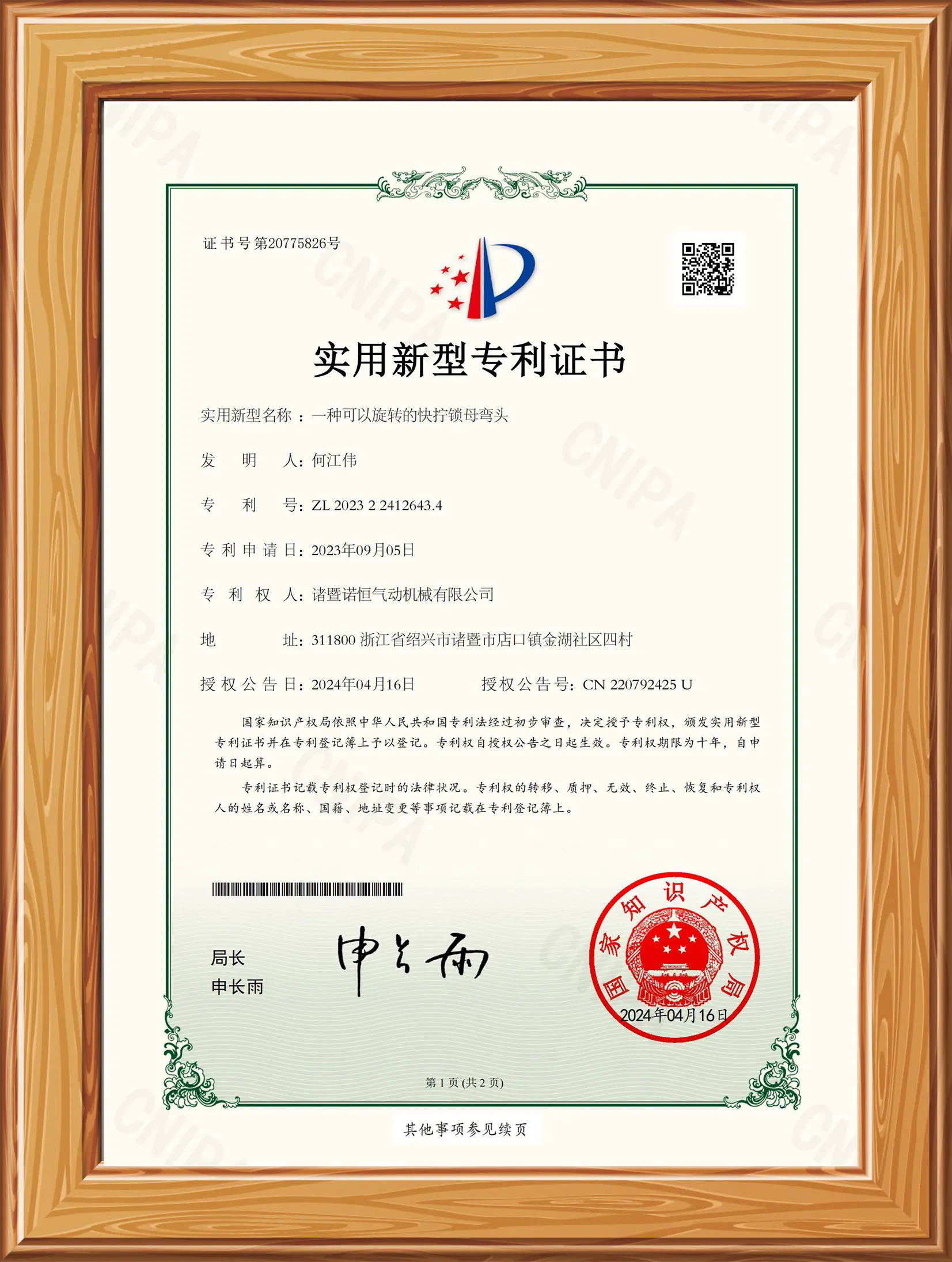
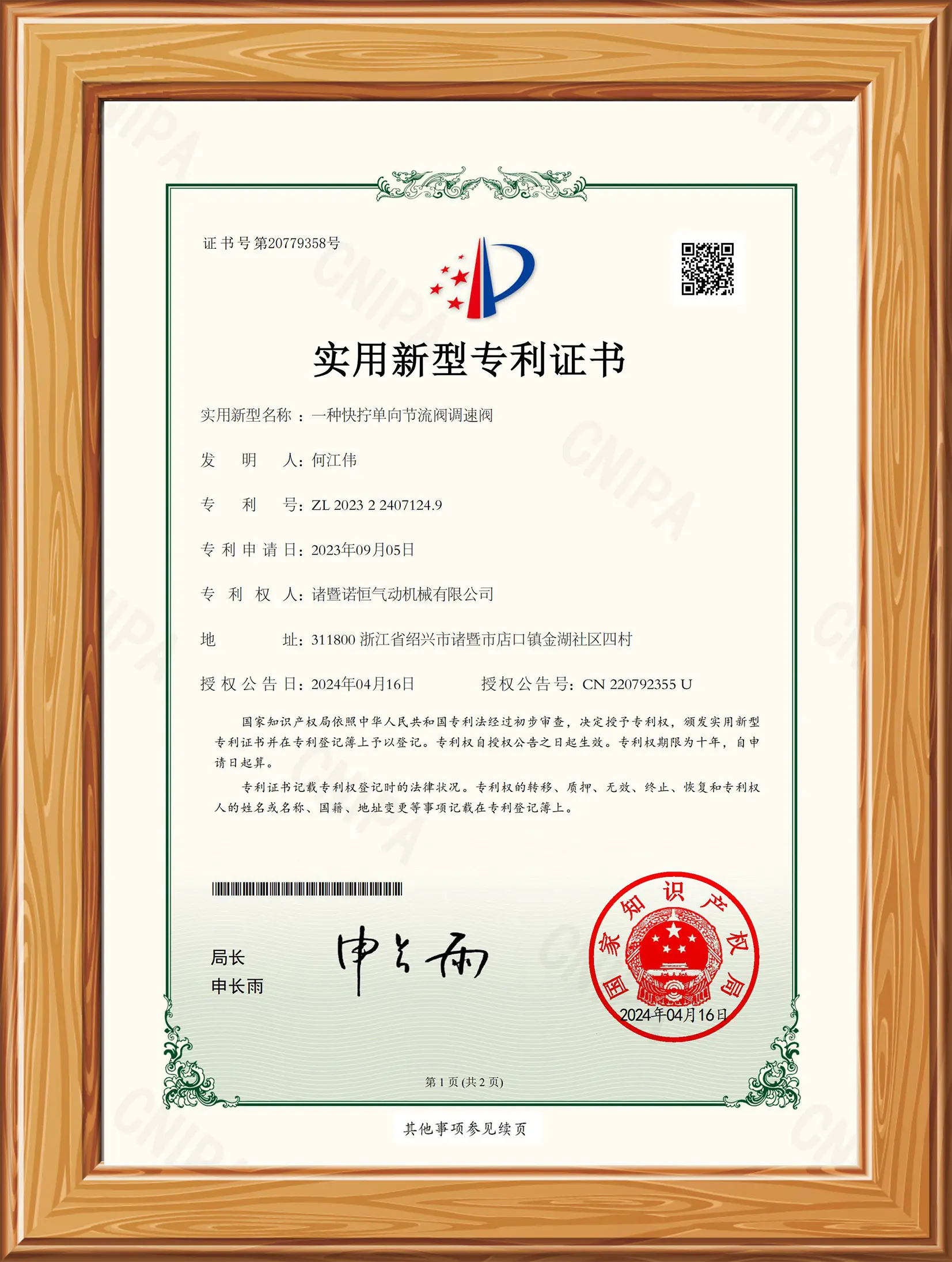
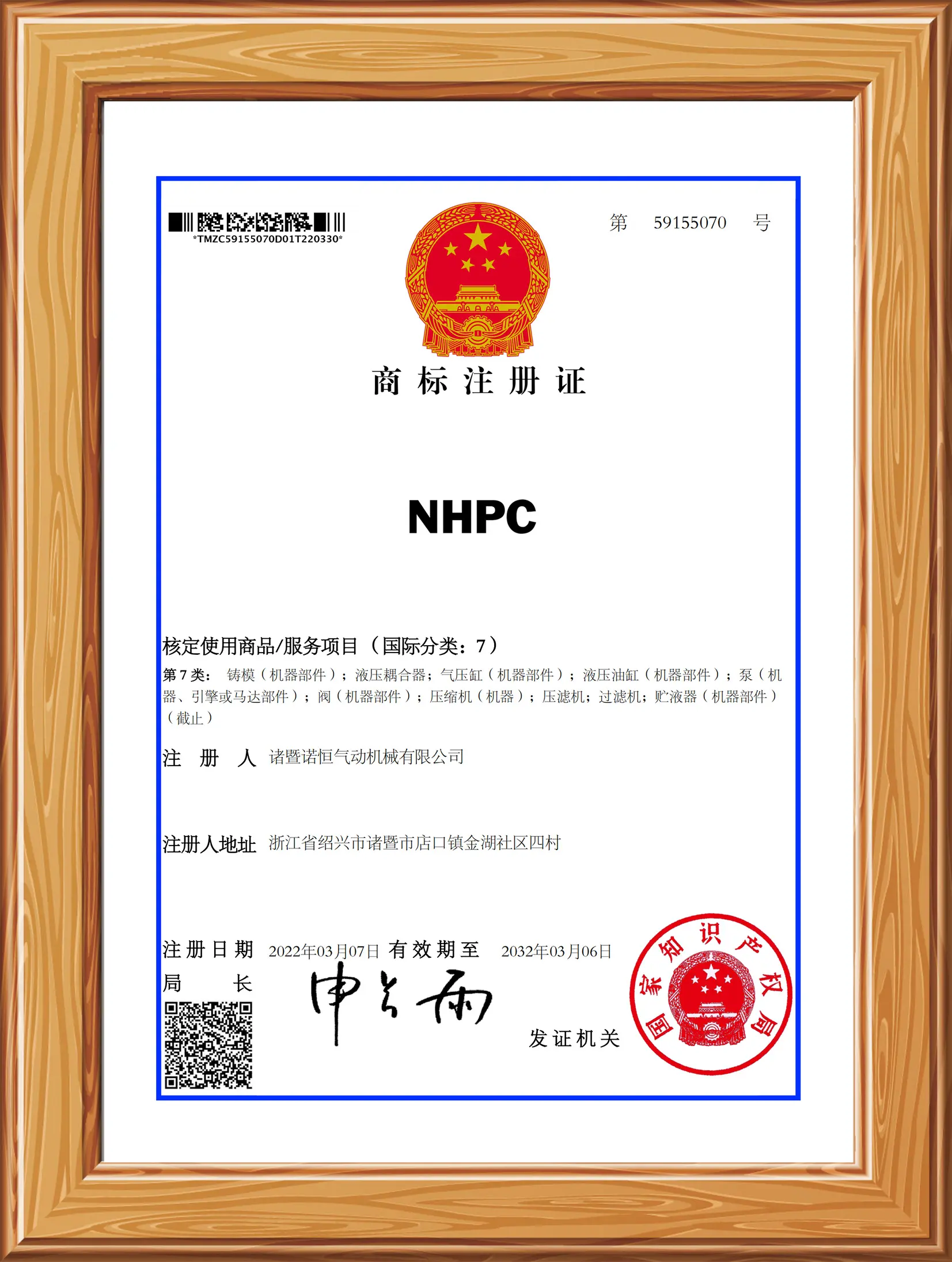
The liquid cooling fittings industry is undergoing rapid technical evolution. As systems run hotter and fluids become more complex, standard off-the-shelf industrial components fail to meet the performance threshold. The design parameters are moving toward three core engineering trends:
Hyperscale servers and telecommunication towers house delicate, high-voltage circuitry. When maintenance is required on a processor or memory module, the cooling loop must be severed without releasing a single drop of liquid. Non-spill quick disconnect (QD) designs utilize spring-loaded flush-face valves that seal the flow path before the locking collar releases. This guarantees zero-leakage maintenance routines, preserving hardware integrity.
Liquid cooling loops are multi-metal systems (e.g., copper cold plates, aluminum heat exchangers, brass fittings). In such environments, galvanic corrosion poses a severe hazard if left unchecked. Advanced ODM manufacturers are optimizing nickel electroplating and utilizing specialized stainless steel alloys (316L) to buffer potential differences. Elastomer seal materials are also being formulated to withstand continuous exposure to synthetic dielectric heat transfer fluids (like fluorinated fluids or polyalphaolefins) without cracking or swell-induced degradation.
Every bend, elbow, and cross-connector in a liquid cooling path introduces flow resistance, forcing the system's pumps to work harder and consume more power. Through computational fluid dynamics (CFD) optimization, NHPC engineers have optimized the internal geometry of our fittings (such as the PL, PB, and PD series), smoothing transitions and reducing drag coefficients to optimize heat transfer efficiency.
The industry roadmap points toward the embedding of low-profile pressure and temperature sensors directly into the quick-disconnect housing. This will enable real-time monitoring of fluid parameters at the junction point, alerting operators of localized pressure drops or blockages before thermal runaway events occur.
Developing micro-fluid connectors requires a contextual understanding of localized compliance structures and unique industrial environments across regions:
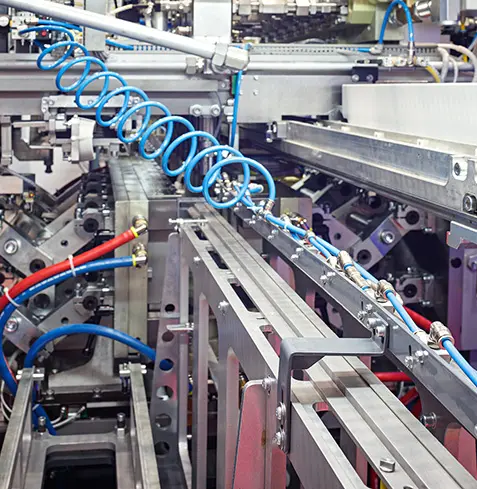
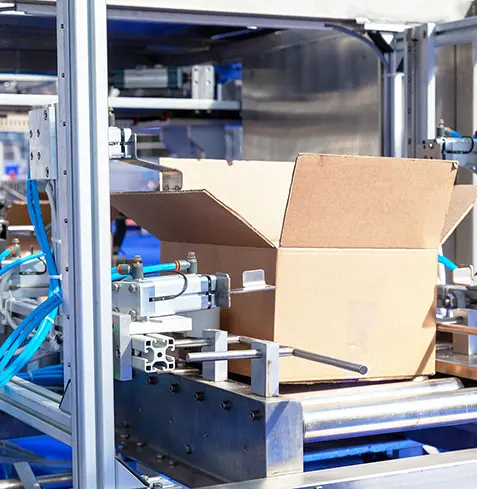
Real-world integration of our pneumatic and liquid line connectors across heavy industrial environments.
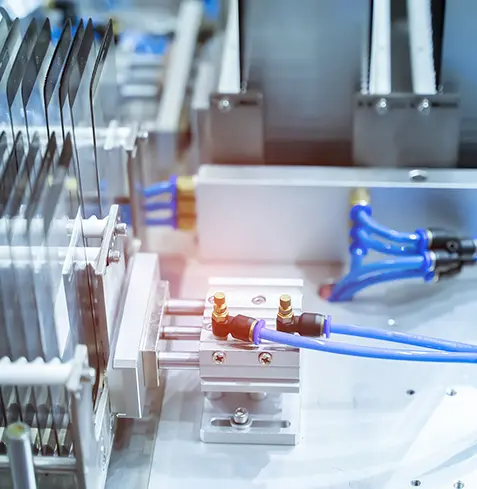
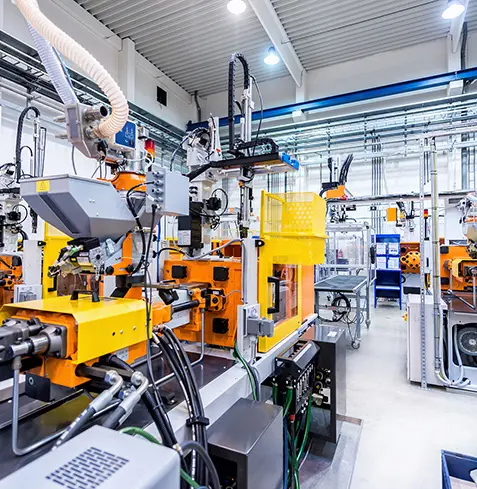
Clear, authoritative answers from NHPC's chief materials and hydraulic engineering department.
Explore our secondary lineup of engineered elbow, male-to-female, bulkheads, and energy storage flame-resistant configurations.
 Nuoheng