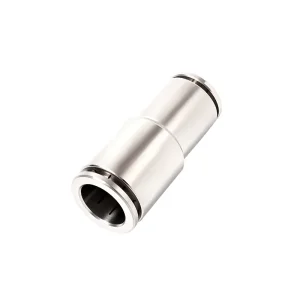
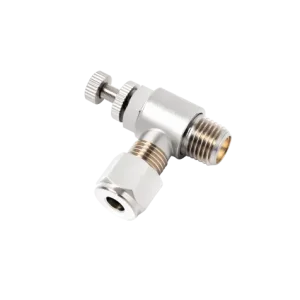
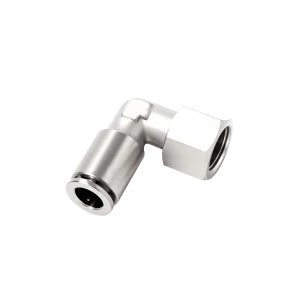
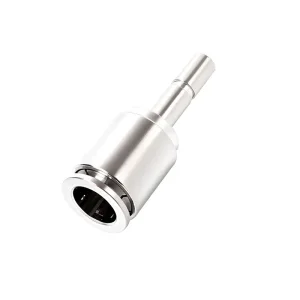
Explore our foundational range of highly calibrated brass connectors, push-in couplers, and flow controllers designed to meet international engineering tolerances.
An expert-level investigation into how structural material standards influence durability, pressure thresholds, and corrosion resistance in modern fluid systems.
The core structural integrity of professional Brass Y Connectors is derived from strict alloy selection. Globally, CW617N (European standard EN 12165) and HPb59-1 are the industry benchmarks for brass forging. CW617N consists of approximately 58% copper, 40% zinc, and 2% lead, providing a perfect compromise between hot tensile ductility and mechanical machinability. For regions with strict environmental thresholds like the US (NSF/ANSI 372) or Europe (RoHS/REACH), we utilize premium Lead-Free (< 0.25% Pb) formulations including Silicon Brass (C87800) and Bismuth-stabilized alloys to eliminate heavy-metal leaching without compromising structural strength.
Standard brass components exposed to highly acidic or oxygen-rich water can experience *dezincification*—a selective leaching process where zinc dissolves, leaving behind a porous, fragile copper skeleton. To prevent this chemical failure, high-tier Brass Y Hose Connectors undergo proprietary thermal treatments or are alloyed with traces of arsenic (0.02% to 0.15% As) to establish localized passivated oxide films. This guarantees structural stability under prolonged chemical stress in industrial applications, commercial farms, and HVAC configurations.
Unlike ABS or composite polymer splitters that easily deform under thermal load, forged brass remains dimensionally stable. Professional-grade Brass Y Connectors are rated for a working pressure of up to 300 PSI (20.7 bar) with a burst-limit safety coefficient of 4:1 (typically reaching 1200+ PSI under hydraulic laboratory testing). The temperature threshold ranges from -20°C to +120°C, ensuring fail-safe operations during deep winter freezes or high-temp washdowns.
| Material Type | Alloy Standard | Tensile Strength (MPa) | Yield Strength (MPa) | Corrosion Resistance Class | Compliance Approvals |
|---|---|---|---|---|---|
| DZR Lead-Free Brass | CW724R / C46500 | ≥ 450 | ≥ 250 | Grade A (Ultimate Dezincification Resistant) | NSF/ANSI 61 & 372, Safe Drinking Water Act |
| Standard Forging Brass | CW617N / HPb59-1 | ≥ 380 | ≥ 180 | Grade B (Standard Atmospheric) | EN 12165, RoHS Compliant, CE Approved |
| Heavy-Duty Marine Brass | C48500 / Naval Brass | ≥ 400 | ≥ 200 | Grade A+ (Highly Resistant to Marine Salinity) | BS 2872, ABS Certification Compatible |
How global distributors and industrial operators customize Brass Y Hose Connectors to overcome regionally specific environmental challenges and operational demands.

In regions like North America's Central Valley and Australia's Riverina, agricultural farms use Brass Y Connectors to split single mainlines into secondary micro-sprinklers and liquid fertilizer injection systems. Solid brass withstands continuous exposure to UV radiation, trace fertilizers, and abrasive sand particulate.
For critical data servers and municipal facility plants, fluid cooling systems rely on high-precision Y-valves to handle dual feed inputs. By maintaining uninterrupted flow, technicians can hot-swap bypass loops without needing to shut down whole processing wings.

Seaside ports, commercial fishing vessels, and luxury yachts demand components that resist marine atmospheric corrosion. Marine-grade brass Y connectors, plated with nickel or chromium, provide the reliable sealing and high mechanical strength required to withstand marine wind and high-salinity seawater cycles.
Established over 15 years ago, NHPC has emerged as a premier manufacturer in the high-precision pneumatic industry. We specialize in the design, development, and mass-scale manufacturing of top-tier pneumatic products: including push-in fittings, push-on couplings, pneumatic control valves, rapid fluid connectors, PU tubing, and hydraulic components.
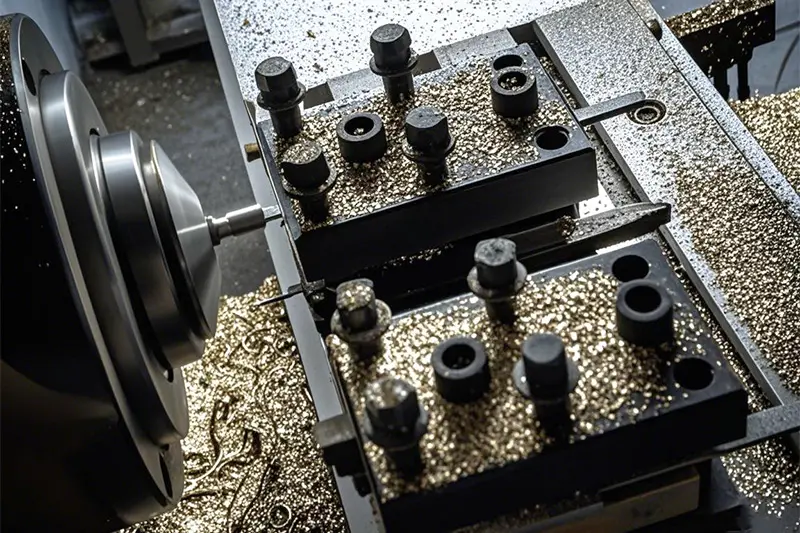
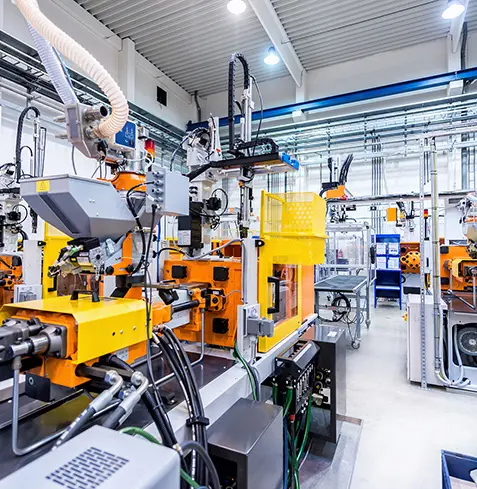
Our state-of-the-art manufacturing center houses advanced multi-axis CNC Lathes, High-Precision Surface Treatment chambers, automated Injection Molding units, Stamping systems, and Die-casting machines. By maintaining a closed-loop control system—from copper bar smelting and continuous hot-forging to thread milling and final pressure decay testing—we provide industrial grade products that meet and exceed international OEM tolerances.
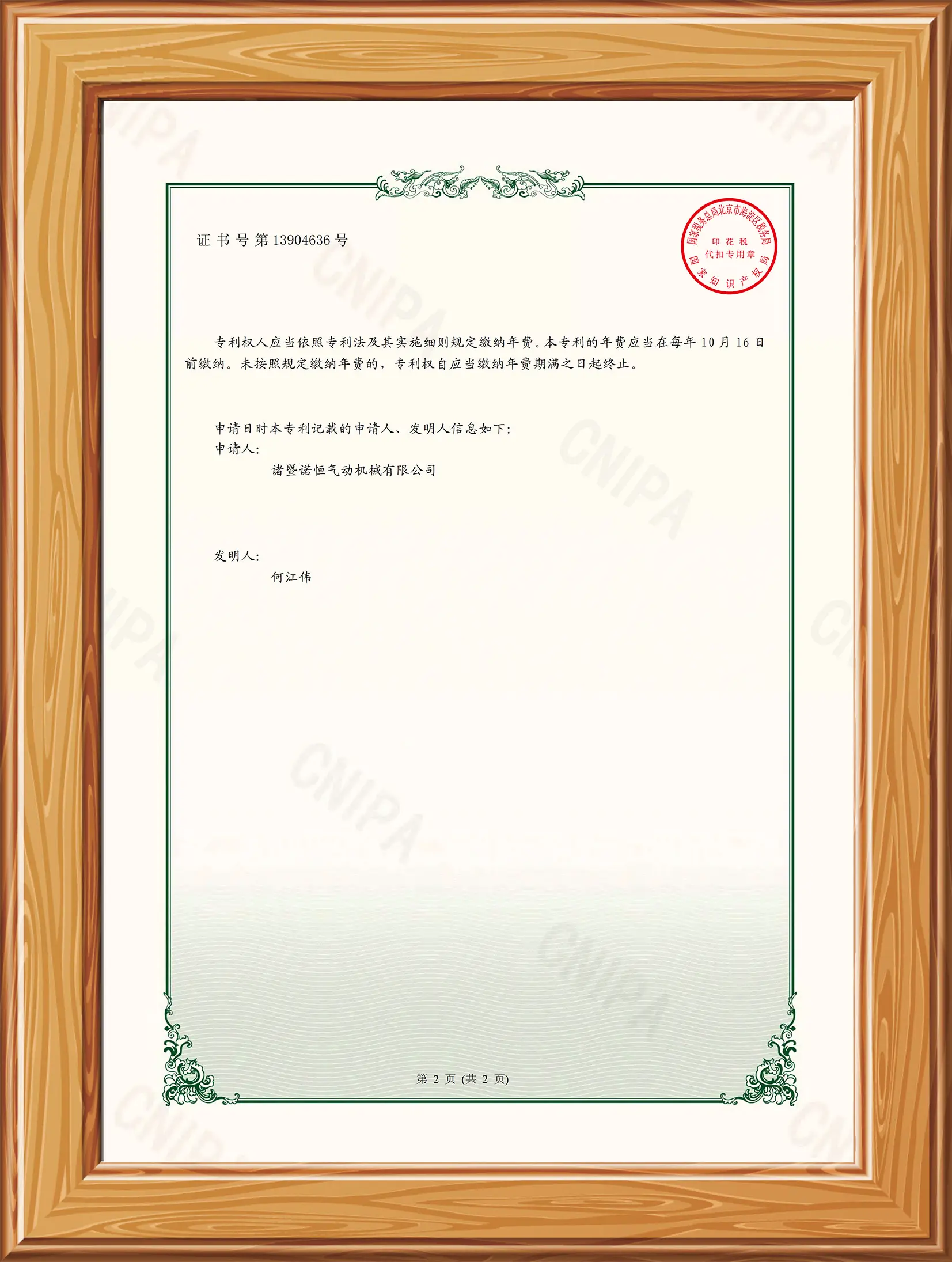
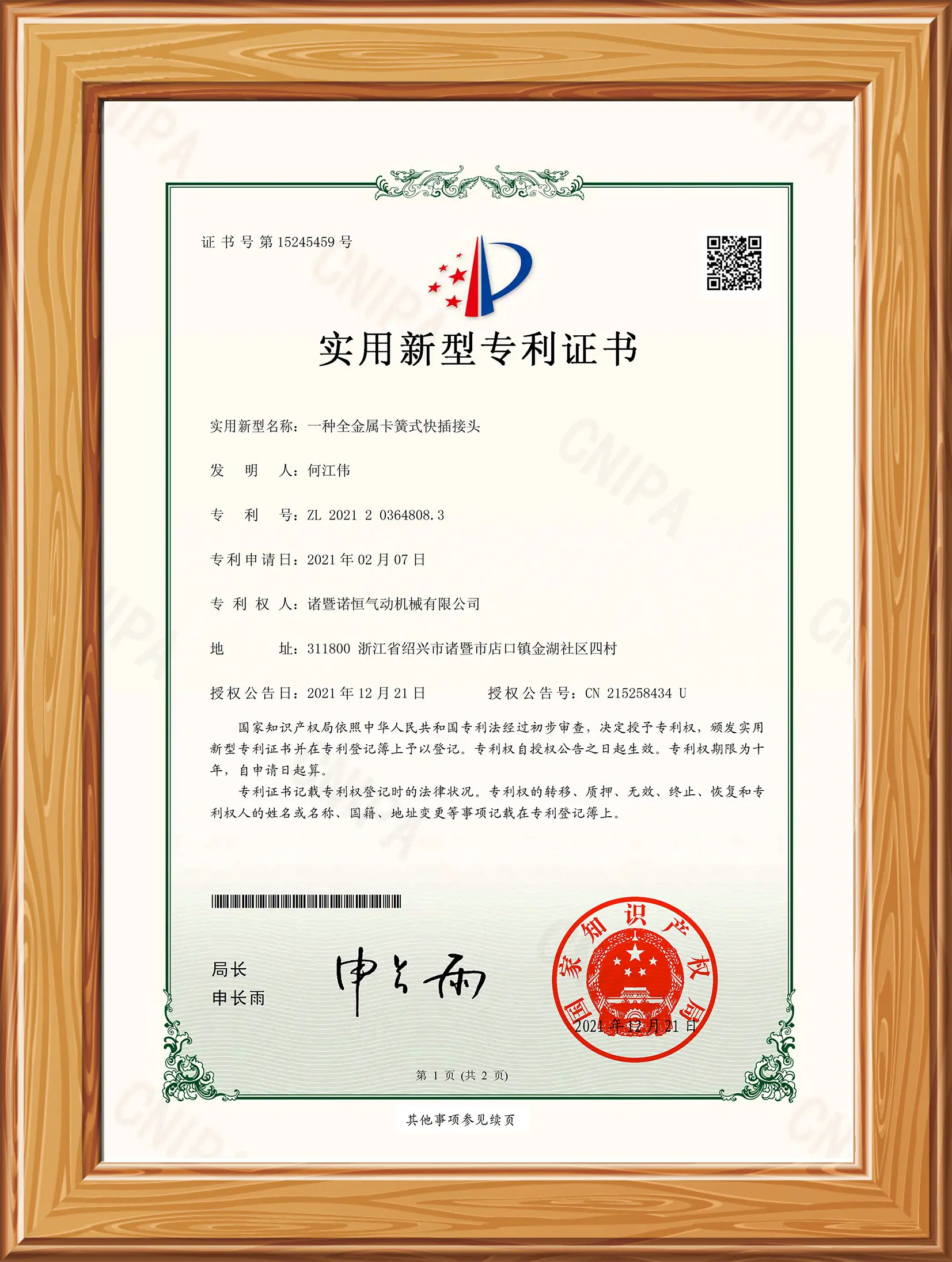
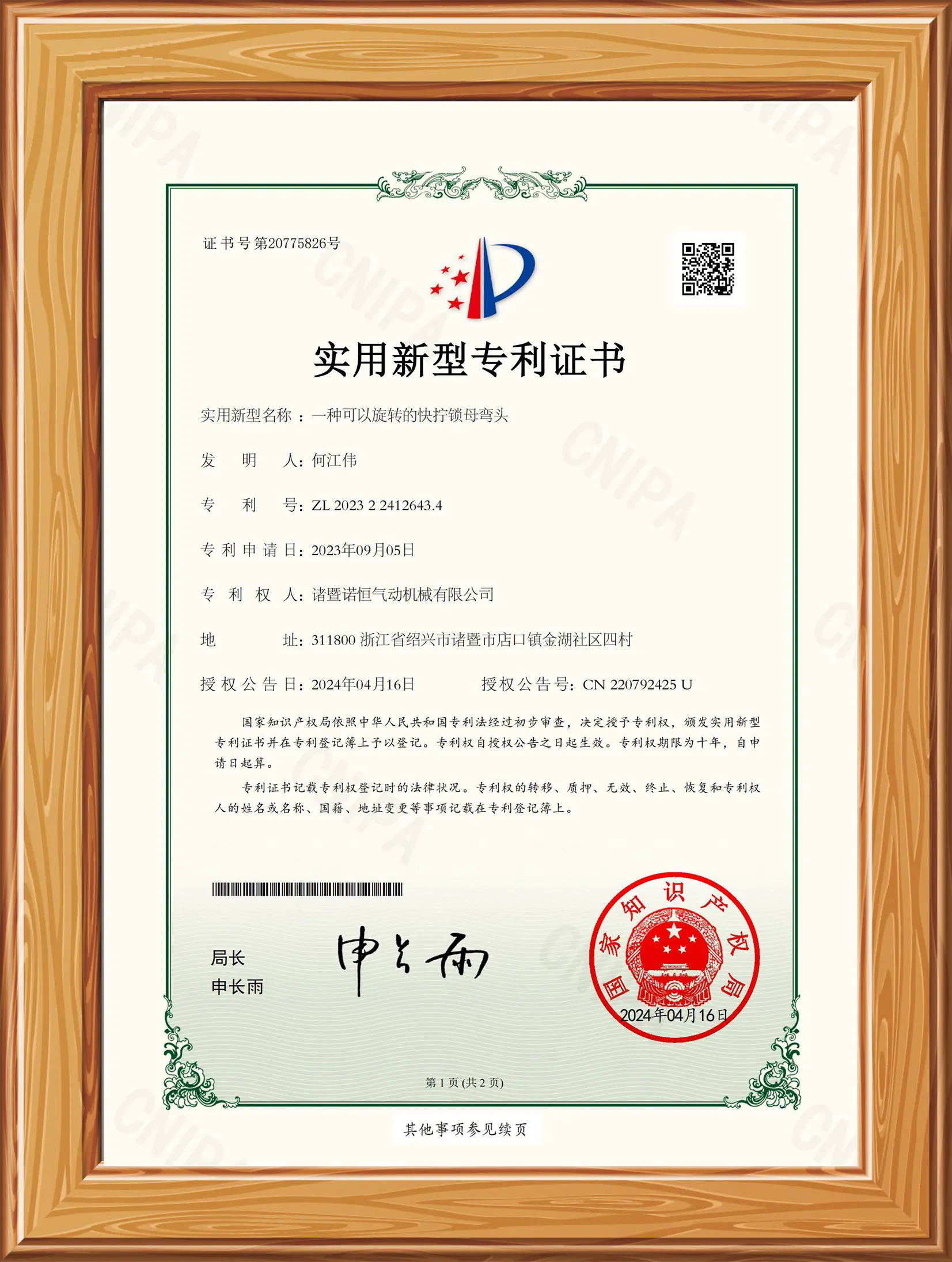
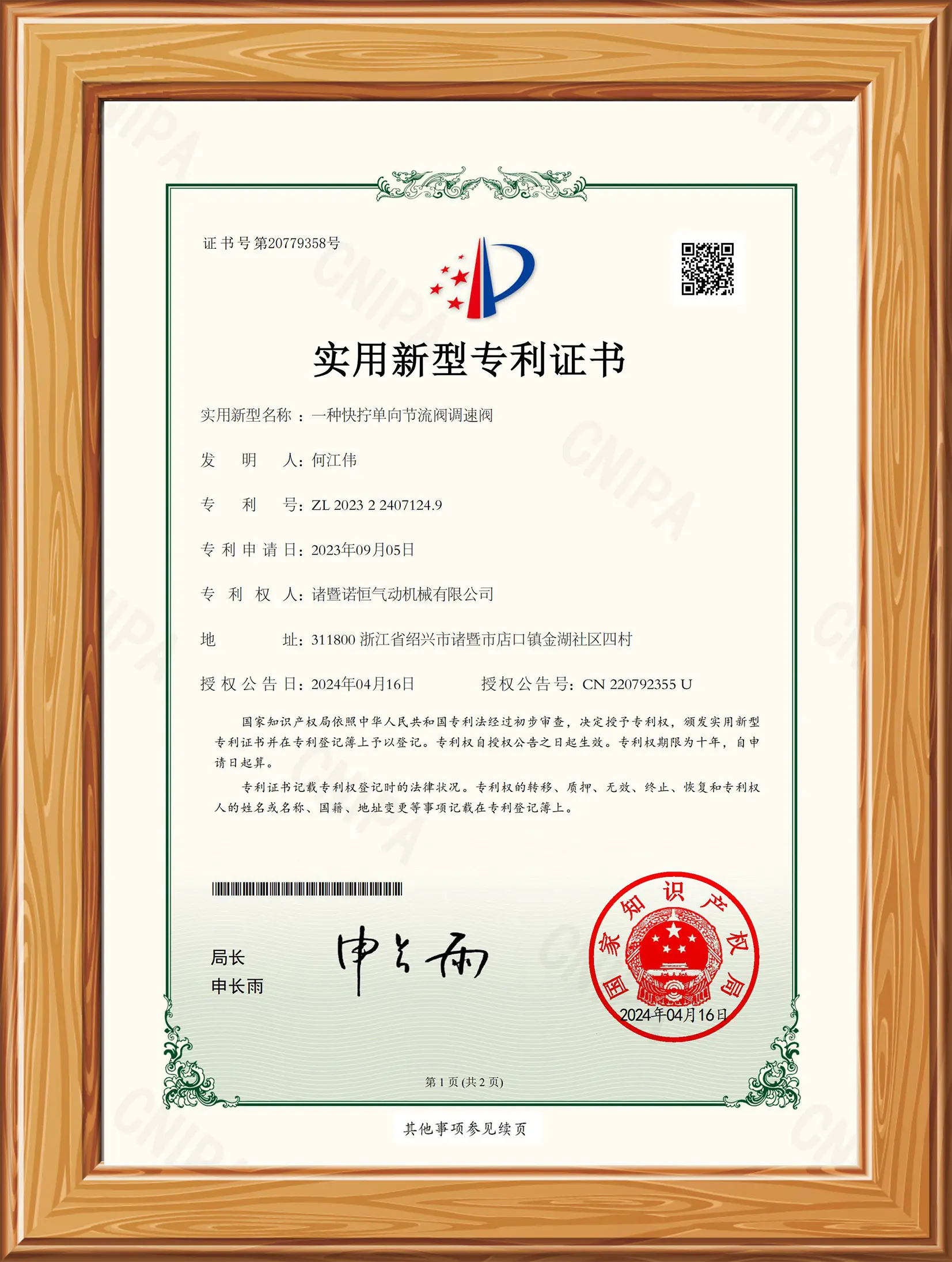
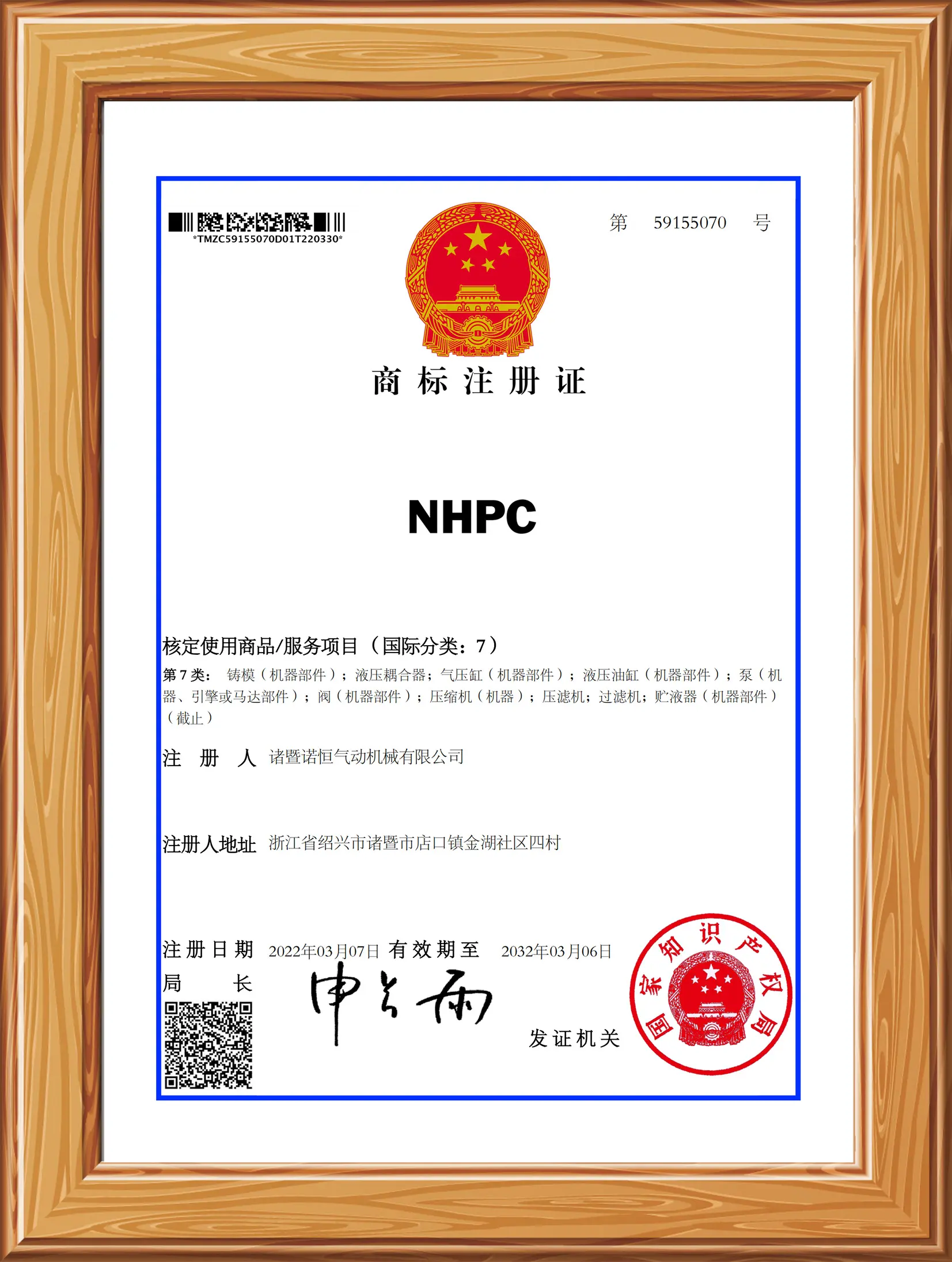
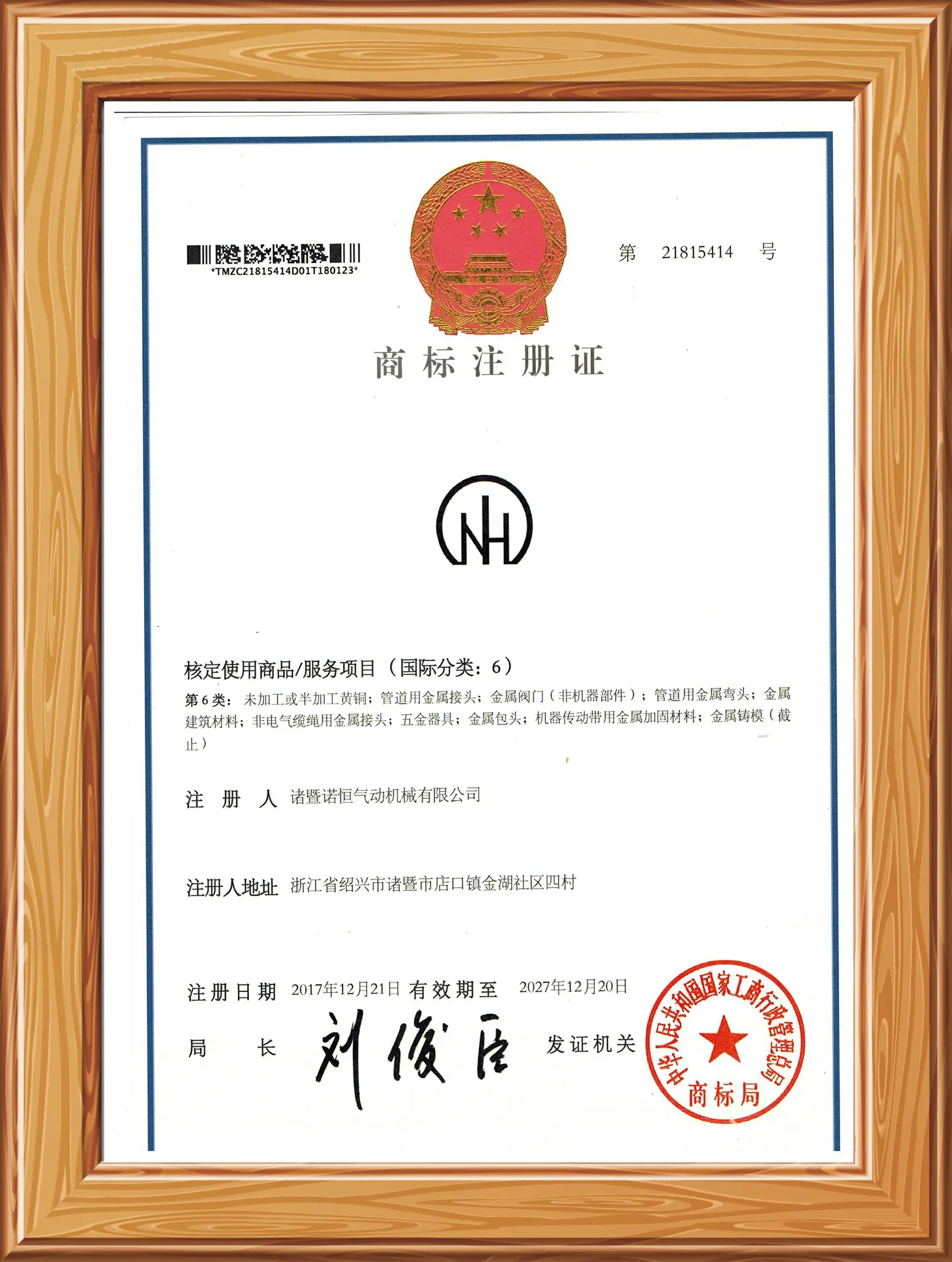
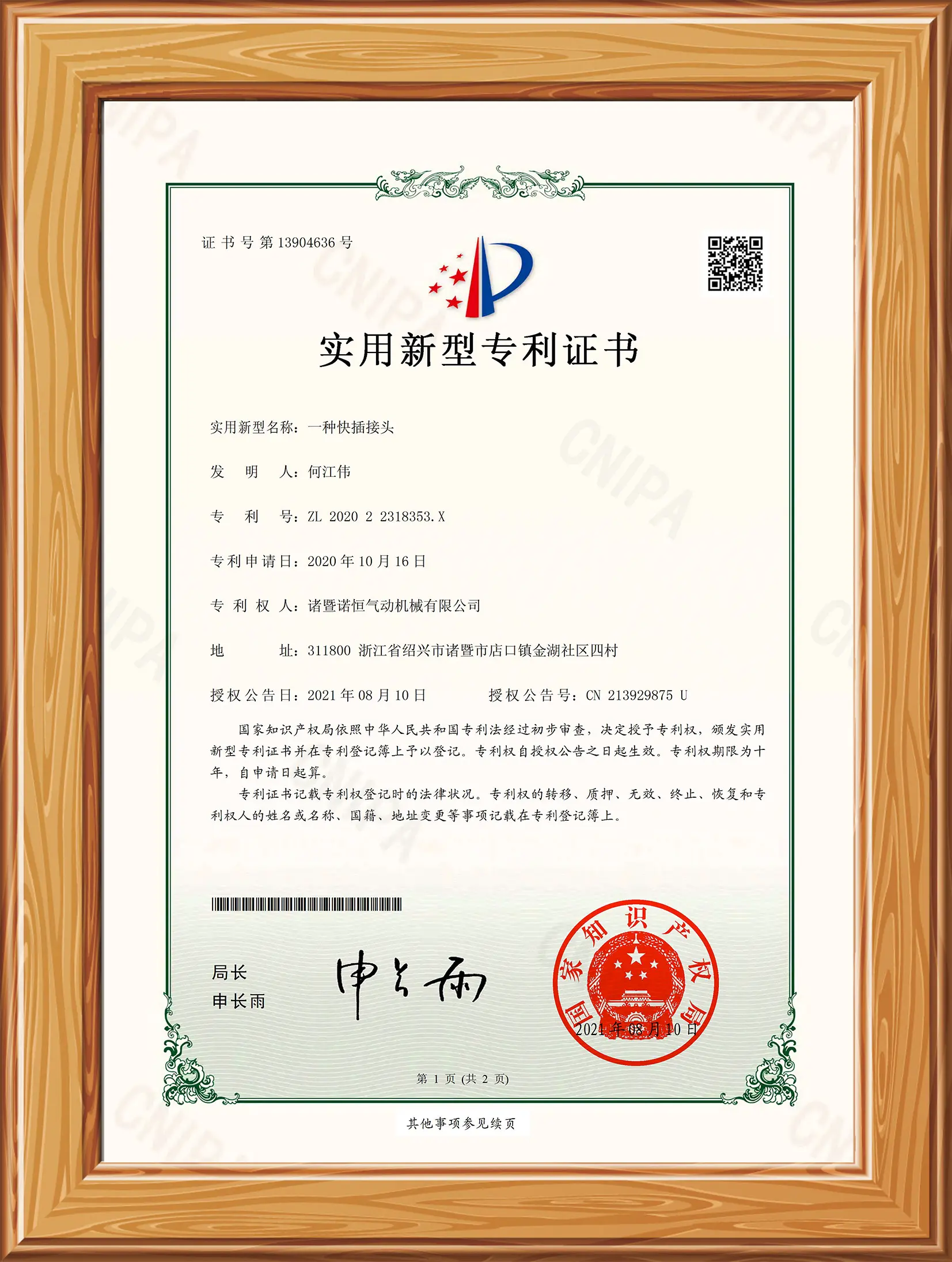
Showcasing our precision DOT air brake couplers, flame-resistant fire protection joints, and energy storage cooling fittings.


A strategic overview of industrial agglomeration benefits, vertical process integration, and global supply logistics optimized for high-volume brass exports.
Located in the heart of Zhejiang's manufacturing province, our production facility benefits from direct integration with the Ningbo-Zhuji industrial cluster. This proximity ensures access to bulk copper raw materials, reducing lead times for premium bar stocks. By leveraging local copper refining and sorting operations, we bypass secondary distributor margins to offer competitive bulk pricing on wholesale orders.
While many secondary workshops outsource critical forging and polishing steps, our factory operates fully integrated, in-house lines. Automated hot forging presses shape the Y-bodies to ensure dense grain patterns and eliminate internal voids. Subsequently, our multi-axis CNC machines mill threads to precise G, NPT, or BSPT specifications. In-house surface operations—including acid pickling, electro-nickel plating, and shot-blasting—are monitored in real-time to guarantee consistent aesthetic and structural quality.
For custom configurations, our design division handles 3D CAD modeling and prototype validation. Using advanced simulation tools, we model fluid velocity profiles to optimize internal transitions and reduce pressure drop across the Y-split. New mold sets can be fabricated and tested in as little as 15 working days, helping OEMs accelerate product deployments.
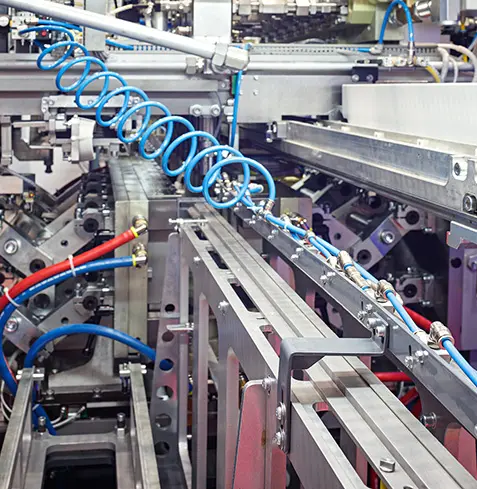

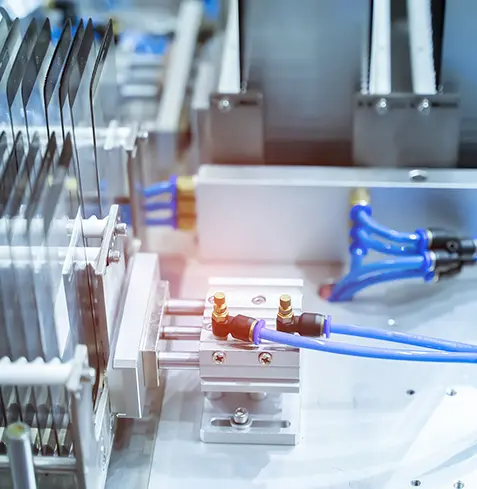
Exploring structural upgrades, IoT integration, and environmental material transitions for next-generation hose connectors.
Aligning with upcoming chemical safety regulations, we are transitioning our standard commercial product lines to high-purity, bismuth-modified brasses. These materials offer the corrosion resistance of DZR alloys while meeting safe drinking water standards without requiring chemical pickling treatments.
Next-generation Y connectors will feature micro-machined sensor pockets. These allow agricultural operators and facility managers to install compact, battery-powered flow sensors directly into the connector body, sending real-time pressure data via Bluetooth or LoRaWAN to cloud monitoring systems.
We are engineering advanced physical vapor deposition (PVD) titanium coatings. These surface layers reduce physical wear from abrasive slurry mixtures, extending connector life in demanding industrial applications by up to three times.
A detailed breakdown of the analytical testing protocols used to verify physical dimensions, metallurgy, and sealing integrity.
Standard dunk testing can fail to detect micro-porosities and structural cracks. We subject our connectors to helium vacuum decay testing, isolating leaks down to 10^-5 mbar·L/s. This guarantees leak-free operation for demanding industrial systems.
Incoming brass shipments undergo optical emission spectrometry (OES) analysis to verify chemical compositions. Every batch is cataloged with material test reports (MTRs) to ensure trace element concentrations meet global engineering standards.
Cross-threading is a common failure point for field technicians. We monitor thread dimensions using high-resolution optical projectors and calibrated GO/NO-GO gauges, ensuring perfect fitment with BSPT, NPT, or G-thread accessories.
Practical guidance from our engineering team regarding brass grades, installation best practices, and custom OEM ordering.
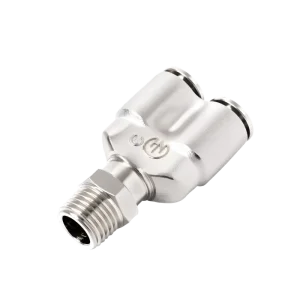
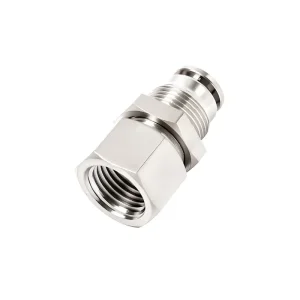
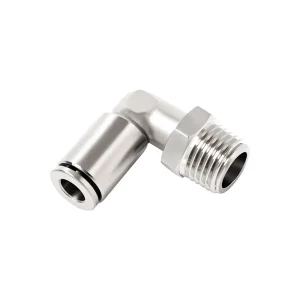
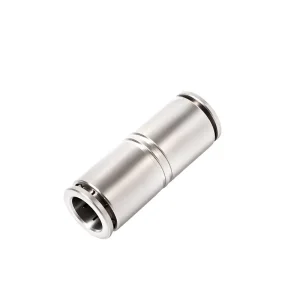
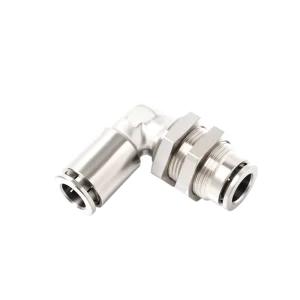
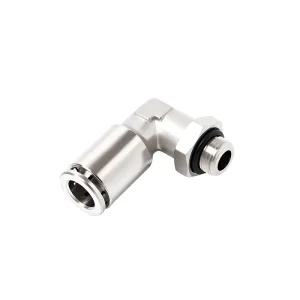
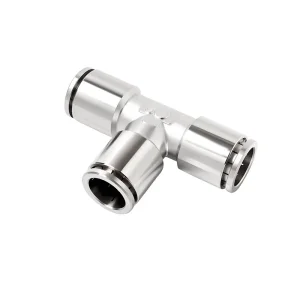
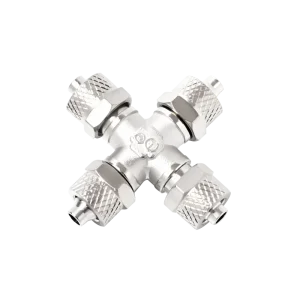
Explore our secondary lineup of premium bulkhead couplings, y-splitters, and elbow adapters built for reliable operation under high pressures.
 Nuoheng