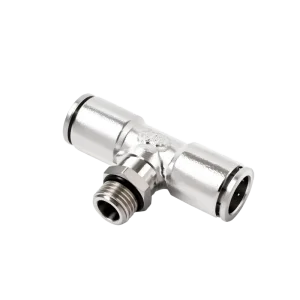
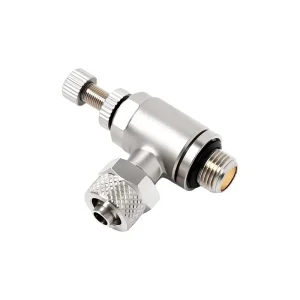
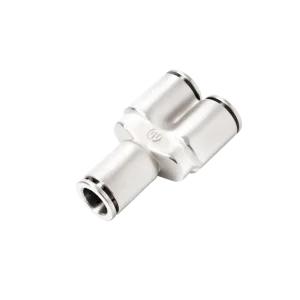
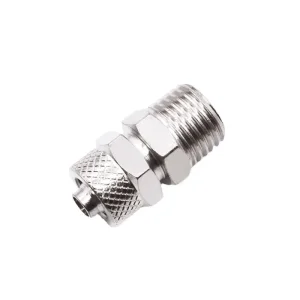
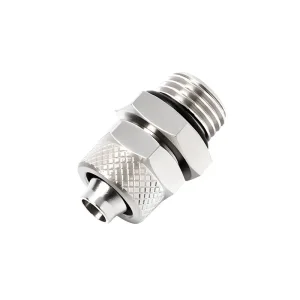
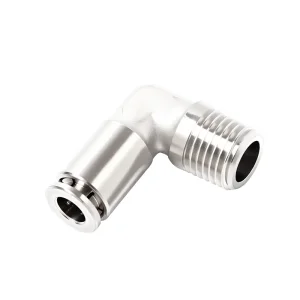
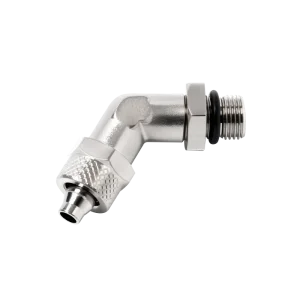
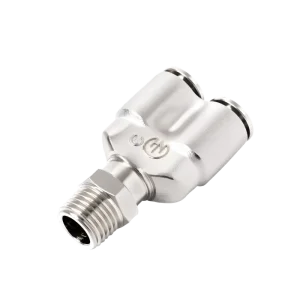
In the highly synchronized landscape of modern global industrial manufacturing, procurement departments face escalating pressures to source components that deliver absolute reliability, compliance, and cost-efficiency. Stainless steel hose barb fittings represent a fundamental component within critical fluid conveyance and pneumatic systems. As heavy industries undergo rapid technological transitions toward automation, environmental compliance, and higher operating parameters, the criteria for selecting suppliers of these components have drastically evolved.
Today, engineering procurement officers are looking past basic transactional supply chains. They demand complete systems integration partners who understand the physical chemistry, metallurgical standards, and fluid dynamics of their processes. When dealing with fluids, pneumatic systems, or aggressive chemical cleaning agents, the total cost of ownership (TCO) is heavily skewed by downtime. A single connection point failure can lead to catastrophic pressure loss, environmental contamination, or costly sanitary hazards. High-grade alloys such as 304 and 316 stainless steel are the baseline requirement for minimizing material degradation and resisting localized pitting and crevice corrosion under high mechanical stresses.
Furthermore, globalization has restructured supply pathways. Large-scale OEMs demand localized customer support structures, absolute transparency in material traceability, and continuous safety compliance audits. Choosing a certified manufacturer with established engineering capabilities, such as NHPC (Nuoheng Pneumatic Machinery Co., Ltd.), provides industrial operators with the technical assurance that every fitting has undergone rigorous high-precision CNC machining, surface treatment, and stress testing. This standard of performance ensures systems maintain leak-free compliance in the most demanding conditions worldwide.
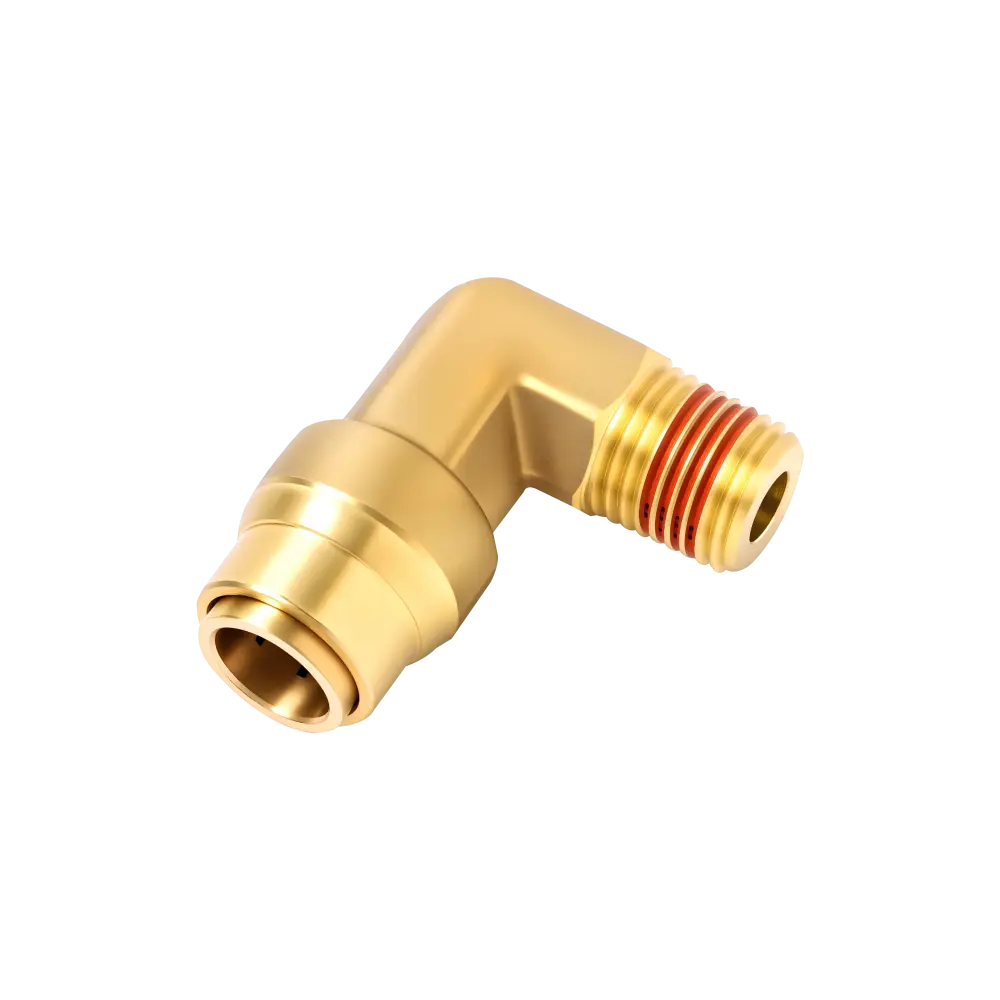
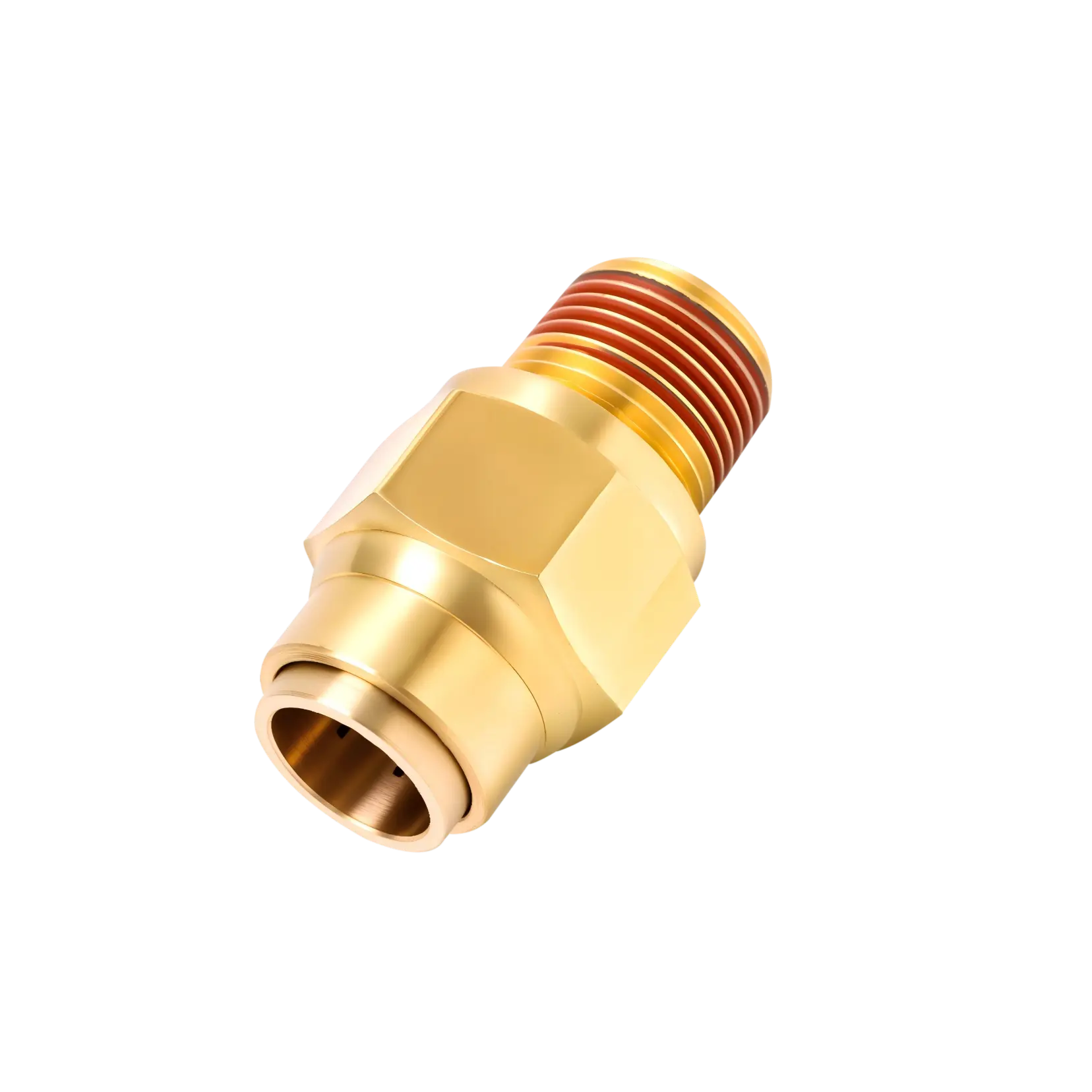
Industrial fluids and pneumatics are not one-size-fits-all environments. System architectures must be tailored to combat specific chemical, thermal, and mechanical stressors. Stainless steel hose barb and push-on fittings serve as the backbones across several primary industries:
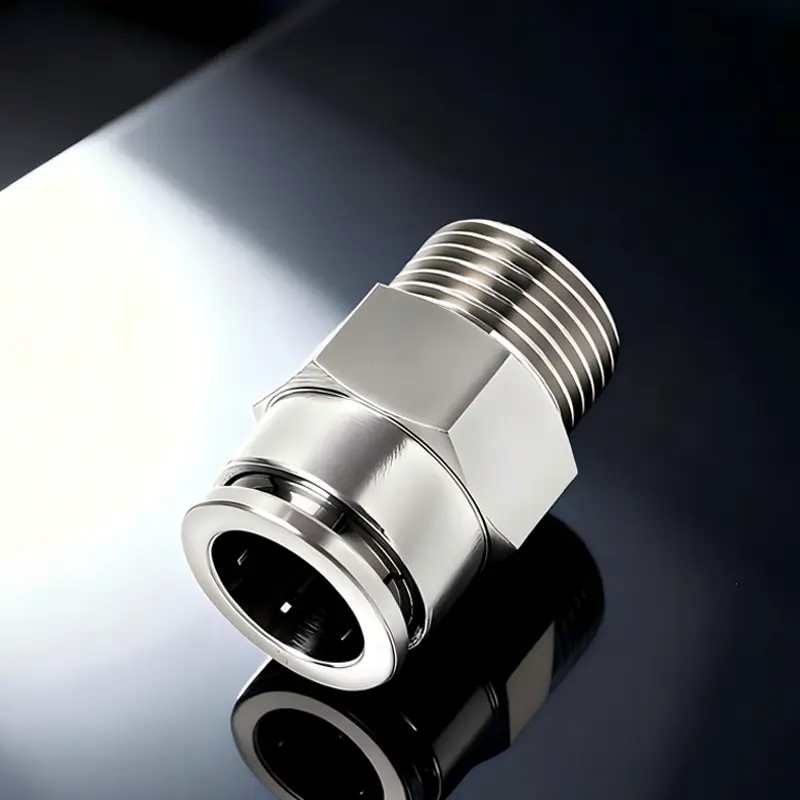
The reliability of a hose barb connection hinges entirely on two engineering components: precision geometry and metallurgical chemistry. A standard hose barb is designed to slip inside a flexible hose or tubing, with the barbs sloping backward to grip the inner lining. If the barb slope is too shallow, the hose can slip off under pressure spikes. If the edge is too sharp, it will slice the inner tube during thermal expansion, causing catastrophic fatigue failures.
NHPC engineers utilize advanced finite element analysis (FEA) to model barb geometries, adjusting the angles and pitch to accommodate various hose hardness values, from soft silicone to rigid polyurethanes. The transition zones are meticulously radiused to prevent stress concentration. Additionally, thread profiles (including Parallel G Threads, NPT, and BSPT) are machined to a high tolerance of class 6g/6H, ensuring tight engagement and uniform pressure distribution along the threads.
In terms of metallurgy, the selection of raw materials is paramount. Stainless Steel Grade 304 is the optimal solution for standard industrial applications, providing good mechanical properties and oxidation resistance. However, for highly corrosive environments (such as marine operations, high-chloride chemical lines, or food CIP washdowns), Grade 316 is mandated. 316 stainless steel contains 2-3% molybdenum, which radically enhances resistance to pitting and localized corrosion, ensuring long-term structural integrity.
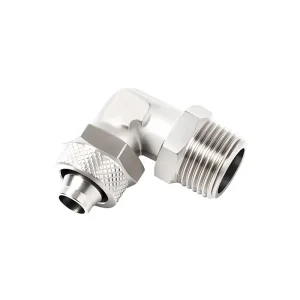
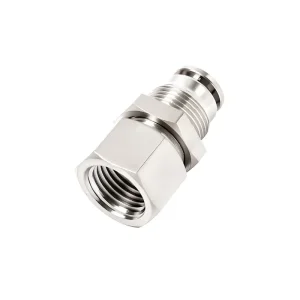
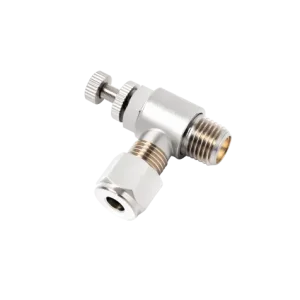
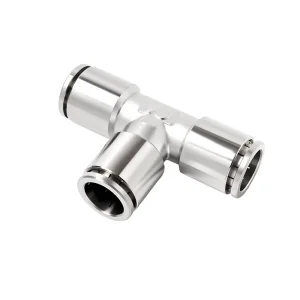
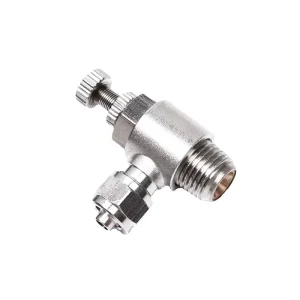
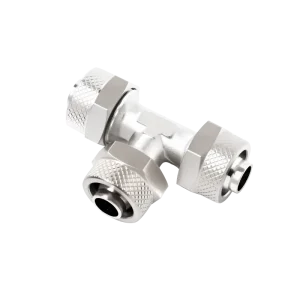
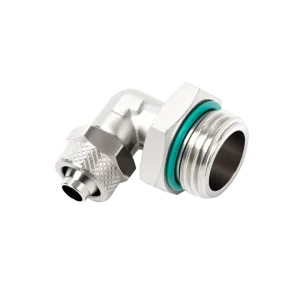
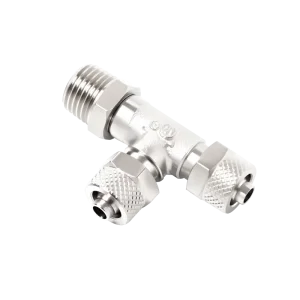
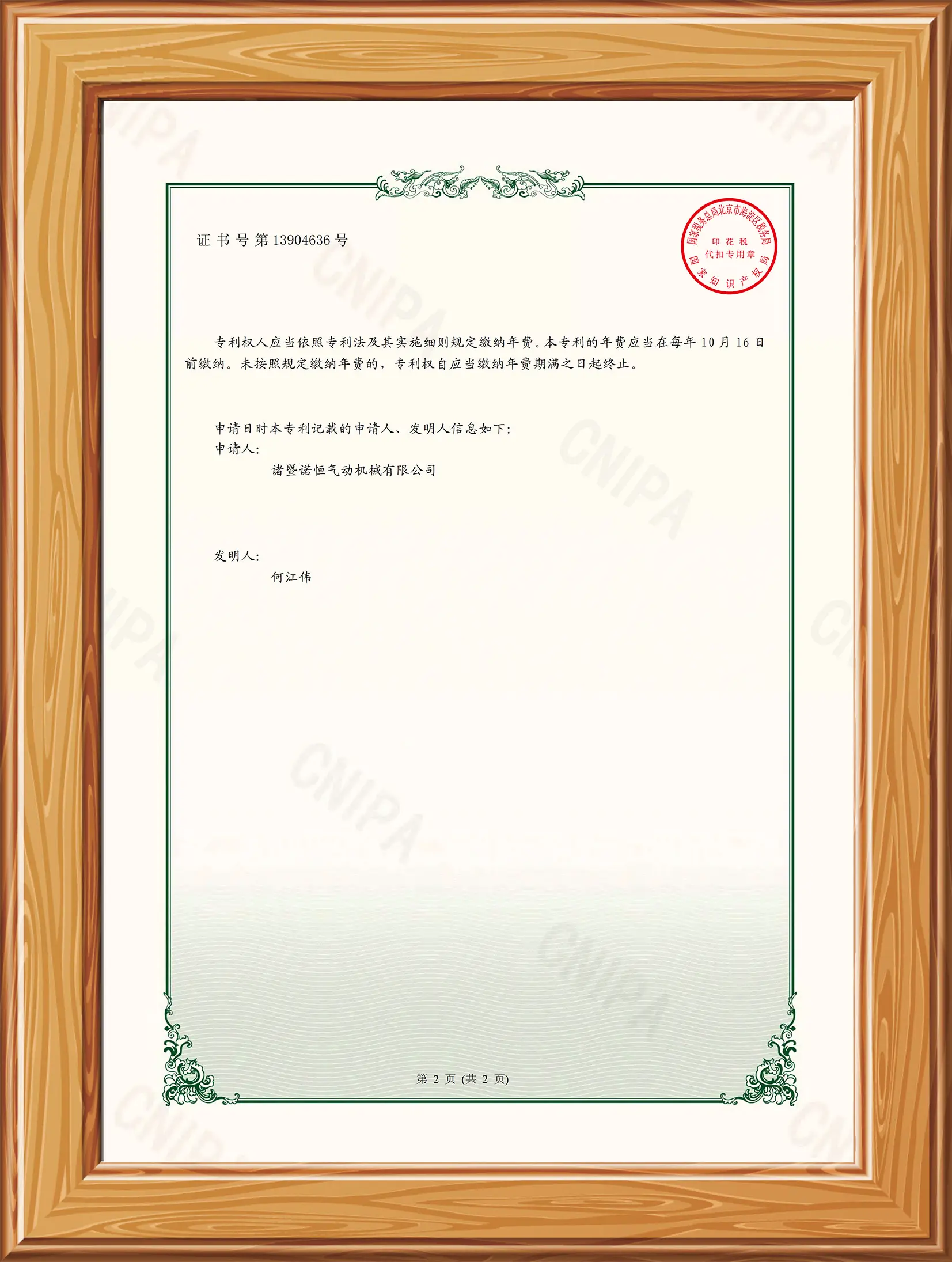
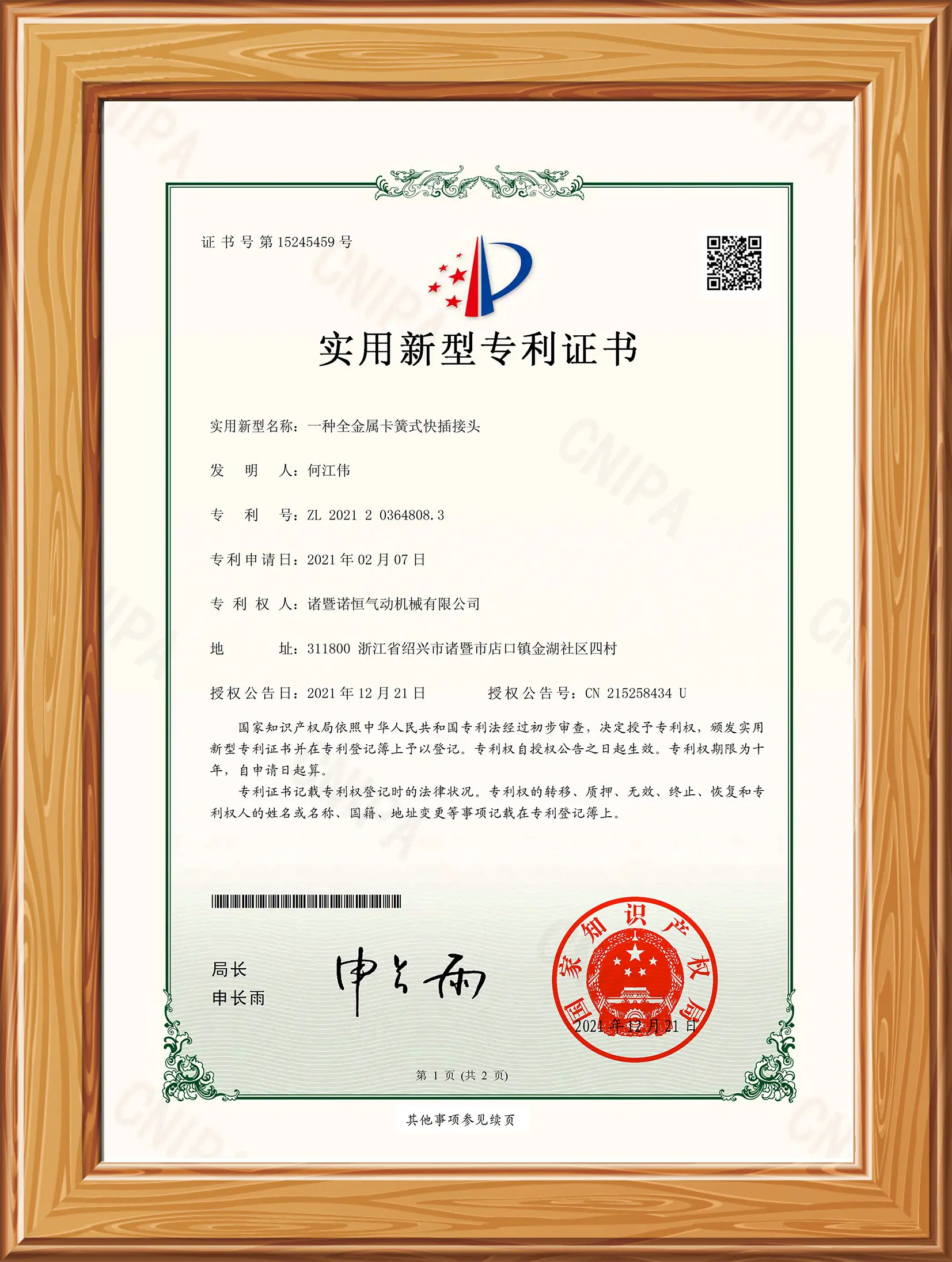
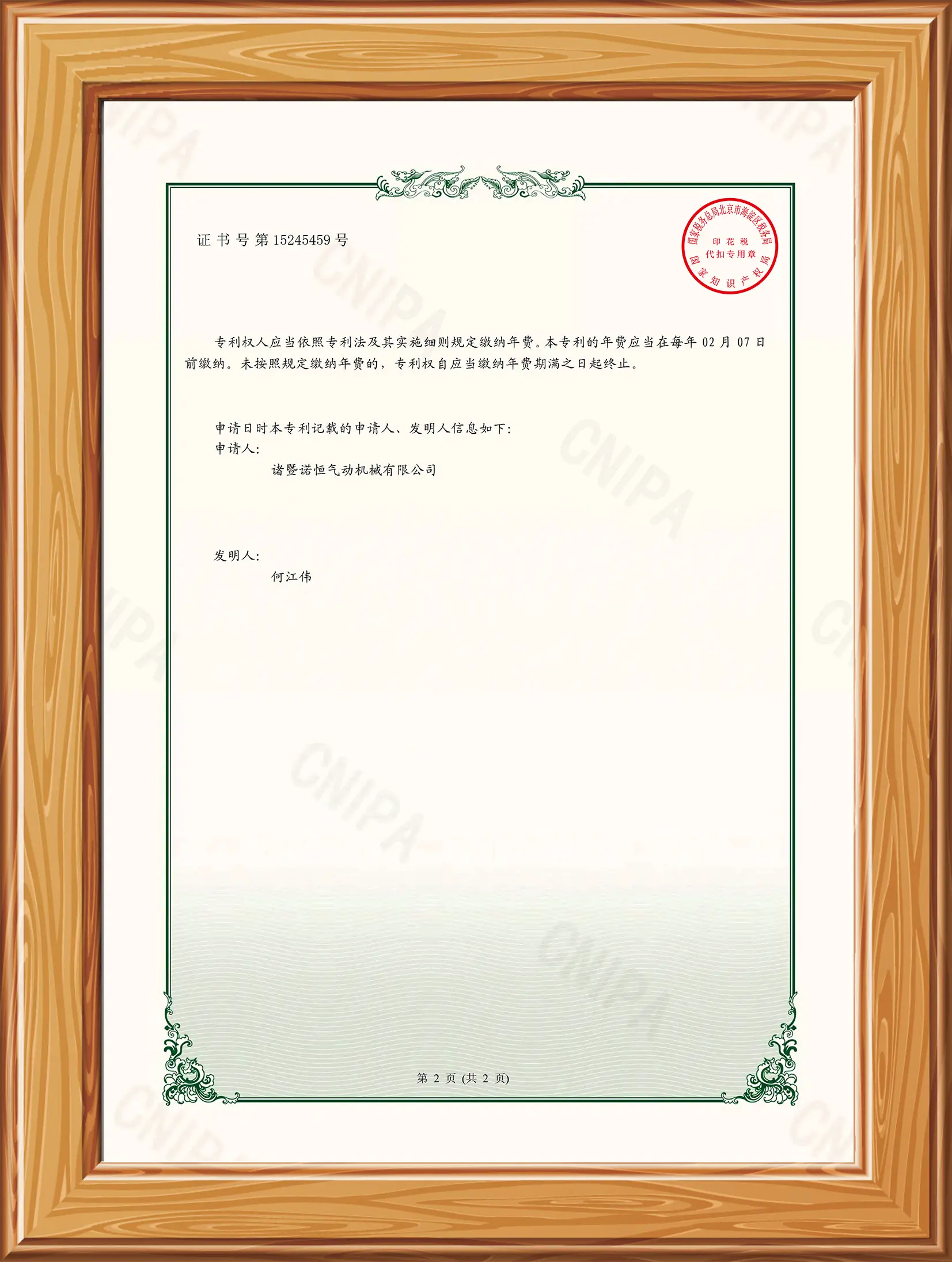
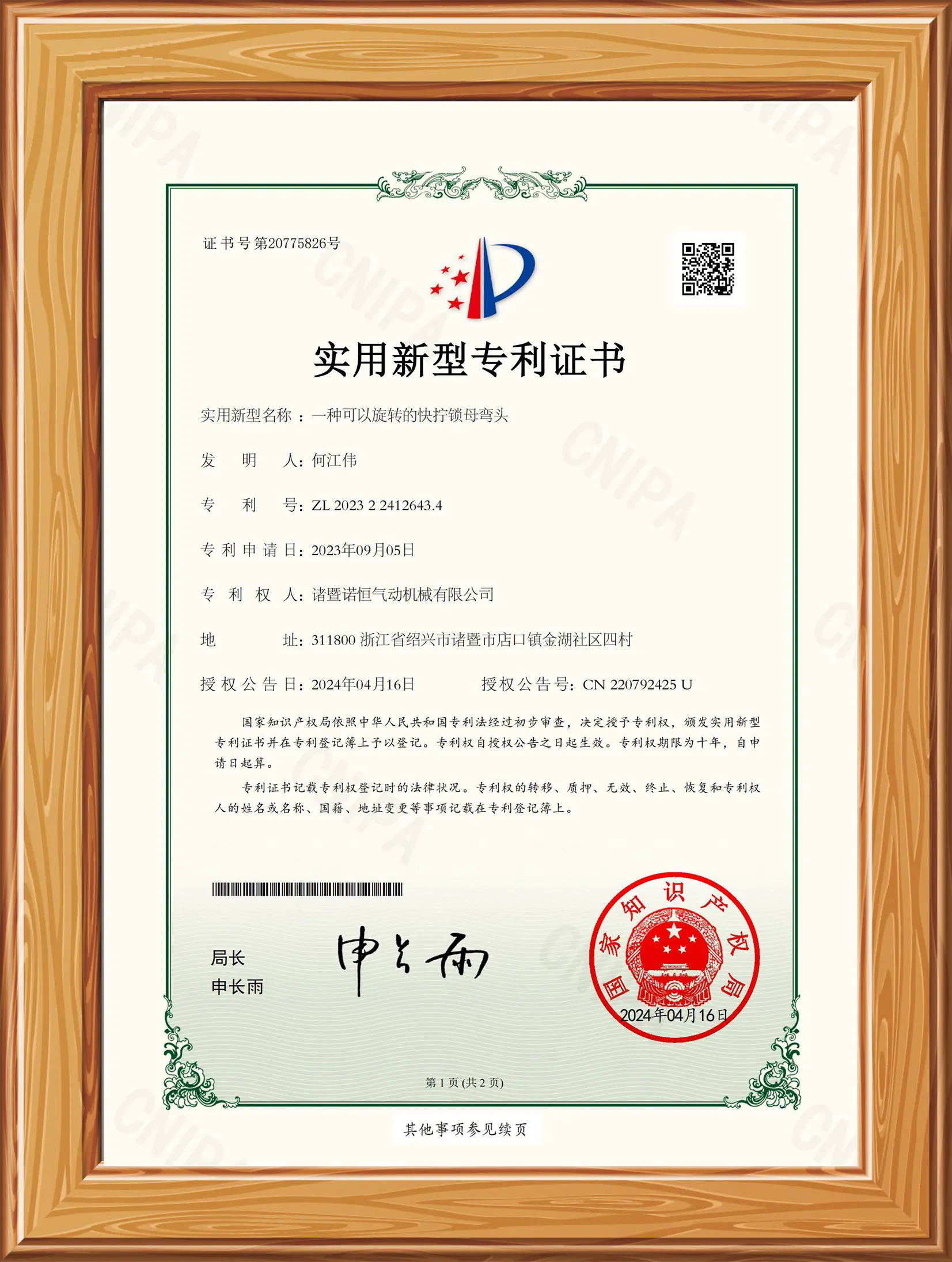
Established as a premier industrial manufacturer in the pneumatic sector, NHPC has carved out a distinct reputation for engineering excellence and supply chain reliability. With a rich corporate heritage stretching over 15 years, our growth path has been governed by one central goal: to revolutionize pneumatic automation systems and fluid connections by engineering products that exceed standard expectations for endurance and operating precision.
Headquartered in Zhuji, China, we operate an advanced production facility capable of custom machining, metal injection molding, surface preparation, stamping, and high-pressure testing. Our engineering teams have over 20 years of collective industry experience, which enables us to maintain design and testing integrity at every point in the development cycle. With an active pipeline of more than 40 new custom products developed annually, we remain at the forefront of the commercial fluid connection market, serving complex demands in green energy storage systems, automotive manufacturing, and chemical processing facilities worldwide.
Every single connector manufactured at our facility is put through a series of demanding checks. Automated visual dimension testers confirm geometry down to the micron. Our manufacturing floor utilizes advanced fluid simulation models to evaluate flow friction properties and structural integrity before high-volume runs commence. From raw materials selection through chemical analysis, dimensional verification, thread testing, and final packaging, NHPC maintains strict control over production quality, giving industrial operators complete confidence in their connections.
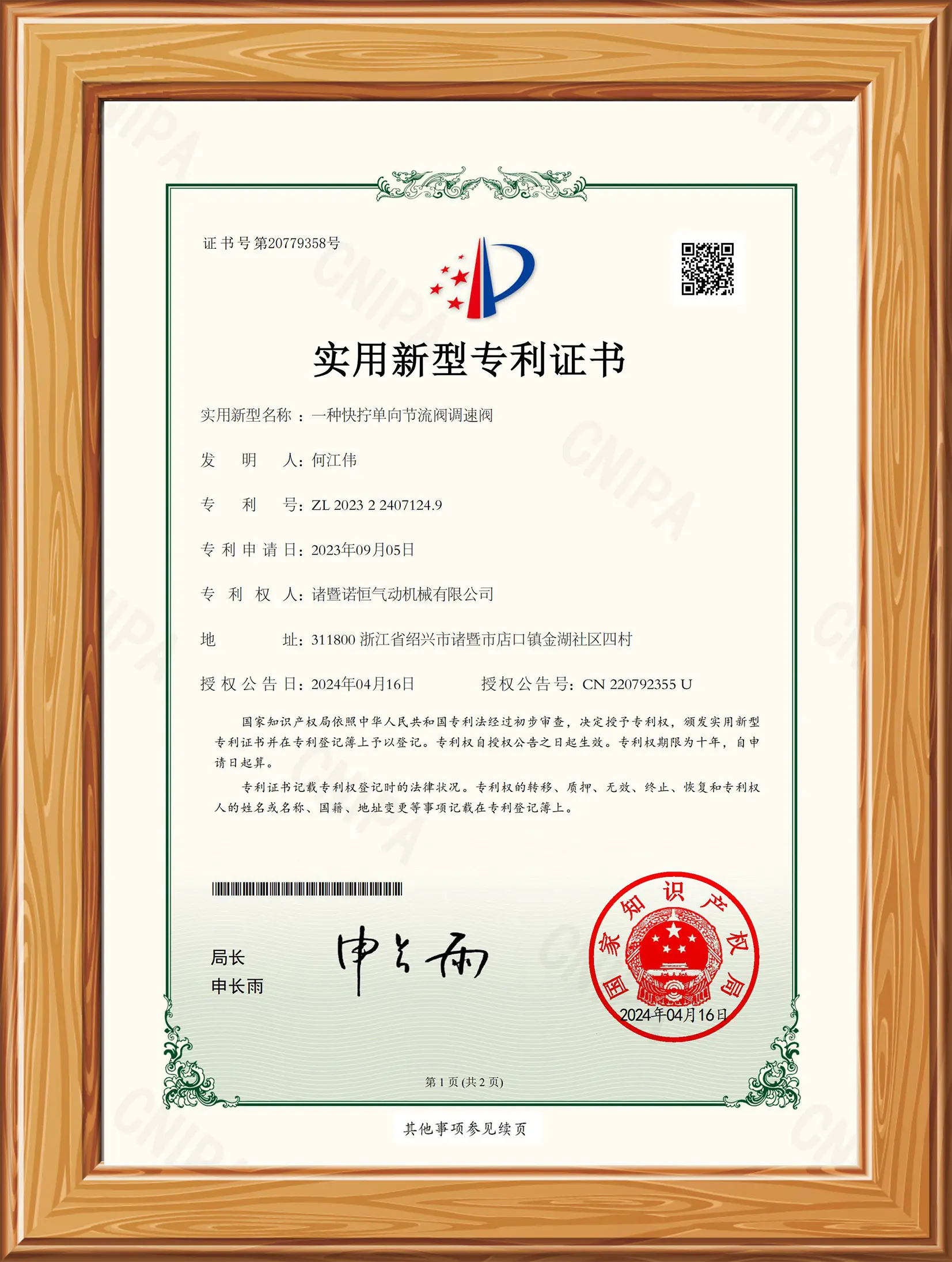
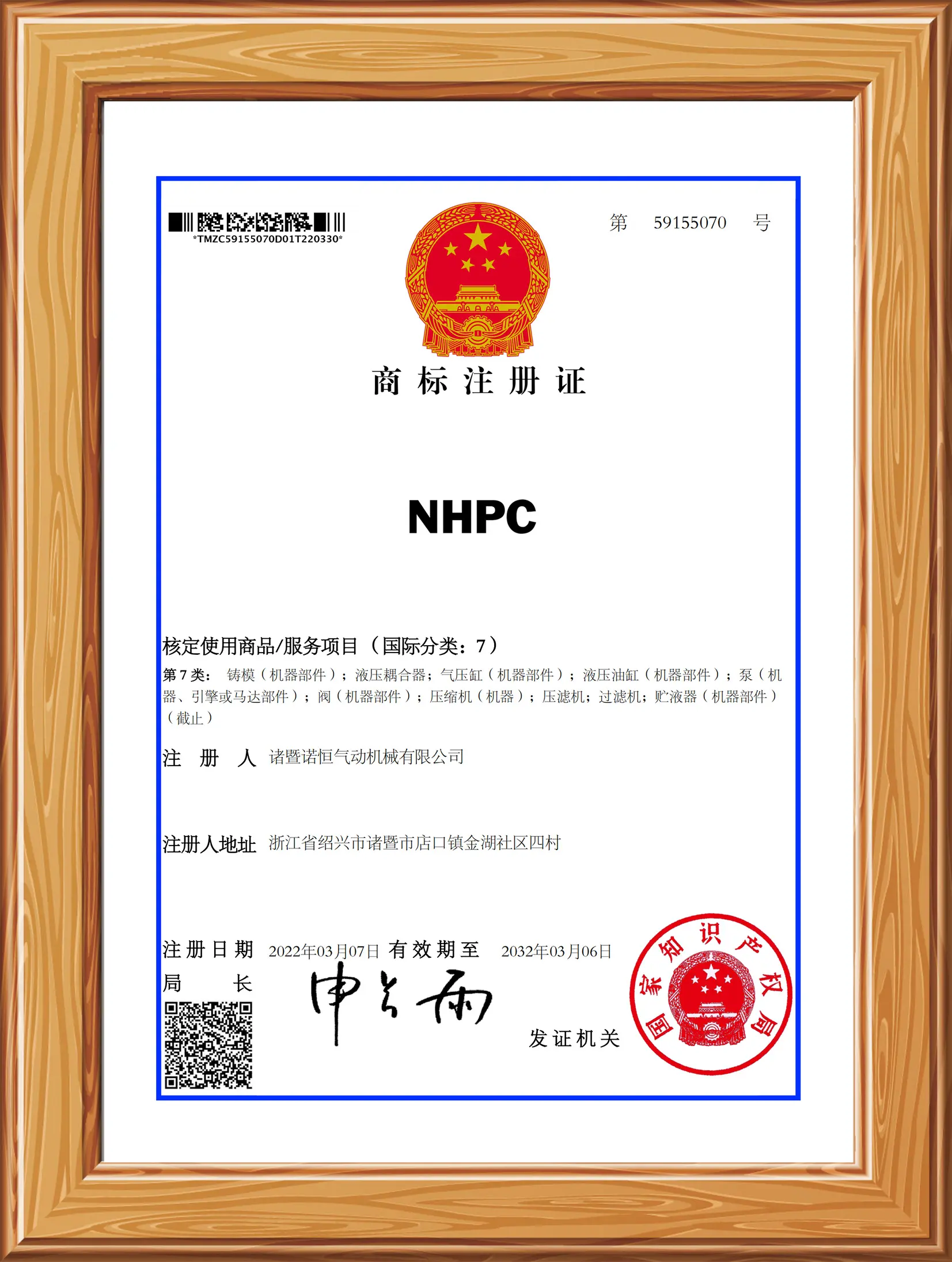
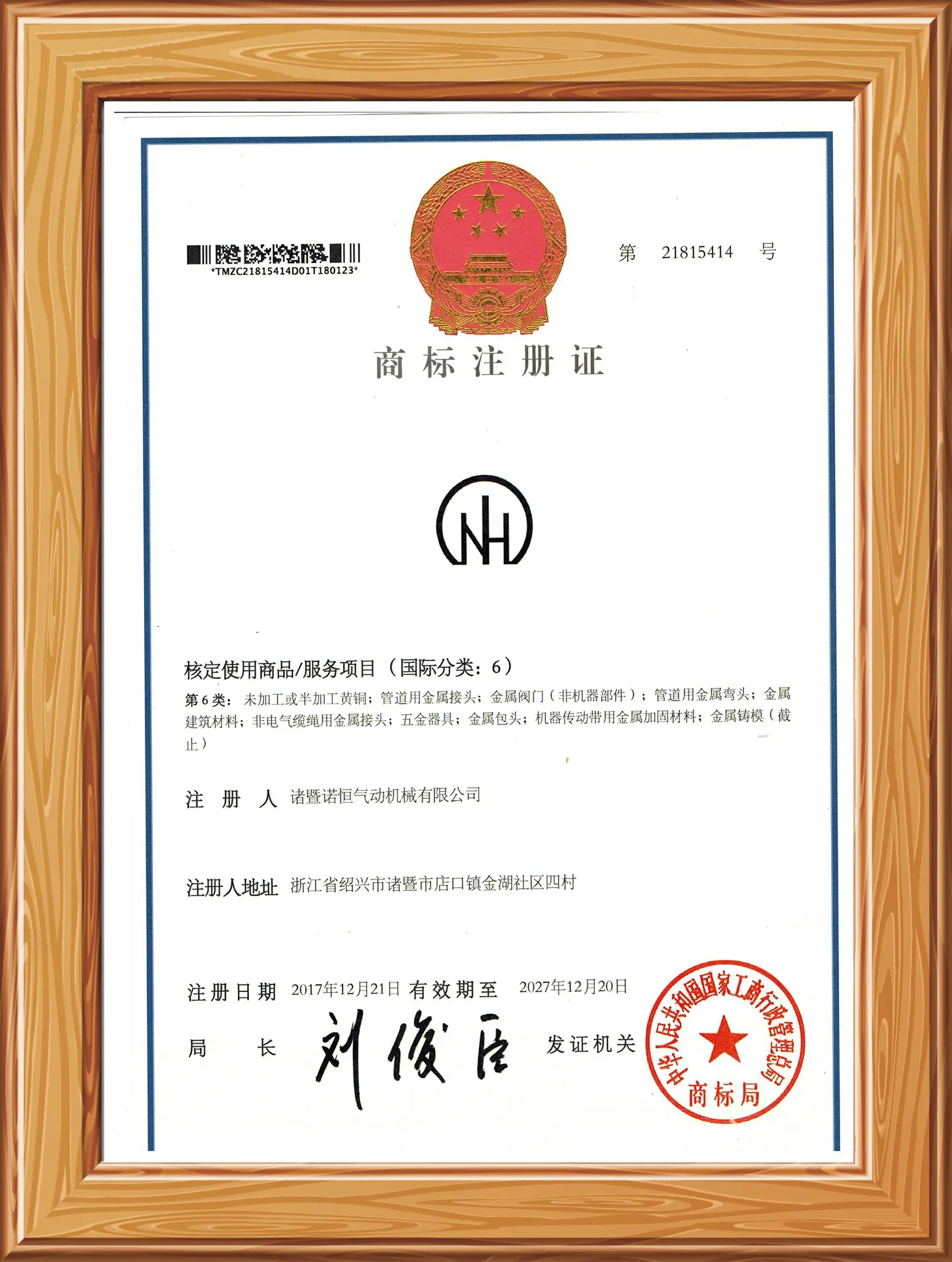
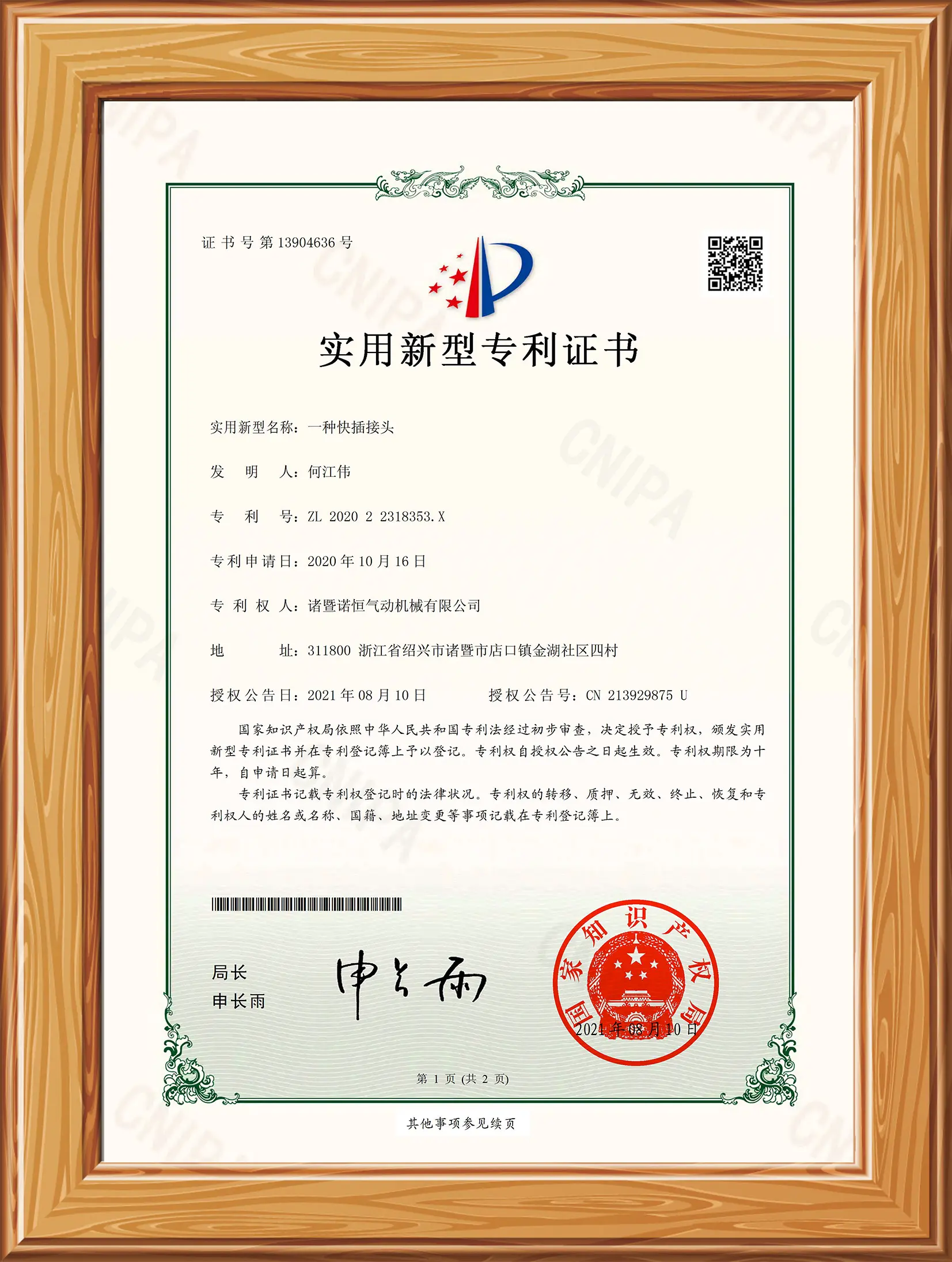
Operating a global supply chain requires strict compliance with diverse regional standards. Industrial systems in the European Union, the Americas, and the Asia-Pacific territory are governed by distinct standard regulations. A quality manufacturer must possess a complete understanding of these regulatory landscapes to ensure seamless integration.
All NHPC stainless steel fittings are manufactured to meet critical international specifications, including ISO 9001:2015 for quality management systems, and CE compliance for European safety requirements. For food, beverage, and medical packaging industries, we ensure our stainless materials conform directly to FDA CFR 21.177 requirements for fluid contact surfaces. Materials are processed using ultrasonic cleaning methods to clear any residual manufacturing oil and metal shavings, ensuring components are safe for sanitary installations.
Furthermore, in the automotive transport sector, our DOT air brake components undergo rigid pressure cycling, mechanical pull-off tests, and salt spray testing according to FMVSS 106. We supply complete material data documentation, material certificates (EN 10204 3.1), and chemical compliance certificates (RoHS & REACH), assuring global logistics networks and OEMs of complete safety and supply reliability.
 Nuoheng