 Nuoheng
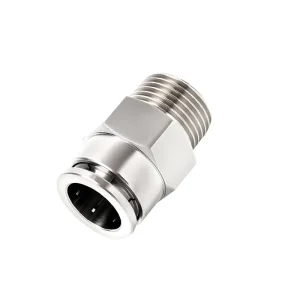
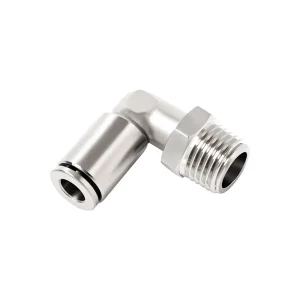
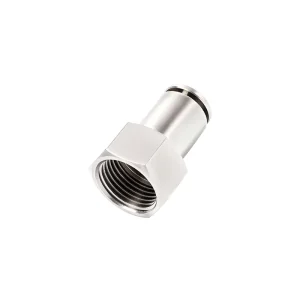
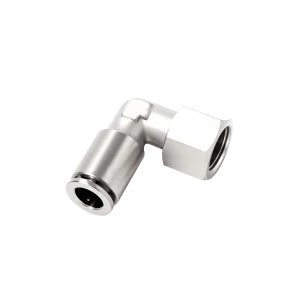
The Landscape of Industrial Automation & Pneumatic Systems in Canada
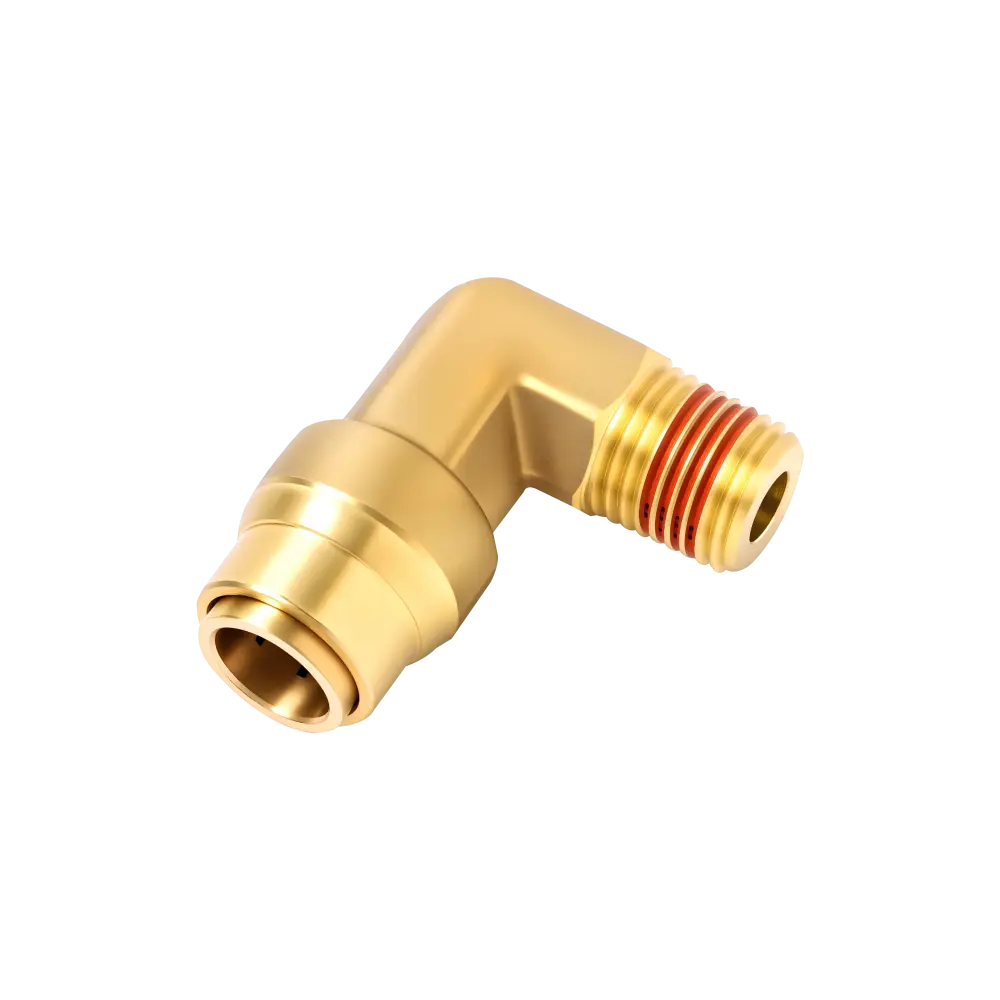
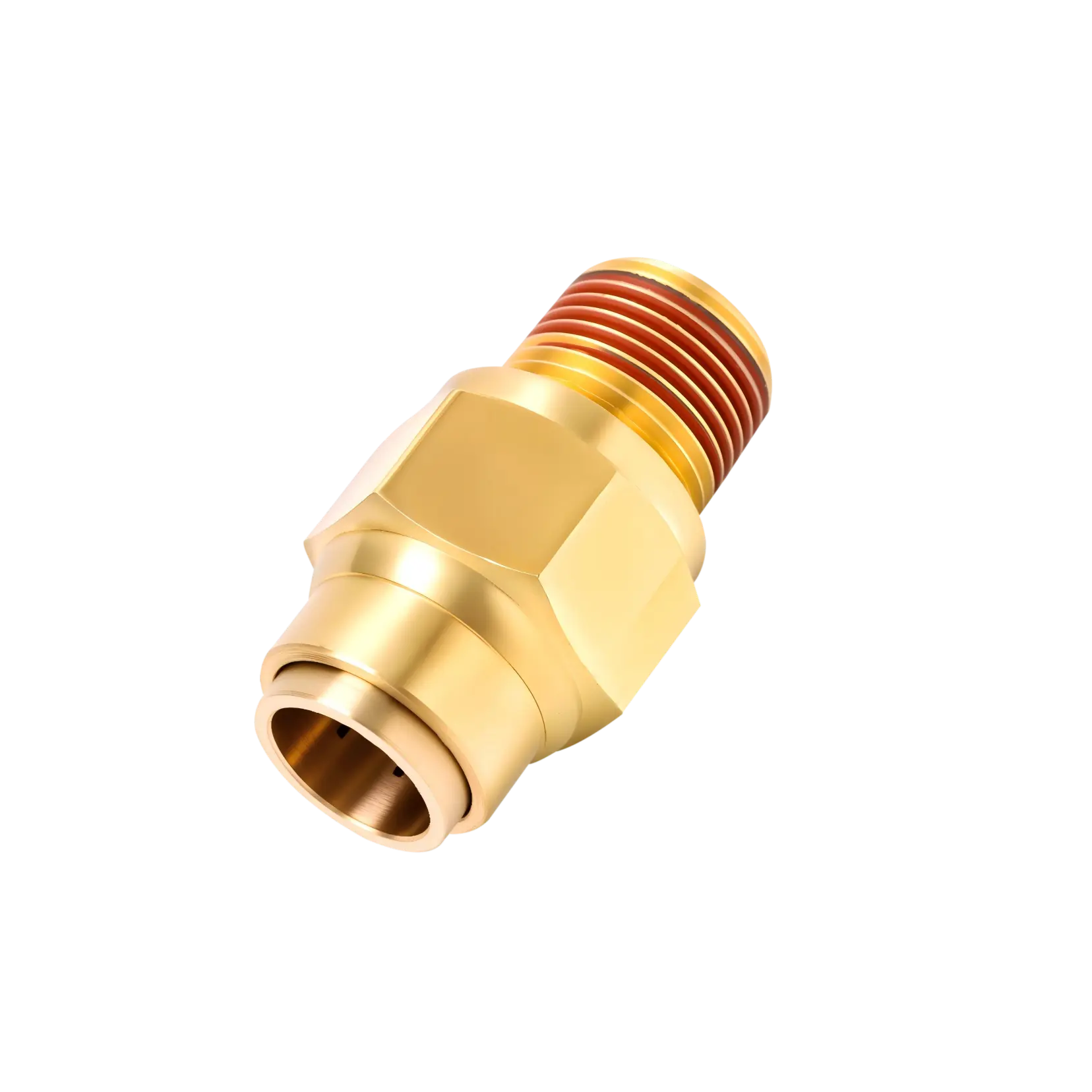
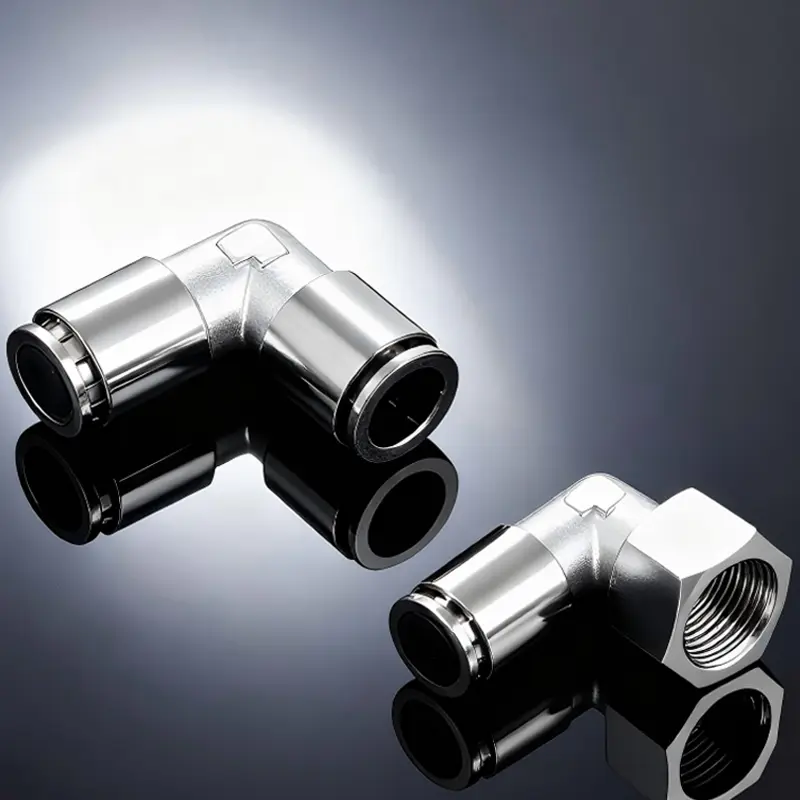
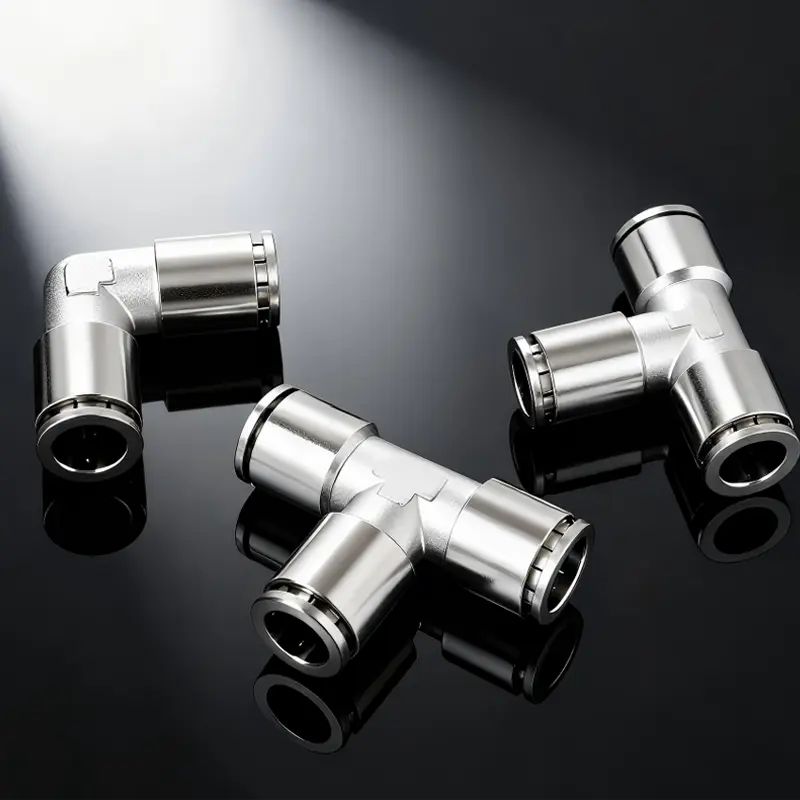
Canada’s industrial layout spans across vast territories and distinct sectors—ranging from the energy corridors of Alberta and British Columbia to the automotive assembly lines and battery gigafactories in Ontario and Quebec. This highly diversified economic backdrop demands robust and adaptive fluid power systems. Push-in fittings (also known as push-to-connect fittings) have emerged as the foundational component in modern pneumatic circuitry, replacing traditional compression systems due to their tool-free assembly, reduction of leak paths, and rapid maintenance turnaround times.
For Canadian manufacturing, forestry, oil and gas, food processing, and public transit systems, the reliability of pneumatic connections translates directly to uptime. Unlike milder climates, pneumatic components deployed in Canadian environments must endure sub-zero conditions reaching down to -40°C. Thermal contraction of polymer tubes and seals frequently triggers pressure drops, making it imperative to partner with a manufacturer capable of producing high-performance brass, stainless steel, and flame-retardant composite fittings.
Key Drivers of Pneumatic Innovation in Canada
- Rigid Environmental Performance: Pneumatic lines deployed in heavy-duty machinery, rail transport, and forestry equipment face extreme cold, demanding high-durability elastomeric O-rings (such as HNBR or Viton) and high-tensile collets.
- Accelerated Factory Automation: The Canadian manufacturing sector is digitizing and automating. The integration of collaborative robots (cobots), pneumatic actuators, and smart valve terminals requires lightweight, ultra-compact fittings like our mini-series and G-thread profiles.
- Transition to Renewable Energy: EV battery manufacturing in Ontario and energy storage facilities require specialized flame-retardant connectors (complying with UL94 V-0 standards) to ensure fire safety in battery thermal management loops.