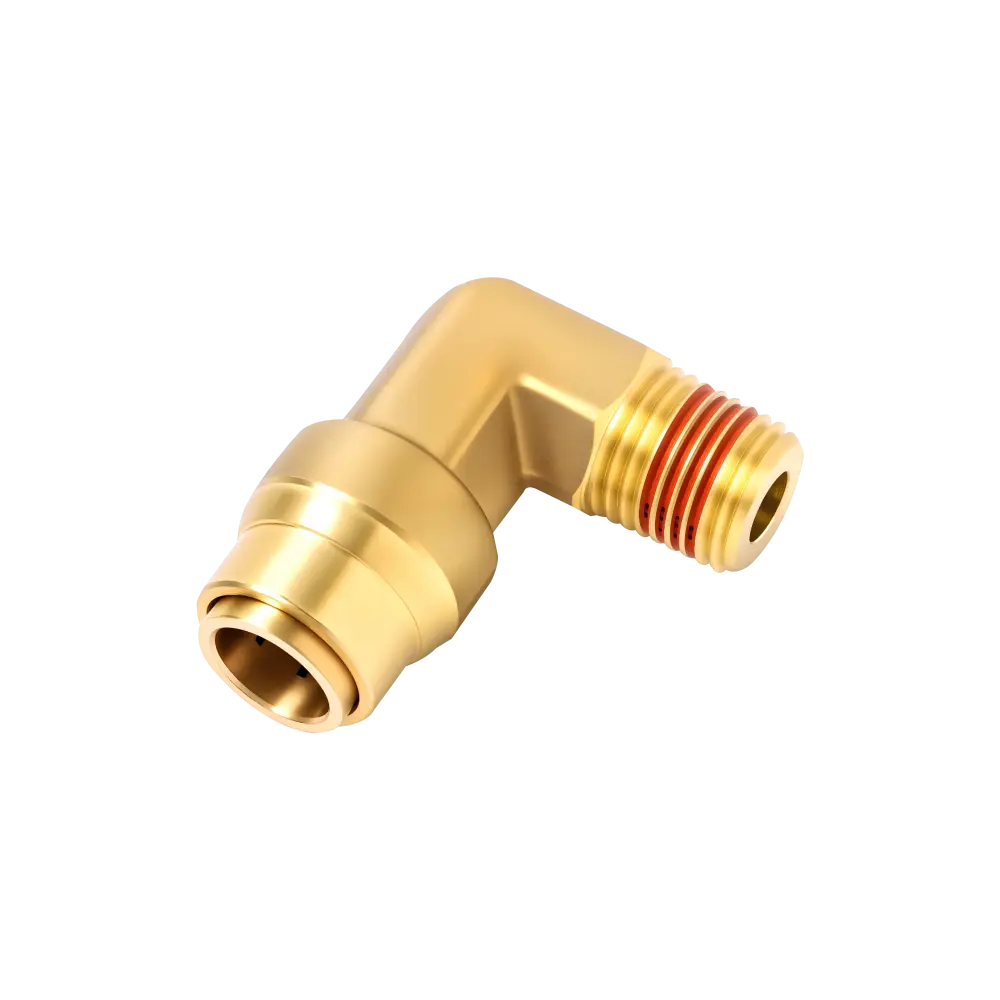
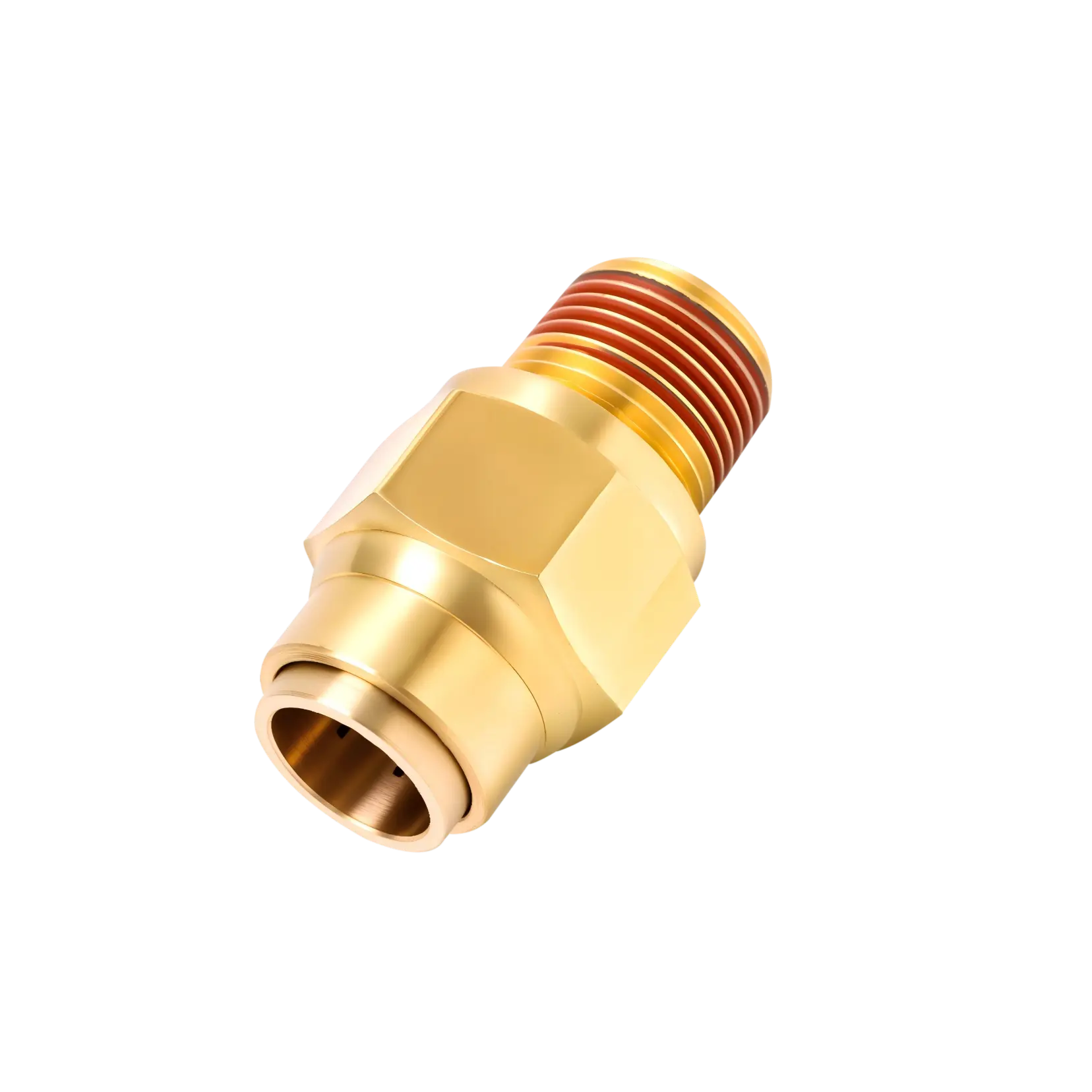
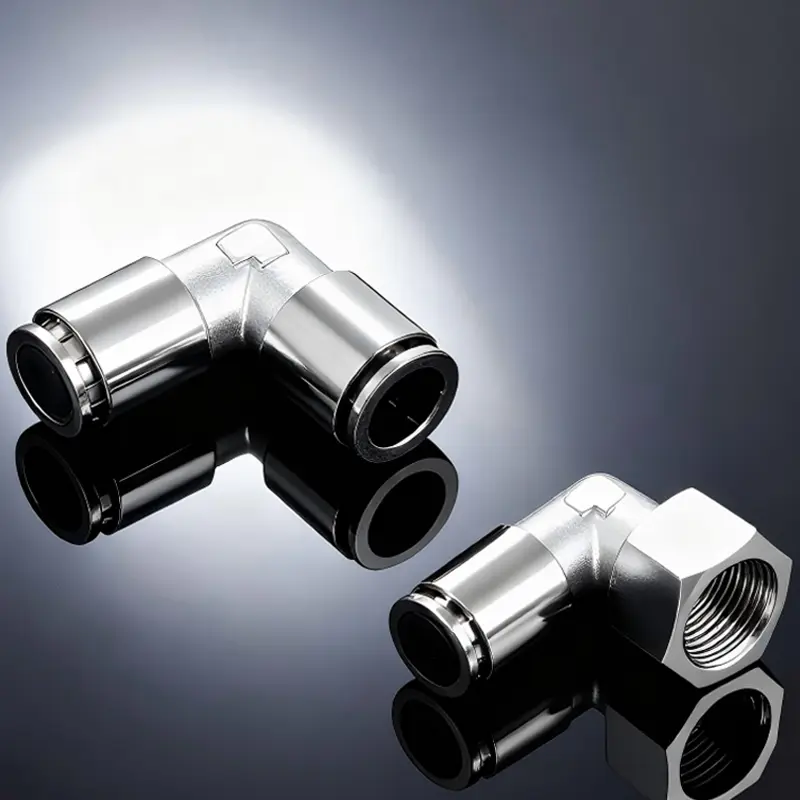
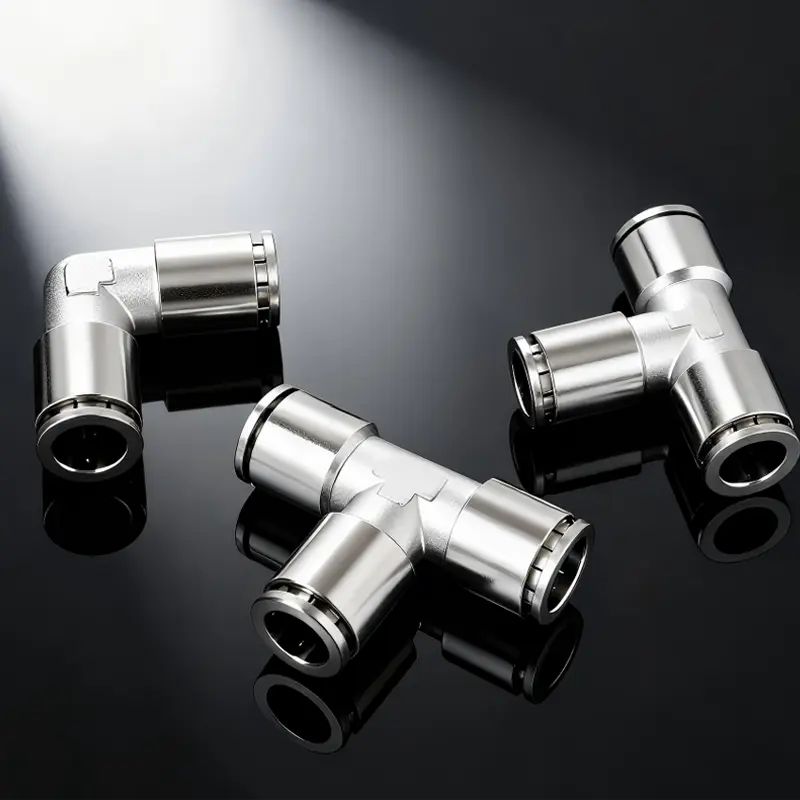
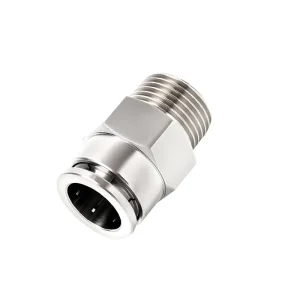
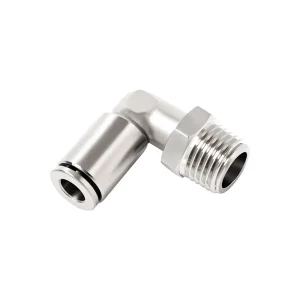
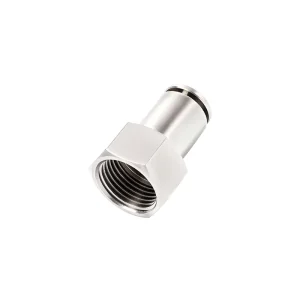
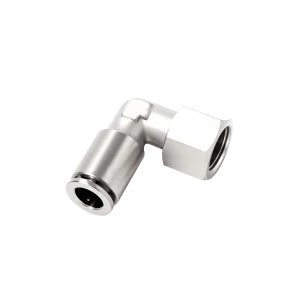
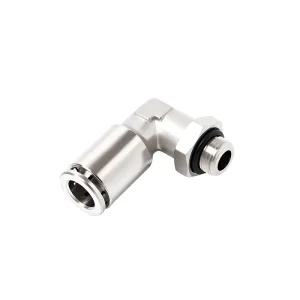
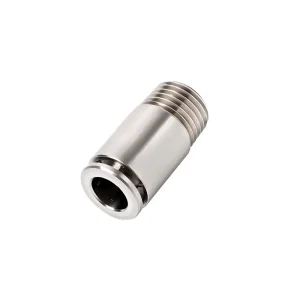
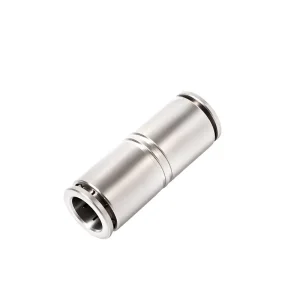
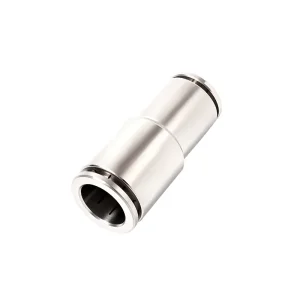
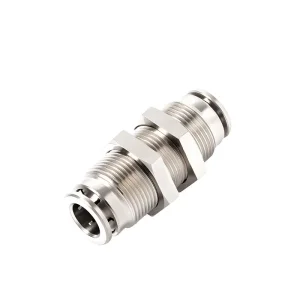
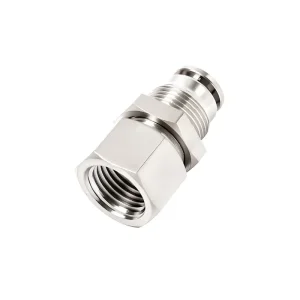
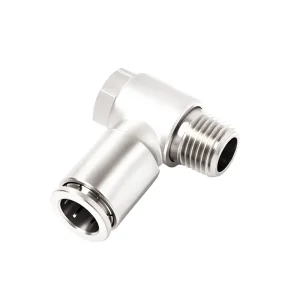
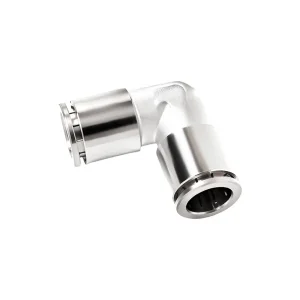
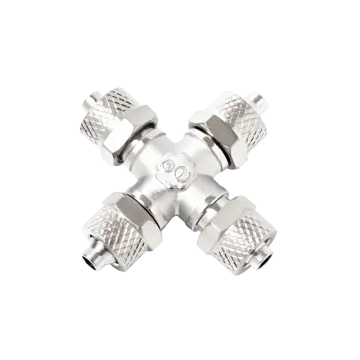
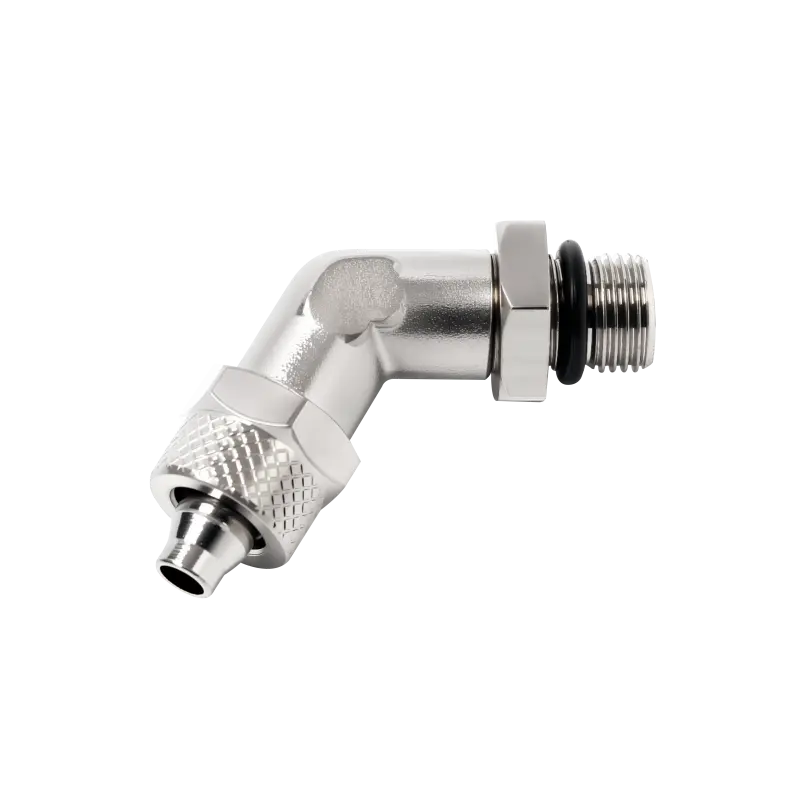
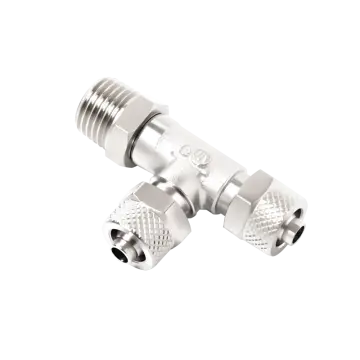
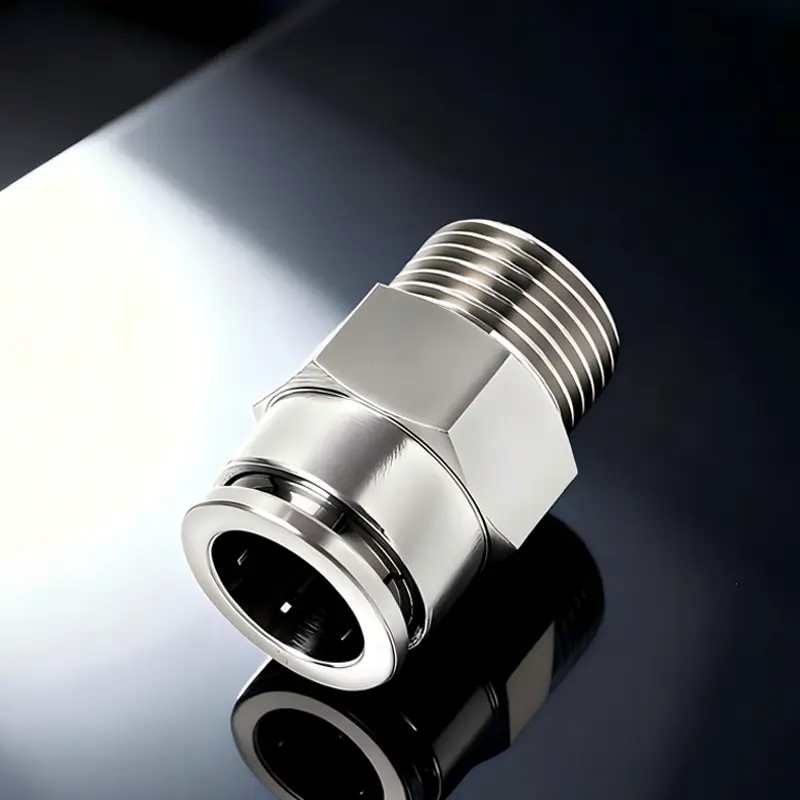
Designed to meet the extreme weather and mechanical stresses of New Zealand's dairy, heavy vehicle, and energy storage infrastructure projects. Fully compliant with local regulatory benchmarks.
The industrial landscape of New Zealand is undergoing a massive shift towards automation, predictive maintenance, and energy efficiency. Historically reliant on localized tooling and mechanical linkages, sectors such as dairy processing, seafood packaging, viniculture, and forestry are now deploying state-of-the-art pneumatic circuits to optimize output. At the center of this transformation lies the humble but vital push-in pneumatic fitting. Often referred to as "push-to-connect" fittings, these components have replaced traditional compression fittings due to their speed of installation, tool-free connection, and reliable sealing mechanics under extreme environmental pressures.
This document serves as an industry whitepaper, examining the core dynamics between international manufacturing standards (predominantly rooted in high-tech Chinese factories like Nuoheng Pneumatic) and the localized demands of the New Zealand industrial market. We explore how local environment challenges—ranging from coastal salinity to strict hygienic regulations (MPI standards)—dictate the composition of the push-in fittings utilized in Kiwi factories.
Did you know? In an average New Zealand manufacturing facility, leaks in the compressed air line system account for approximately 20% to 30% of the total electricity consumption. By integrating precision-manufactured composite and brass push-in fittings, companies can reduce air leakage rates down to less than 1.5%, providing immediate OEE (Overall Equipment Effectiveness) gains and reducing overall carbon footprints in line with New Zealand's net-zero targets.
Unlike dense manufacturing hubs in East Asia or Western Europe, New Zealand’s industrial landscape is highly decentralized, characterized by specialized boutique operations, extensive primary industries, and heavy transport networks that bridge the geographical gap between the North and South Islands. This environment poses specific engineering challenges for push-in fittings:
To address these stringent requirements, local New Zealand distributors and OEMs are partnering with global factories that possess highly automated manufacturing lines. The relationship between New Zealand's dynamic demand and Chinese high-precision production represents a vital axis of industrial growth.
Factories like Nuoheng Pneumatic Machinery Co., Ltd. (NHPC) combine over 15 years of technical expertise with high-precision surface treatments, CNC lathes, injection molding, and testing machines. By managing everything in-house—from design and material formulation to assembly and QC—NHPC guarantees that pneumatic fittings delivered to Christchurch, Hamilton, or Dunedin match or exceed the performance of traditional European brands, but at a more competitive cost structure. This enables Kiwi system designers to keep pipeline project budgets lean without compromising on system integrity.
Years of Engineering Experience in Pneumatics
Highly Skilled Technical Staff & QC Experts
Annual New Product Patents and Designs
NHPC fittings are deployed in various environments across New Zealand. Here is how our pipeline systems support local businesses.
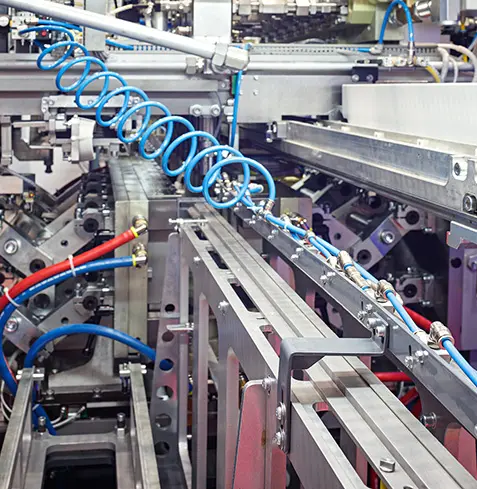
Integration of high-grade PC straight female fittings in clean milk packaging operations, reducing system pressure drop and chemical washdown decay.
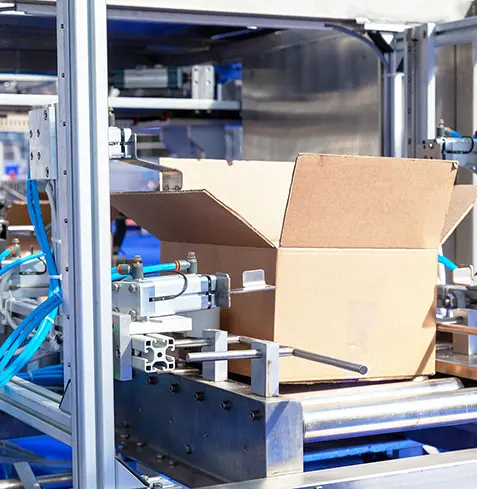
Heavy-duty universal elbow joints installed in automated sorting bays. Withstands continuous vibration and wood dust ingress.
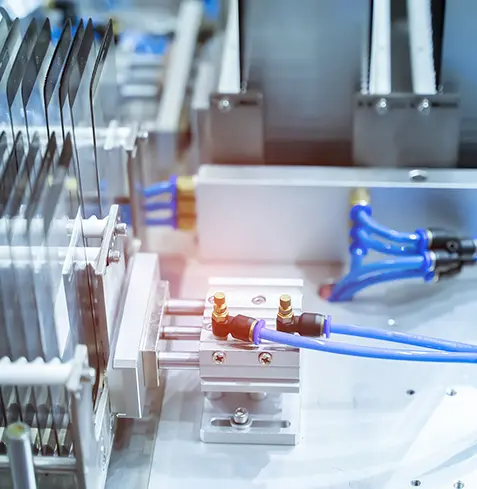
Anti-corrosive brass G-thread fittings utilized for marine instrumentation lines. Delivers robust defense against saline atmospheres.
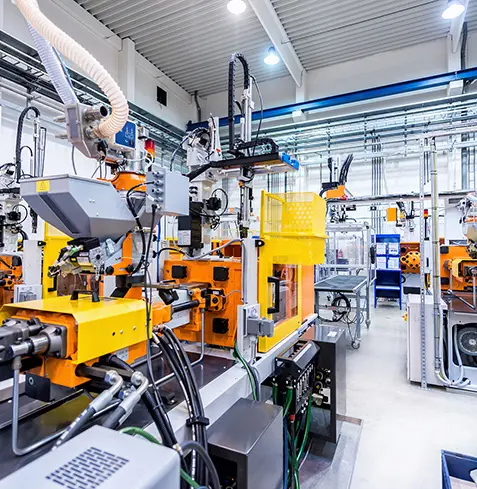
Deployment of flame-resistant PE and PLF lines in fire protection architectures for next-gen green energy farms.
Welcome to NHPC, a leading manufacturer in the pneumatic industry with a rich history spanning over 15 years. Our journey began with a simple but powerful vision: to revolutionize the pneumatic industry by delivering high-quality, innovative, and reliable products that meet the ever-evolving needs of our clients. Today, we are proud to stand as a trusted name in the industry, serving a diverse range of customers across the globe.
We specialize in the design, development, and manufacturing of a comprehensive range of pneumatic products. Our portfolio includes push-in fittings, push-on fittings, pneumatic valves, quick connectors, PU pipes, hydraulic components, and custom engineering design services. Each component is engineered with precision, ensuring optimal performance, durability, and efficiency.
From raw brass chemistry and engineering CAD designs to custom dynamic pressure testing, NHPC provides end-to-end solutions. We ensure that our shipments to New Zealand meet all local transit, customs, and performance criteria.
Take an inside look at our automated production line and testing laboratories.
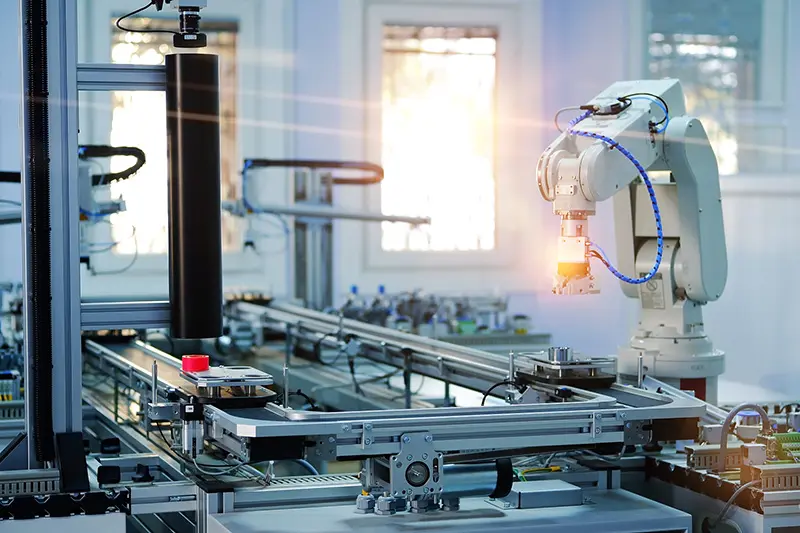
We leverage deep pneumatic system architecture experience to provide cost-effective, high-reliability connection mappings for custom machinery.
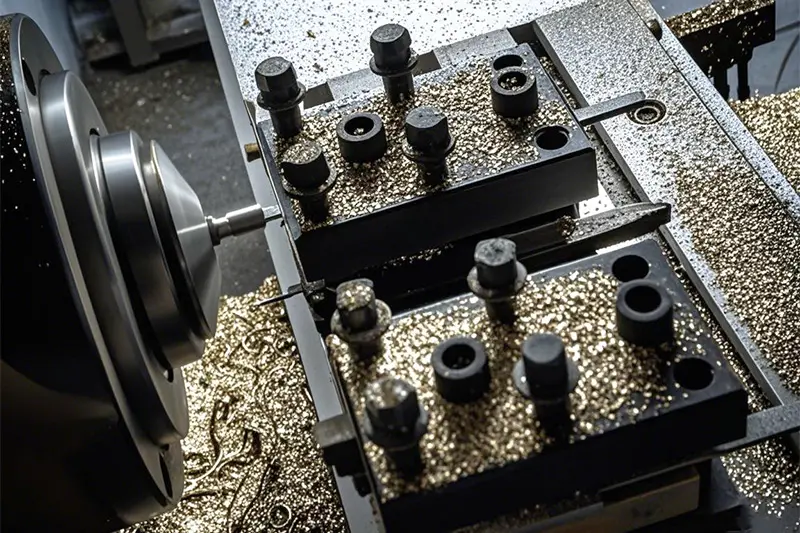
Equipped with high-precision surface treatment lines, multi-axis CNC machines, stamping, and dynamic molding presses to maintain zero-defect standards.

Dedicated field engineers are ready to assist with sizing, custom configurations, prototyping, and swift after-sales technical query resolutions.
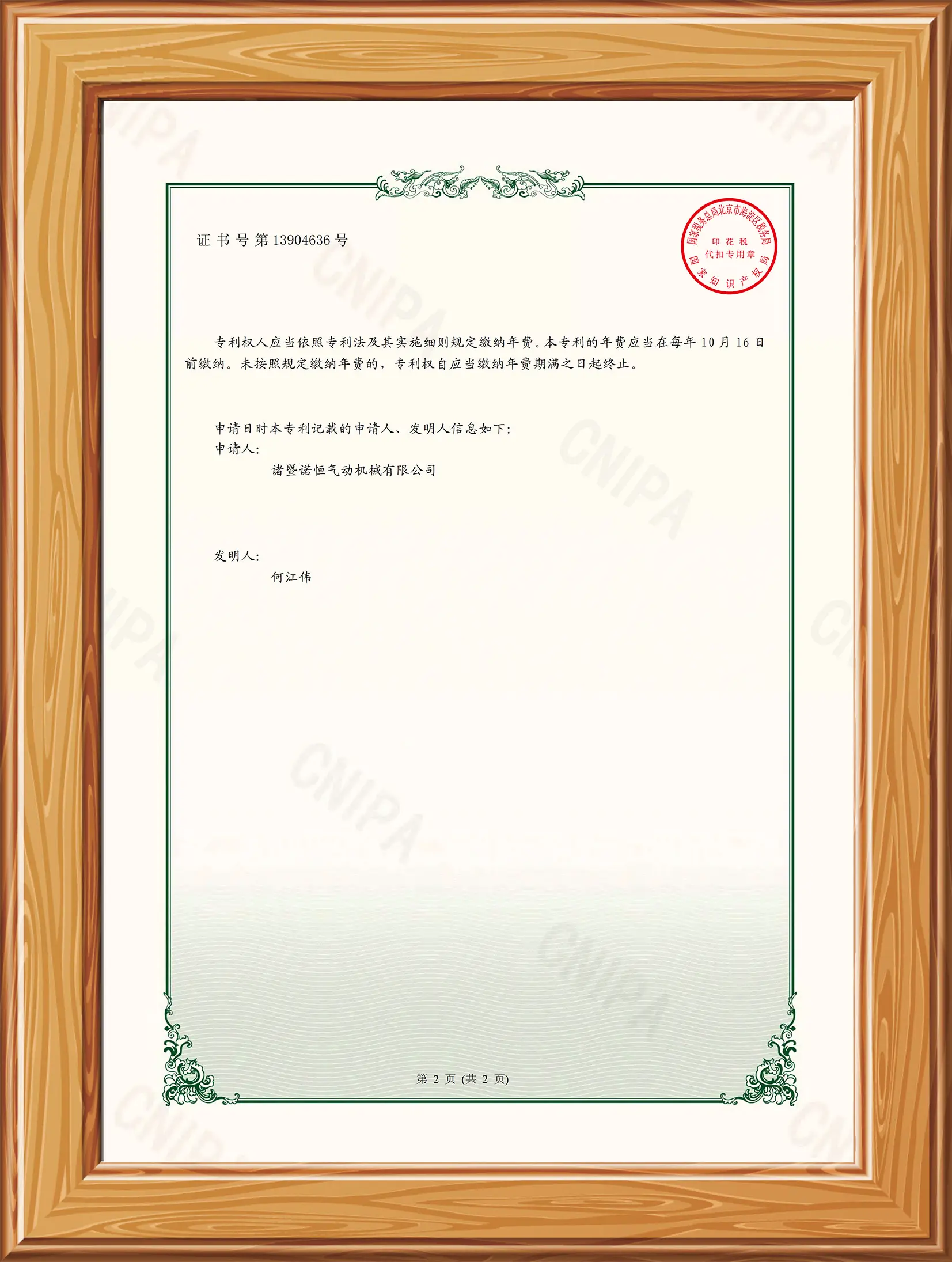
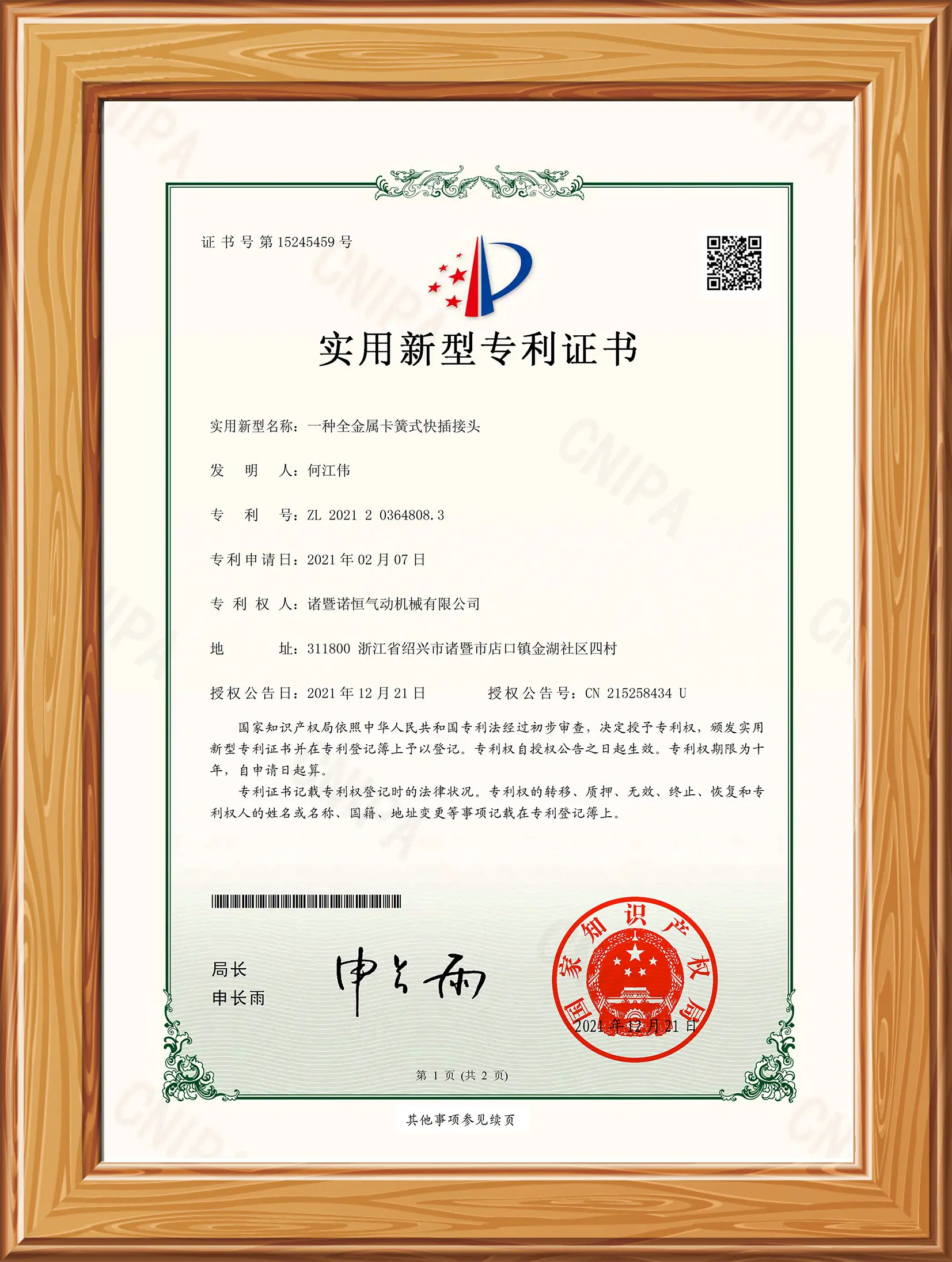
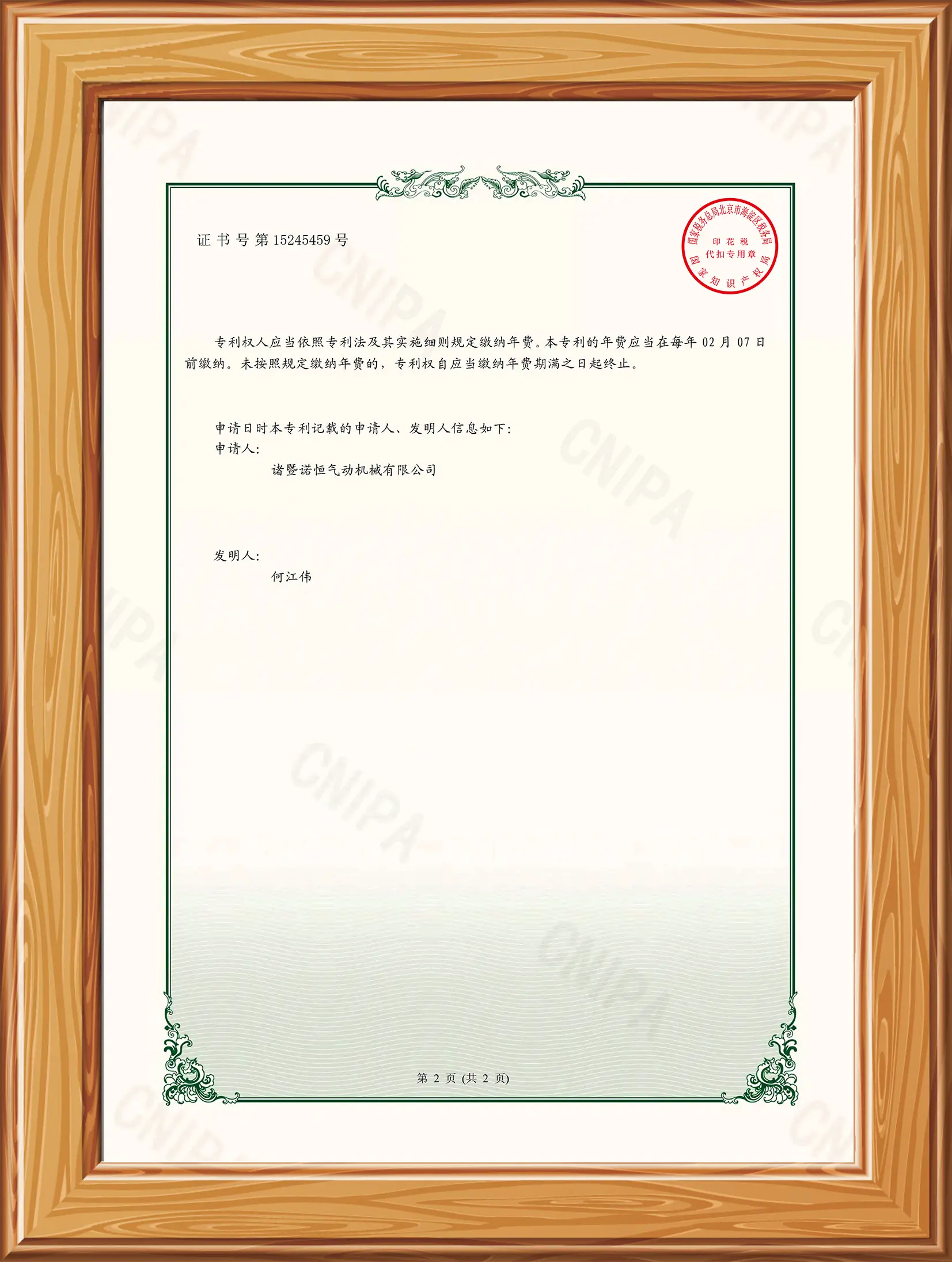
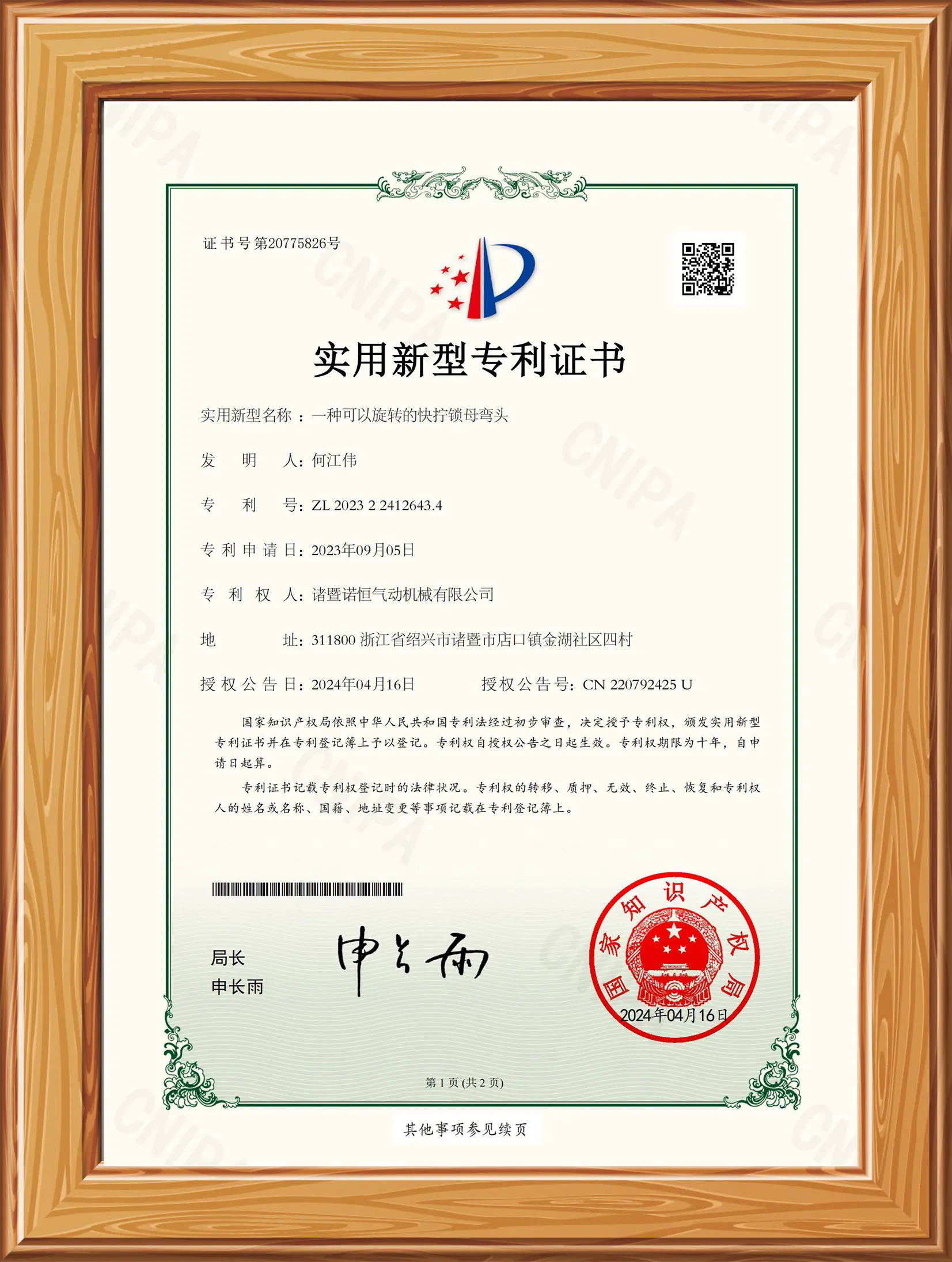
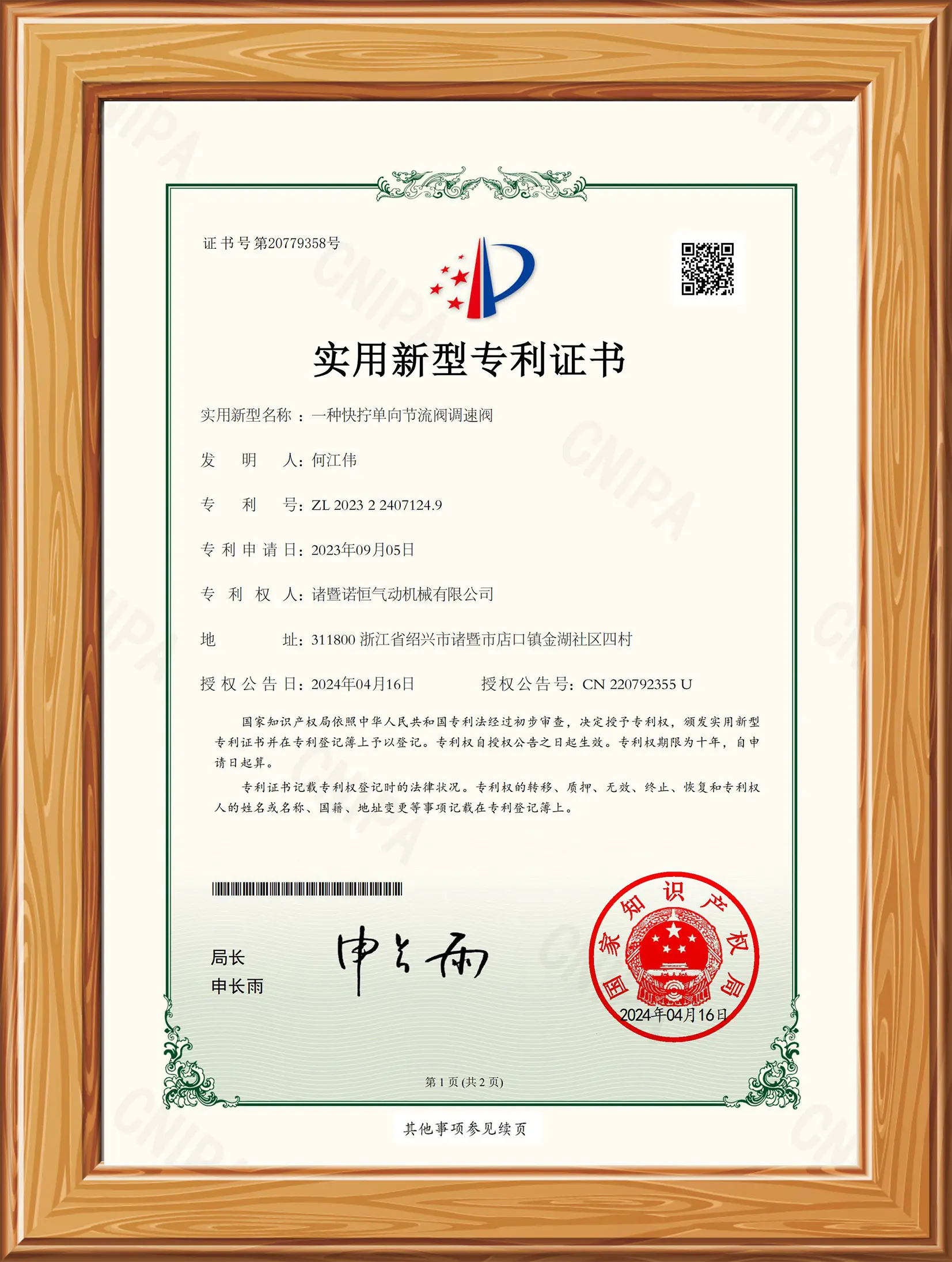
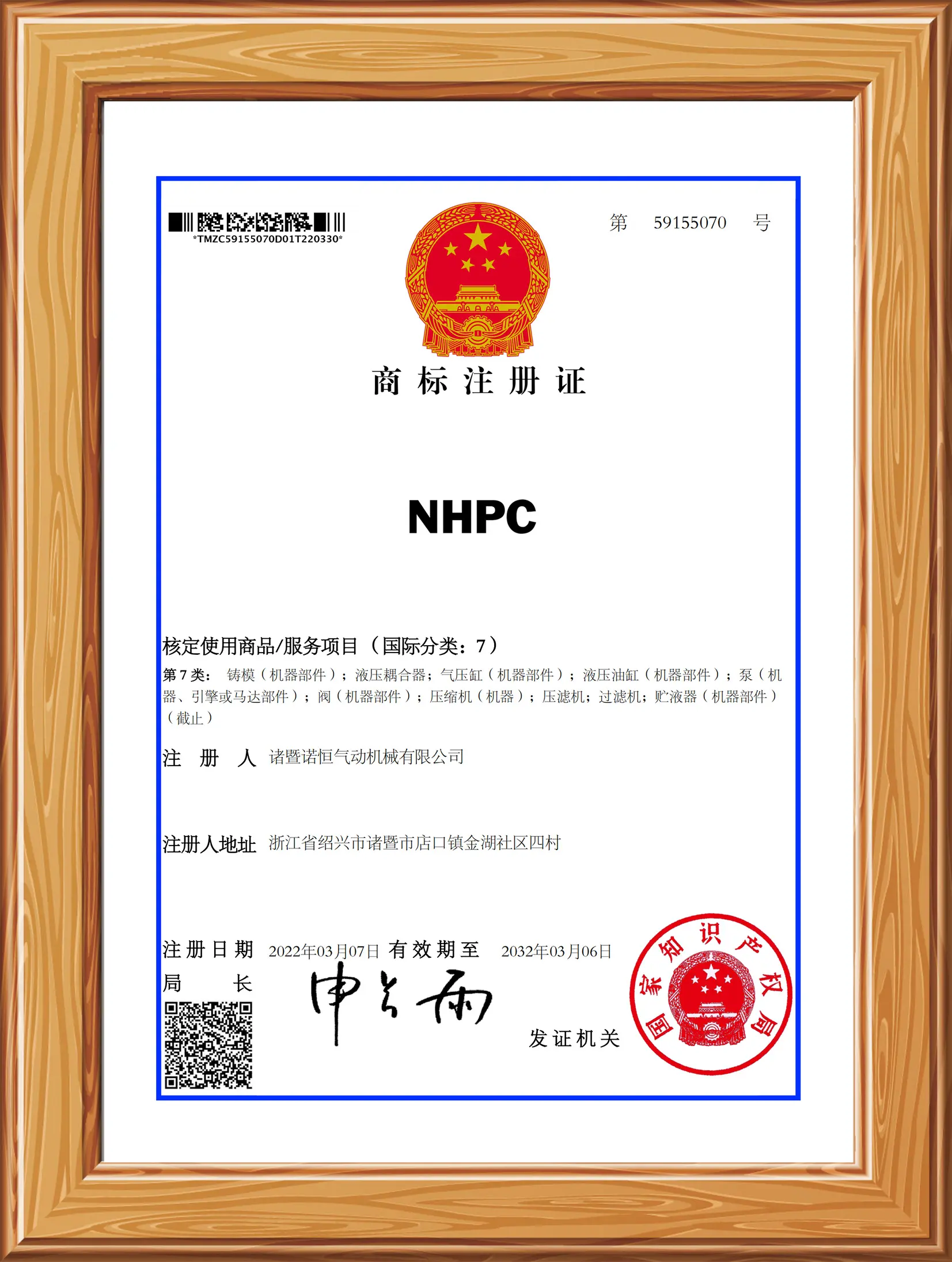
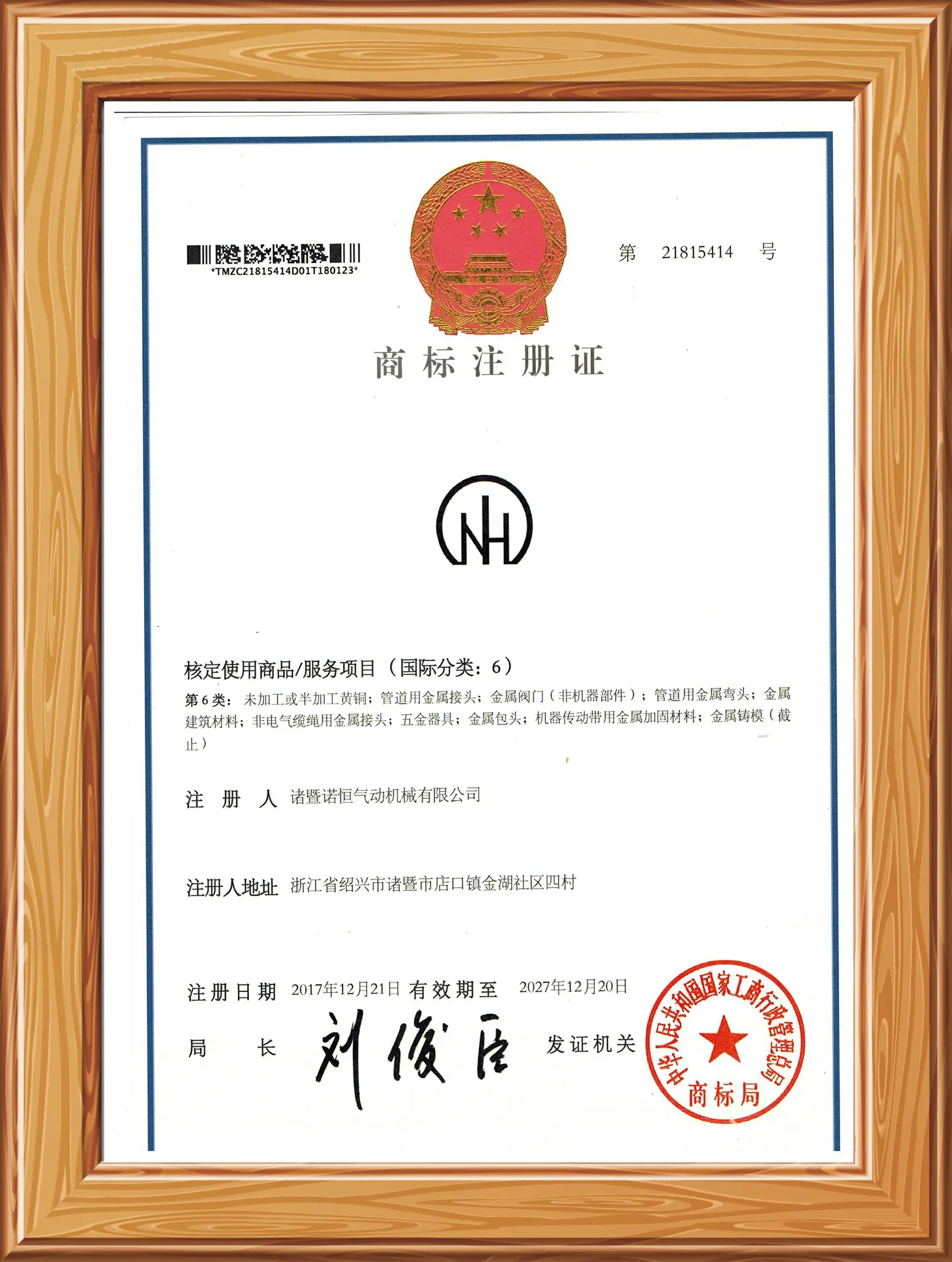
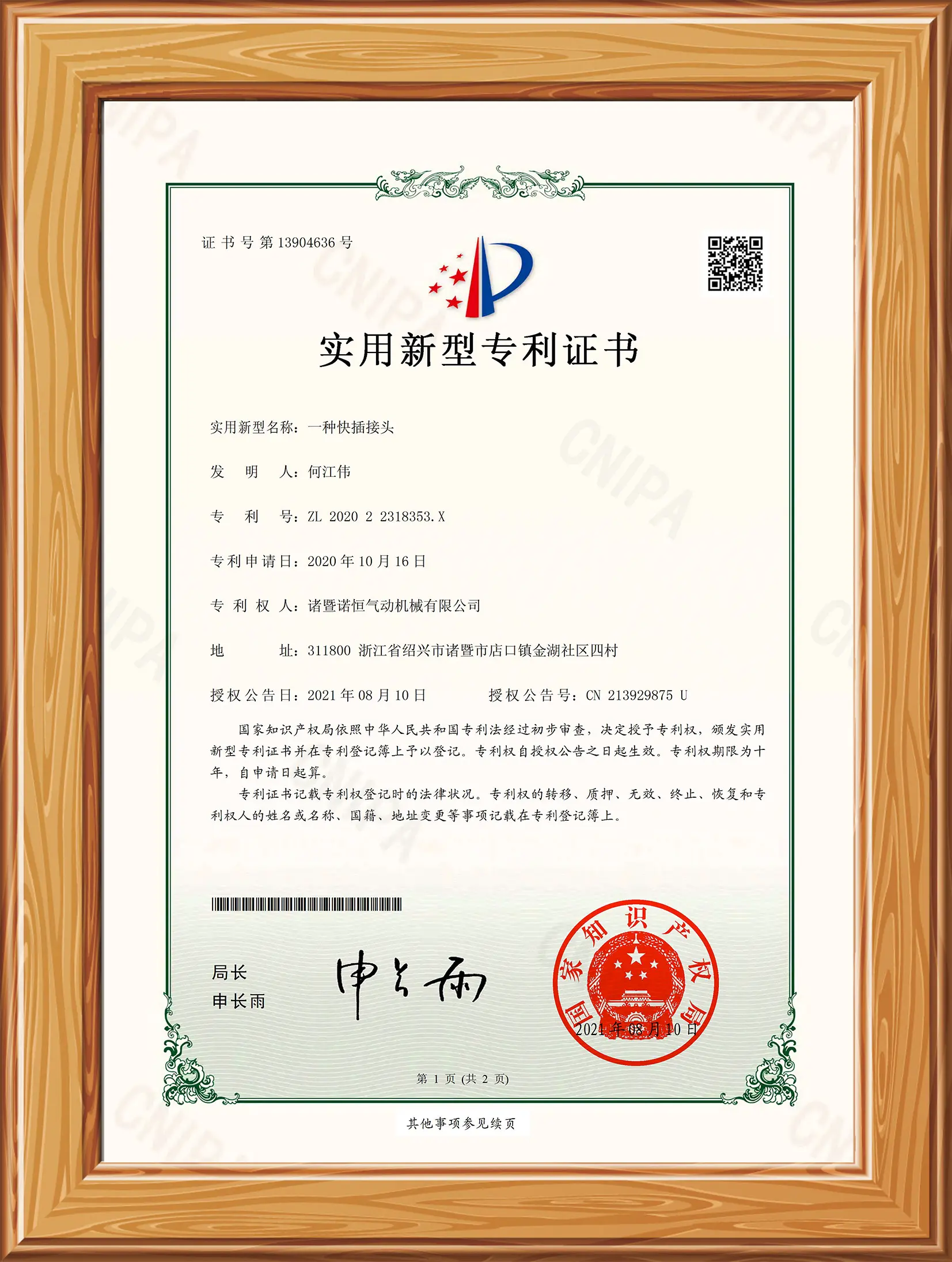
Our products are verified across global testing institutions, ensuring absolute compliance with safety and operational guidelines in New Zealand. Our manufacturing facility holds certifications that enable seamless integration into critical environments.
As the concepts of Industry 4.0 and IIoT (Industrial Internet of Things) gain ground in New Zealand’s automation sectors, the roadmap of pneumatic system components is evolving fast. The focus is moving from simple connections to smart, sensor-integrated, and highly modular fluid control networks.
Future installations in high-throughput dairy and beverage plants are moving toward smart fittings equipped with integrated micro-sensors that measure pressure drop, temperature deviations, and micro-leakage points in real-time. This telemetry data feeds directly into PLC units, signaling predictive maintenance before system pressure drops affect production output.
New Zealand’s environmental standards require manufacturing assets to minimize environmental footprint. The next generation of NHPC push-in products features highly recyclable bio-based polymers that maintain mechanical integrity up to 15 bar, along with non-toxic chemical properties suitable for direct contact with food and beverage lines.
To counter the extreme salinity of New Zealand’s maritime zones, NHPC is deploying advanced chemical plating processes, including Electroless Nickel Plating (ENP) and high-density passivation coatings for brass and stainless steel components. This prevents structural degradation and ensures longevity in harsh marine environments.
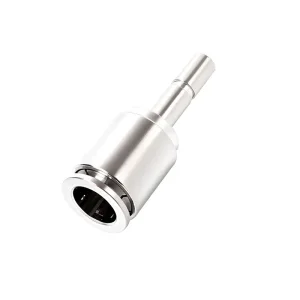
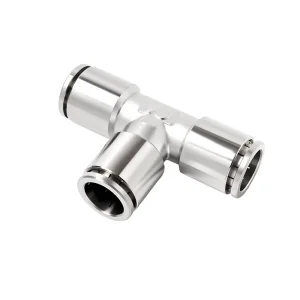
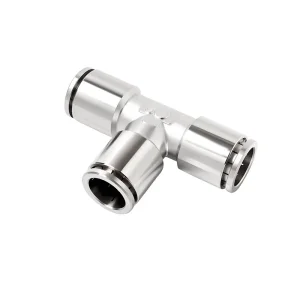
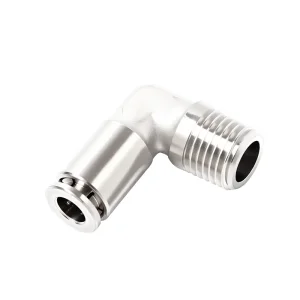
Browse our main line of push-in and push-on components, optimized for agricultural, industrial, and heavy-duty automotive applications across New Zealand.
We maintain a comprehensive line of connectors, adapters, and custom pneumatic tubes to satisfy high-flow industrial and automotive demands.
Get in touch with NHPC’s engineering department for system design consults, free sample kits, and optimized bulk pricing models tailored for New Zealand projects.
Send Inquiry Now Nuoheng