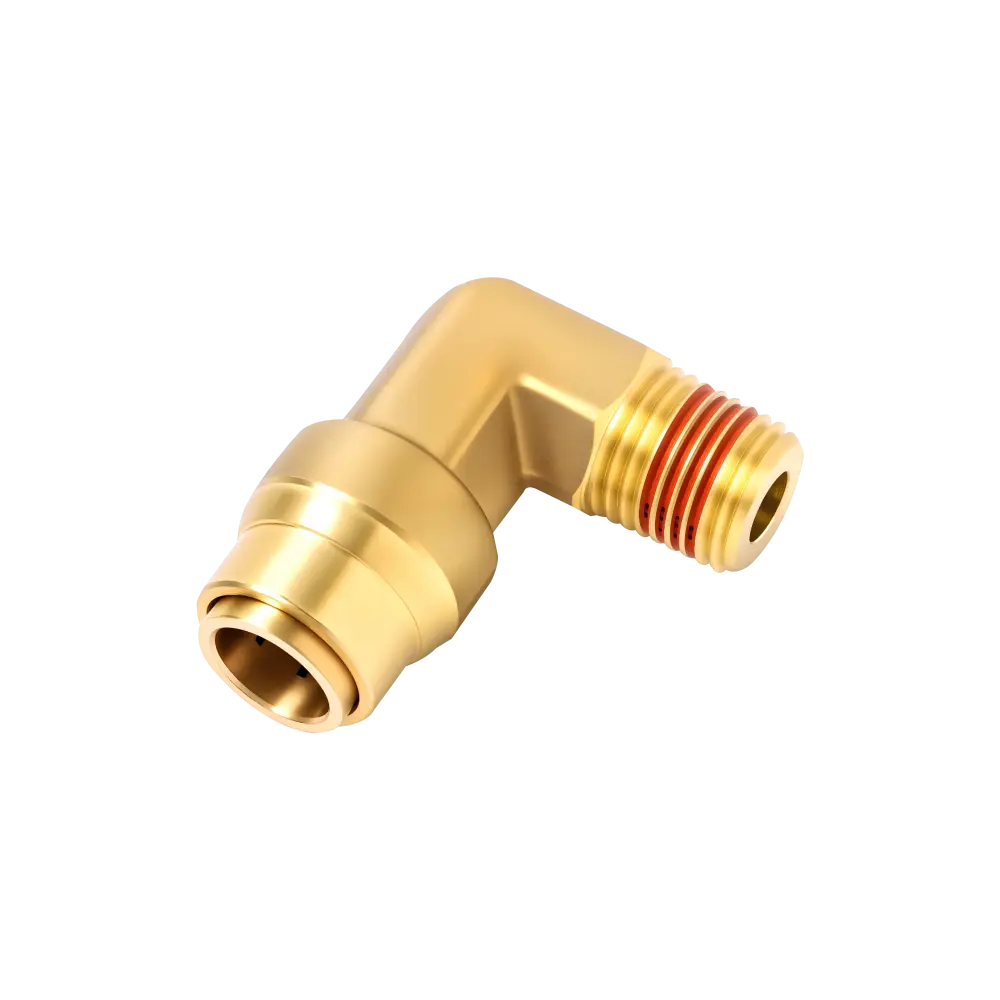
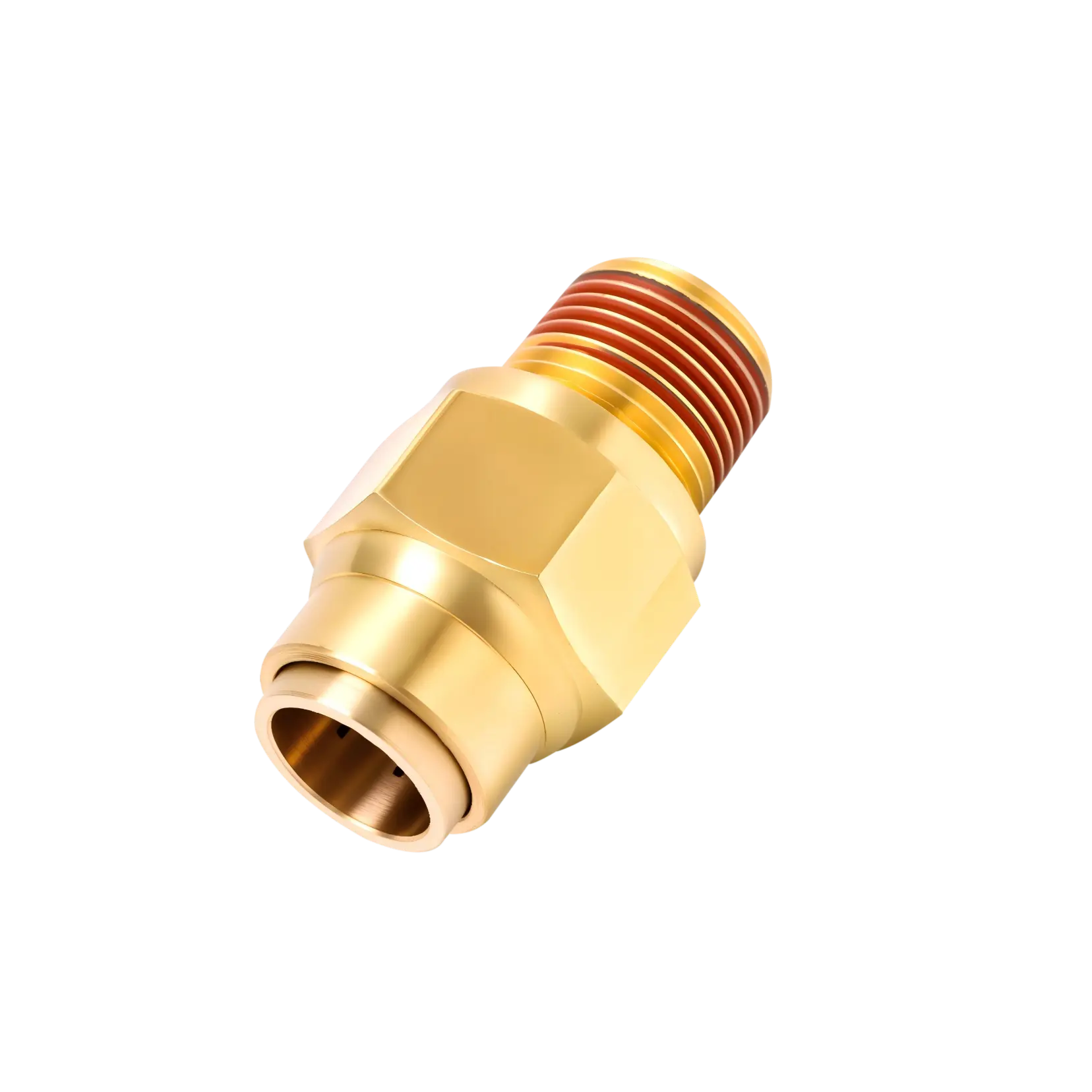
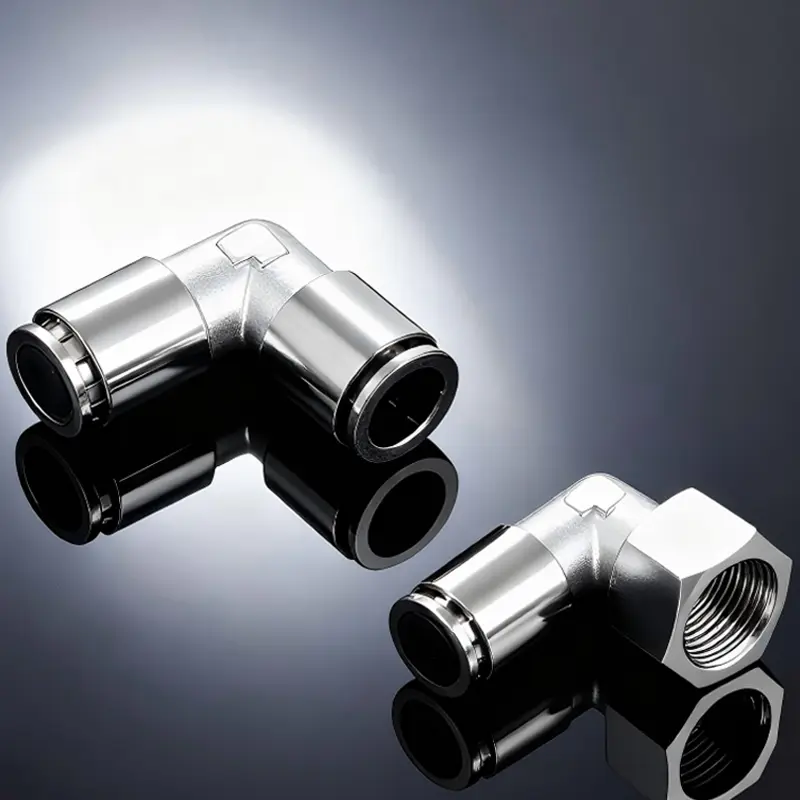
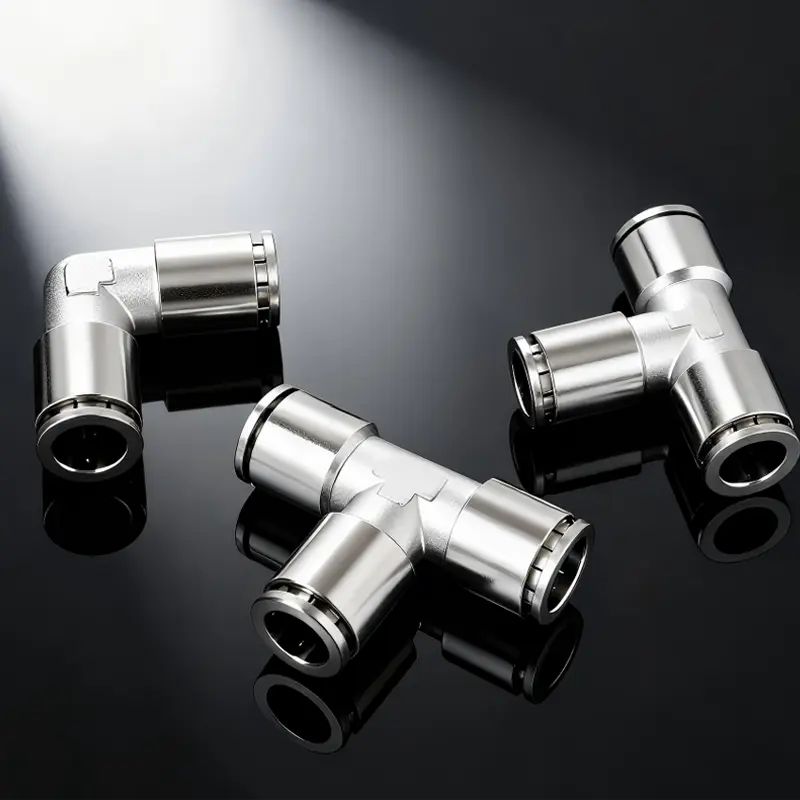
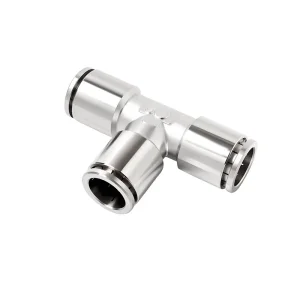
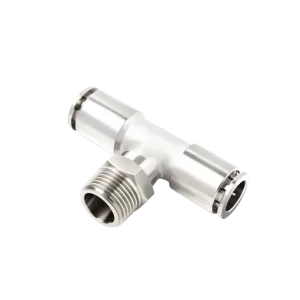
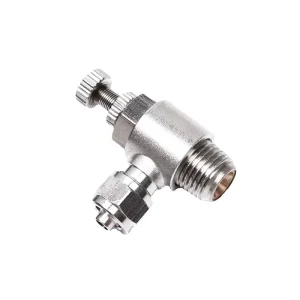
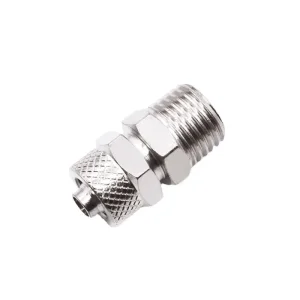
Explore our industrial-grade, precision-machined brass connector models designed for tight tolerances and zero-leak operations.
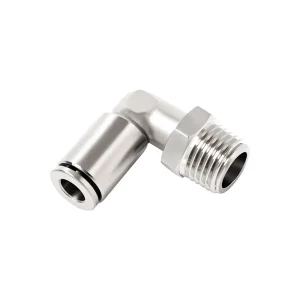
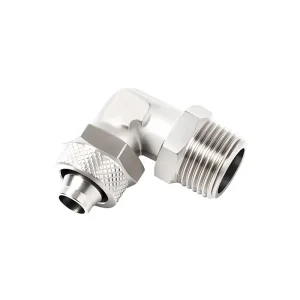
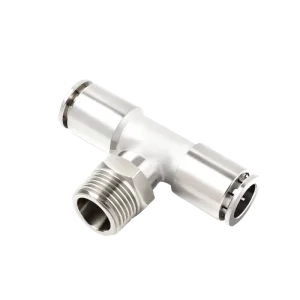
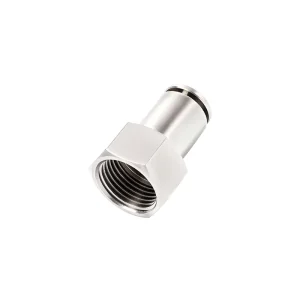
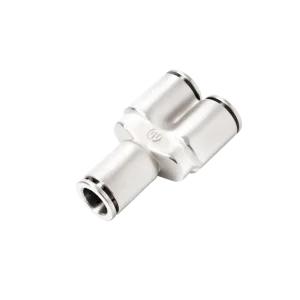
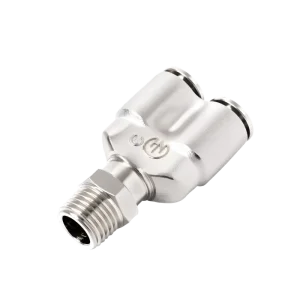
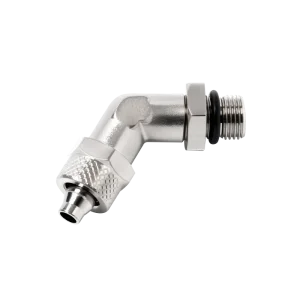
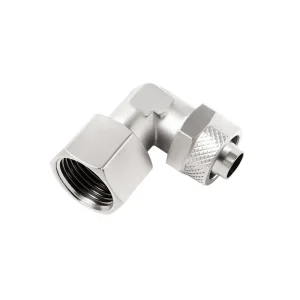
In-depth technical analysis, global supply chain evaluation, and modern deployment standards for next-generation pneumatic infrastructures.
Modern industrial automation demands fluidic connections that balance long-term mechanical reliability with low downtime maintenance. Quick-connect systems constructed from structural brass (specifically, grades such as HPb59-1, C3604, or lead-free alternatives) represent the pinnacle of this optimization trade-off. Unlike polymer composites which suffer from environmental stress cracking (ESC) and rapid UV degradation, brass provides structural integrity, pressure tolerance, and thermal range capabilities essential for heavy industrial operations.
The global demand for high-performance brass quick-connect fittings has scaled rapidly alongside the growth of industrial automation, smart factories, and electric vehicle (EV) battery production infrastructures. Geographically, Europe and North America remain the primary consumption hubs for precision fittings due to stringent automation regulations, safety mandates, and mature automotive assembly lines. Concurrently, the Asia-Pacific region is experiencing an unprecedented surge in demand driven by clean energy transition initiatives, particularly in large-scale energy storage system (ESS) thermal management circuits and high-output semiconductor cleanrooms.
The market is witnessing a distinct migration away from standardized plastics to brass and nickel-plated brass alloys. This transition is motivated by a critical commercial KPI: **Total Cost of Ownership (TCO)**. In automated assembly lines, a single fitting failure due to pressure overload or chemical degradation can halt production lines, incurring astronomical operational losses. With brass fittings providing mechanical yield strengths exceeding 340 MPa and superior resistance to cyclic thermal expansion, they have emerged as the standard specification for modern EPC (Engineering, Procurement, and Construction) companies globally.
The operational demands placed on brass quick connect fittings vary extensively by region, calling for localized engineering adjustments and deep understanding of environmental conditions:
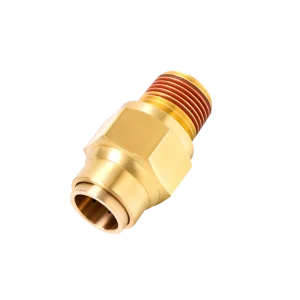
Strict DOT (Department of Transportation) certifications dictate the use of brass fittings in vehicular air brake lines and auxiliary air systems. The exposure to salt spray on coastal routes and extreme temperature deltas makes high-integrity brass push-to-connect systems the preferred choice for commercial truck fleets and heavy machinery builders.
European factories prioritize machinery efficiency and food-grade compliance. European standard G-threads (Parallel BSPP) are widely matched with high-nickel plated brass fittings to withstand CIP (Clean-in-Place) washdown chemicals in dairy and pharmaceutical packaging operations, complying with RoHS and REACH standards.
Rapid expansion in energy storage fire protection systems has elevated the need for flame-resistant and flame-retardant pipe fittings. Our specialized **PLF, PE, and PC series** are designed directly to handle liquid cooling lines and localized fire suppression channels within grid-scale battery enclosures.
The manufacturing capabilities of Chinese factories have evolved from simple labor-cost execution to highly integrated, technology-driven production ecosystems. At NHPC (Zhuji Nuoheng Pneumatic Machinery Co., Ltd.), located in the industrial manufacturing cluster of Zhejiang, we leverage this localized ecosystem to offer unparalleled supply chain stability and quality control.
Our vertical integration model handles every production step in-house: from initial chemical analysis of the raw brass logs to automated CNC precision machining, heat treatments, surface plating, and high-pressure automated leak testing. This complete system eliminates the risks associated with multi-tiered outsourcing networks. By housing custom tool design, stamping, die-casting, injection molding for internal sealing elements, and surface finishing under a single management protocol, NHPC guarantees compliance with strict design specifications while providing cost savings to our wholesale partners worldwide.
| Performance Specification | Standard Range (Standard Fittings) | NHPC Premium Brass Line | Test & Verification Standards |
|---|---|---|---|
| Body Material Construction | Common Brass (H59) or Plastic | HPb59-1 / C3604 Brass / Lead-Free Option | Spectrometric Alloy Verification |
| Working Pressure Limit | 0 to 10 Bar (1.0 MPa) | -0.99 to 20 Bar (-0.099 to 2.0 MPa) | 100% Helium Leakage Diagnostics |
| Fluid Suitability | Compressed Air only | Compressed Air, Vacuum, Liquid, Inert Gas | EPDM/NBR/FKM Seal Compatibility Testing |
| Thermal Limits | 0°C to 60°C | -20°C to 120°C (depending on seal selection) | High/Low Temp Chamber Calibration |
The path forward for connection technology is shaped by two major drivers: environmental compliance and digital integration.
Global environmental directives (such as NSF/ANSI 61 and revised RoHS thresholds) demand that brass alloys in contact with potable water or specific industrial fluids have less than 0.25% lead content. NHPC's metallurgical team has optimized machining parameters for bismuth- and silicon-alloyed lead-free brass to match the processing speed and structural strength of traditional free-machining brass.
The integration of smart systems into industrial pneumatic setups is leading to fittings embedded with micro-sensors. Future iterations of our quick connectors will house miniaturized RFID tags and pressure sensors to flag local pressure drops, temperature spikes, or loose joints before they cause system failures.
As the EV market scales, cooling demands inside battery arrays require custom quick-connect blocks. We are currently developing zero-spill liquid cooling connectors with integrated dry-break valves, designed to prevent coolant leakage during servicing or replacement.
Entering international supply contracts requires navigating a complex environment of regulatory approvals. NHPC supports global partnerships by achieving and maintaining the certificates required for high-reliability sectors, including automotive transport, fire safety, and chemical processing. Our engineering team provides complete support documentation, including PPAP (Production Part Approval Process) reports, IMDS (International Material Data System) filings, and material mill sheets to guarantee traceablity back to the raw material stage.
Our commitment to quality is backed by international standards and strict verification workflows.
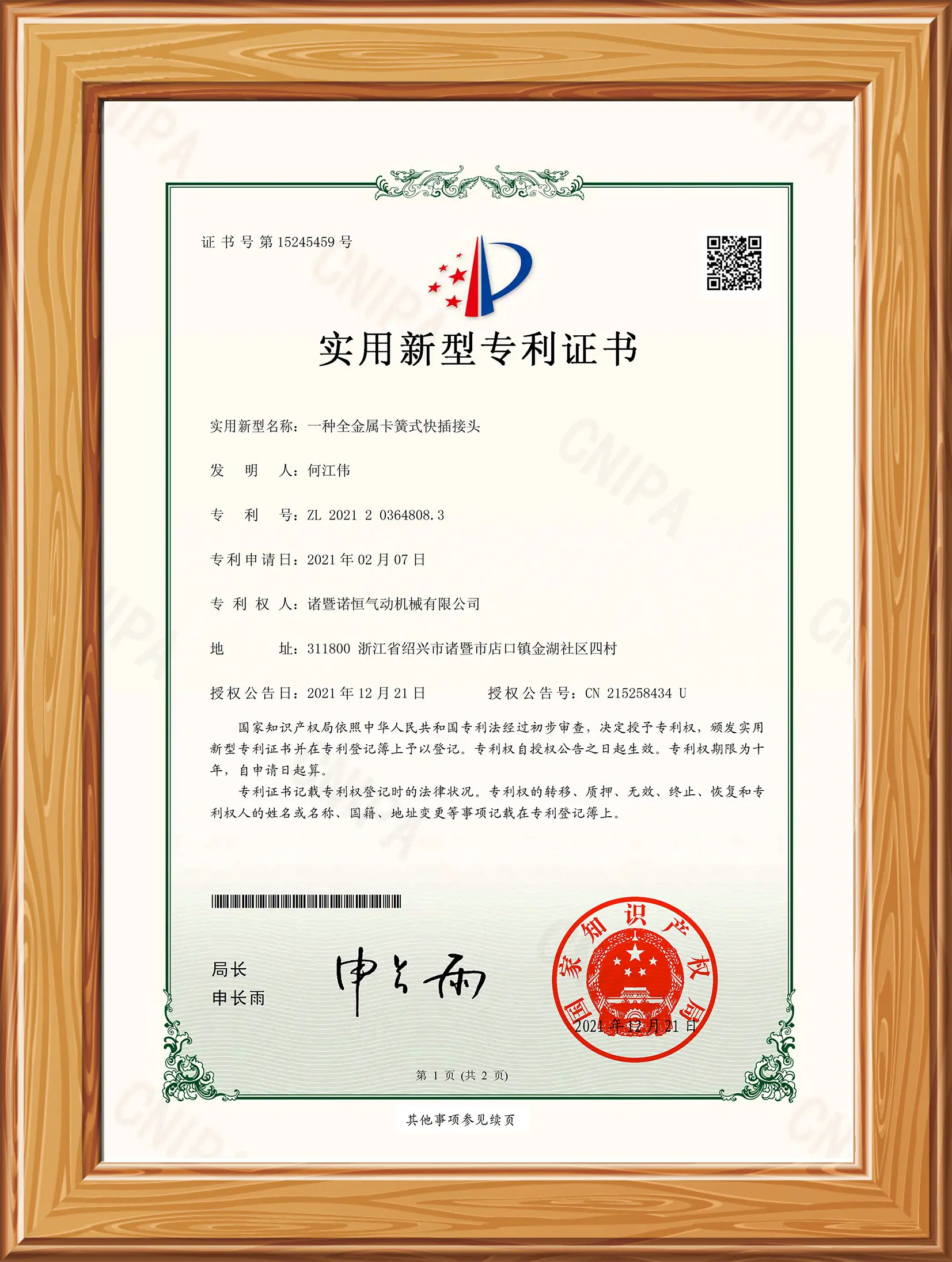
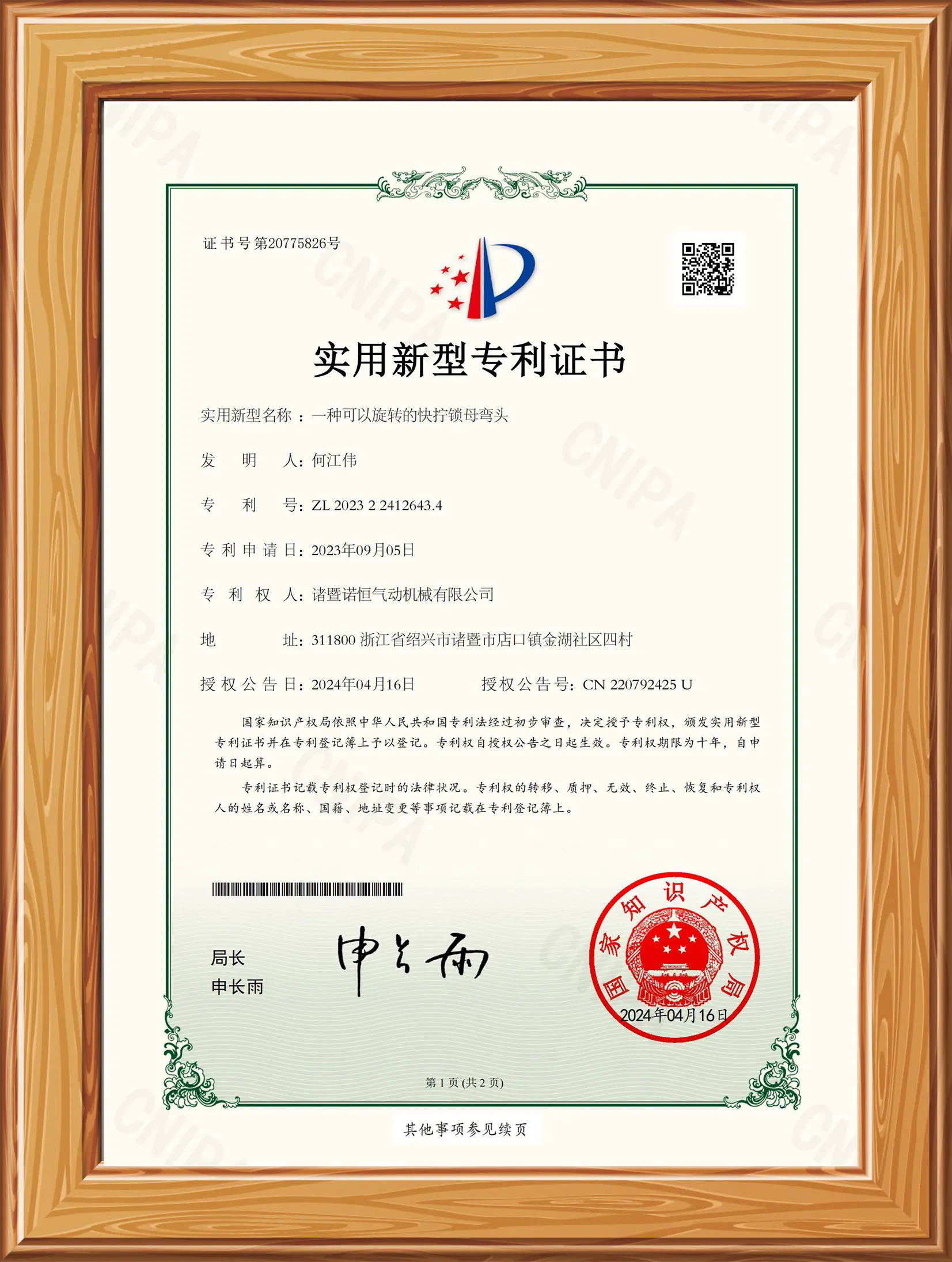
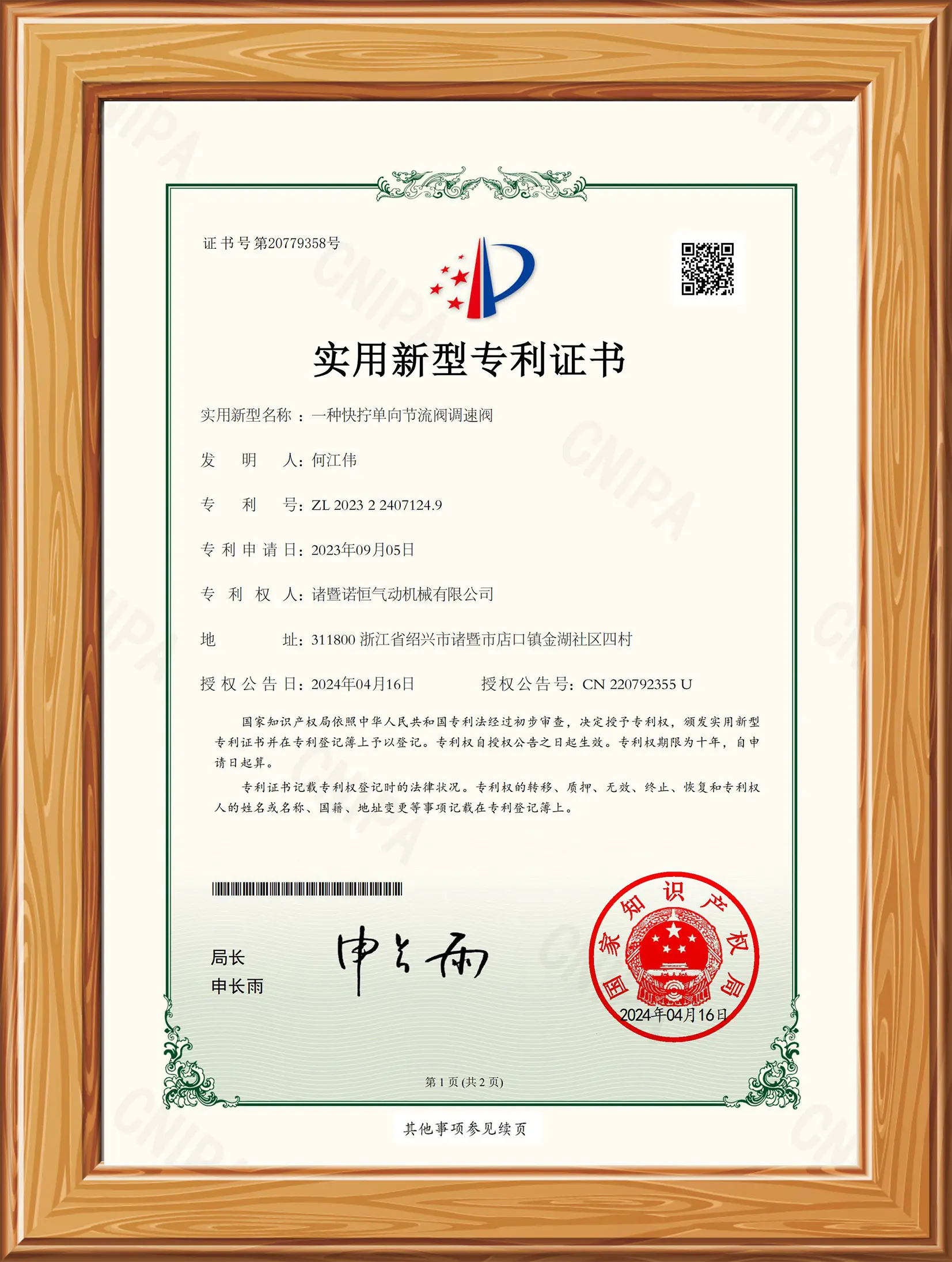
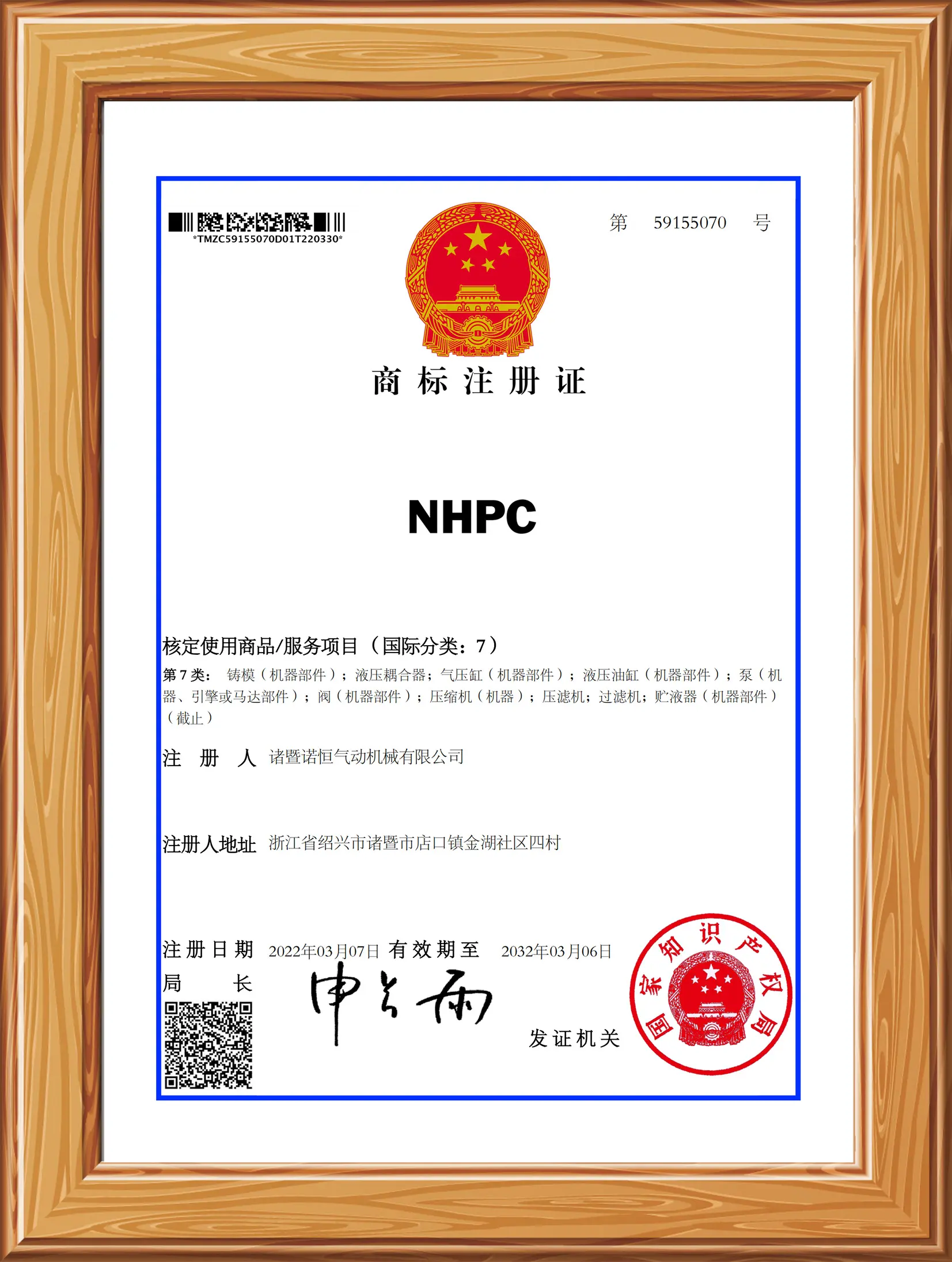
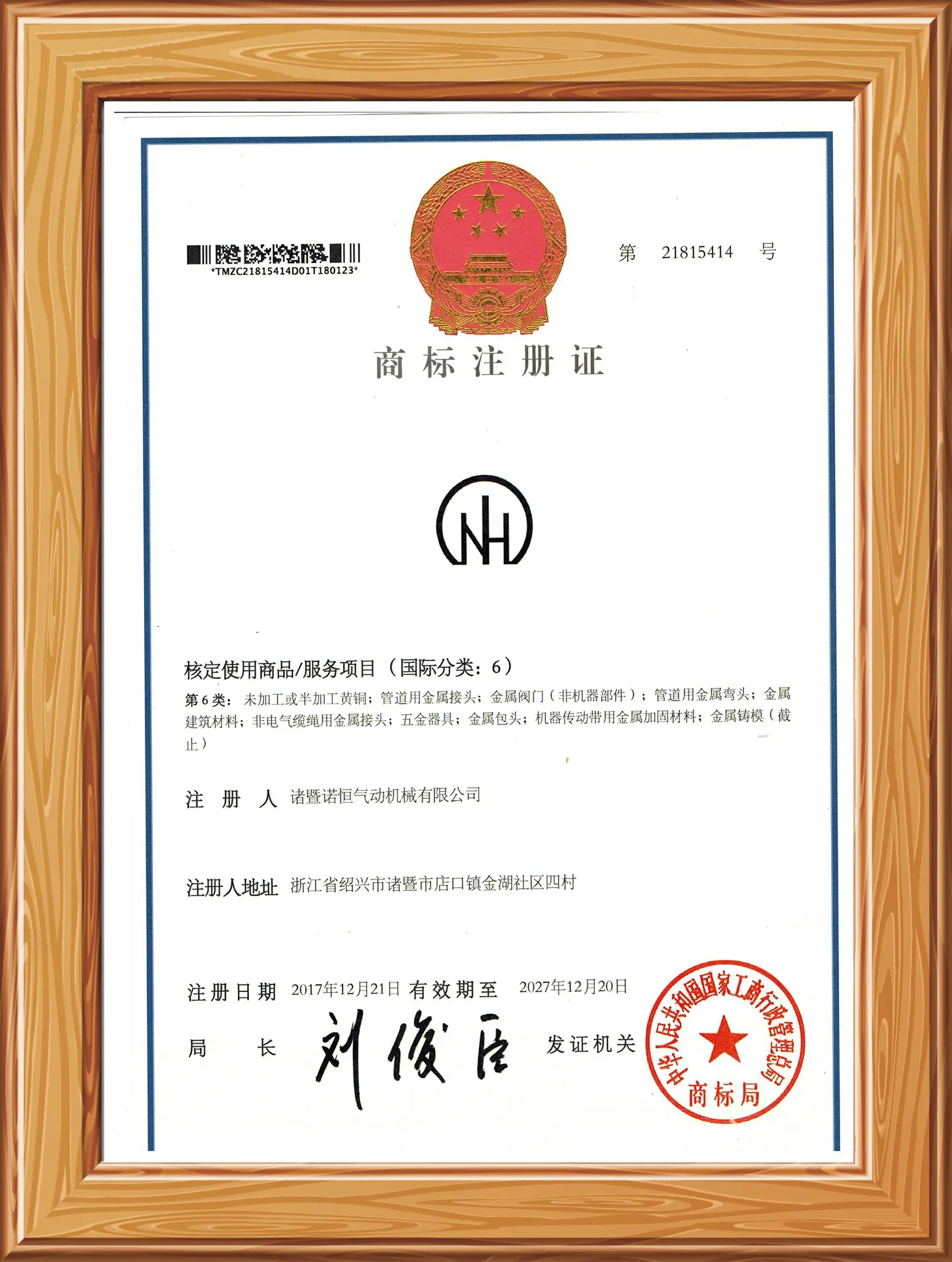
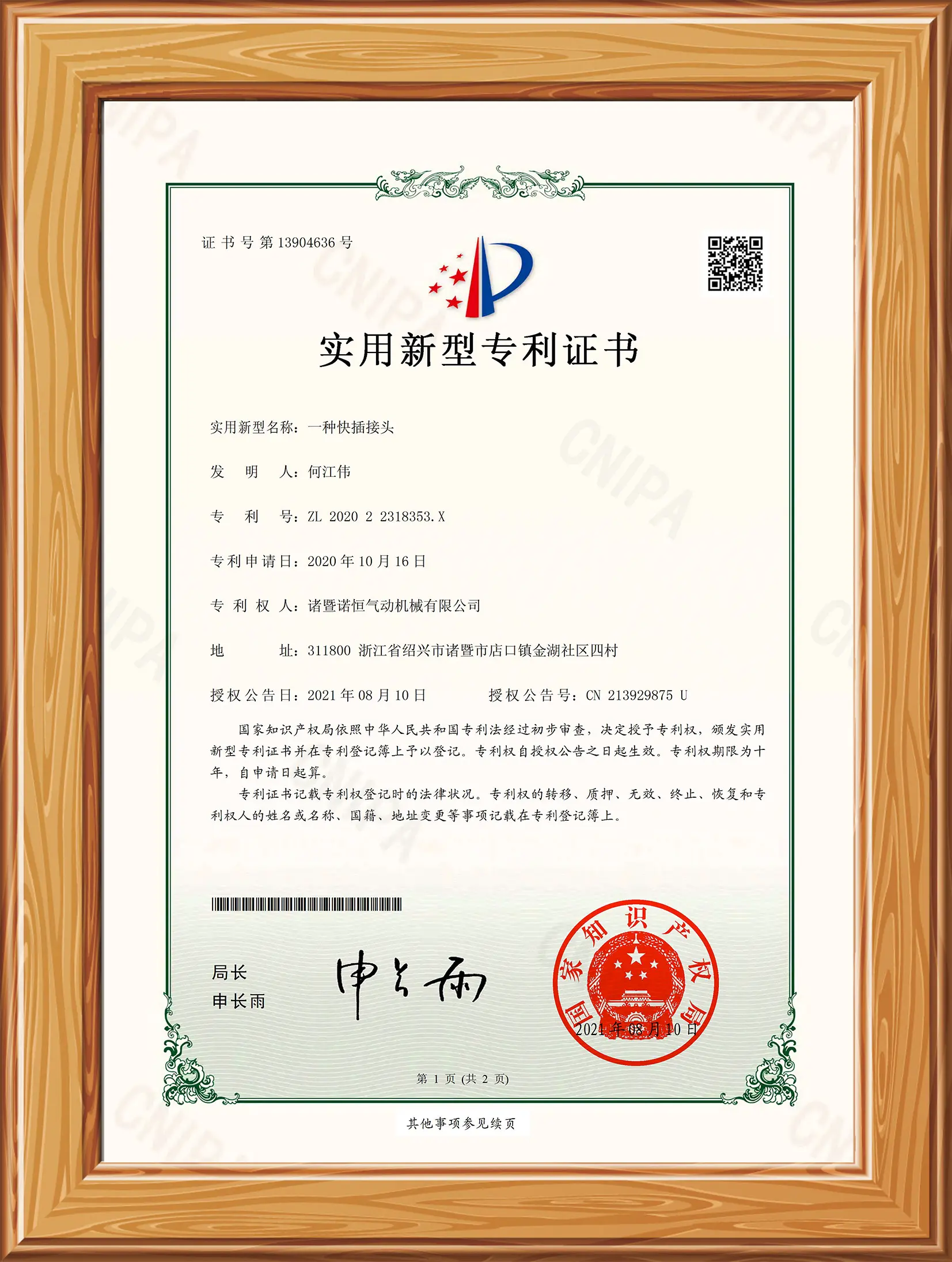
A closer look at Nuoheng Pneumatic Machinery's automated production plant and quality testing workflow.
With over 15 years of industry-focused manufacturing experience, NHPC specializes in the design, development, and manufacturing of high-performance pneumatic systems. Our catalog covers push-in fittings, push-on fittings, pneumatic valves, quick connectors, PU tubes, hydraulic components, and bespoke system engineering. We operate automated CNC lathes, high-precision surface plating baths, advanced plastic injection molding systems, and high-pressure inspection equipment. We control quality at every phase, from raw brass billet testing to the final assembly of complex fittings.
Engineered for high-temperature resilience, safety, and fire-resistant installations in industrial battery systems.
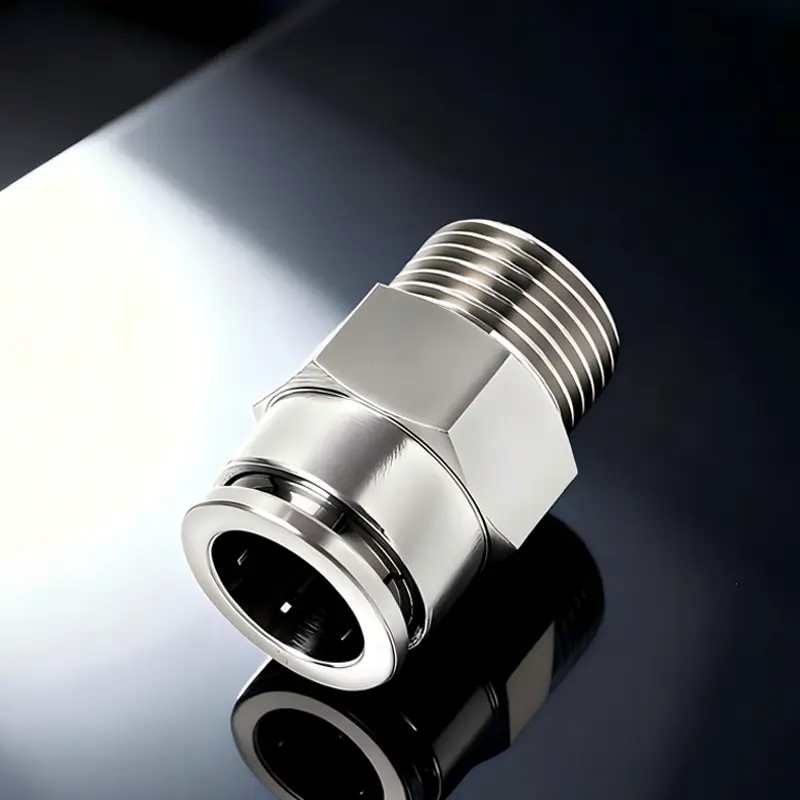
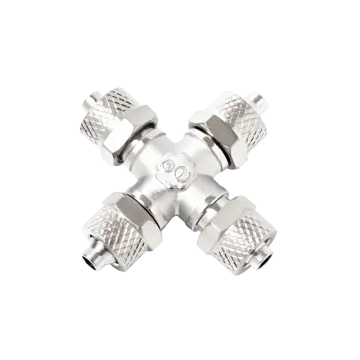
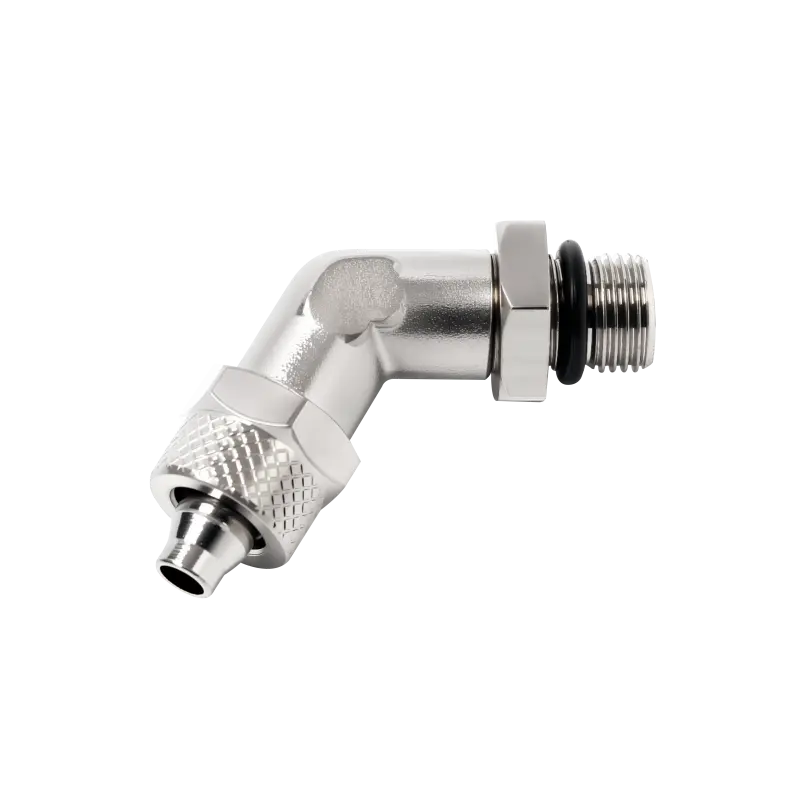
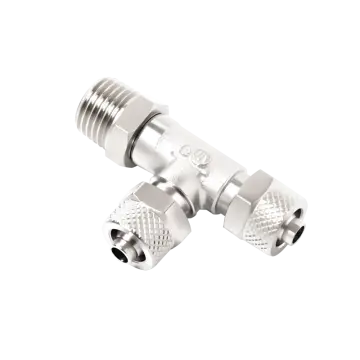
Technical guidance for system designers and sourcing managers evaluating brass quick connect fittings.
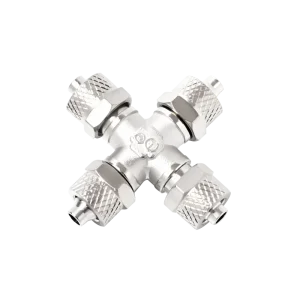
Answer: "Push-In" fittings secure the outer surface of the tubing using an internal collet (or lock claw) and seal it with an O-ring. This design allows for rapid insertion and removal. "Push-On" (barbed/compression style) fittings require the tube to be pushed over an internal barb, which is then secured by tightening an external collar nut. Push-on variants are preferred in high-vibration systems or applications with high pressure surges where physical pull-out resistance is critical.
Answer: Yes, provided the internal O-ring elastomer matches the coolant chemistry and working temperature. While NBR is standard for air systems up to 80°C, high-temperature cooling circuits typically require Viton (FKM) or EPDM seals, which reliably withstand temperatures from -20°C up to 120°C (and occasionally 150°C) and resist breakdown from water-glycol mixtures.
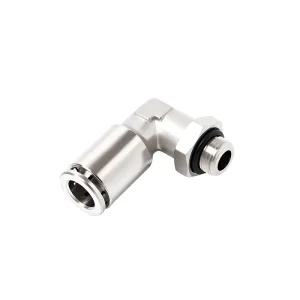
Answer: A 360° rotatable swivel system (found in models like our PL-Elbow push-in series) allows the body of the elbow or tee fitting to turn independently of the threaded base. This enables technicians to tighten the thread securely into place first, then orient the port in the exact direction needed for the routing path without over-torquing the thread or compromising the seal integrity.
Answer: Vehicular air brakes require DOT (FMVSS 571.106) and SAE (J1131 / J2494-3) compliant fittings. These standards mandate specific pull-out resistance, vibration cycling durability, and cold-temperature impact properties. NHPC's Brass DOT Air Brake Line Fittings are specifically designed and certified to meet these performance levels.
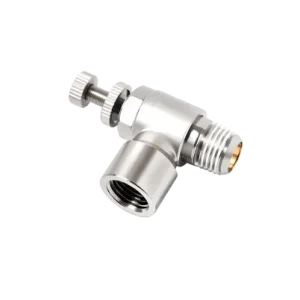
Complete your layout with specialized control valves, reducers, and male/female connector adaptations.
 Nuoheng